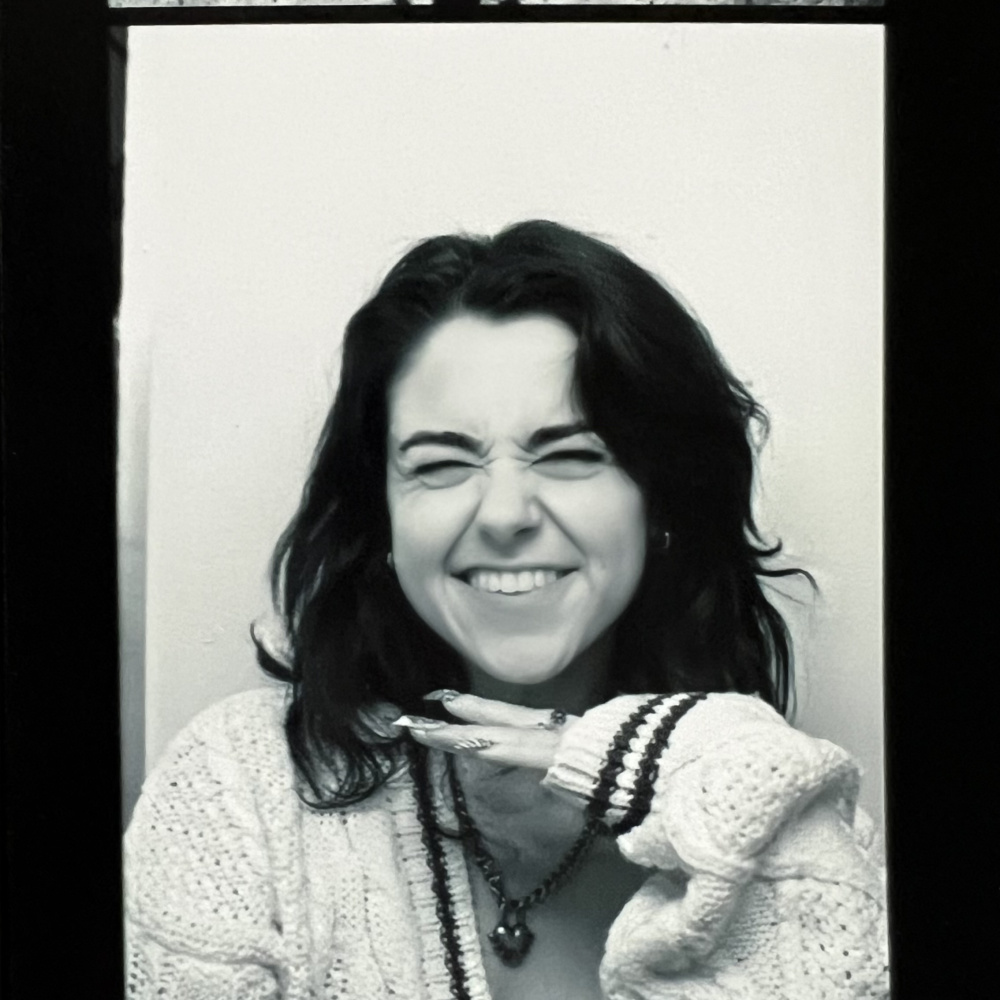
Amber Amelia Kelly
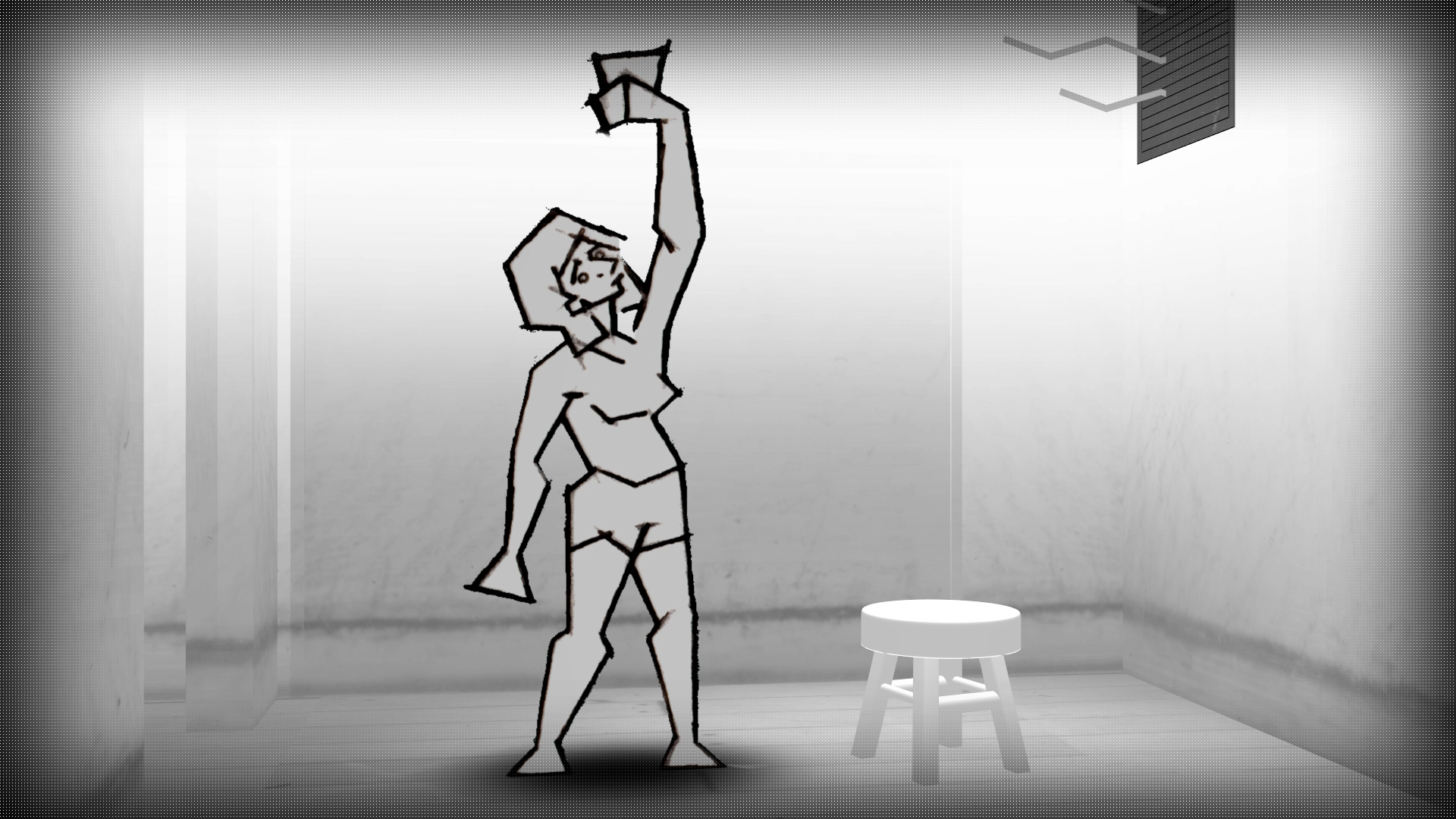
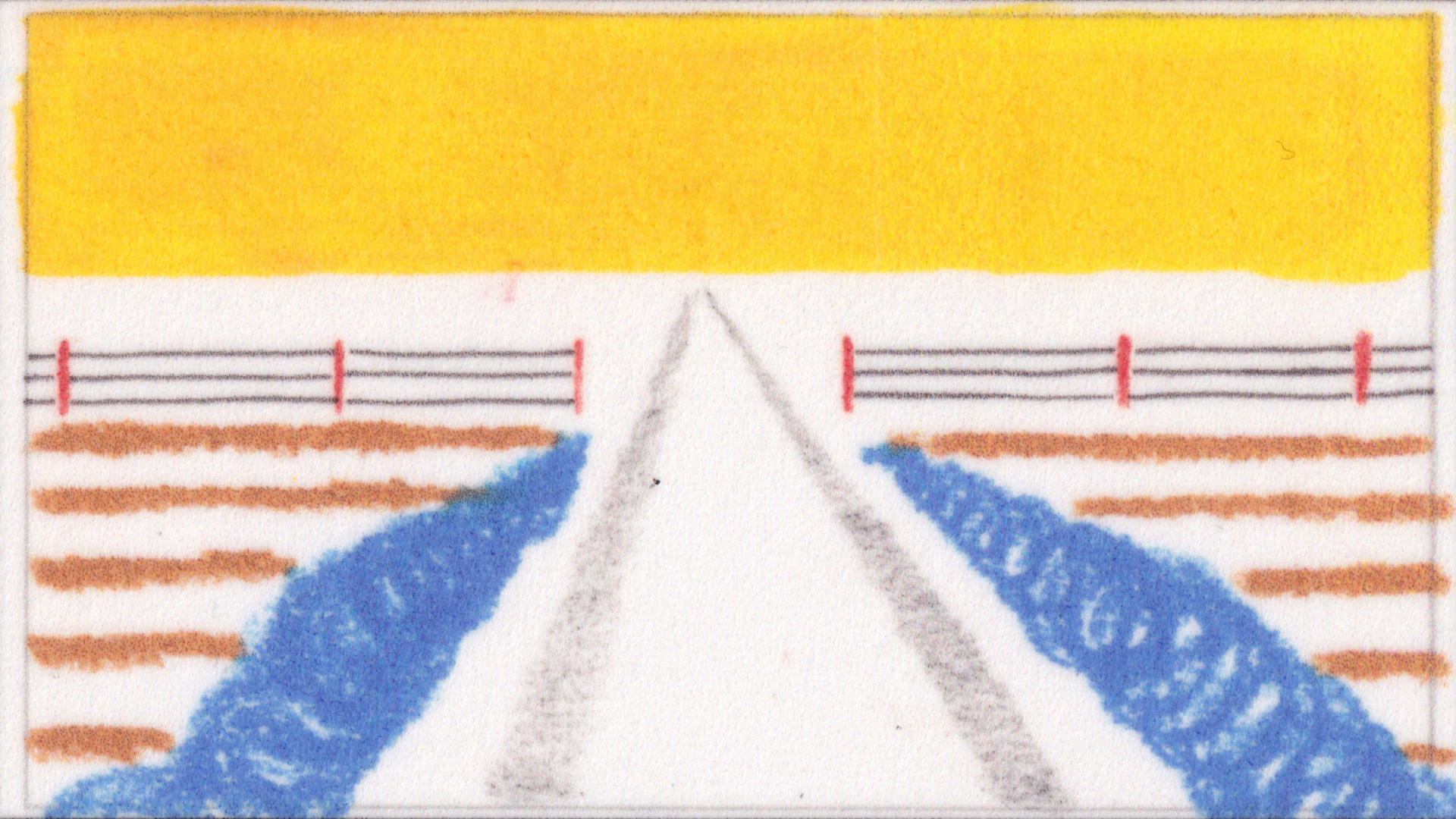
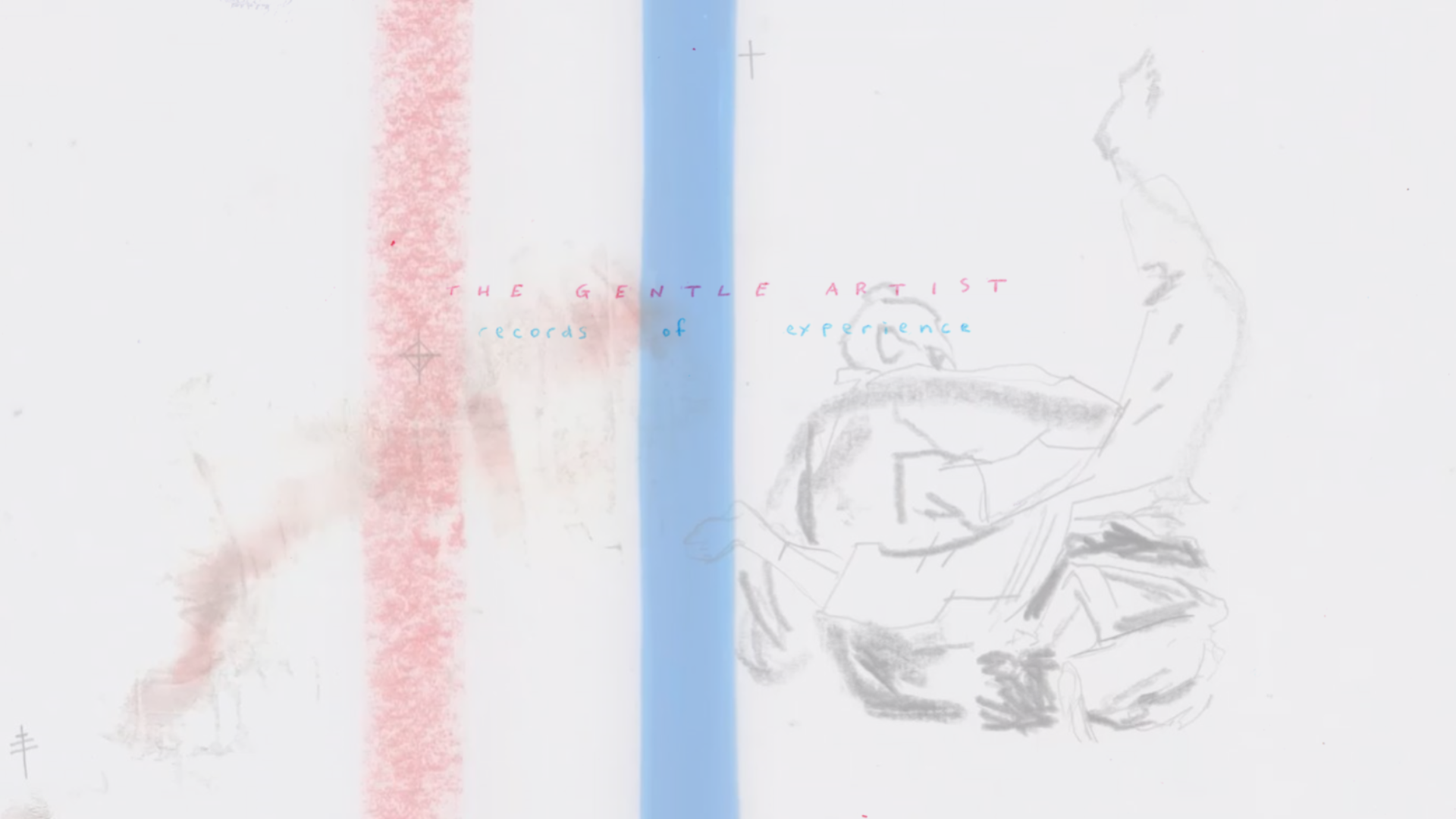
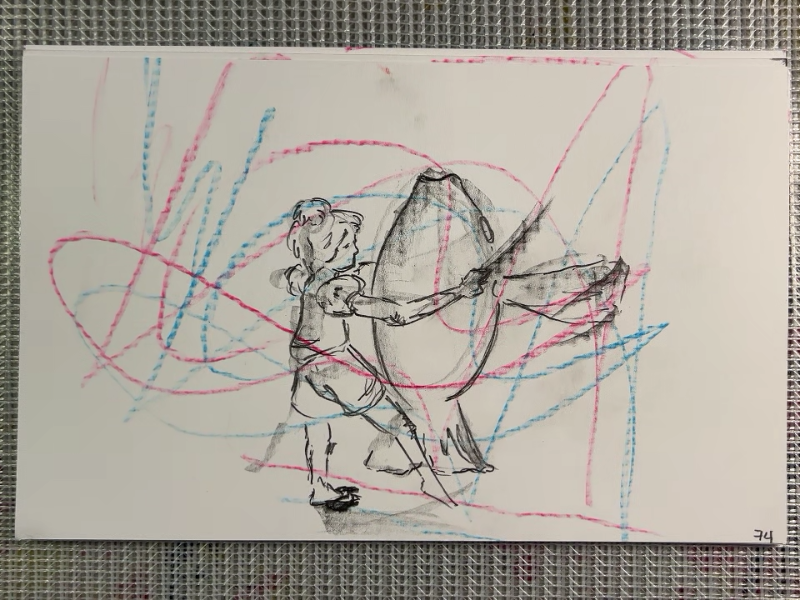
Waiting Room is a practice-based research project that engages with an emotionally complex human experience of grief and trauma. The research utilises subjective thinking, feeling, and making processes informed by autoethnographic inquiry to explore how animation can be used to grapple with loss by engaging in the production pipeline of an animated film. The project harnesses the use of experimental animation techniques as a tool to facilitate an internal, psychological dialogue on witnessing the terminal illness of a loved one between practitioner and audience. The goal of Waiting Room is to create a space where caregivers can express the complexity of their emotions during this stage of human experience.
it is this ‘giving’, this ‘breathing’ of life which is so very important to Animation Therapy as it reflects the opportunity of giving new life, restoring old life, presenting current life and past life.
Waiting Room explores the research done on art therapy, the Good Hearts Model (GHM), and graphic medicine to engage with the subject. Researcher-practioners such as Melanie Hart and Yvonne Eckersley have paved the way for animation as a form of therapy on which I have built my own research. Graphic medicine has also heavily influenced the project and its supporting research, as animation and comics have a long, entangled history together. Graphic medicine speaks to the use of comics as self-expression for the sick, caregivers, and doctors, allowing a deeper understanding of the emotional impact of illness as opposed to medical terminology.
Ultimately, the goal was to explore and communicate the inner psyche through a less structured or commercial animation format. This was in hopes of allowing a freedom to come through the final work and for the visuals to flow more naturally as opposed to a pre-planned film. An accompanying objective was to find genuine benefits to creating a piece of work so personal and in turn proving its worth in an academic context.
Through my practice, I have found a voice in animation as well as a reignited love for the medium's capabilities. I have found gaps where animation is screaming to be situated in an academic realm as opposed to the preconceived "children's medium". Creating visuals can aid in helping those who have suffered from trauma or gone through a neurological issue which impacts their speech, such as a stroke, increase verbal processing within the left hemisphere of the brain. The evidence of this can be seen in animated documentary films such as 'Waltz With Bashir' (2008), where Kracauer noted how creating the film unlocked subconscious memories previously repressed, as well as being offered an opportunity through its creation to visualise extra information about the reality of what was experienced. I feel it's worth to note reflecting back how the work has impacted my personal life. Within my own therapy sessions, as this project progressed, I was able to discuss my trauma and visualise the impact it has had on my life in a way I have been completely incapable of over the course of my life. It is a participatory practice that allows a safe space for expression and for viewers to see into a situation they may not understand.
AmberAmelia is an Irish animator, producer, researcher and artist.
She graduated from The National Film School of Ireland in 2023 with a BA in Animation. Her grad film, Irish Goodbye, has been selected for festivals internationally. In 2025, she received a level 9 certificate in production management from NTAA and IADT. AmberAmelia is hugely passionate about animation as a whole, from conception to final piece.
AmberAmelia has recently completed an MA in Animation in IADT in which her researched explored the therapeutic possibilities of animation for those living with and caring for chronic/terminal illness. She continues to explore it under the realm of arts and health.