Austeja Eidukaityte
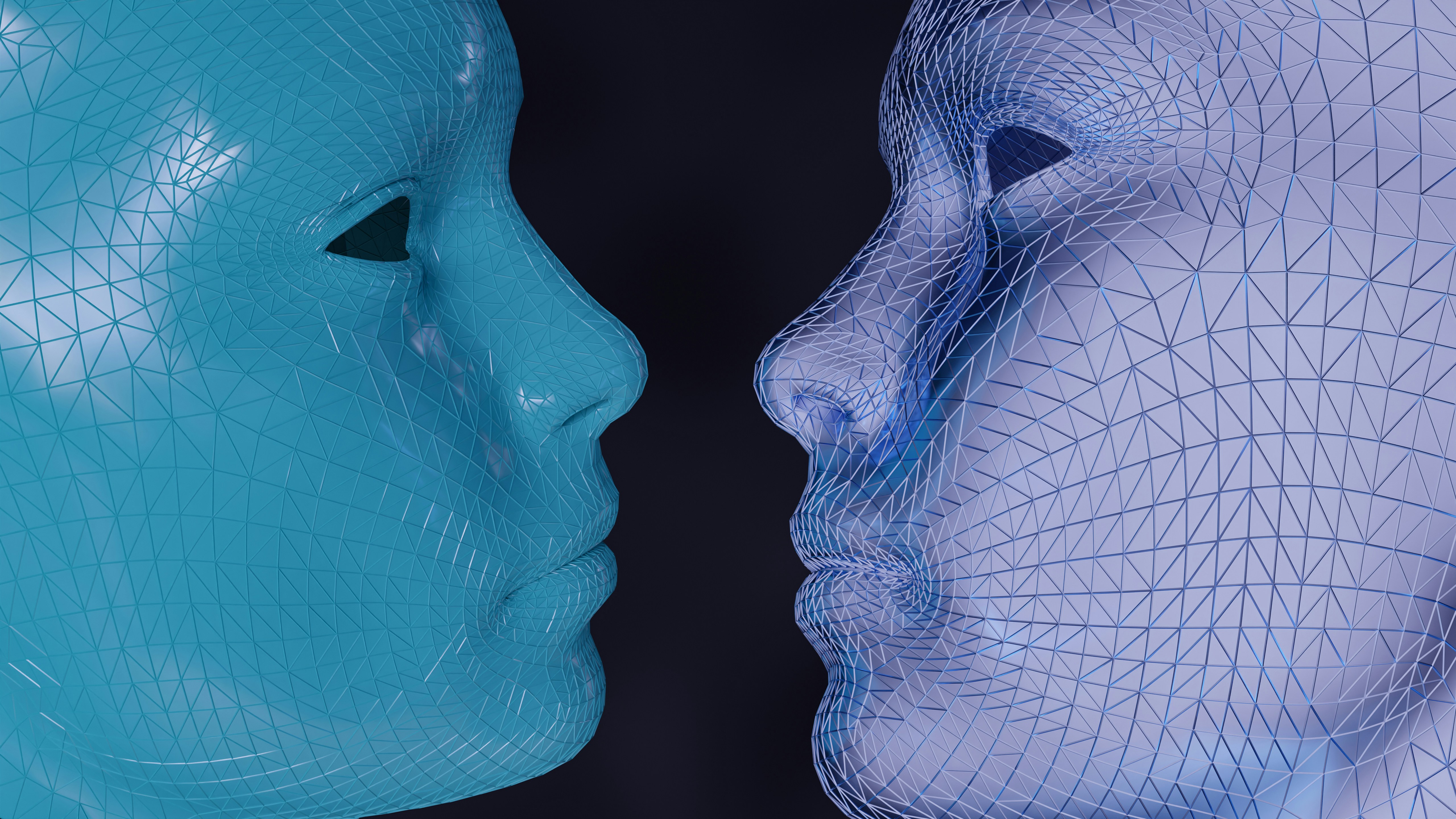
Recent developments in Generative Artificial Intelligence have produced human-like faces that are increasingly difficult to distinguish from those of real individuals. The increased prevalence of AI-generated content across media, advertising, and online platforms has raised concerns about the trustworthiness, authenticity, and reliability of information (Park & Nan, 2025). Hyperrealist faces raise issues as individuals often misidentify these generated faces as real people (Miller et al.,2023). Therefore, as AI-generated faces become more prevalent and sophisticated, they present a significant challenge for human perception.


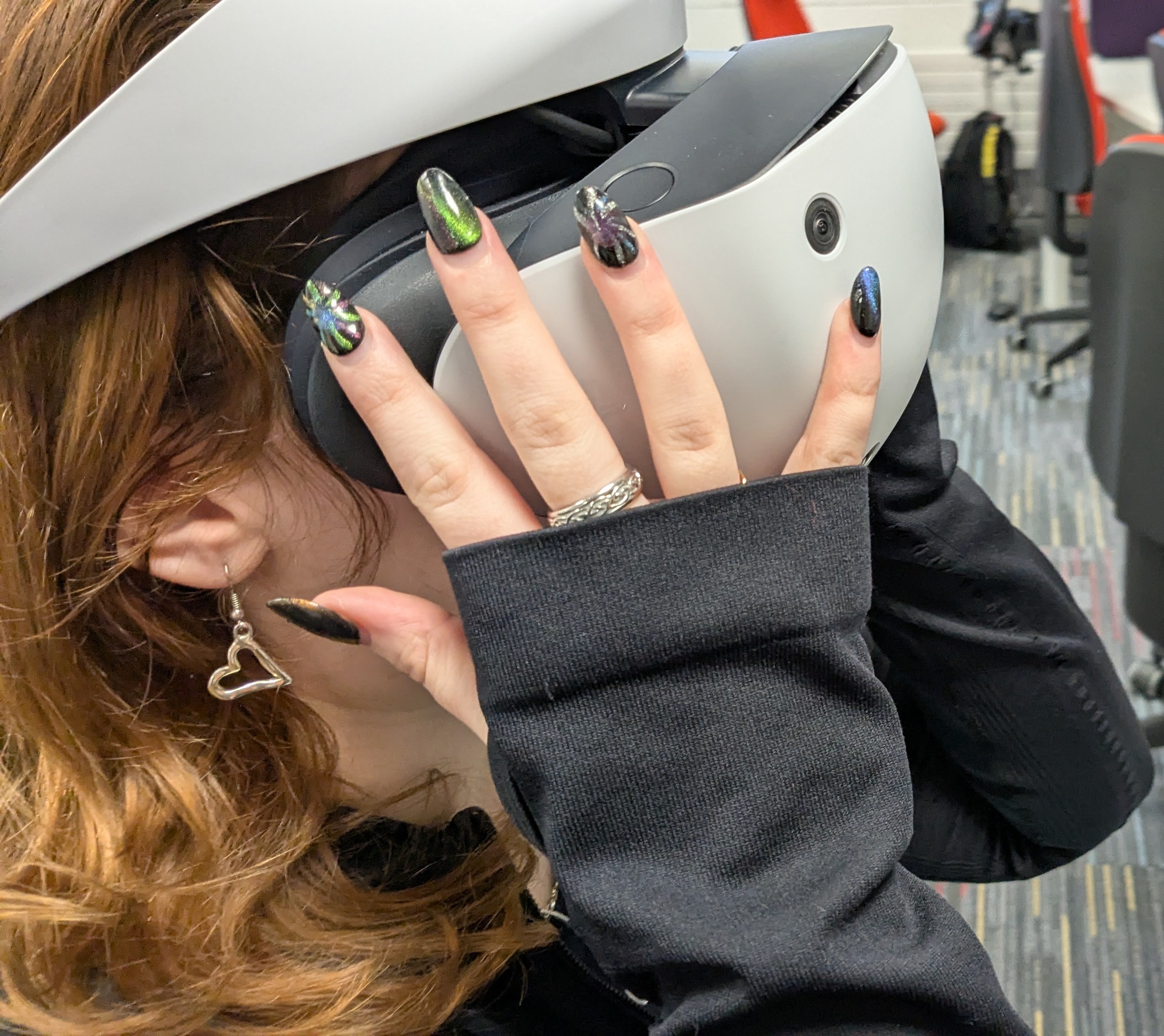
The ability to accurately distinguish human faces is a critical aspect of social cognition. With the rise of realistic AI-generated content in recent years, research on human perception and facial processing has steadily increased. Past research has explored AI-generated objects, scenes and deepfake videos. However, few studies have incorporated eye tracking technology and AI-generated faces. Therefore, this project utilised eye-tracking metrics alongside behavioural data, providing a more comprehensive insight into the underlying attentional and perceptual elements of the evaluation of AI-generated faces. Participants were recruited from IADT (N=78, M=22.13, SD=3.71). Participants evaluated a series of faces. They then judged the authenticity of the faces and their confidence in their decision. This study investigated the following research questions: 1) Are there differences in fixation duration based on face type and areas of interest? 2) Are there differences in the fixation durations based on the face type and accuracy-confidence level? 3) Are there differences in the scan pattern for AI and Real faces? In addition to the research questions, an exploratory analysis was conducted to examine broader patterns of AI recognition and confidence.
The results indicate that there are significant differences in fixation duration based on face type, type of area of interest and their interaction. However, no significant difference was found in fixation durations based on face type and confidence-accuracy levels. This suggests that confidence and accuracy are not aligned, indicating that the subjectivity of self-reporting may not reliably reflect actual performance in detecting AI-generated faces. An exploratory analysis revealed that the faces that were the easiest and the most difficult to identify were AI-generated. Therefore, AI-generated faces varied considerably in their detectability. Heatmaps indicate primary focus on the T-shape formation with a gaze bias for the eyes, matching previous findings for a ‘triangular scanning pattern’ and an upper-face bias. There was a slight positive correlation between confidence in detecting real faces and confidence in detecting AI-generated faces. Additionally, there was also a slight positive correlation between correctly identifying AI-generated faces and confidence. Overall, the study contributes to a growing understanding of how humans process and evaluate AI-generated faces. As GenAI content becomes more realistic and prevalent, further research is needed to better understand how it is detected.
Hi, my name is Austeja. I’m particularly fascinated by the intersection of psychology with statistics, technology, and human-computer interaction. I have always viewed quantitative research as a way to measure and understand subjective human behaviour objectively. During my undergraduate degree in Applied Psychology at IADT, I chose the practice path because I wanted a human-centered approach that combines rigorous research with real-world applications. Alongside my academic studies, volunteering at the National Rehabilitation Hospital gives me a chance to support people in a meaningful way. By offering a listening ear I have learned so much about the challenges people face and the changes that need to be made.