Éabha Nic Lochlainn
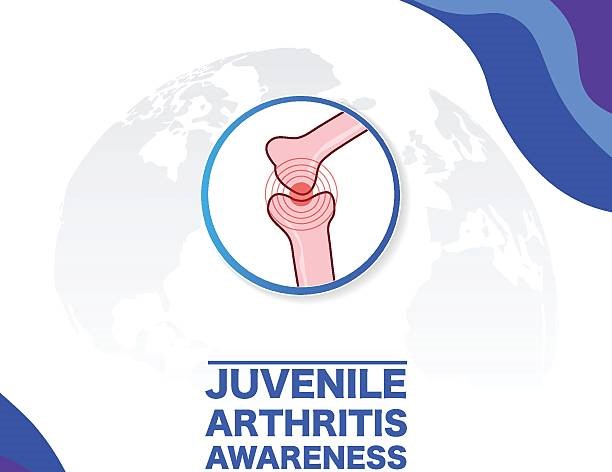
Juvenile Idiopathic Arthritis (JIA) is a chronic condition that can significantly impact an individual's life. Despite its prevalence, JIA individuals often experience stigma, due to the invisible nature of the condition and the stereotype that arthritis only affects older people. Past research has explored stigma regarding such illnesses, however, the impact of the illness on social and self-identity in JIA individuals has been overlooked. The present study used reflexive thematic analysis of publicly available narratives to identify important themes related to JIA identity. The findings of the study highlight the need for greater awareness, and more effective programmes, to promote awareness of invisible illnesses such as JIA.
The aim of the present study was to investigate how stigma may impact the social and self-identity of individuals with juvenile idiopathic arthritis (JIA). The study aimed (i) to explore how JIA individuals experience various forms of stigma in their lives, and (ii) to understand how such experiences may influence the ways JIA individuals see themselves, and interact with others. A qualitative approach, using reflexive thematic analysis, was used to analyse publicly available narratives of JIA individuals' lived experiences, as this allowed for an in-depth exploration of the impact of stigma, and identified patterns across those experiences.
The findings revealed diverse, significant, impacts stigma may have on the social and self-identity of individuals with JIA. Individuals with JIA reported various forms of stigma they experienced, such as: minimisation, disbelief, age-based invalidation, unsupportive comments from peers and teachers, medical dismissal, blame, and being asked to provide 'proof' of their JIA. Regarding how these experiences impacted their social and self-identity, individuals reported feeling they: (i) had lost their youth identity, (ii) lost confidence, and (iii) did not 'belong' in social environments. Many individuals adopted coping strategies in response to these feelings and experiences including: withdrawing themselves from others to protect their identity from the negative reactions of others, as well as using strategic silence (such as choosing not to disclose their JIA or not speaking about it) to avoid stigma. While these strategies may reduce JIA individuals exposure to stigma, they also seemed to contribute to their feelings of isolation. An unexpected result which emerged from the analyzed data was positive experiences being discussed by JIA individuals. These individuals reported how support and validation restored aspects of their social and self-identity, in addition to improving their confidence. These results emphasize the importance of increasing JIA awareness and improving public understanding of the condition, in order to reduce stigma individuals with JIA may experience.
I am an IADT final year B.Sc. (Hons.) Applied Psychology (practice pathway) student. During my IADT studies, I developed critical thinking and analysis, academic writing, and data analysis skills via various research methods and statistics modules. I explored a diverse range of psychology areas and gained a special interest in psychological conditions, in addition to the fields of biological, social and developmental psychology. I have a passion for psychotherapy and have been accepted onto the Masters in Psychotherapy and Counselling (integrative modalities) programme at Griffith College. This represents an important step in my psychology journey and will enable me to continue developing the skills I have gained during my IADT studies.