Darragh Mc Cusker
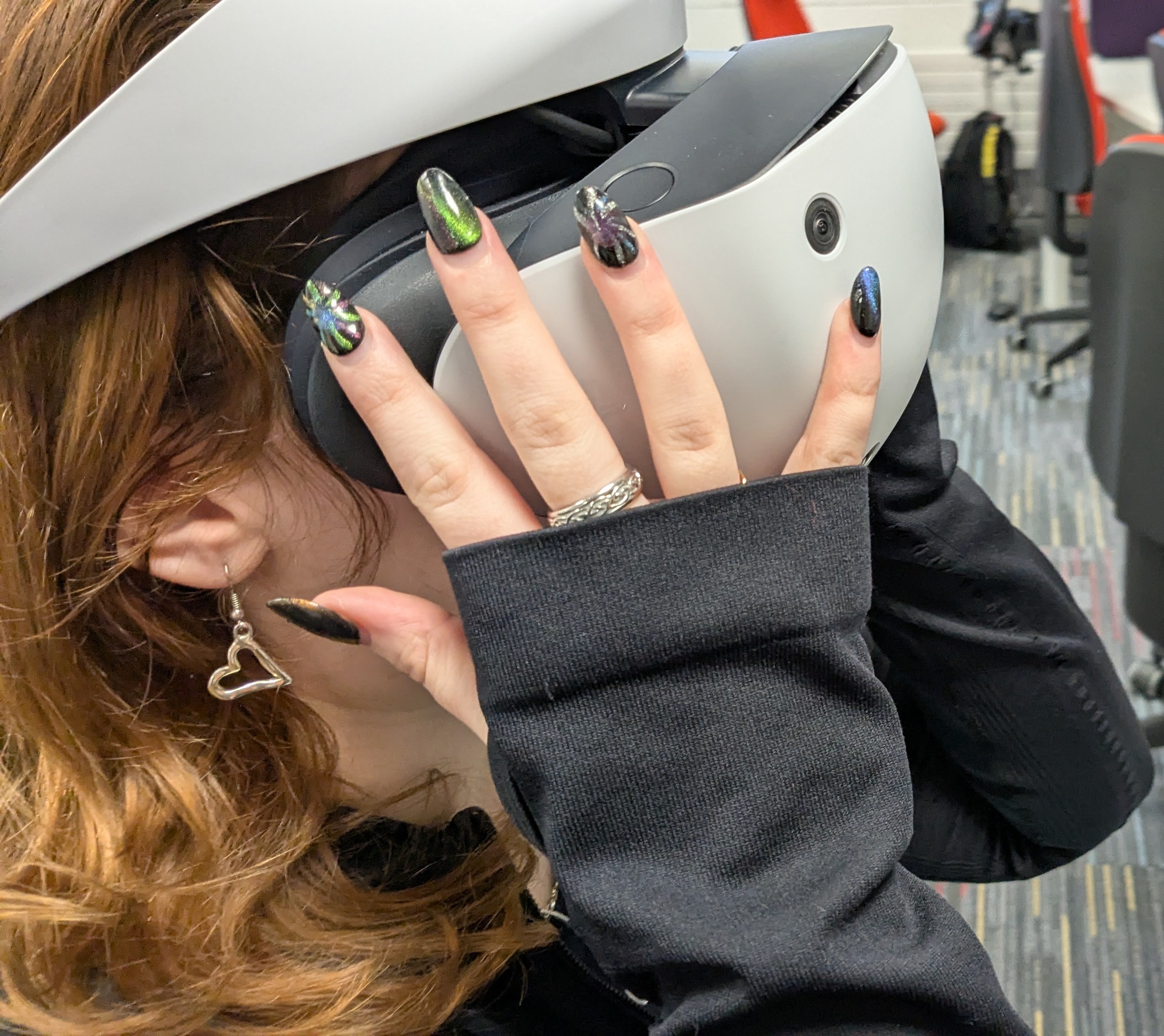
This project was conducted to investigate how feasible consumer-grade electroencephalogram (EEG) devices are for use in undergraduate research settings. The device used in this study is called the Emotiv Insight. As financial barriers can prevent access to neuroscientific research for students at an undergraduate level, we theorised that these types of devices may act as a method for overcoming these obstacles. While results displayed that the chosen device was not suitable for use in this setting, promising results were found in certain areas, leaving potential for future research using a different device to arrive at a different conclusion than the current study did.
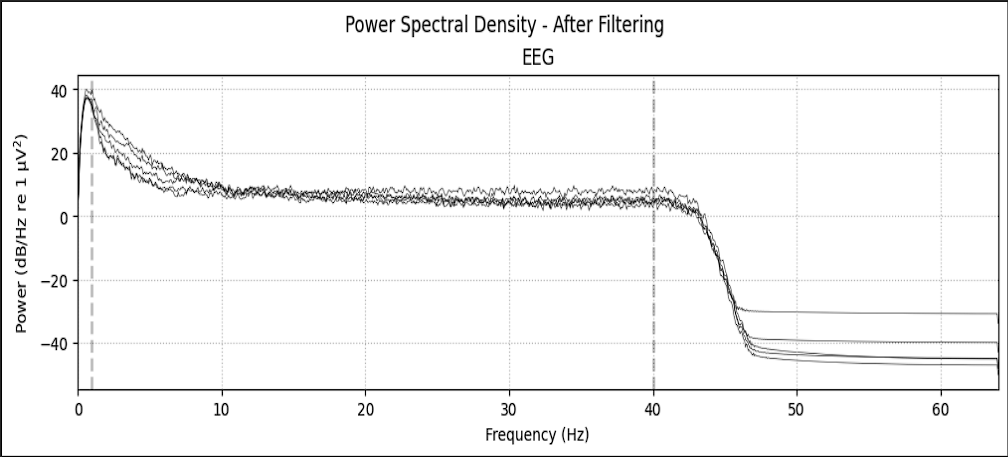
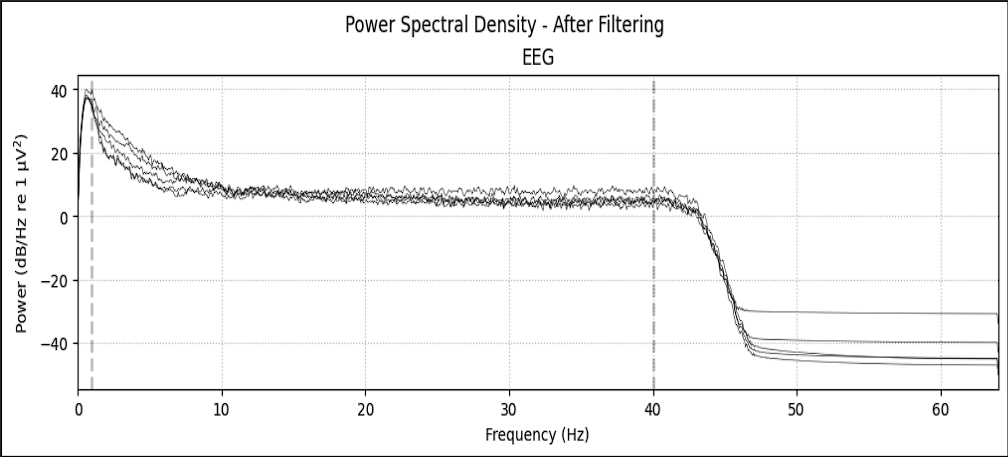
The main objective was to investigate if consumer-grade EEG devices are feasible for use in an undergraduate research setting. Four research questions were formulated in order to examine this objective;
“Can this device detect changes in attention across different conditions?”
“Does the 2-back task data correlate with the EEG attention data?”
“Can this device detect differences between baseline waves and task waves?”
“Are baseline conditions stable over time?”
Overall, this research concluded that the currently available consumer-grade EEG devices were not feasible for use in undergraduate research settings. However, there were promising results noted in certain areas, such as the device's ability to record stable baseline data across conditions. This demonstrated that when in the correct setting, these devices have the potential to gather quality data, and as this technology evolves, these devices may become a more realistic option for use.
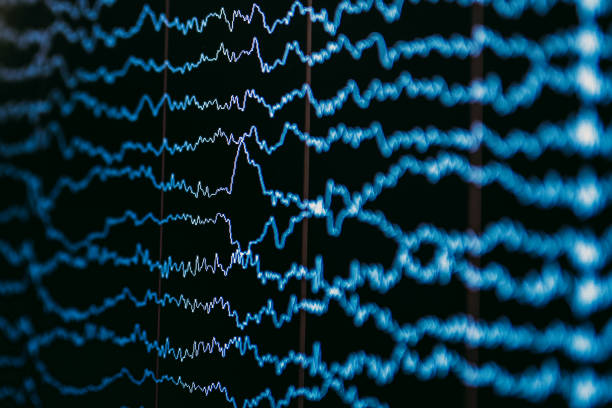
Consumer-grade EEG devices have risen in popularity over the last decade, due to their affordability and promises surrounding data quality. The current study aimed to examine the feasibility of consumer-grade EEG devices for use in undergraduate research, utilising a quantitative, within-groups, experimental design. The chosen device for this research was the Emotiv Insight EEG. Four research questions were explored to assess the feasibility of the chosen device: (i) Can this device detect changes in attention across different conditions?, (ii) Does the 2-back task data correlate with the EEG attention data?, (iii) Can this device detect differences between baseline waves and task waves?, (iv) Are baseline conditions stable over time? Participants completed a series of 2-back tests, with different genres of music playing during each. Raw EEG data was preprocessed using MNELAB through Python. Statistical analyses were conducted (Friedman tests, bivariate correlation, Wilcoxon signed-rank test). While mixed, results indicated that the presently available consumer-grade EEG devices are not feasible for use at undergraduate level. The current study’s strengths and limitations are discussed. The current study establishes guidelines for future consumer-grade EEG feasibility testing, and notes suggestions for future research.
Hi, my name is Darragh McCusker and I have just completed my final year studying Applied Psychology in IADT. I have a keen interest in anything related to the brain, and hope to study neuroscience in 2027 as the next step forward in my academic career, with my sights set on becoming a researcher someday. I currently work in intellectual disability day services, and I am very passionate about this work.