Ena Rubbathan O Reilly
The fear of missing (FoMO) out can occur when individuals feel they are missing out on potentially rewarding experiences, which can be emphasised through social media. Much of the literature on this topic is concerned with traditional social media platforms such as Instagram and Facebook. BeReal is an example of a novel social media platform that has distinct features that aim to promote authenticity through spontaneous media sharing. However, less is known about how BeReal use can impact FoMO. The purpose of this study was to examine the differences in FoMO across levels of BeReal use in order to gain a greater understanding of how BeReal’s distinct features relate to the experience of FoMO online.
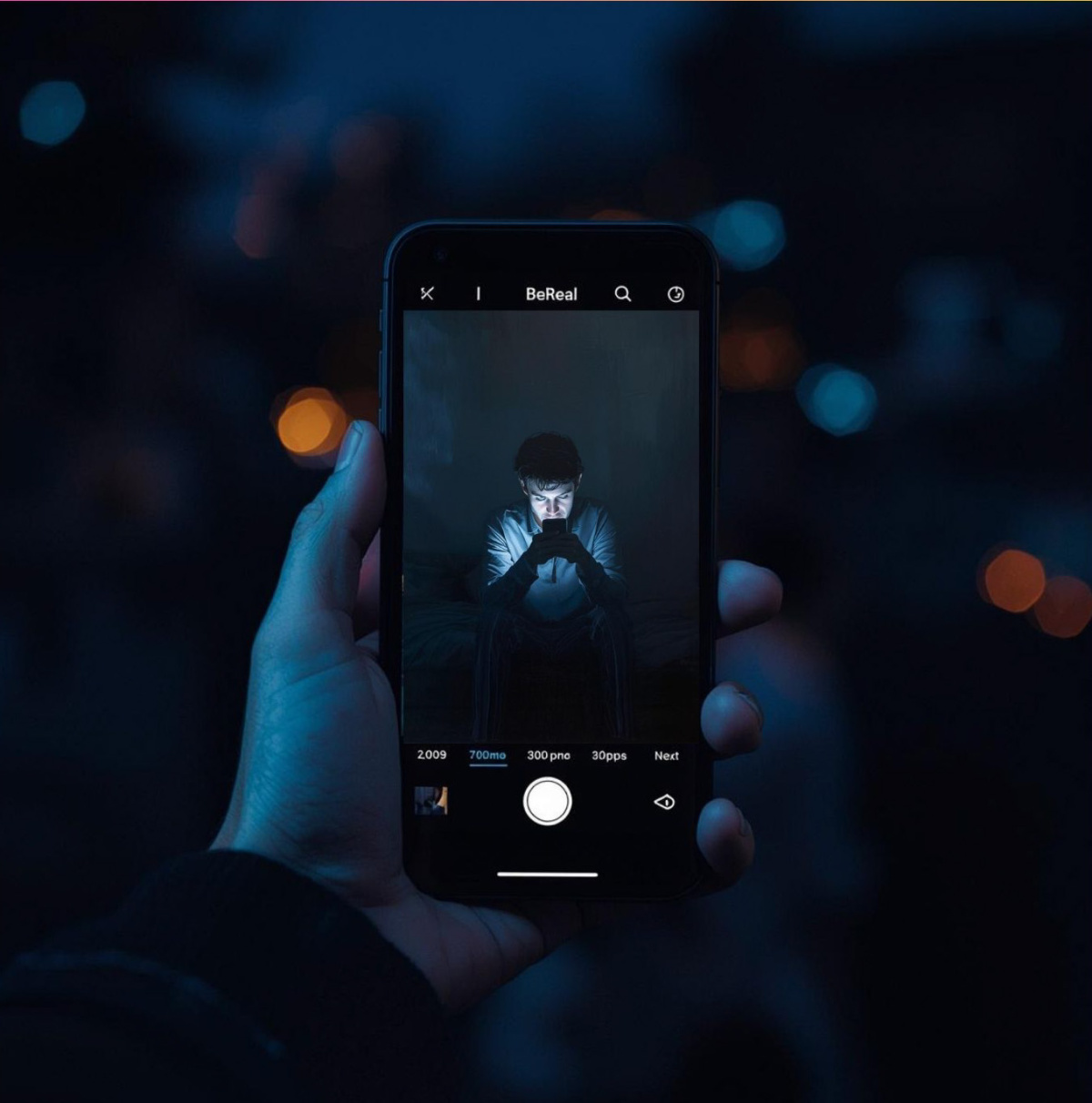
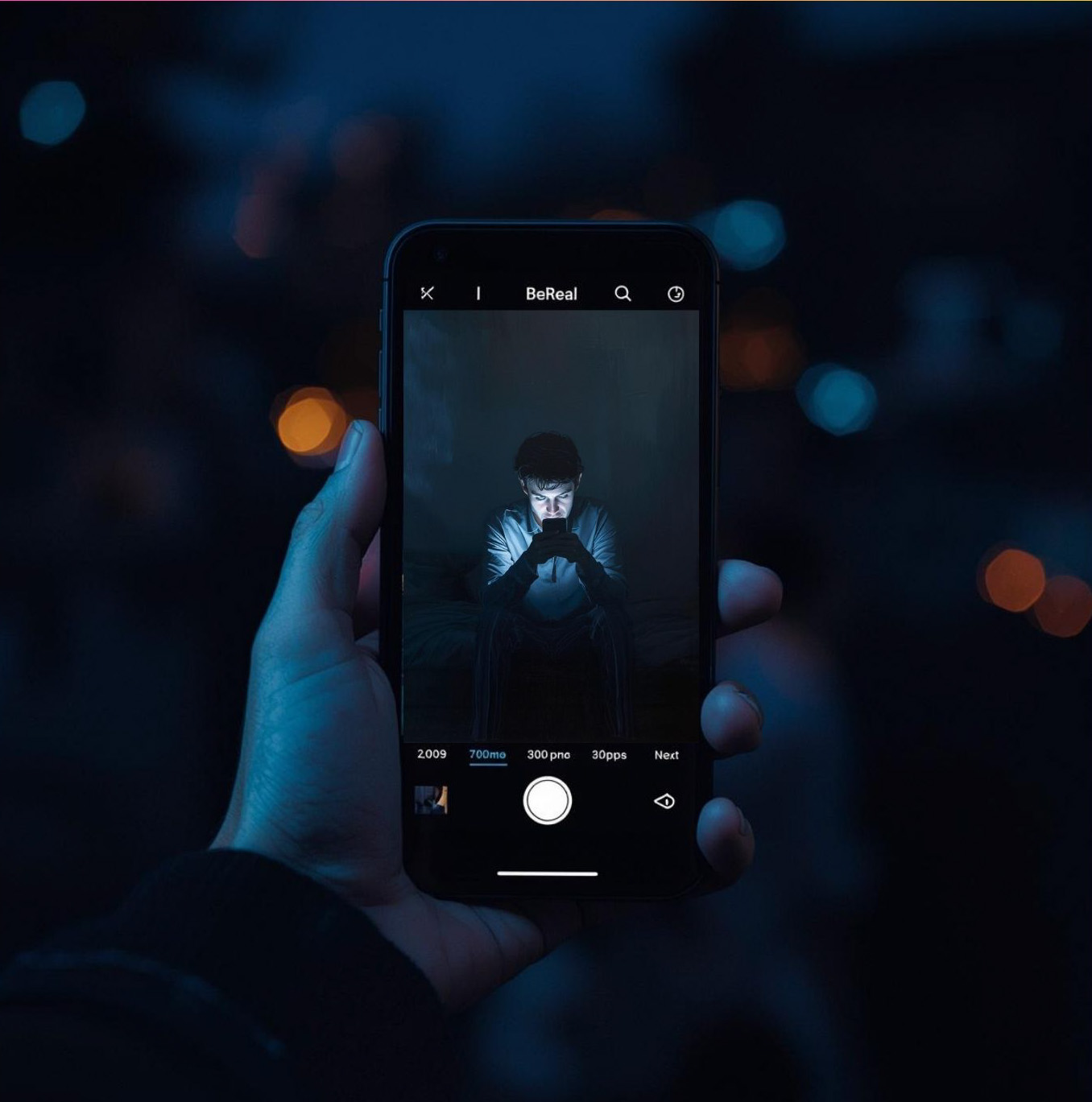
As BeReal is a relatively new app, existing quantitative research is lacking. This study aimed to contribute to closing gaps in the research surrounding BeReal and its effect on well-being. This study defined a light user/user as having BeReal for at least one month, thus controlling for inactivity. To account for the lack of research on the effect of gender in the context of BeReal use on FoMO, this study also investigated gender. Due to Generation Z experiencing the highest levels of FoMO and as the majority of BeReal users fall into this age range, the present study restricted the age range to 18–29-year-olds to control for age cofounding the results. The present study aimed to investigate the effect BeReal usage and gender have on FoMO.
Results of a two-way between-subjects ANOVA showed that BeReal users reported higher FoMO than non-users and found no significant difference for FoMO based on gender. However, there was a significant interaction between BeReal use and gender based on FoMO, with male users reporting higher FoMO than female users and female non-users reporting higher FoMO than male non-users. These findings suggest that BeReal’s authenticity focused design may not increase the FoMO of women but may increase the FoMO of men. The findings are supported by the Belongingness Hypothesis, which proposes that belonging is a fundamental human need. They are also partially supported by Social Comparison Theory, which is the idea that humans understand themselves partly by comparing themselves to others. Upward comparison (when people compare themselves to someone they perceive to be better off or more successful) facilitated by other social media platforms has been negatively associated with subjective wellbeing. Therefore, the higher FoMO reported by BeReal users in this study may suggest that BeReal's design can increase opportunities for social comparison to take place. The findings have implications for social media users and developers, illustrating the need for users to be educated on how to use SM in a healthy way and the limitations of authenticity-focused social media features. Future research could investigate the effects of frequency and patterns of BeReal use on FoMO.