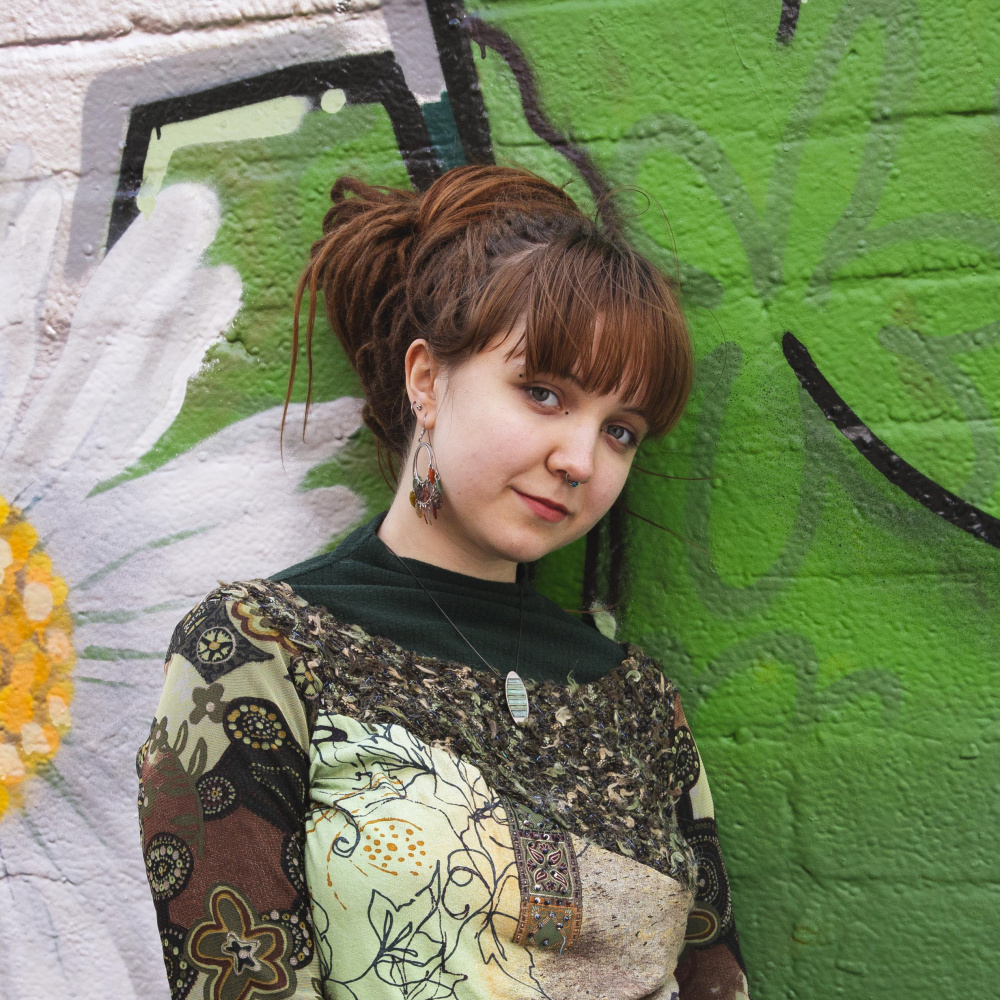
Nikol Ochichenko
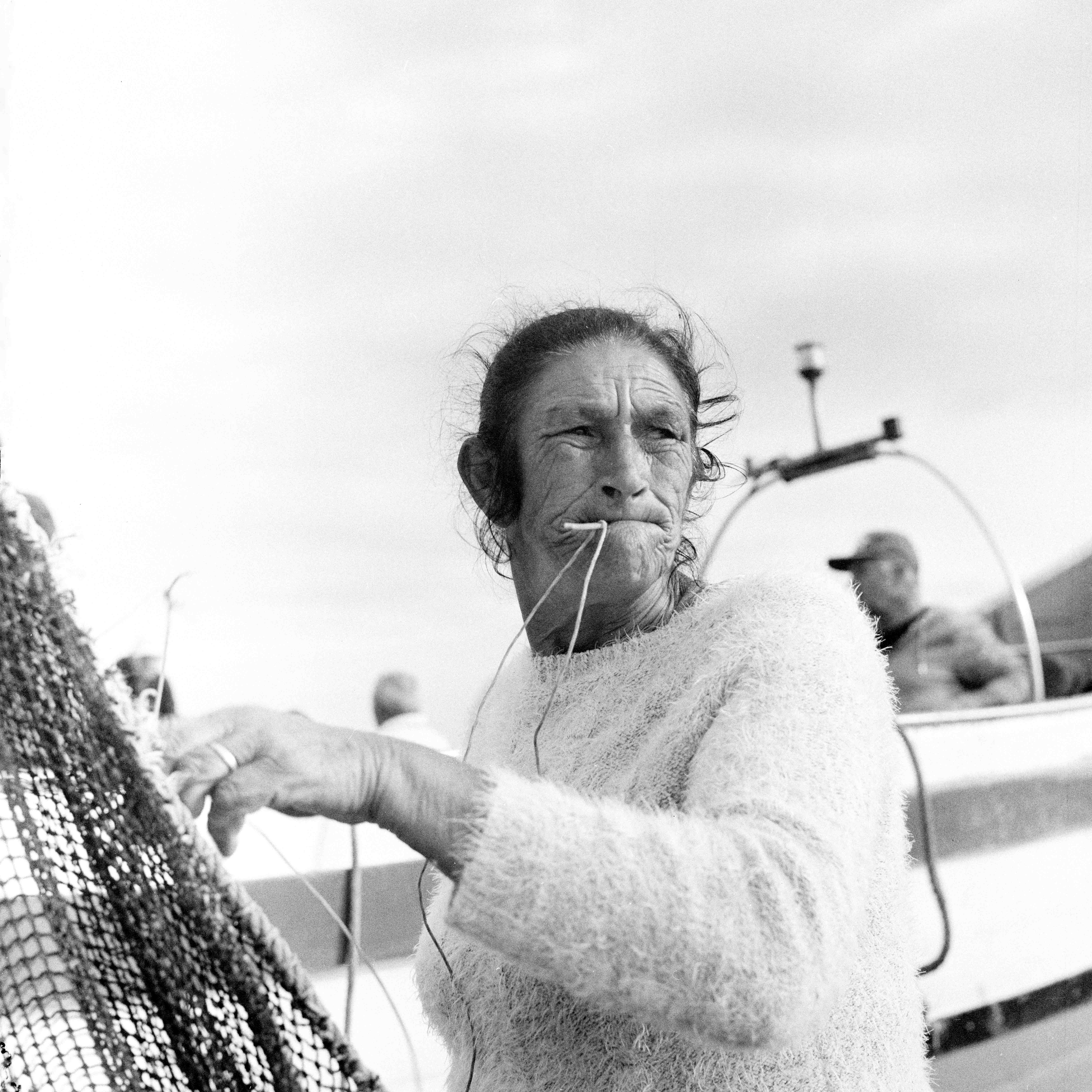
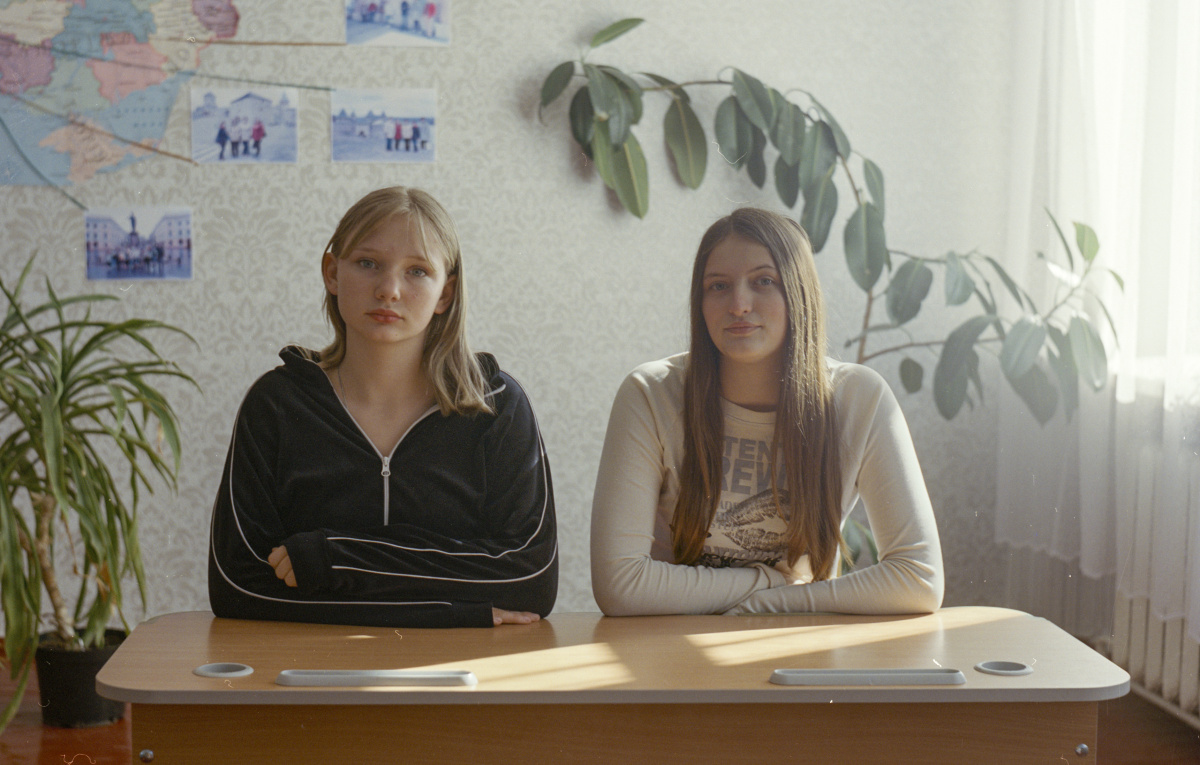
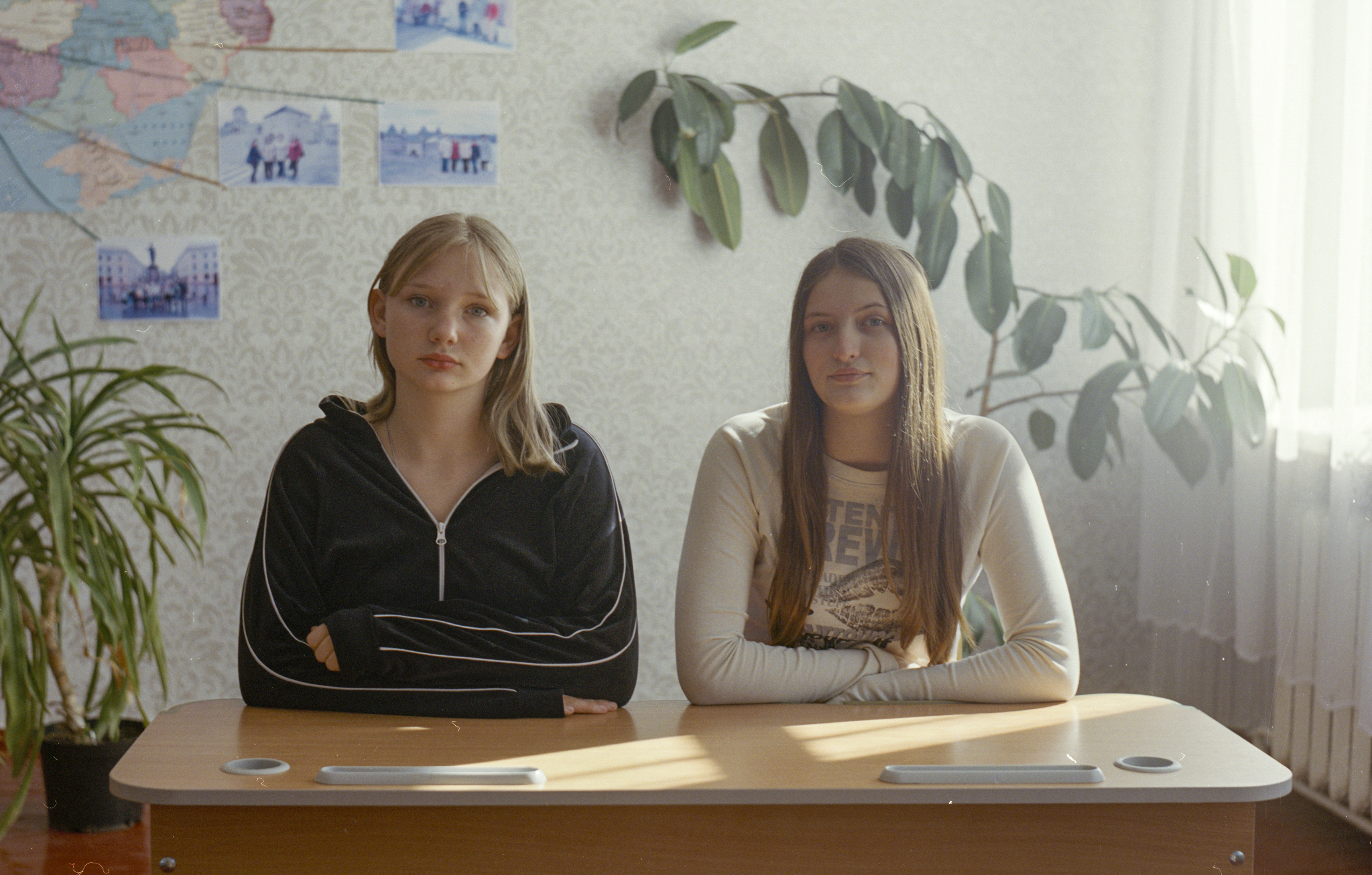
Still Tied is a film and installation that presents the craft of camouflage net-making through the narrated realities of Ukrainian communities, primarily those still living in central Ukraine, along with those that reside in Ireland. It depicts manifestations of communal grief, the longevity of the Russian war in Ukraine, and children’s forced involvement in weaponised violence. The nets seen in the installation were made by people from the Ukrainian Community in County Monaghan, currently the only one in Ireland that can sustain the regular open hours required for net-making. After the installation is dismantled, the nets will be sent to the frontlines of Ukraine to serve their intended purpose protecting the military.
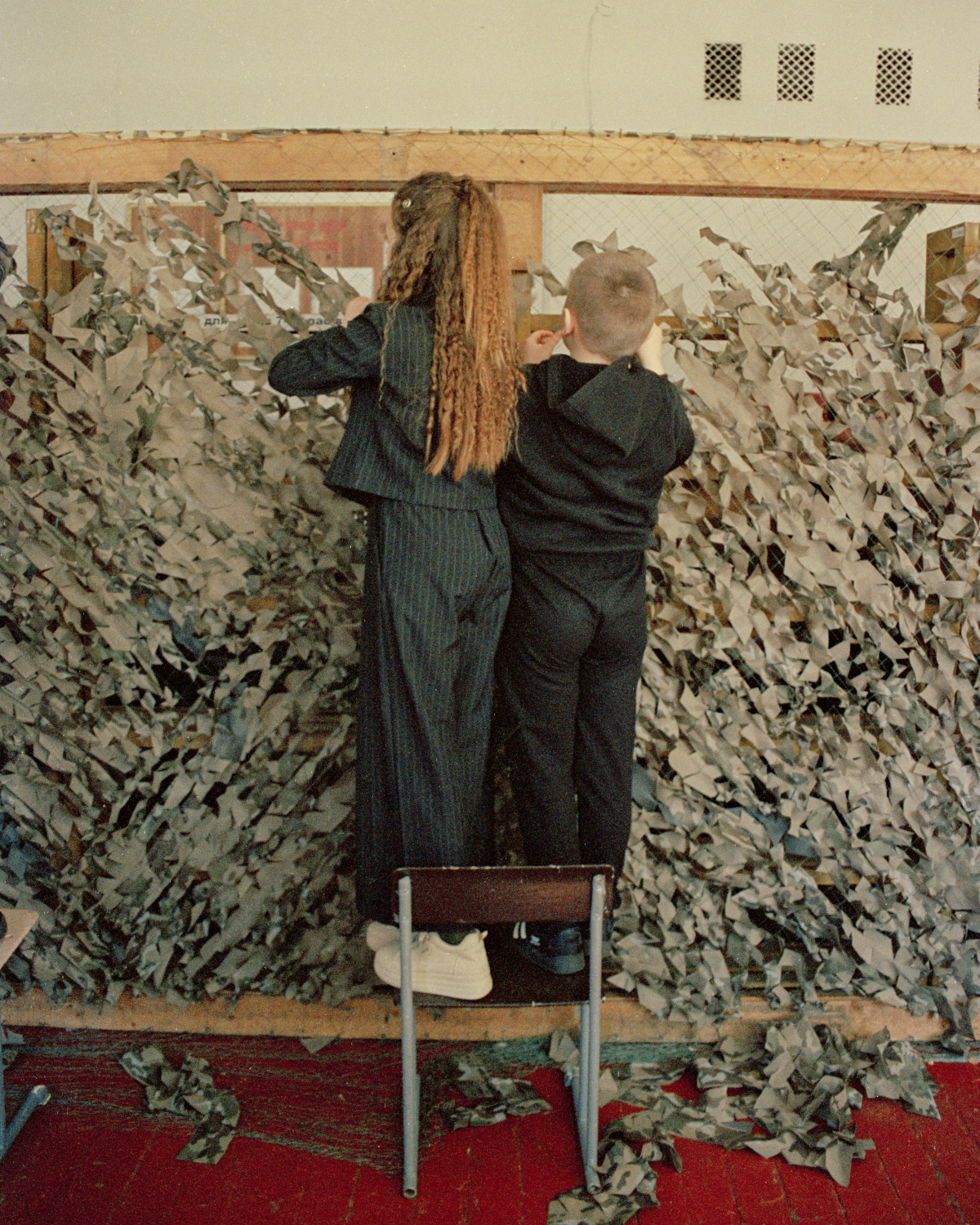
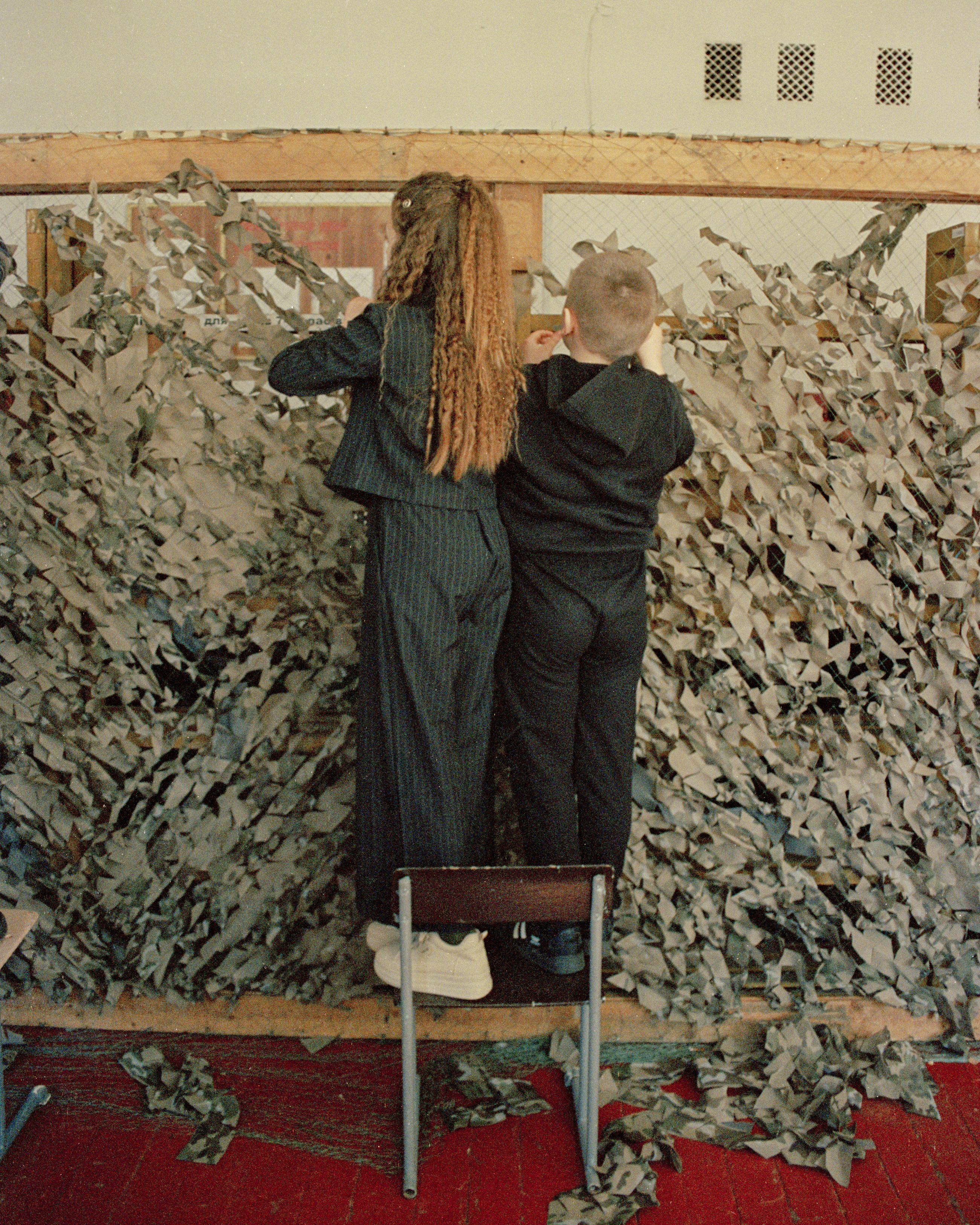
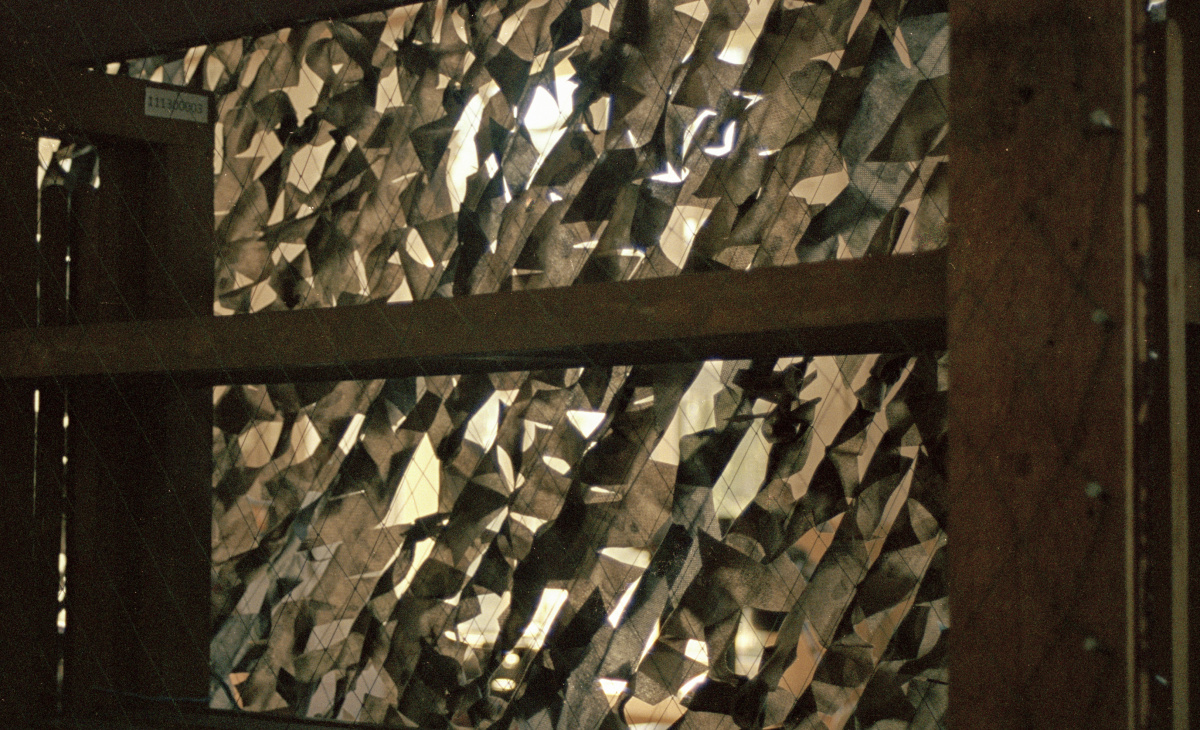
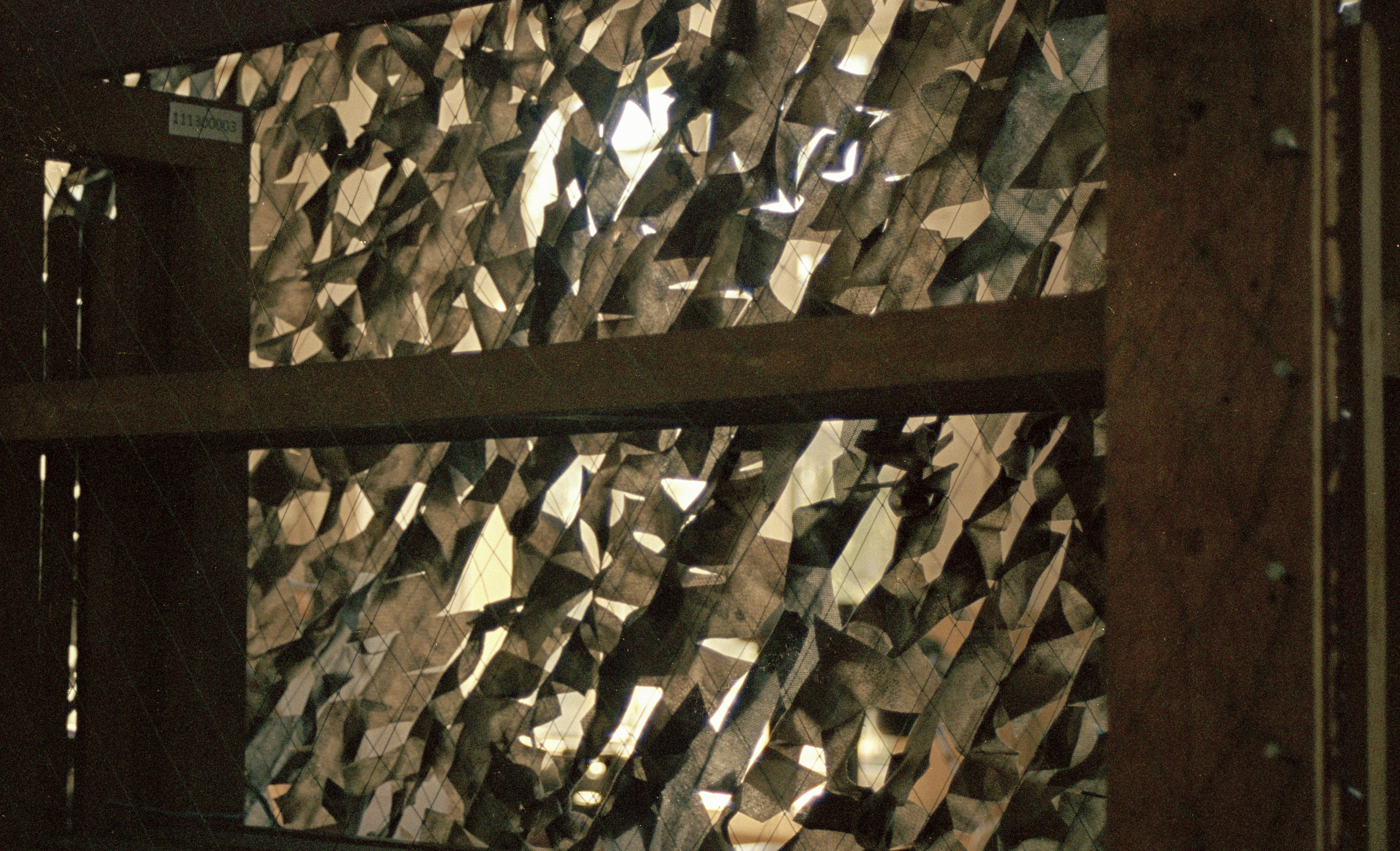
Camouflage nets have been widely used in Ukraine since the Russian invasion in 2014. Camouflage nets are specialised, lightweight coverings used to conceal military equipment, vehicles, and engineering structures against the background of terrain and vegetation from various enemy recon methods by mimicking the textures and colours found in nature.
With the rapid growth of modern technology and its implementation in warfare, specifically with the use of low-cost drone surveillance with advanced thermal imaging and artificial intelligence, the importance of camouflage nets has reached its peak. The net-making technology has evolved from simple fabric nets to advanced multispectral materials, yet due to the inherent nature of these materials the nets are still flammable, therefore vulnerable and temporary. Today, camouflage nets are often the difference between life and death for personnel and equipment.
Along with net-making, many other forms of workshops take place across Ukraine. Some people have learnt the craft of knitting so they can knit socks, hats, and scarves for soldiers who are often dealing with severe cold temperatures at the frontlines. Some people have taught themselves 3D printing and are producing large amounts of components needed for sustaining essential equipment for the Armed Forces. Others dry and package home-style foods like borshch, soups, and energy bars. A quite essential and widespread activity many people have joined is trench candle-making. This candle consists of a cardboard strip rolled inside a tin and filled with hot wax. Because the materials are so available, the candles are quite easy to produce, yet they are crucial for soldiers in combat zones.
This thesis critically investigates the role of photography in capturing the long-term environmental impact of war. To do so, it engages with two chronological and ideological groups of photography: "iconic” war photography of 20th century and contemporary war photography of 21st century. With the former, it critiques the methodology used to read war photography that focuses on immediacy and fatality and proposes a different way of looking at such imagery that requires slow contemplation and reflection. It applies scientific ecological data to damage caused by military activity to the combat photography, encouraging the viewer to pay attention to its environmental context. With the latter, this writing analyses the approaches used to produce visual media that is informed by slowness and consideration. Finally, it aims to establish the significance of broadening our outlook on photography for it to lay a path for us to further our self-awareness and self-criticism by developing a pathway for long-term investigation.
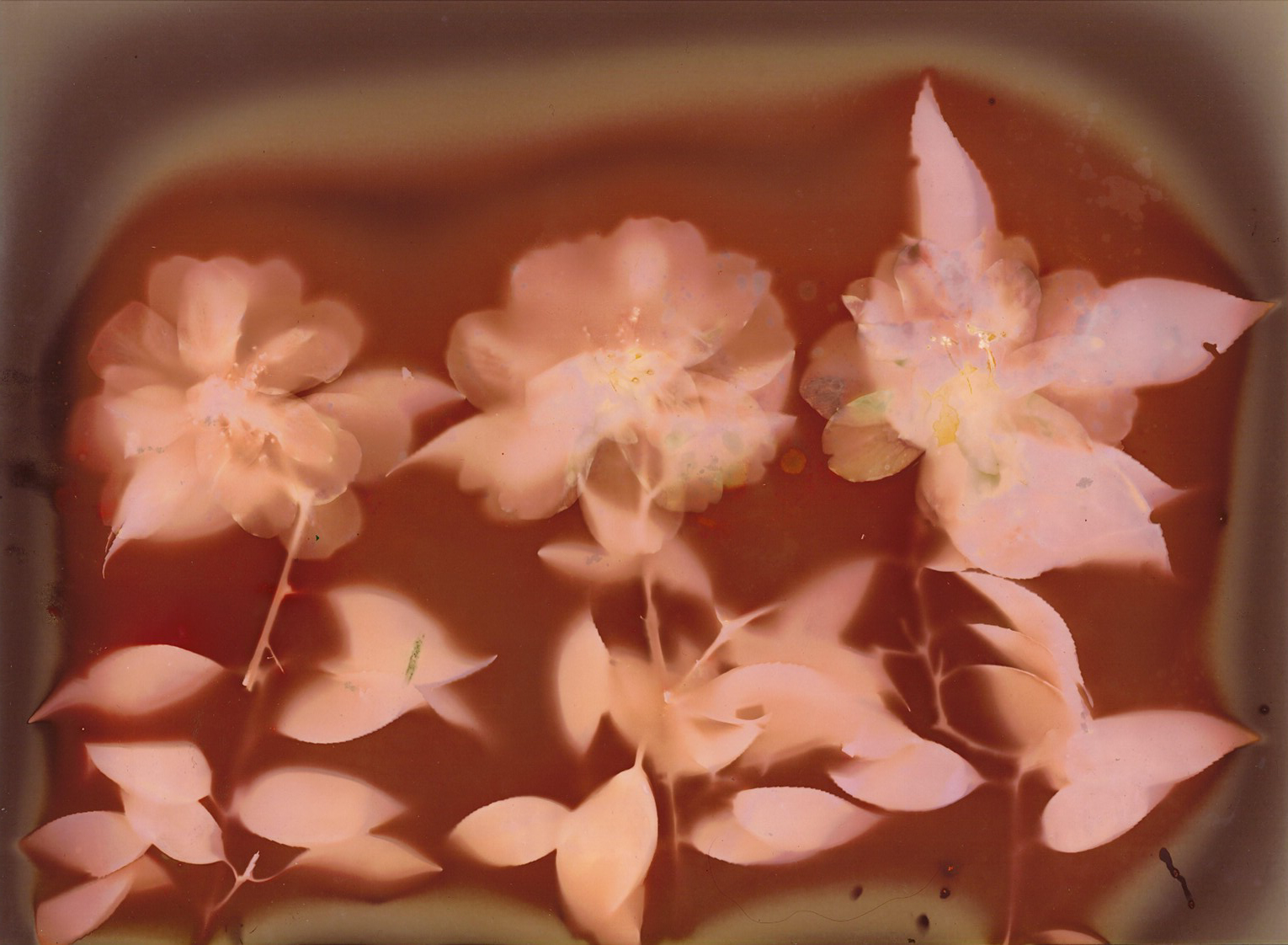
Nikol Ochichenko is a visual artist from Ukraine, with her practice based in Dublin, Ireland. She primarily works with photography, moving image, and the photo book form, which she also combines with plant-based printing, performance art, and mixed media disciplines. Reflecting on themes of community, displaced identity, human relationship with nature, and environmentalism, her works are often concerned with reestablishing humans’ connection to the land, its ecosystems, and each other.