Salem Anowe Chukwuezi
Migration has always been part of Irish history. Ireland has long been shaped by people leaving, returning, and arriving. Today, that movement continues in new ways, adding to the country’s culture and identity rather than subtracting from it.
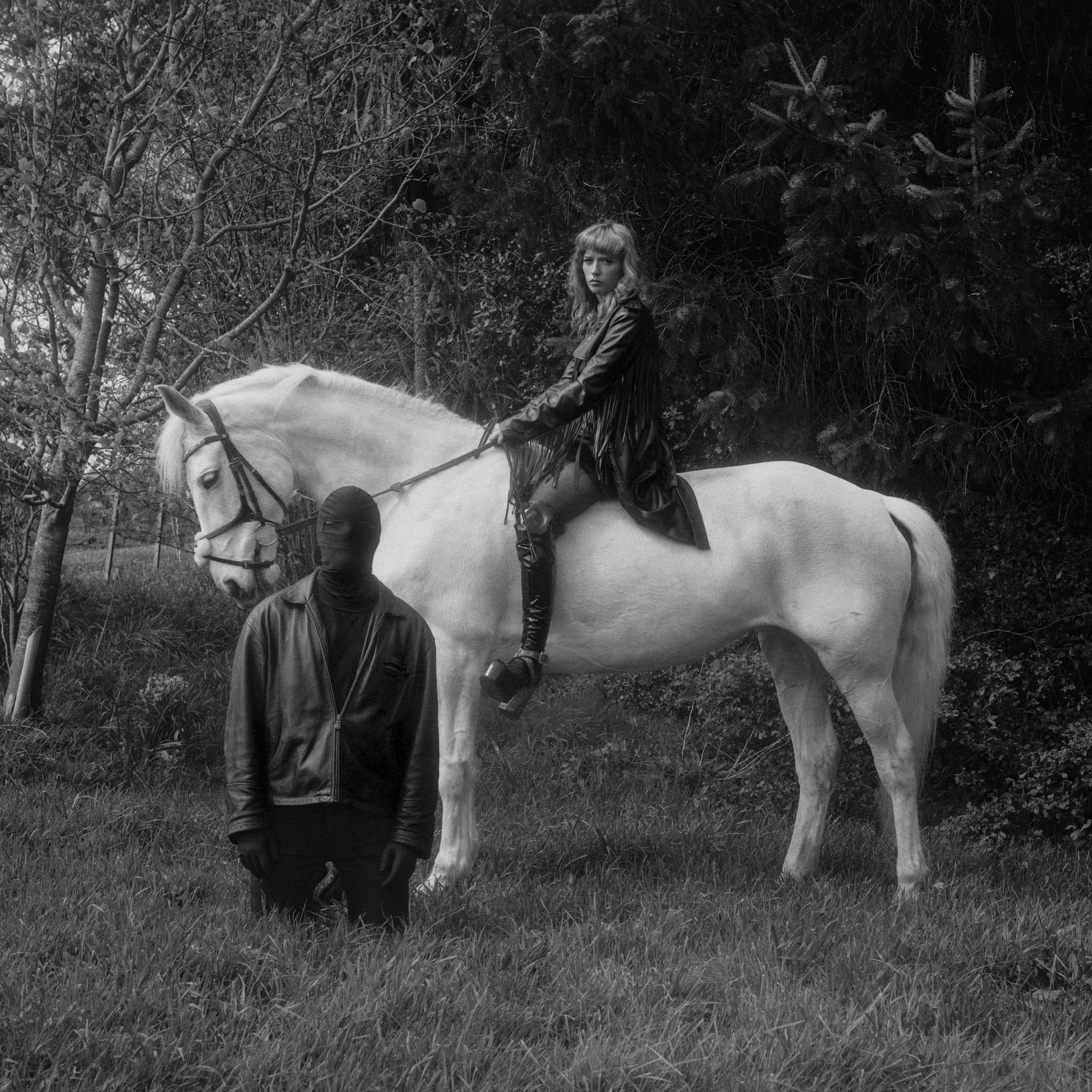
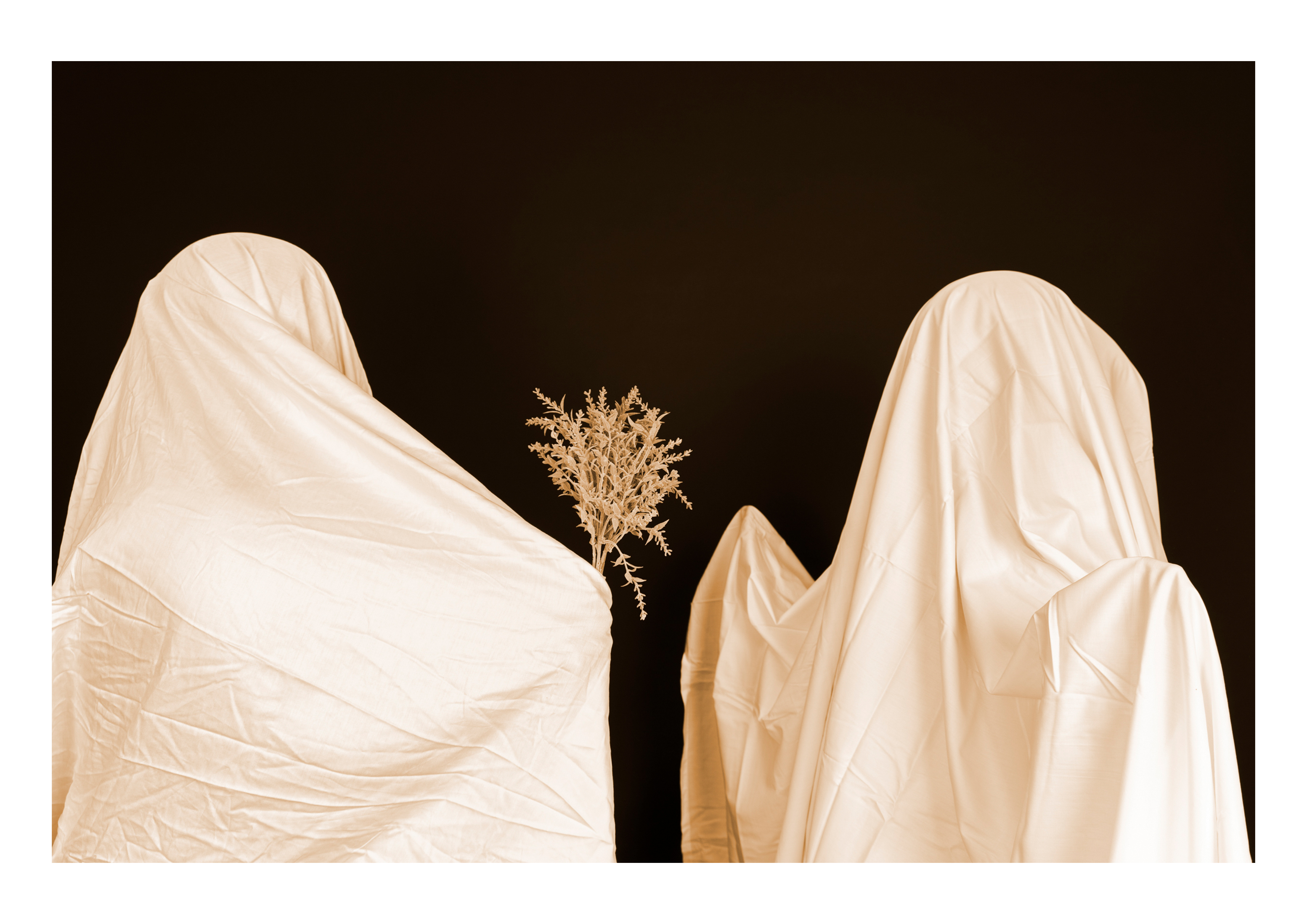
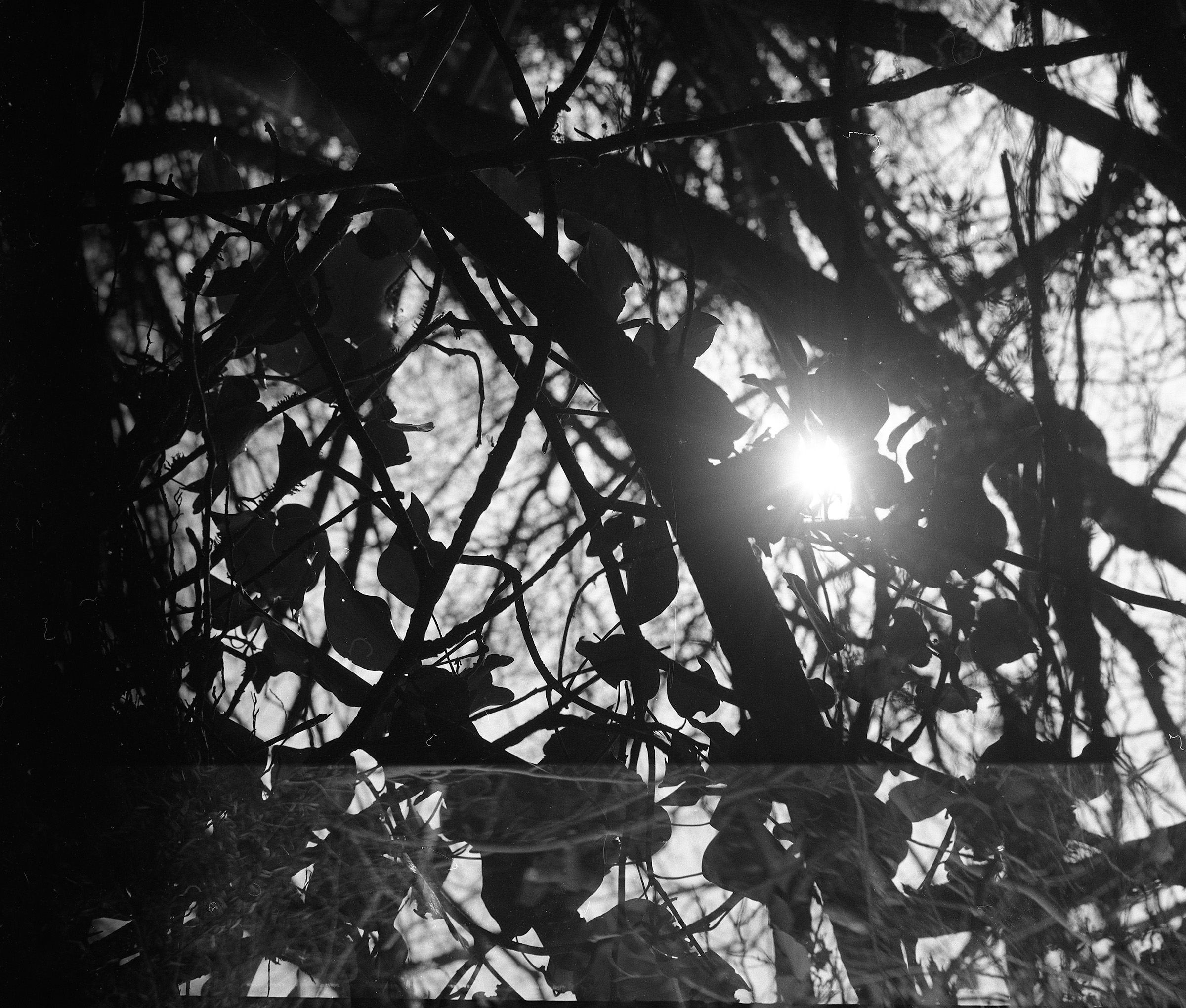
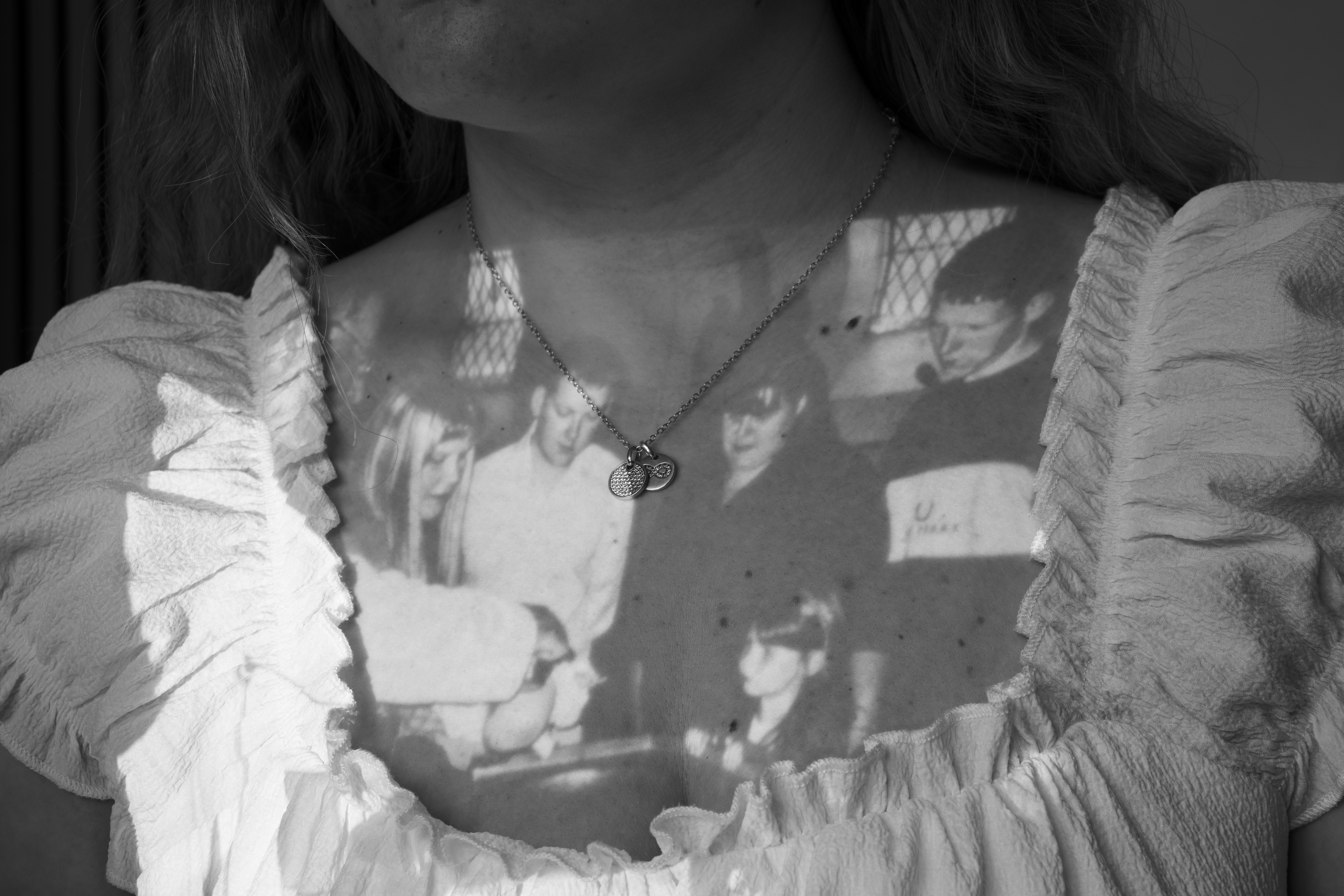
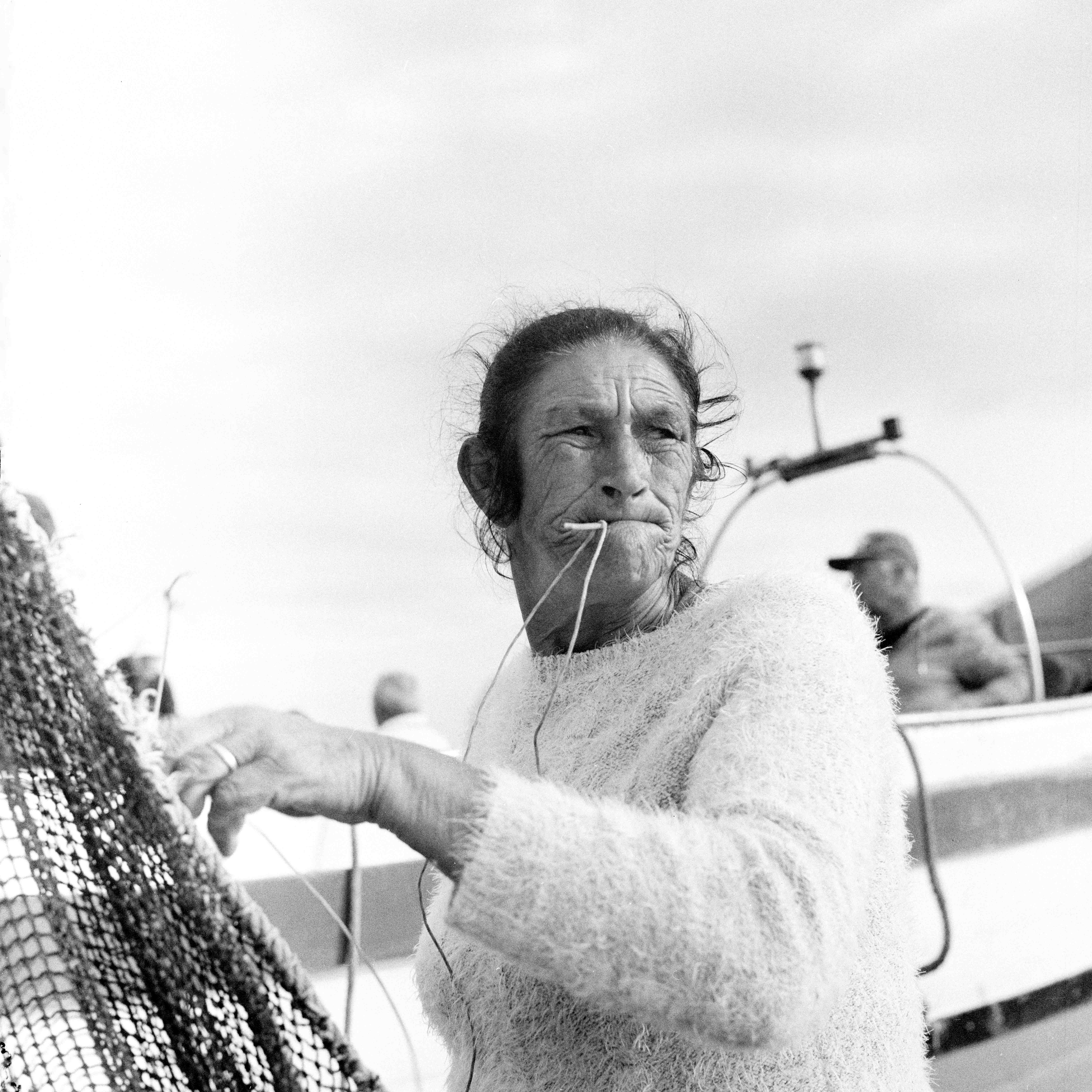
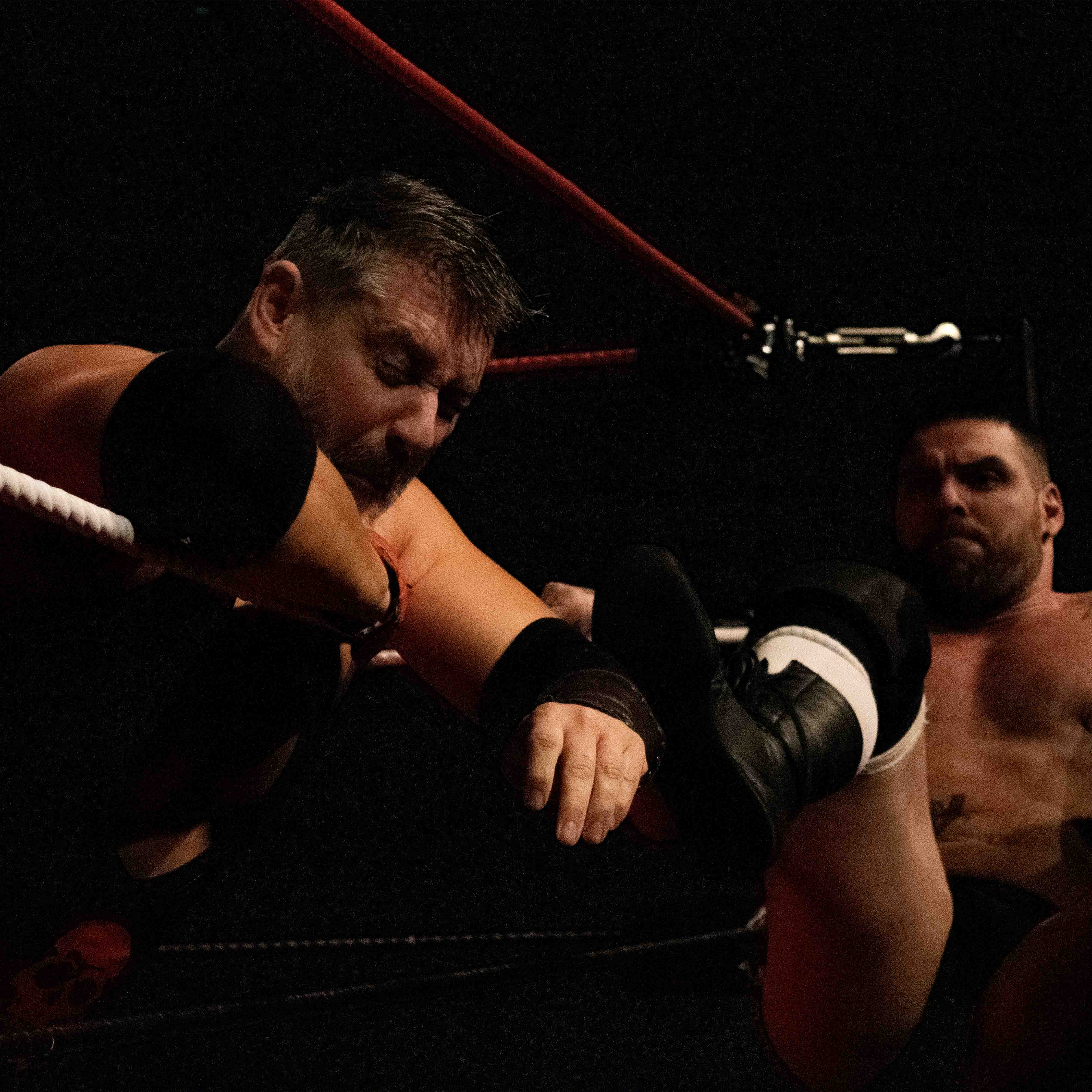
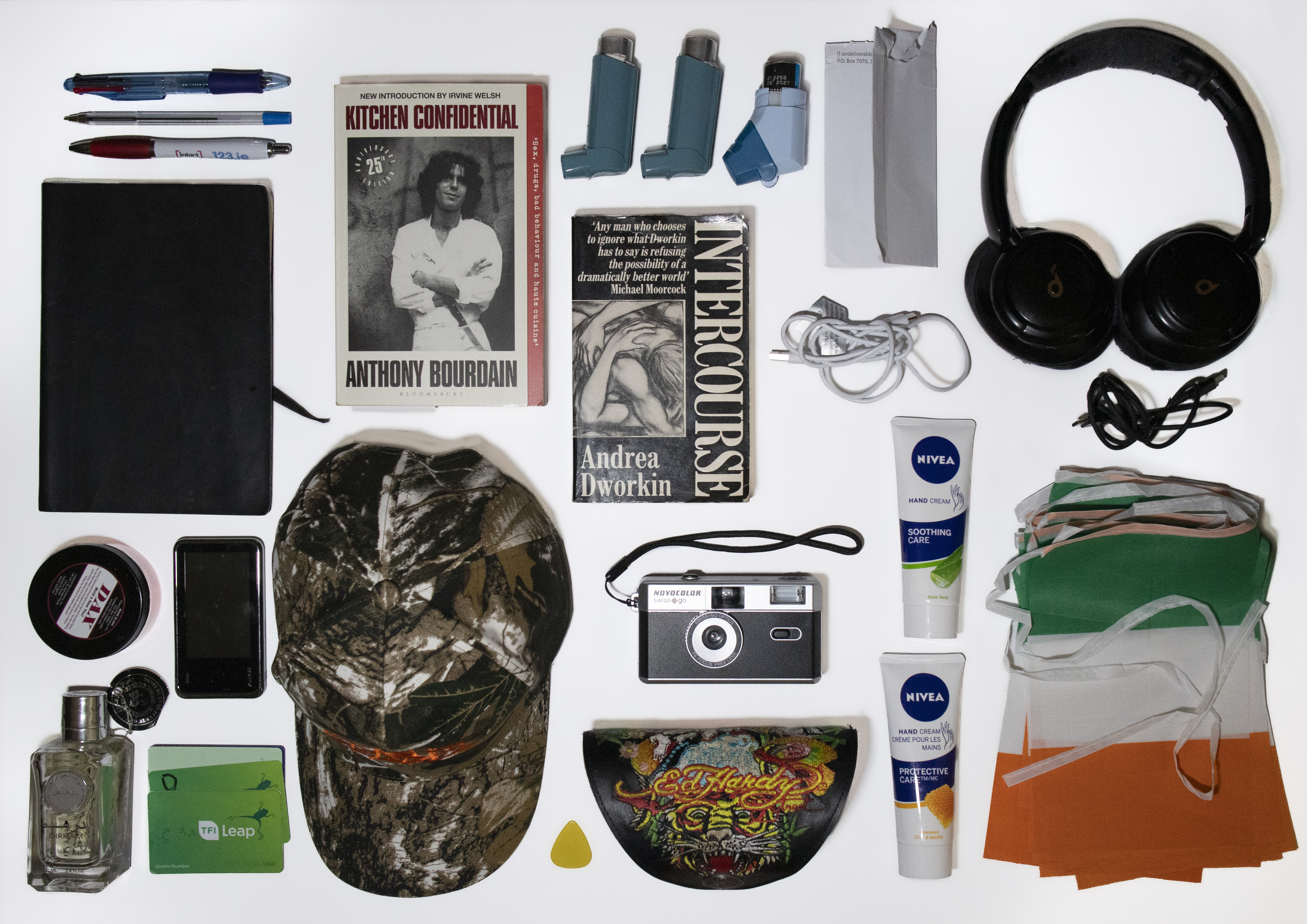
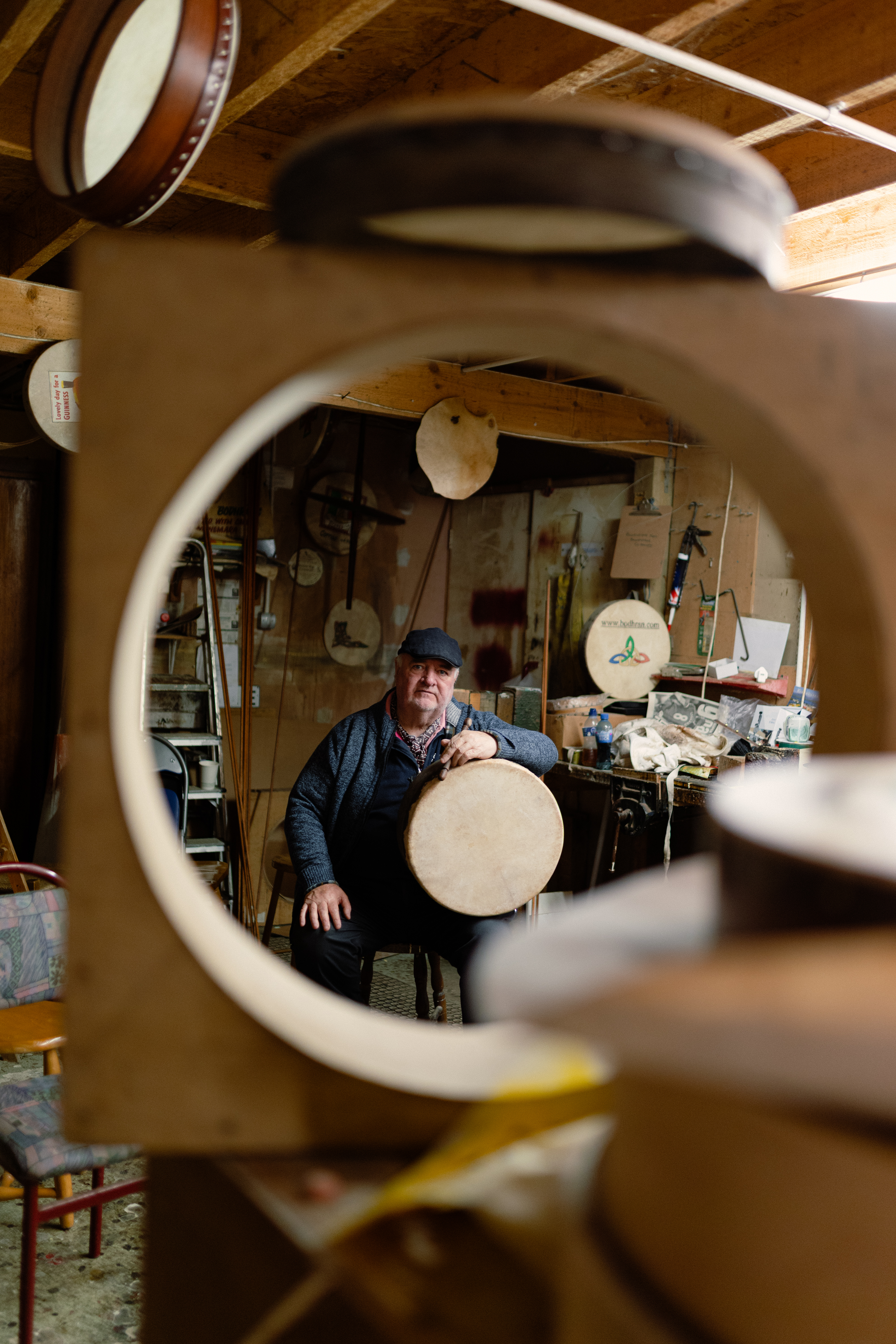
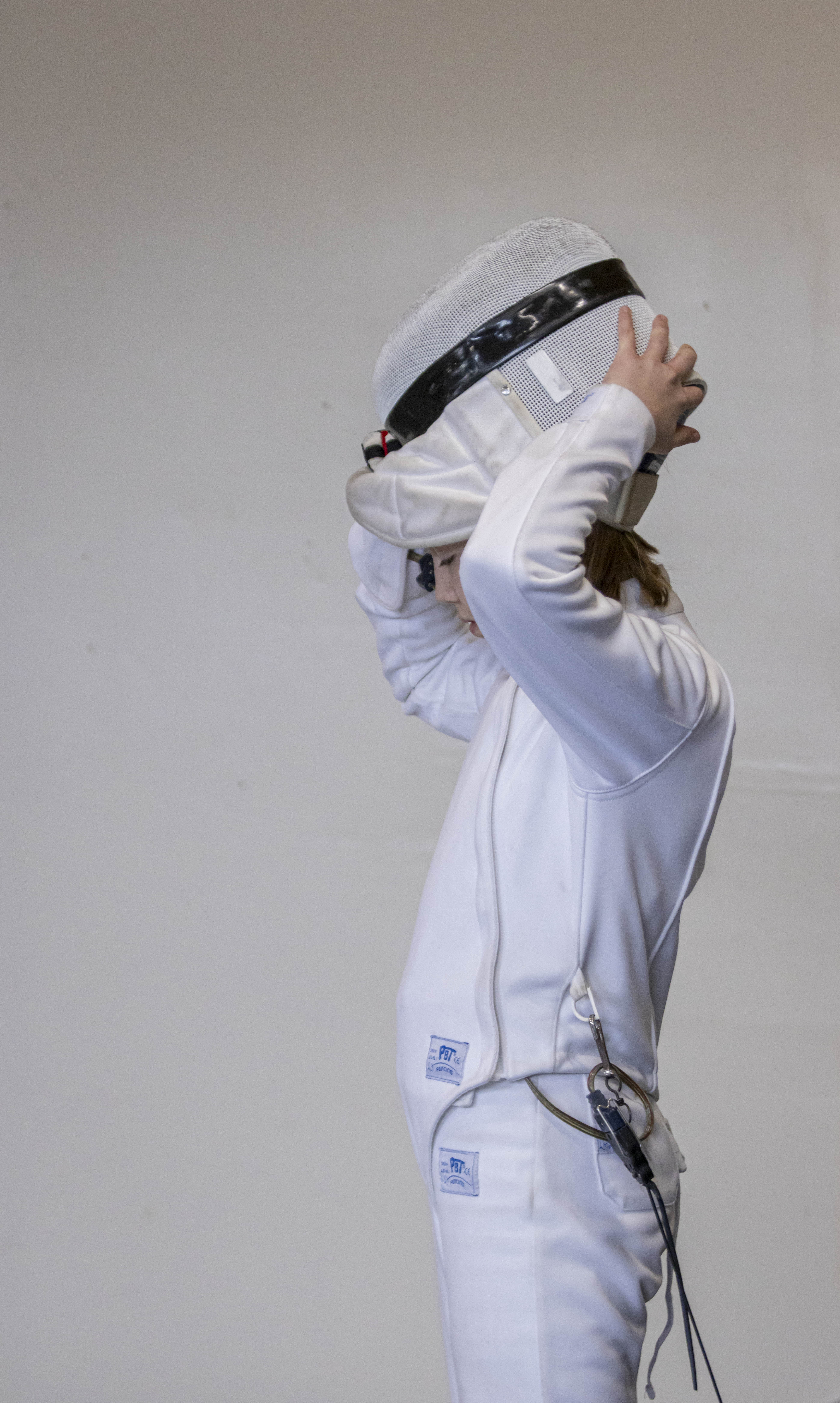
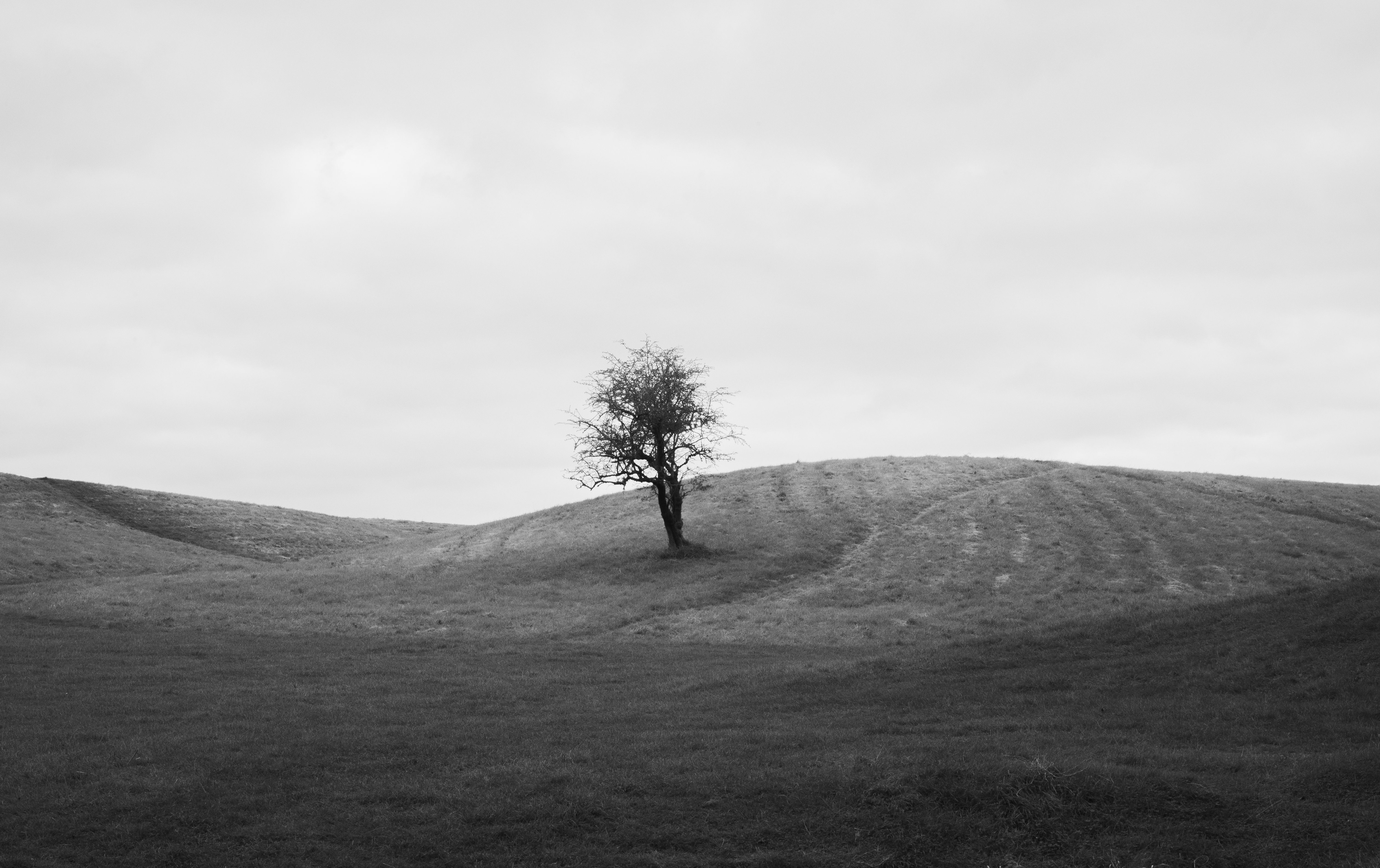
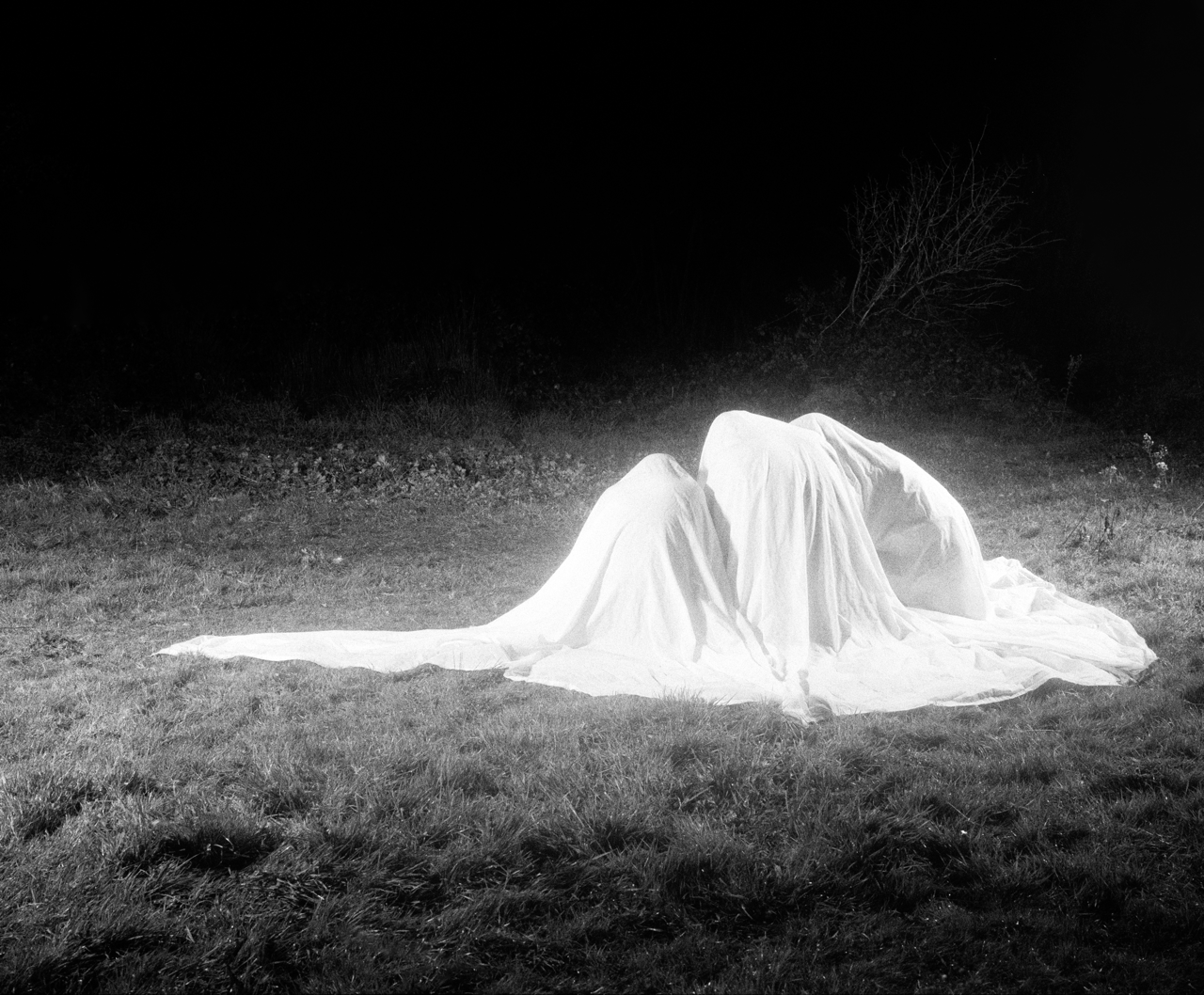
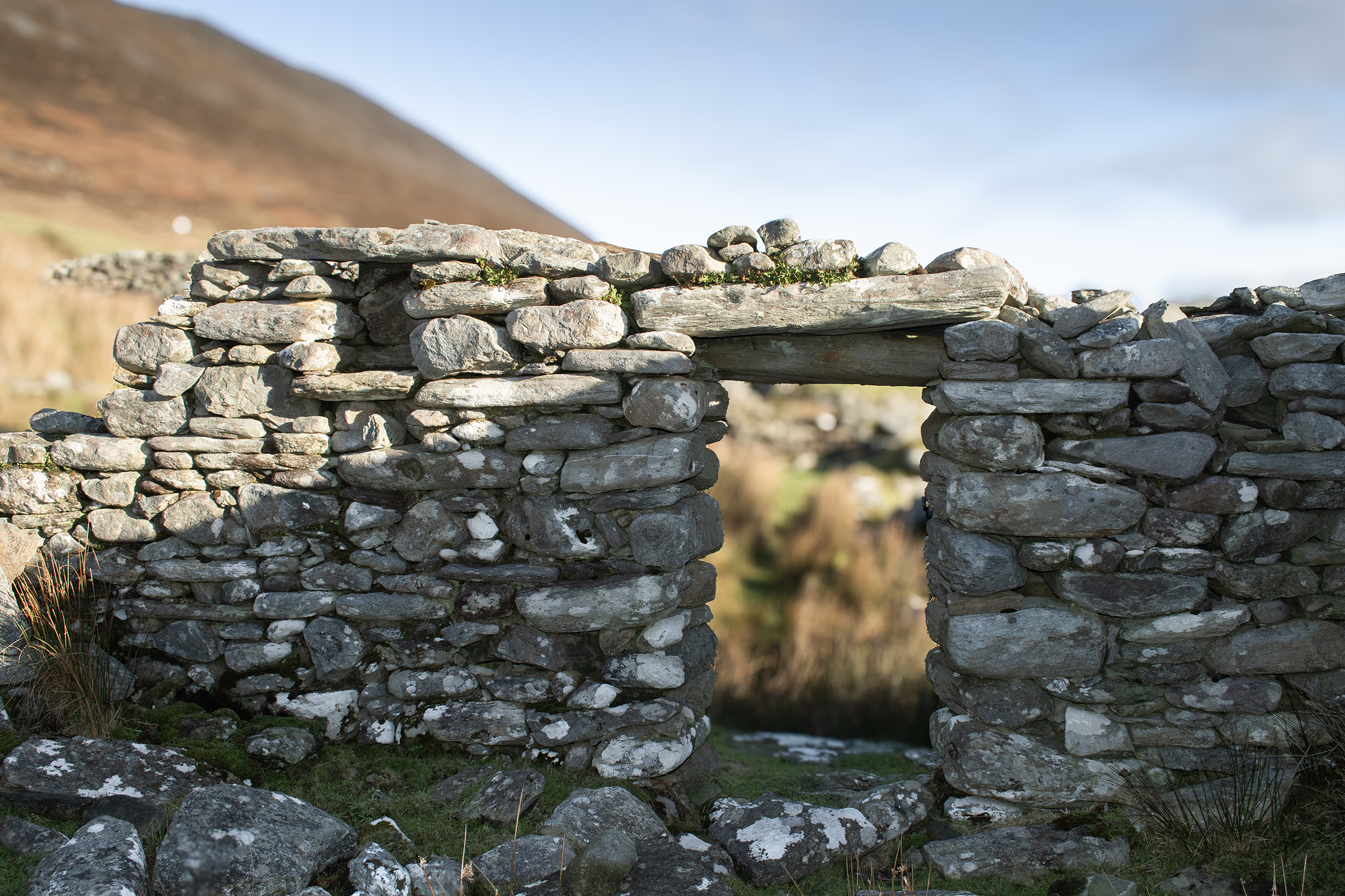
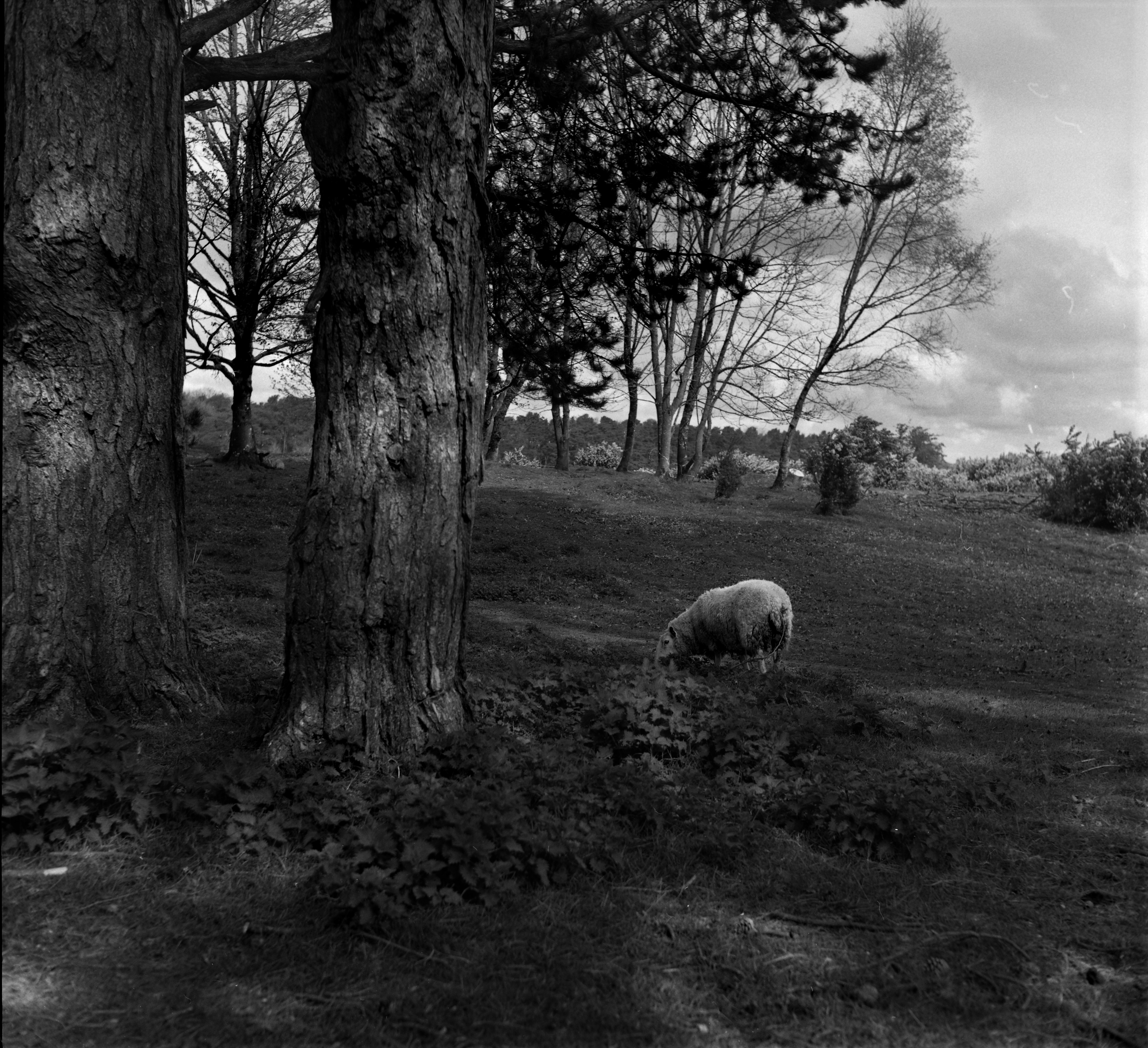
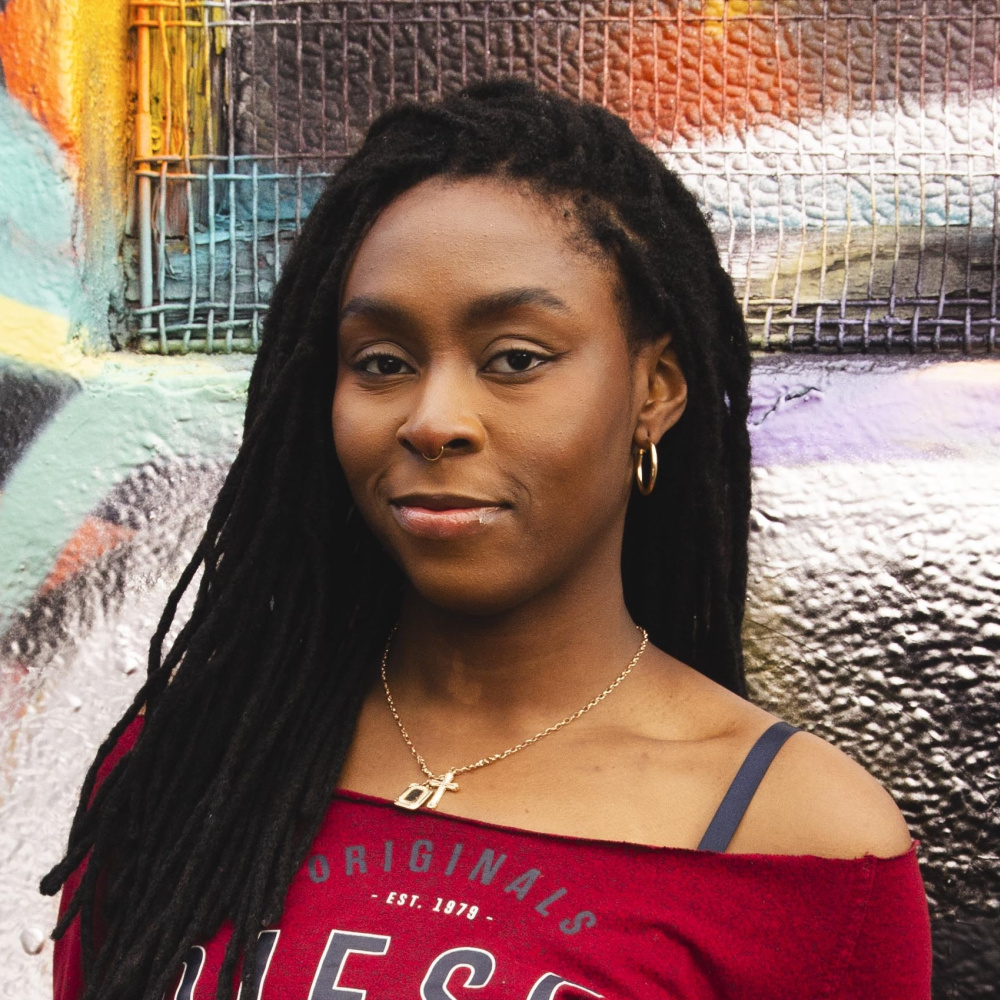
“No Man’s Land” is about belonging, identity, and space in Ireland. Set within Irish landscapes, it brings forward the voices of people from immigrant backgrounds, including those from Nigeria, India, Romania, Moldova, Congo, Ghana, and Côte d’Ivoire. Through portraits and conversations, the work explores how these individuals see themselves, and how they are seen, in a country that is still defining who belongs.
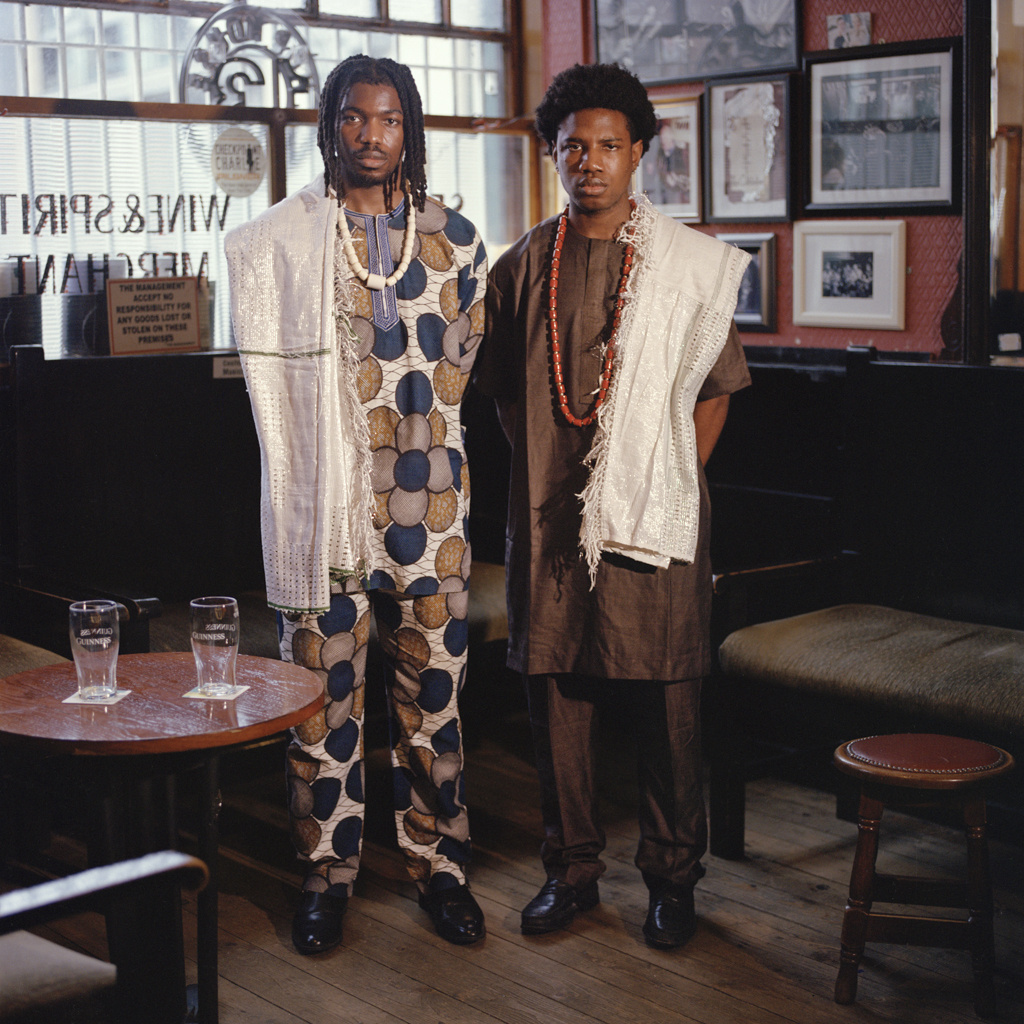
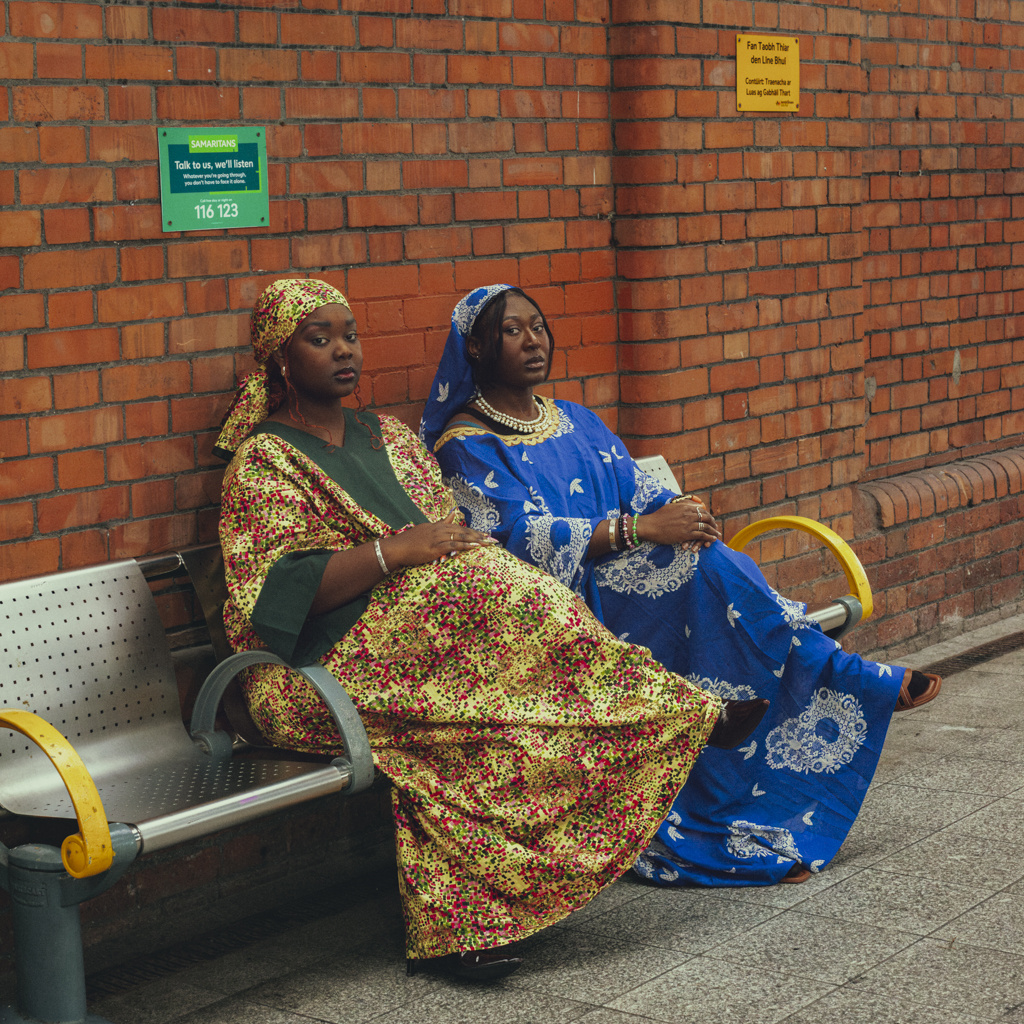
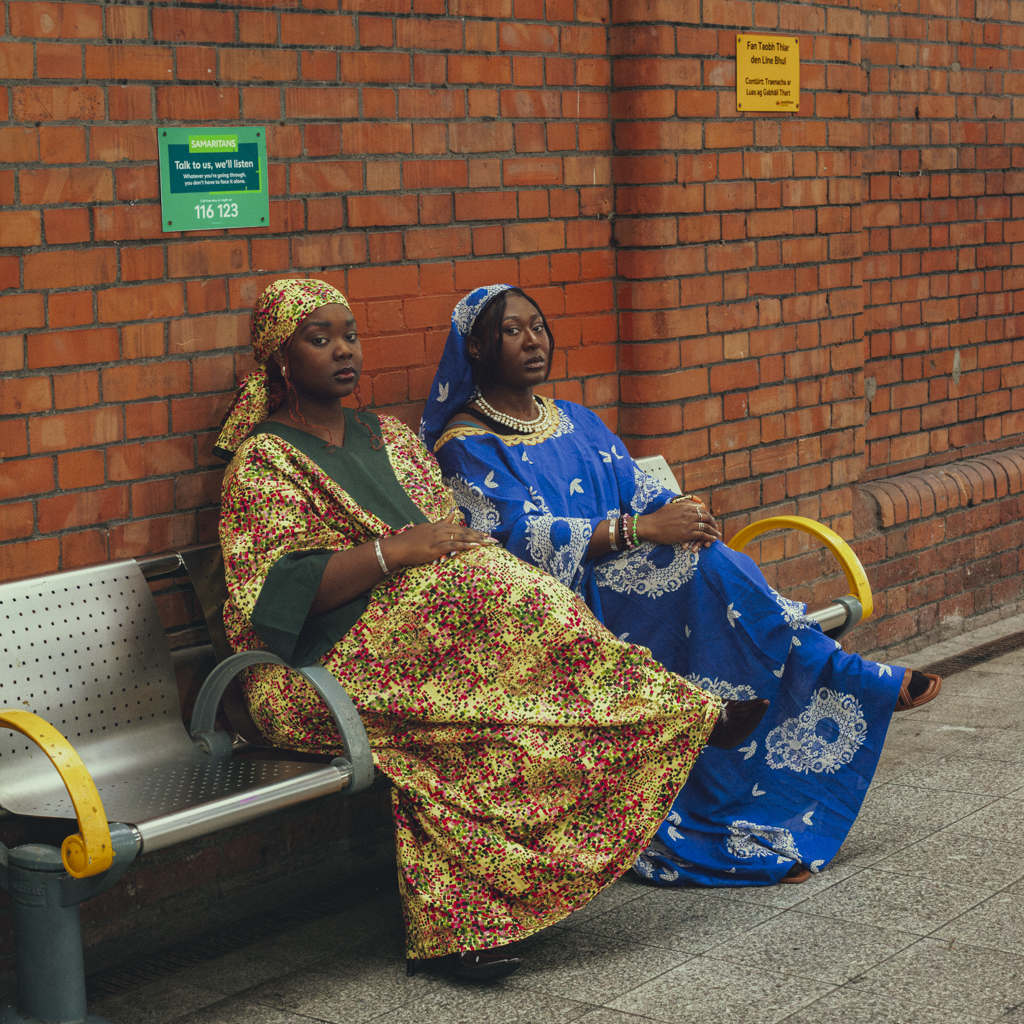
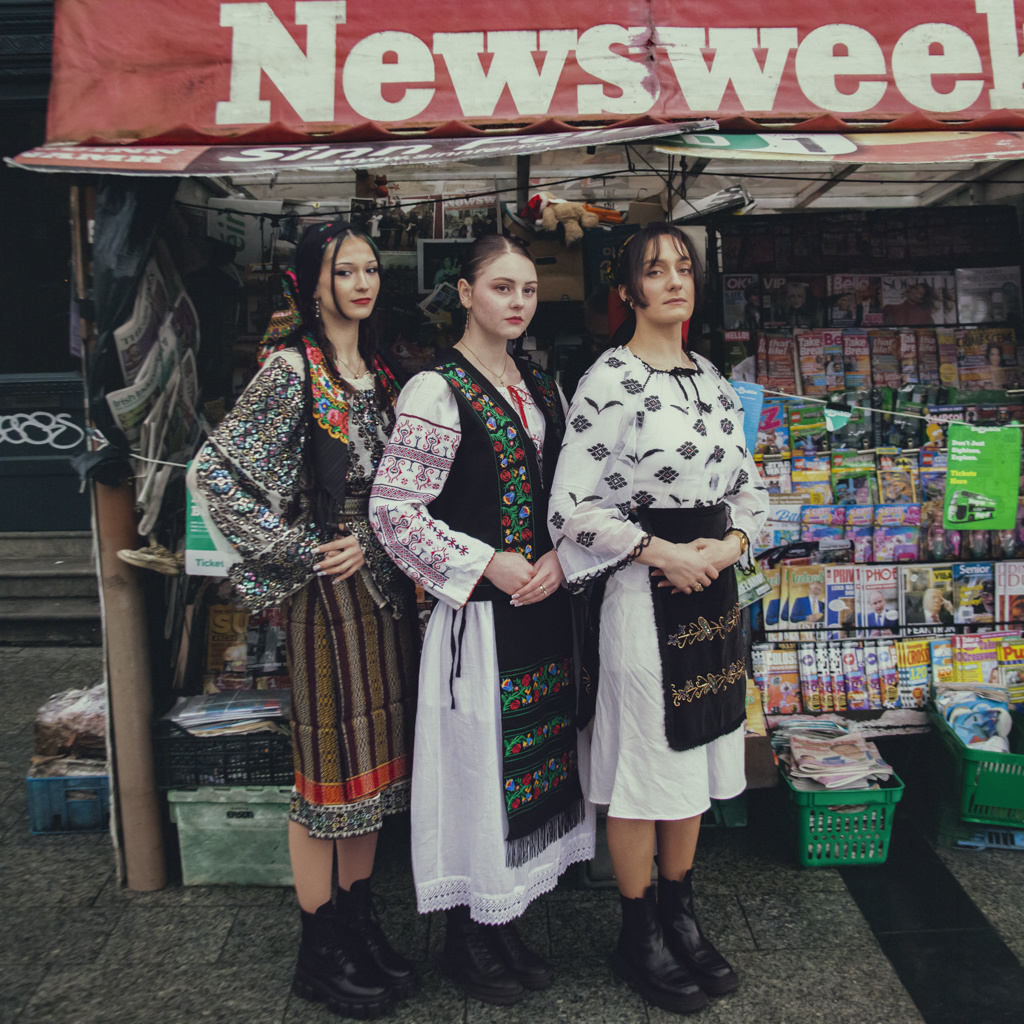
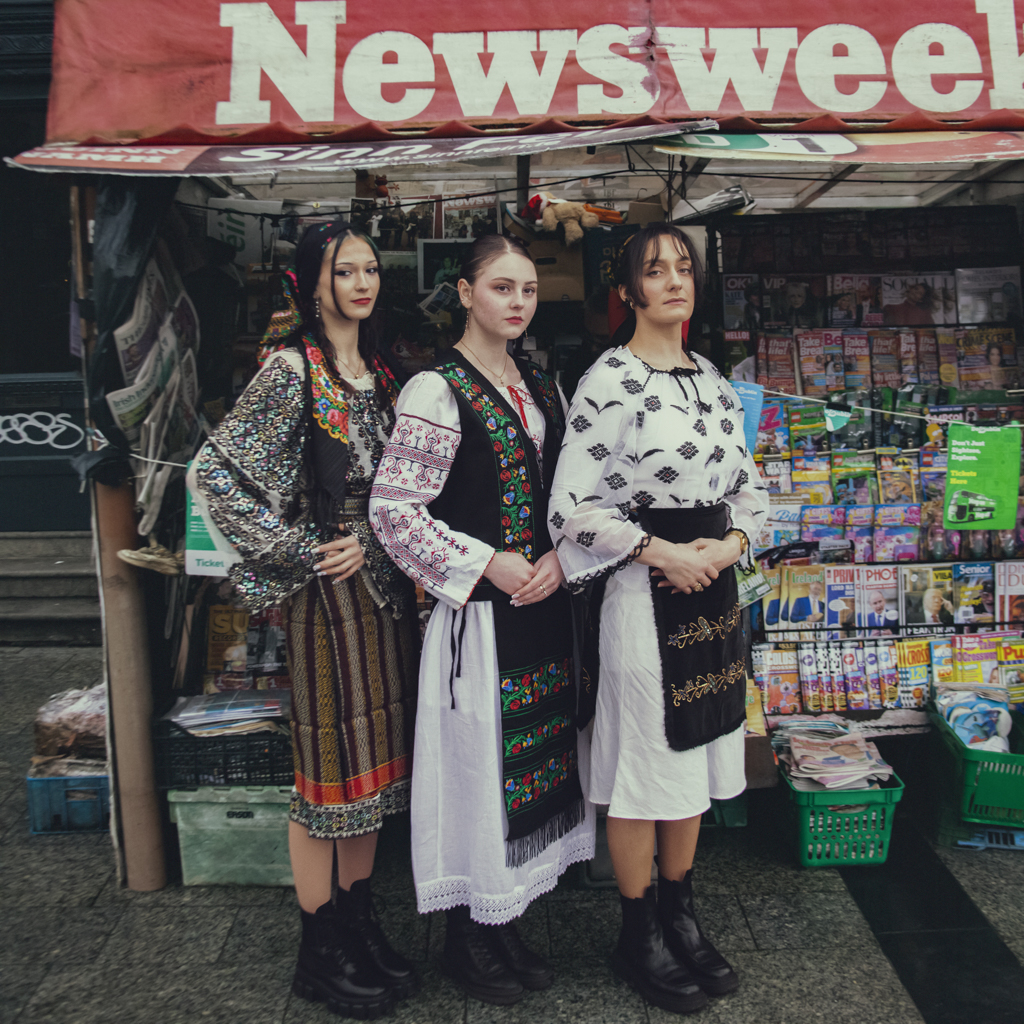
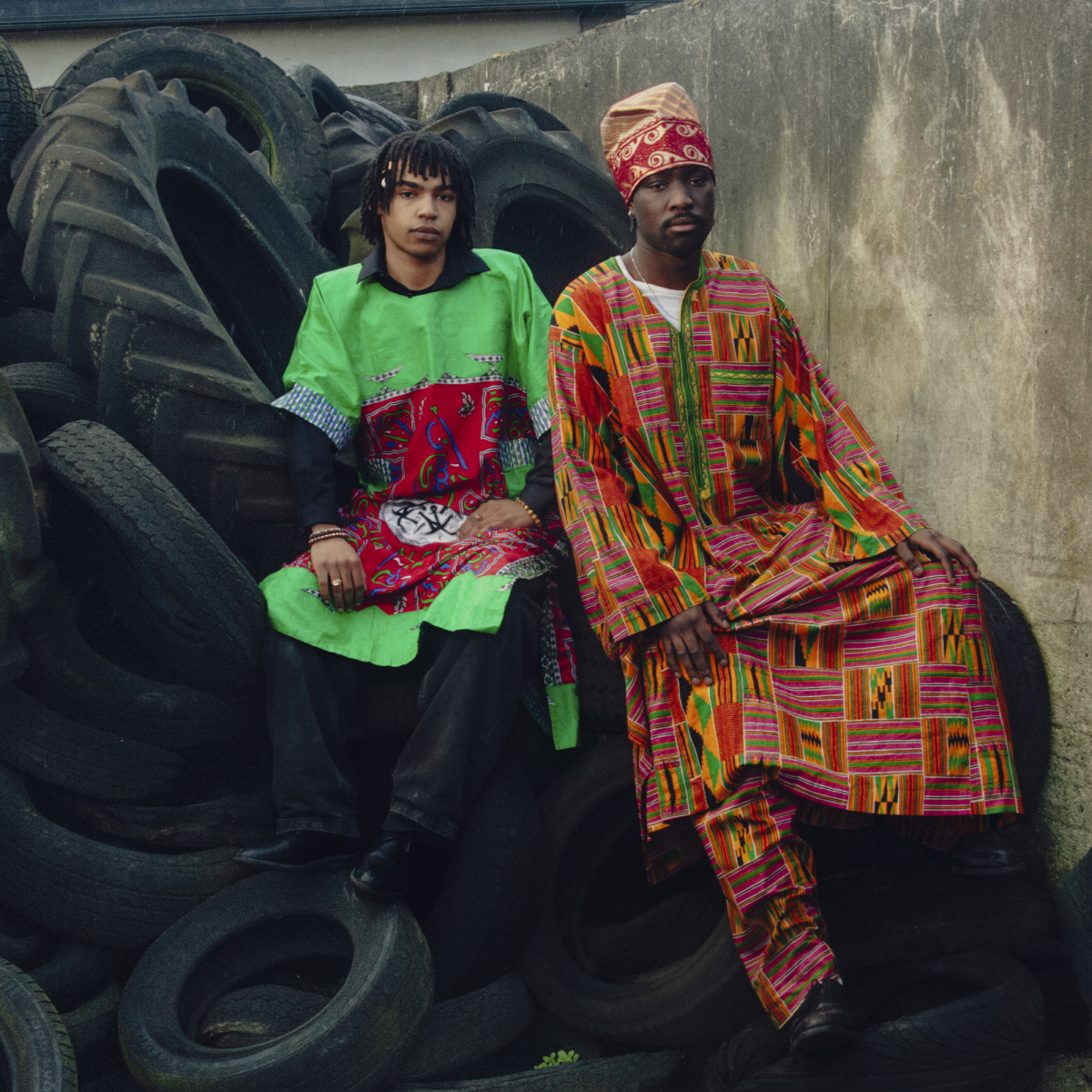
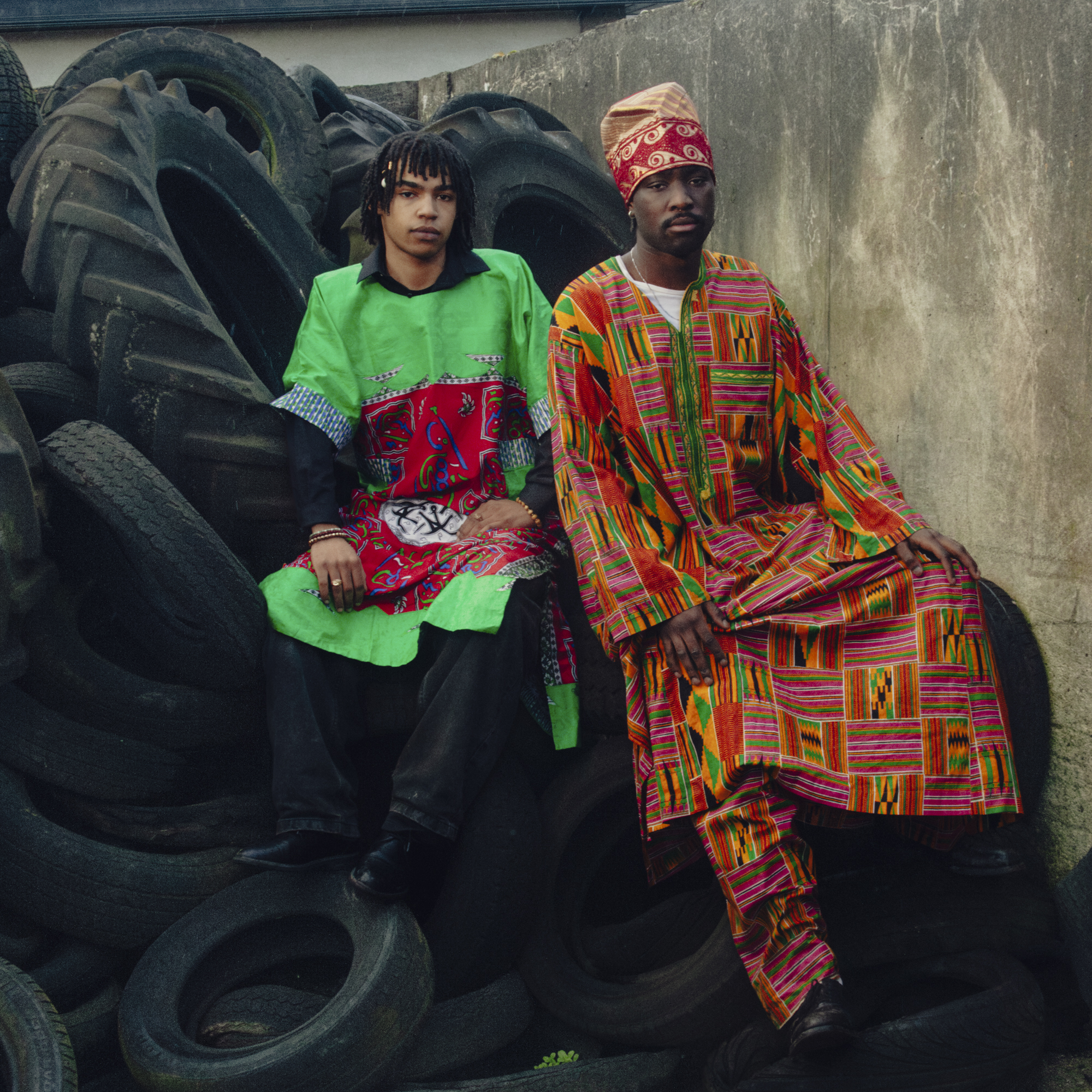
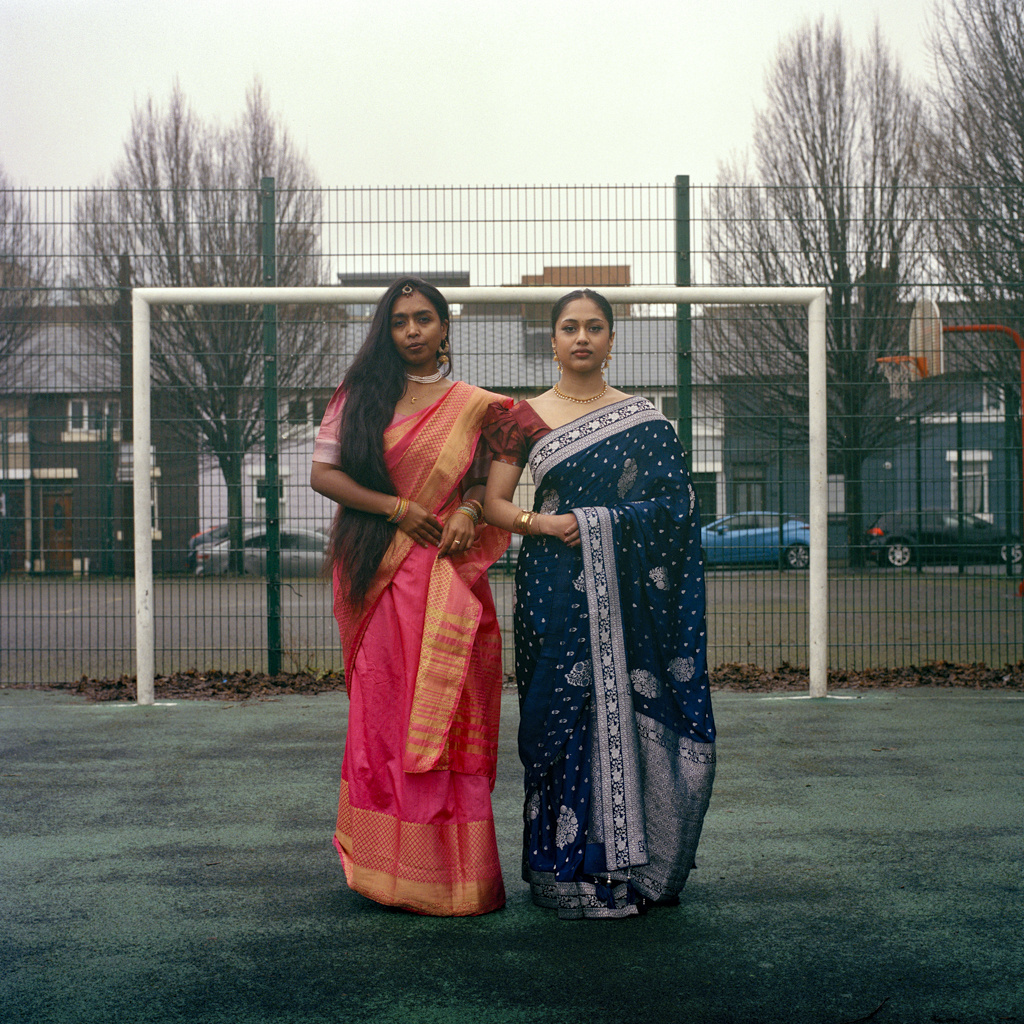
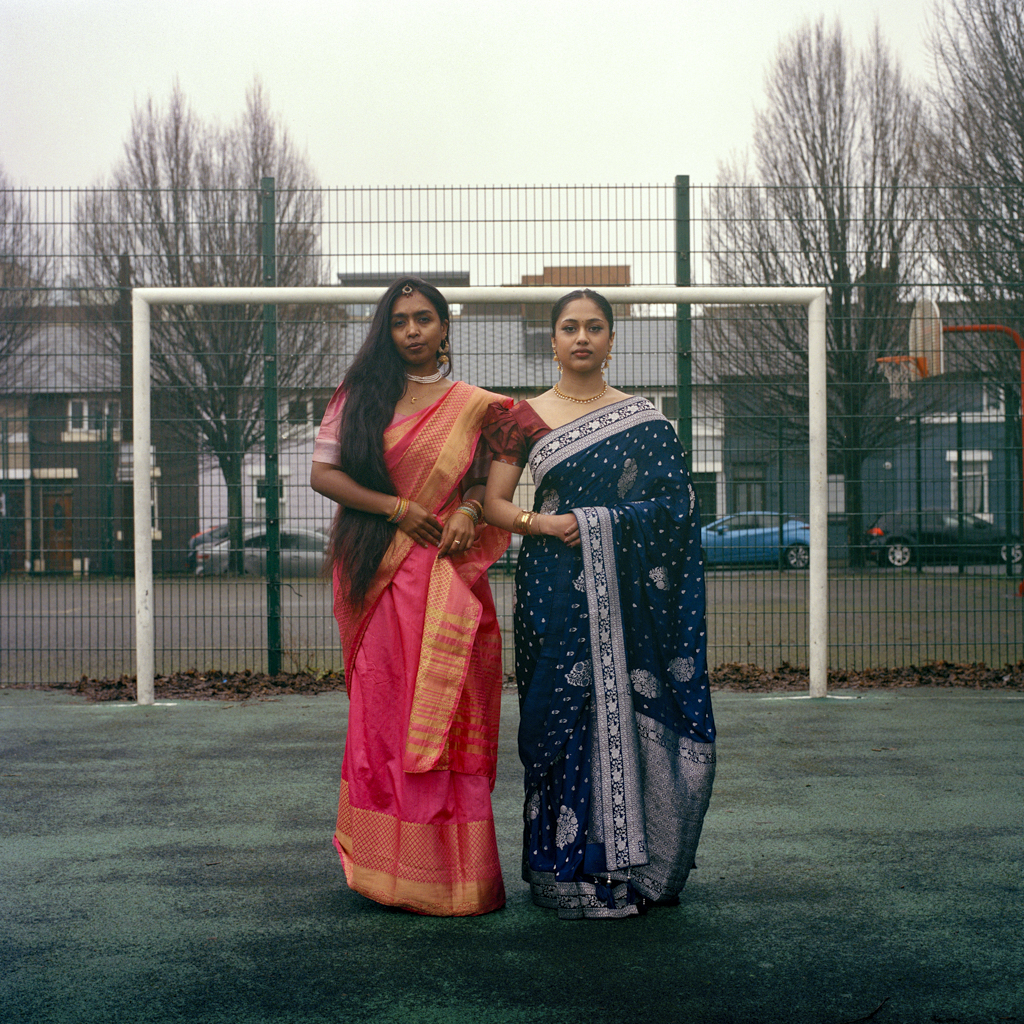
At a time when xenophobia is increasingly presented as patriotism, “No Man’s Land” pushes back against narrow ideas of Irishness as a white birthright. Public conversations around immigration often suggest that Irish identity is something fixed, protected, or under threat. This project argues instead that identity is constantly changing, shaped by movement, encounter, and shared experience.
This series also embraces contradiction and complexity. The accompanying testimonies allow participants to speak about their own experiences, offering perspectives that are often overlooked within public discourse – some participants speak about deep love and connection to Ireland while also describing experiences of racism or exclusion. This project does not try to simplify these experiences, instead allowing space for their honesty and nuance.
By placing people from immigrant backgrounds within the National image, this work challenges assumptions about who is accepted within this country by highlighting the diversity already present in Irish society. A key intention of this project is to create conversation around migration, race, visibility, and representation in Ireland today.
“No Man’s Land” also seeks to challenge stereotypes by presenting its subjects with dignity and individuality rather than reducing them to political narratives or social categories. Through this approach, the work hopes to foster empathy, reflection, and dialogue between audiences and communities.
Ultimately, this project contributes to a wider understanding of Irish identity in a changing Ireland. It positions photography as a tool for social reflection while documenting a moment in Irish history shaped by movement, change, and evolving ideas of belonging.
This thesis examines how contemporary Nigerian photographers challenge and reshape colonial visual regimes that have historically influenced representations of Nigerian life. From nineteenth-century ethnographic photography to current museum exhibitions, the study demonstrates that photographic meaning is not fixed within the image itself but is constructed through institutional, curatorial, and viewer frameworks.
Salem Anowe Chukwuezi is a Nigerian visual artist based in Co. Meath and Dublin. Working with photography, film and sound, her practice focuses on cultural identity and lived experiences, particularly within Black and Brown communities. She creates space for people that are often underrepresented within Irish culture, using photography as a means of both documentation and dialogue.
In 2026, she was selected for the Judge’s Choice for the inaugural Taylor Wessing Photo Prize for her work "Unseen, yet Always Here", part of her series Covert (2025). This recognition marks an early milestone in her career, signalling a growing presence within contemporary photographic practice by challenging narrow ideas of identity and representation.