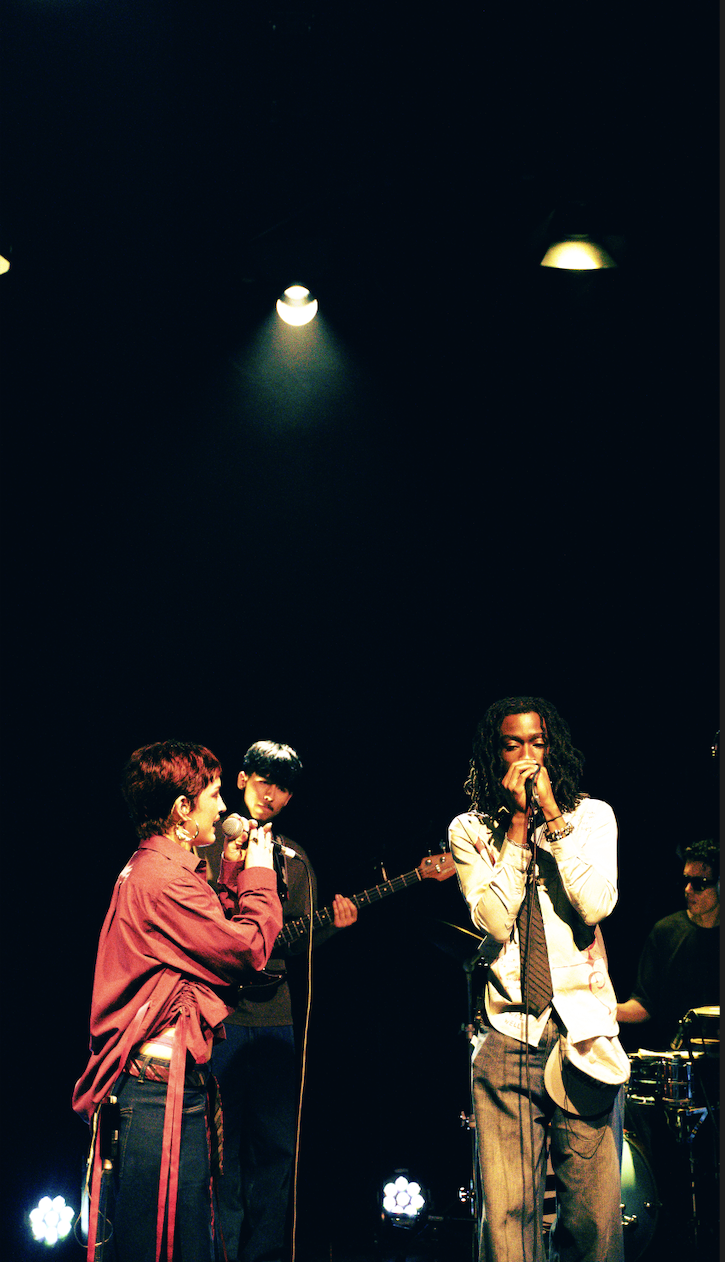
Vicente Bautista
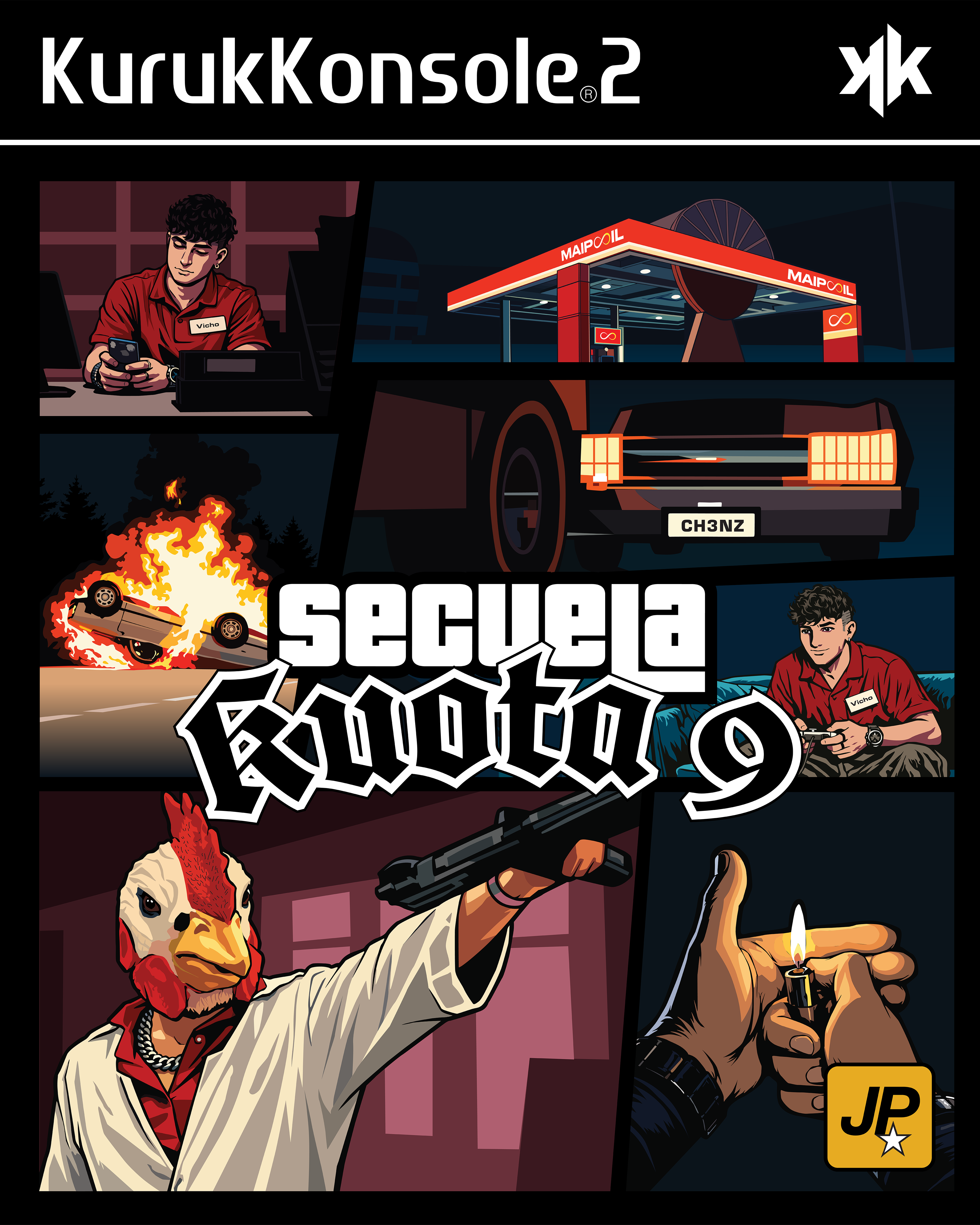
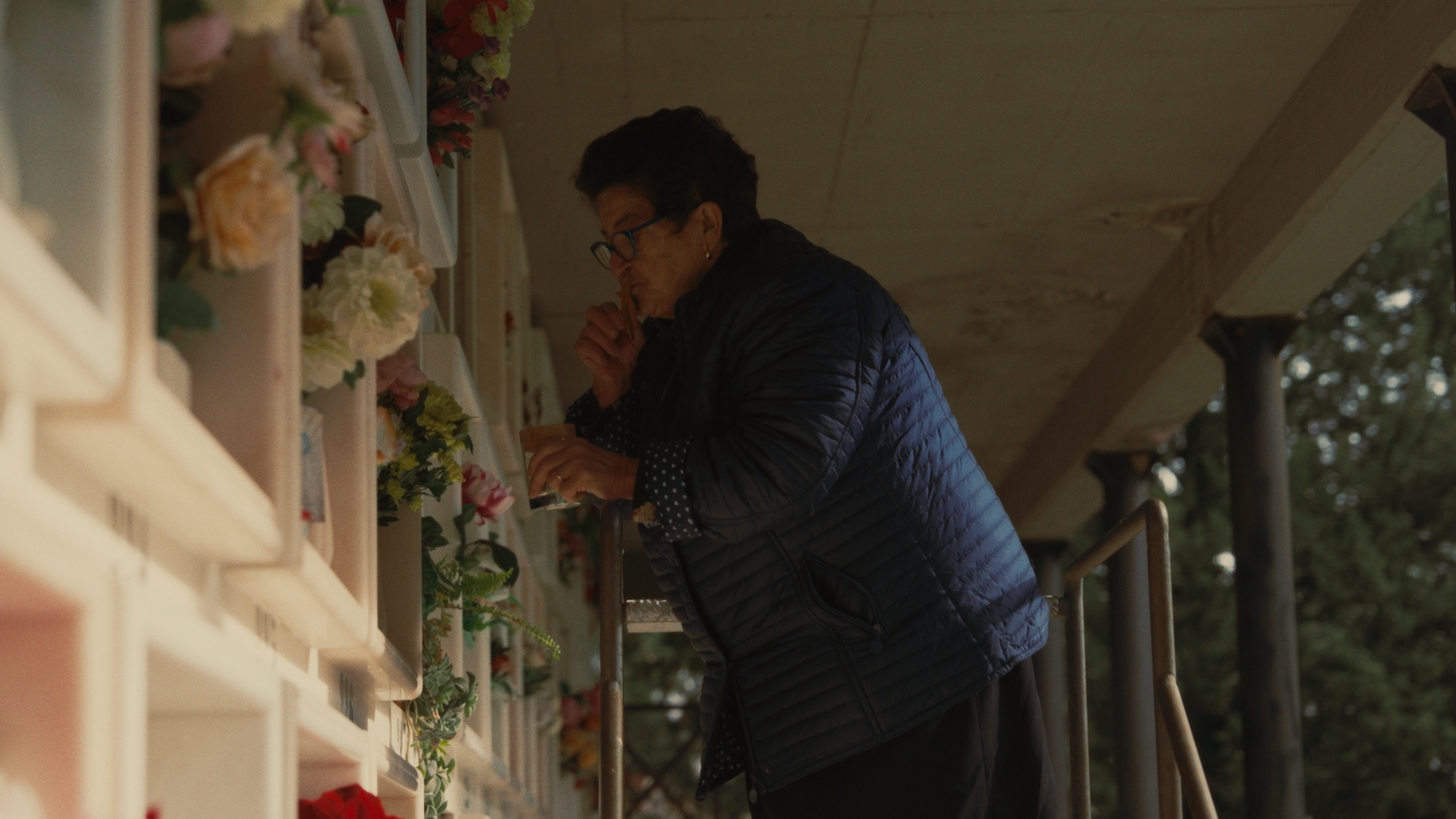
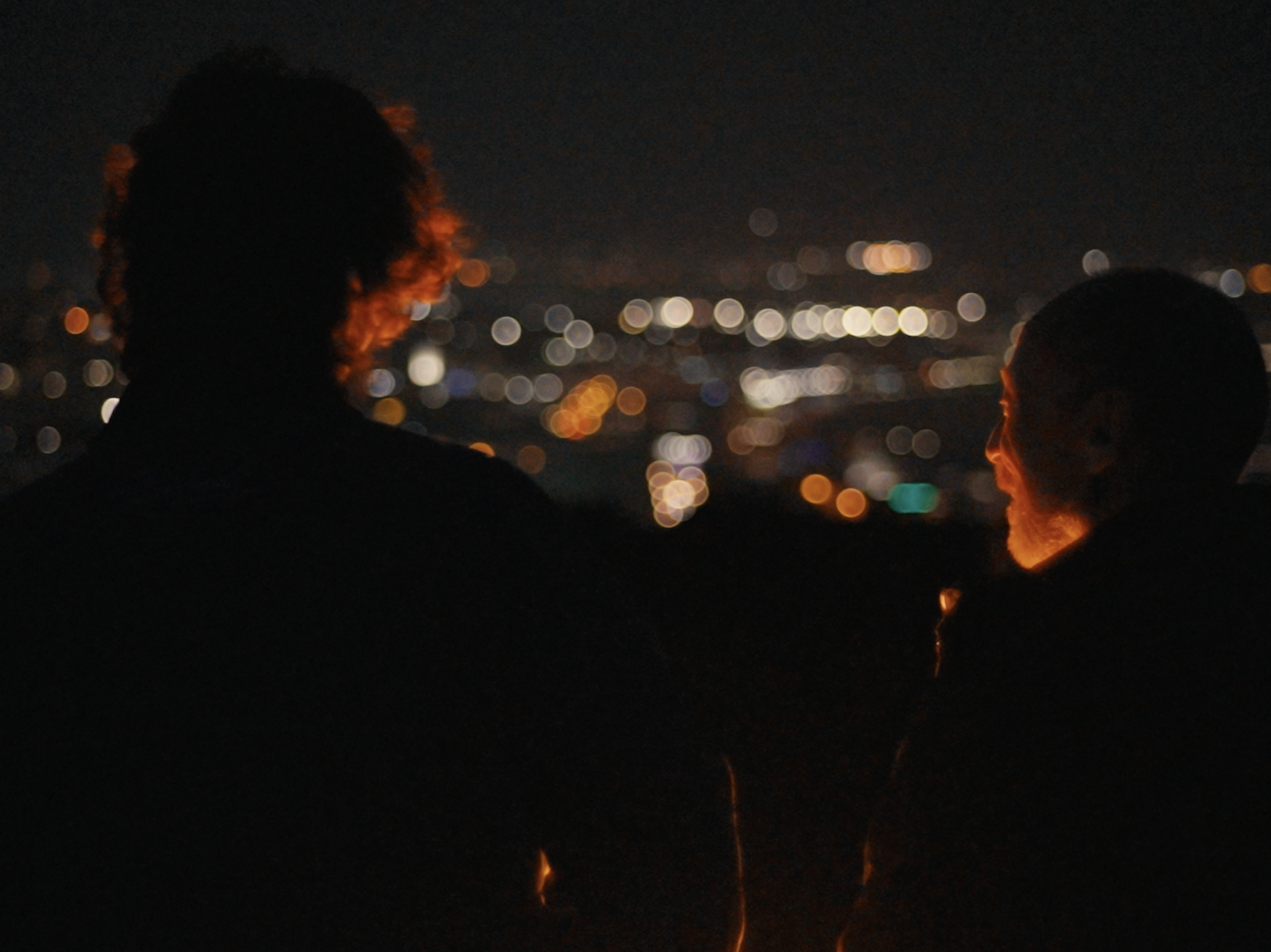
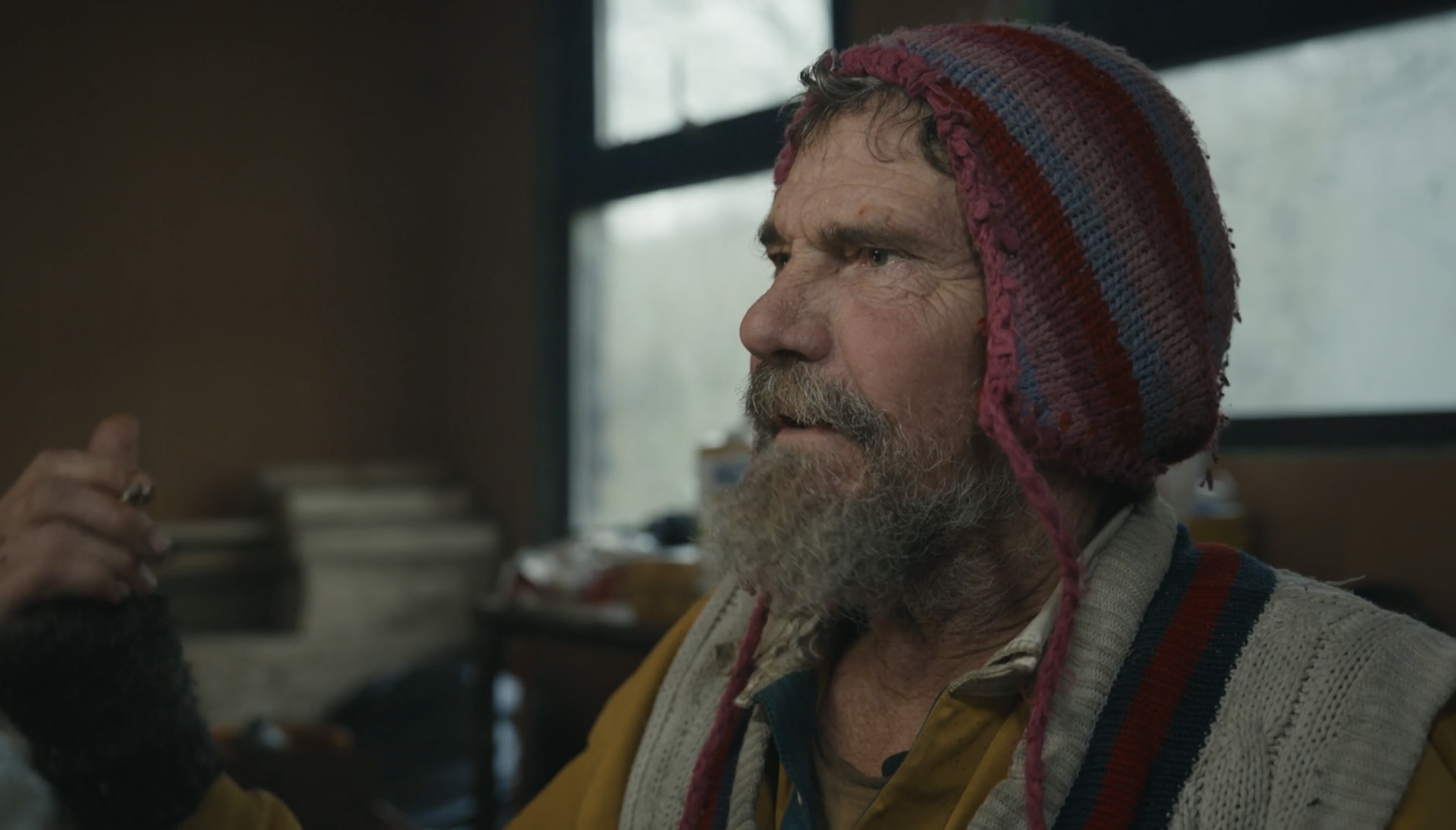
Kuruk works the overnight shift at a quiet gas station, where every night feels identical—silent roads, flickering fluorescent lights, and a slow, numbing loop of routine that makes time feel stuck. But one night, something breaks the pattern.
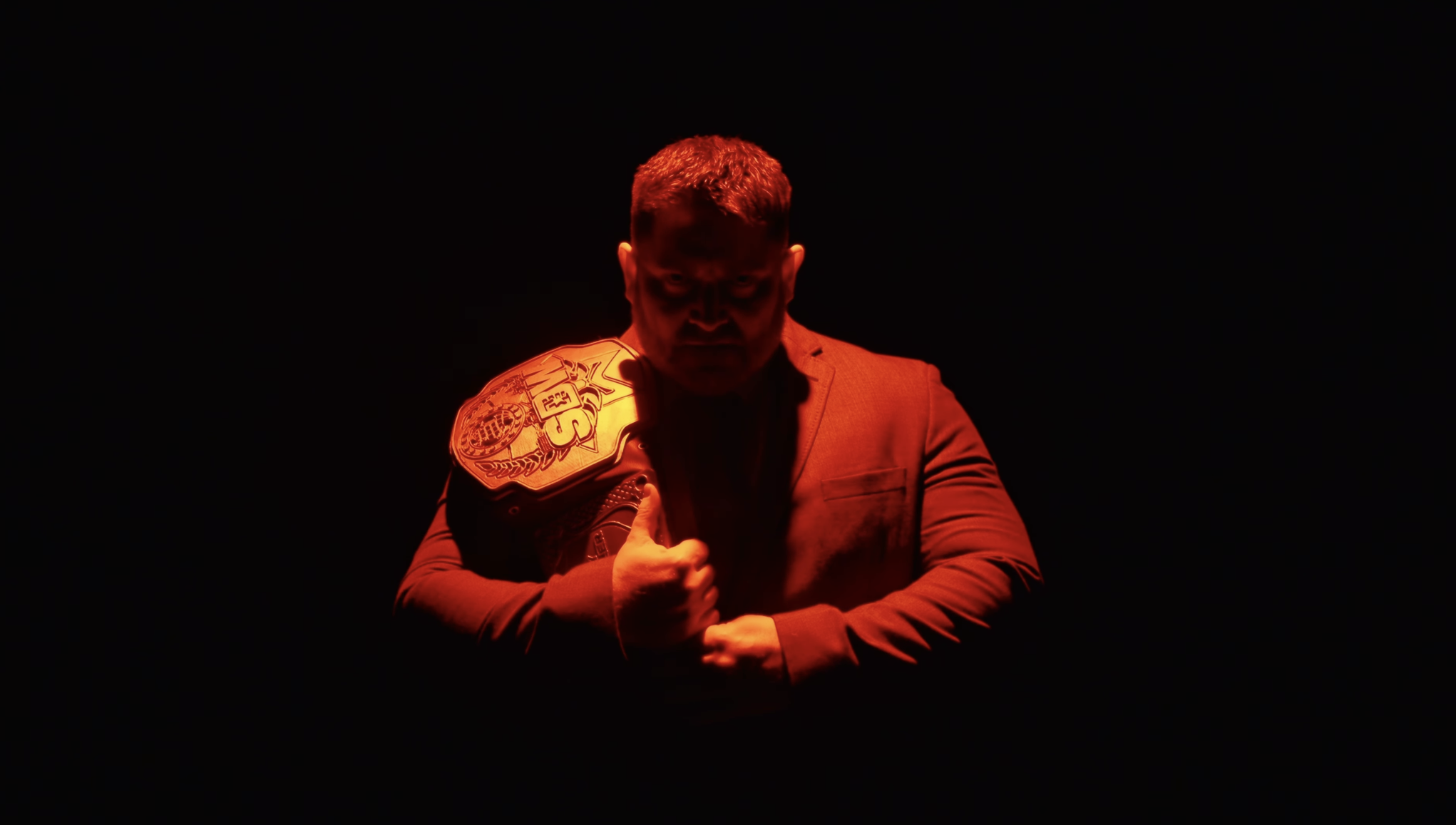
A robber in a strange, unsettling costume suit storms in. The world starts to glitch between what should be real and something else—something like a parallel digital world underneath it all. Streets feel slightly off. The gas station, once just a dead-end night job, becomes a checkpoint and Kuruk needs to figure out how to escape this endless loop. Kuruk, inside this parallel world, is presented with three different choices, but only the right decision will show the way back to reality.
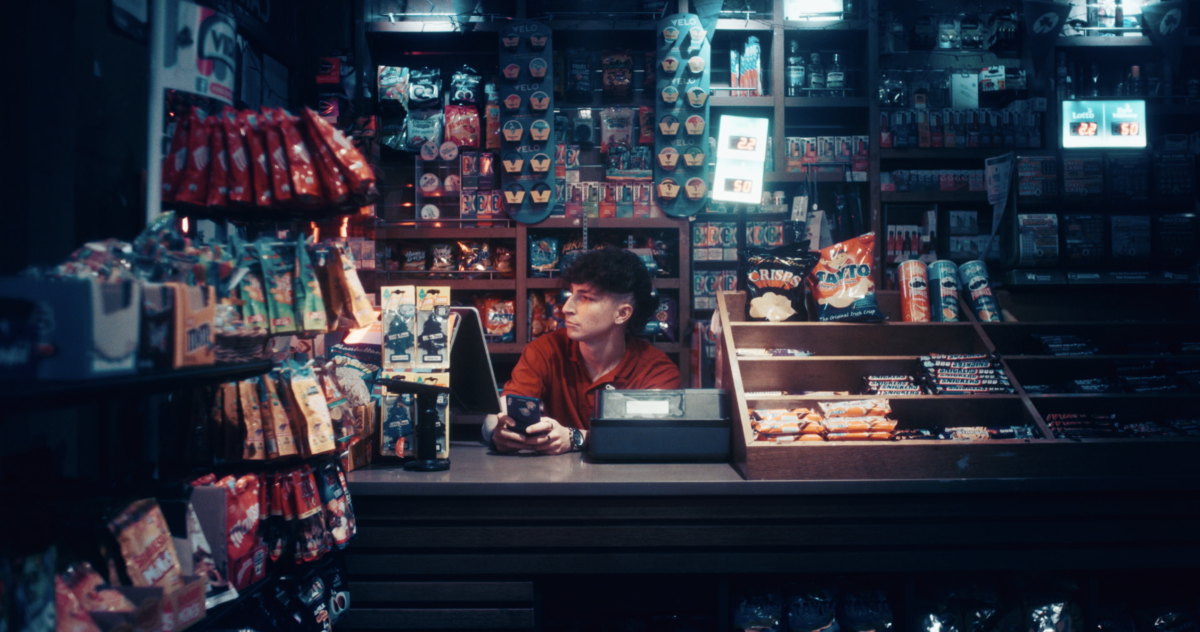
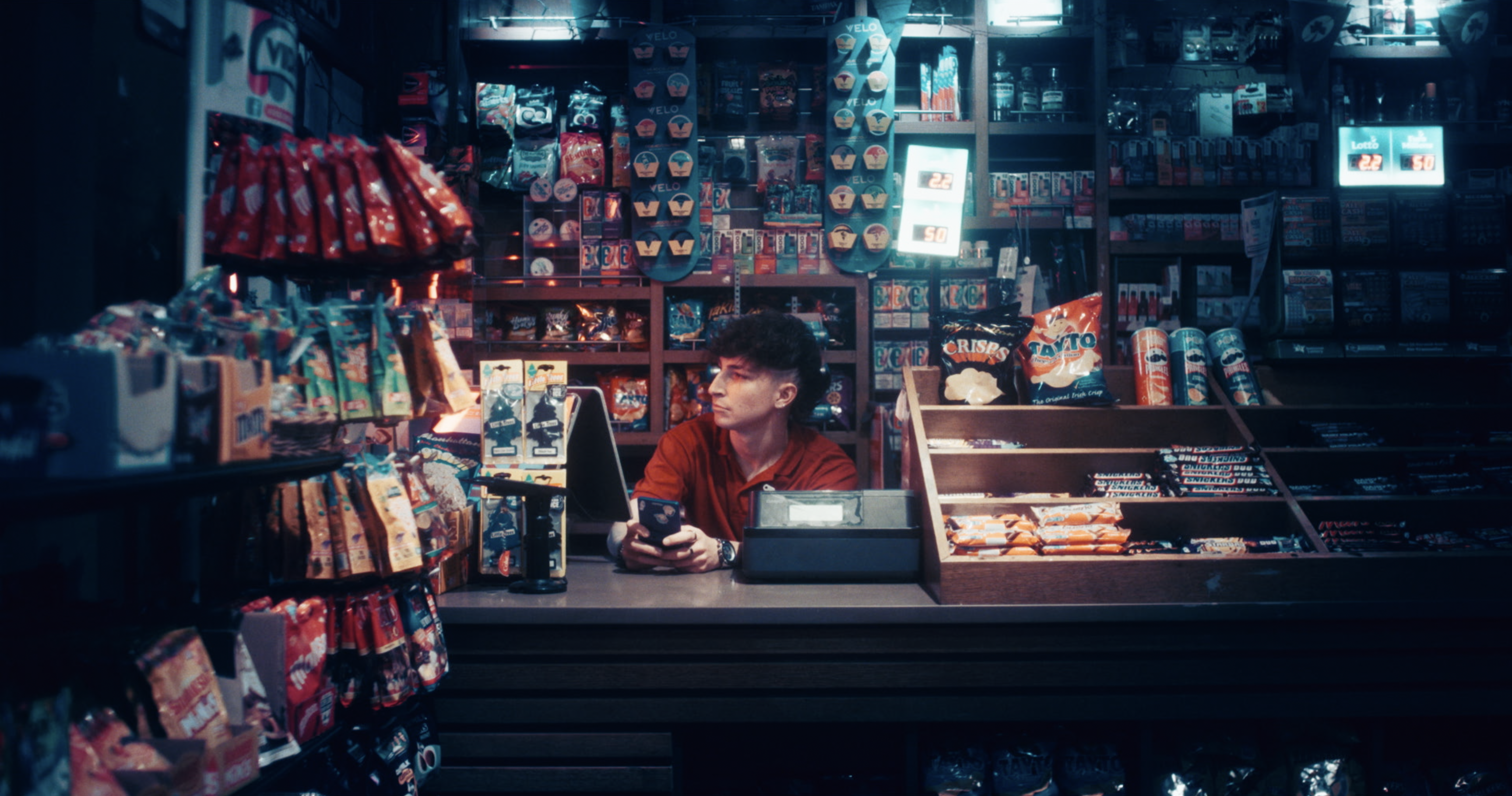
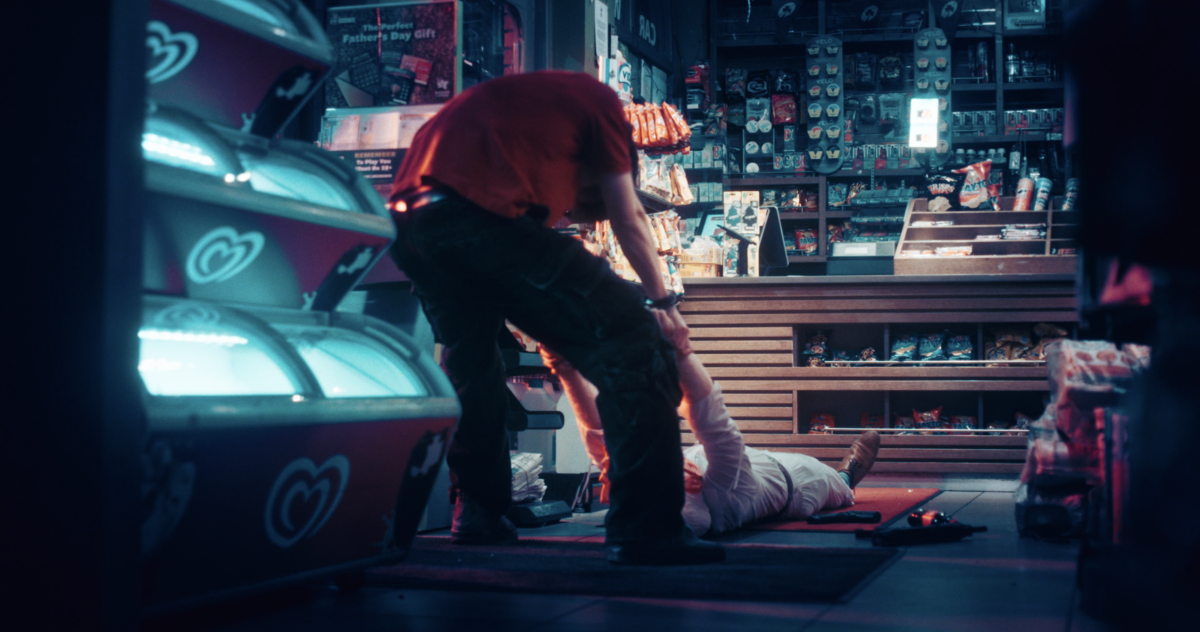
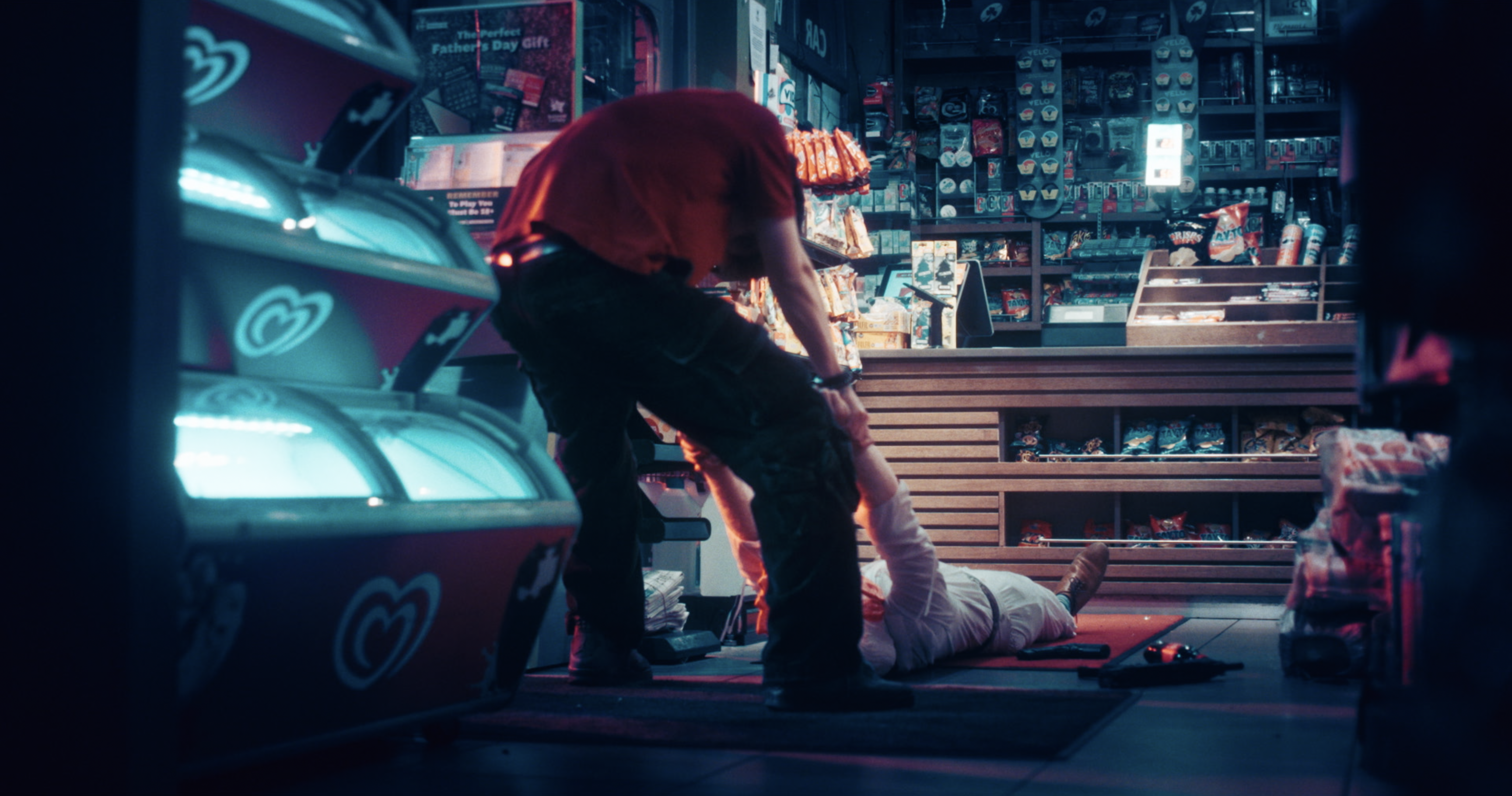
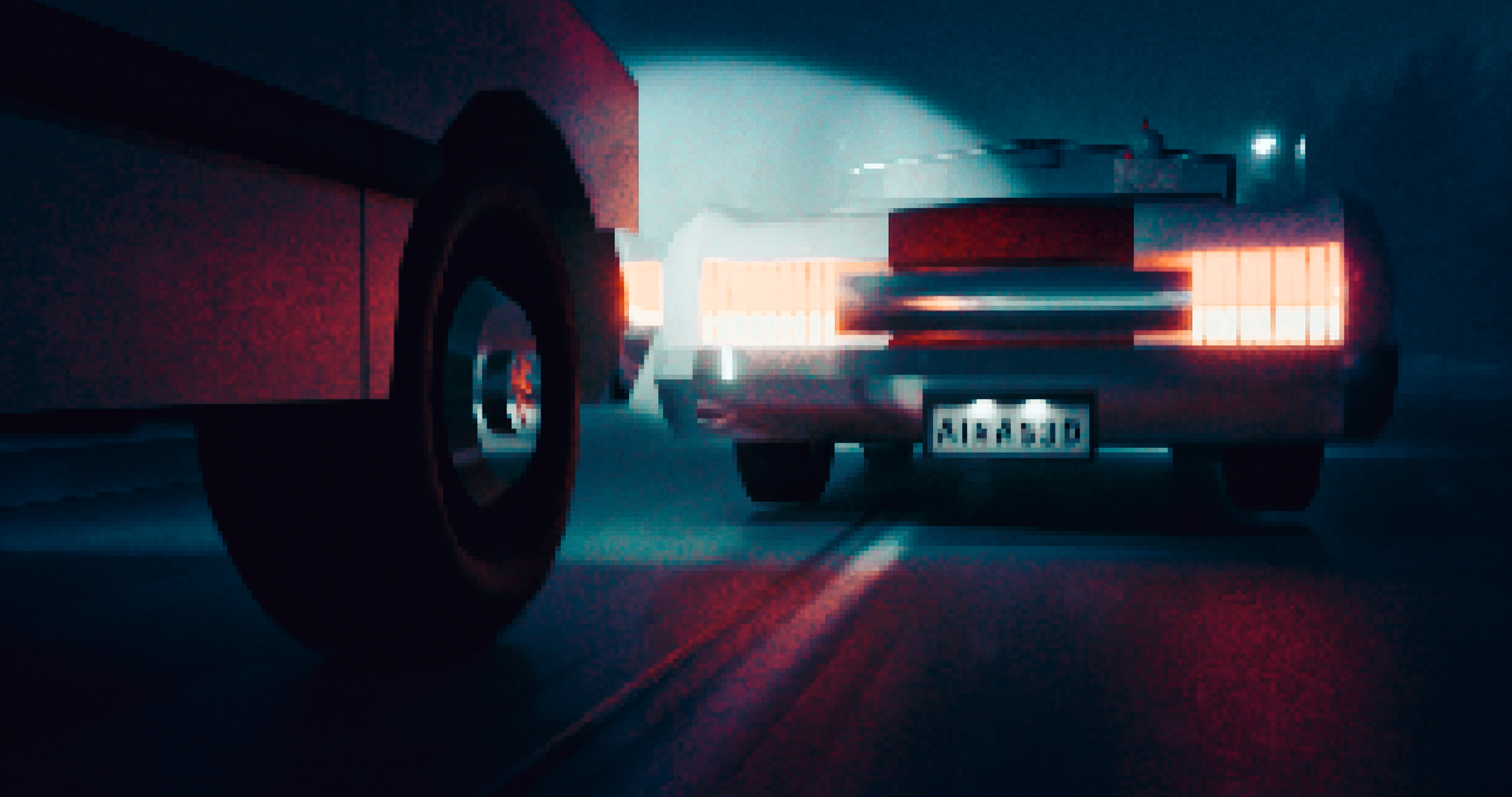
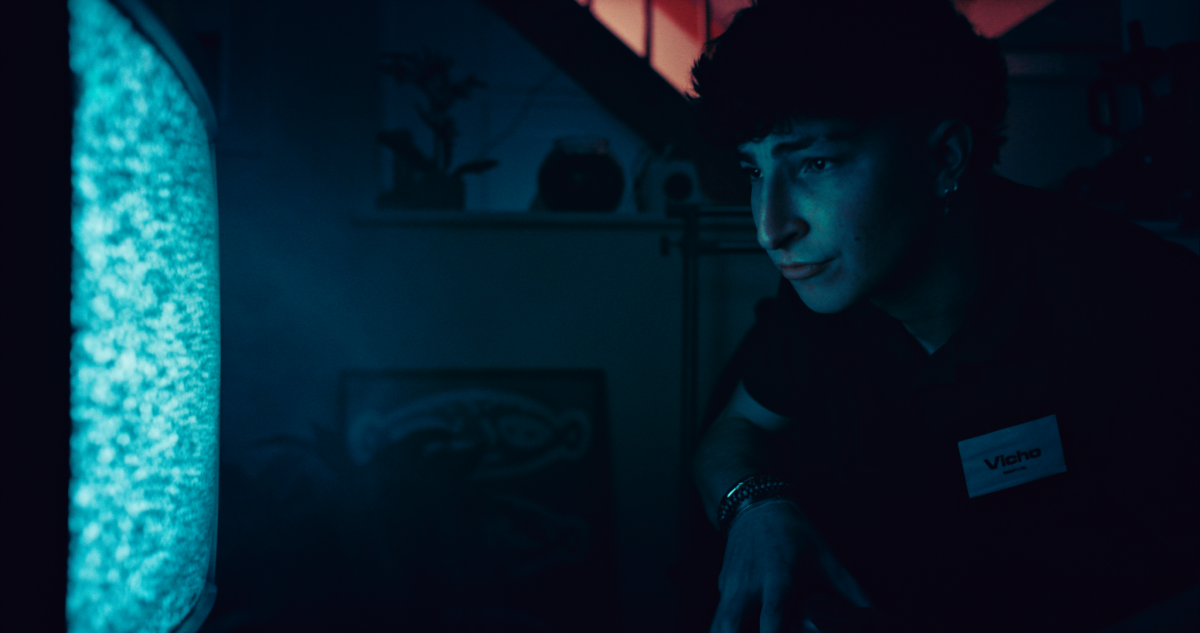
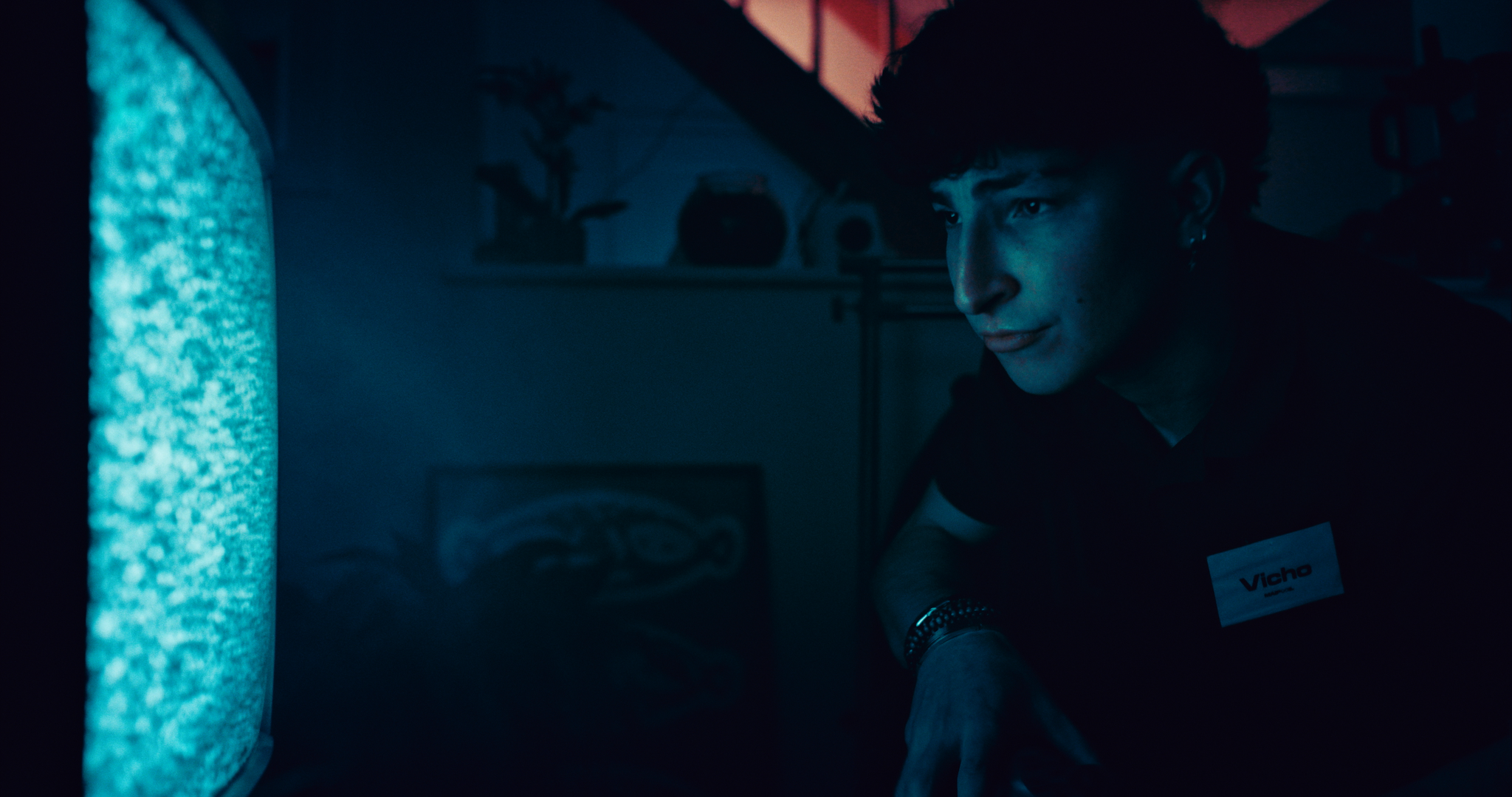
The objective of this music video is to blur the line between real life and a retro video game world, turning an ordinary night shift into something surreal and interactive.
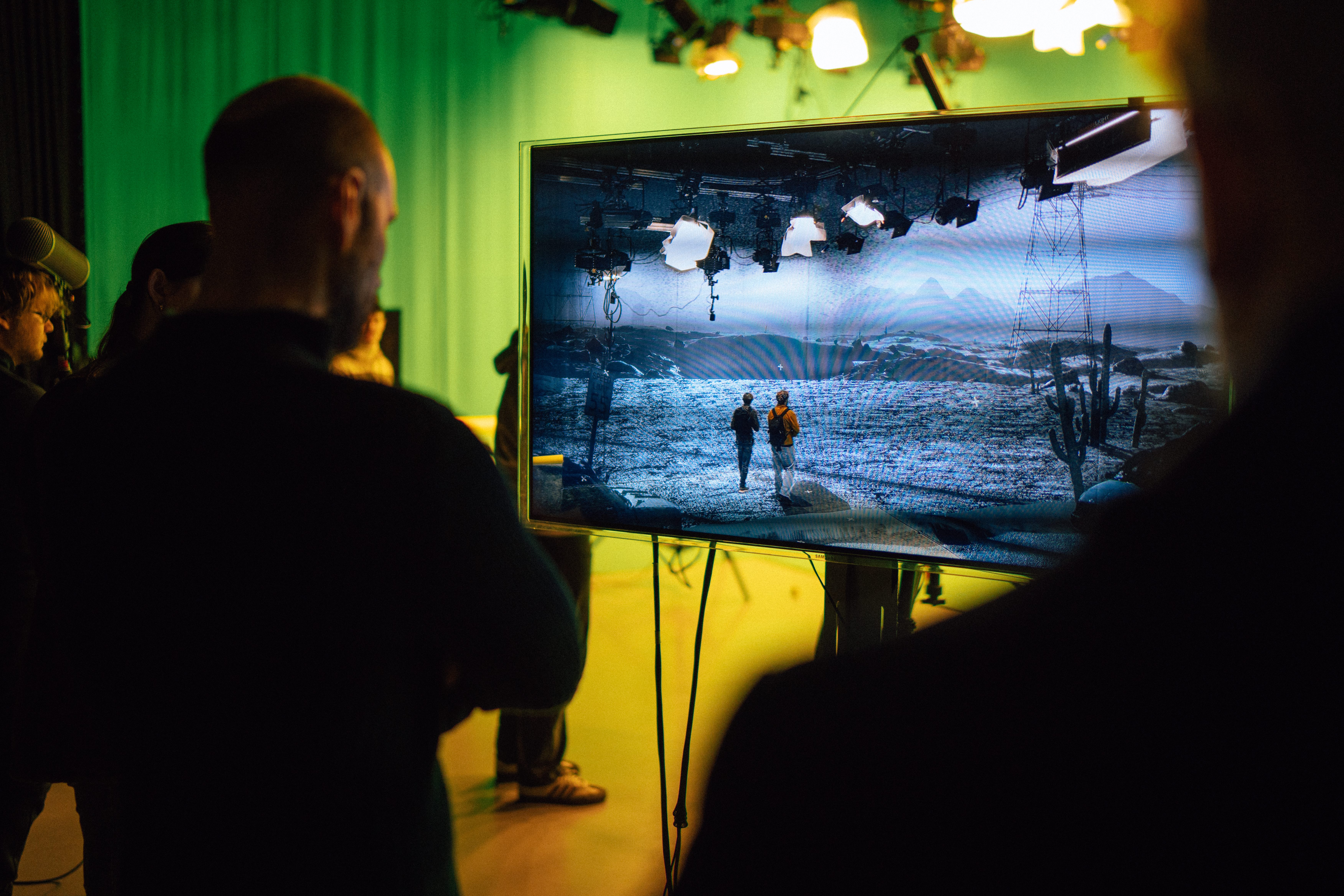
It follows Kuruk, a gas station worker trapped in a repetitive routine. At first, everything feels realistic and mundane, but the world gradually begins to shift into a stylized system inspired by early GTA-style games. Reality starts to feel like it is being “played” rather than lived. Everyday actions begin to resemble gameplay mechanics—dialogue feels selectable, decisions seem to branch outcomes, and the environment slowly takes on a coded, game-like structure while still grounded in emotion and performance.
A key challenge is recreating real-life spaces through the visual language of retro gaming, using stylized aesthetics, simplified systems, and subtle UI-inspired elements without losing realism or emotional depth. The arrival of Petro Cock triggers this break in reality, pushing the world fully into game logic, where hidden rules and strange repetition take over.
Ultimately, the video explores perception, control, and the feeling of life becoming something played instead of lived.
Visually and conceptually, the video creates a strong contrast between mundane routine and distorted game logic, using subtle UI-inspired elements, gameplay framing, and environmental shifts to suggest that reality is being interpreted through a retro engine. This reinforces the core idea of perception change rather than literal fantasy.
On an emotional and artistic level, the video is designed to evoke curiosity, tension, and familiarity at the same time—making the viewer question how much of daily life feels repetitive, structured, or “played” without them noticing. It uses surreal interruption (through Petro Cock) as a narrative device to break routine and trigger this shift in perception.
As a final outcome, the project strengthens the identity of the artist by combining music, storytelling, and visual experimentation into a cohesive world, showcasing a distinctive creative language rooted in both Latin musical influence and cinematic, game-inspired aesthetics.
Vicente Bautista is a Chilean musician and sound designer. His work is rooted in music, which remains his main creative focus as a Latino artist. He explores emotion, atmosphere, and storytelling through a blend of contemporary Latin influences and cinematic sound. In 2022, he began studying at IADT. While building his music career in early 2024, he developed strong audio skills through recording, mixing, and sound manipulation, which naturally led him toward sound design. Sound design became a parallel practice that expands his creative and technical work, while music remains central to his identity. He is the artist behind KUOTA #09: Secuela, his music video, which received a Shark Award.