Eibhilin O'Reardon
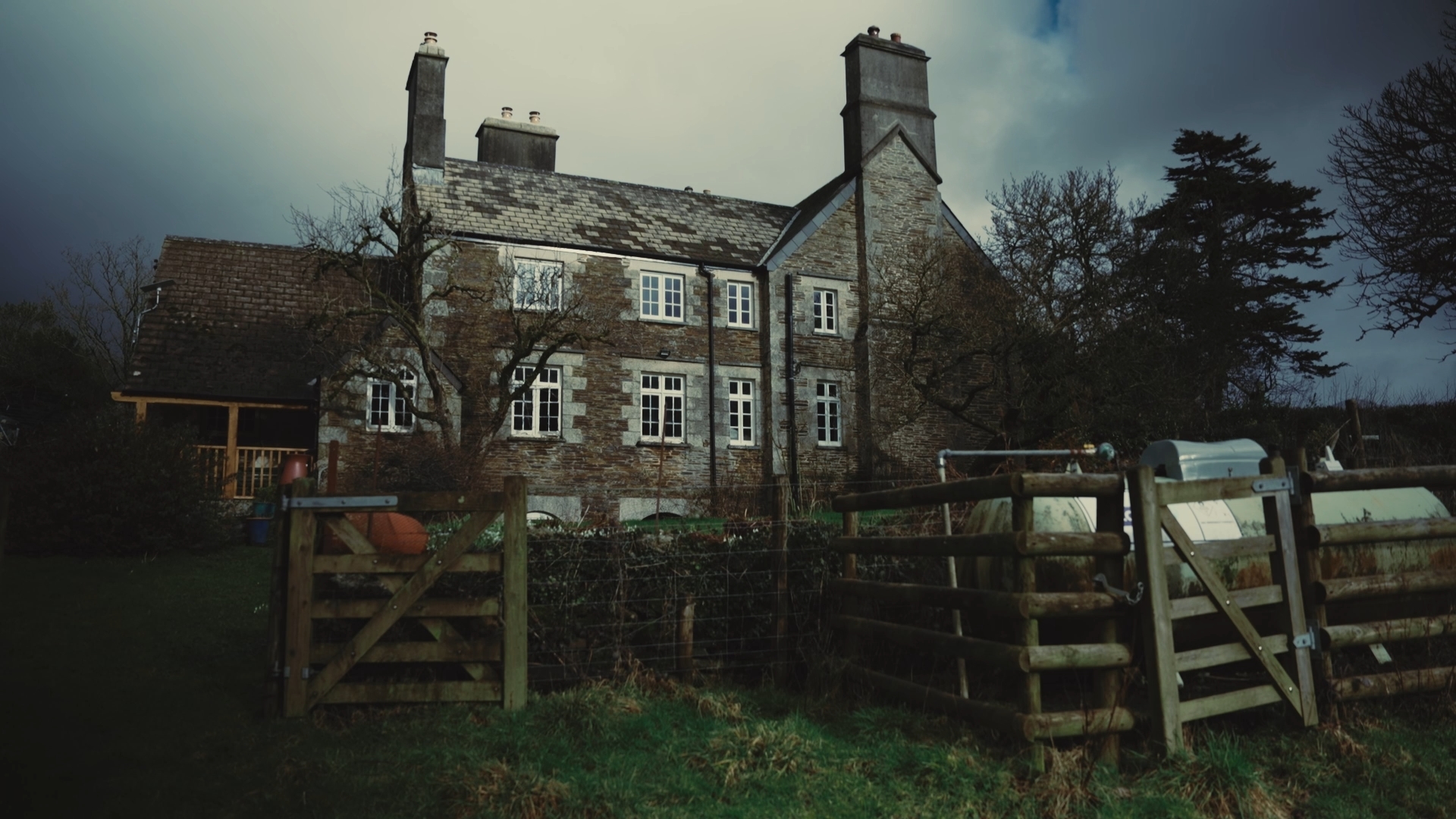
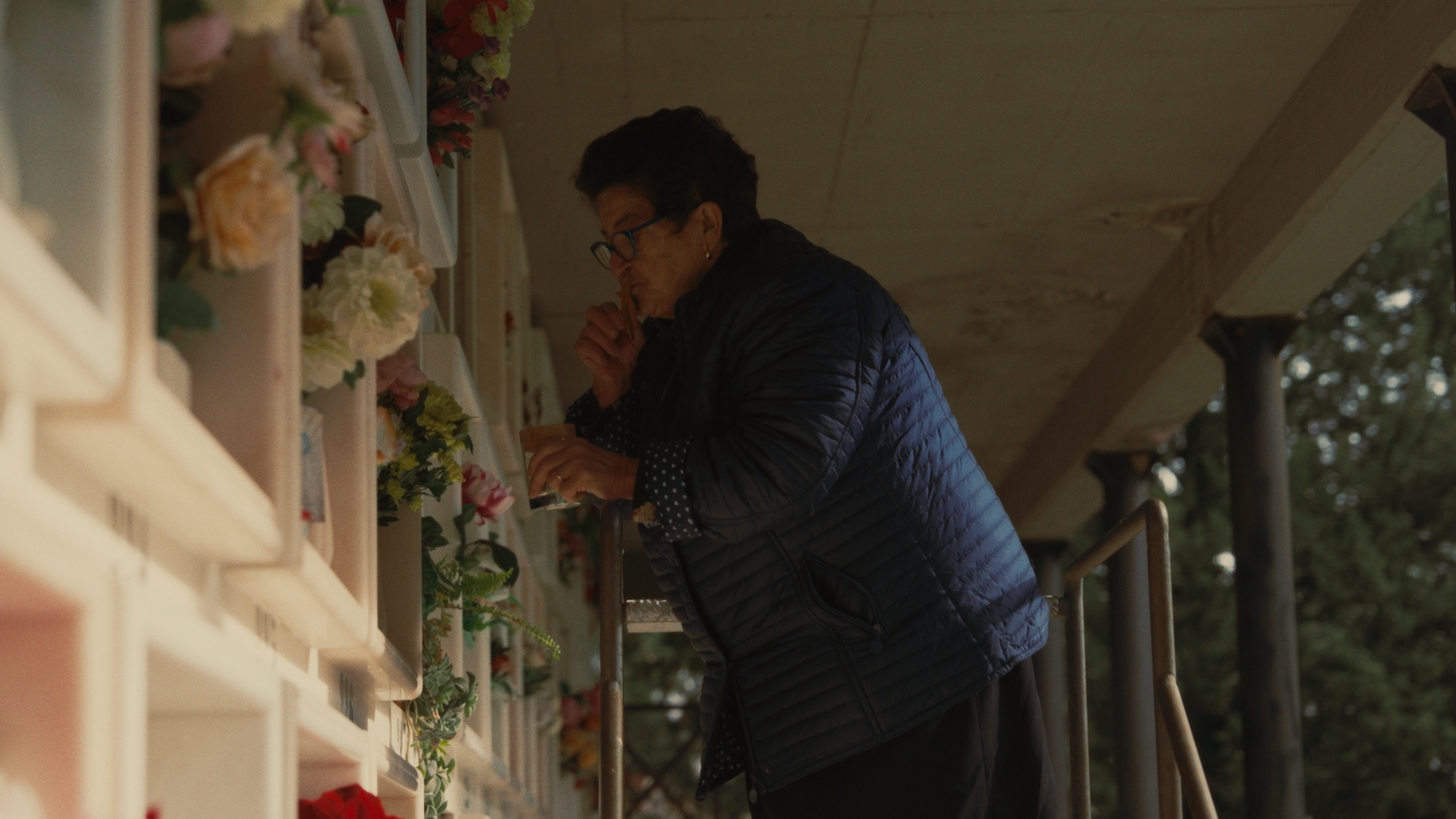
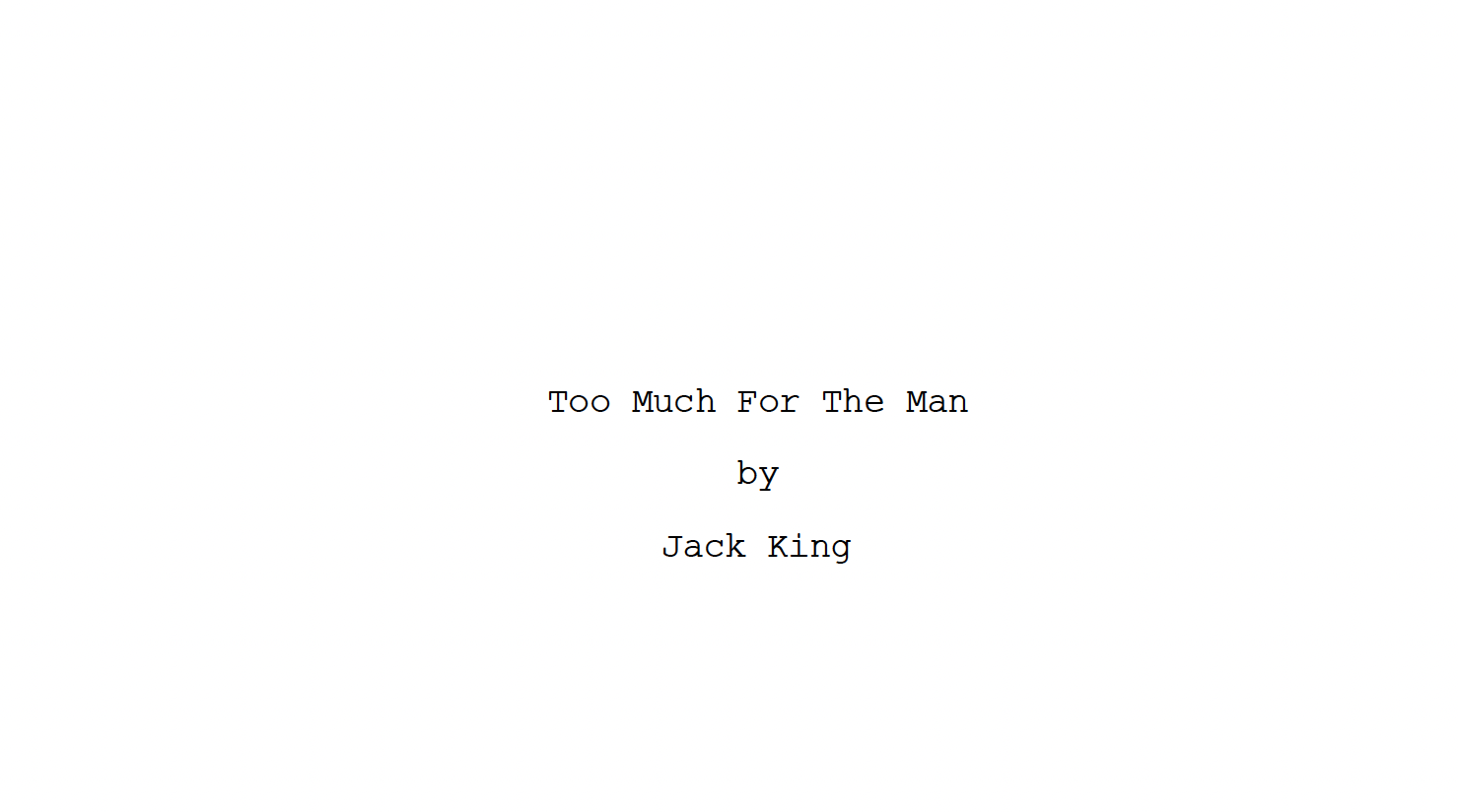
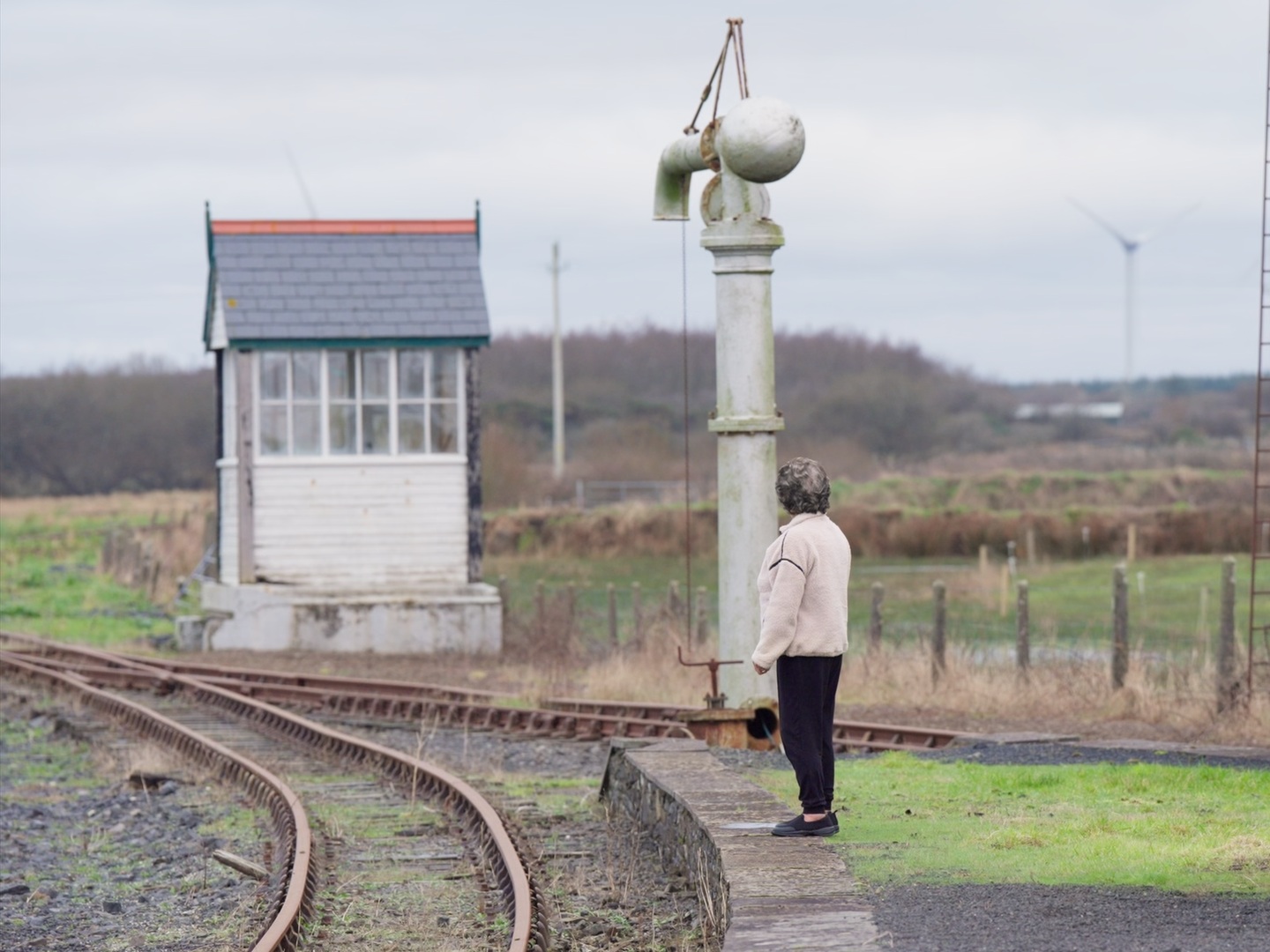
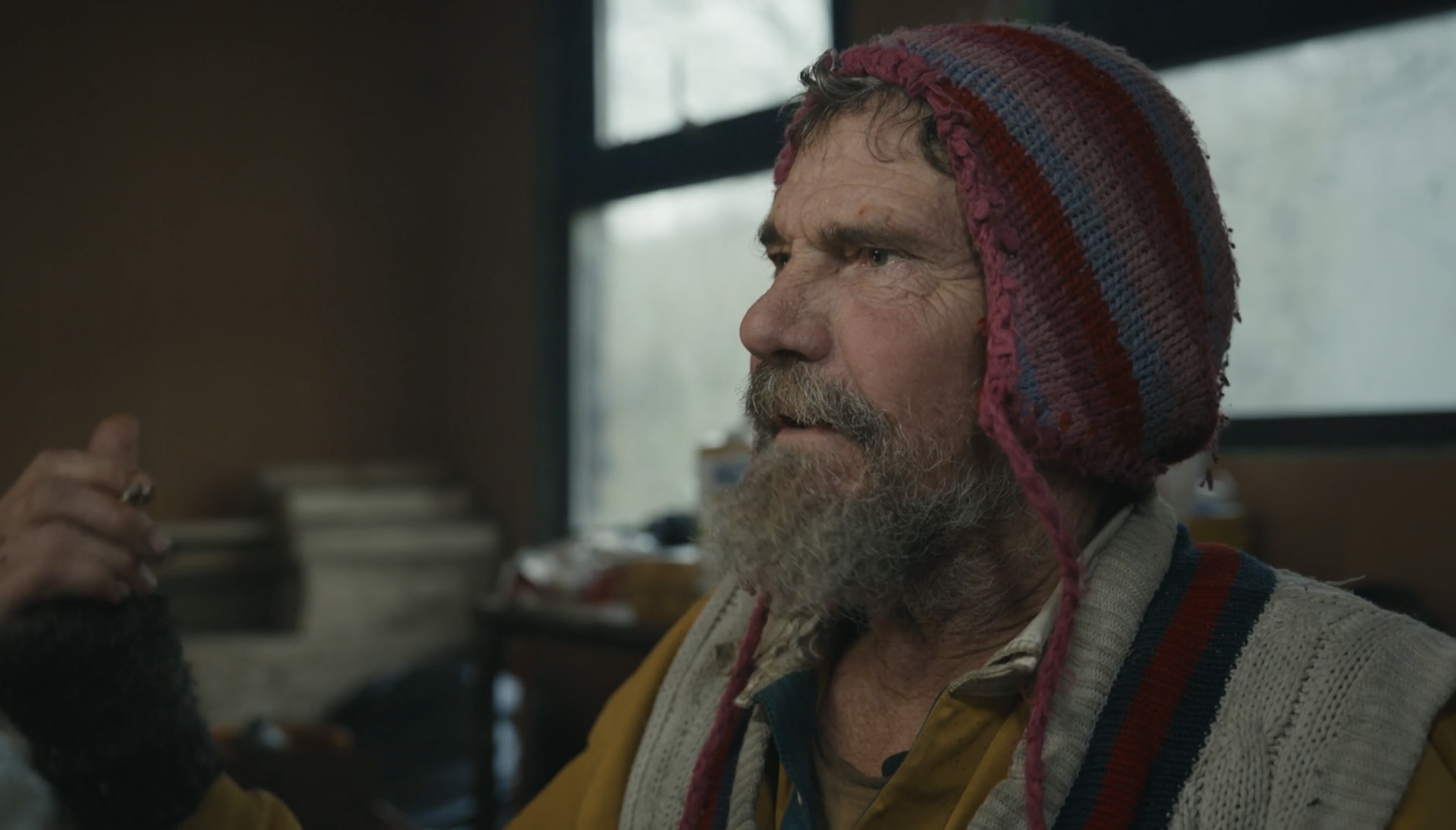
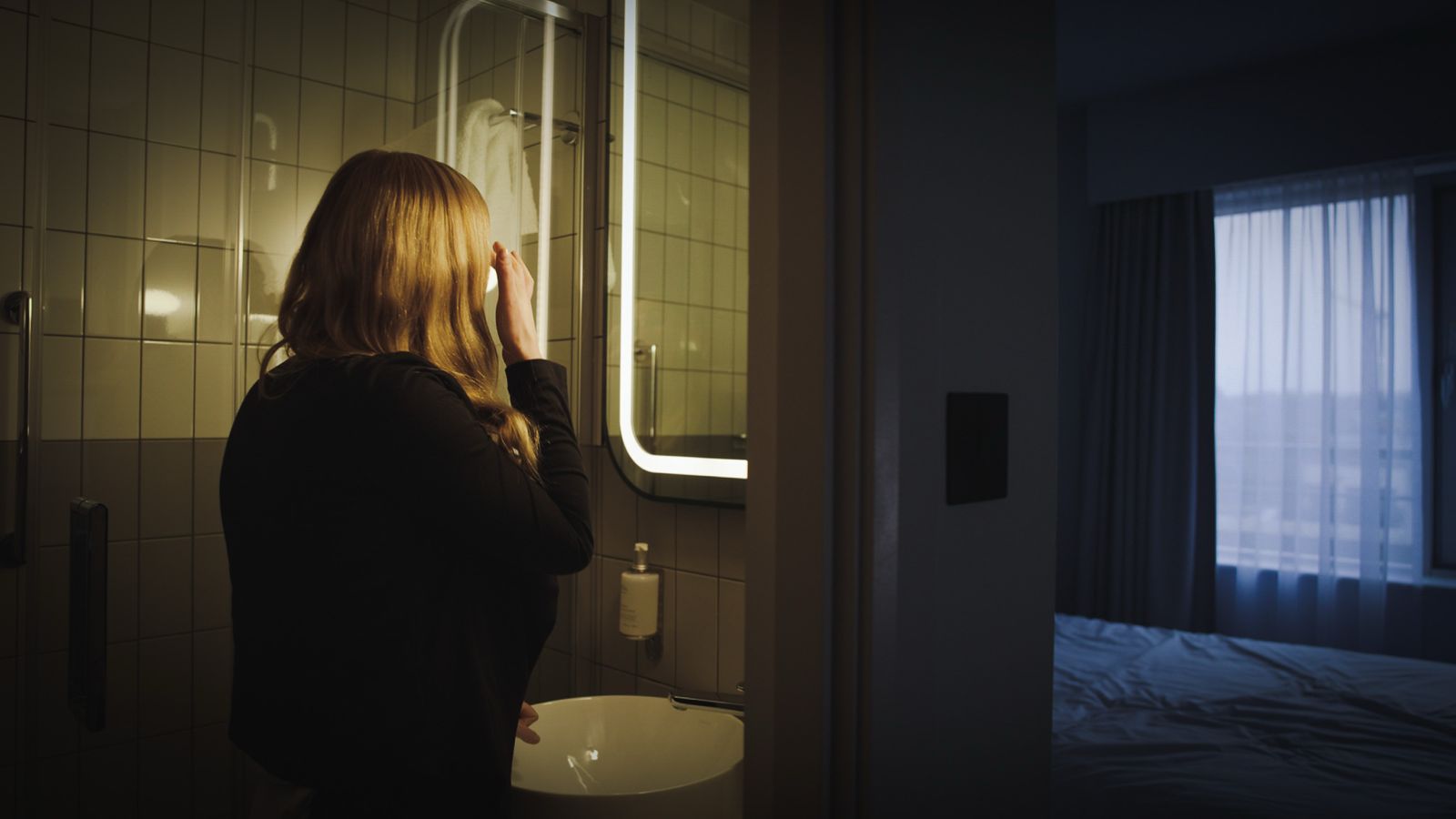
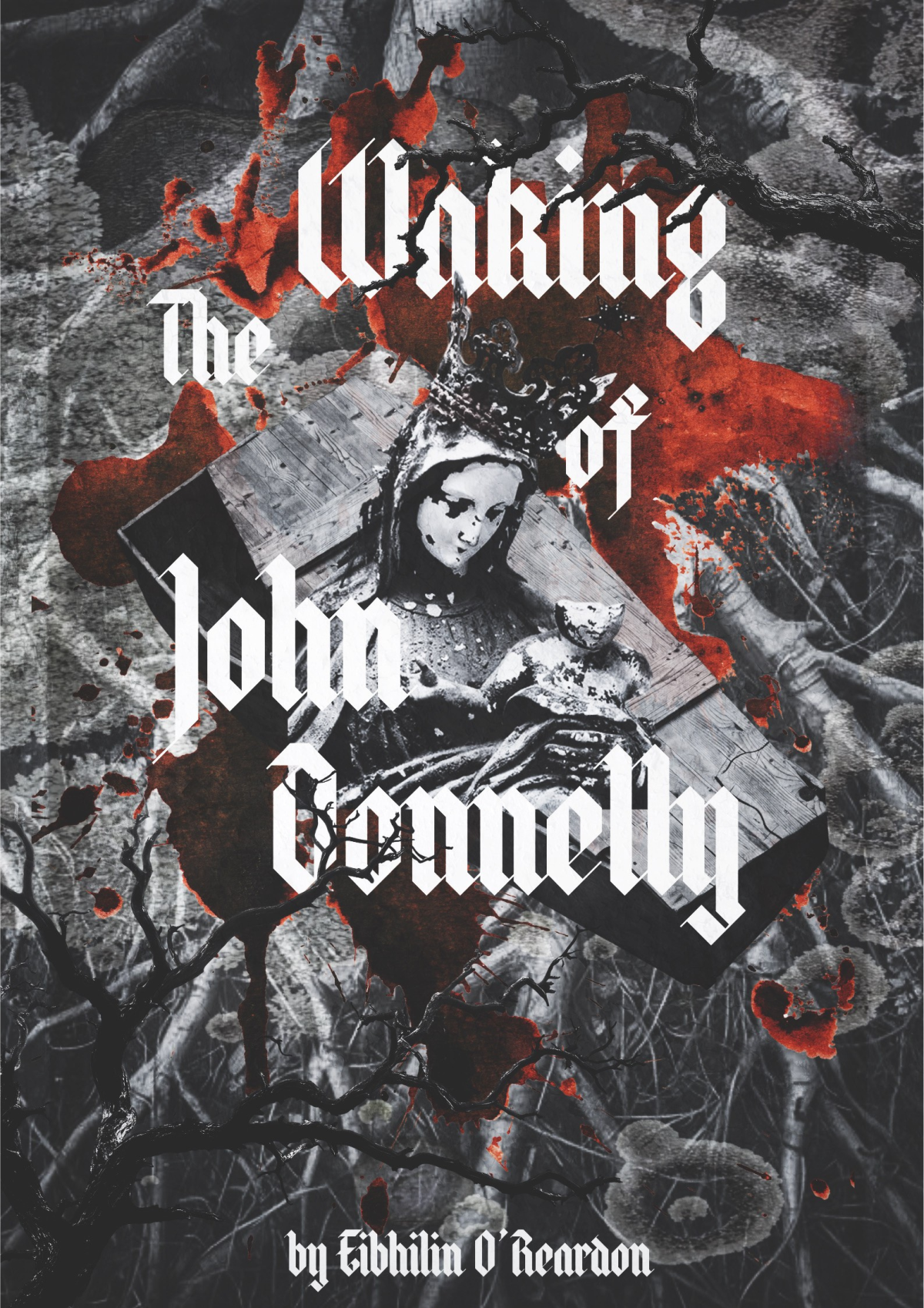
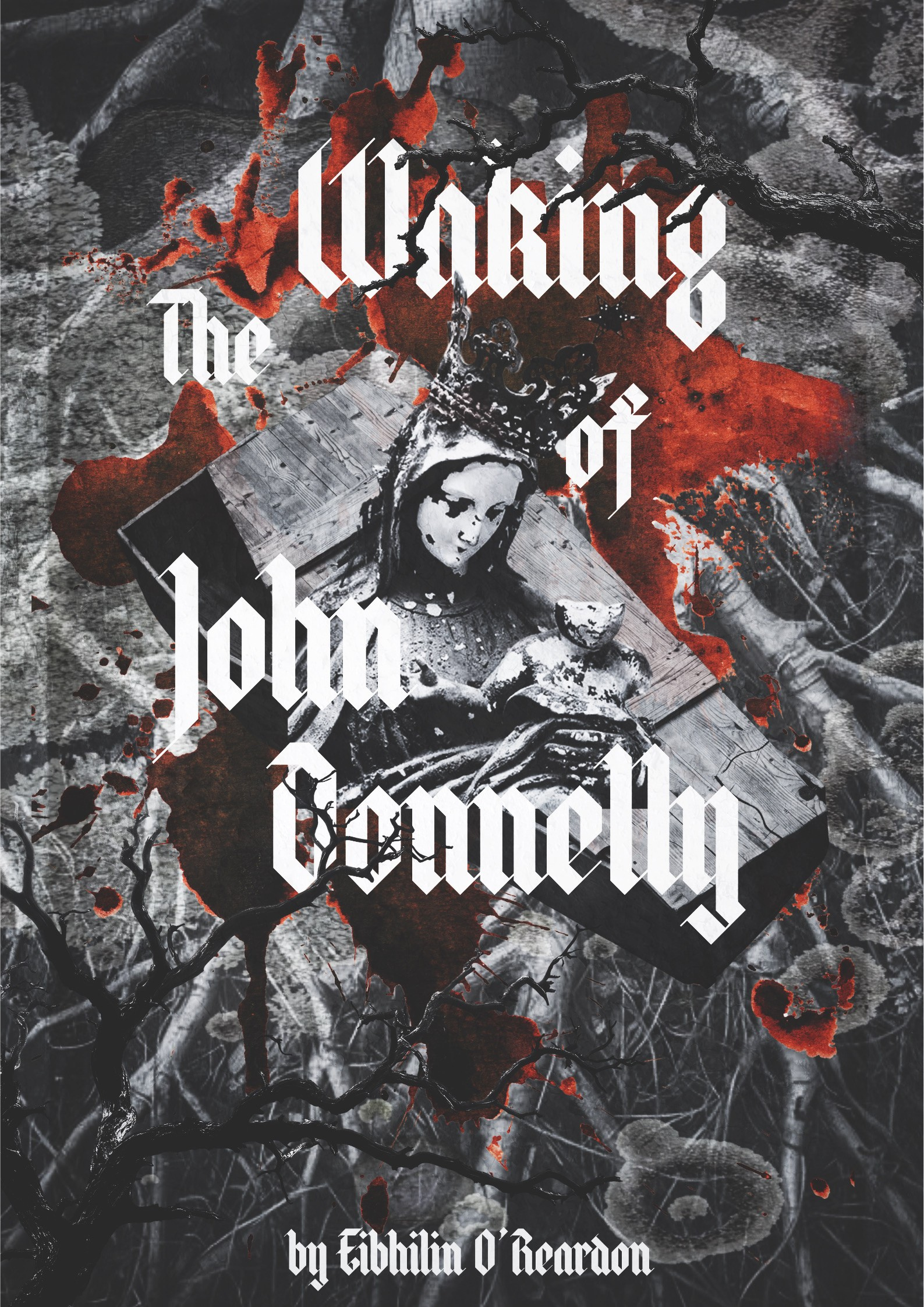
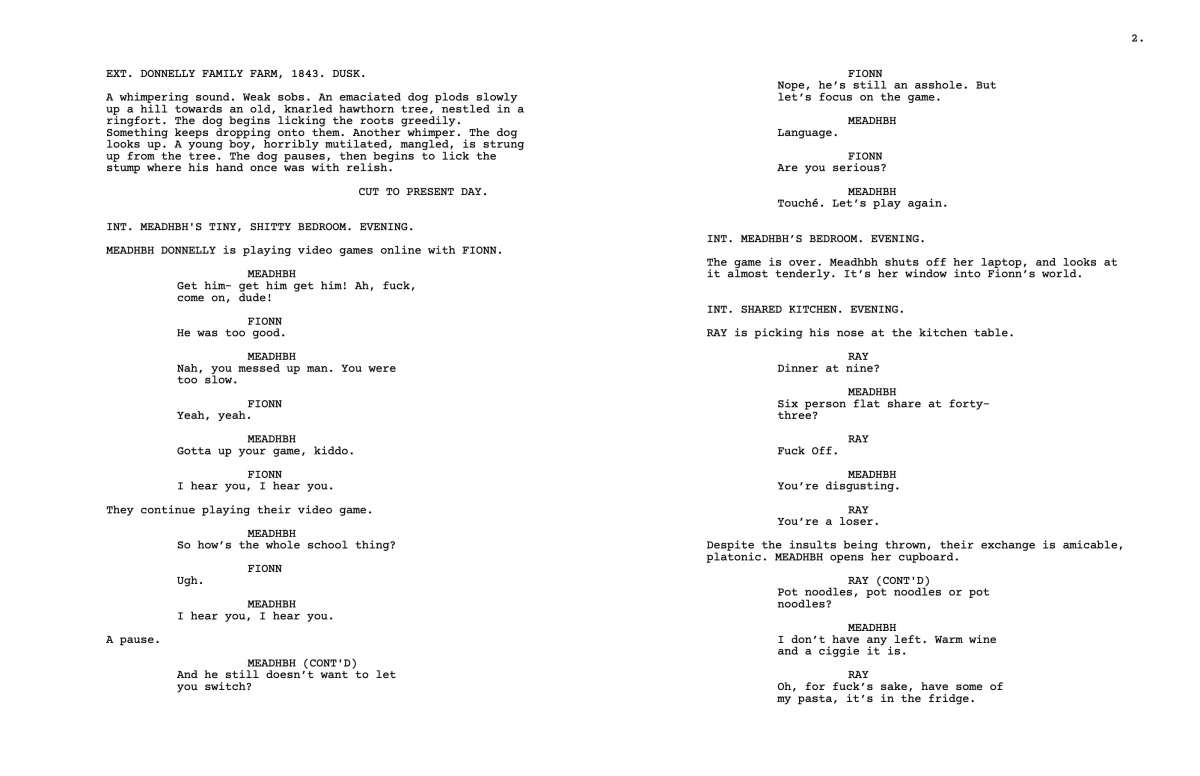
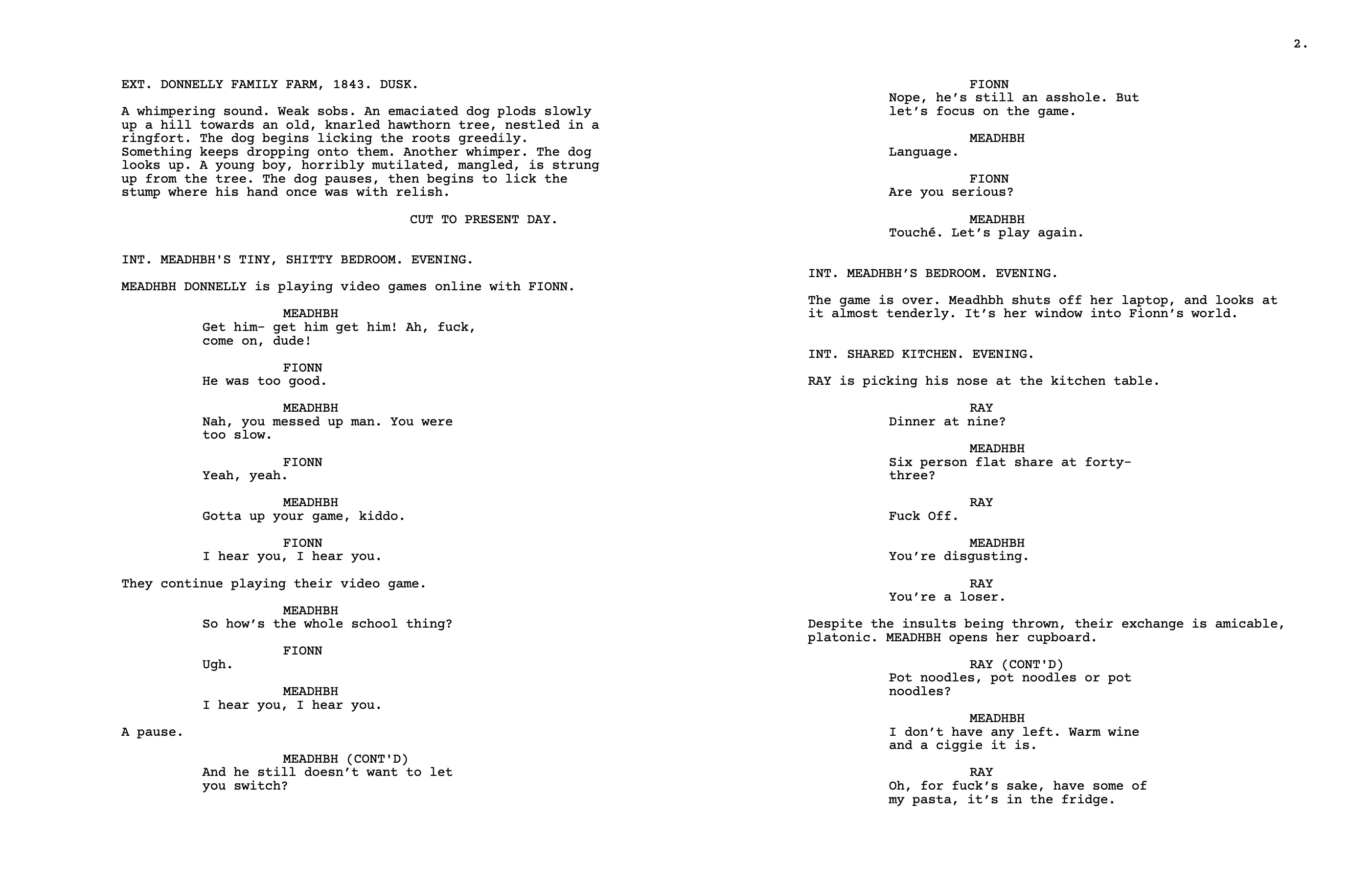
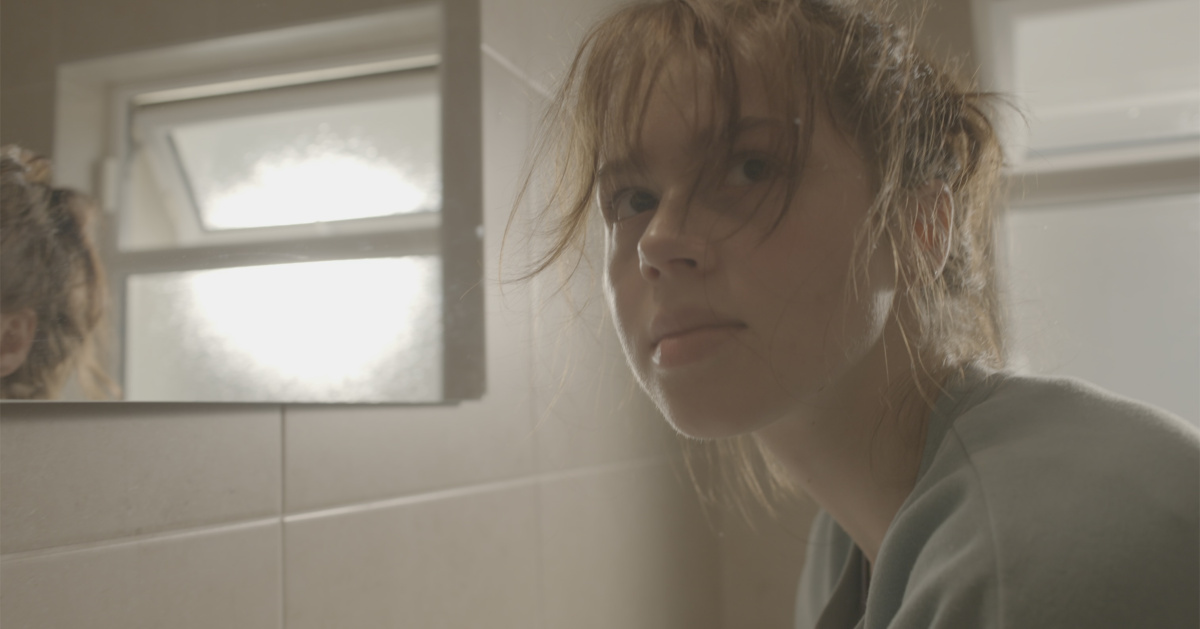
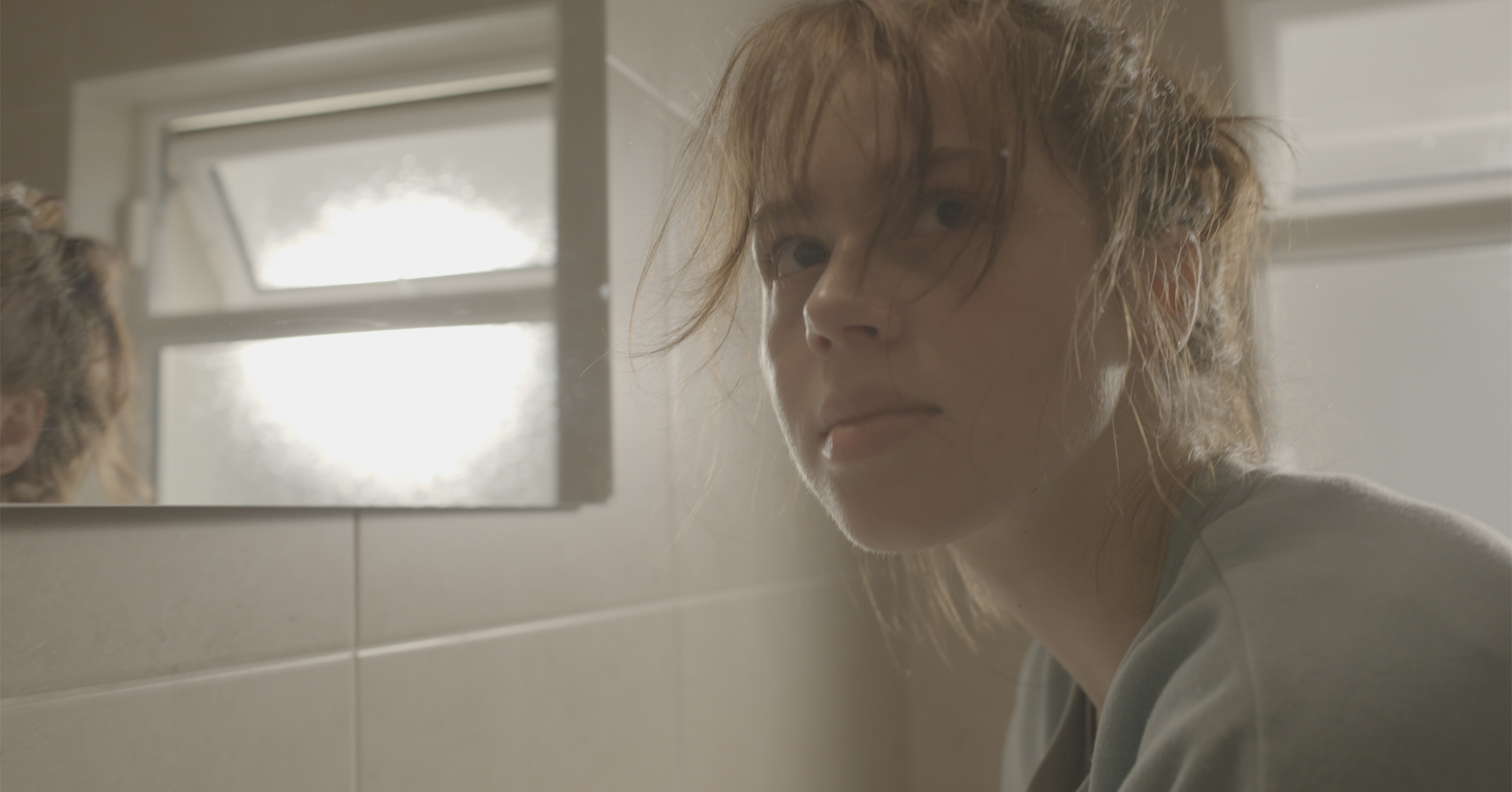
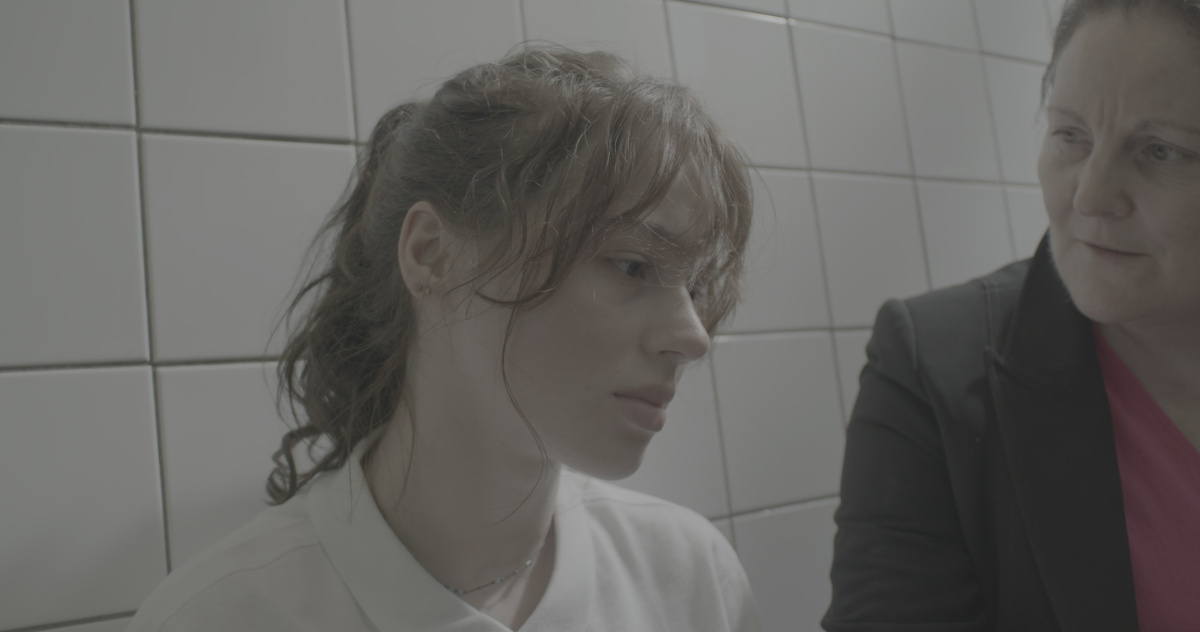
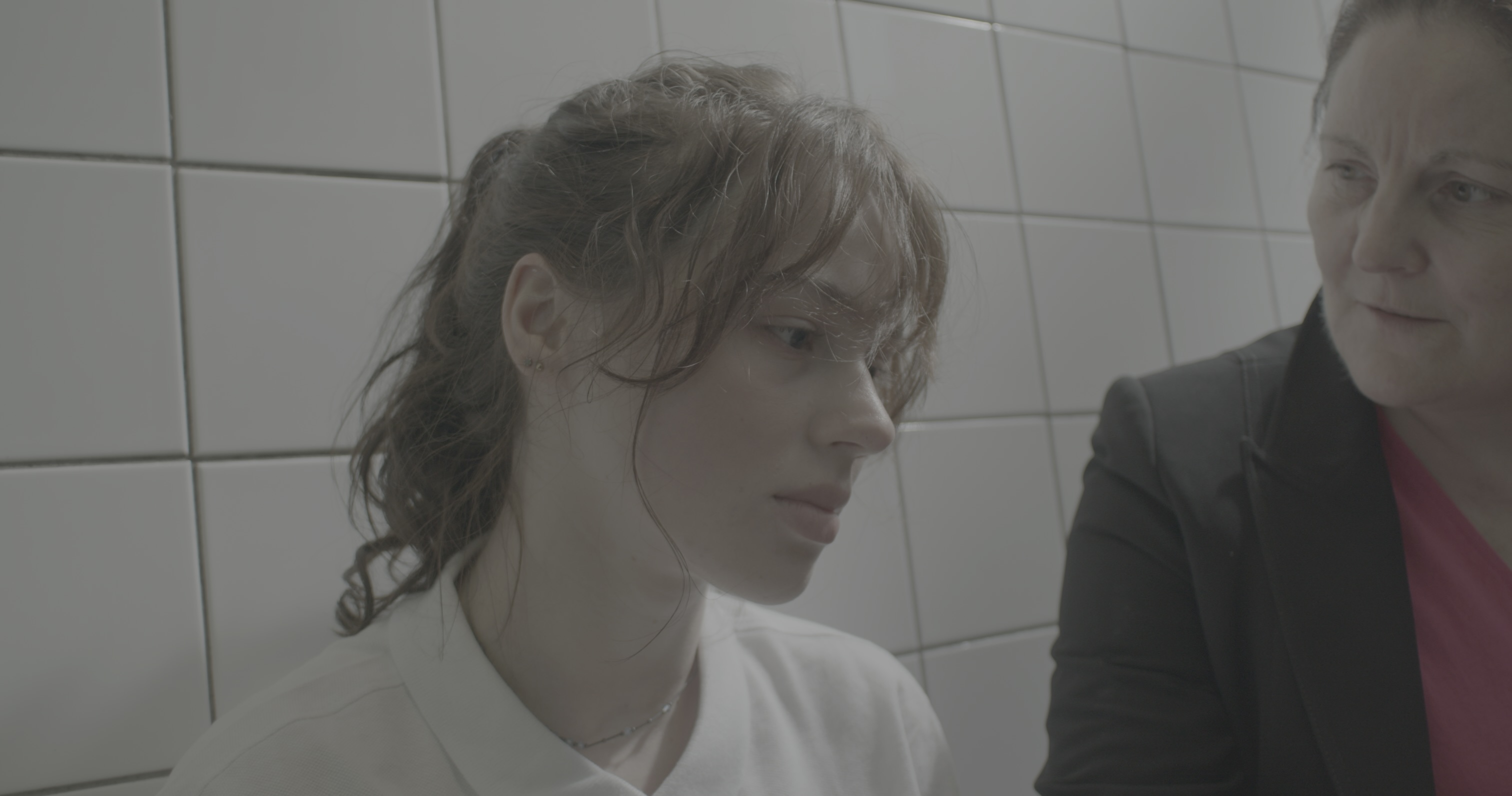
Meadhbh Donnelly is the family disappointment. Nine years ago, for reasons she refused to disclose, she begged her brother to adopt her son, Fionn, and has been miserable ever since. One evening, she gets a phone call from her father, John. He's dying, he says, and it's imperative that he be cremated immediately.
Her mother refuses to cremate him, wanting to hold the traditional three-day wake. Spooked, Meadhbh decides to stay up every night with his corpse. Things move around in the room. Fionn has strange nightmares.
Going through John’s writings, she realises that malevolent forces have been tormenting her family since the famine era. If she can uncover the truth within the three days, Meadhbh could get her life - and her son - back.
Literary sources have been part of the bedrock of cinema since its inception. Some of the most renowned and aclaimed films are adaptations of books – some of which are “faithful,” some of which are decidedly not. Many critics in adaptation studies advocate for what could be called a “post-fidelity” approach - yet film audiences still seem to consider fidelity to be of upmost importance.
This study is based on the theoretical fields of adaptation and comparison studies. Adaptations of Dracula, Wuthering Heights, Fire and Blood and Little Women are examined as case studies. These texts interact with the concept of fidelity in various ways, which render them rich examples for such a research project, and are analysed using the frameworks of adaptation studies, textual and comparative analyses.
The conclusions formed are, that whilst radical and creative re-interpretations of existing works can result in adaptations that expand upon, and enhance the original text, to completely ignore crucial aspects of the source text can result in poorly-produced, - and poorly received – films or television programmes. Further research should be conducted to find ways of promoting resolution between the views of audiences and the views of academics, so that the field of adaptation can continue to produce innovative and influential works.
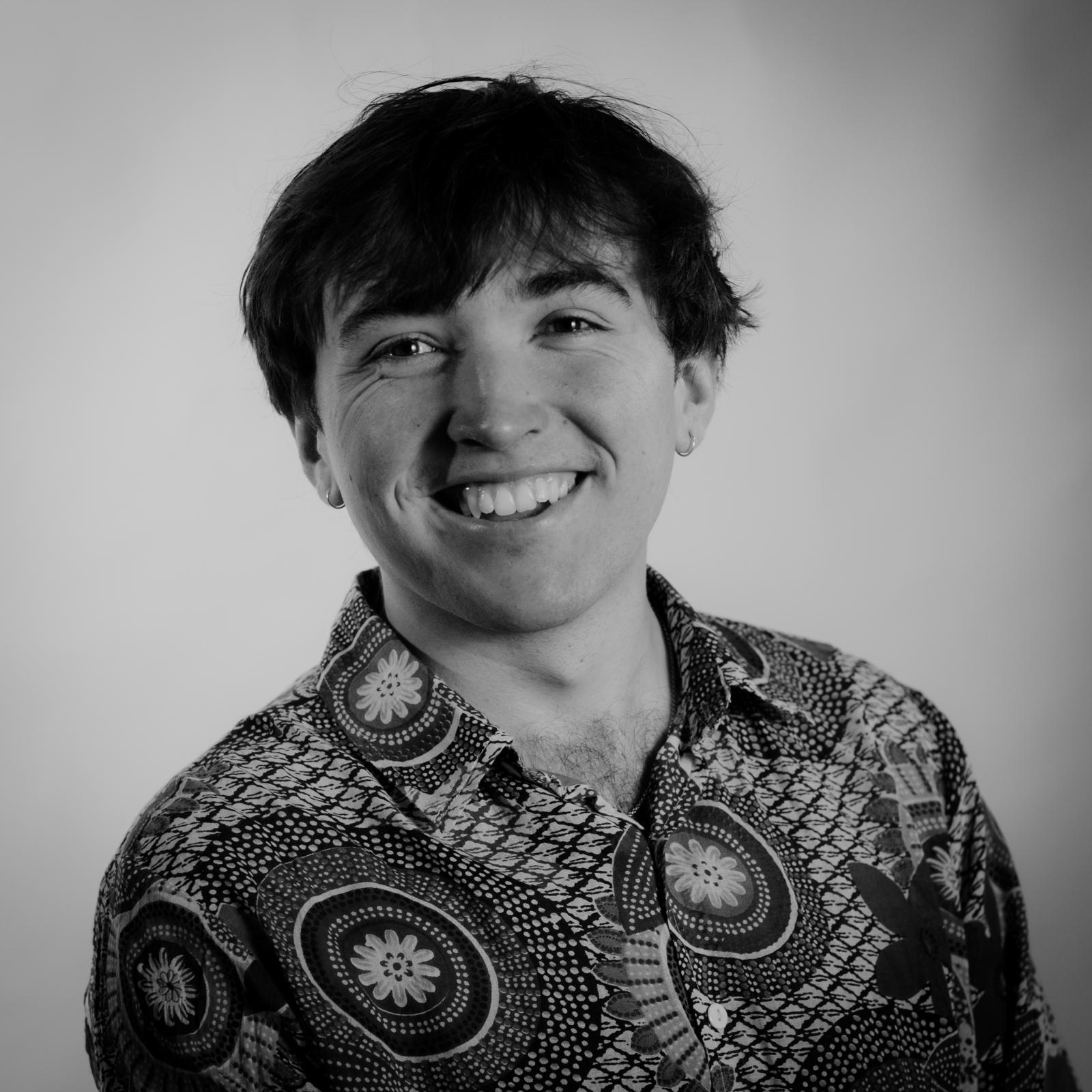
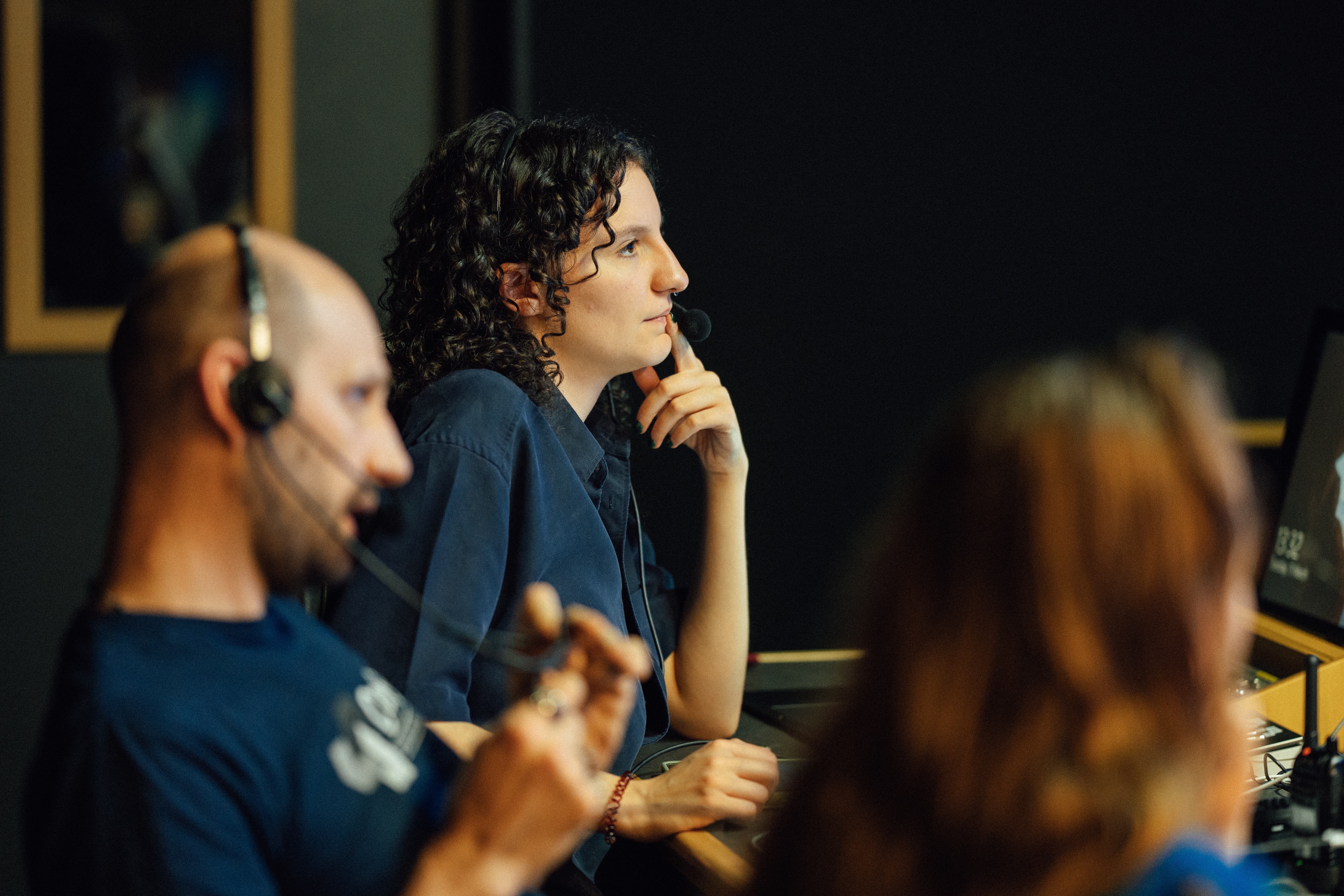
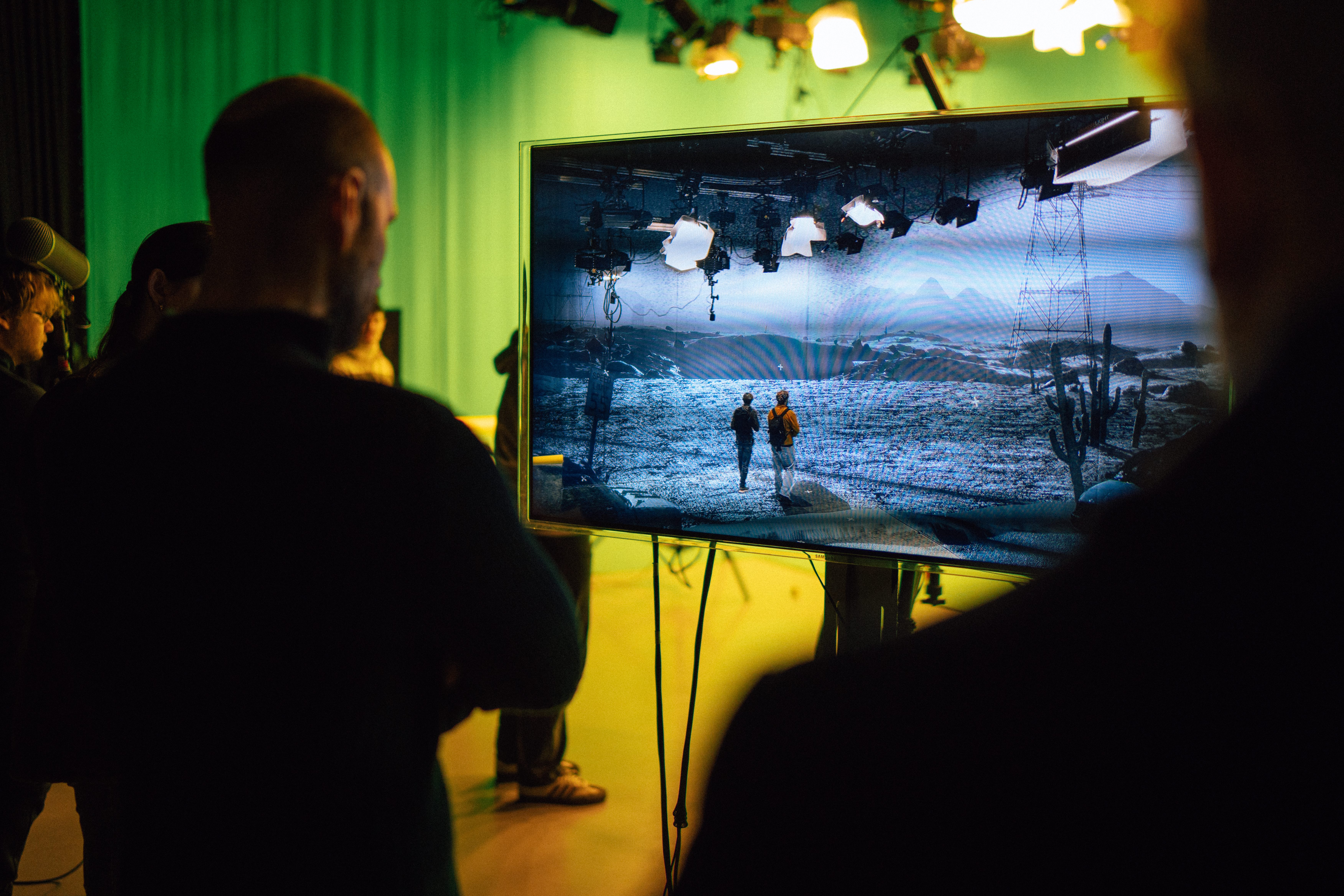
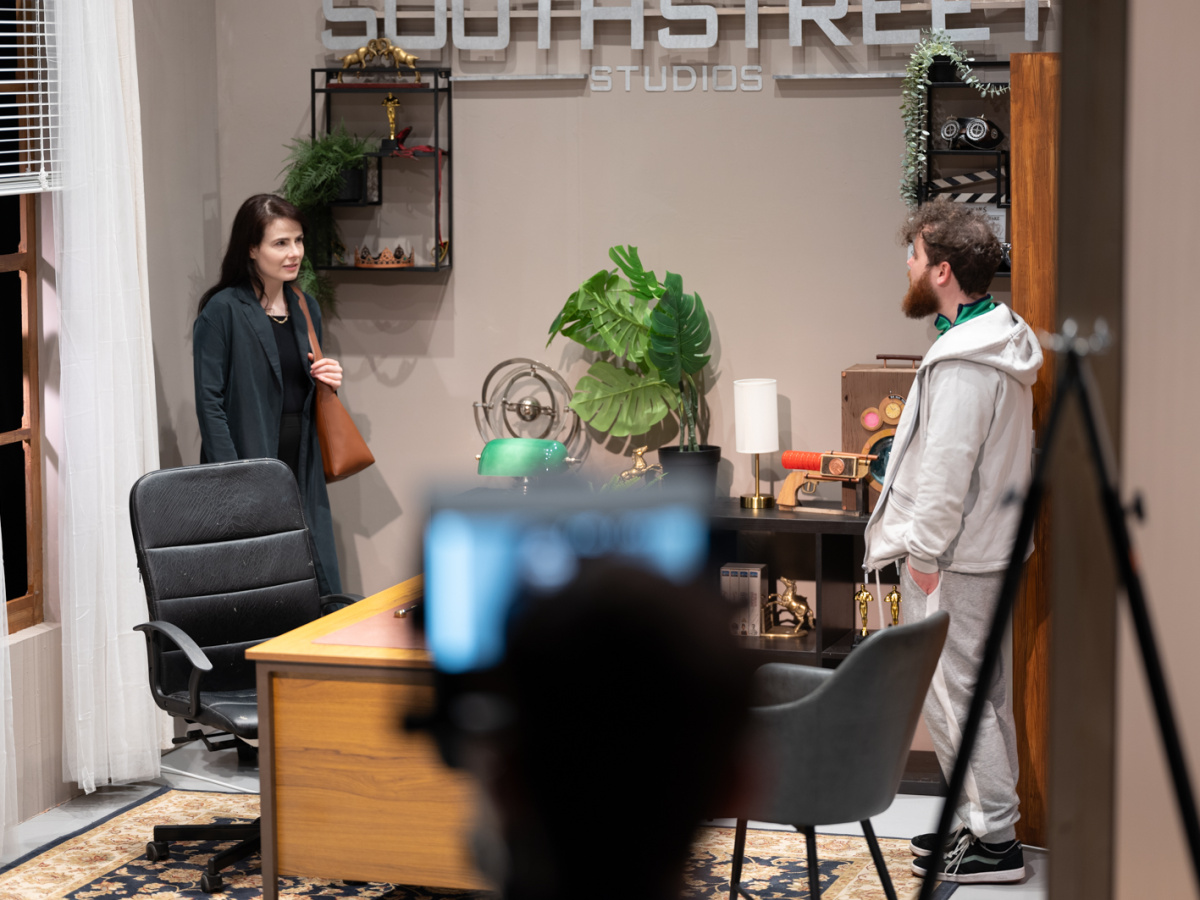
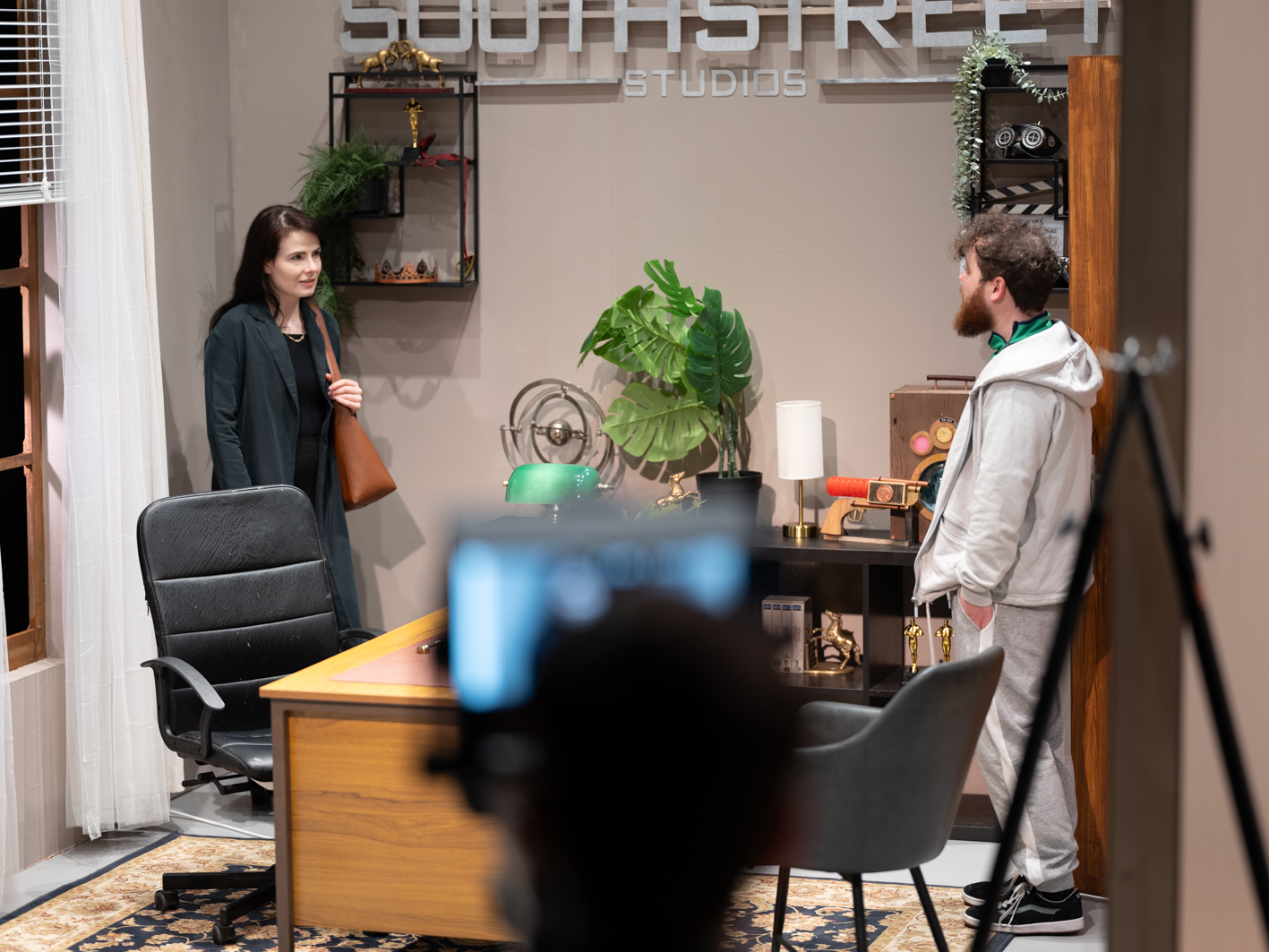
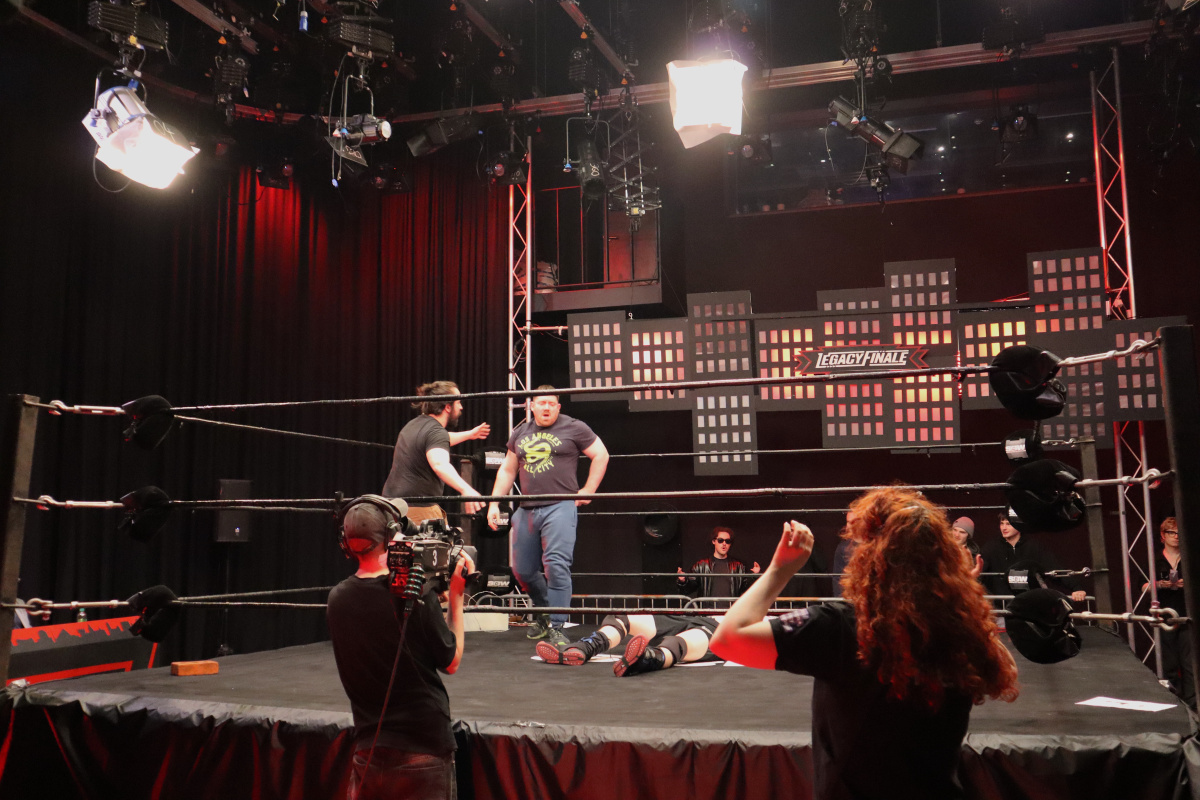
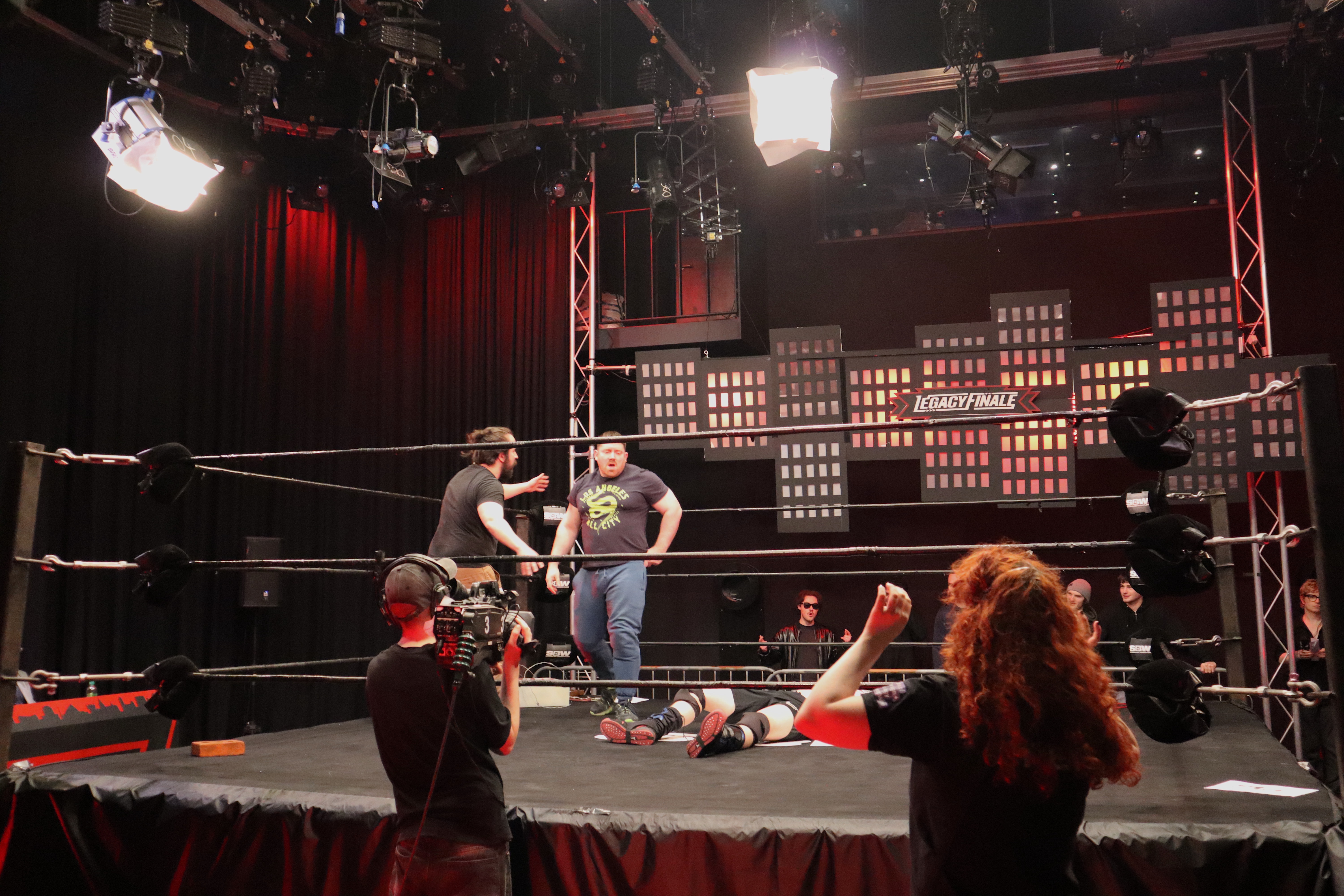
I've been writing my whole life. I'm drawn to stories that feature elements of folklore, myth and fantasy. I've learned so much at IADT, and written multiple projects, such as a TV drama pilot that was produced and filmed in the studio, the IADT Drama Society's production of Dracula which I wrote and directed, and the screenplay I wrote for my major project.
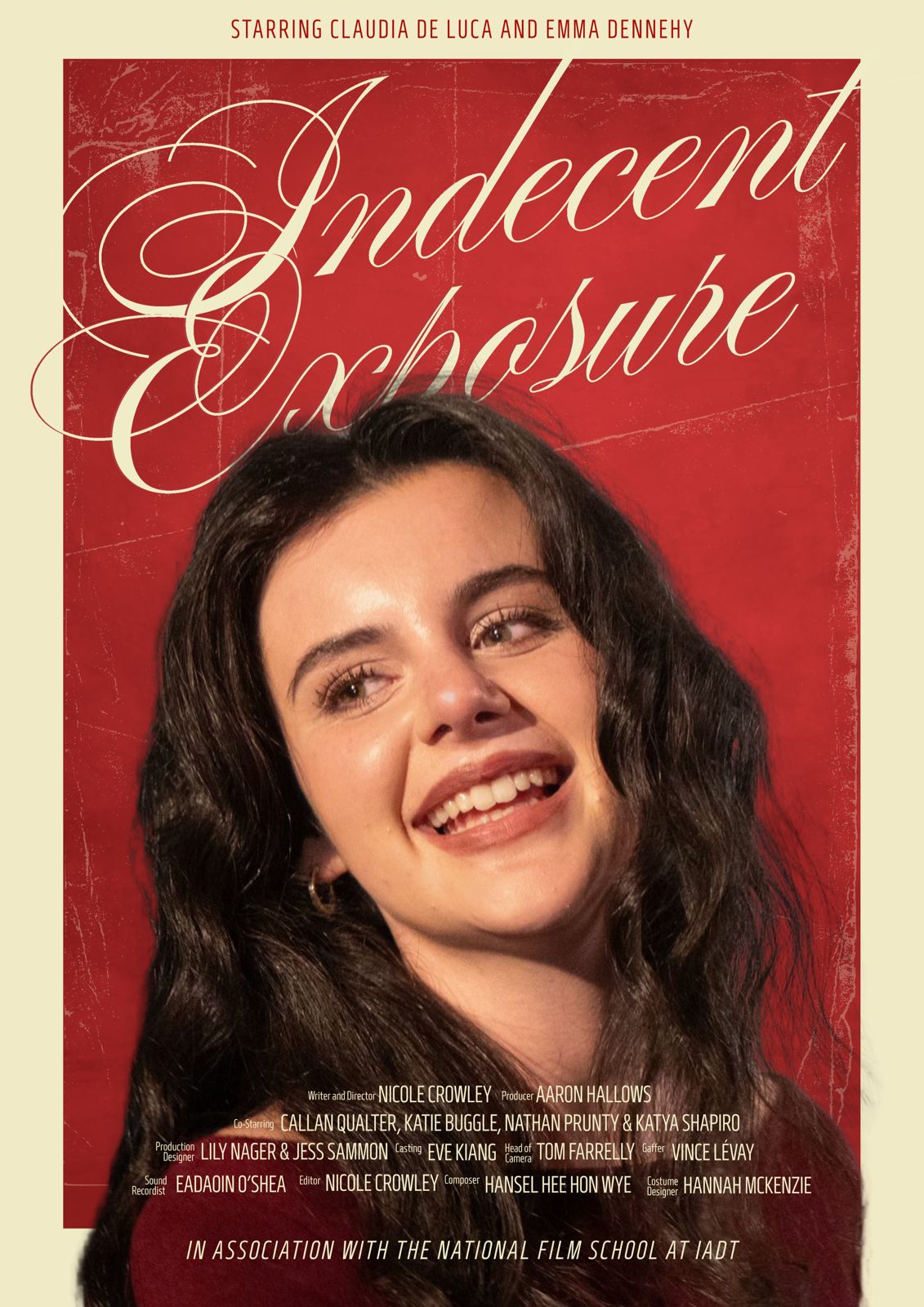
Outside of IADT, I've had a play selected from competition and performed at the Skerries Short Cuts theatre festival. I wrote and directed a short film called "Soap," which is currently in post-production.
Next, I'm going to be studying a Master's in screenwriting, further developing my graduate script. I've grown so much at IADT, and I'm excited to see what the next chapter holds!