Ričards Dzerkals
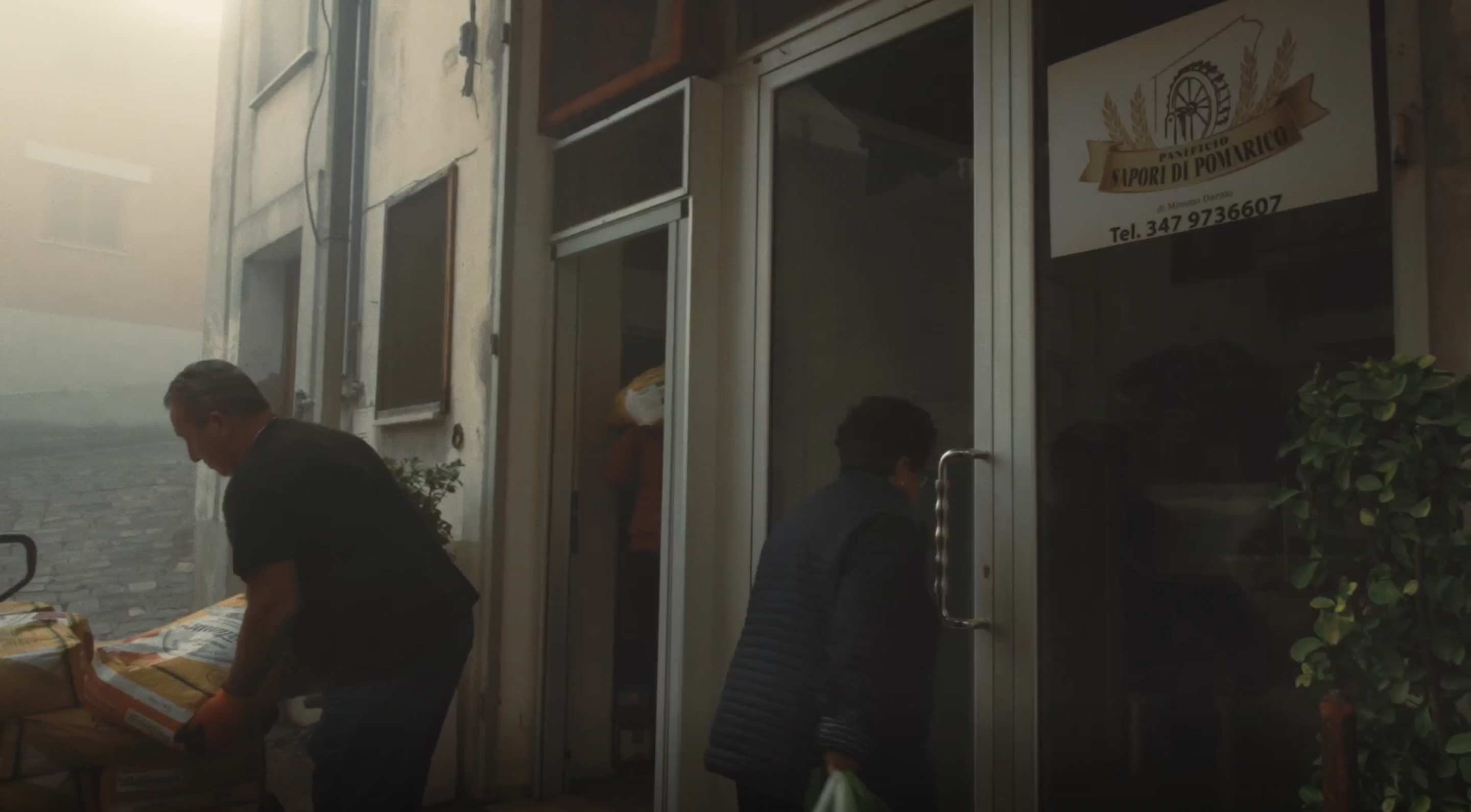
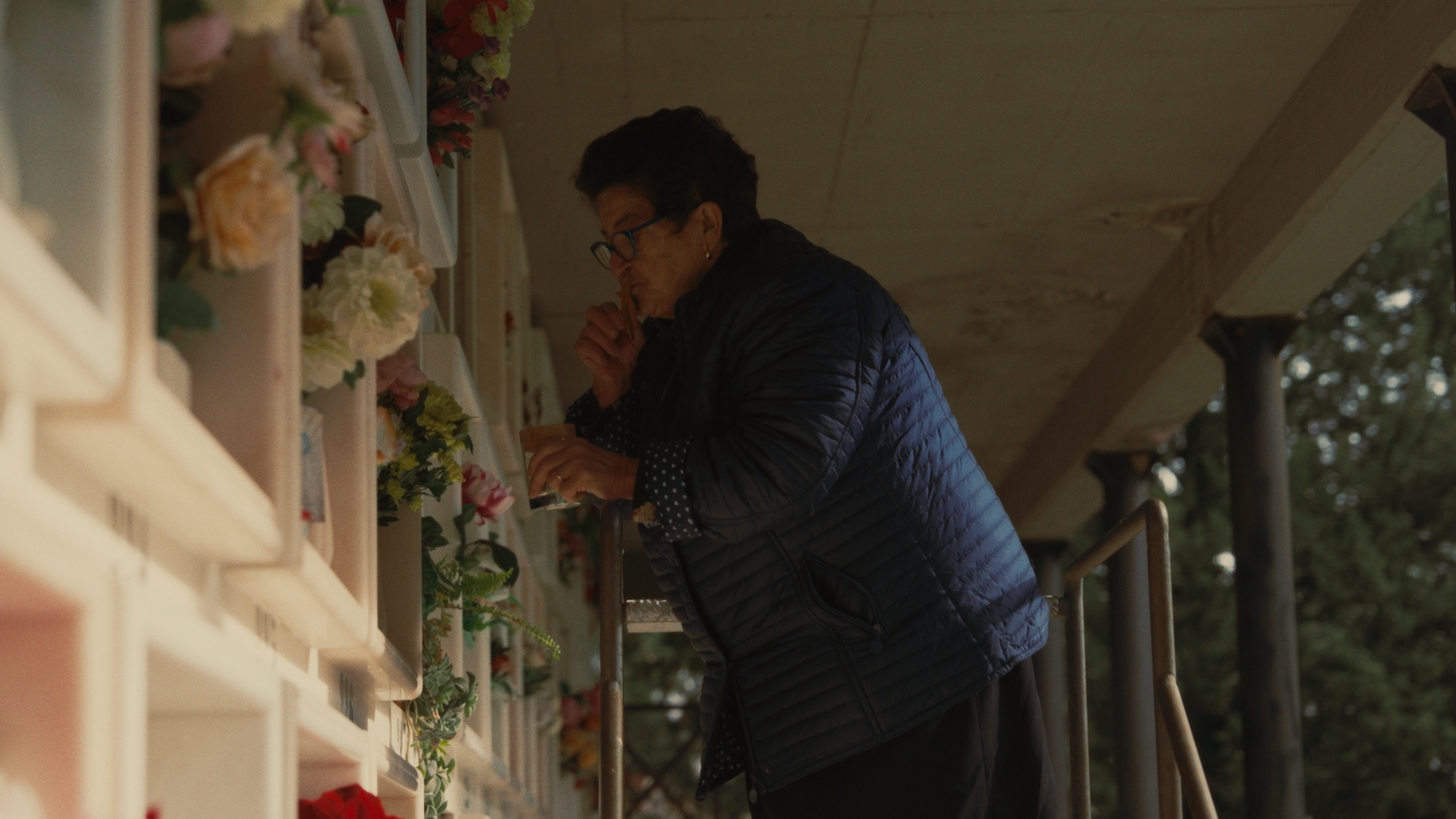
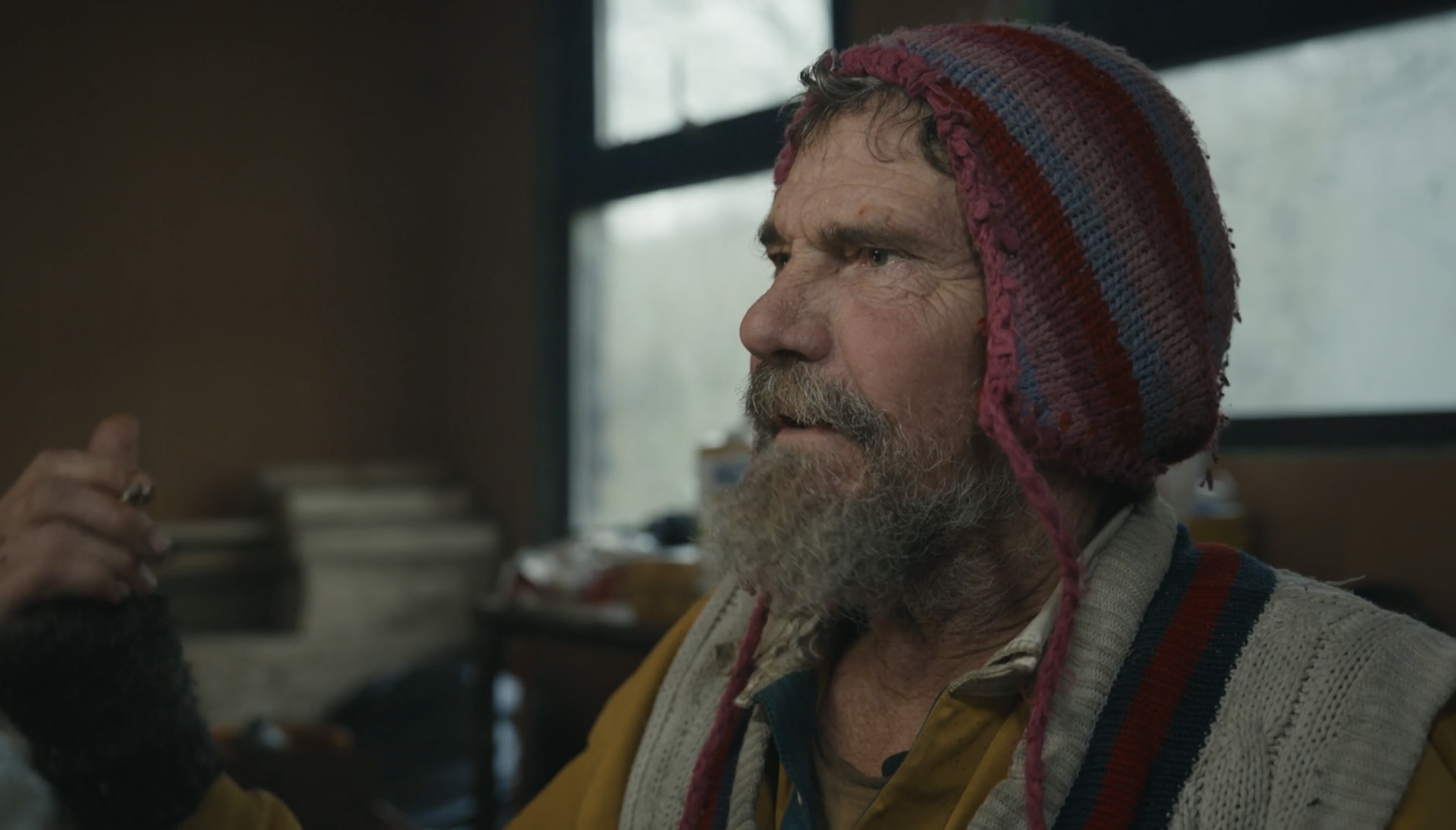
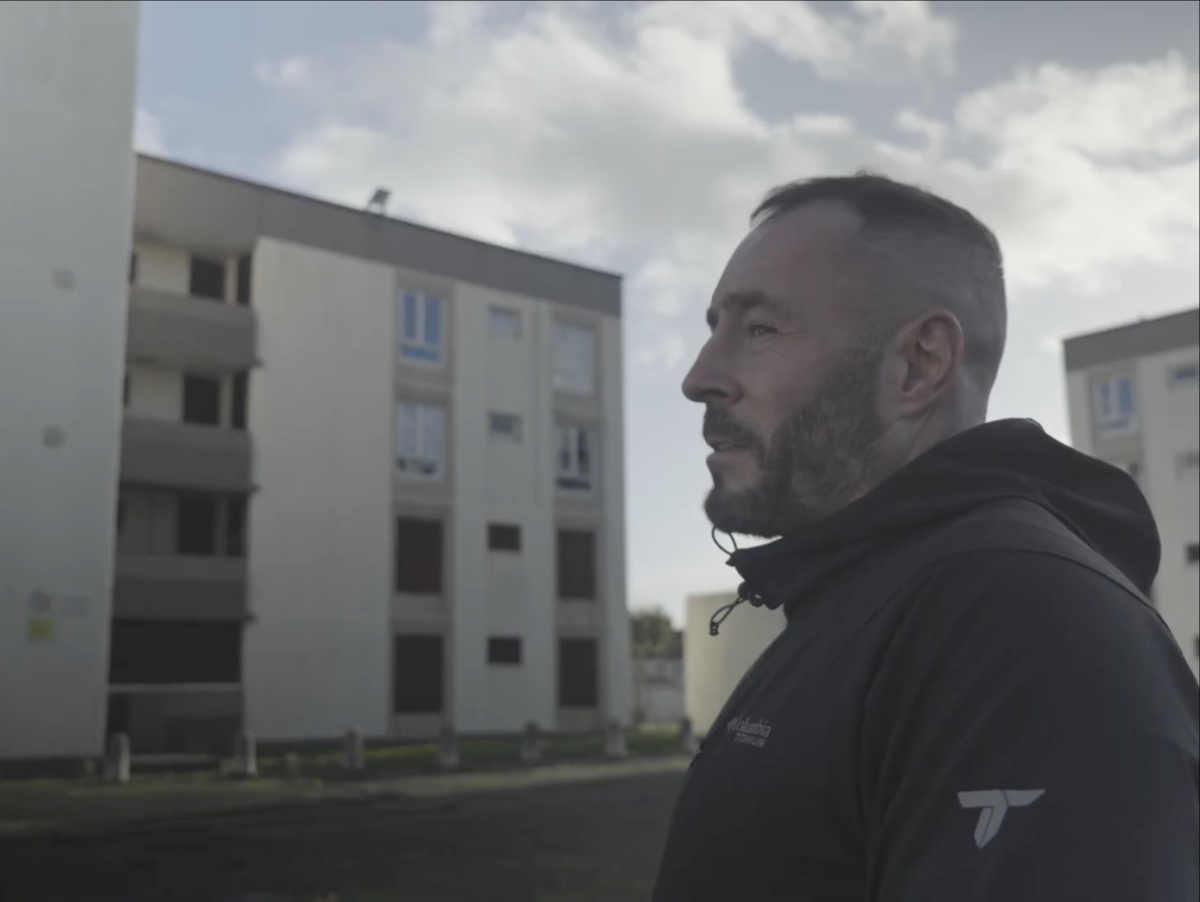
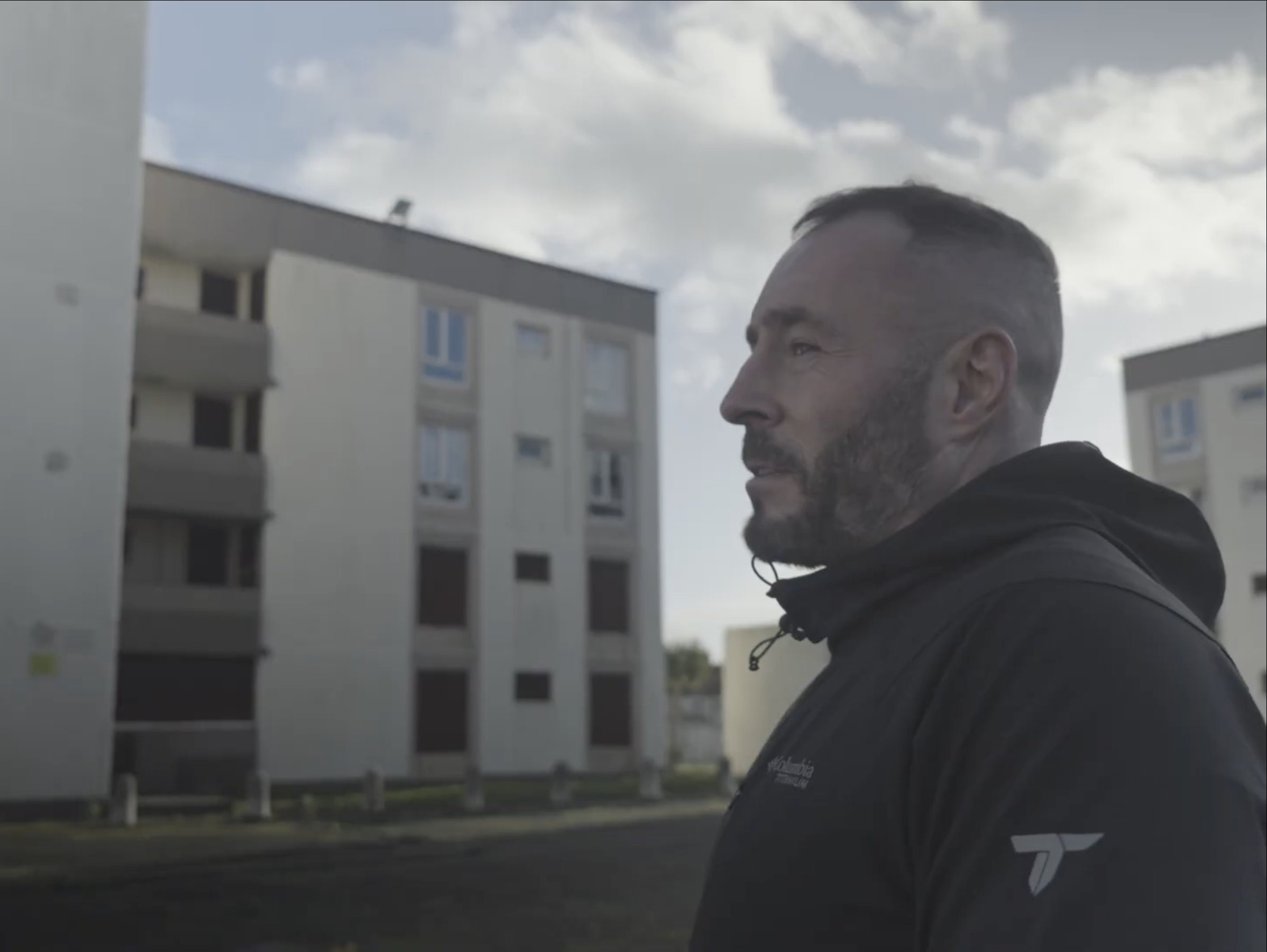
I directed this short documentary, which follows a former addict and ex-prisoner attempting to rebuild his life while confronting the weight of his past and the difficult process of forgiveness.
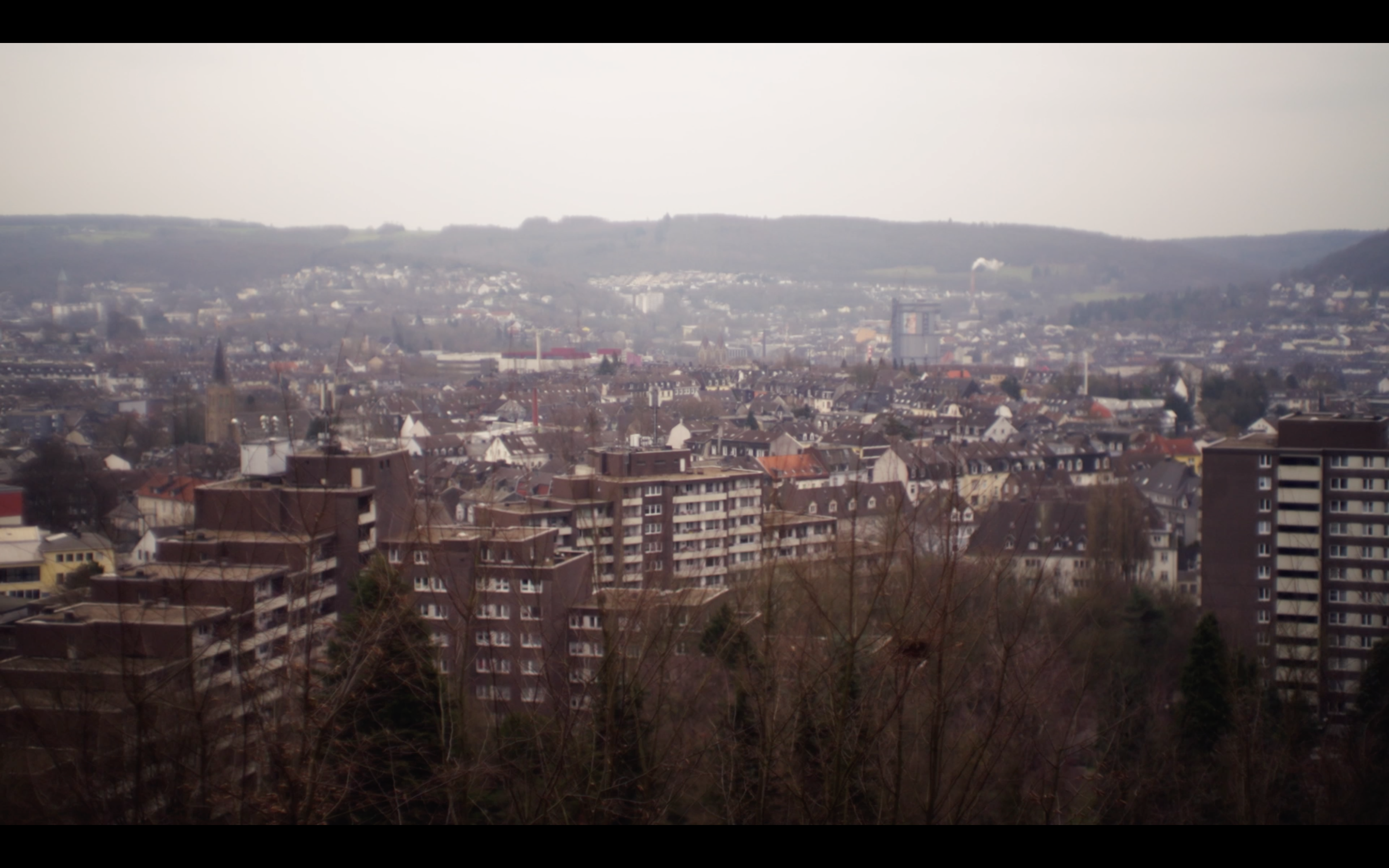
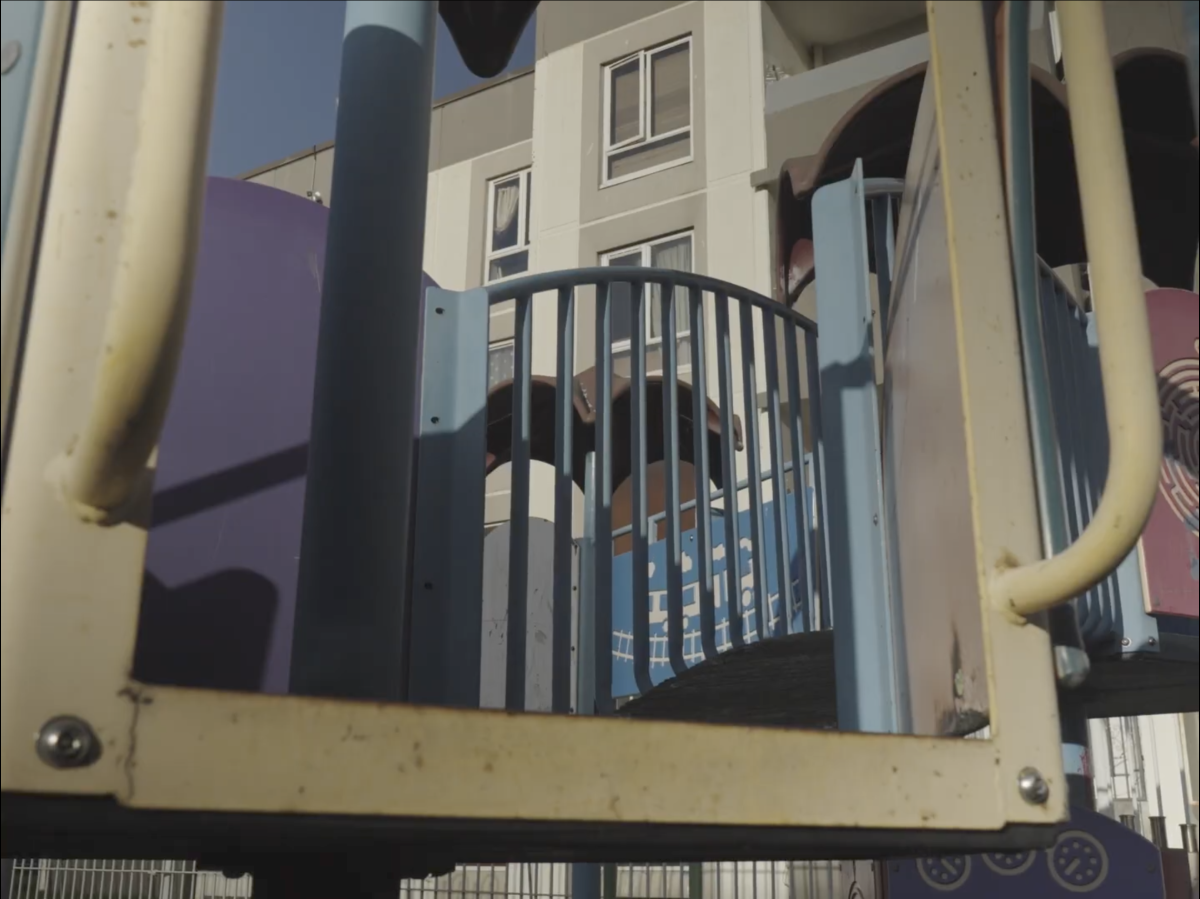
As Jason revisits places and memories connected to addiction, prison, grief, and loss, the documentary explores how the environment around us can shape who we become and the emotional weight people carry long after their past decisions are made.
At its core, Jason is a raw and deeply human story about self reflection, forgiveness, and learning how to move forward while carrying the past.
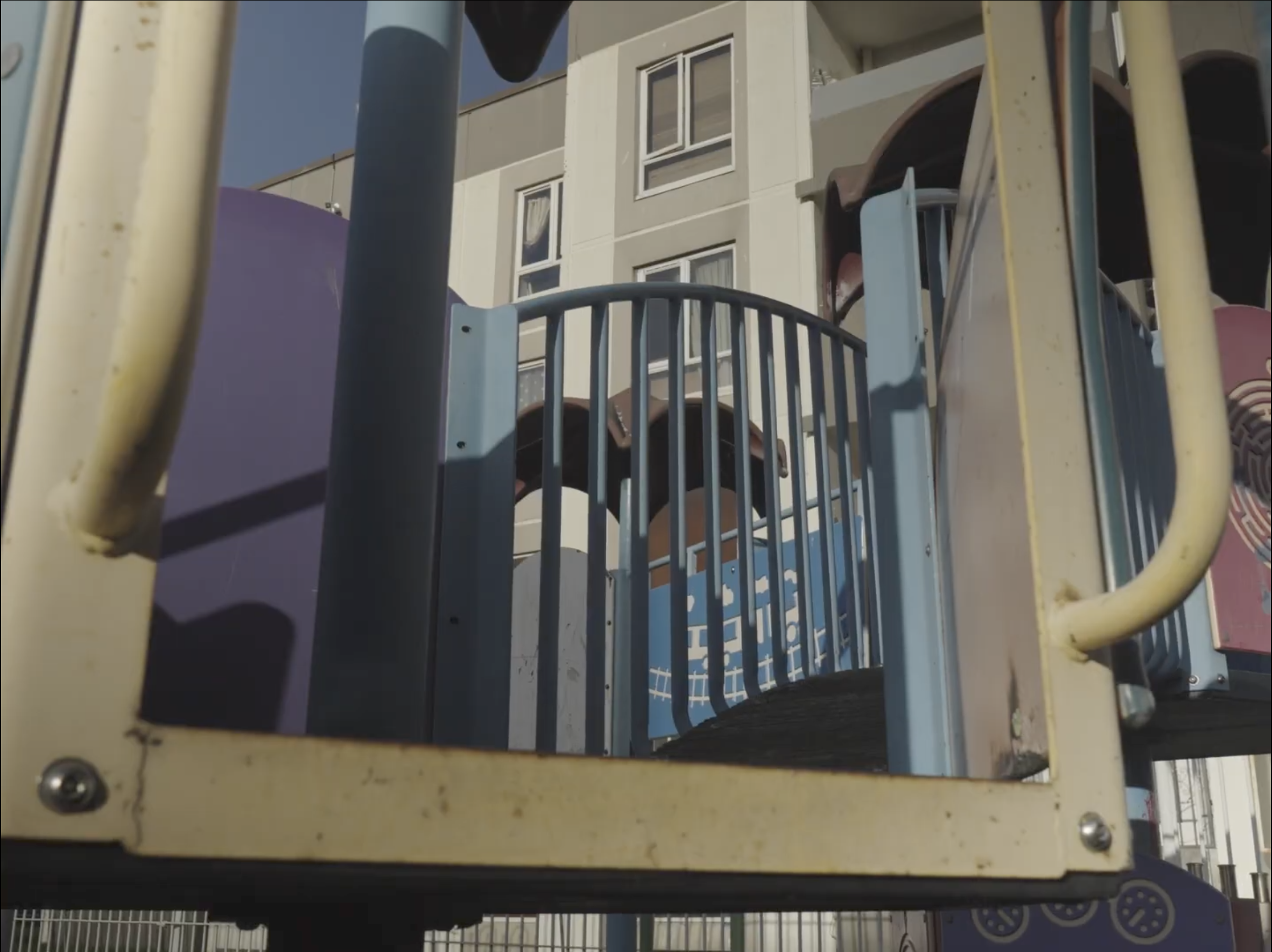
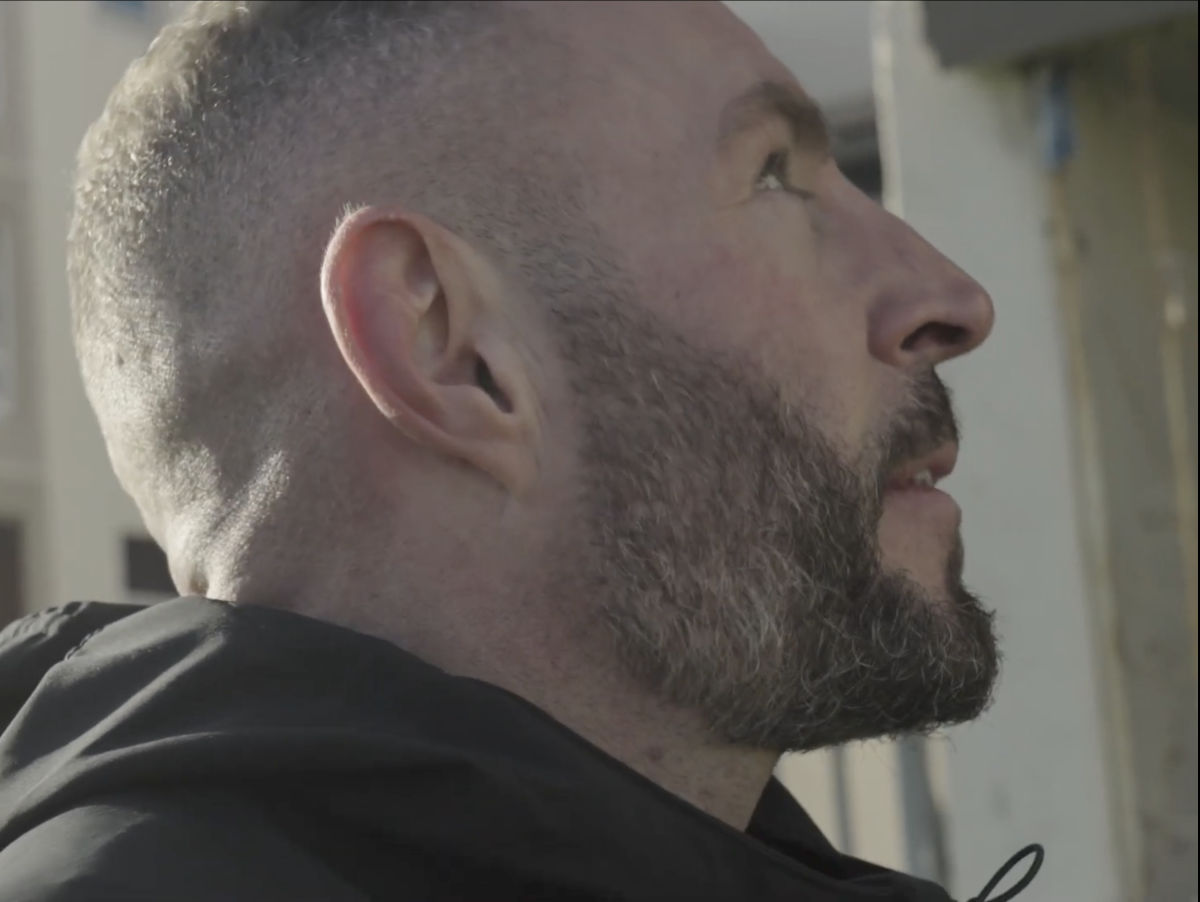
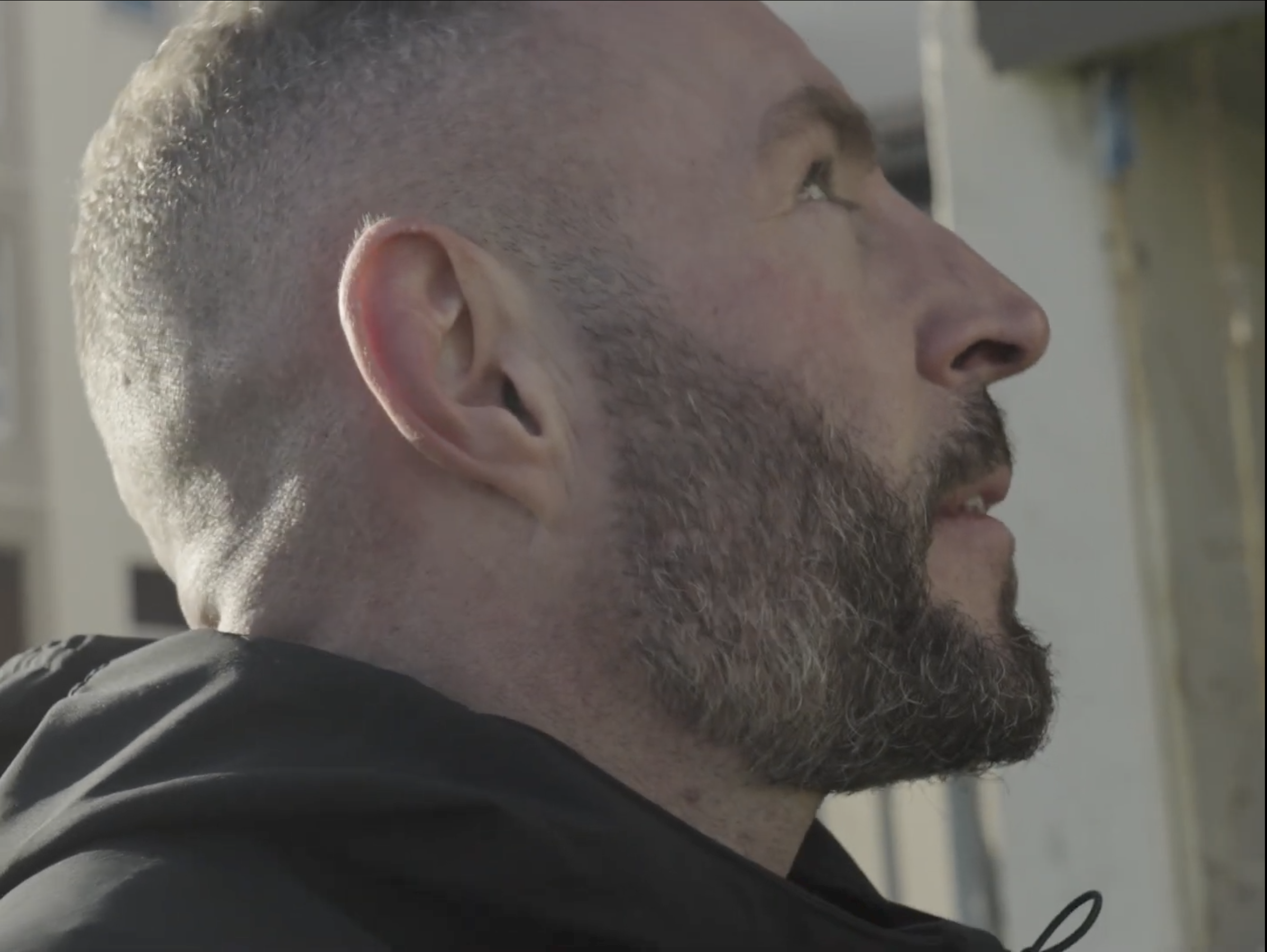
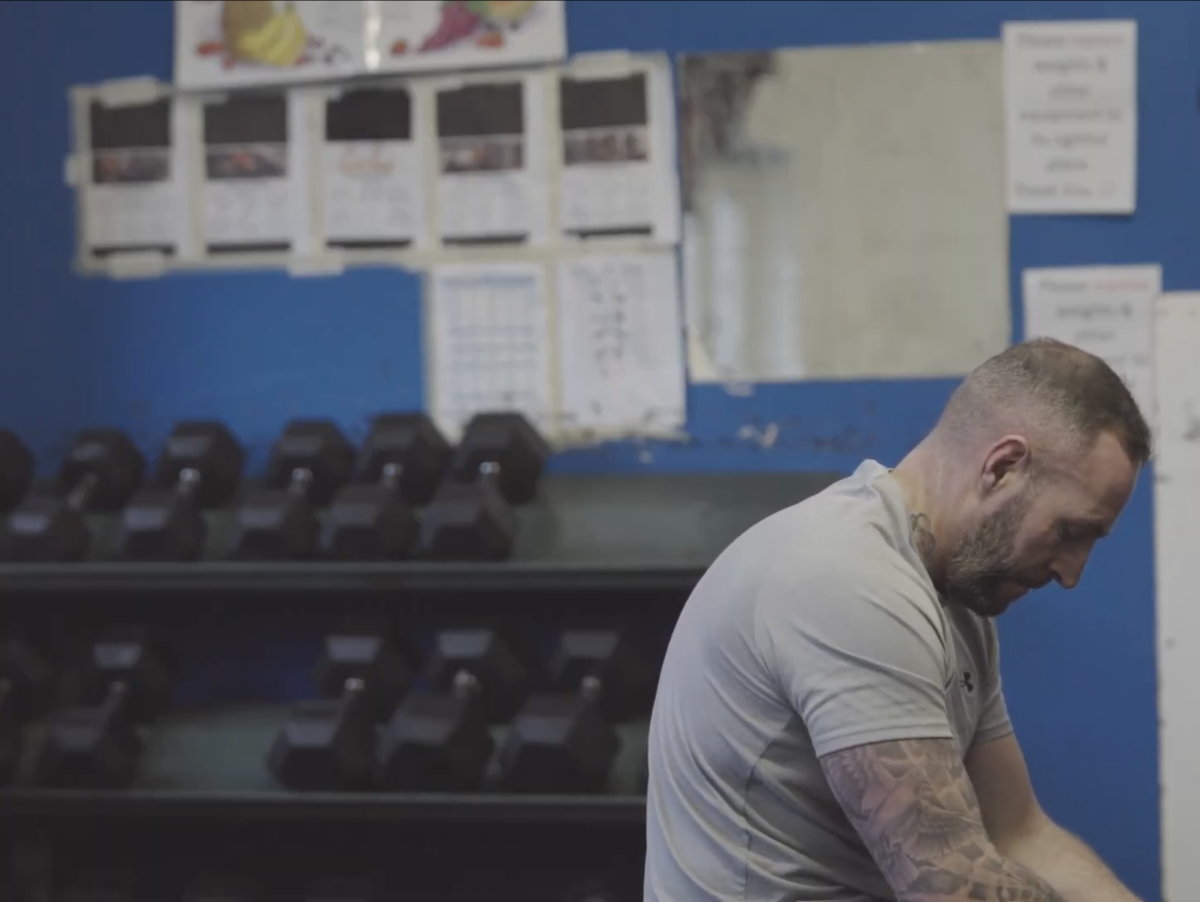
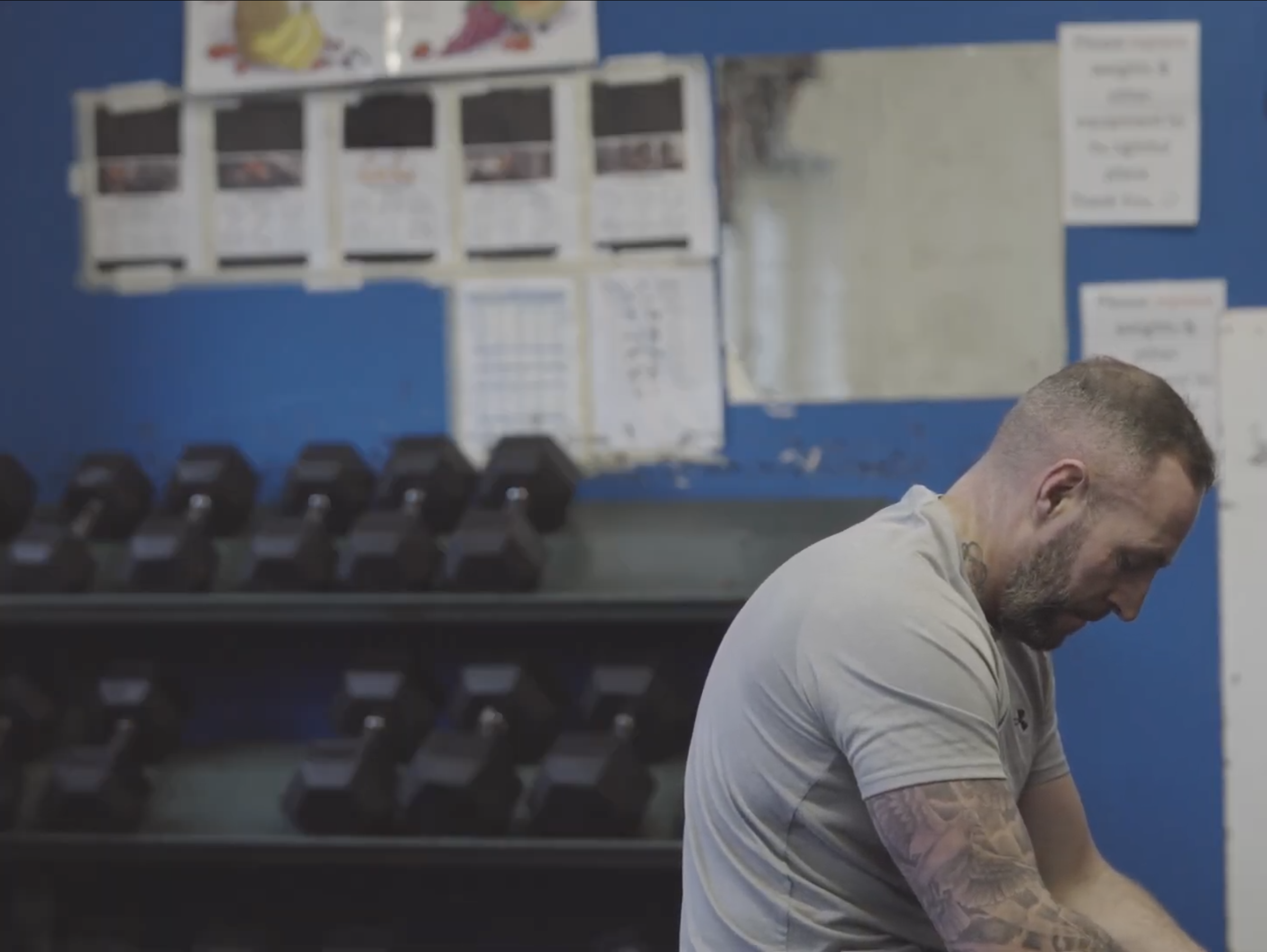
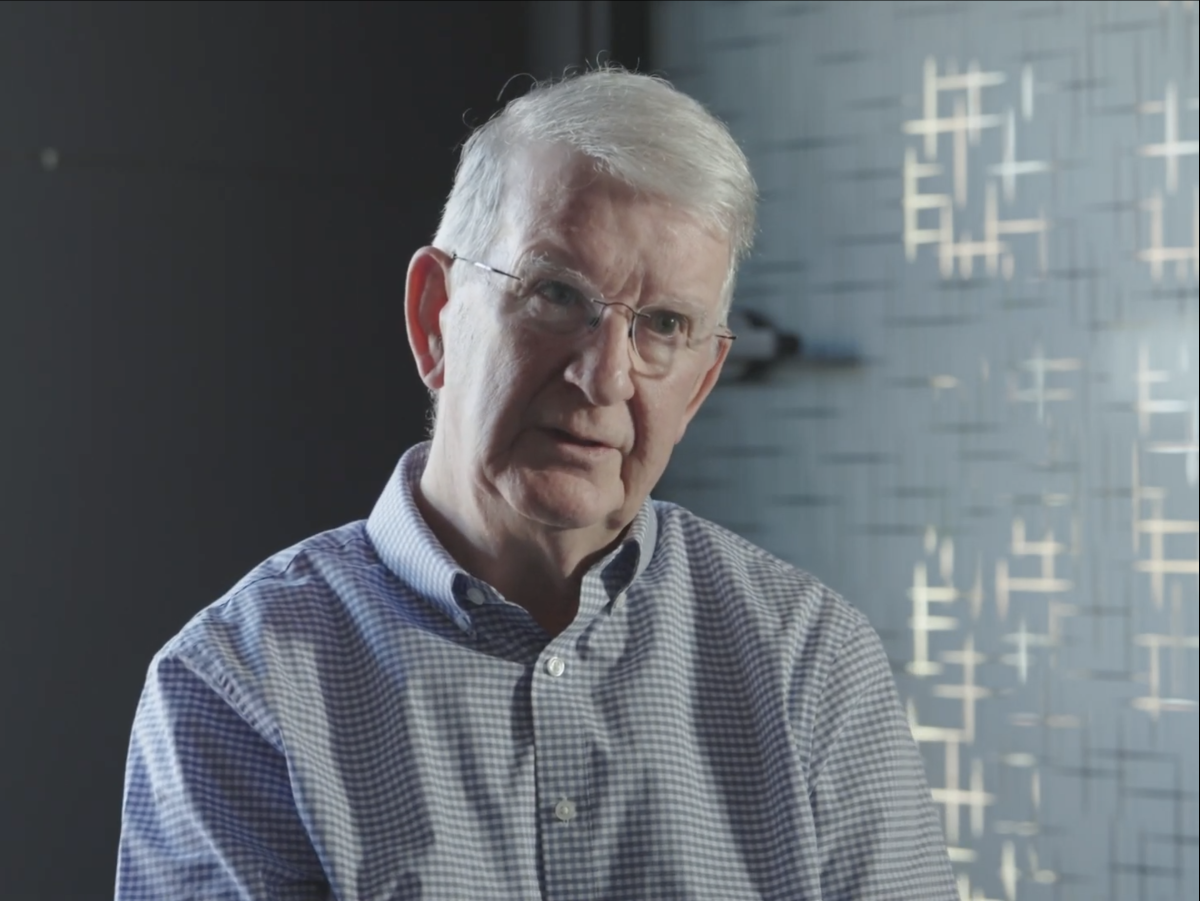
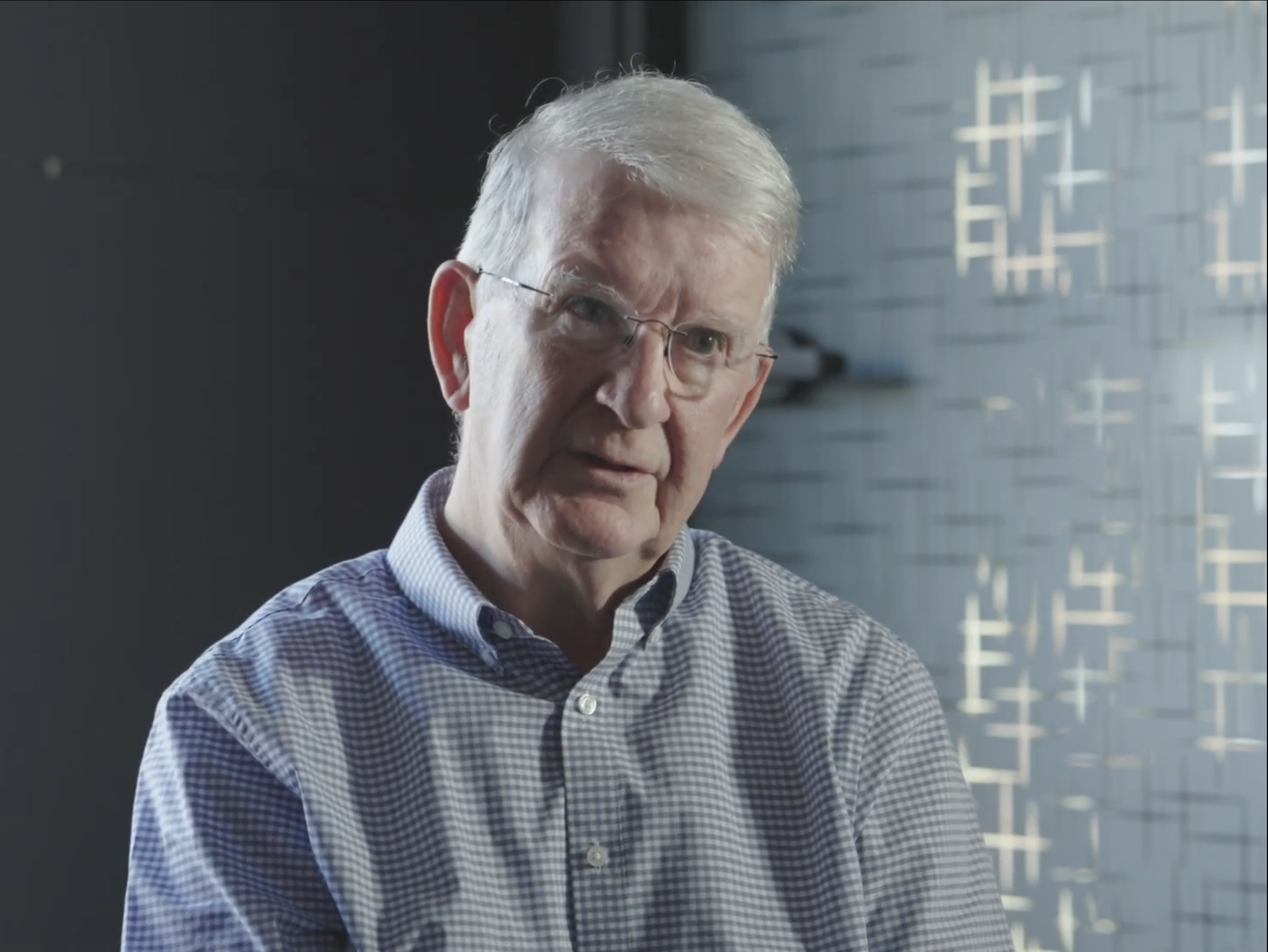
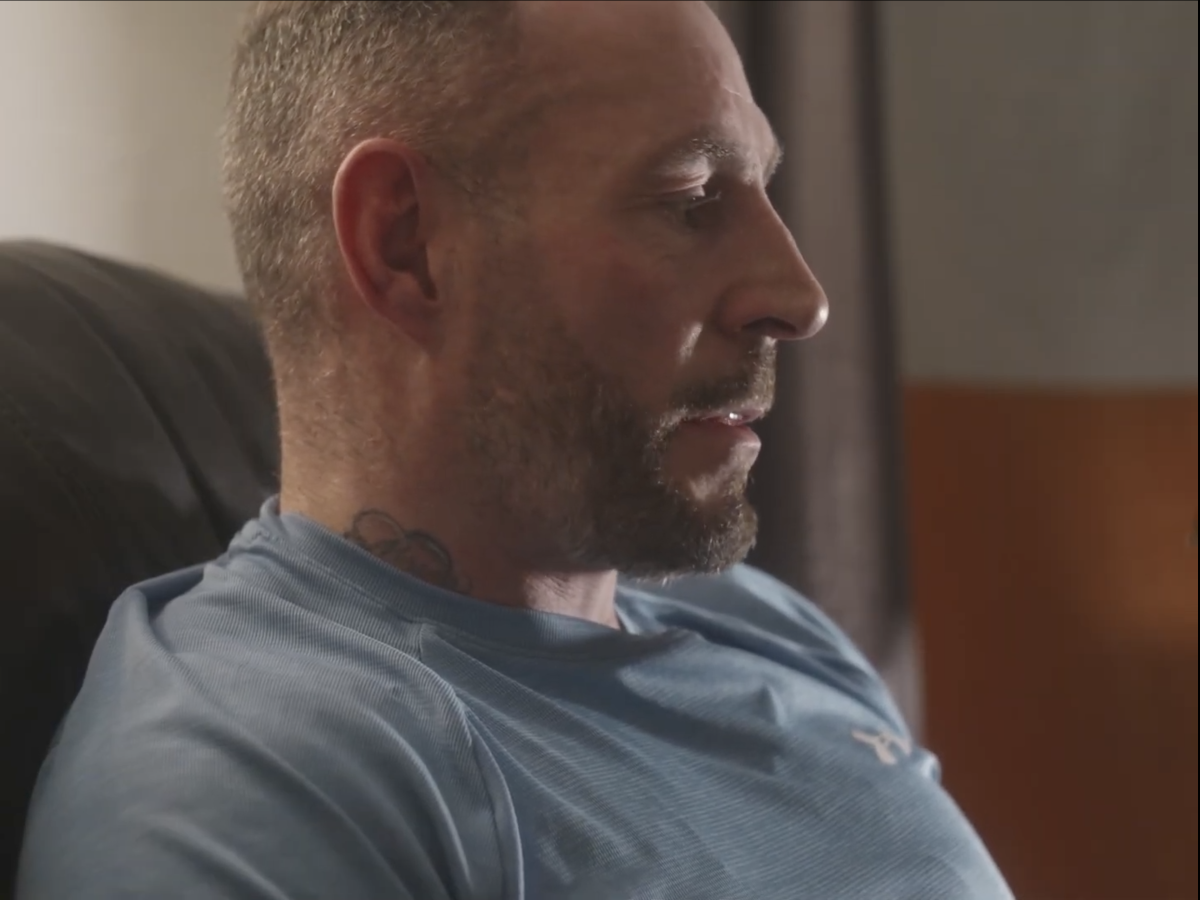
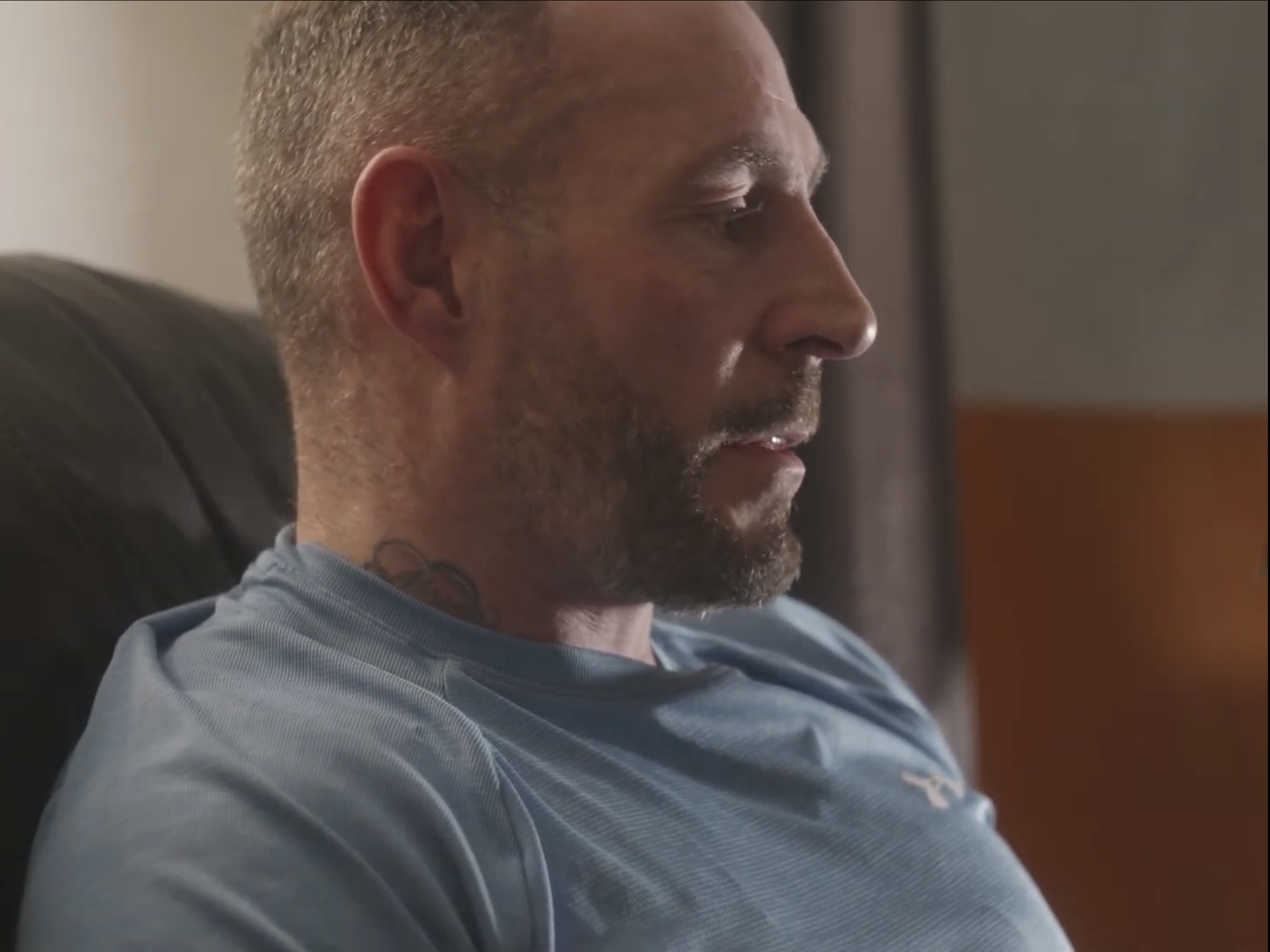


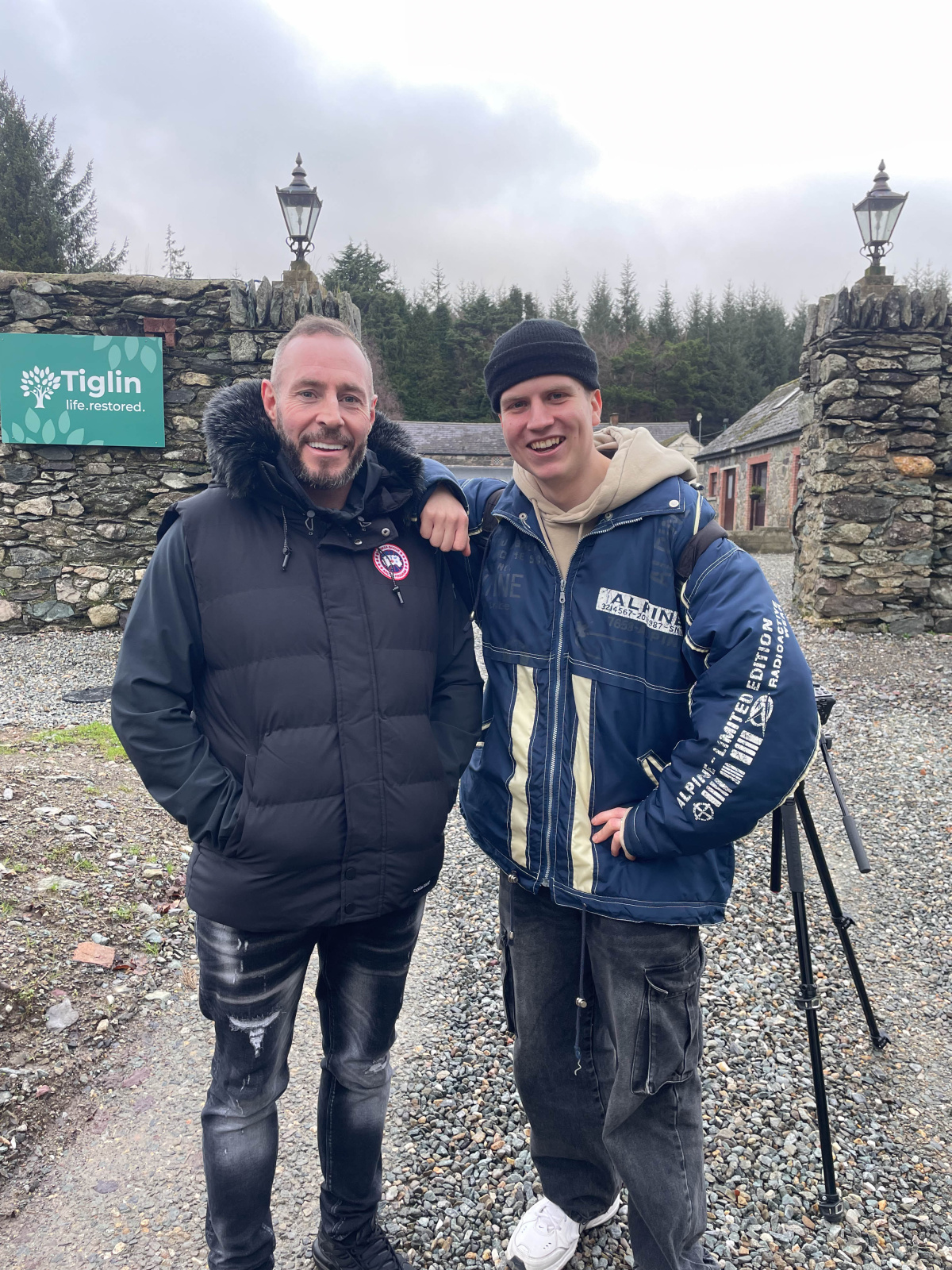
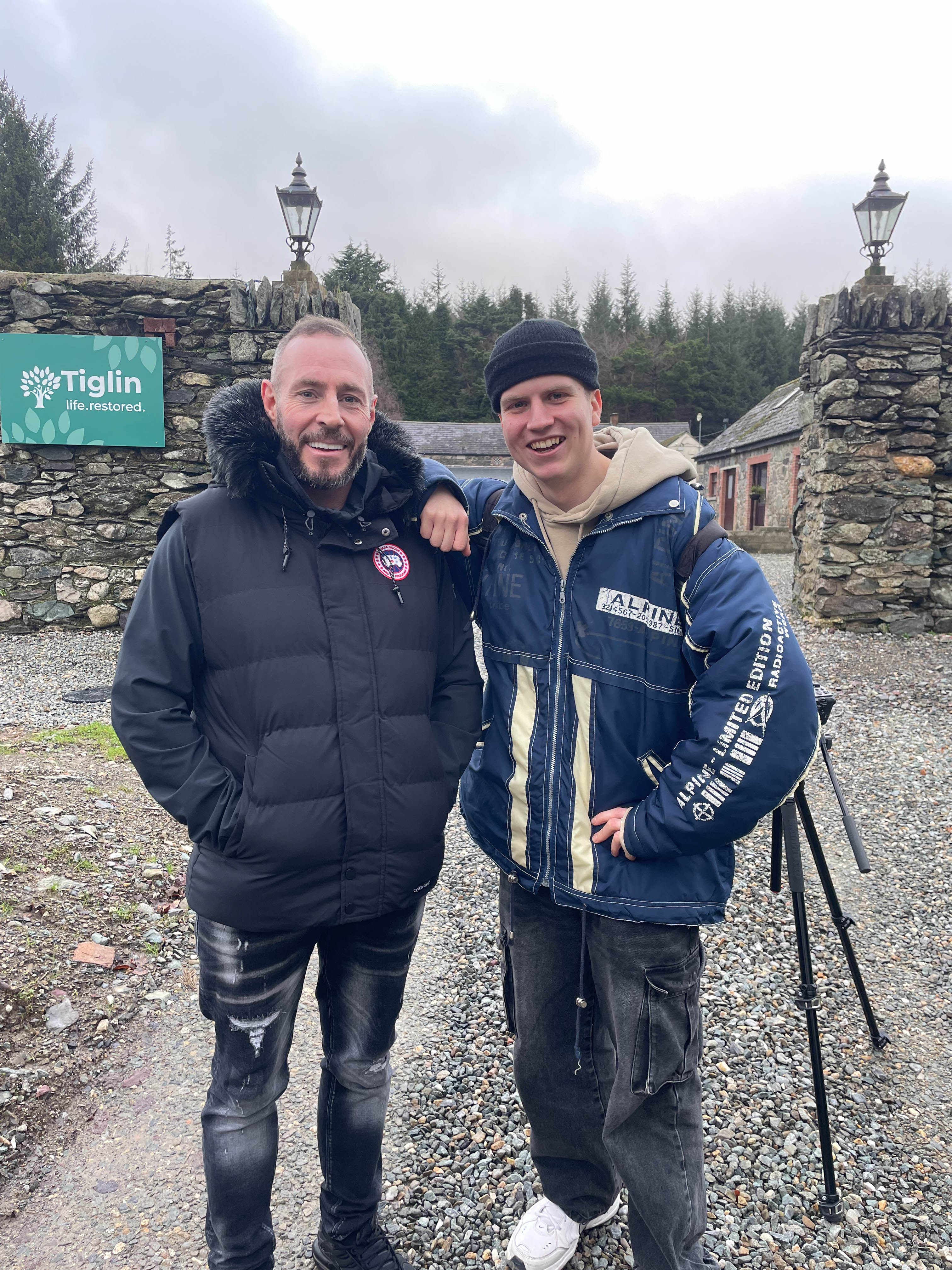
With Jason, my main objective was to create a raw, realistic, and emotionally honest documentary that challenges black and white perceptions around addiction, prison, and personal struggle.
I wanted the film to feel grounded and human rather than overly polished or sensationalised. Through observation, conversation, and revisiting important locations connected to Jason’s life, I aimed to explore themes of forgiveness, identity, environment, and the emotional weight people carry long after certain experiences happen.
Another important objective for me was building genuine trust with Jason throughout the process, allowing the documentary to feel intimate, natural, and authentic.
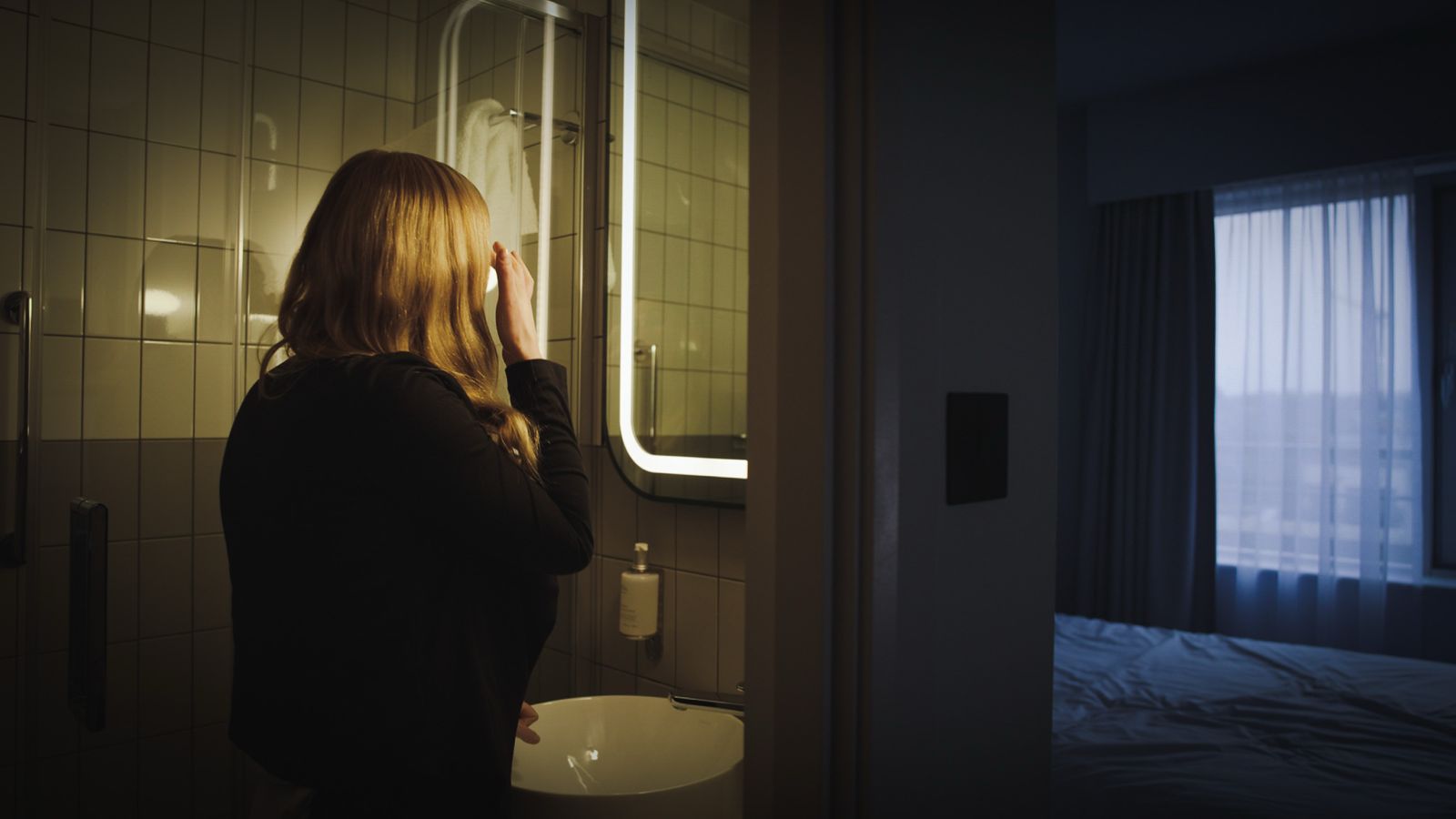
Visually, I wanted the audience to feel close to Jason and emotionally present within his world throughout the documentary.
This thesis aims to explore the question “Does True Crime Media Raise Awareness of Crime and Justice, or Is It Consumed Mainly as Entertainment?” In recent years, with the rise in popularity of true crime media formats, such as documentaries, docu-series, and podcasts, things such as awareness, ethics, and exploitation have been at the centre of heated debates.
While true crime media covers things such as justice, wrongful convictions, and violence, some critics argue that they strongly rely on dramatic storytelling and specific editing techniques to leave the audience engaged. Through three case studies of different formats of this genre: American Murder: The Family Next Door, Don’t F**k With Cats: Hunting an Internet Killer, and the podcast Serial, this thesis, using qualitative textual analysis connected with media and cultural studies, explores editing, narrative structure, sound design, and representation to understand how these techniques shape how the audience understands true crime stories.
In this research, audience theory and participatory culture are also used to examine how viewers and listeners interact with these cases through online discussions and social media platforms.
Overall, this thesis argues that the media uses both elements of awareness and entertainment to shape how the audience understands crime and justice.
Ričards Dzerkals is a documentary director and producer based in Dublin and originally from Latvia.
Drawn to emotionally honest storytelling and real human experiences, his work focuses on people, identity, addiction, and everyday life. Through an observational and intimate approach, he is interested in creating documentaries that challenge judgement and explore the complexity behind people’s lives and experiences.
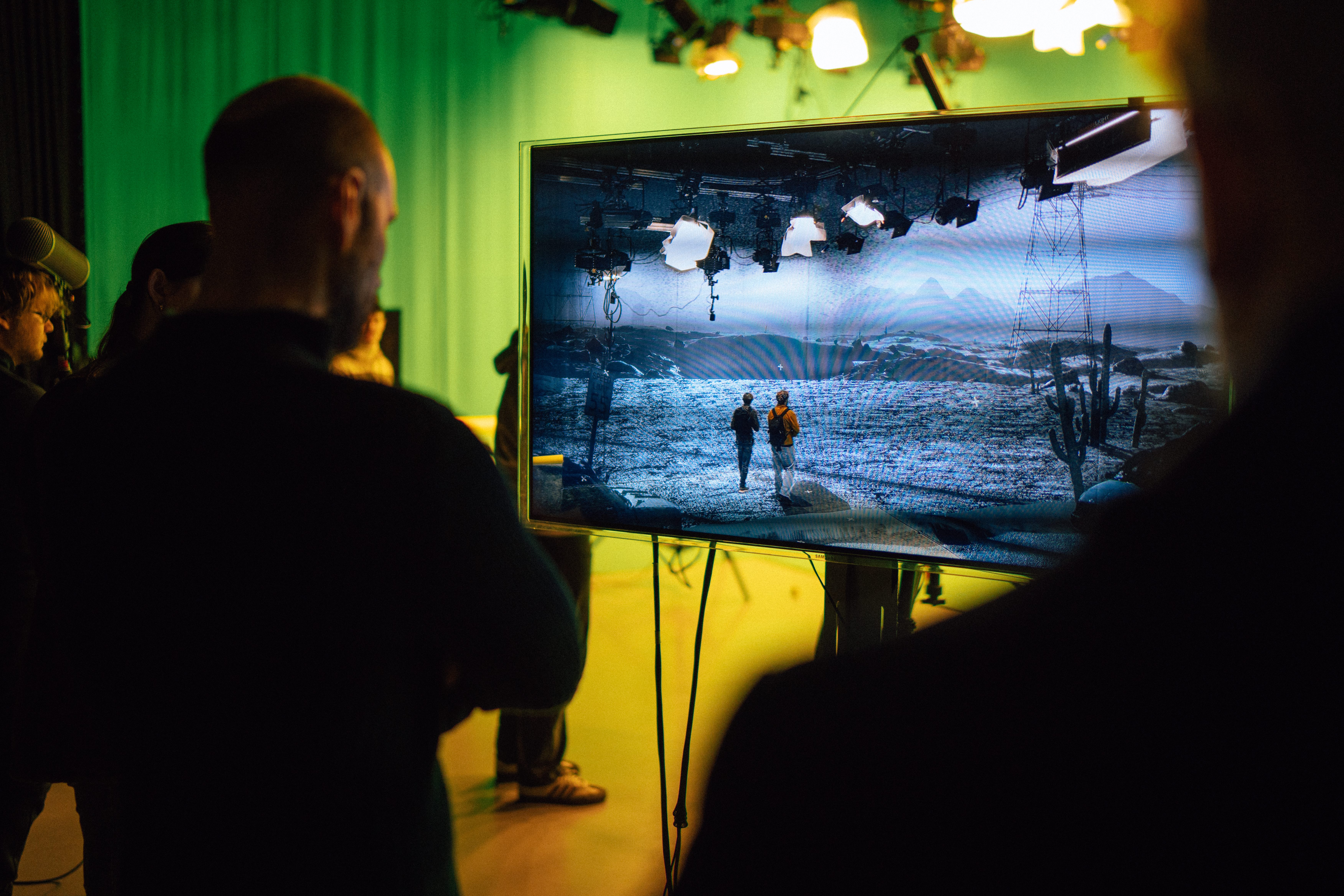
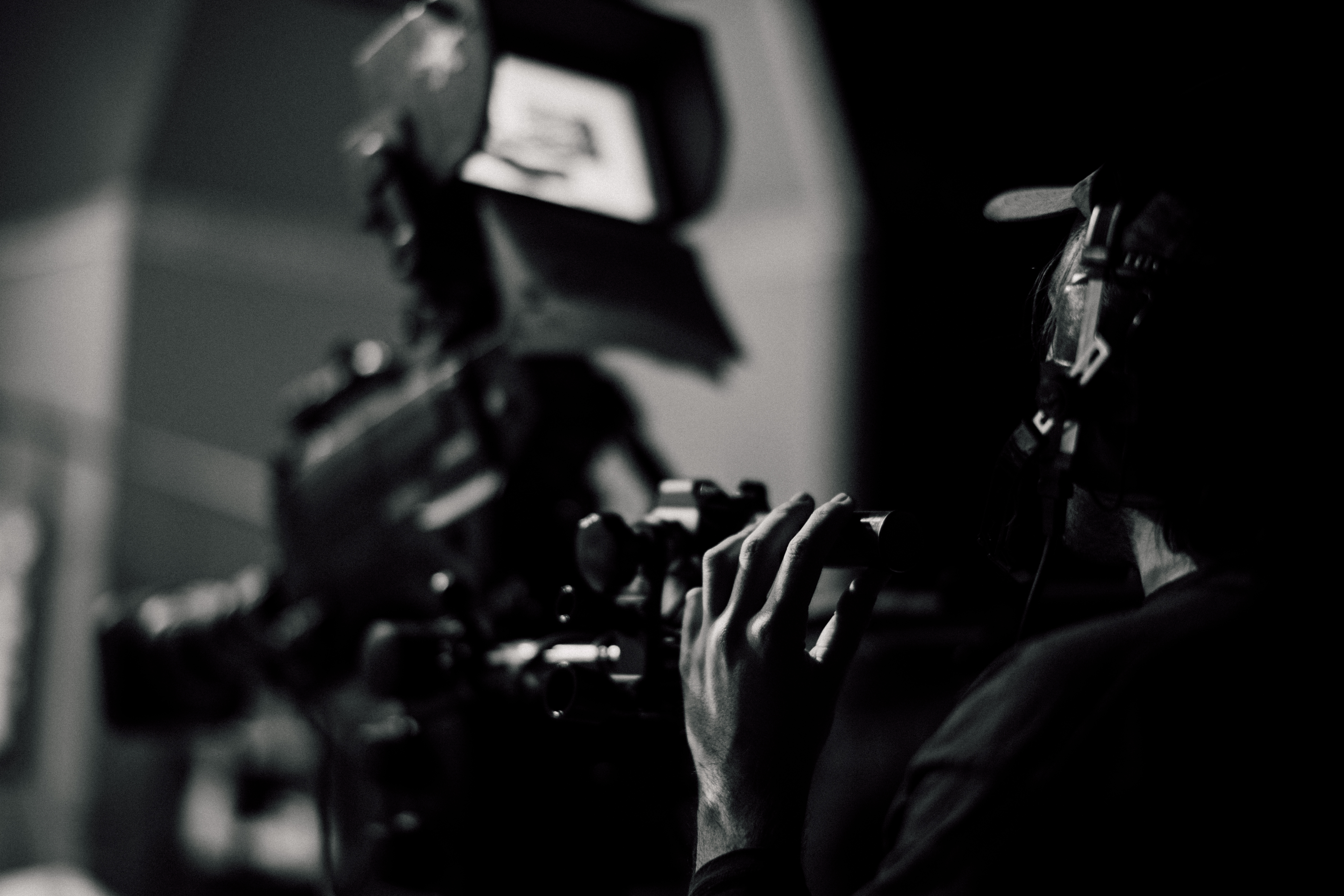
Alongside documentary directing, he has also worked across camera operation, CCU, editing, and live studio production throughout his time in IADT National Film School.