Darragh Bird
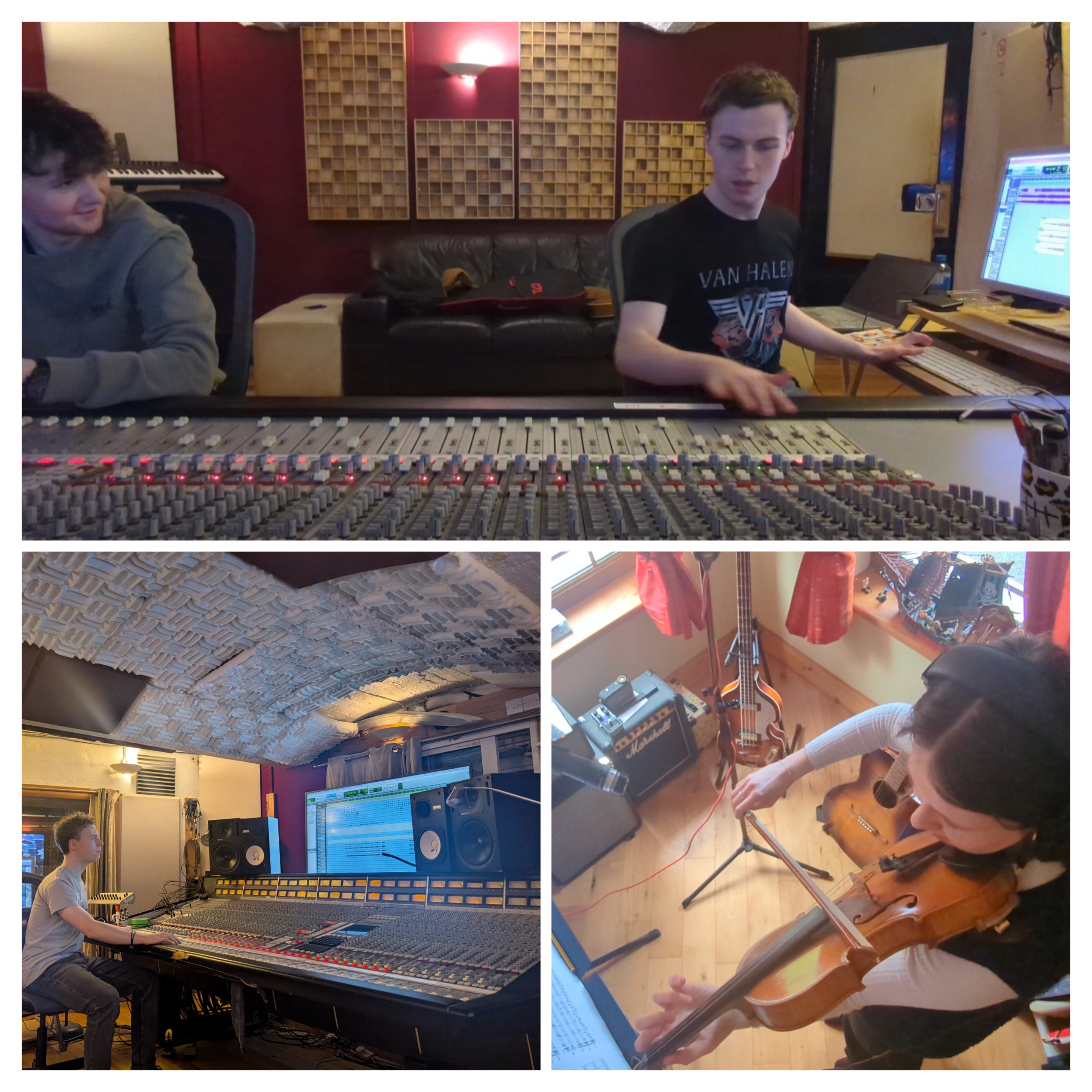
This body of research aims to impose the creative restrictions of 24 track analogue tape recorders and equipment. This will be conducted in the form of a project, which entails recording a single track, as well as documenting the process of mixing and preparation for the recording.
From my own experience in the studio, more often than not, time is spent chasing the "perfect" take, rather than the take that feels the best. This has led to frustration from the musicians due to overplaying, as well as the final recording lacking a sense of "life". This project was designed to combat this, and explore how limitations can lead to freedom, by maximising our creative output.
- Compose and arrange a song with set restrictions.
- Learn about the process of recording and mixing a song from start to finish.
- Investigate how restrictions can impact a creative workflow.
- Find systems to help overcome choice and decision paralysis.
- Maximise creative output and performance quality, by making crucial decisions outside the studio and choosing takes that "felt" the best, rather than an objectively perfect take.
- Having a set amount of takes can help speedup the workflow in a studio, while also keeping the creative flow.
- Placing creative restrictions, such as a limited choice of plugins, helps with choice and decision paralysis.
- The project's restrictions were used to create the song "Route 66", which consists of only 24 tracks.
This body of research will aim to explore how implementing restrictions in creativity can lead to creative freedom. In a constantly developing world where technological advancements are being made daily, with many of these advancements at one’s fingertips, it can be overwhelming to make creative decisions. This poses a question of whether removing choice and applying confines can boost creativity and yield an even greater end product. These limitations are within the context of composing and writing a song, with a focus on studio and mixing workflow.
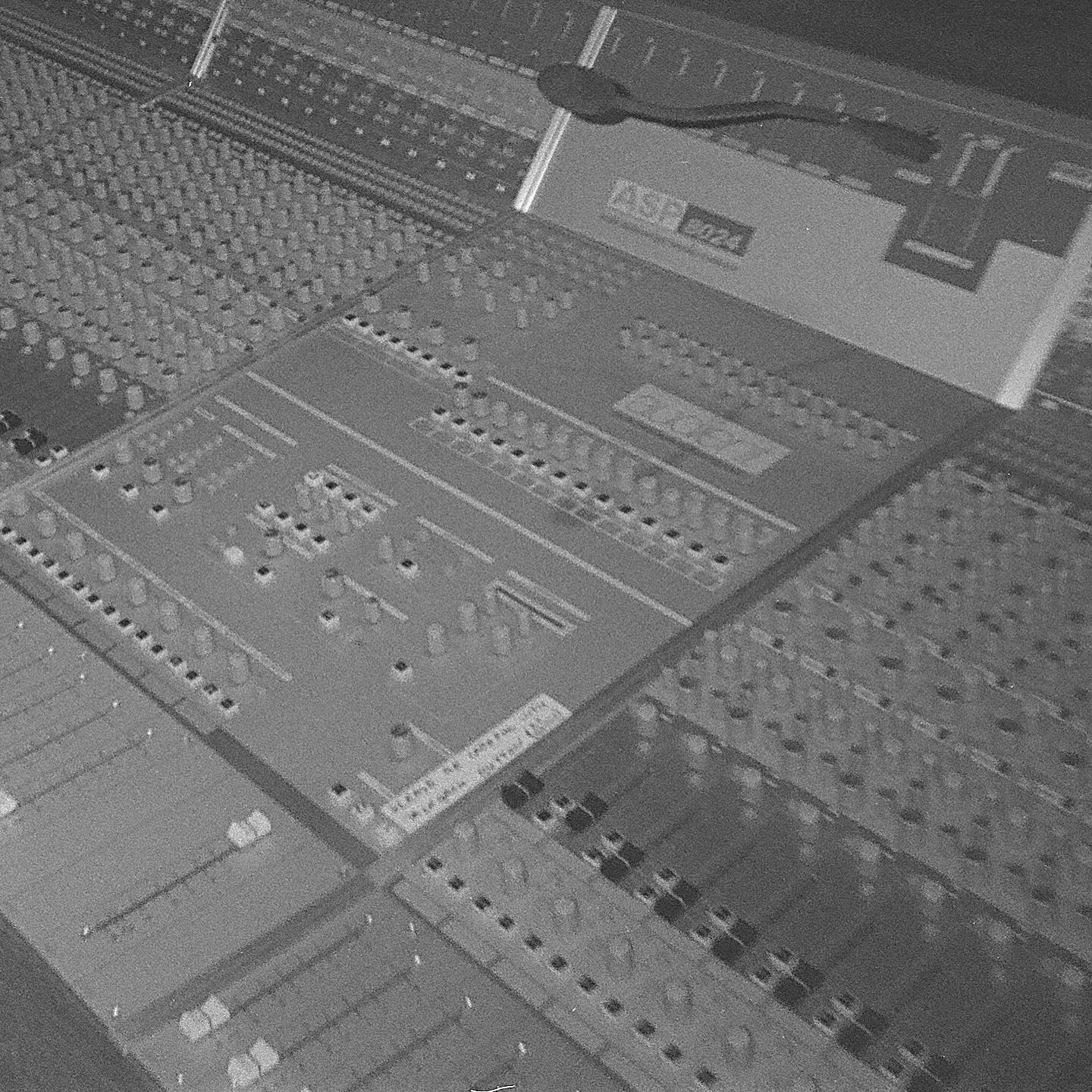
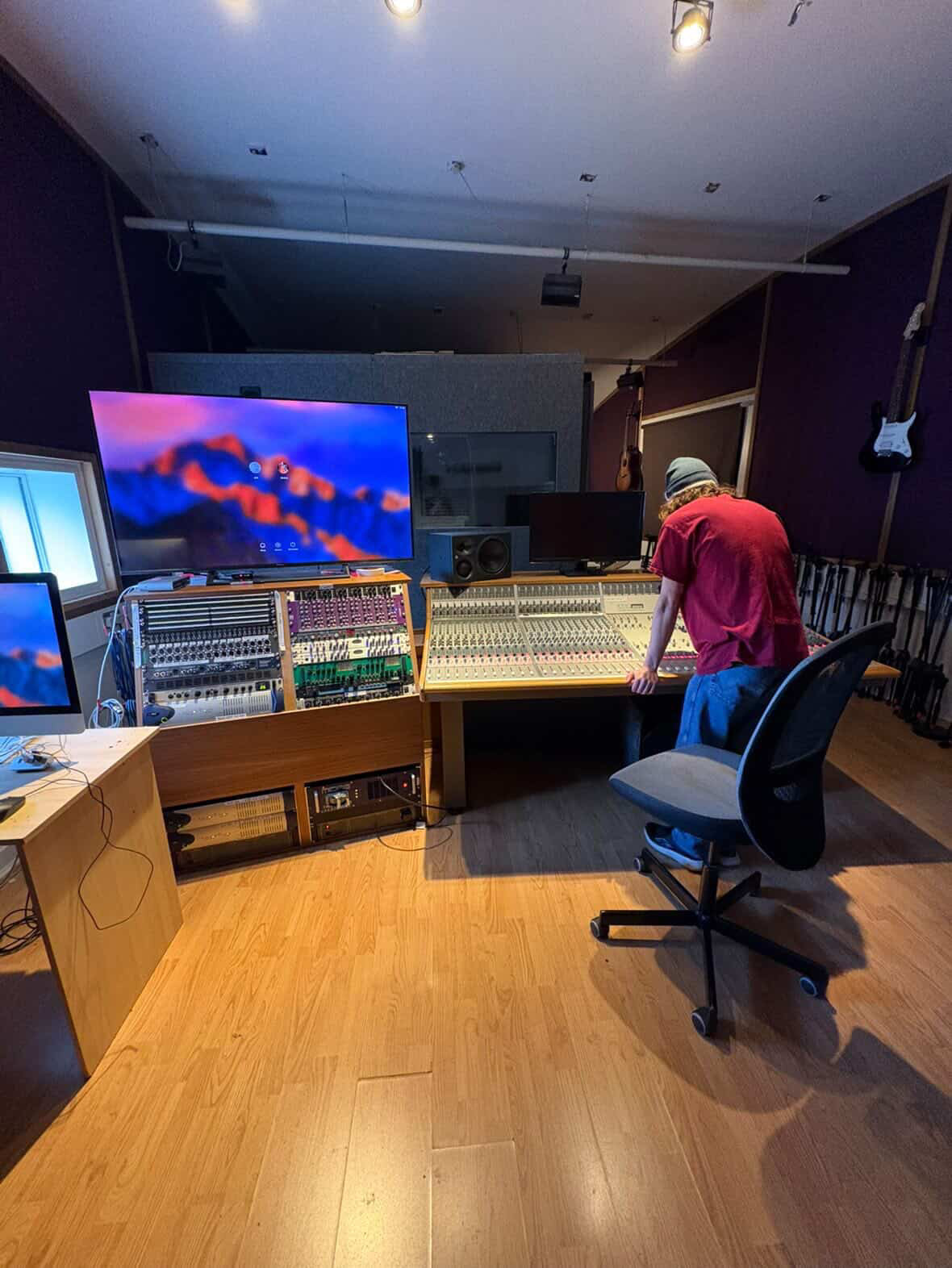
Taking inspiration from the 24 track tape recorder, vintage analogue mixing consoles and the finite qualities of the equipment in comparison to modern technology, the research will discuss how creativity is affected during the process of composing and mixing a new song. To do so, the study will describe the equipment used to simulate these limitations and how it’s chosen, using plug-ins to resemble and reproduce the workflow of vintage equipment, the benefit of taking inspiration from other artists, how the mixing process was completed and finally how choice paralysis and decision-making can be positively affected. The proposed methodology of implementing these limitations will also be outlined, as well as recreating the 24 track restriction digitally and how the subsequent data will be collected and presented, with an aim to place the participants and mixing engineer out of their creative comfort zone.
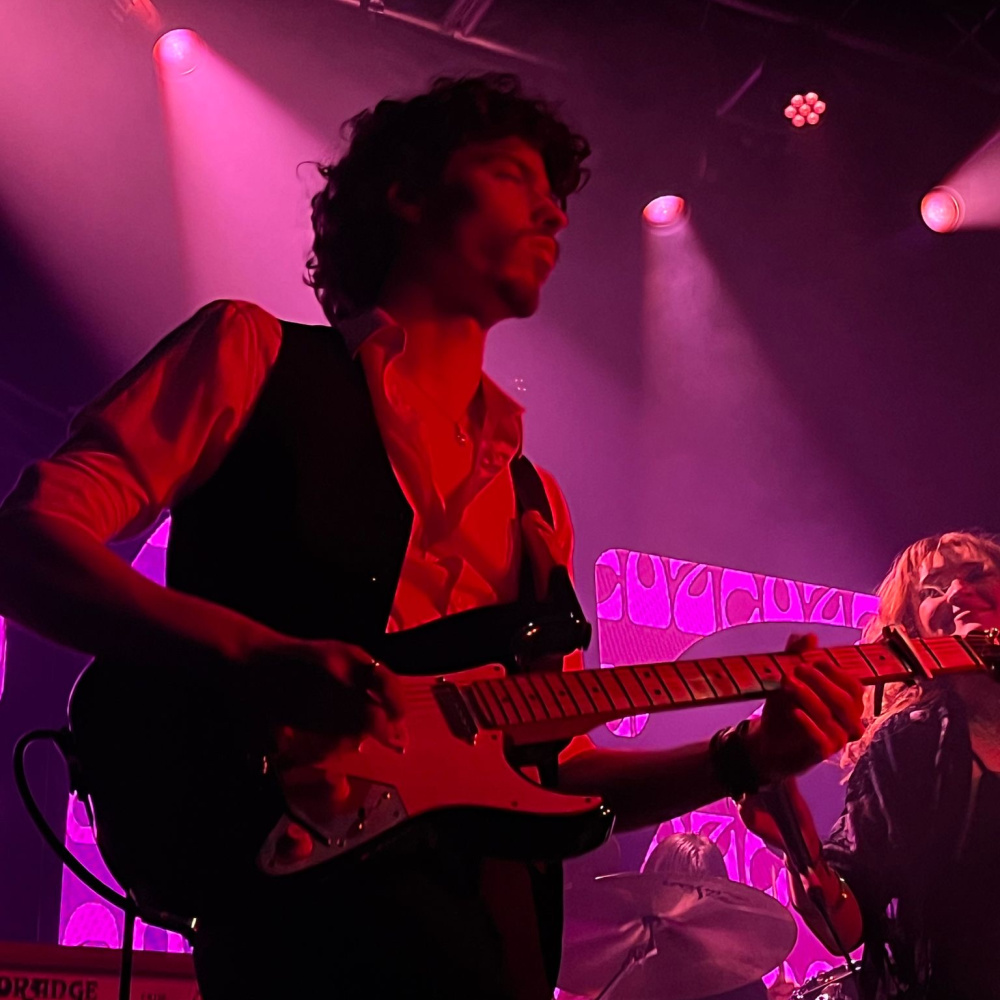
I am a Dublin based guitarist with over 10 years of playing experience, as well as recording, with a strong focus on performance and session recording, having played on numerous tracks during my academic study to develop my recording skills and songwriting. Since I was a kid, I've always had an interest in classic rock songs, and this project is a reflection of that interest.
I have performed extensively with my own band COZ and various others in Dublin, having performed in various venues such as The Sound House, The Button Factory, and Sin É to name a few. These experiences have helped me hone my craft, as well as develop my own skills in performing and arranging.