Dylan Boland
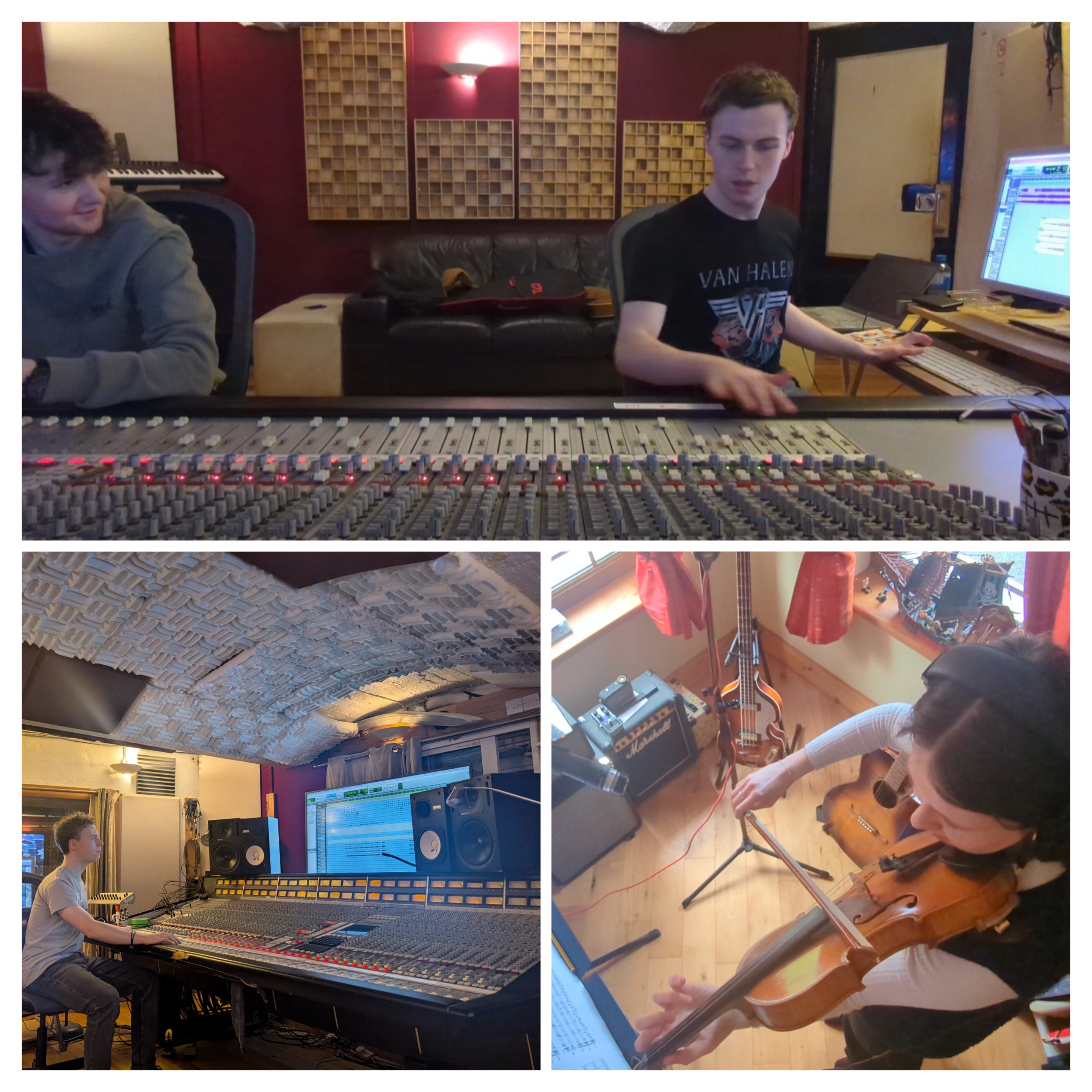
Informed by academic research, the aim of this project was to reconcile two philosophies. Whereas workflow is an organising system which aims to produce an expected outcome as a result of various processes from initiation to completion, the defining characteristic of flow experiences are that they happen of their own accord, in absence of expectation on behalf of the participant having the experience. Therefore, the project manager simultaneously logged work hours, evaluated instances of interference, kept an open project schedule with non-specific action items and set milestones in negotiation with project stakeholders to produce three musical artefacts. Hence, the 'work' representing workflow, and 'play' representing 'flow' in practice.
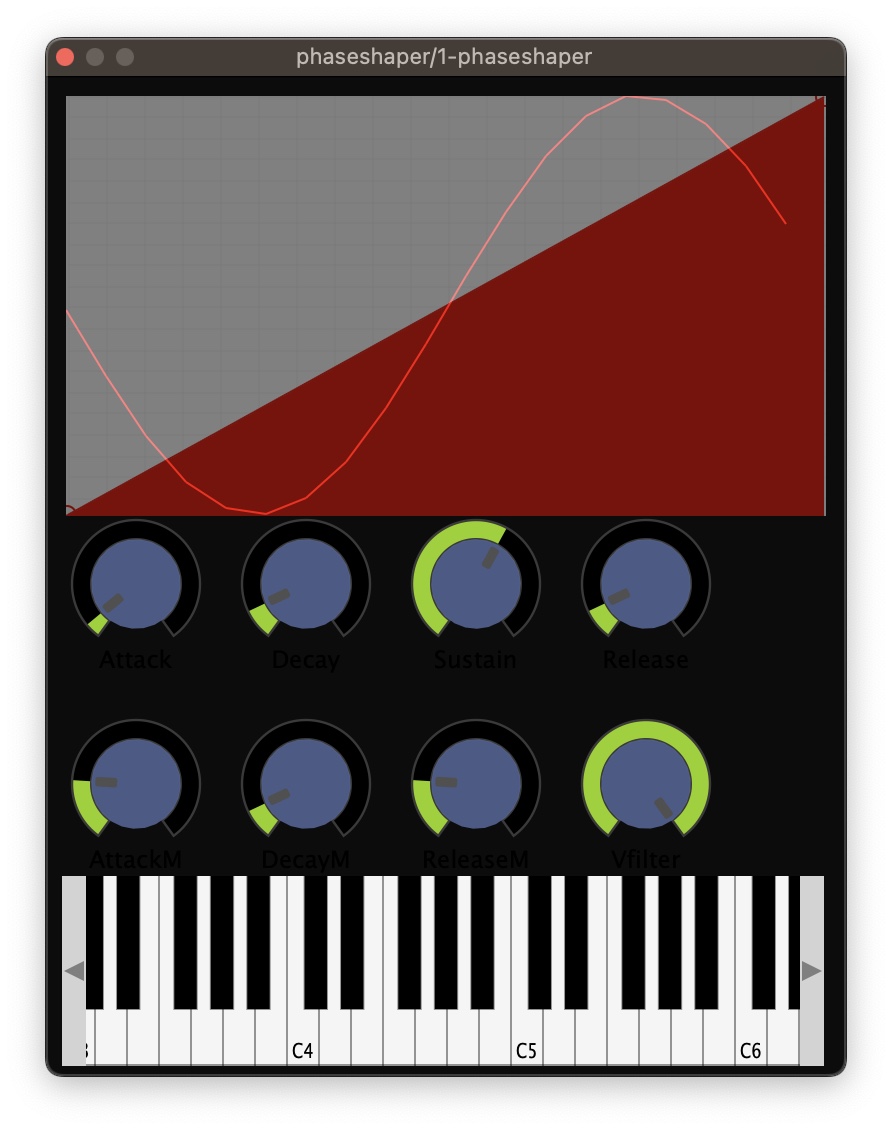
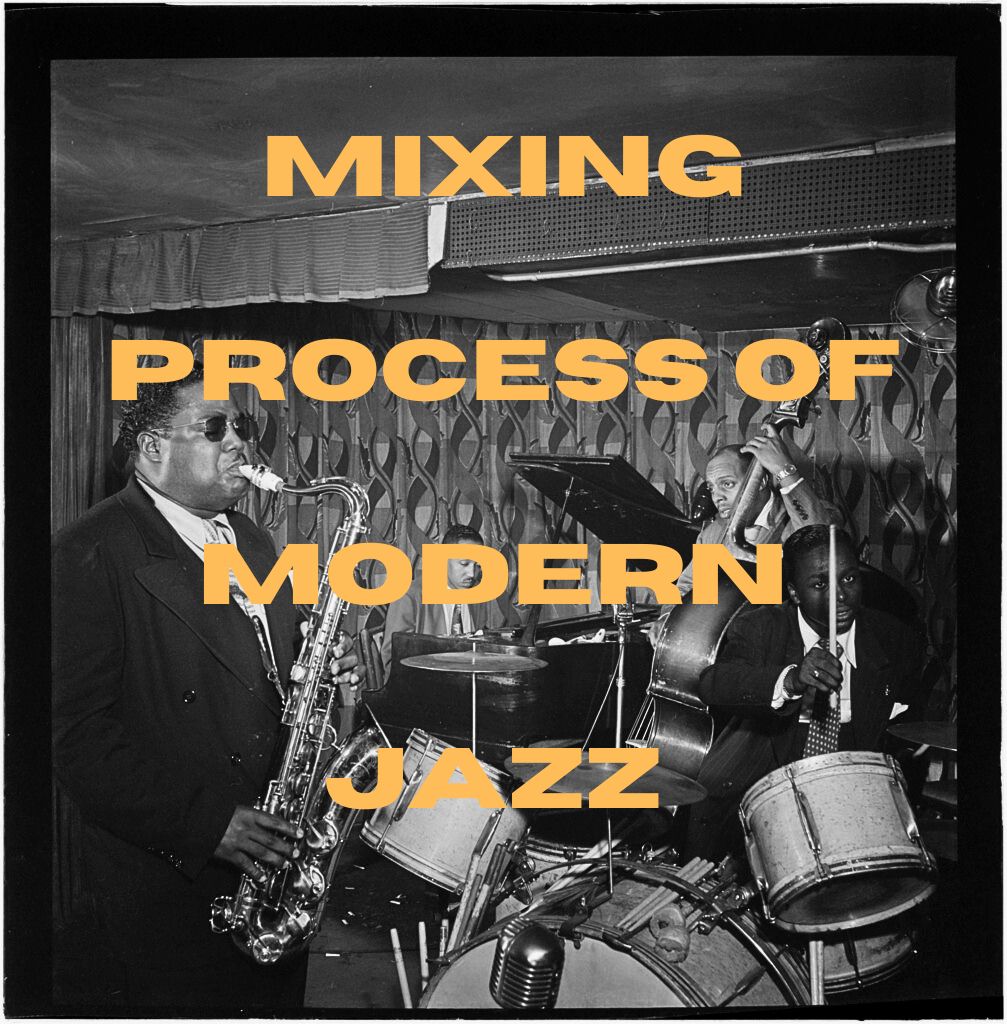
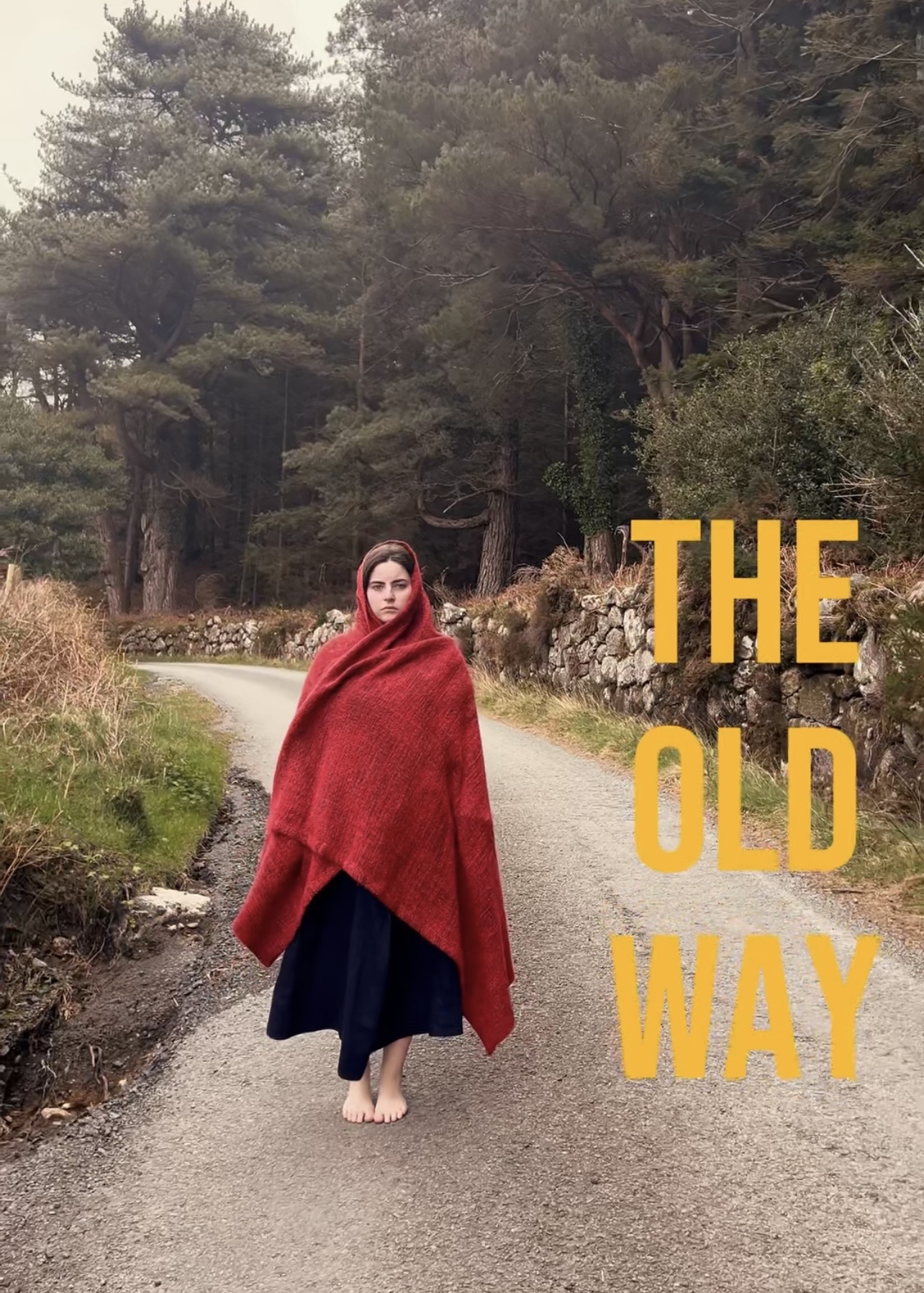
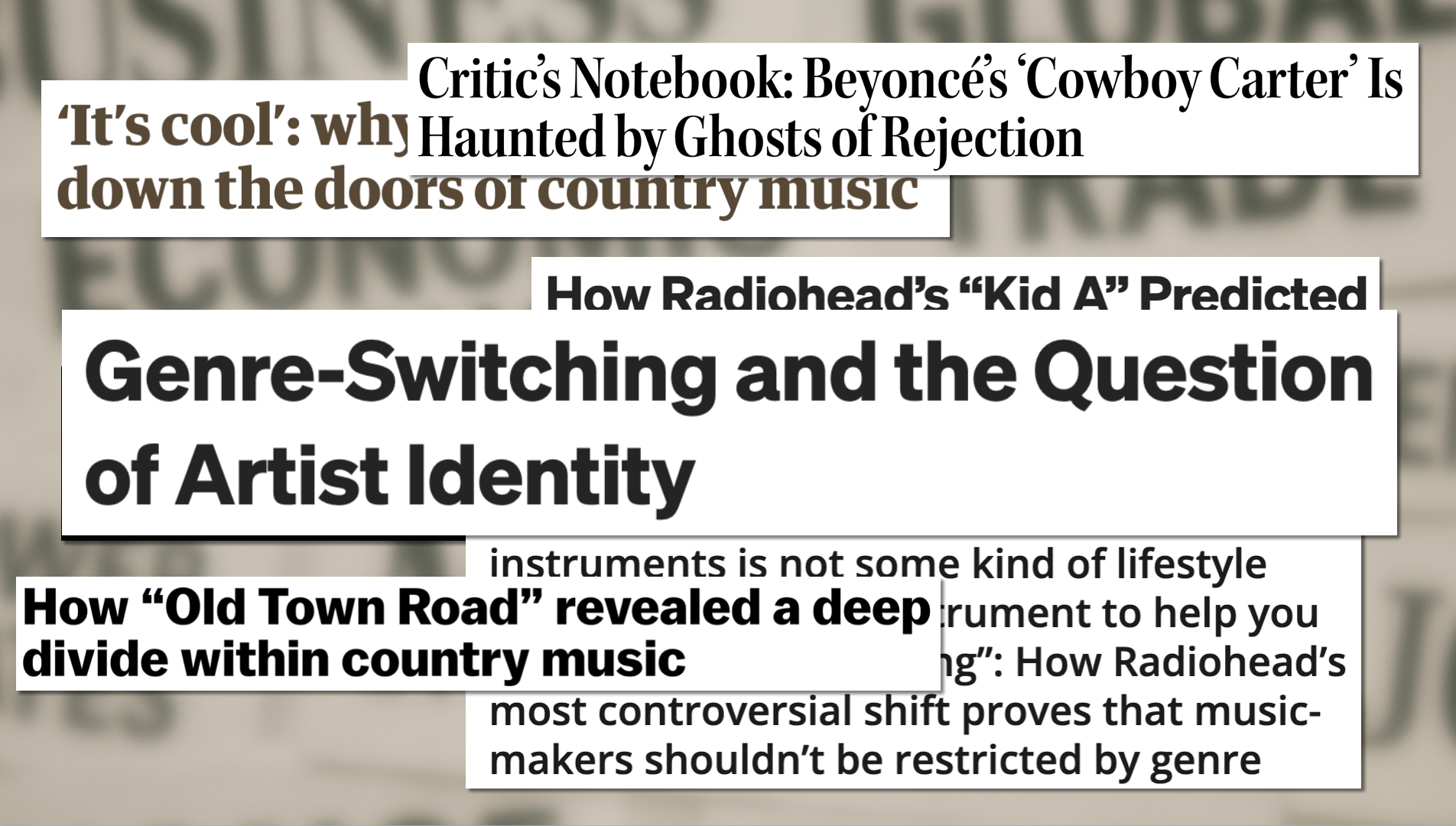
This project's initial objective was to produce two musical artefacts alongside its thesis to prove the creative application of flow for the participant in a music practice. However, in supporting the merits of a 'flow-based' approach, the project manager was able to produce three musical artefacts which vary across musical genres which were each a novel exploration by the music producer.
Moreover, the production of these three artefacts was the result of a contingency measure for project constraints that arose in the production of the third artefact presented. The project manager believes that a 'flow-based' approach was necessary for the completion of all three artefacts and decisive in their development which is discussed further within this project's thesis. Flow-based approaches were effective in adapting to contingency risks and issues that may occur in a music project practice, proving compatible with an agile project management plan.
This project proves that a ‘flow-based’ approach towards a music production project is a tenable practice in the recorded music industry, as evidenced by the production of three musical artefacts. To make clear to the reader what the benefits discovered in applying this methodology were, the positives of incorporating this approach were identified to be threefold:
Implementing a 'flow-based' practice promotes genuine joy and happiness to practitioners as it assumes that a flow-centric approach is valuable whereby autotelic or 'flow' experiences are optimal for creativity and engagement as best-practice.
Incorporating a 'flow-based' approach proves receptive to novel ideas through increasing 'Affective Engagement' by cultivating 'Openness to Experience' in project practitioners.
Finally, a 'work-play' approach is proven compatible in conjunction with an agile project management plan that is adaptive to project constraints as it is contingent on feedback from project stakeholders.
This thesis incorporated findings from investigating the nature of flow and interference academically and qualitatively to examine what is best-practice for a 'flow-based' approach to a music production practice.
My passion for music is tied to my love for storytelling. I believe stories can help us add context to our lives and that music in particular is an effective medium through which we can tell our own story and make sense of our shared human experience.