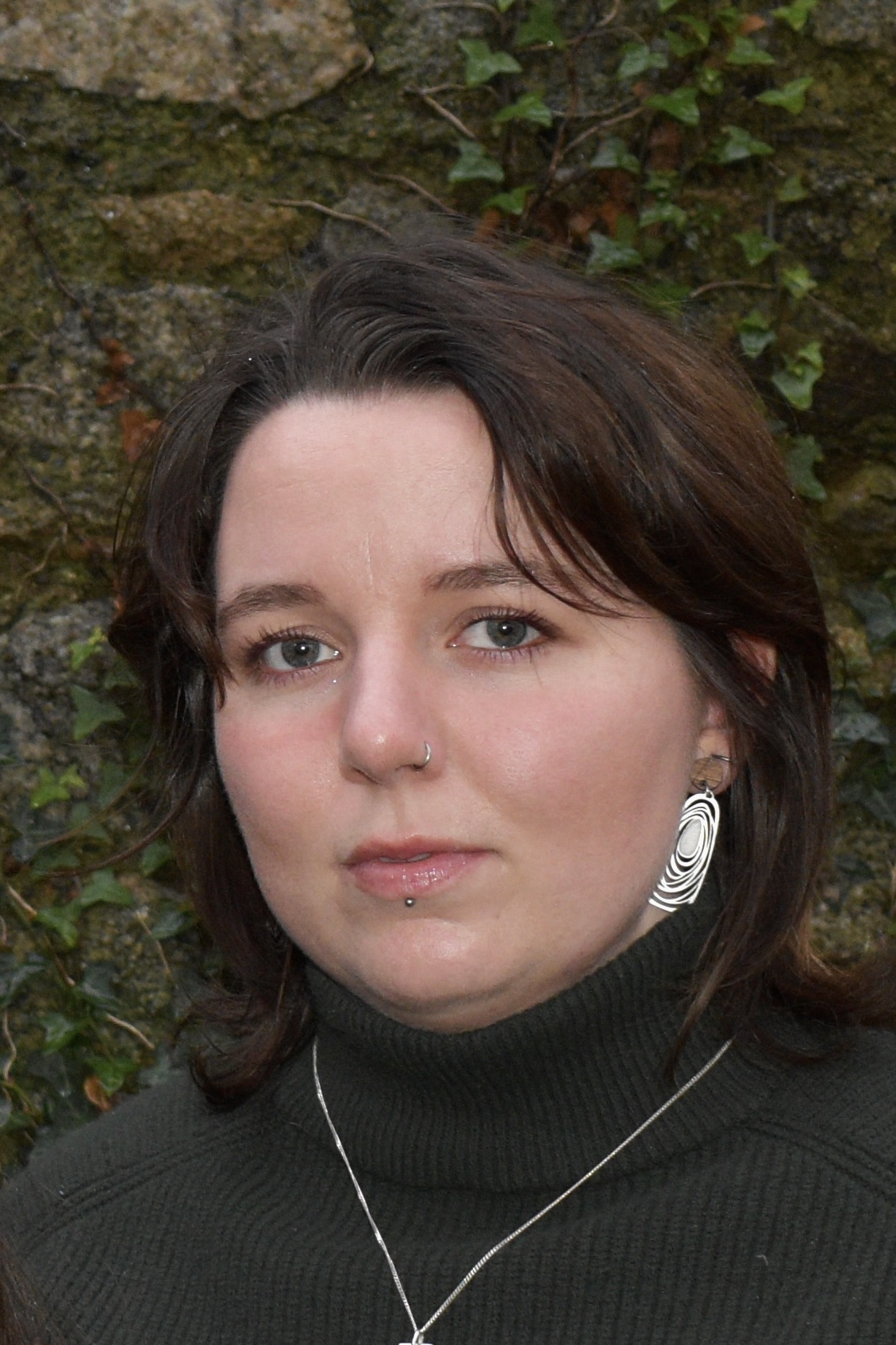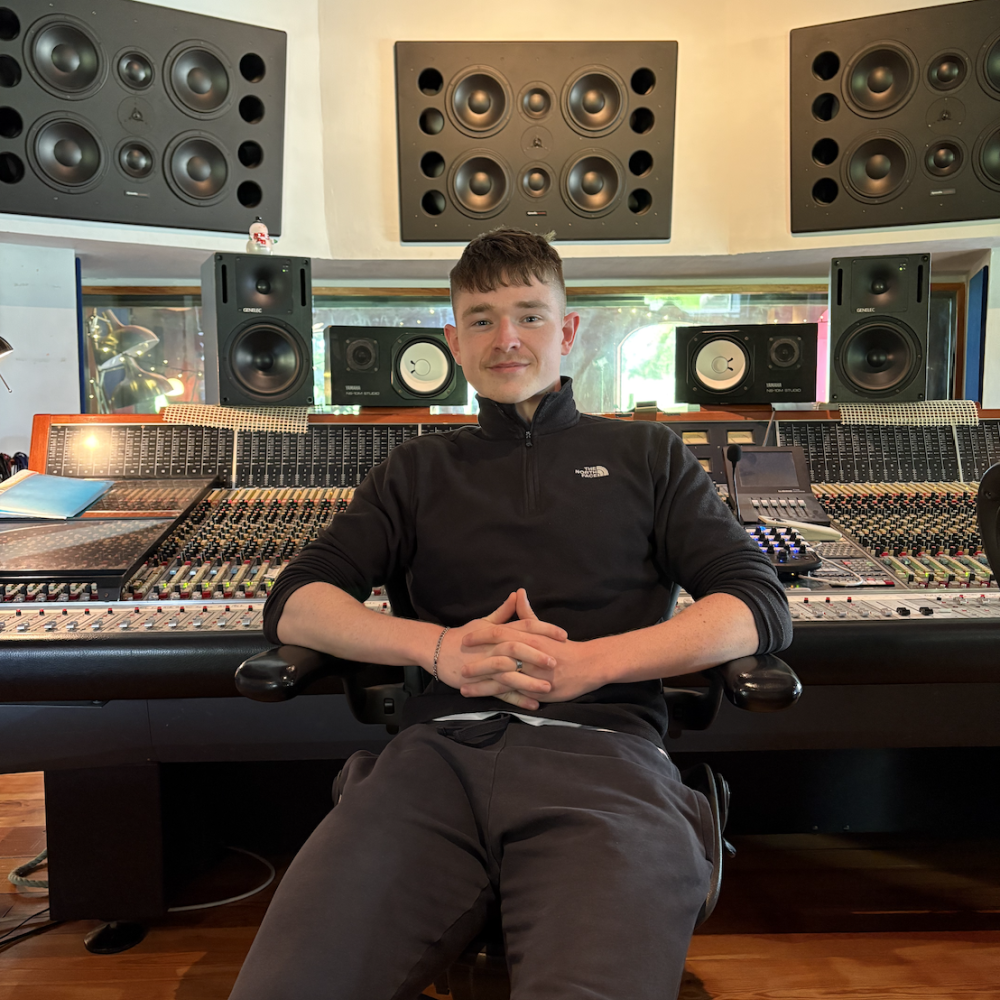
Garvan Molony
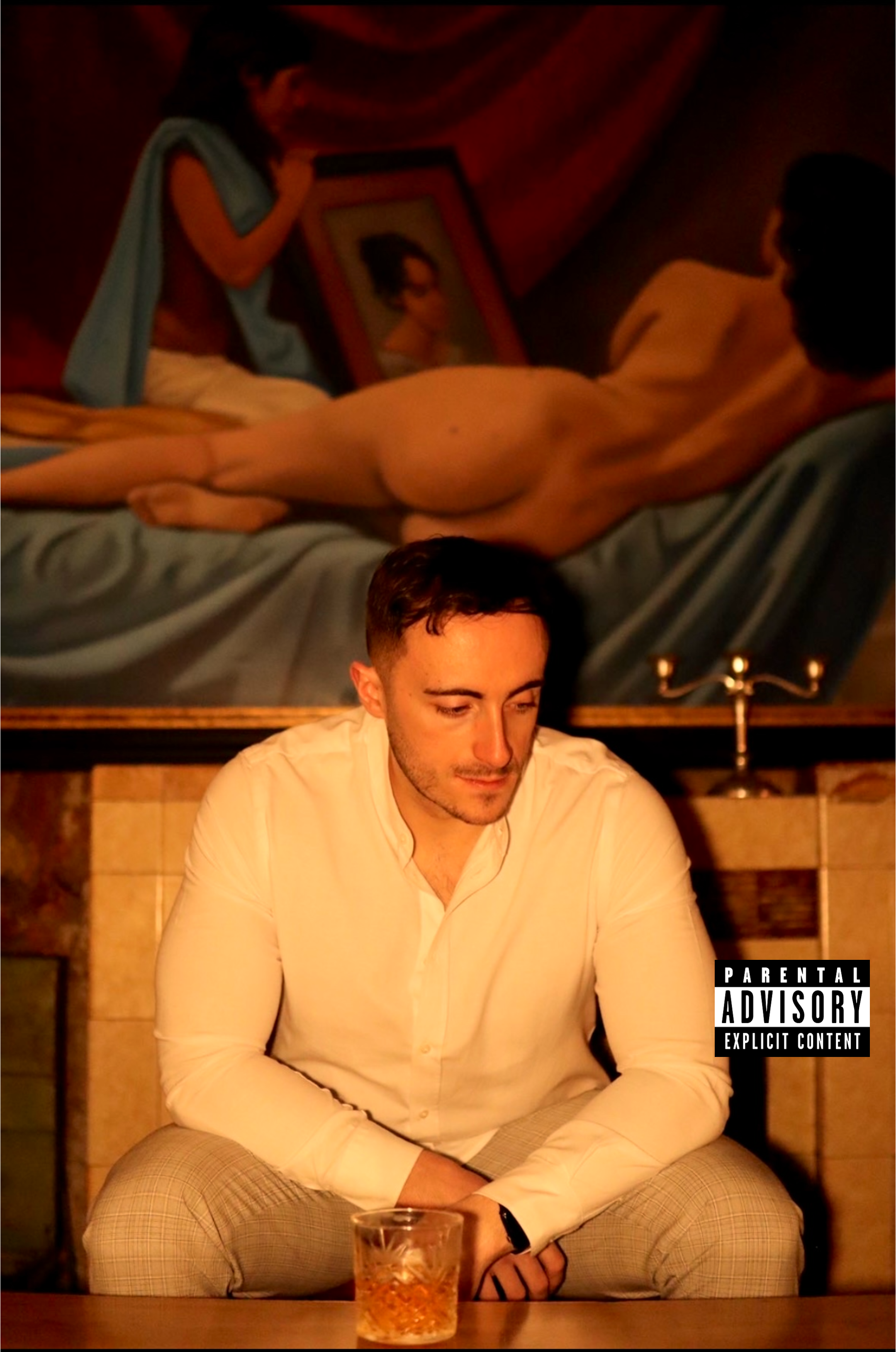
This project explored how a debut artist can produce and market their music on social media. Starting from scratch, an original RnB single was produced in FL Studio across two six-hour vocal recording sessions, then mixed, mastered, and released via Distrokid. A focus group of four RnB listeners informed a 14-day pre-release campaign on TikTok and Instagram, with content centred around the song's strongest section — the bridge into chorus. The project delivered real-world insights into platform behaviour, hashtag strategy, and the gap between social media reach and streaming success.
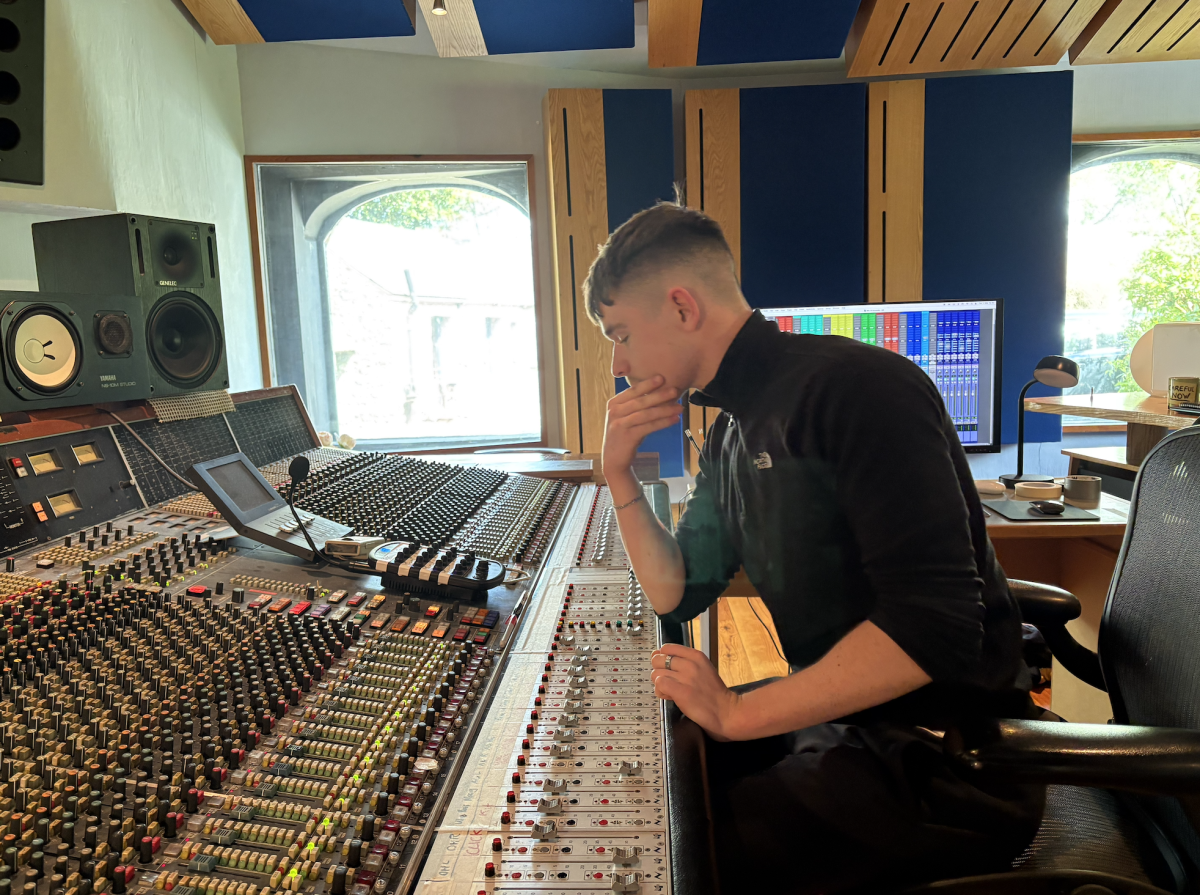
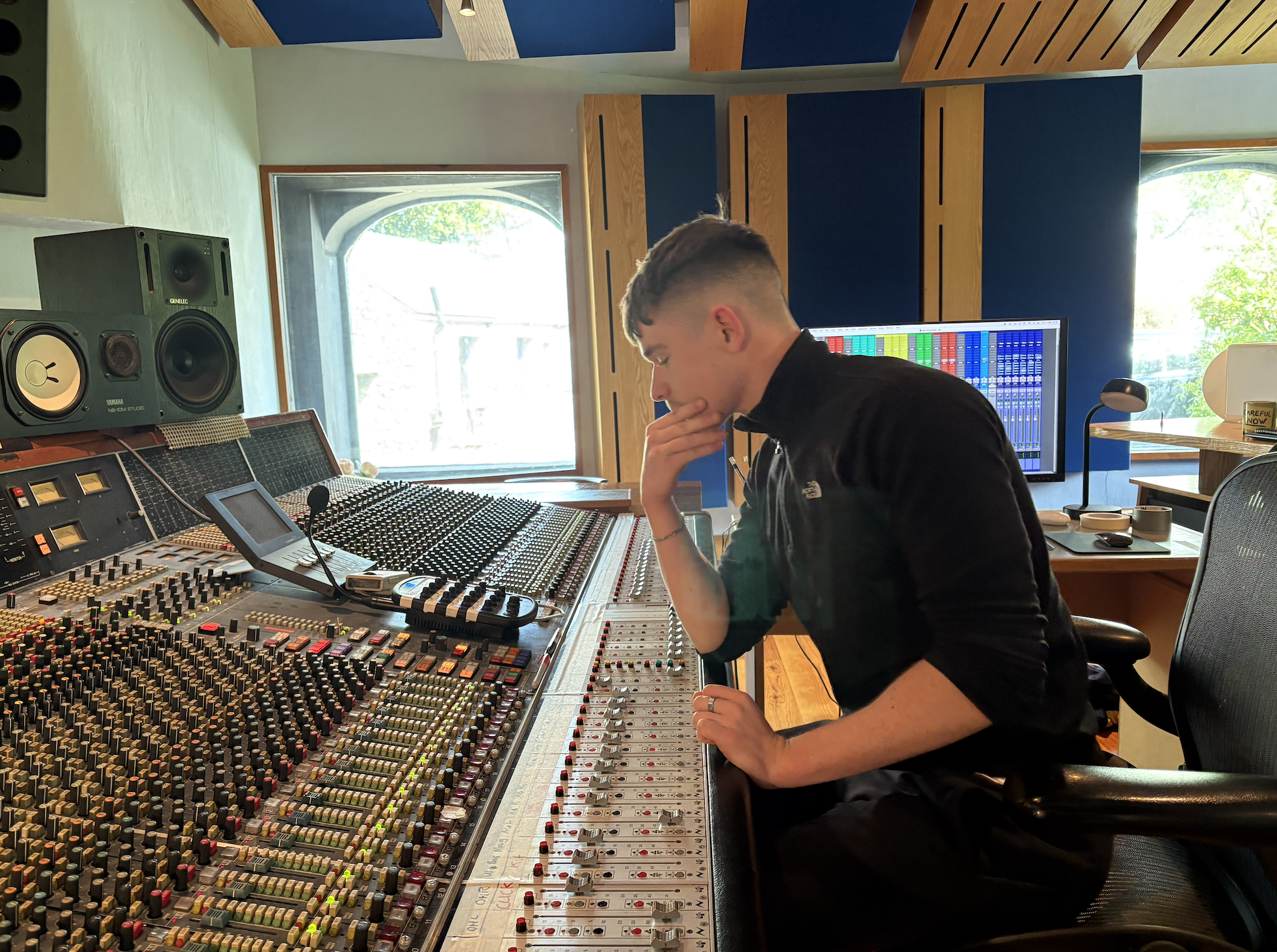
This project set out to explore one central question: how can a debut artist produce and market their music on social media, specifically TikTok and Instagram? The aim was not simply to release a song, but to document and critically examine the full journey from initial production through to a live marketing campaign, generating findings that would be both academically grounded and practically useful.
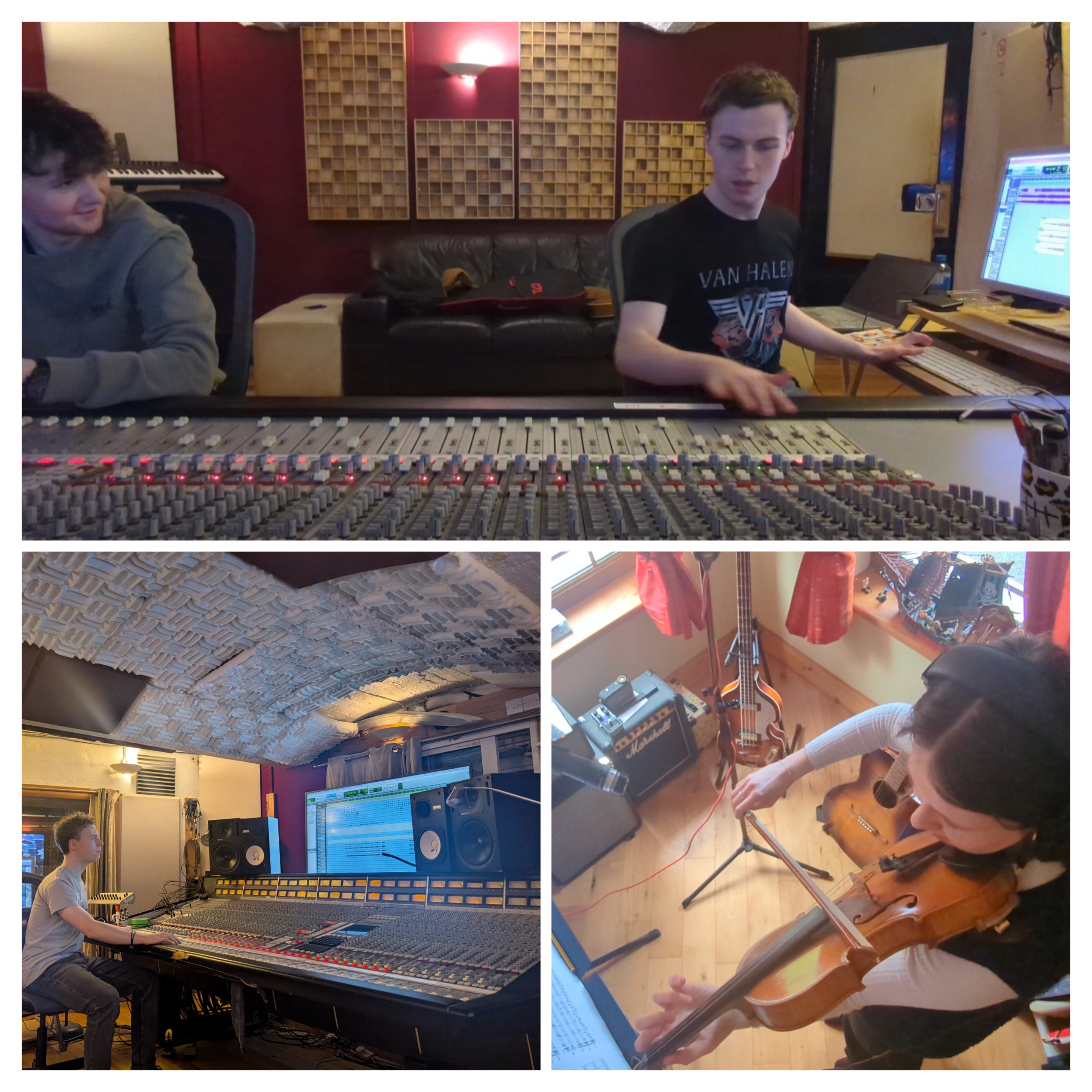
The first objective was to successfully produce, record, mix and master an original piece of music with an artist who had no prior studio experience. This required applying established production frameworks to create a comfortable, collaborative environment.
The second objective was to use qualitative research, in the form of a focus group, to pre-test content and inform the social media campaign. Instead of guessing what audiences might respond to, the goal was to make evidence-based decisions before posting.
The third objective was to execute a marketing campaign across TikTok and Instagram, applying academic insight into platform design, hashtag strategy, content framing and repeated exposure to maximise reach for a brand new artist with zero existing following.
Finally, the project aimed to honestly evaluate the outcomes, drawing meaningful conclusions from both successes and shortcomings. The intention was to produce a transparent account of what independent music marketing actually looks like in practice, offering a realistic and replicable roadmap for emerging artists.
The project produced an original RnB single, released across all major streaming platforms, alongside a full suite of promotional content including lyric videos, behind-the-scenes footage and skits.
The campaign revealed differences in how audiences engage on each platform. TikTok delivered superior reach, with lyric-style aesthetic videos proving the strongest performing content type. Notably, the best performing posts did not feature the artist at all, suggesting TikTok audiences respond more to mood and music than to personality. Instagram, however, rewarded artist-fronted content, highlighting the importance of building a direct connection with followers rather than chasing views.
The focus group proved to be one of the most valuable steps in the process. Participant feedback directly shaped the campaign, with one idea, a person standing in the rain as the chorus played, becoming one of the best performing pieces of content across both platforms.
Findings highlighted a disconnect between social media engagement and streaming performance. Despite reasonable reach on TikTok and Instagram, Spotify streams remained modest, reinforcing academic research suggesting the two are not directly correlated.
Despite all these, the most important outcome was the learning itself. From recording room mistakes to post-release consistency, every stage surfaced practical lessons around production quality, audience behaviour and platform strategy that will directly inform future projects.
The central research question of this thesis asks how a debut artist can produce and market their music on social media, specifically TikTok and Instagram. The project sits at the intersection of music production, digital marketing and audience behaviour, drawing on academic literature to inform every practical decision made along the way.
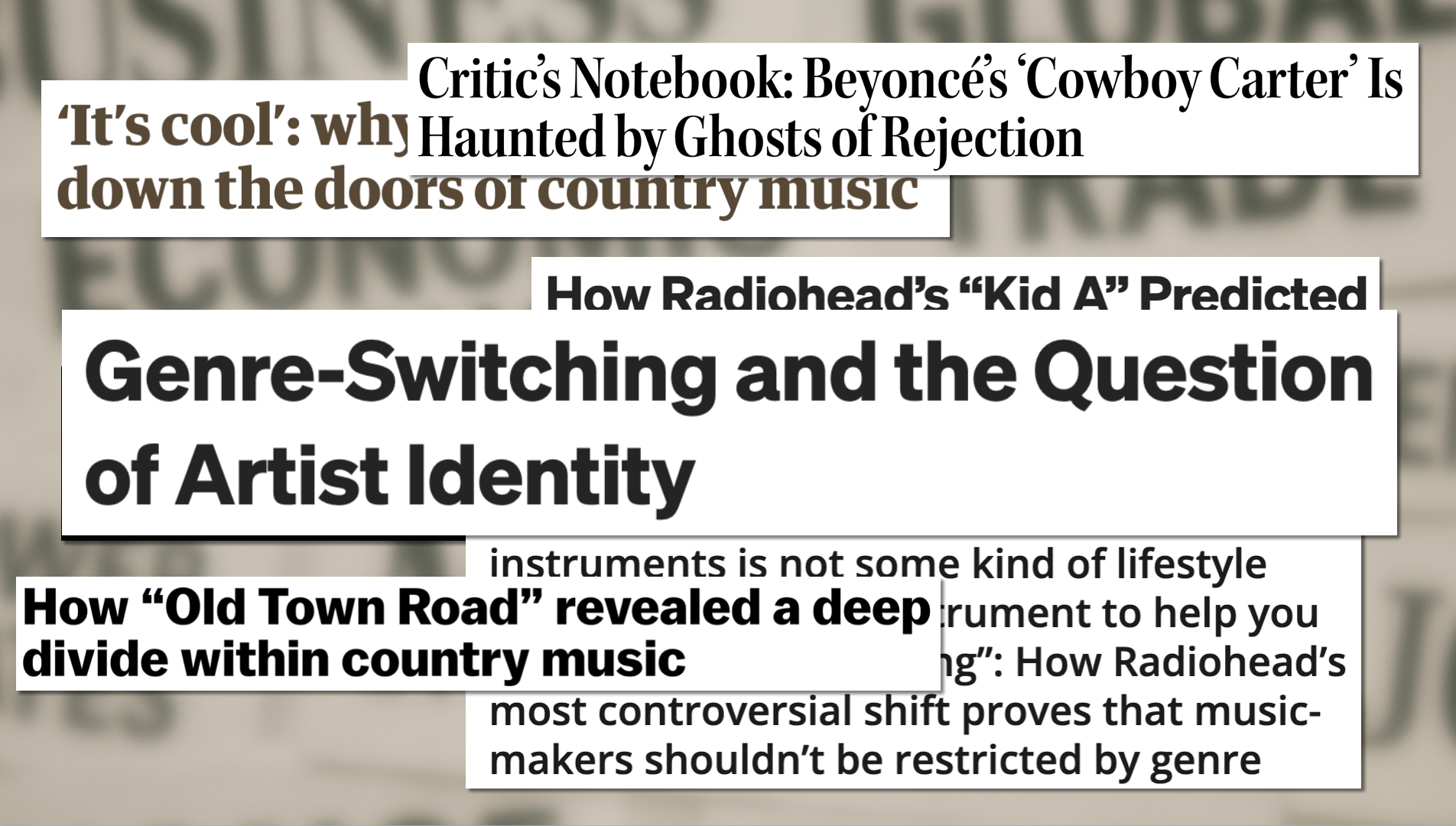
Three key themes run throughout the work. The first is the democratisation of the music industry, examining how platforms like TikTok have lowered barriers to entry while simultaneously raising the challenge of standing out in an increasingly saturated market. The second is the role of qualitative research in creative decision-making, exploring how focus groups can bridge the gap between instinct and evidence when developing content strategy. The third is platform behaviour, investigating how audiences consume and engage with music content differently depending on the platform they are using.
The thesis concludes that while social media offers genuine opportunity for debut artists, success demands consistency, strategic content planning and a clear understanding of each platform's unique dynamics. TikTok proved more effective for reach, while Instagram required a stronger focus on artist-to-fan connection. Crucially, the research found that social media performance and streaming success operate largely independently of one another, a finding that should recalibrate expectations for any artist preparing their first release.
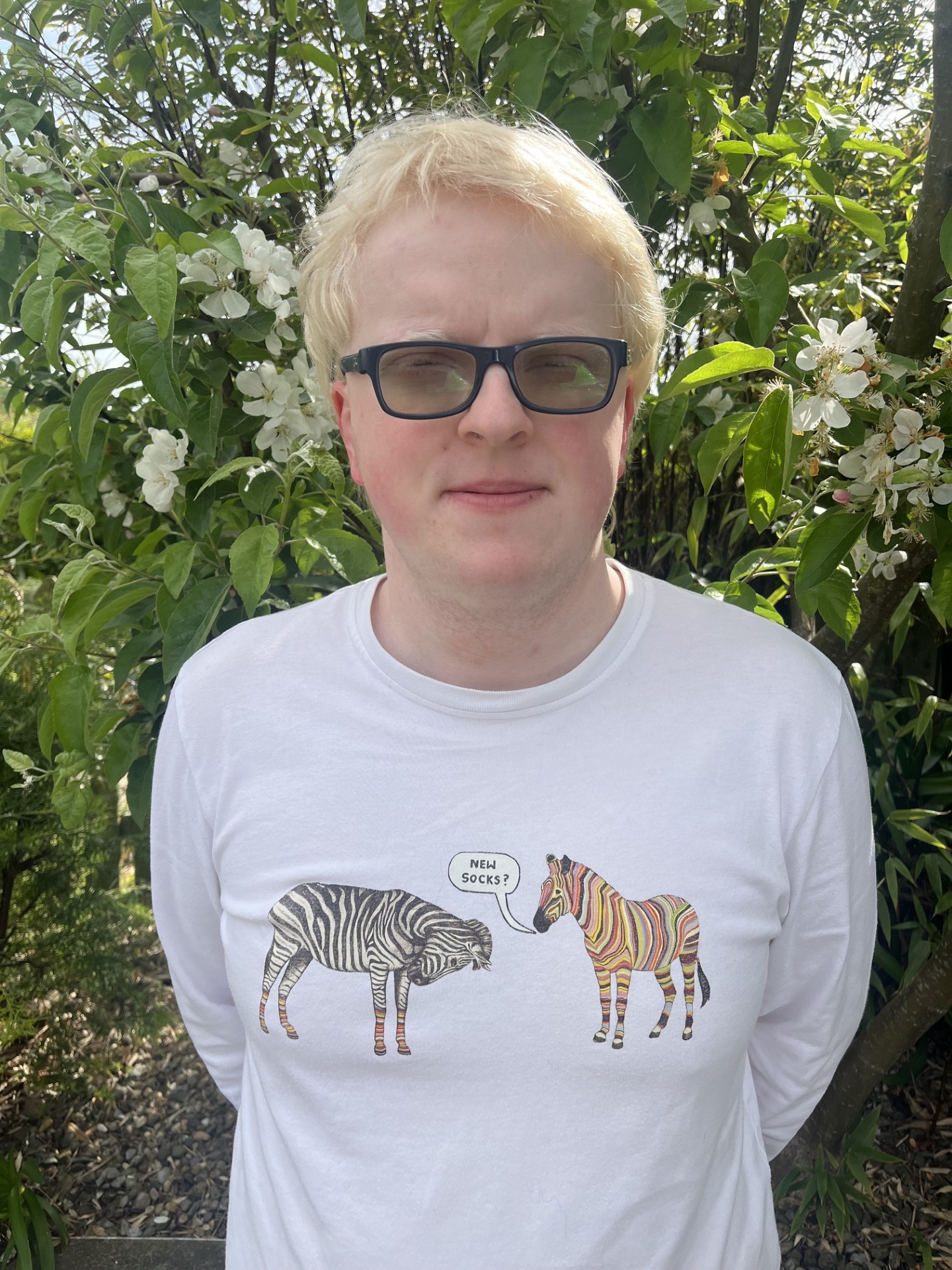
Garvan Molony (22) is an audio engineer and music producer based in Dublin. He has worked in numerous professional recording studios, such as Grouse Lodge, Sun Studios and the Button Factory. Aside from production, Garvan has experience in many different areas of music, having scored an award nominated animation film, recorded foley and sound designed another animation film and sound engineered live musicians. He is currently focusing on freelance music production and artist development work.