Ciara June Baui
"The Sound of Dance" is a showcase experiment exploring the expressive nature of dance and music. The project involved the construction of a motion capture system, converting dance moves into music and sound. The experiment included a comparison between music composed by a musician, and music composed by a dancer through the system. The measure of the experiment was the perception of a thematic prompt. This project delved into the importance of the bond between dance and music, from an audience's perspective, as well as a creator's perspective.

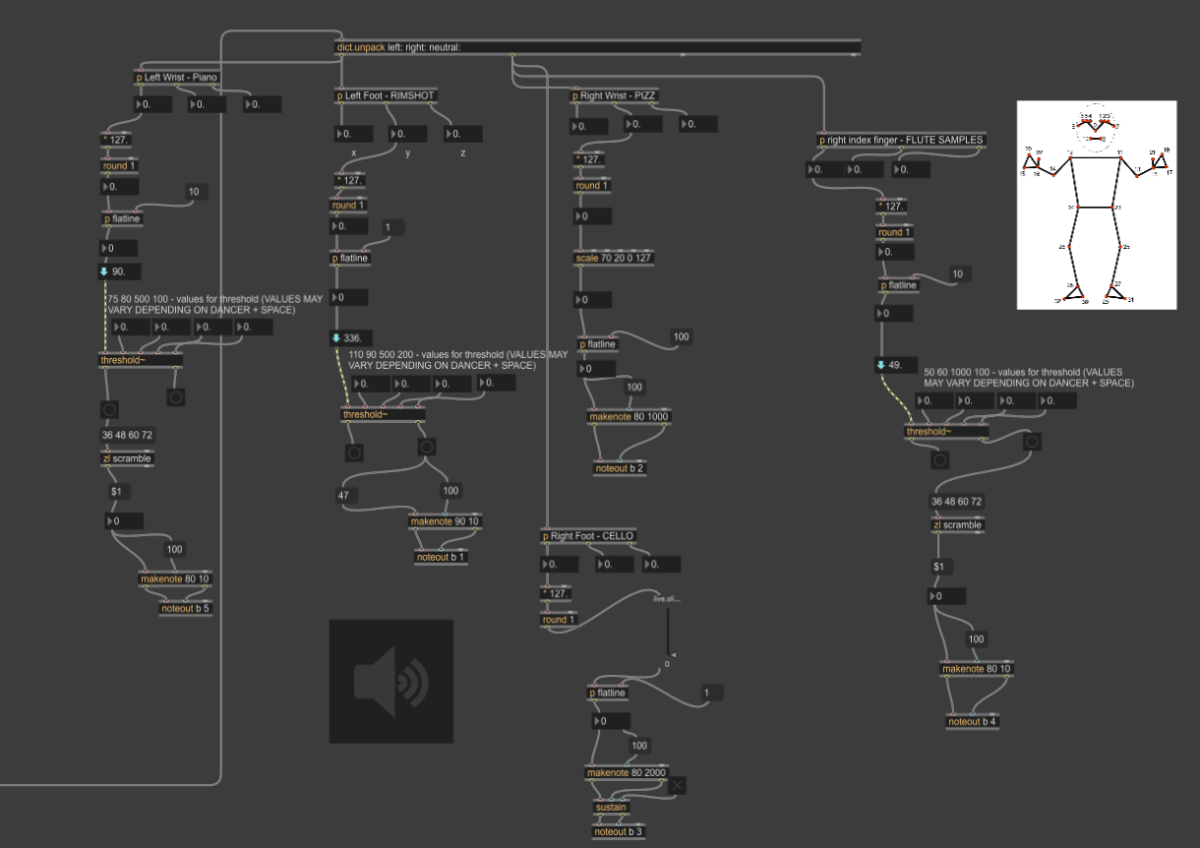
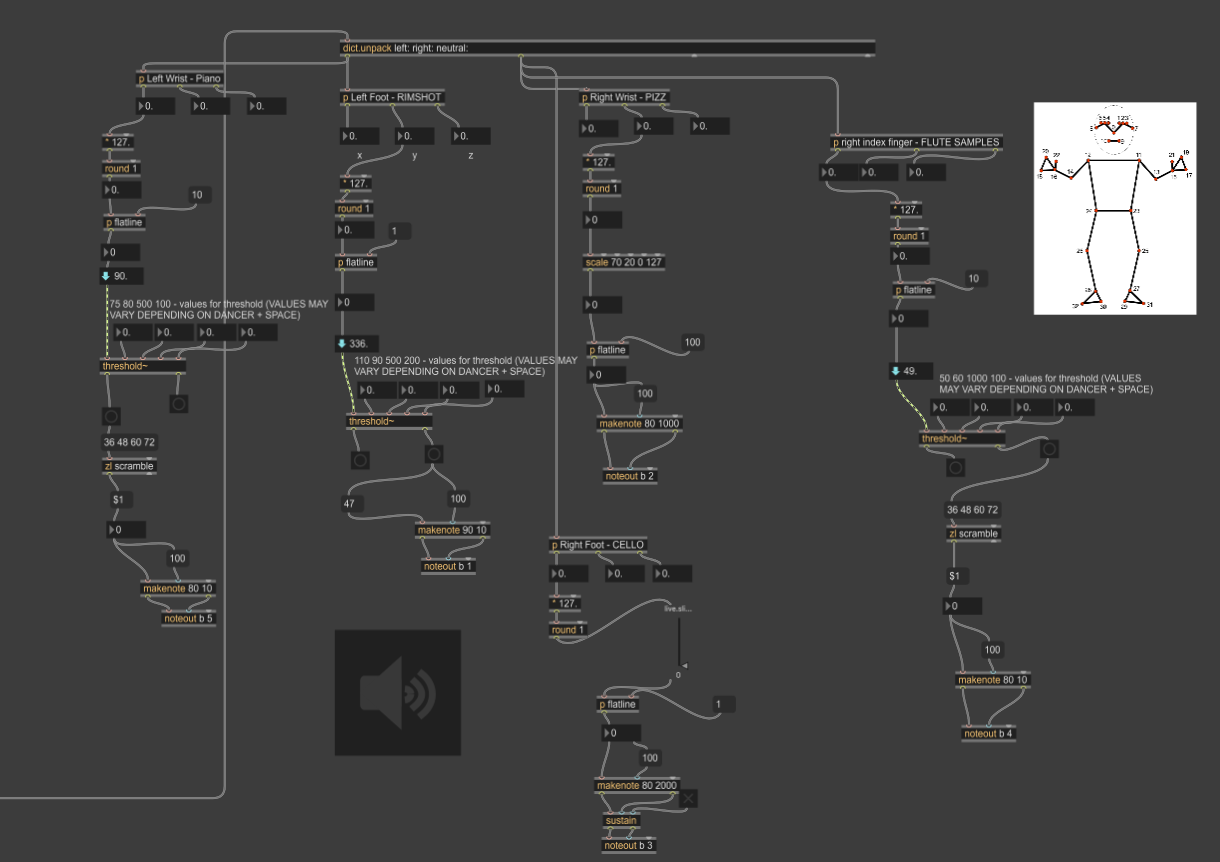
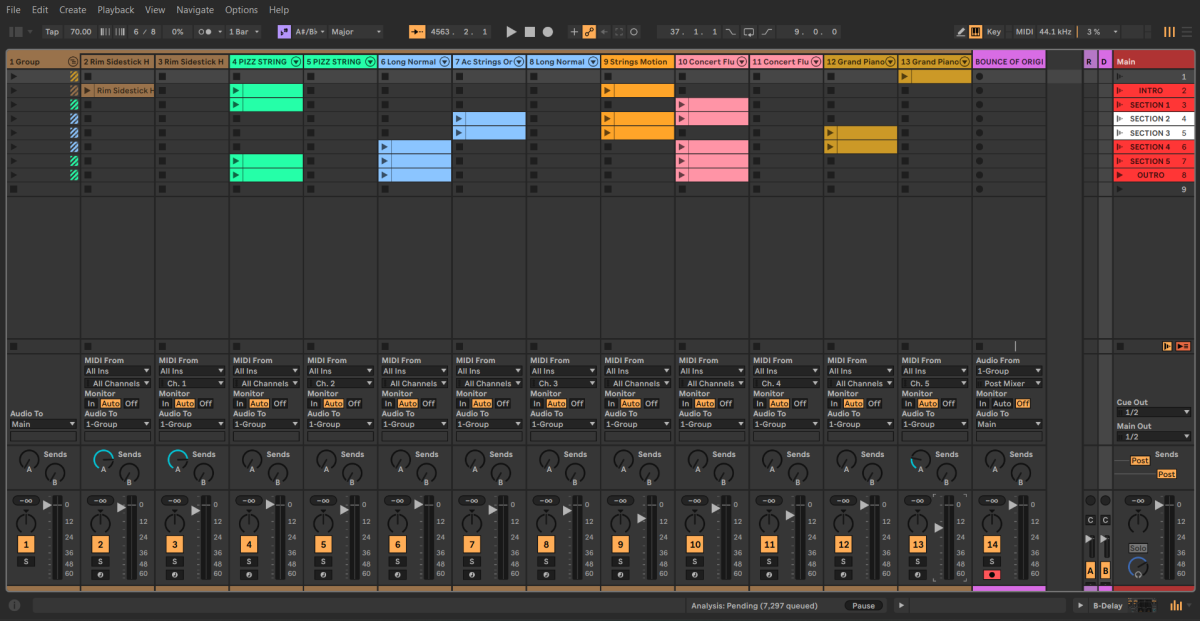
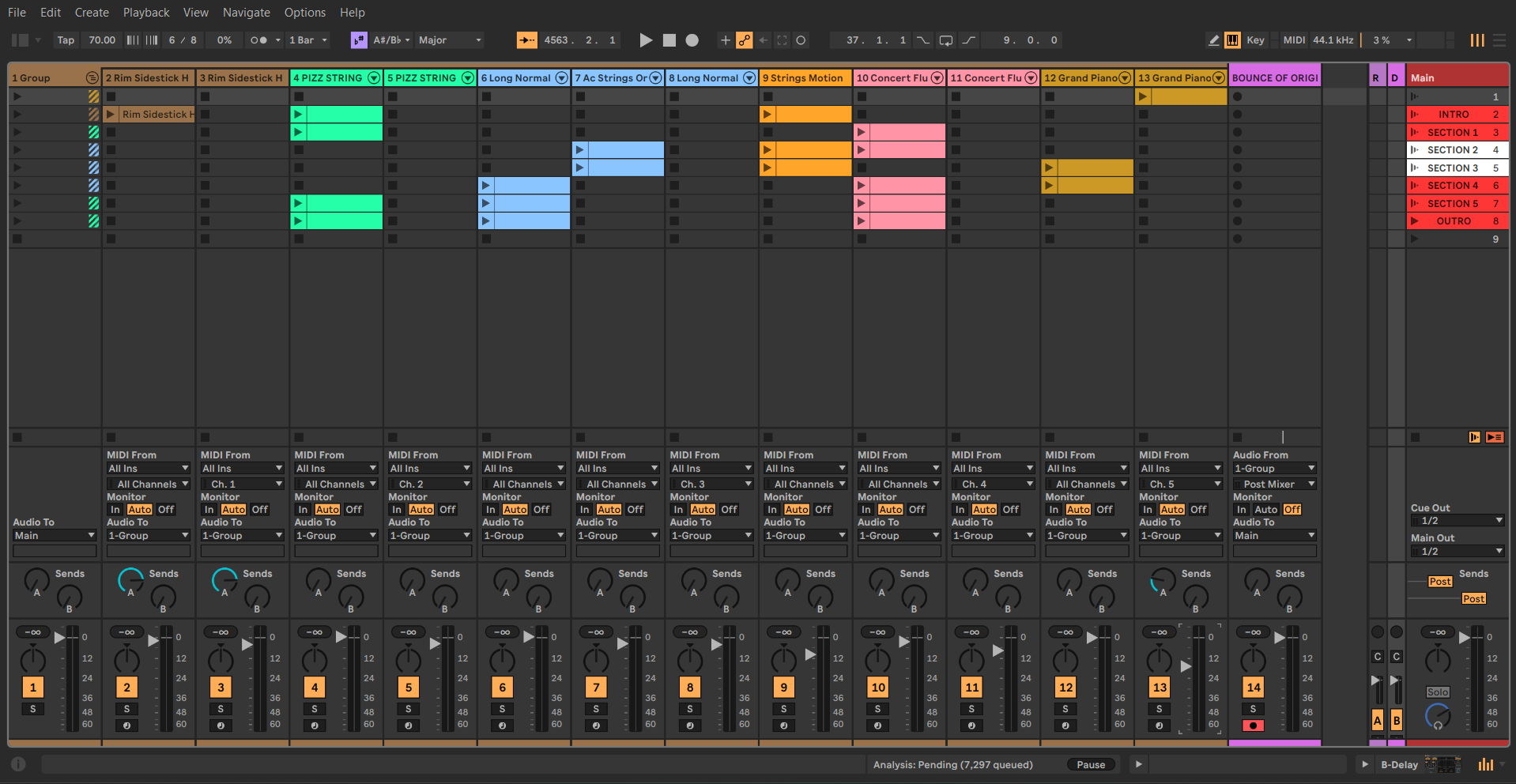
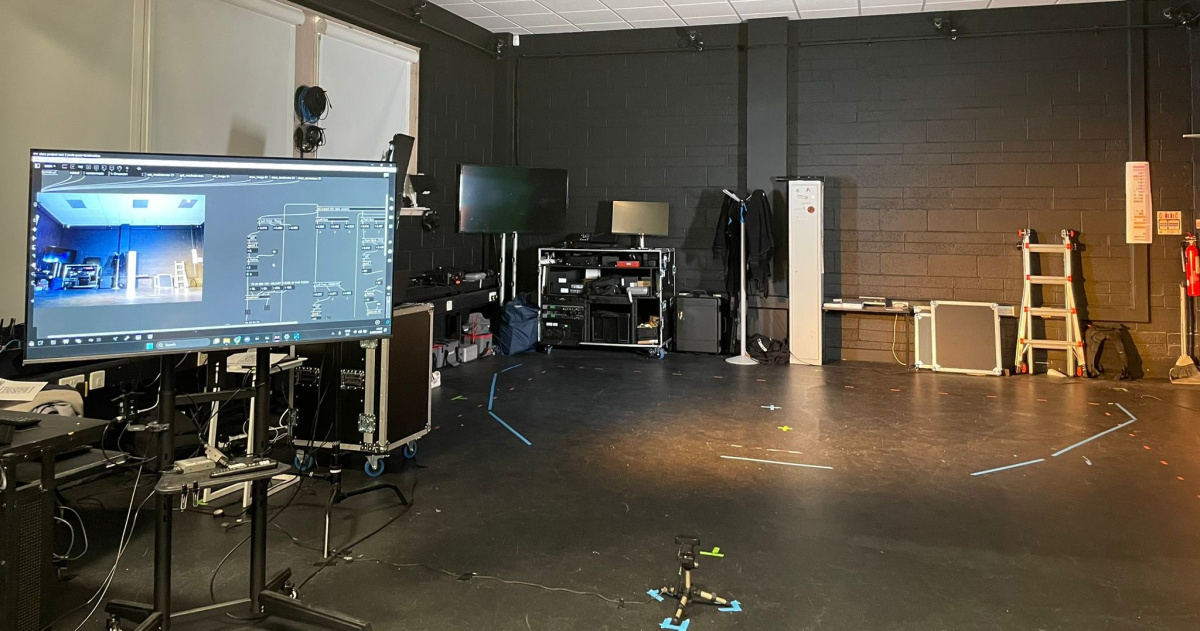
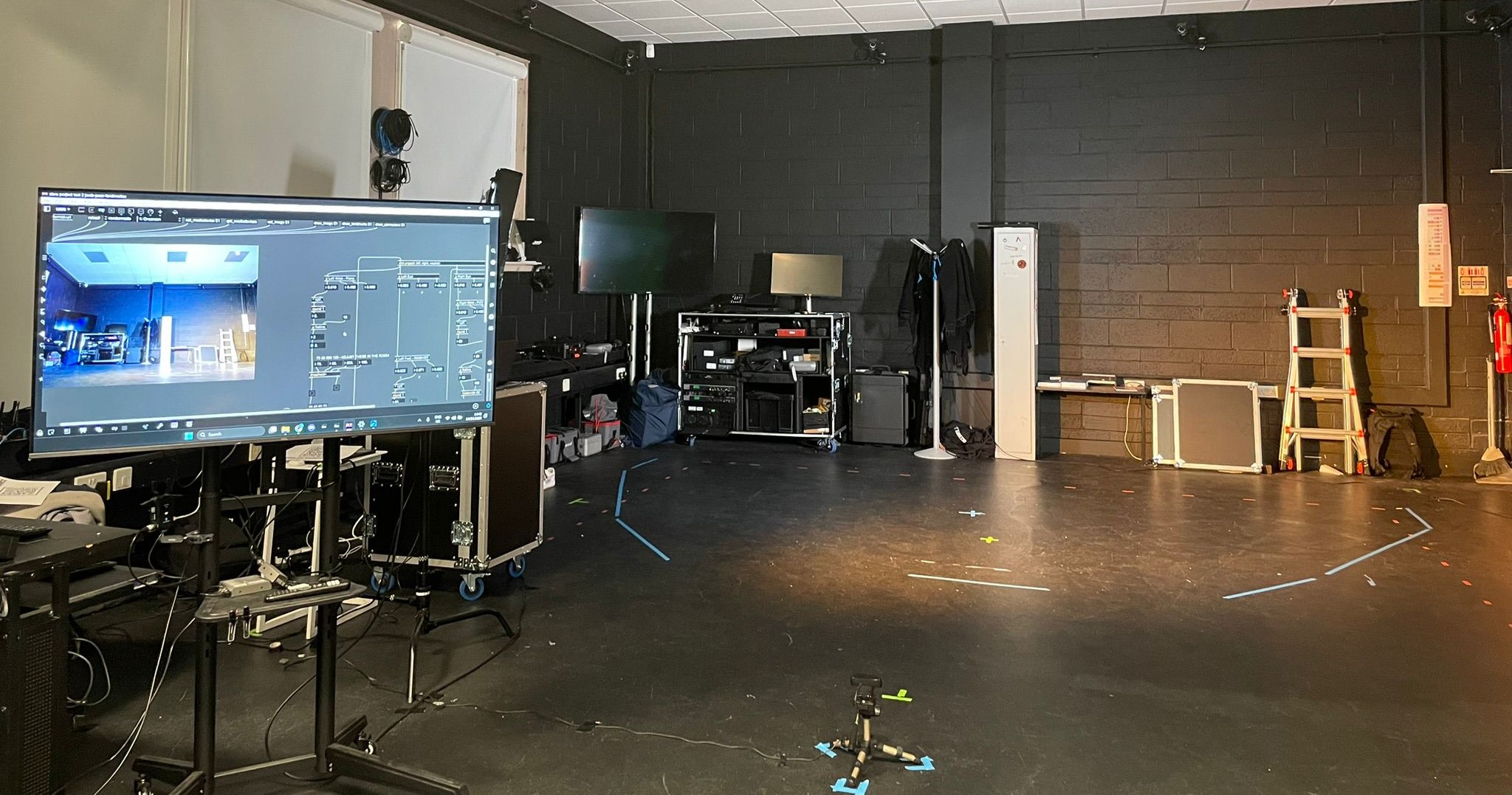
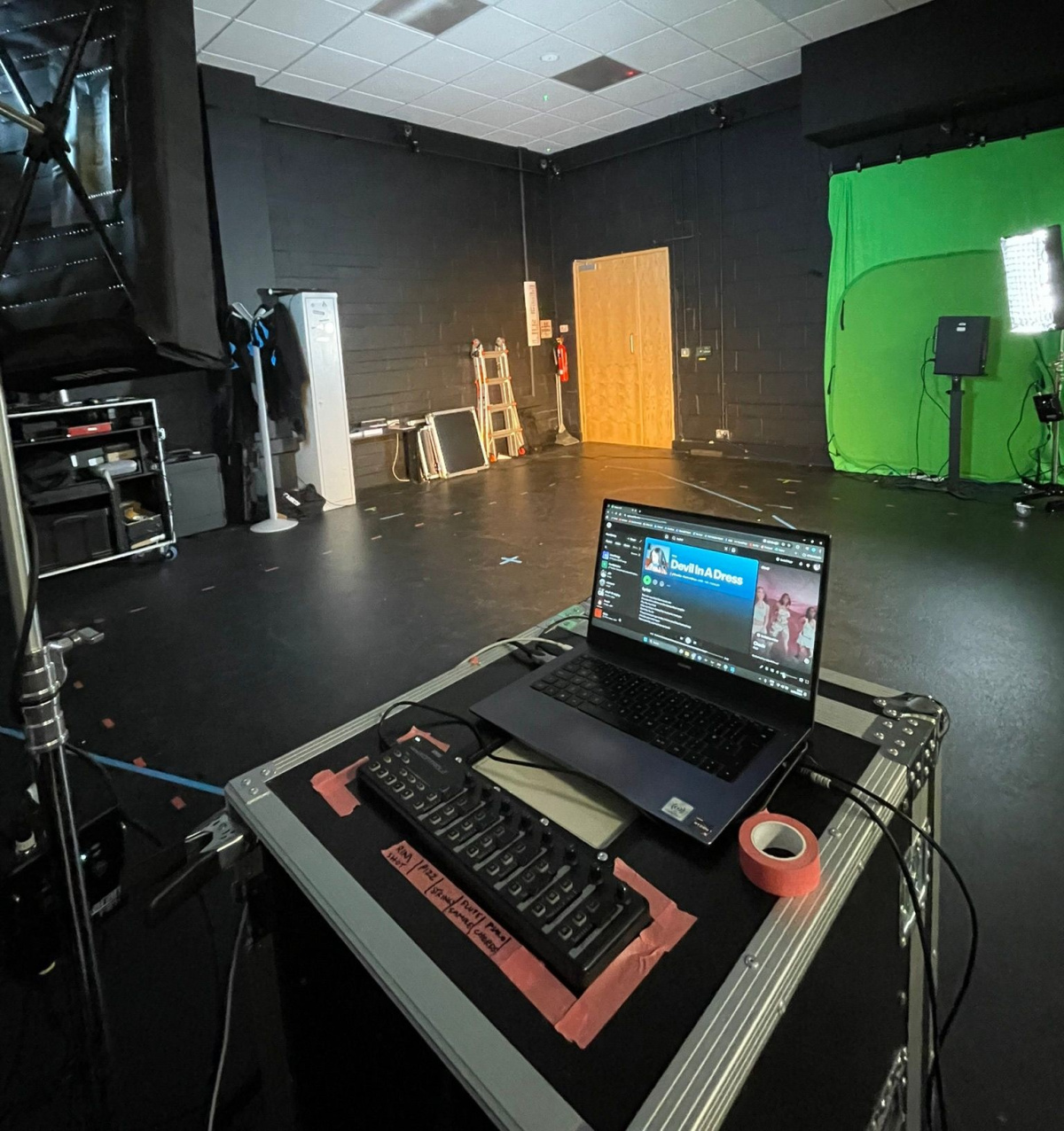
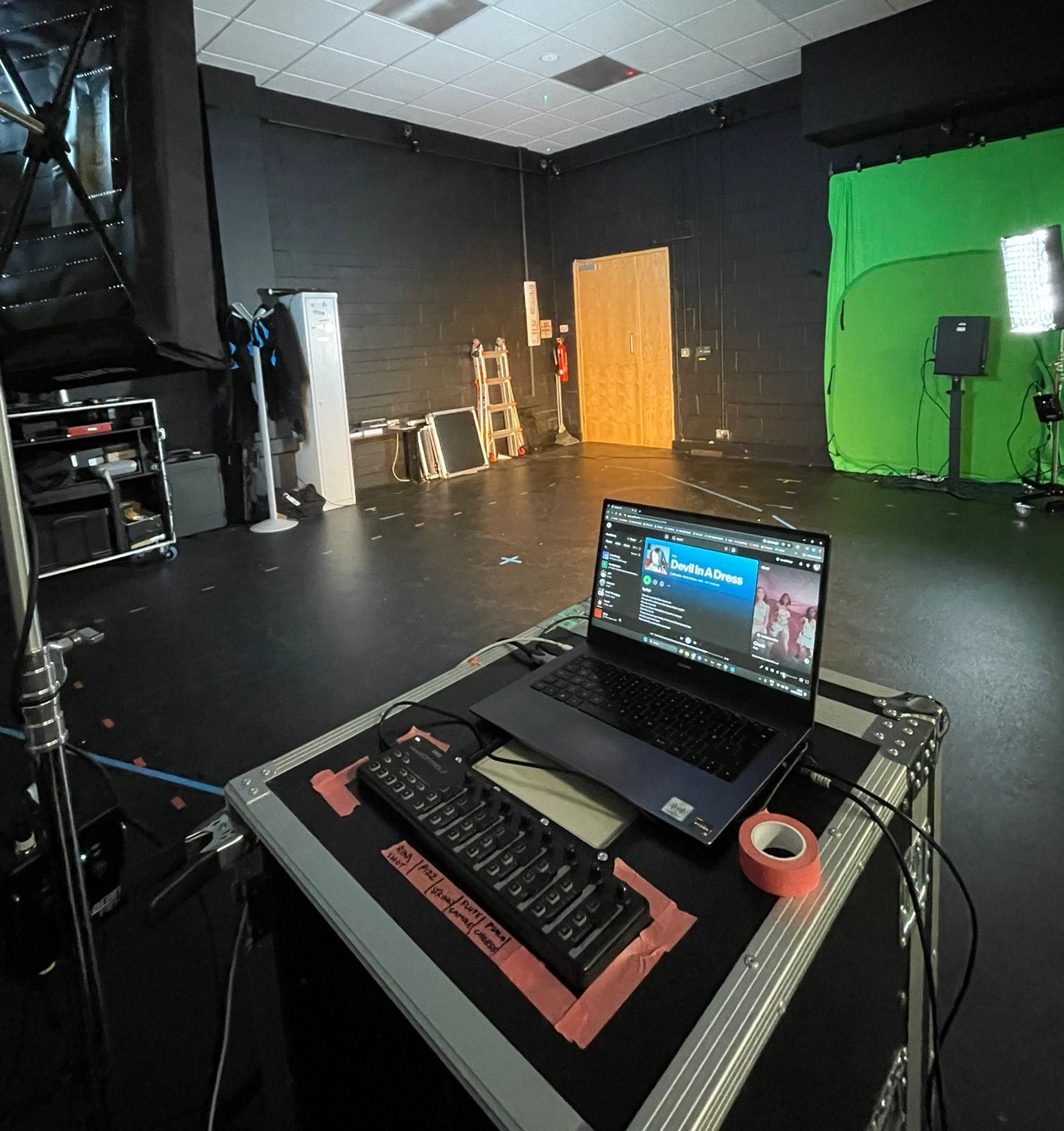
My project explores the relationship between dance and music. The artefact aims to build a functional motion-to-sound system, which dancers can use as a compositional tool; using their moves to make music.
To test the motion-to-sound system, I posed the question, "How expressive can dance be compared to music?" An experiment was conducted, which included the dancer using the system to compose music, while I composed my own music. We used prompts from Brian Eno's Oblique Strategies to express ourselves through dance and/or music.
A showcase was held in the Immersive Studio in IADT. A survey was conducted to understand audience perception of dance and music. As well as that, an interview with the dancer and my reflective journal explored each party's creative process.
The motion-to-sound system was successfully made. Overall, the system was able to produce sound through dance movement, with a few inconsistencies, in terms of the accuracy of the system. The performance and showcase was a major success, with 27 people attending in total.
In terms of the results from the survey, 40% guessed the prompt correctly from the Dancer's Version, while 25% guessed the prompt correctly from the Musician's Version. Words describing the dance like "elegant," "flowy," and "graceful," were successful in guessing the prompt. Overall, the audience that watched the Dancer's Version was more in line with the dancer's intentions.
In conclusion, the motion-to-sound system was successful as a compositional tool. The perception of dance and music vary from each other, in terms of emotional response and the portrayal of a prompt, but the relationship of dance and music is highly appreciated by audiences. Therefore, music can evoke complex emotions in someone, and by adding dance into the equation, it invokes a different experience that sometimes, music cannot do alone.
Abstract:
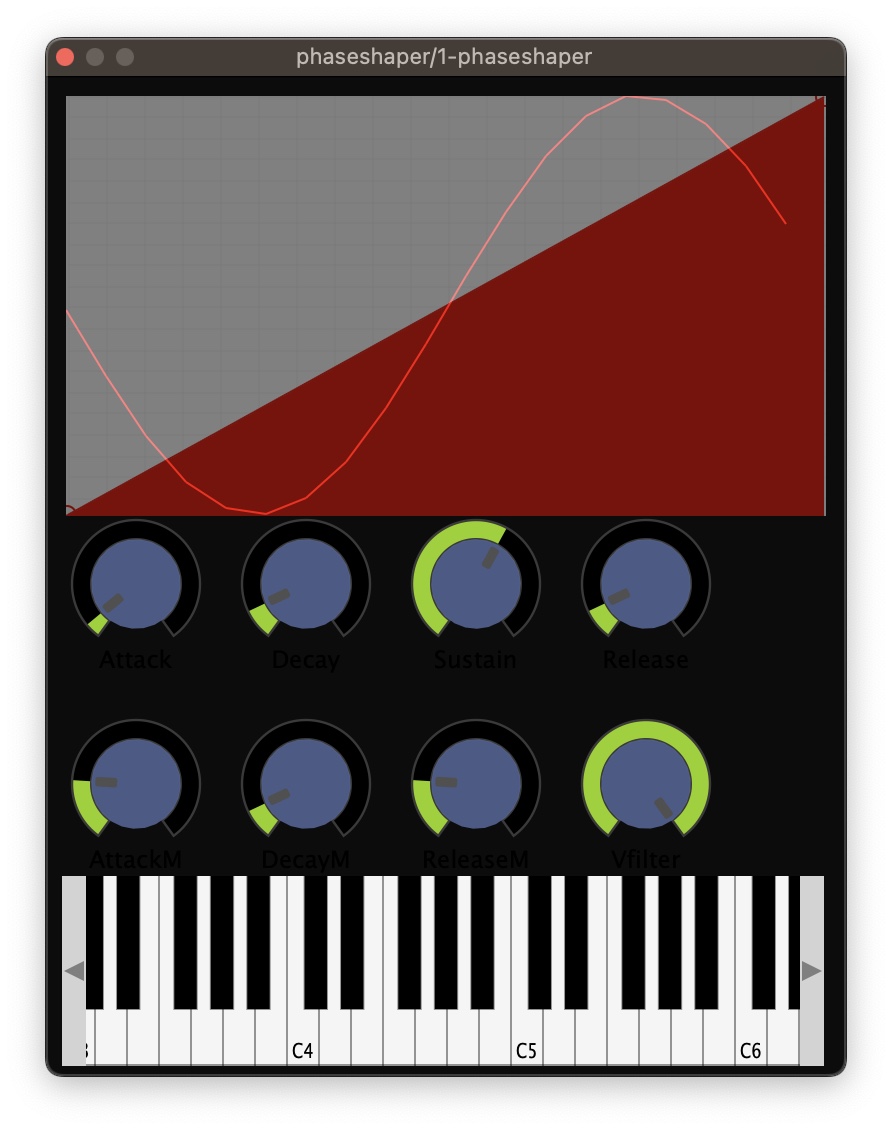
This professional project explores the expressive nature of dance and music, comparing the two through interactive music systems. The project involved the construction of a motion capture system to convert dance movements into music and sound. This system was built using MediaPipe’s motion tracking application in Max and was then linked to Ableton. The experiment included the comparison between music composed by a musician, and music composed by a dancer through the motion capture system. The measure of the experiment was the perception of a thematic prompt. Qualitative and quantitative data was collected through a showcase and survey of an audience, an interview with the dancer, and a reflective journal from the researcher/musician. The results of all data points were analysed and a conclusion was made; a dancer relies on music heavily to convey both their intentions, as well as the musician’s intentions through music.
My name is Ciara June Baui. I am 21 years old and I have been passionate in music since I was young. From studying classical music theory and violin at the age of 6, to present day, having released my own music under my artist name, "ciara june". Throughout my time in this course, I have developed a love for song writing, performing, composing and producing. I wish to develop on these passions and venture out into the music industry as an independent artist and composer.