Rue Solomon
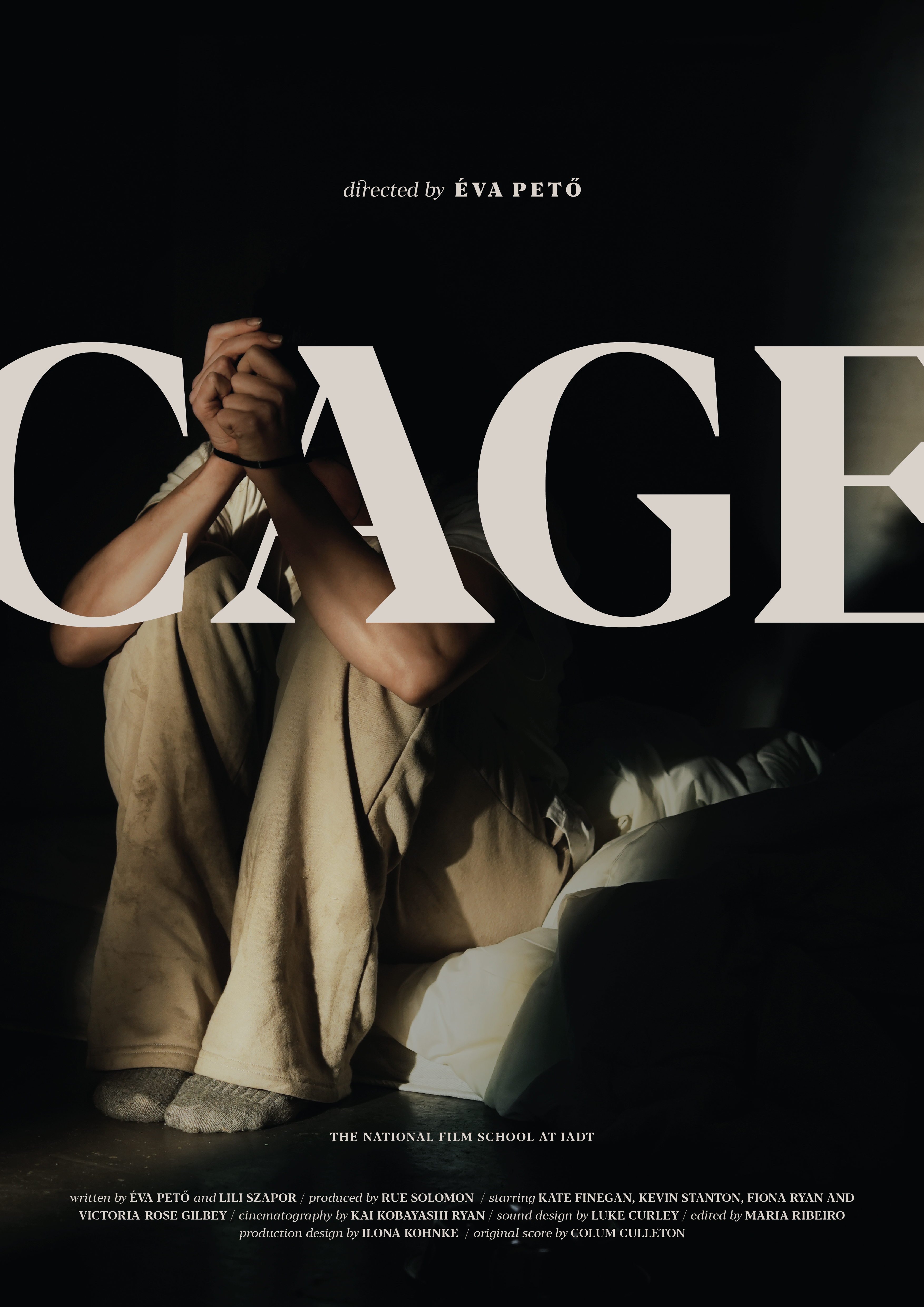
During my final year, I produced two graduate short films: the psychological drama 'Cage' dir. Éva Pető, and period horror 'Remembered, if Outlived' dir. Keita Prokopčenko. I also undertook several cinematography workshops.












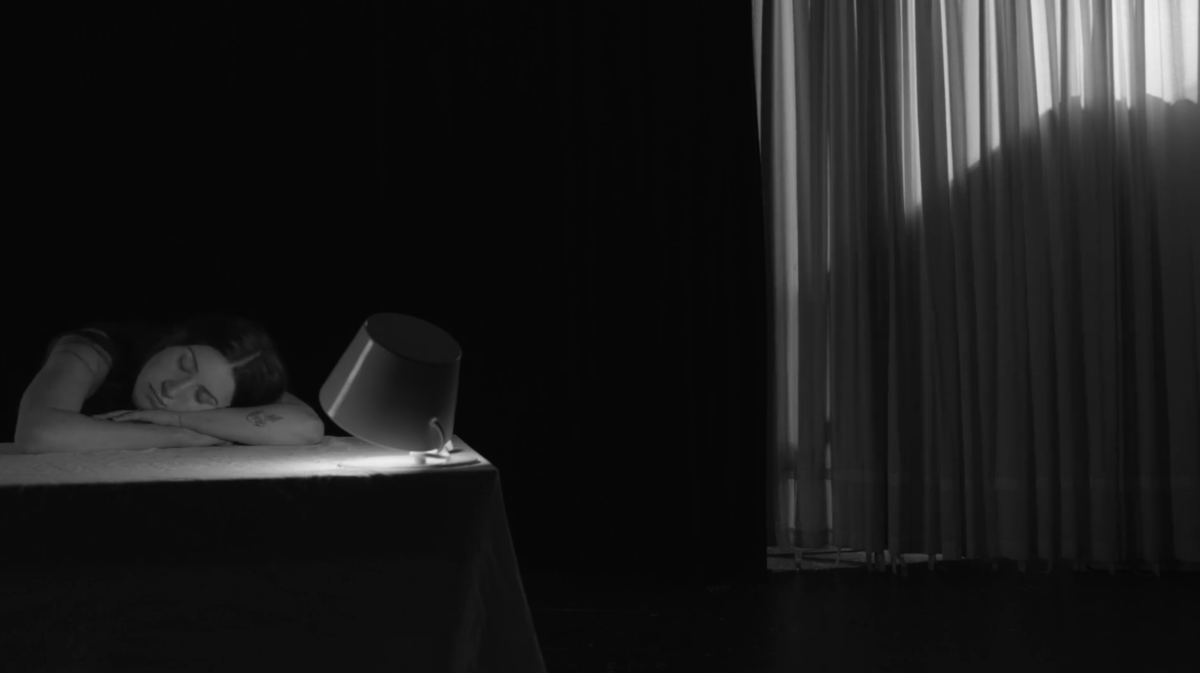
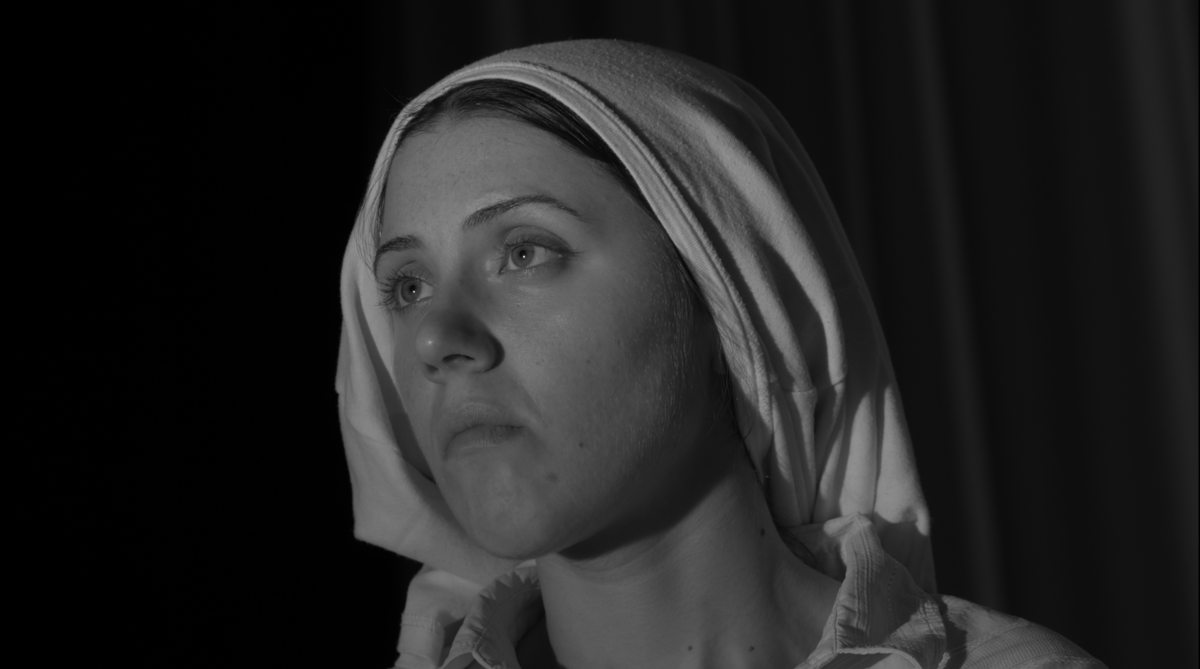
(Producer)
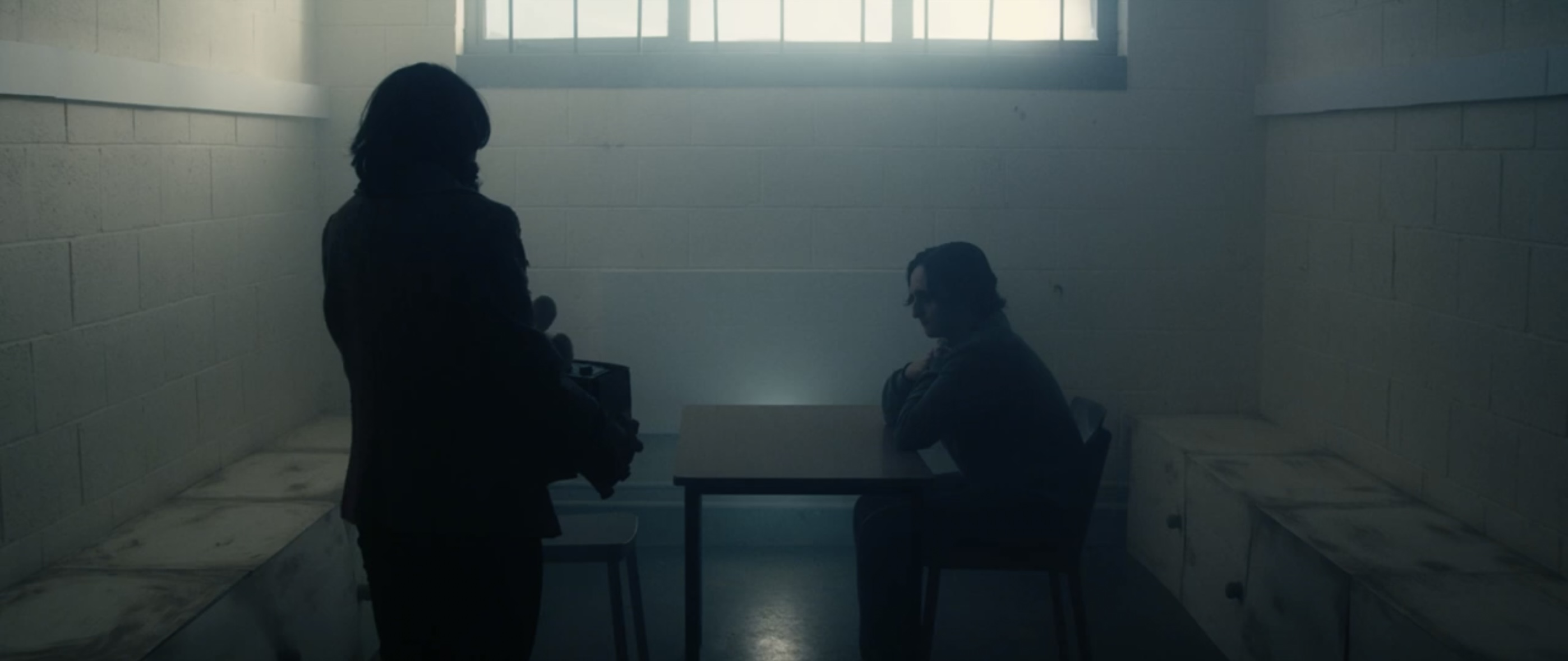
Elena finds herself locked in a cellar by a strange man. After her escape, she thinks the torment is over, but when she finally speaks with the detectives, she soon discovers that she was never truly freed, but simply locked in another prison. The accusations only confuse her more, and she is forced to face her hidden memories. But what will it take to finally get out of this cage?
(Producer)
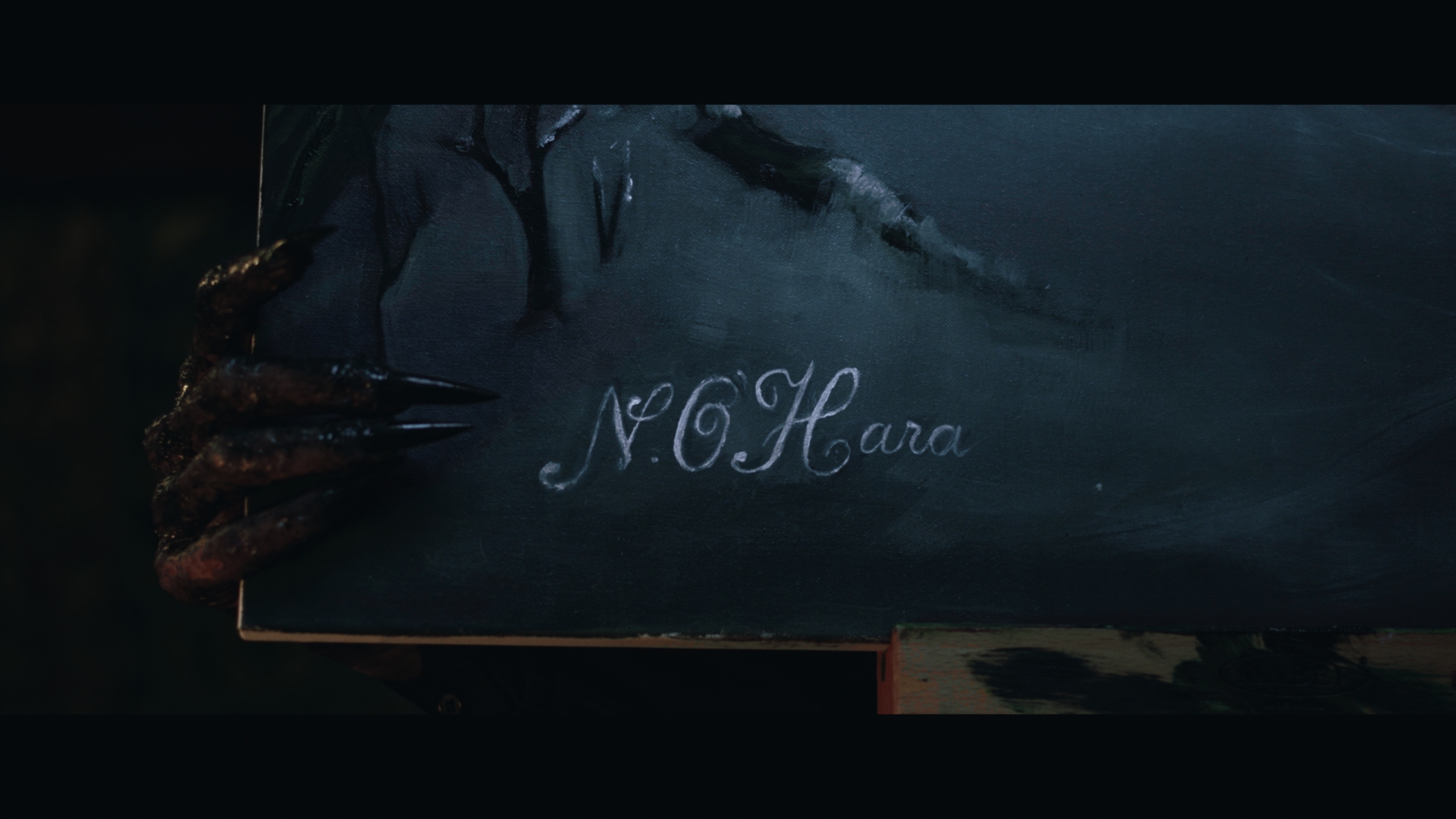
In the early 1800s, talented painter Nora O’Hara lives under the suffocating rule of her abusive and domineering father. Nora learns of an arranged marriage to take place which deepens her already depressive state. Her immobile and mute mother serves as a reminder of what her fate could be if she refuses. However, another deeply haunting option for freedom is born in the form of a dark ghostly figure, which begins its possession over Nora
In this thesis, I aim to explore portrayals of Kristeva’s concept of abjection on screen, specifically focusing on Crash (dir. David Cronenberg, 1996), in order to understand the motives and opportunities it poses. I will argue that abjection is not bound to be a destabilising identity, offering instead a fertile ground for self-discovery and emancipation. To support this claim, I endeavour to undertake a detailed examination of this film, both at the narrative and visual level, and use this as a foundation to explore further examples of abjection in other works, drawing from the fields of psychoanalysis, theology, sociology and philosophy, as well as from films of the New French Extremity. Utilising my interest in and knowledge of cinematography, I will then argue that David Cronenberg’s stylistic choices and Peter Suschitzky’s camerawork pull the viewer into the possibilities of abjection whilst refraining from indulging in the shock value implied by the subject or making any sort of moral judgement in the process.