Aoife Rees
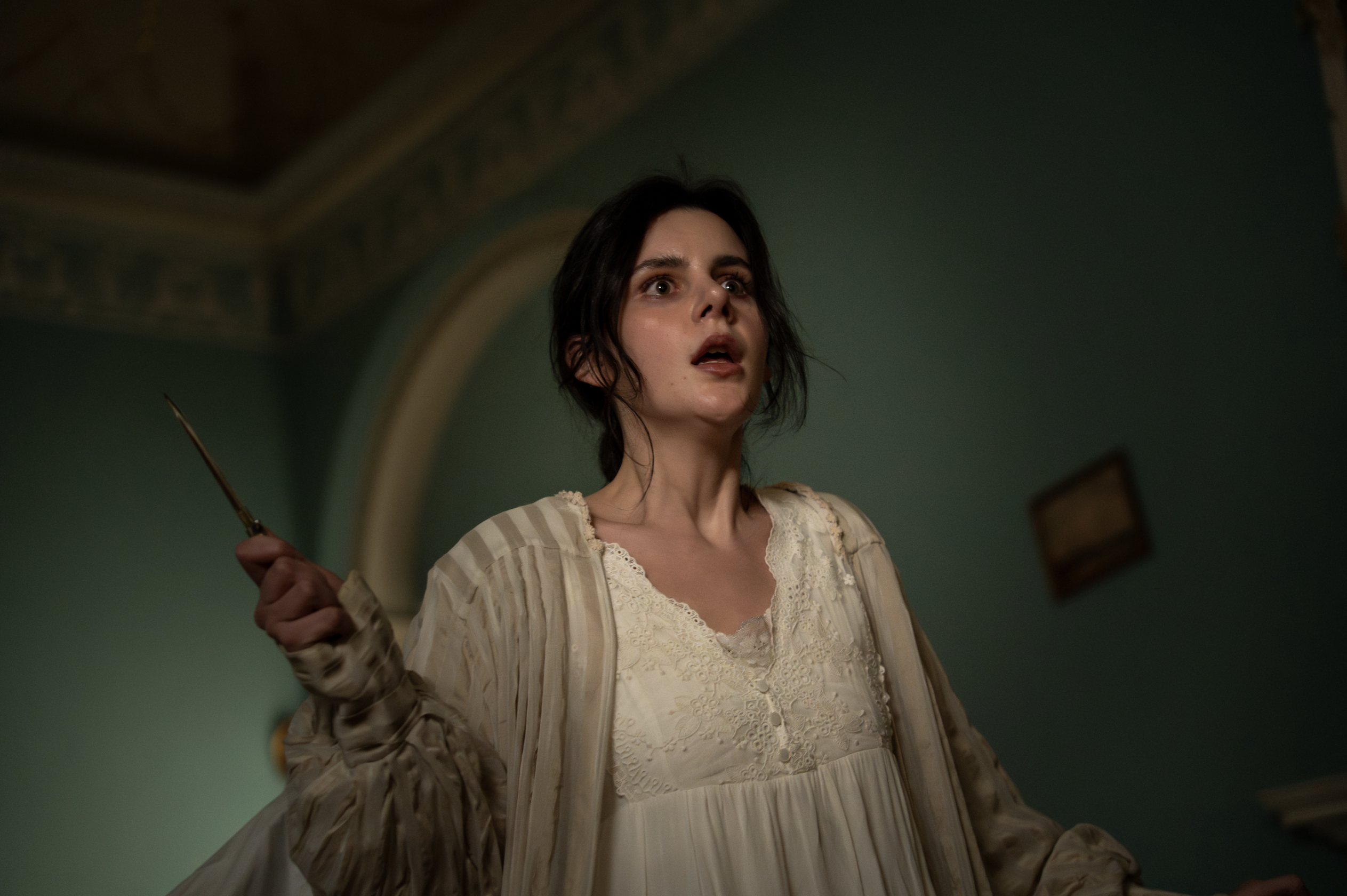
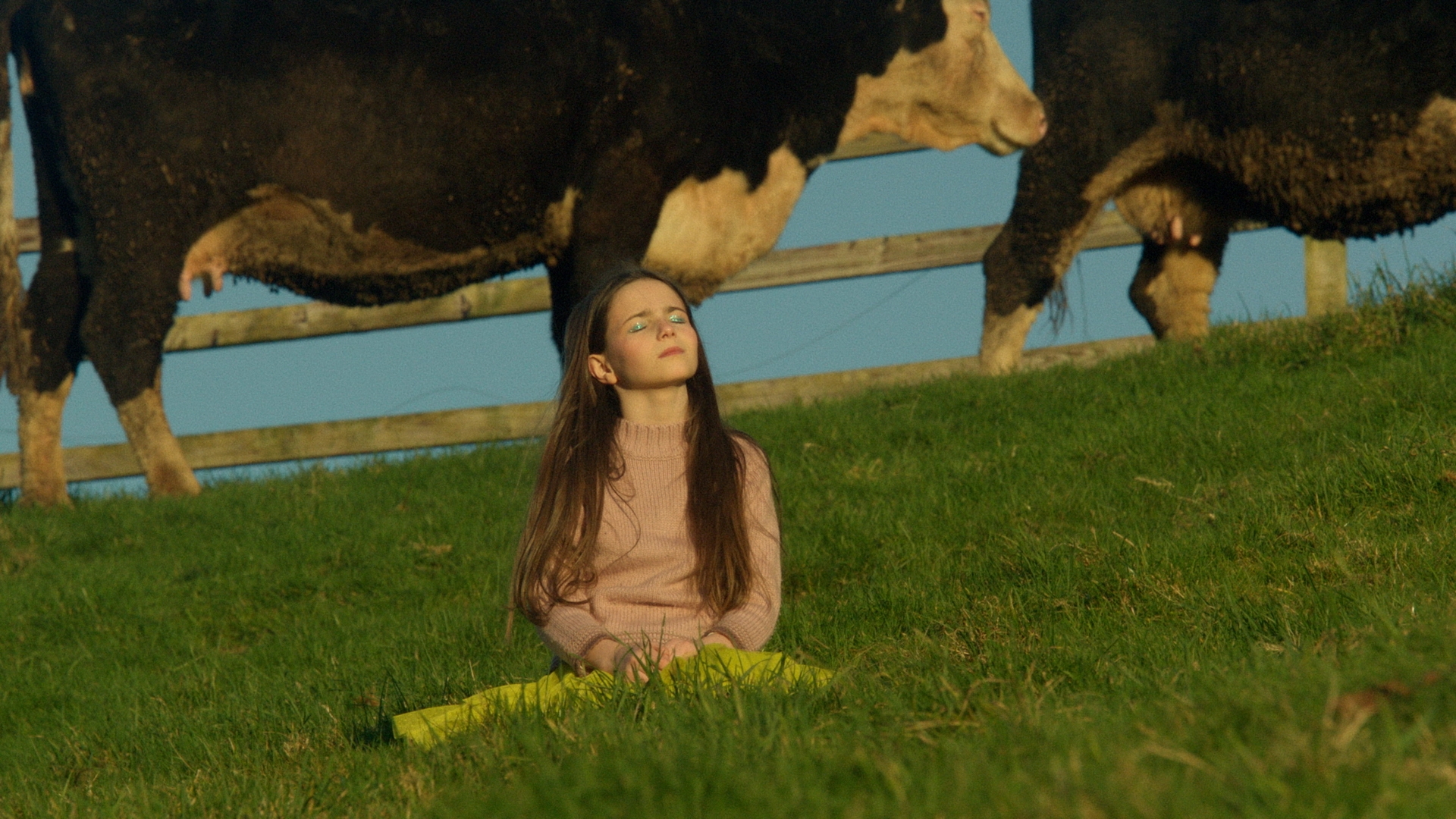
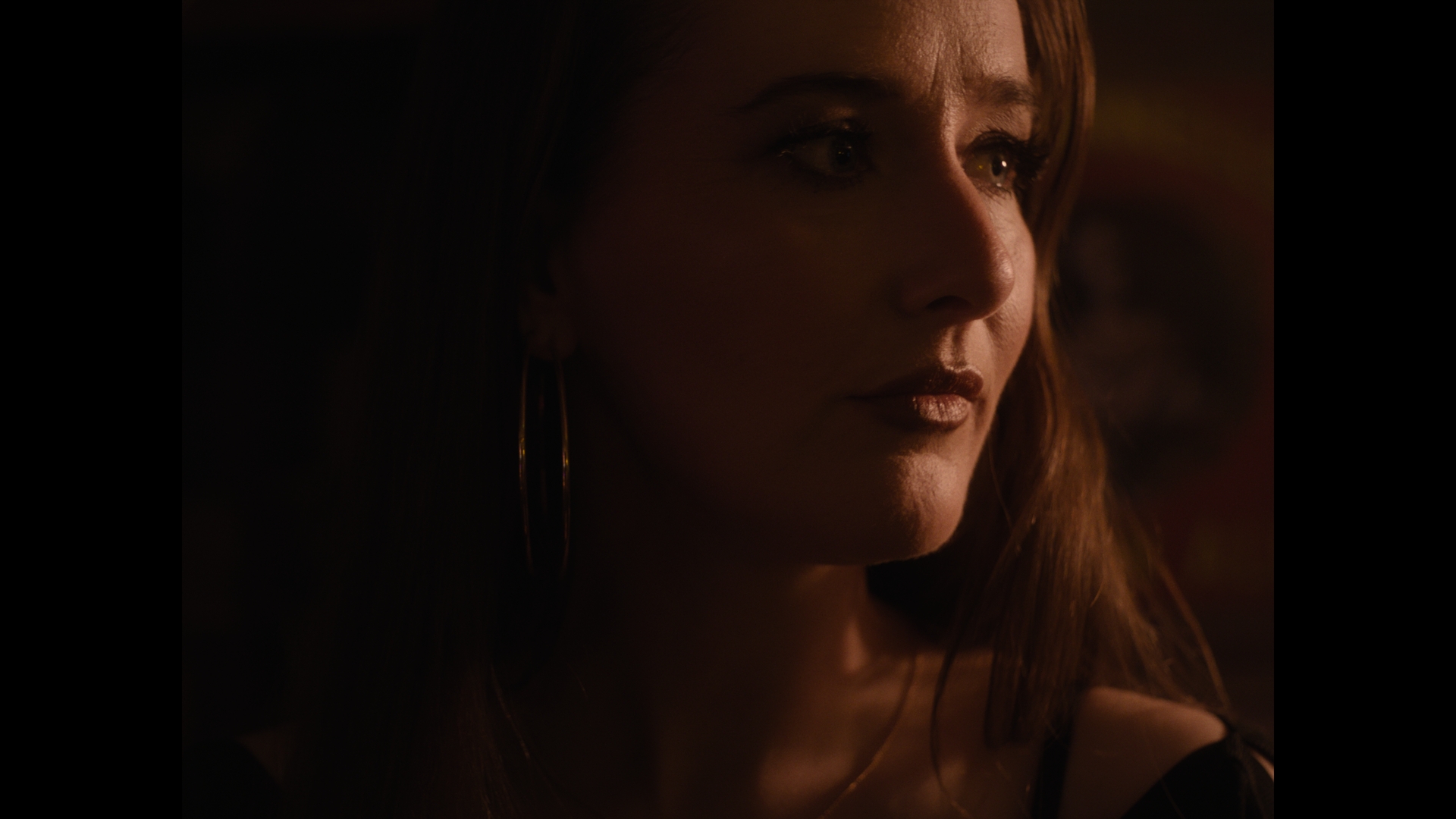
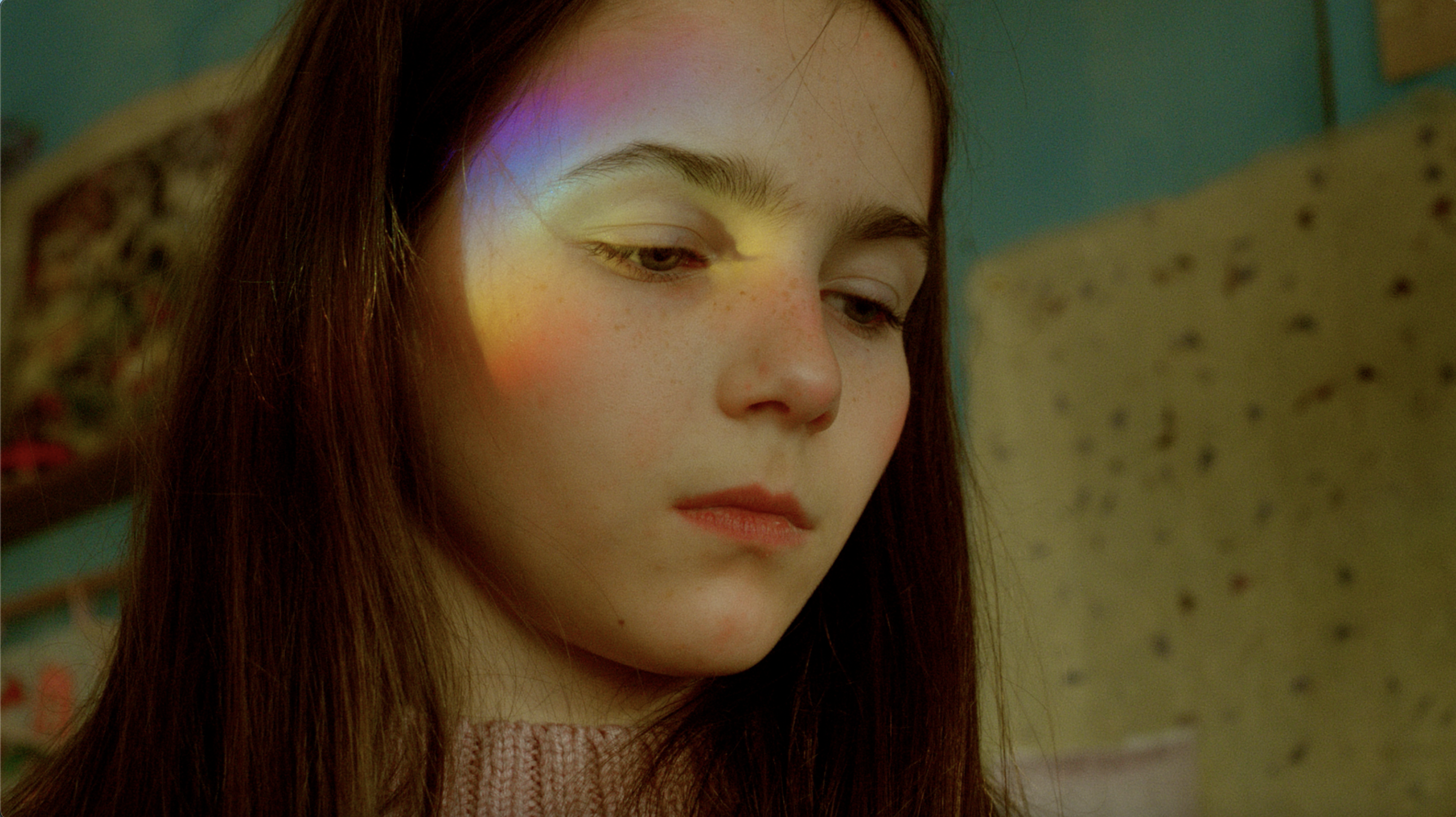
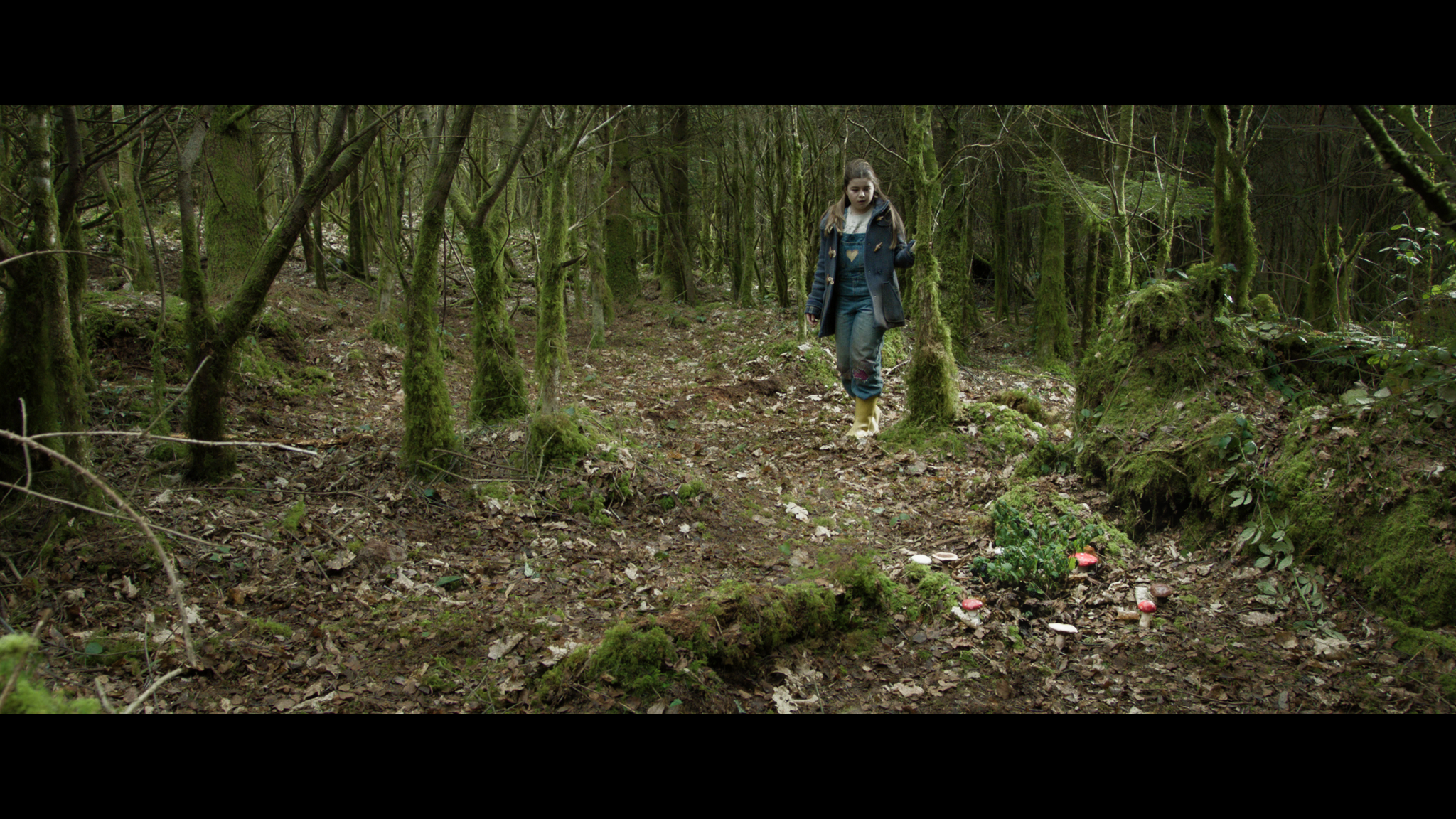
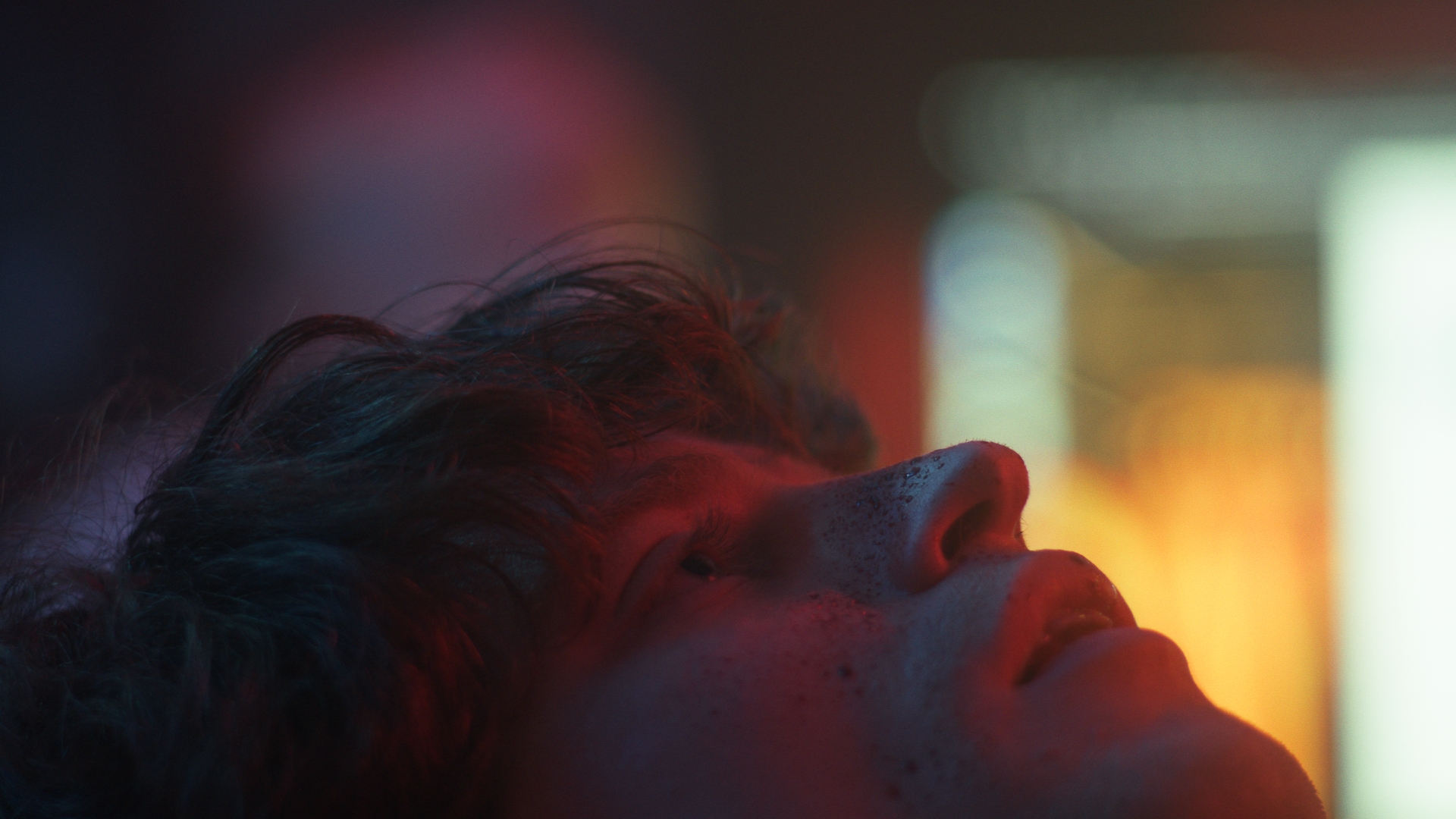
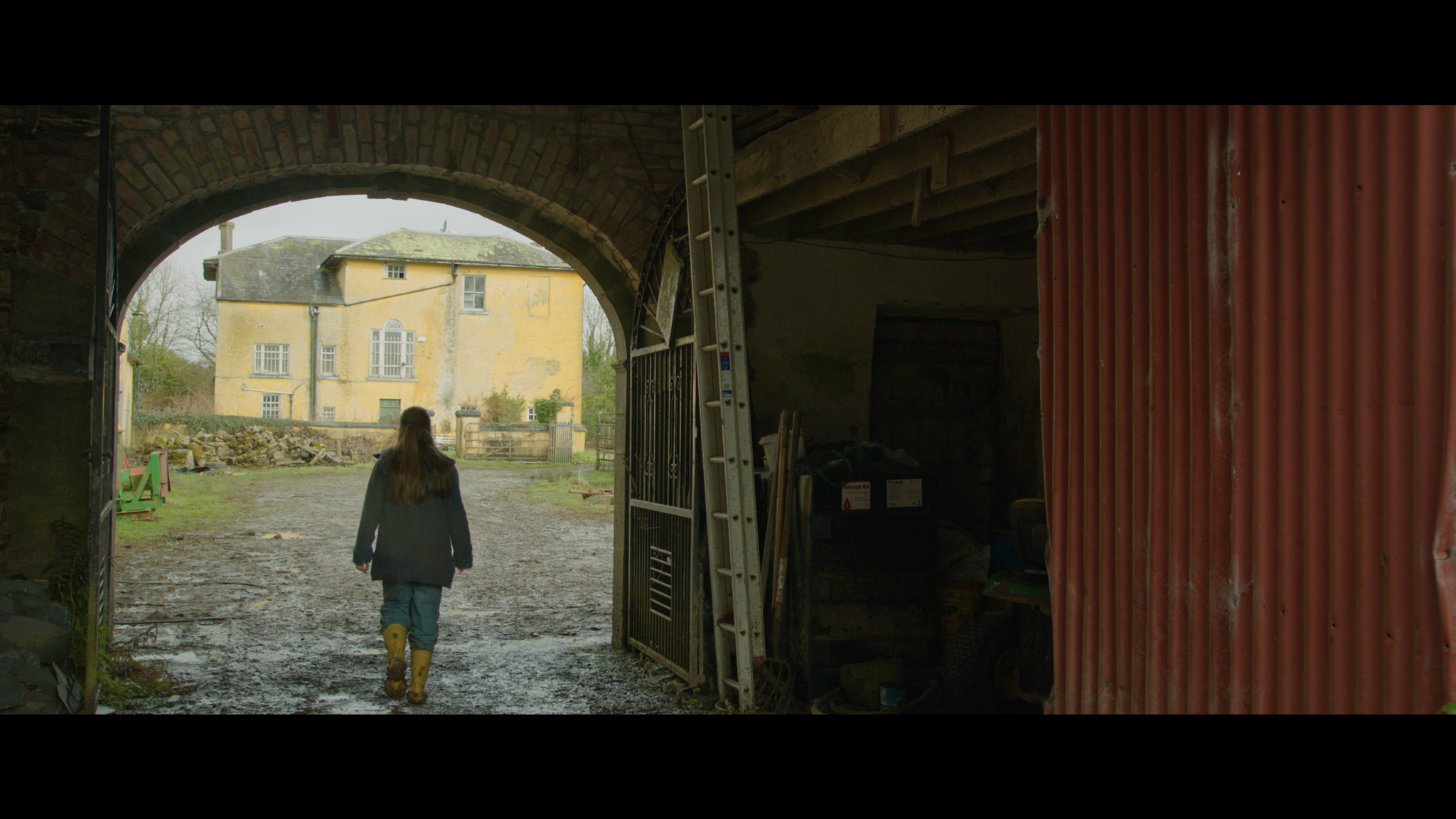
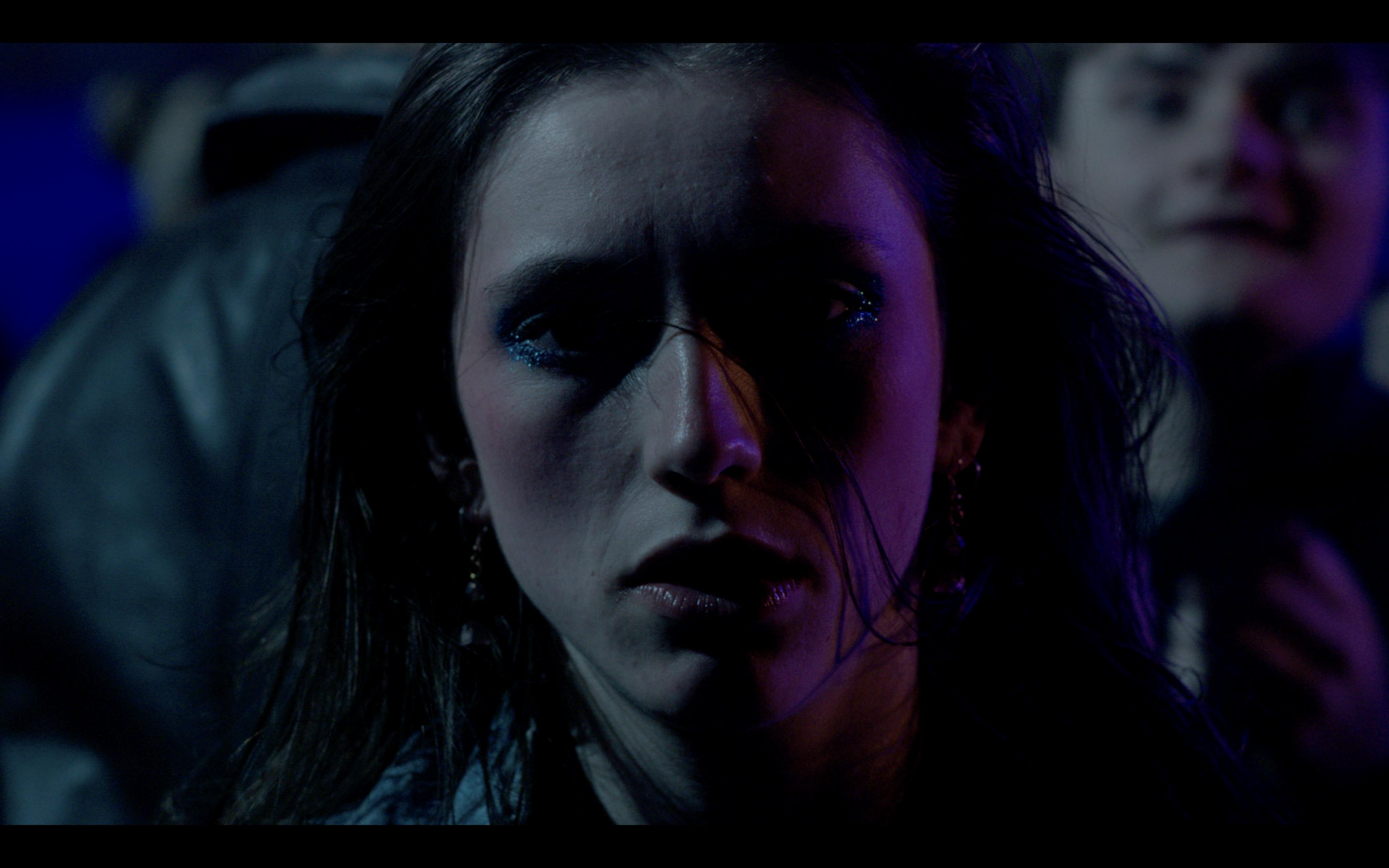
Seventeen-year-old George Lacey does not fit in. She’s a weirdo amongst her conforming peers and a conformist amongst her weirdo family. Only the cows are kind to her.
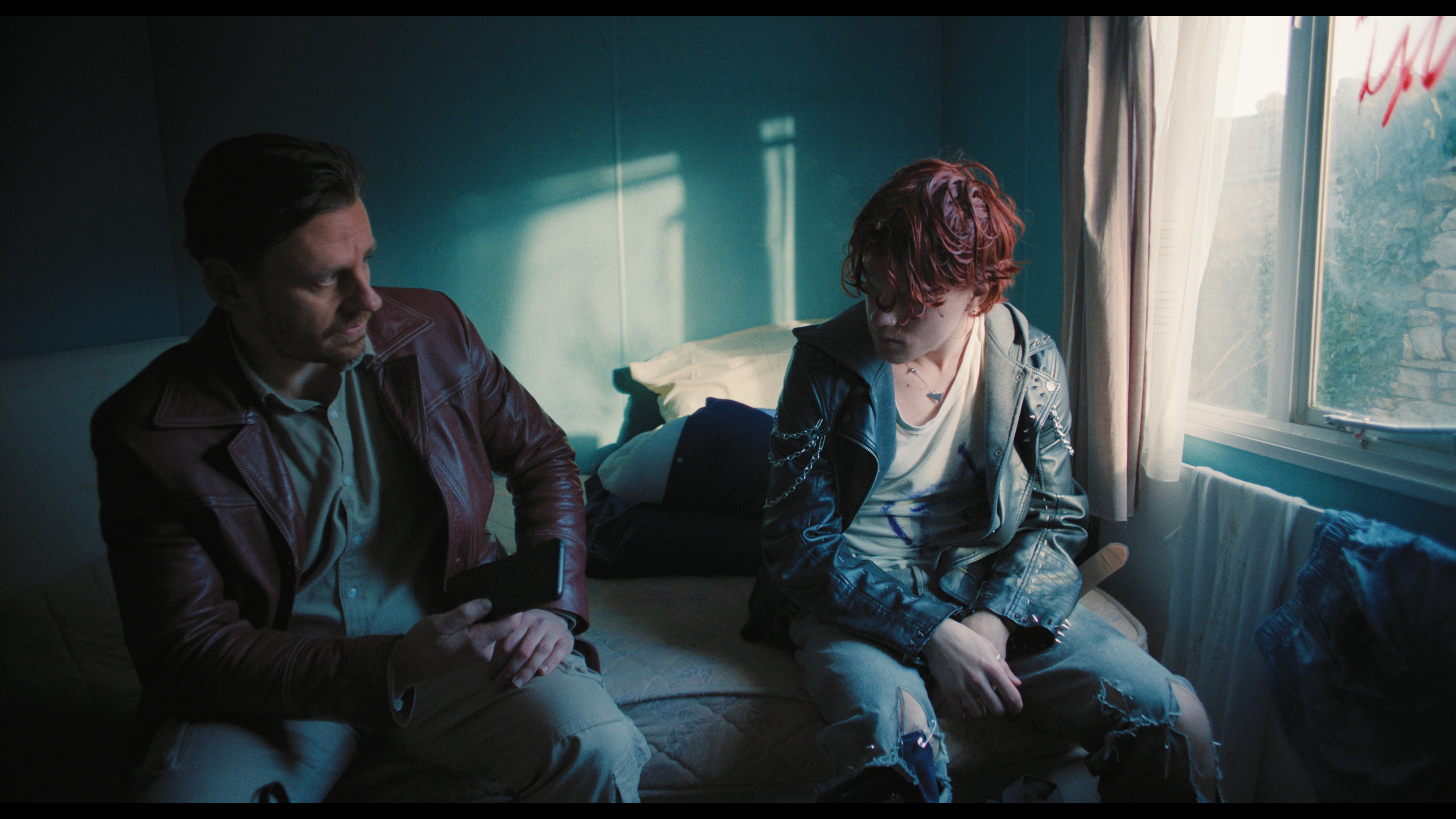
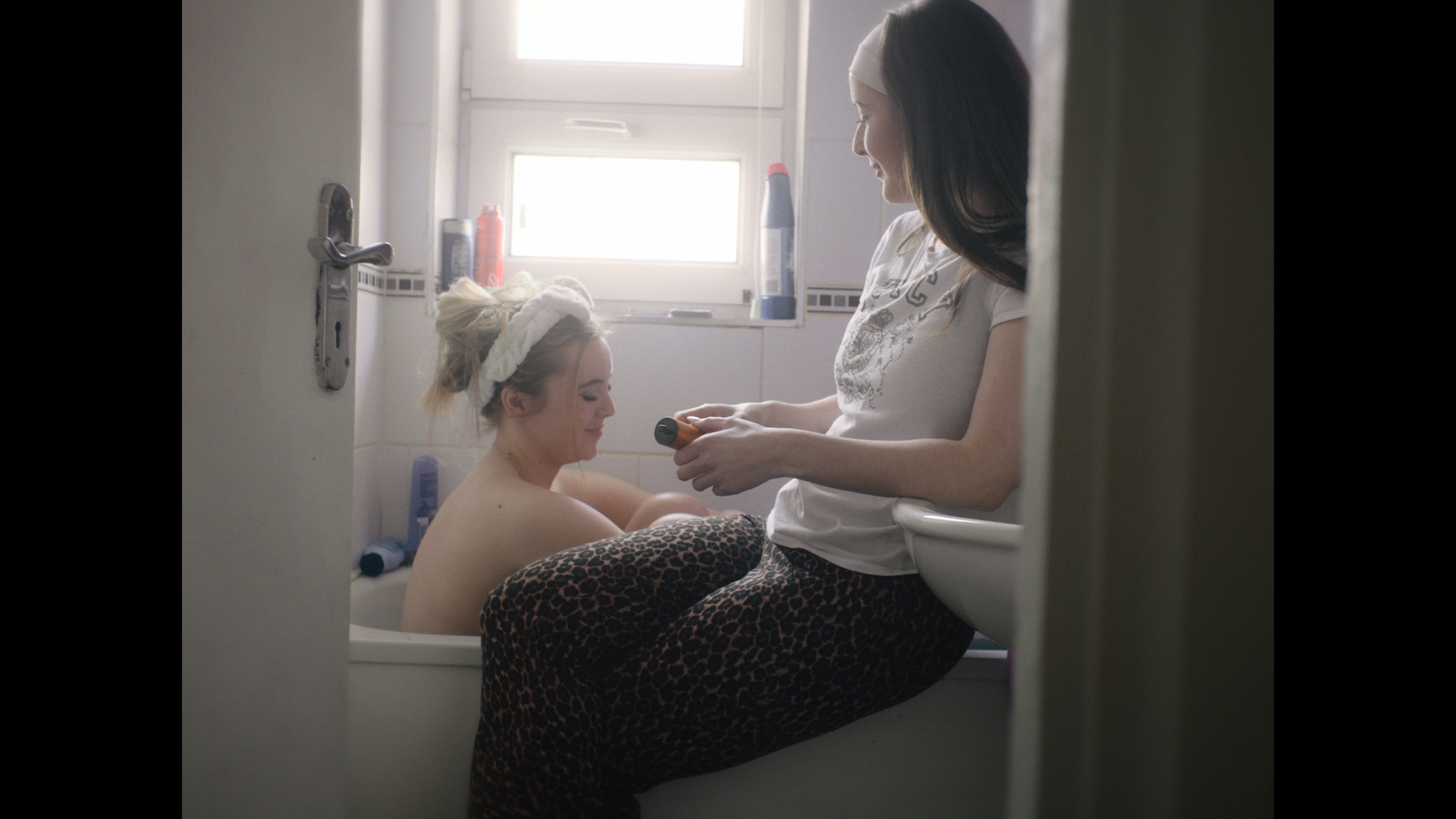
The real world calls to George. Tonight she answers. She goes to her first disco, wears her first face of make-up, steps into the real world for the first time. Her family does not let her go easy. George must come head to head with the world her family has taught her nothing about, the world that she hasn’t been taught to survive.
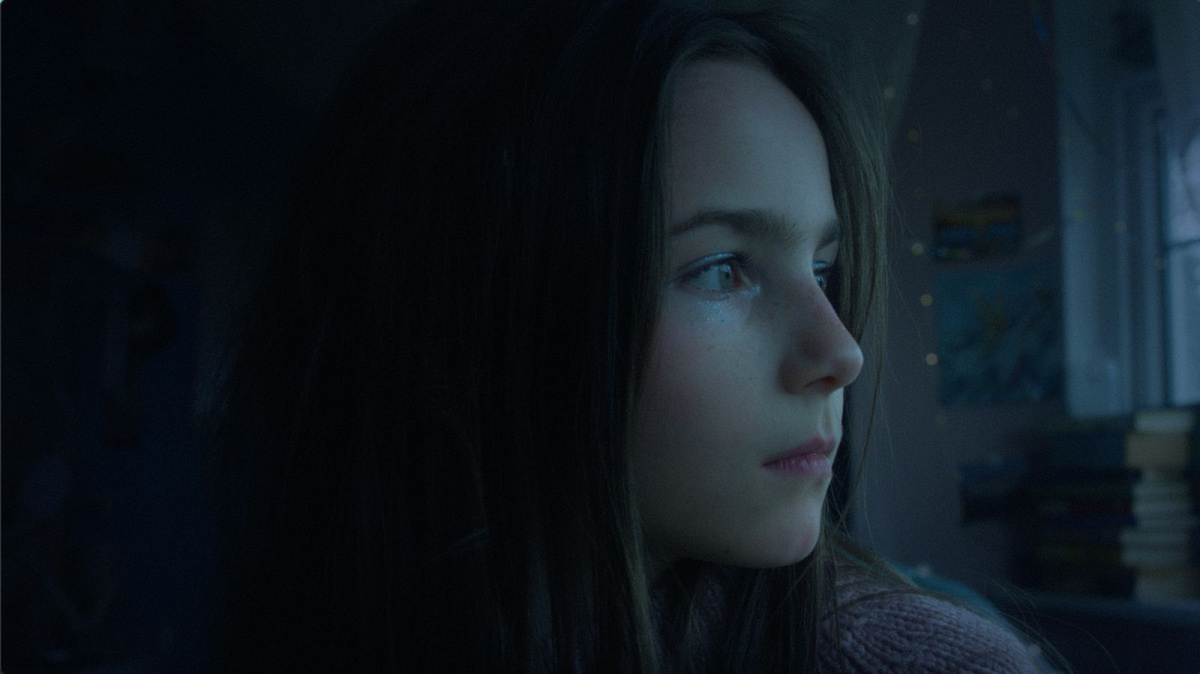
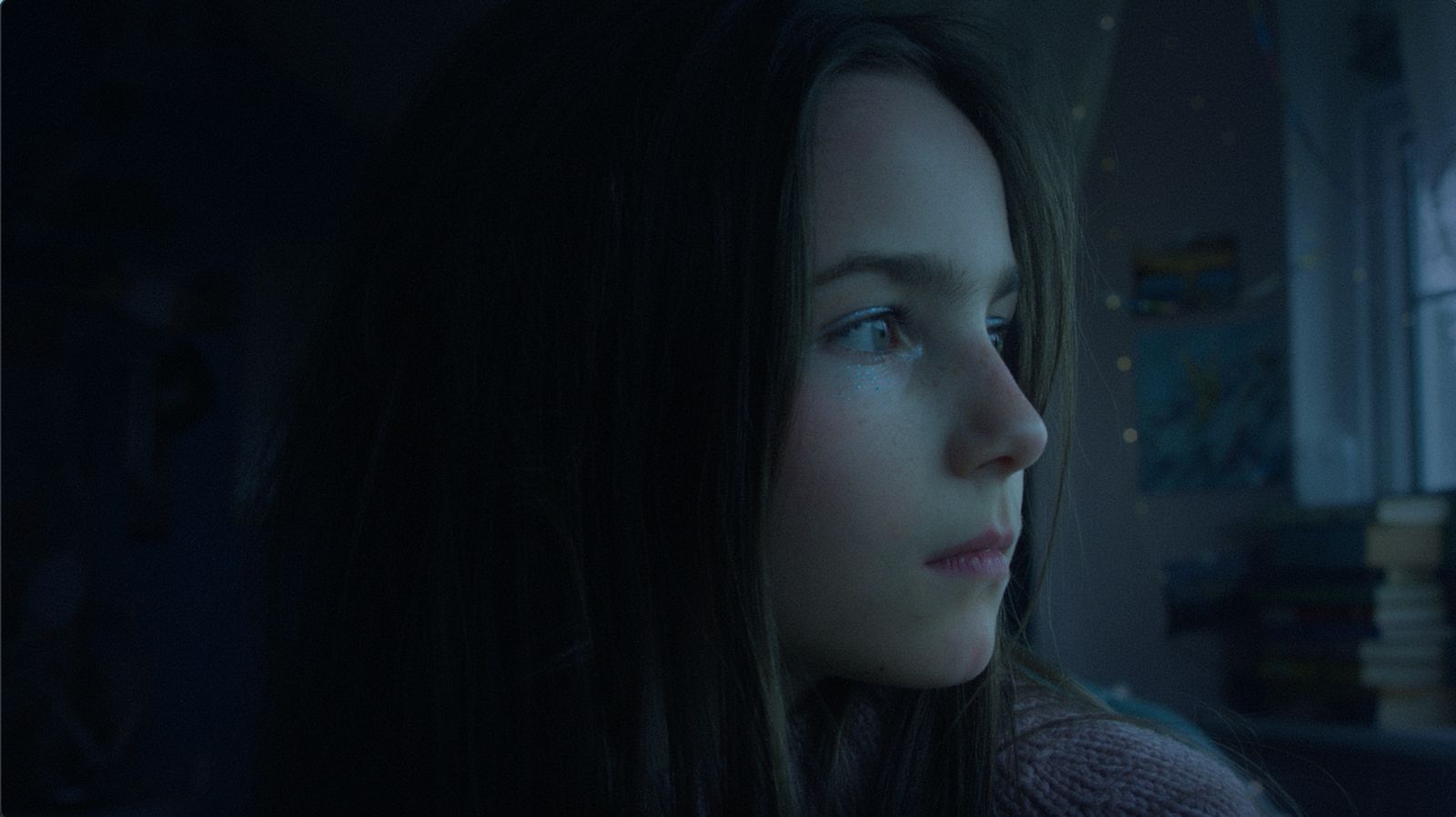
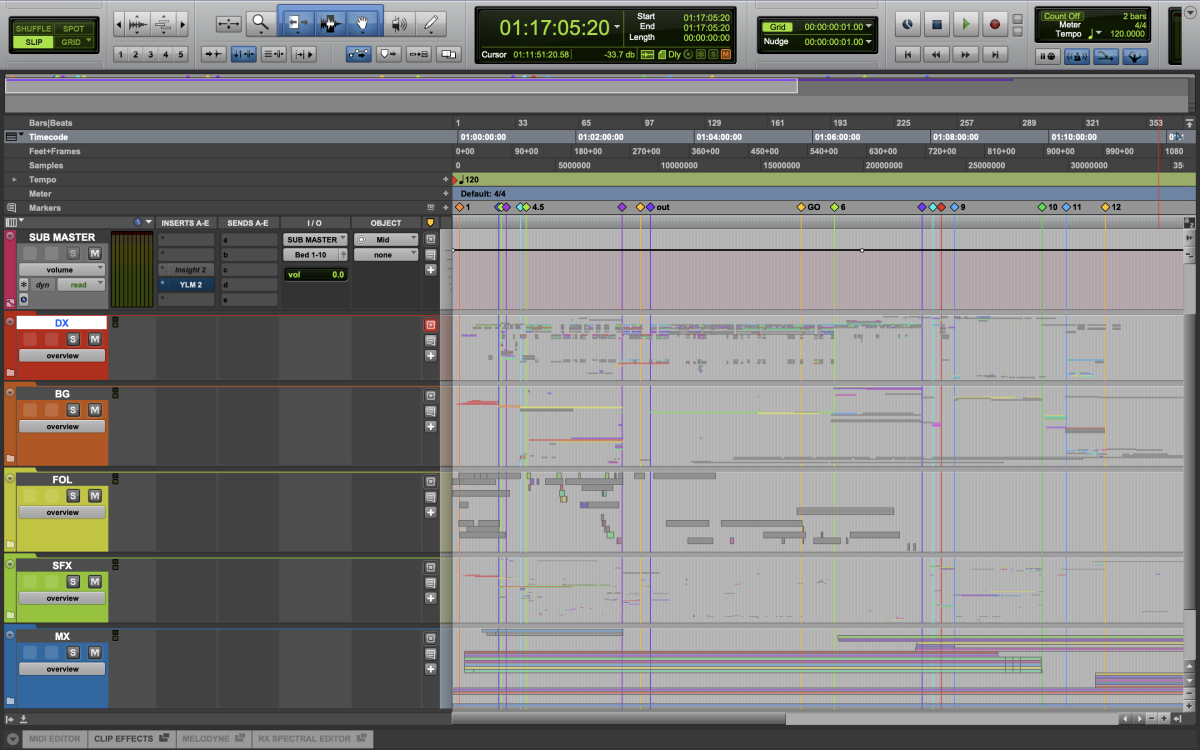
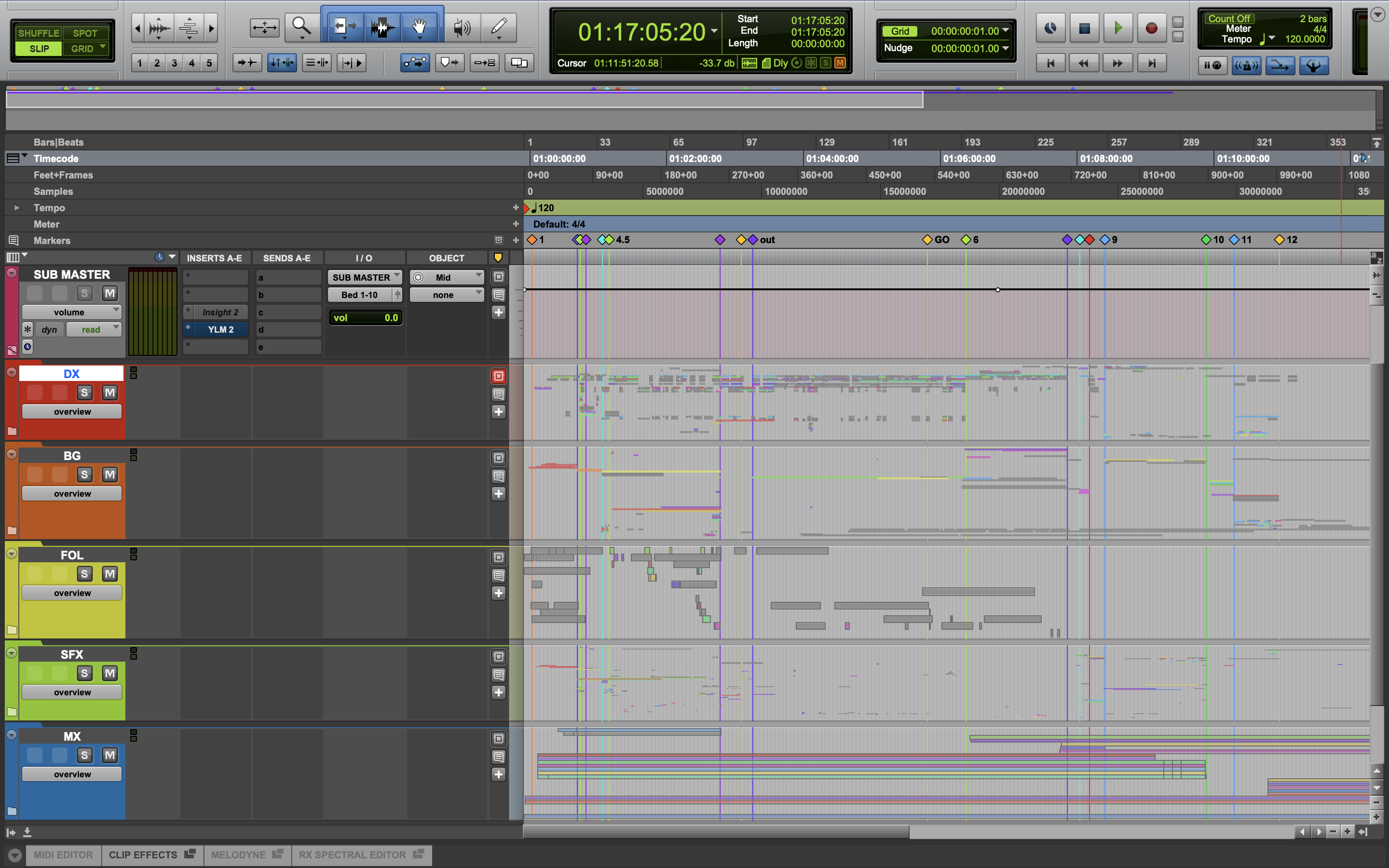
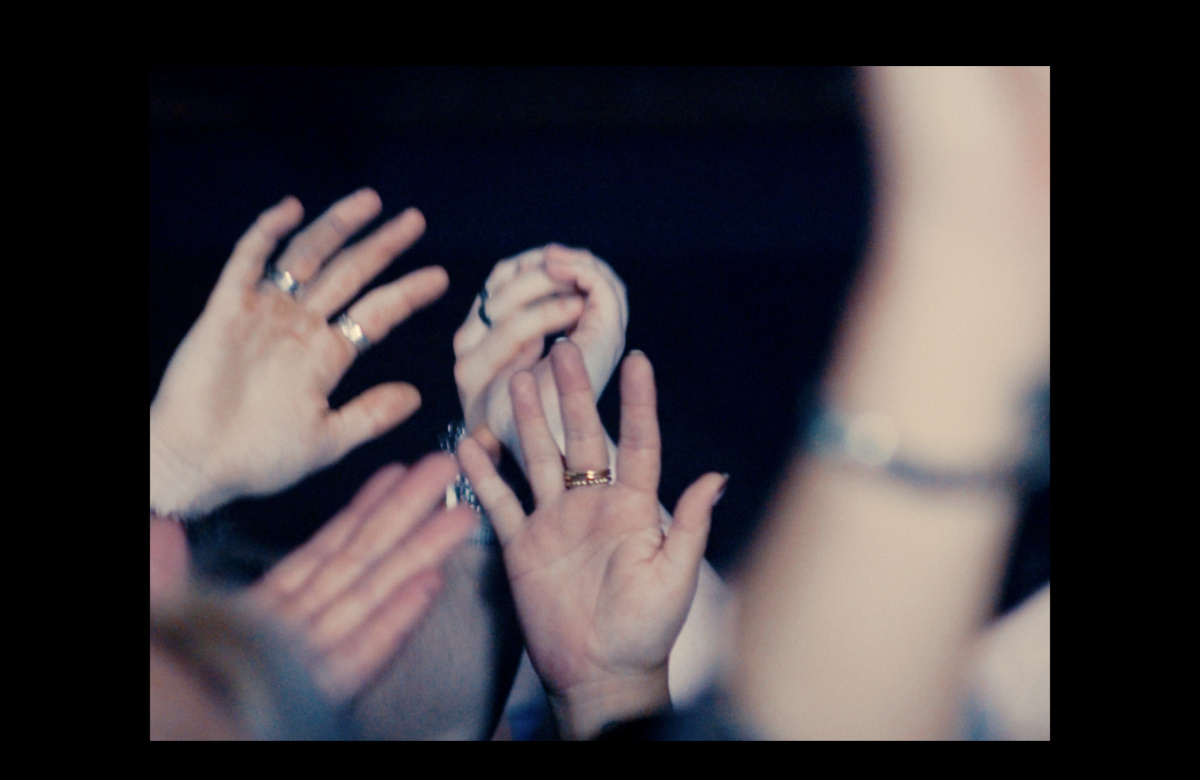
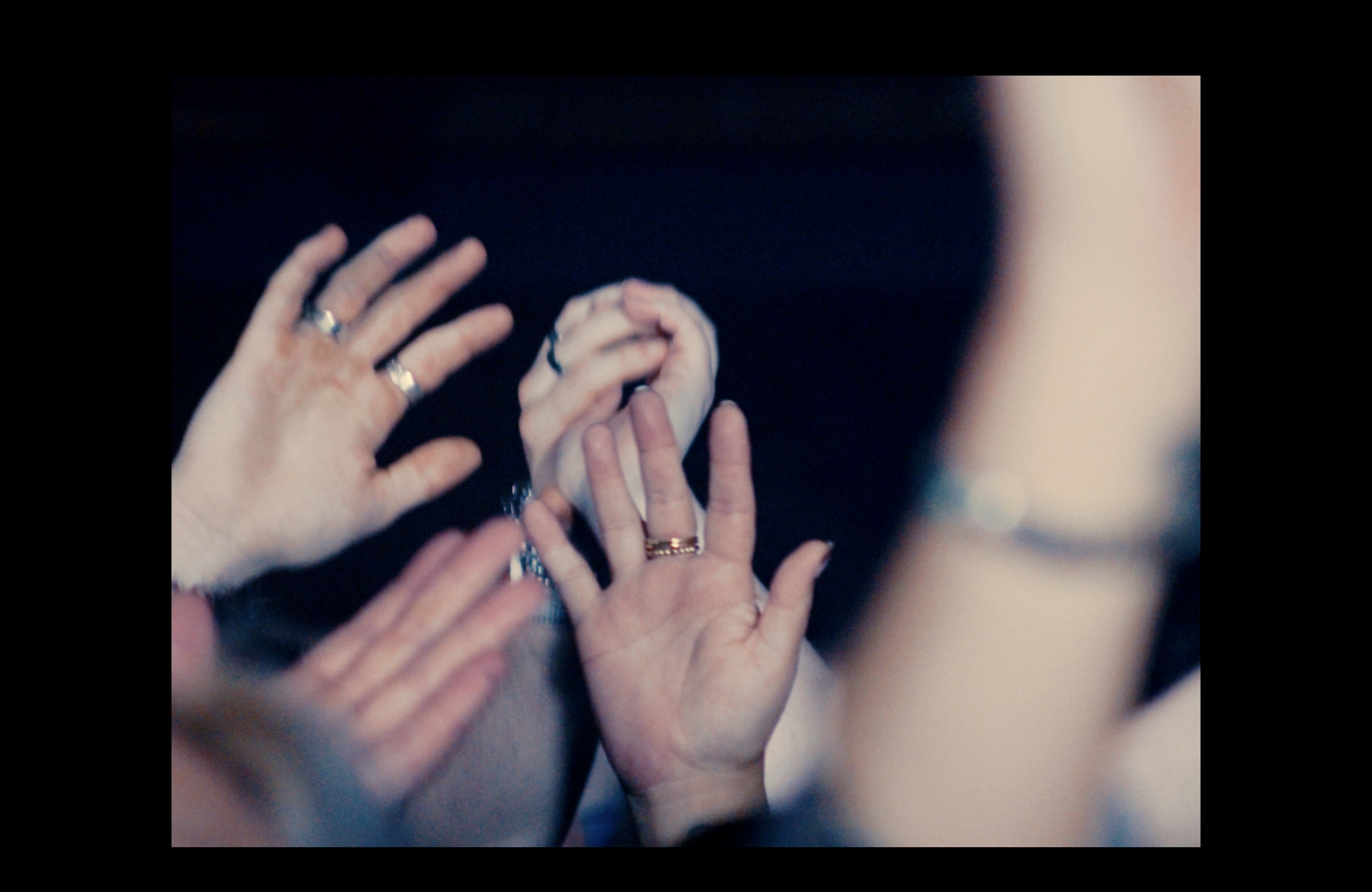
Through the sound of The Lacey Way, I gained a deeper understanding of sound. This film allowed me to explore creativity and storytelling through an aural medium which proved to be very beneficial and fun!
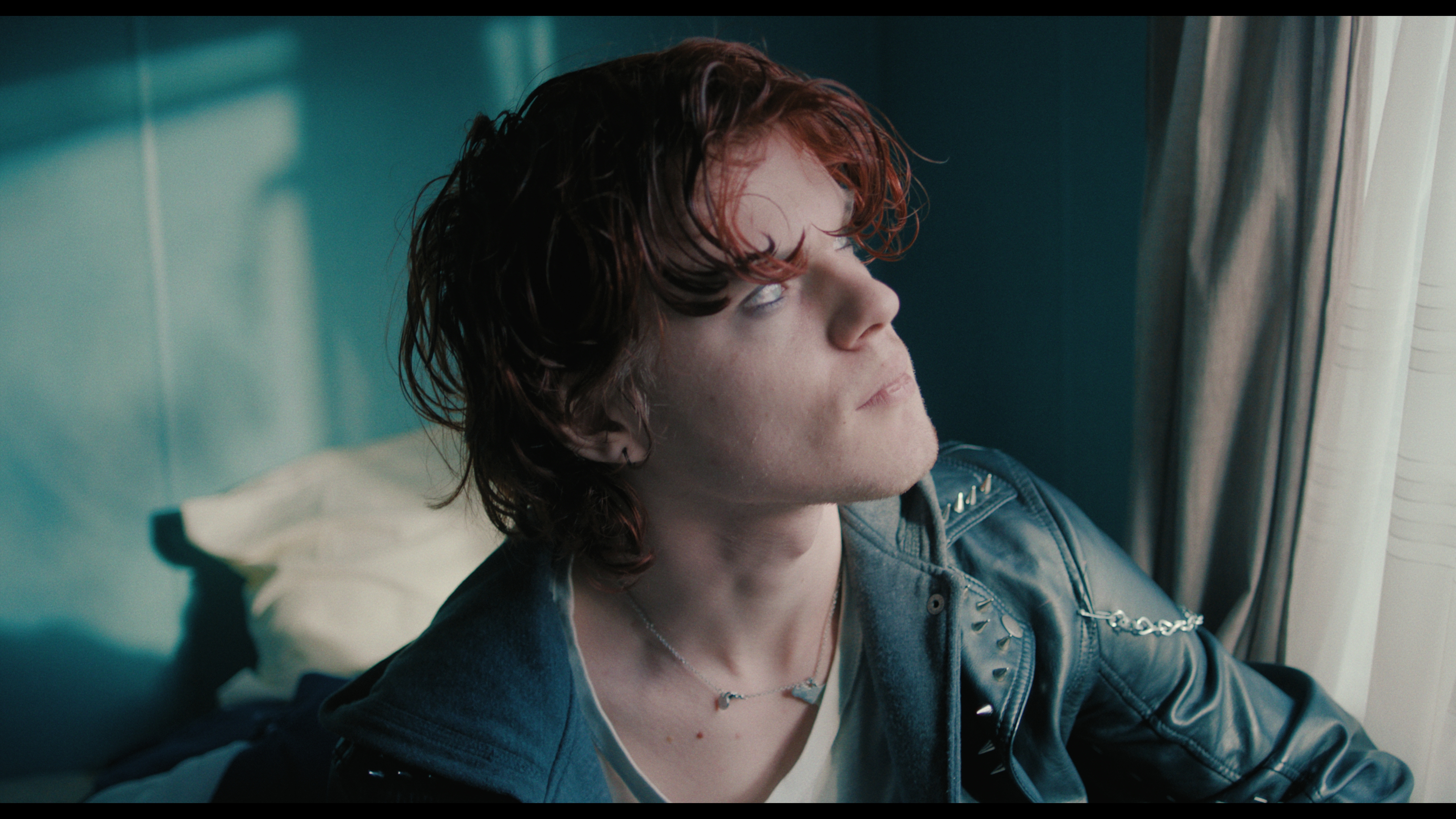
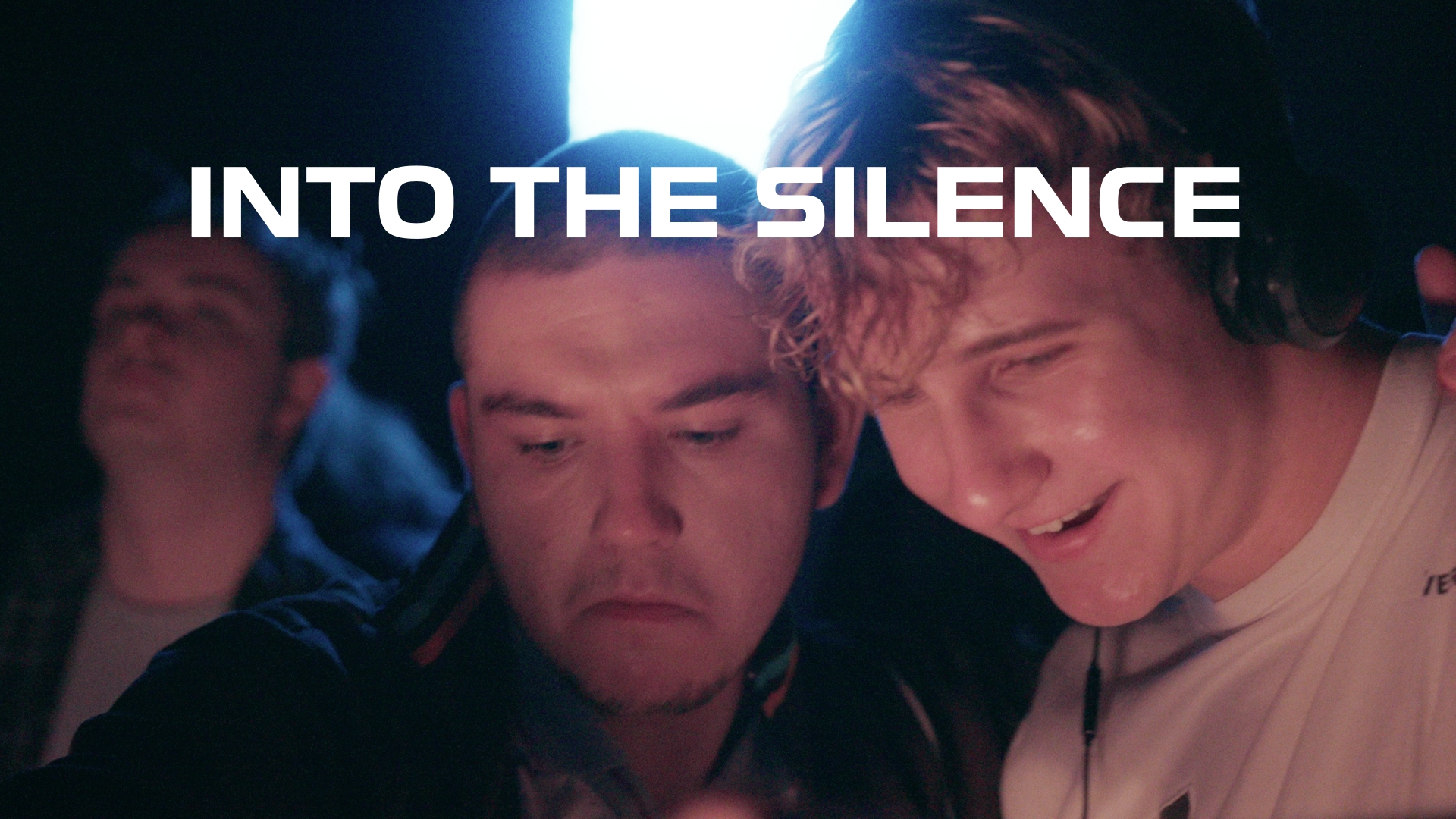
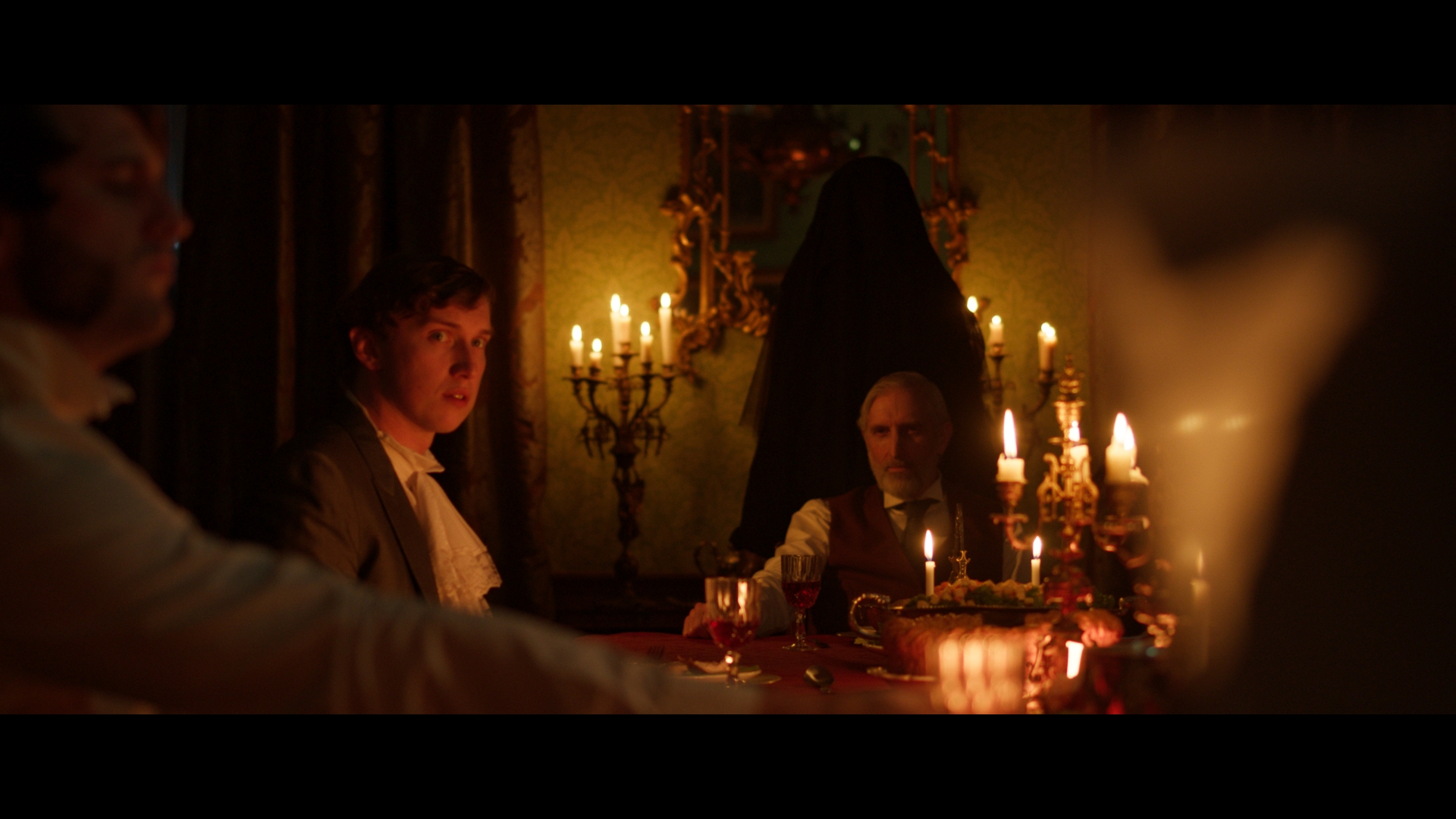
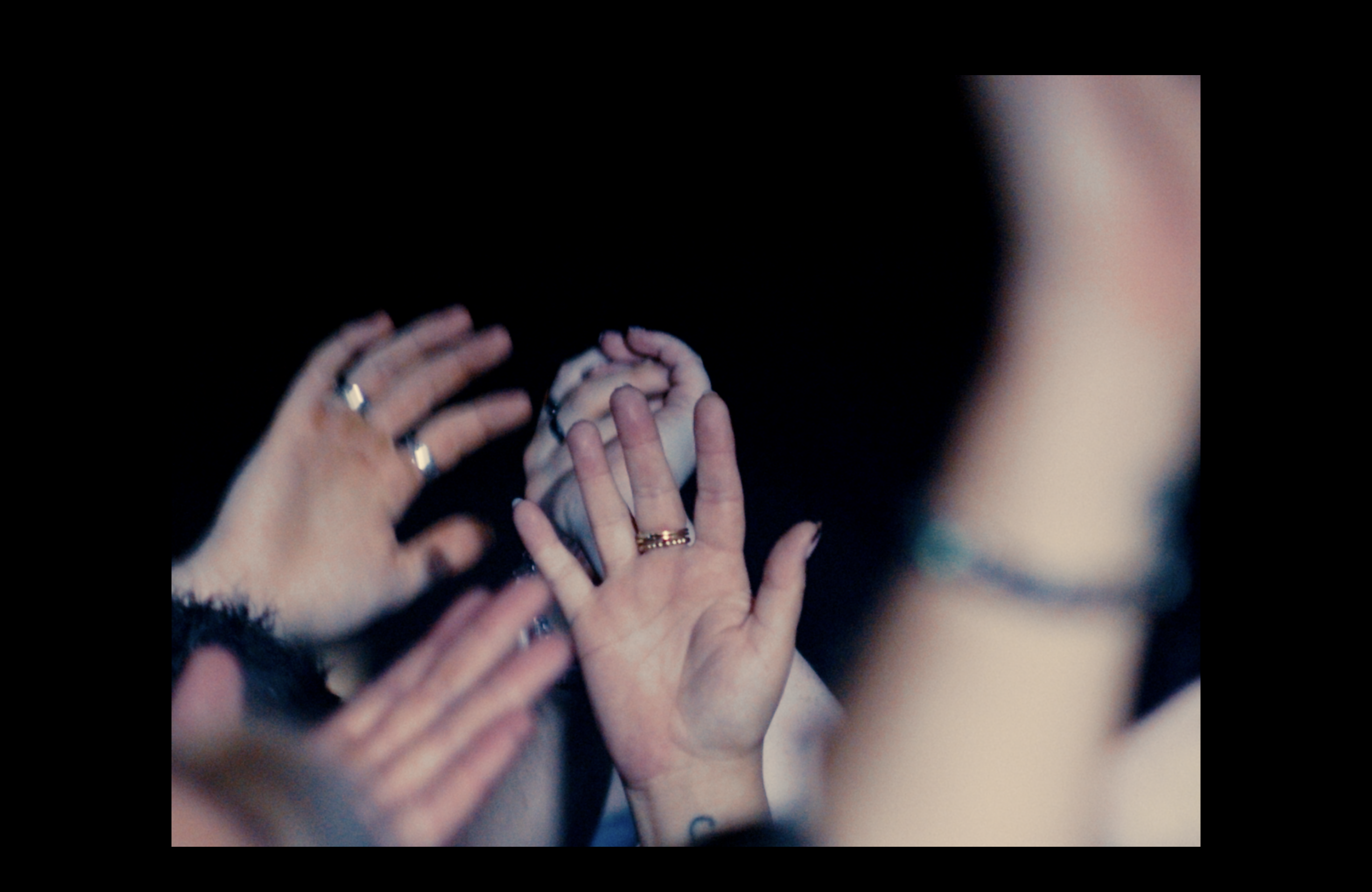
Towards the end of the troubles, where sectarian violence defined everyday life, a new kind of haven emerged on the dance floors of raves. One where Catholics and Protestants could co-exist, and dance to the shared religion of music. A Place To Stand is a colourful documentary that explores how these raves became a form of rebellion and unity, in a time of violence and division. What happens when youth have no place of escape and connection, and can music create just that?
Sound Designer
A Place To Stand was a great opportunity for me as I had never sound designed a documentary before. I learnt so much about pacing of sound and how to properly mix music with dialogue.
When watching films, sound is often overlooked compared to the visuals. However,
sound plays a vital role in shaping our emotional and narrative understanding of what
we see. This is particularly evident in science fiction films, where sound constructs
entirely new worlds, brand-new technologies, and creatures with no real-world
references. As a result, sound becomes responsible for how we engage with what
we see on screen, whether it is good or bad.
Throughout this thesis, I will answer the question: to what extent does the sound
design of Wall-E (2008) directed by Andrew Stanton, influenced by theories of
emotional prosody, semiotics, and audiovisual perception, allow audiences to
empathise with a non‑ verbal robot and to experience his curiosity and loneliness
across contrasting sonic environments?
This thesis, The Sounds of Sci‑Fi | Wall-E, argues that the film’s sound design is
fundamental in showing how sound shapes our understanding of people, robots and
their environments. By studying theories from Michel Chion and David
Sonnenschein, I will analyse how these ideas can be applied to Ben Burtt’s sound
design in WALL-E.
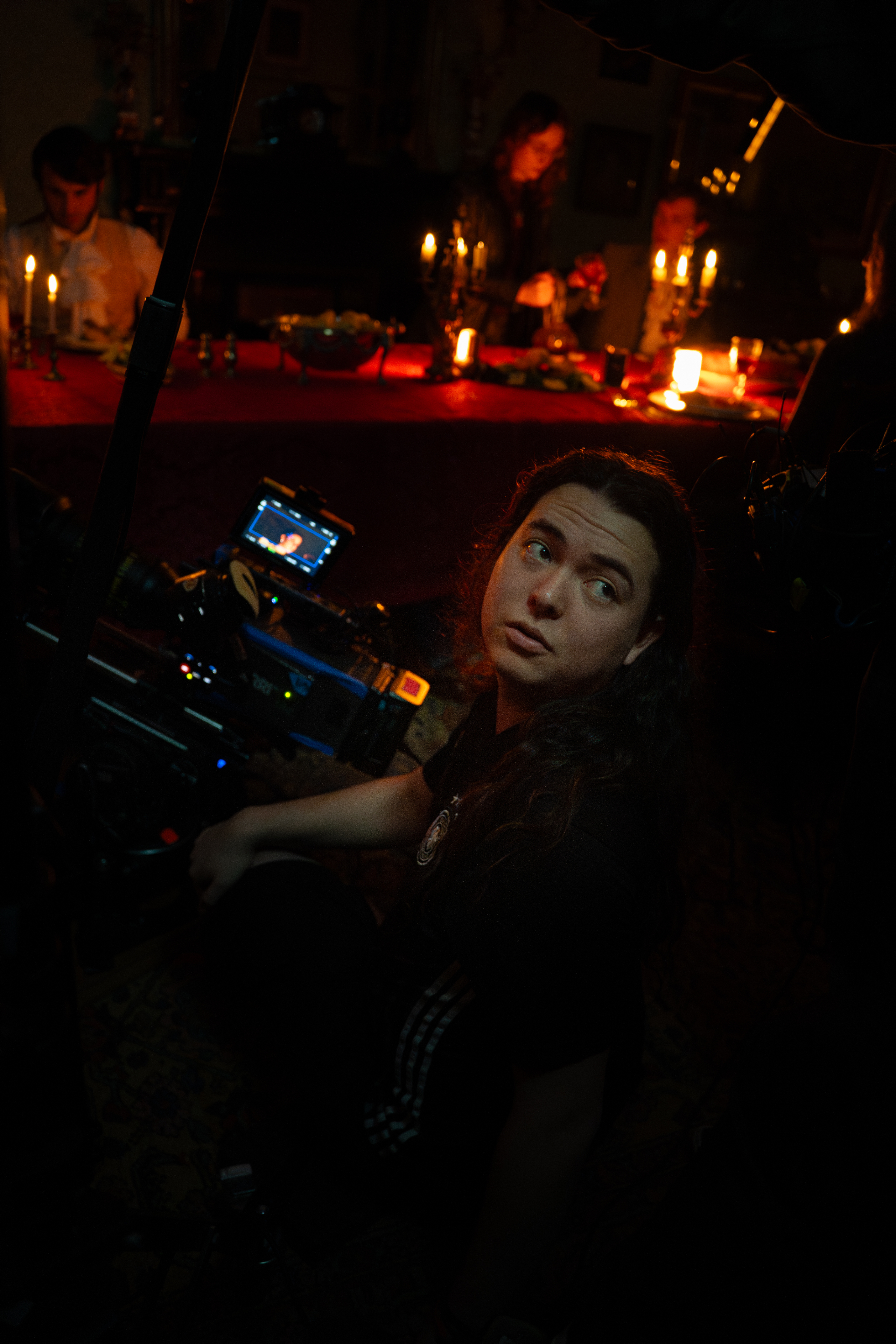
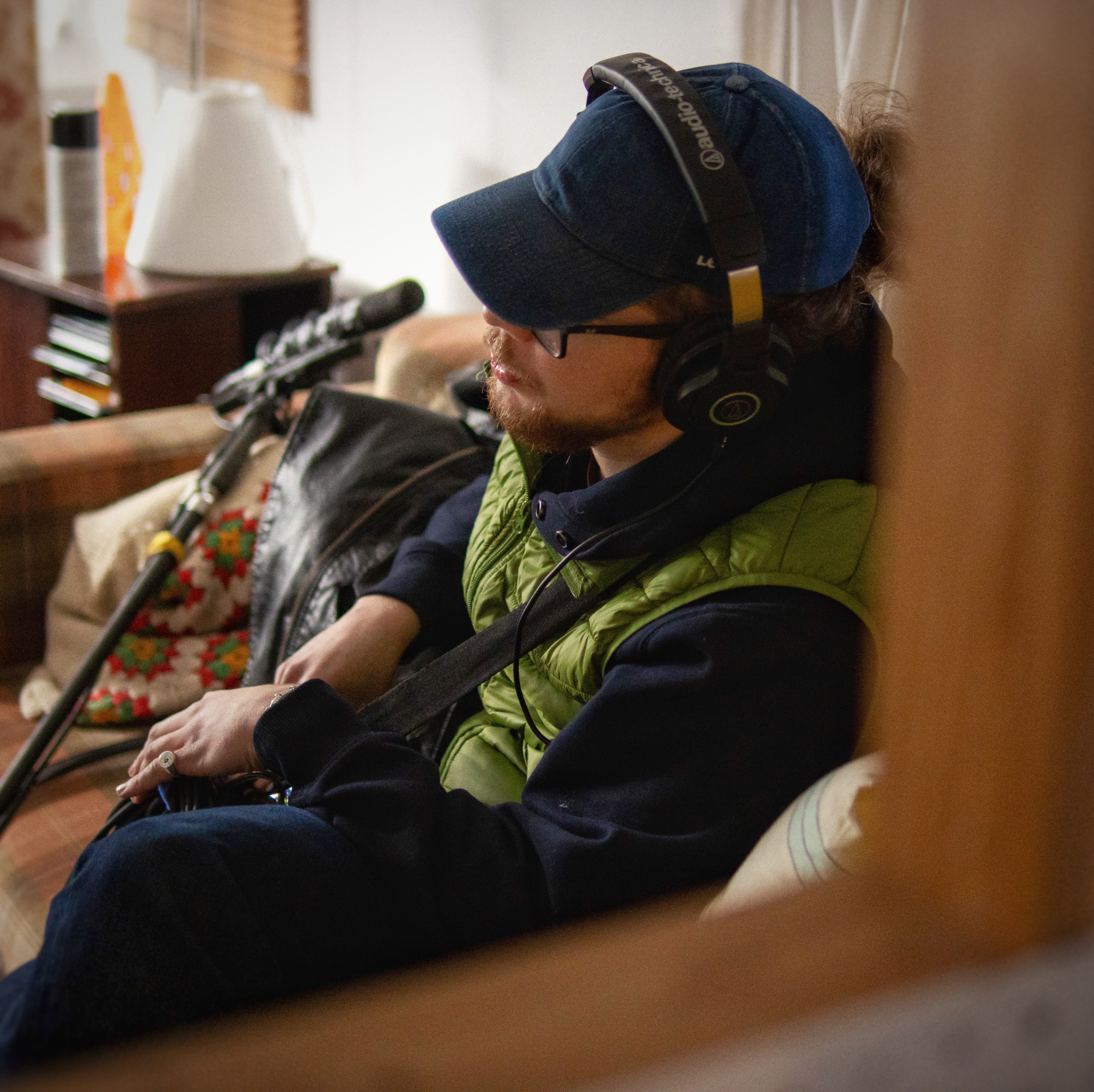
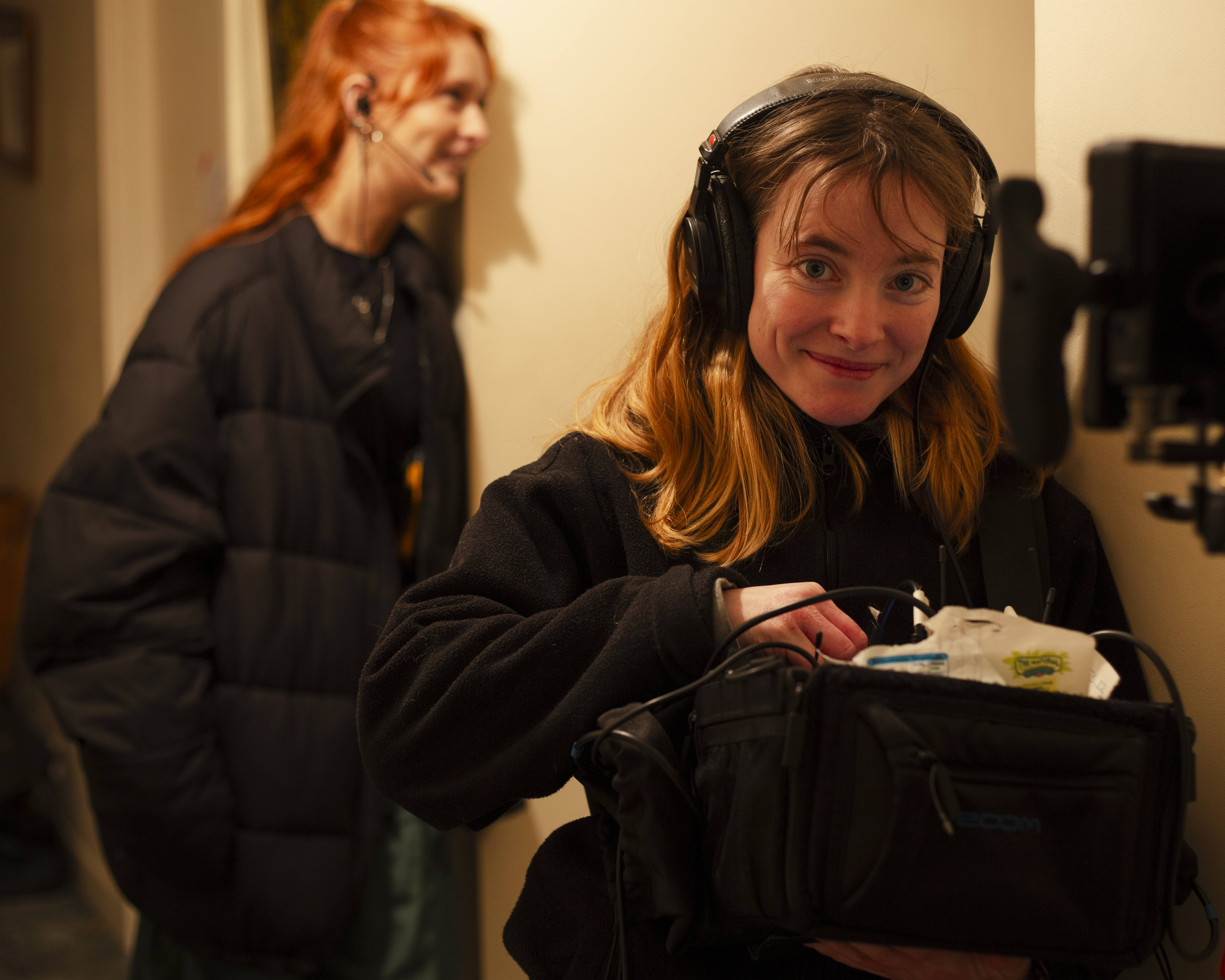
I am an aspiring writer/director based in Wexford who majored and minored in sound. Throughout my time at the NFS, I have learnt to translate my love for storytelling through an aural perspective. I am a passionate and driven sound recordist and post sound designer with hopes to branch out and develop skills in the wildlife filmmaking field.