Keita Prokopčenko
Logline:
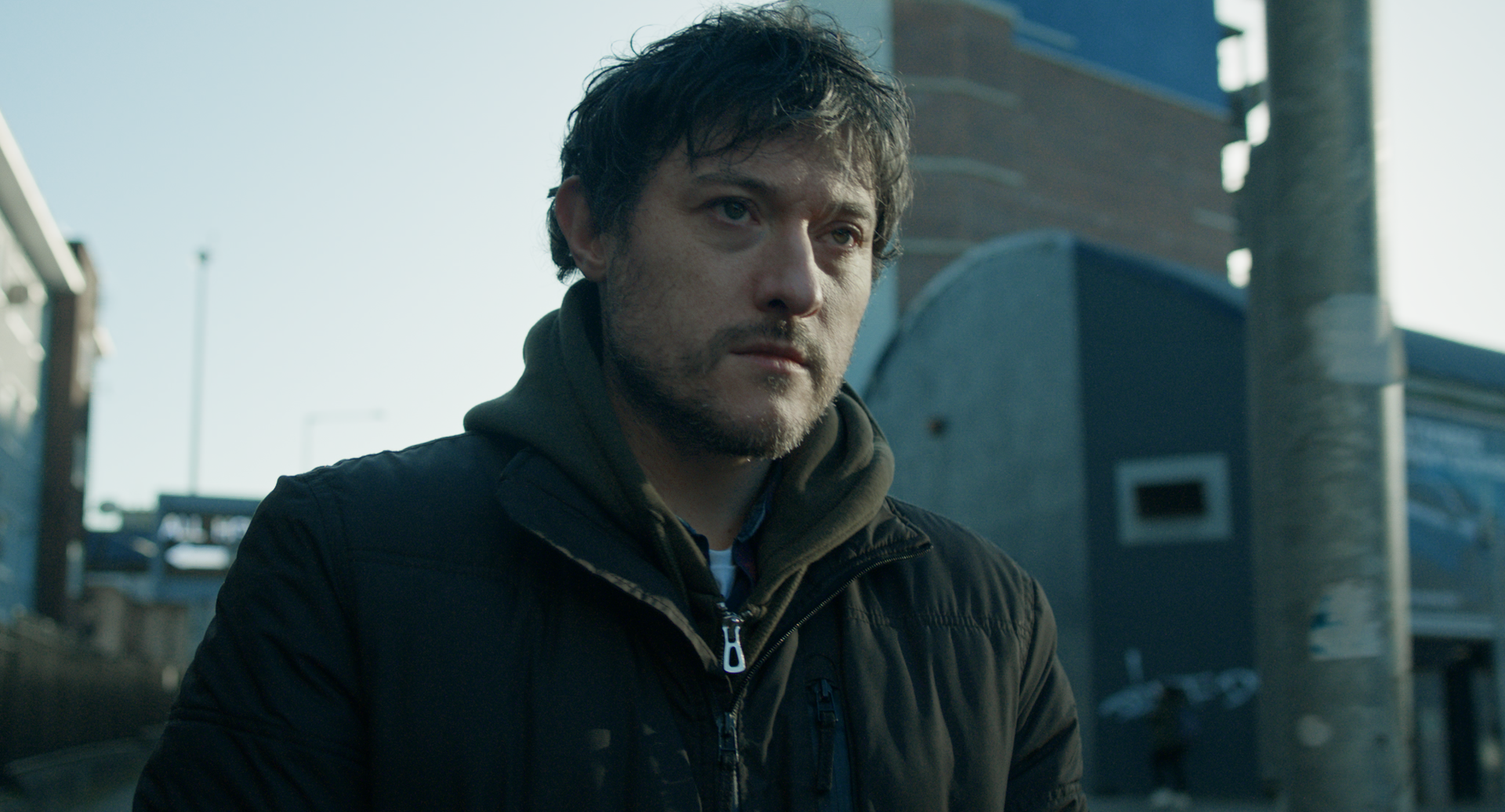
Dark forces reign terror on troubled artist Nora, as she tries to evade an arranged marriage forced on her by her controlling father
Synopsis:
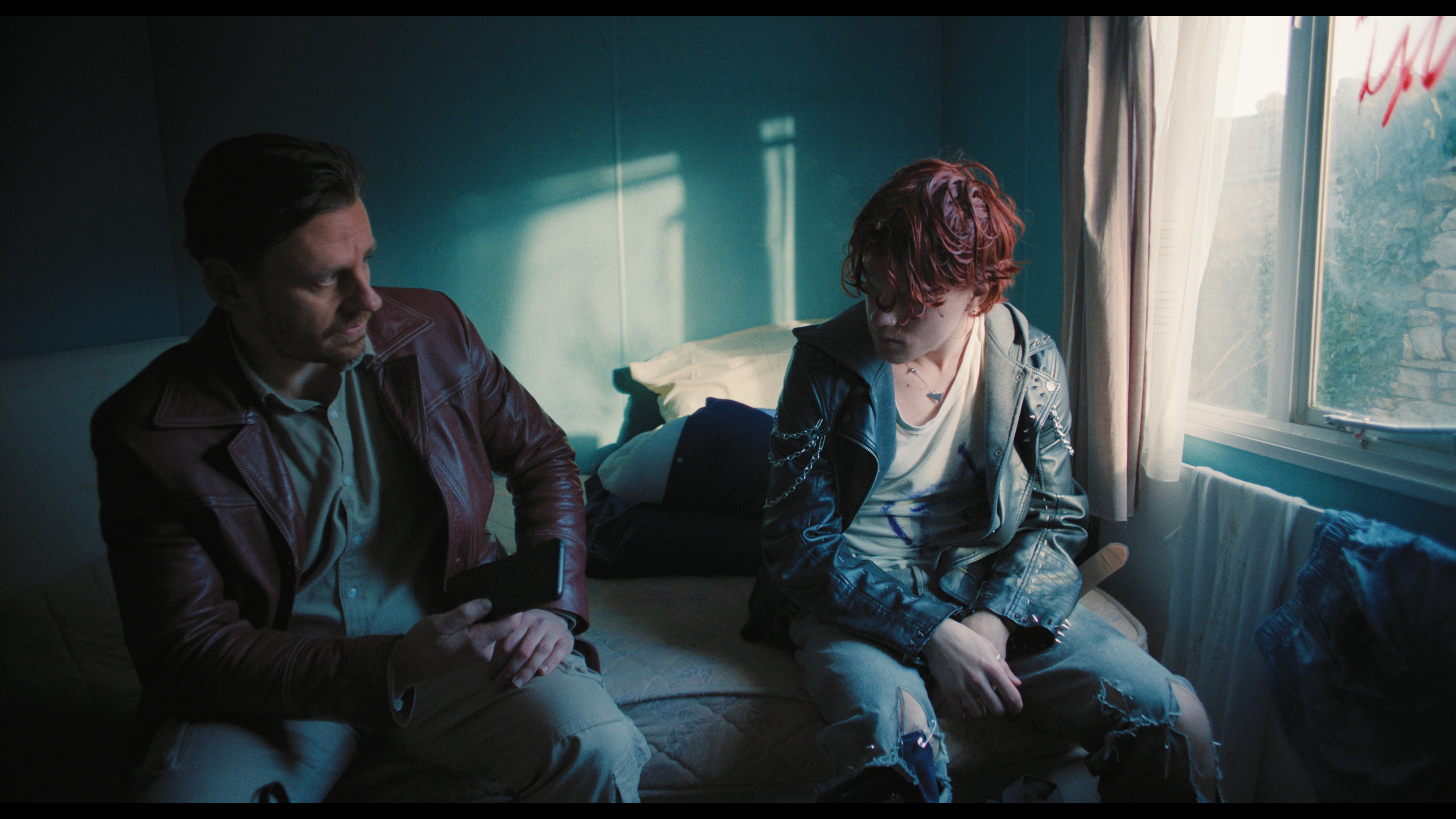
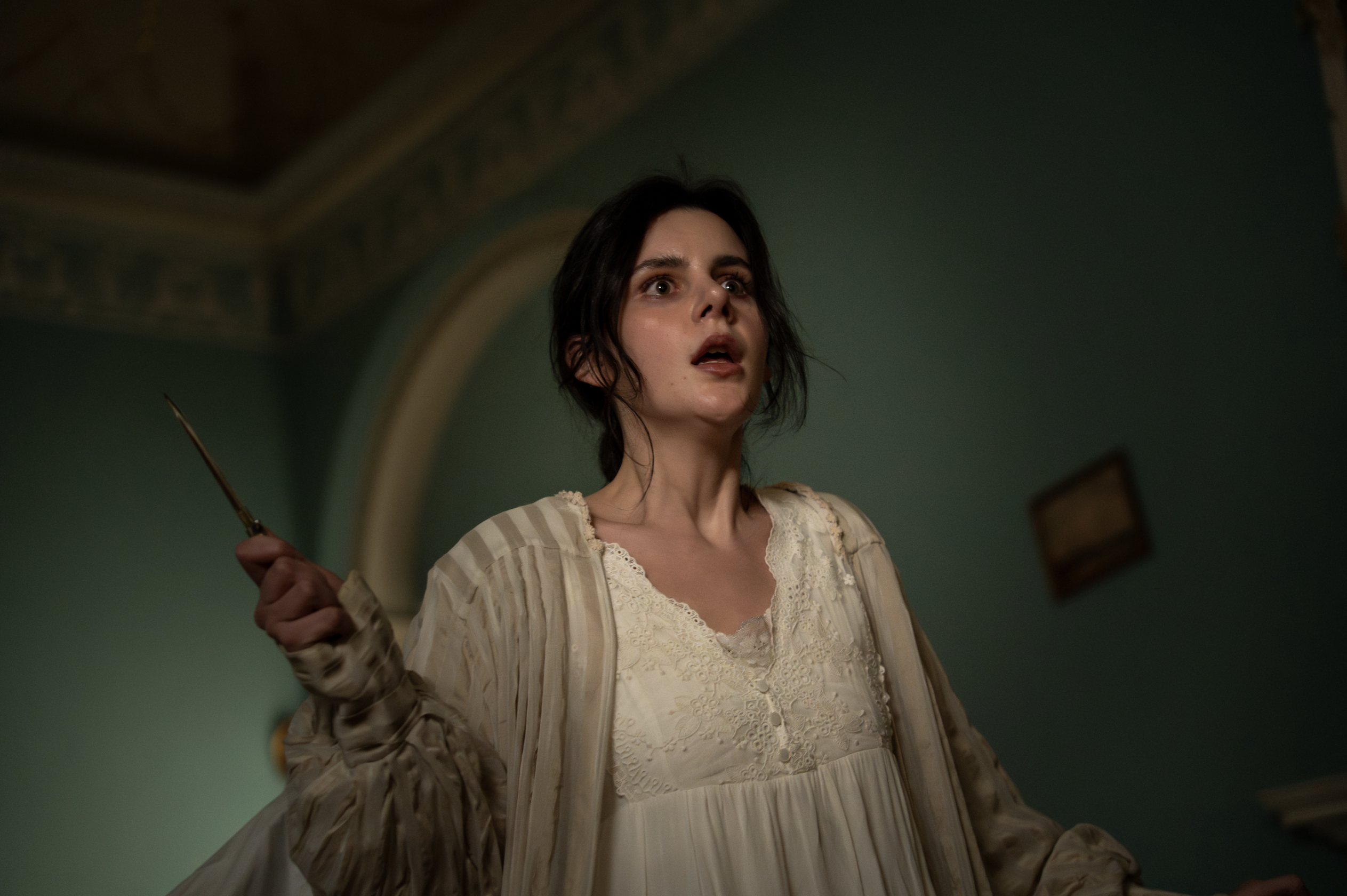
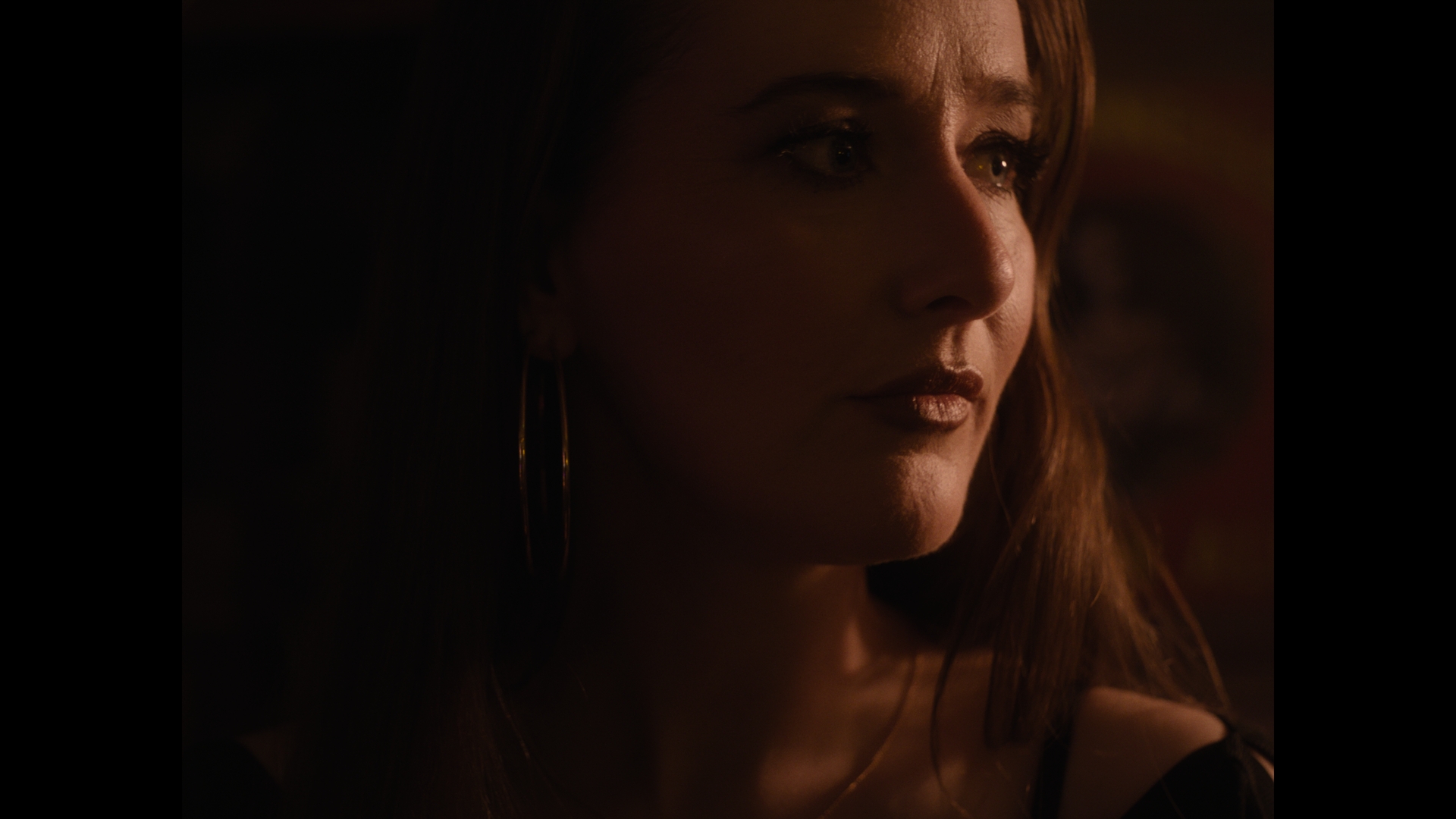
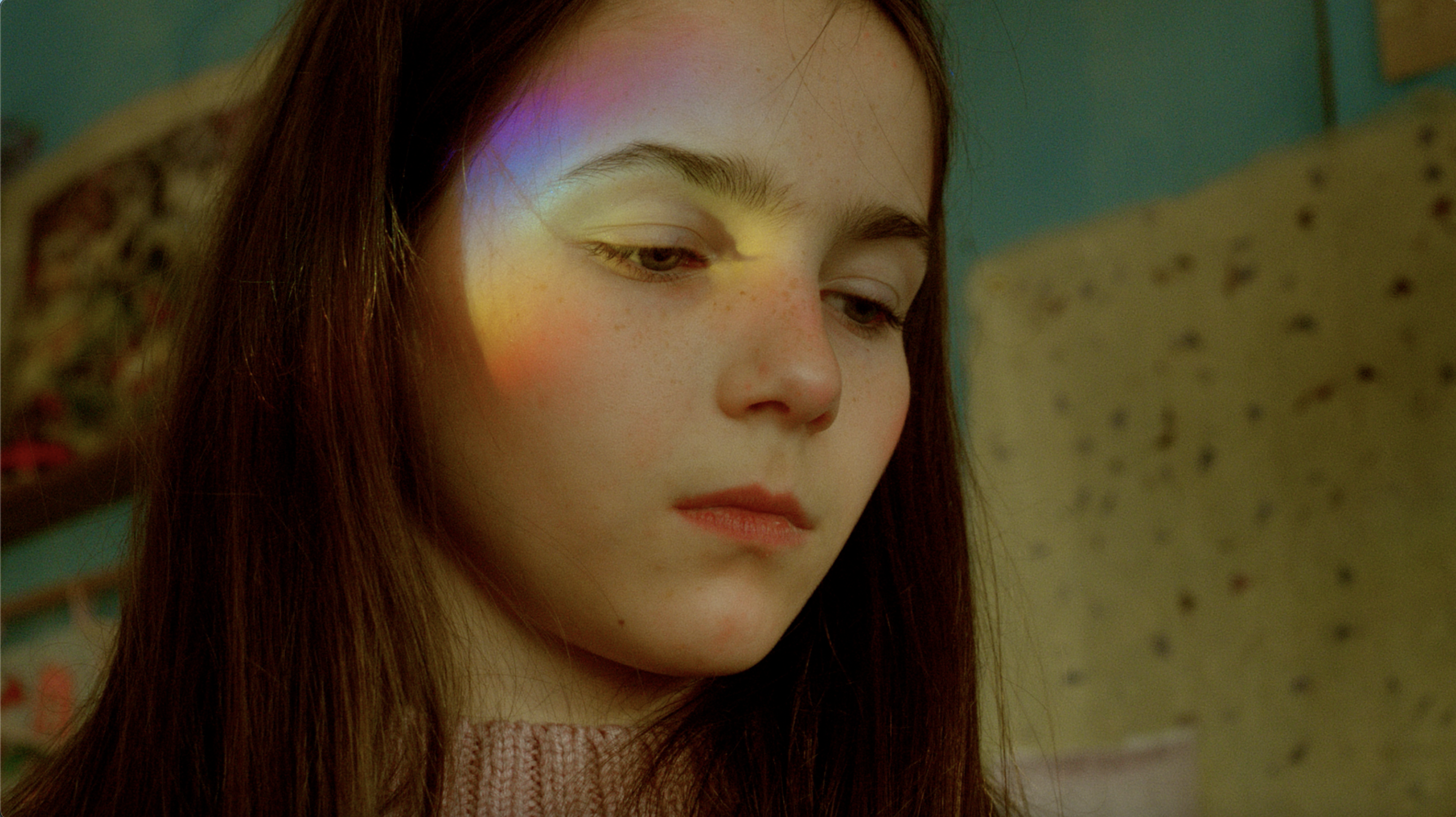
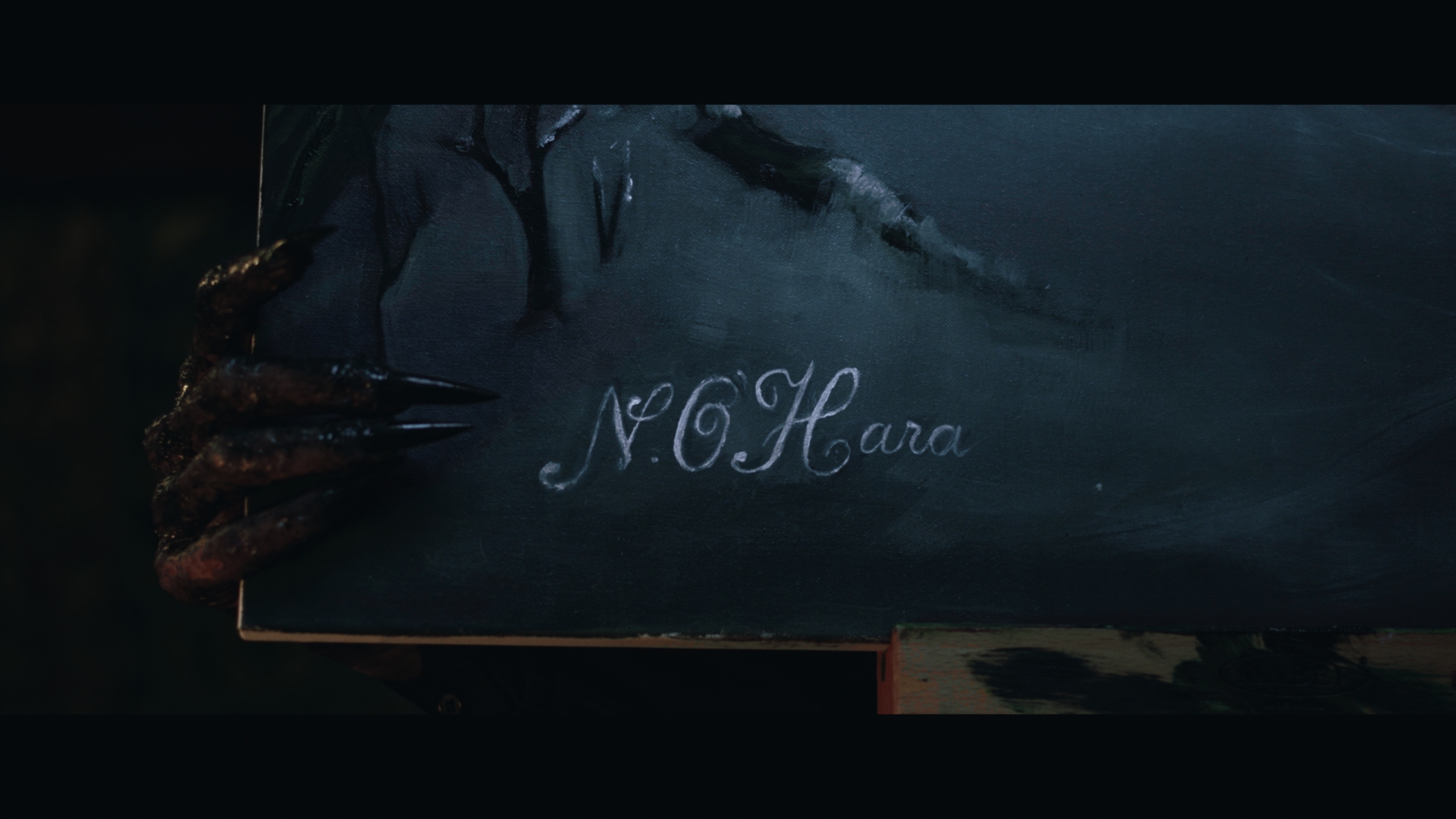
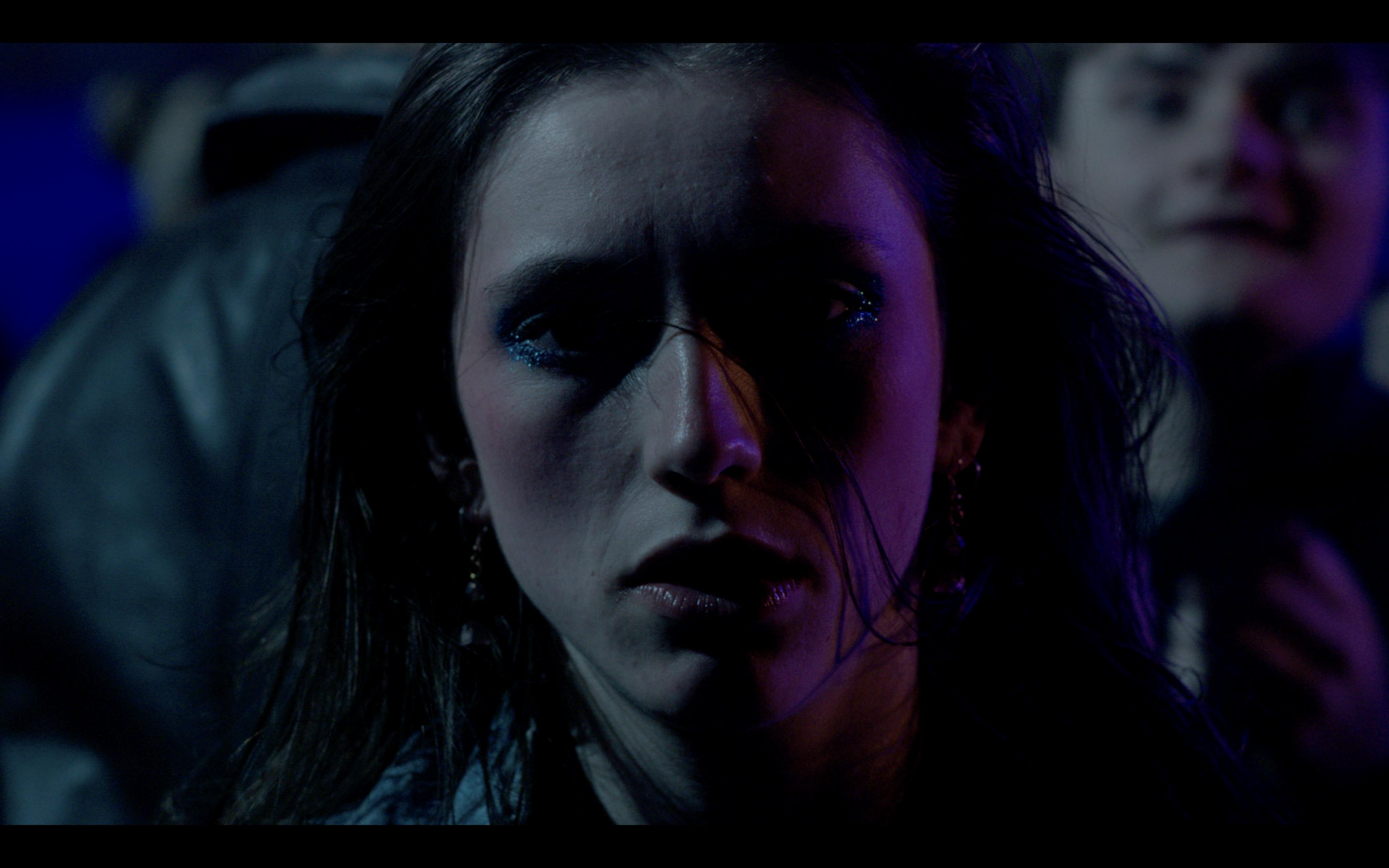
In the early 1800s, troubled painter Nora O’Hara lives under the suffocating rule of her abusive and domineering father. Nora learns of an arranged marriage to take place which unleashes dark forces which aim to harm her. Her immobile and mute mother serves as a reminder of what her fate could be if she refuses. A haunting option for freedom is born in the form of a dark ghostly figure, leading Nora to her fate.
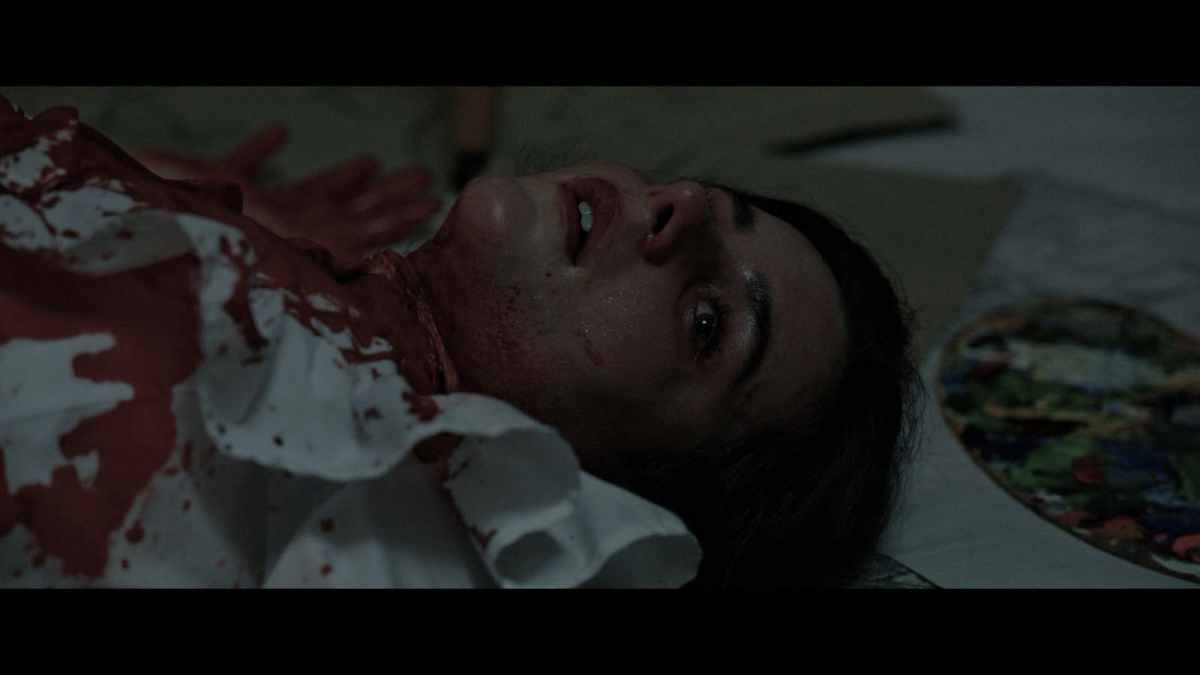
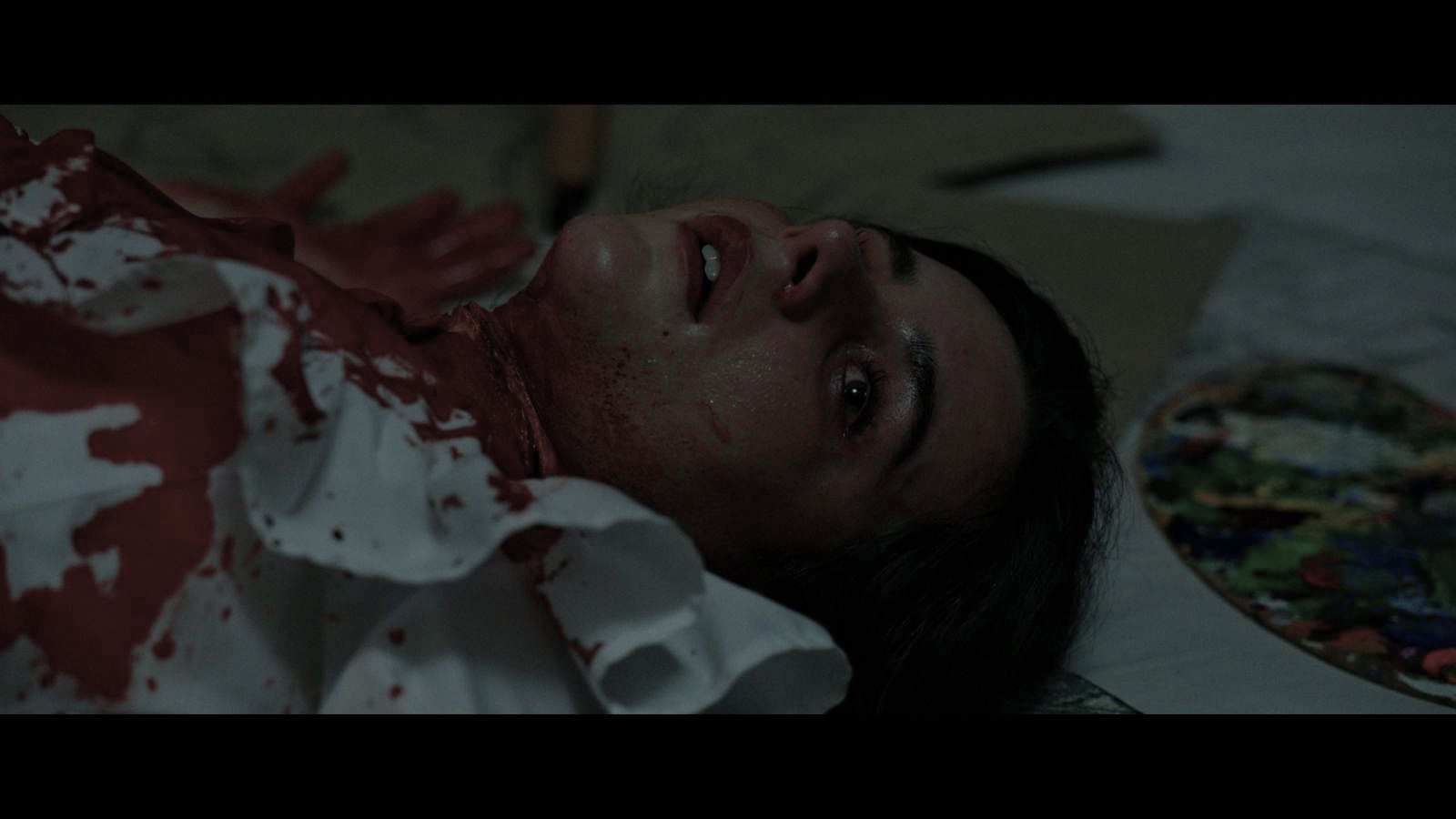
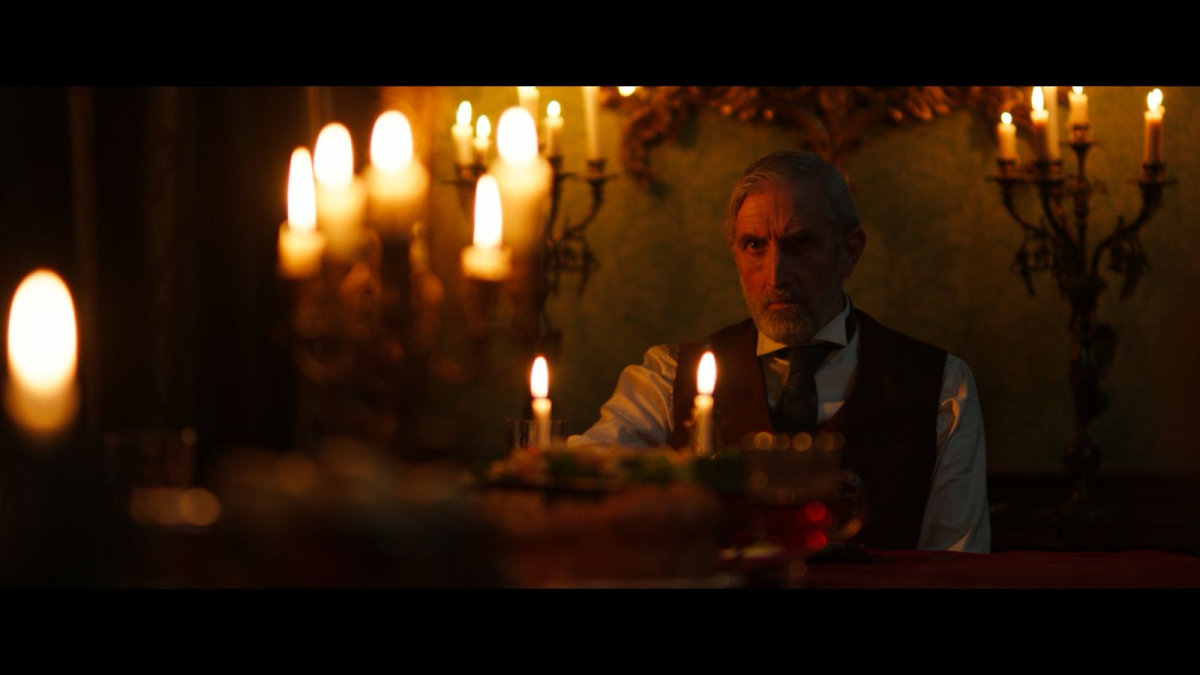
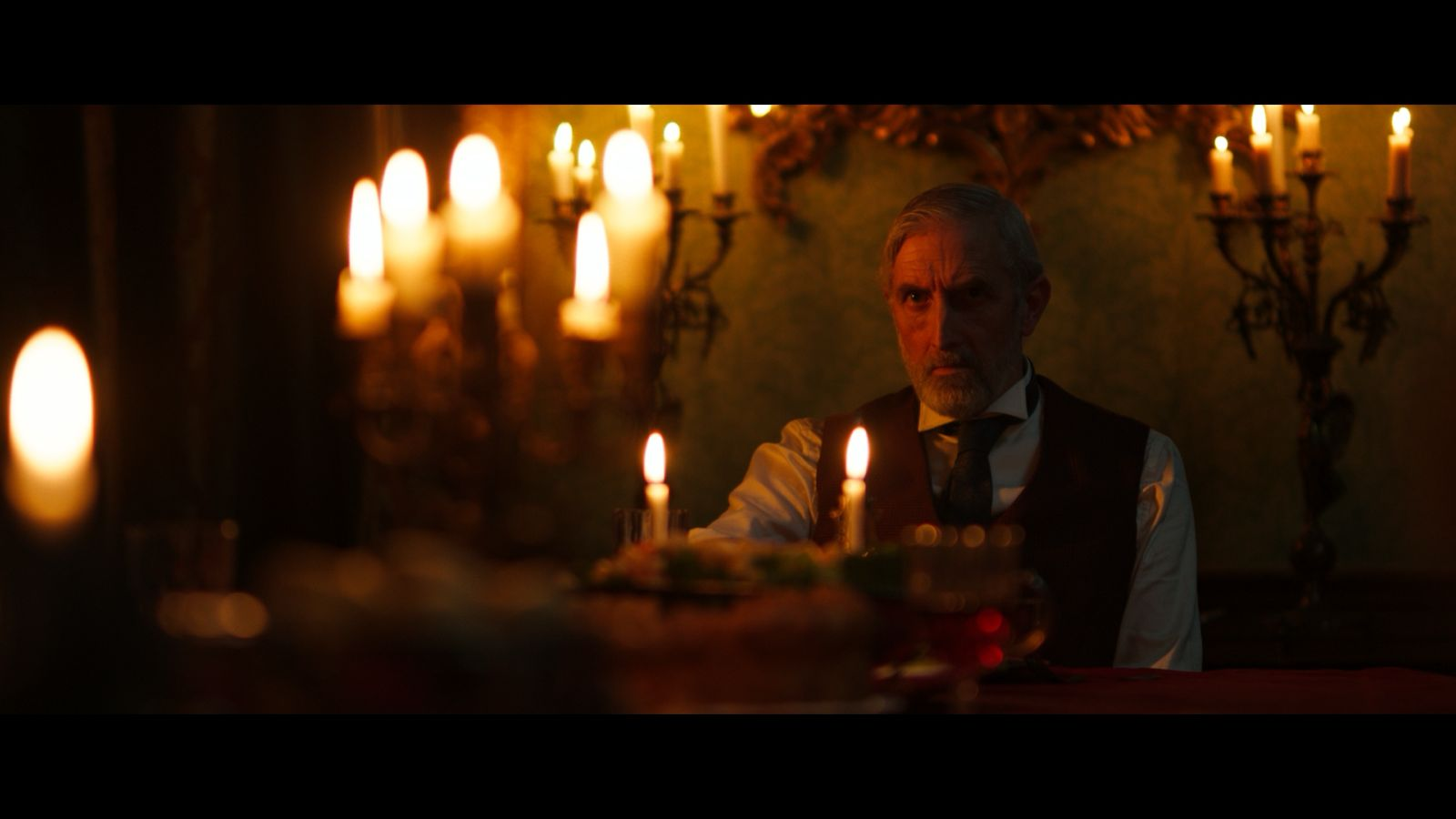
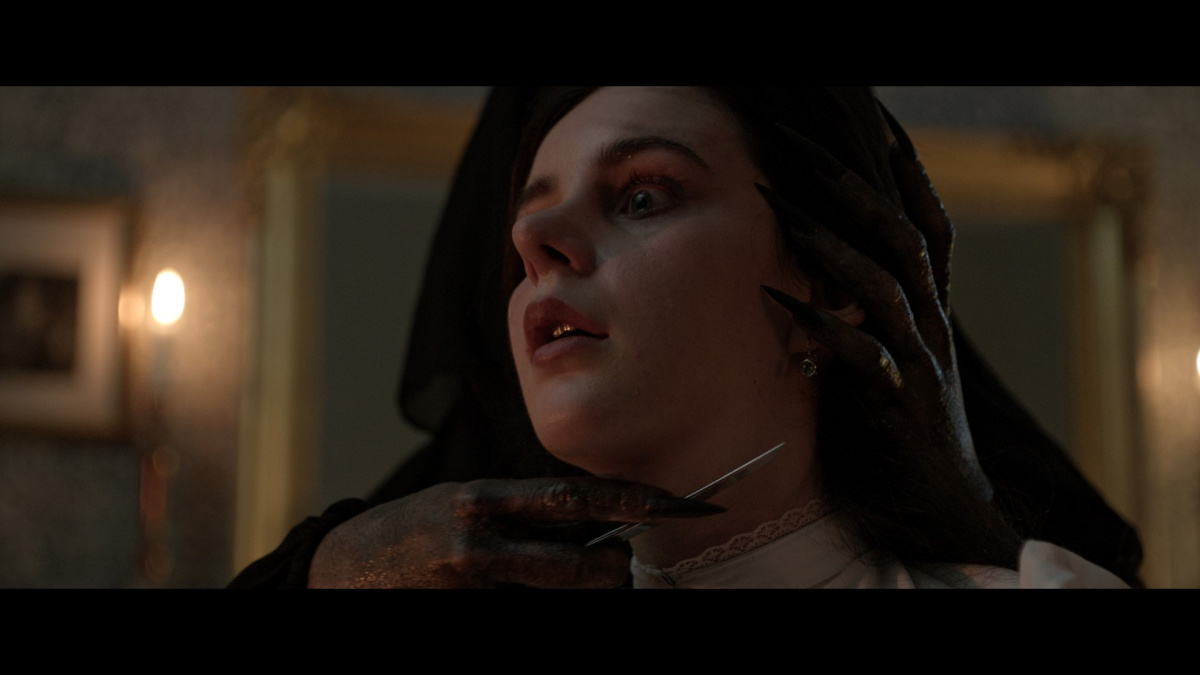
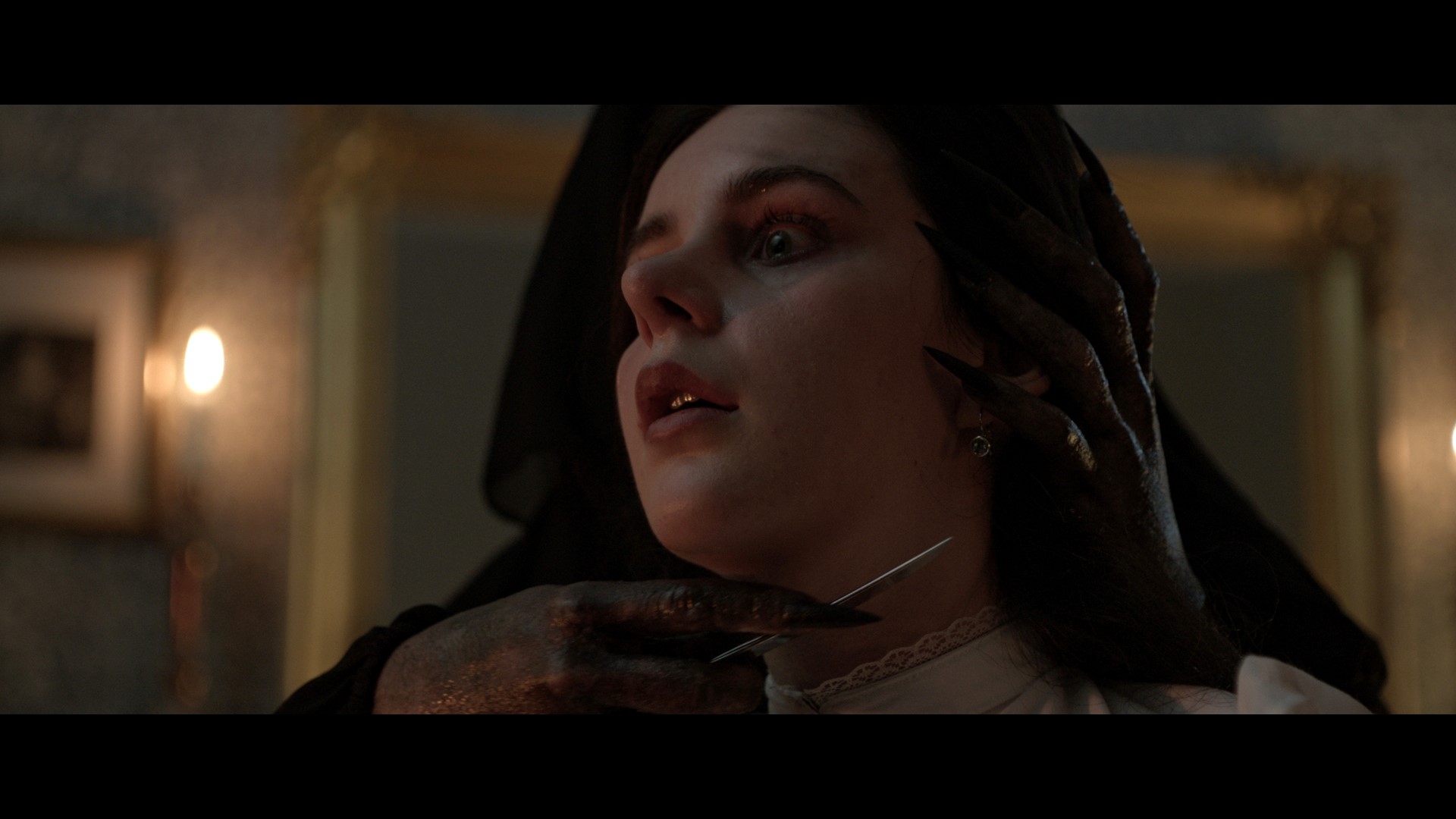
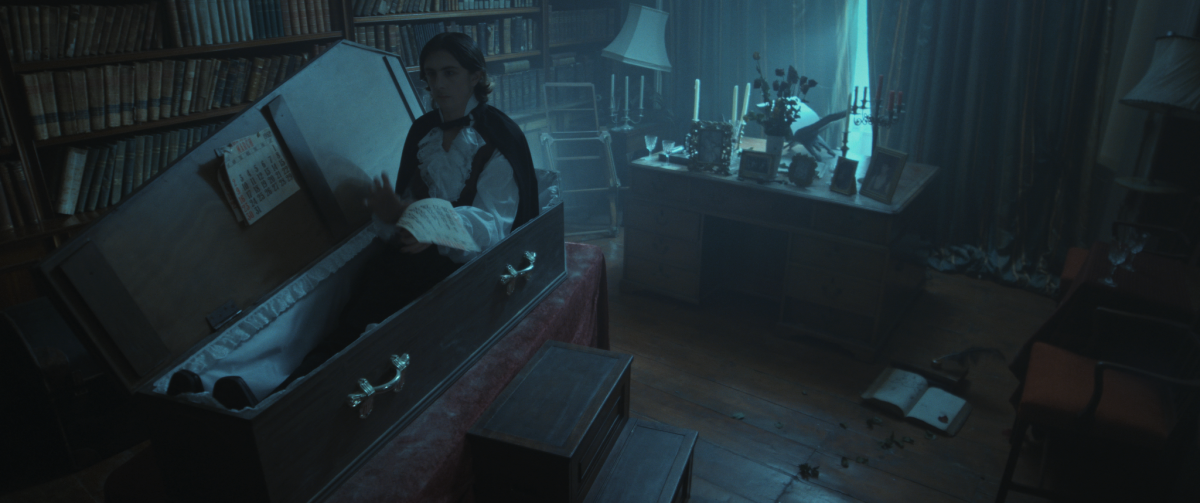
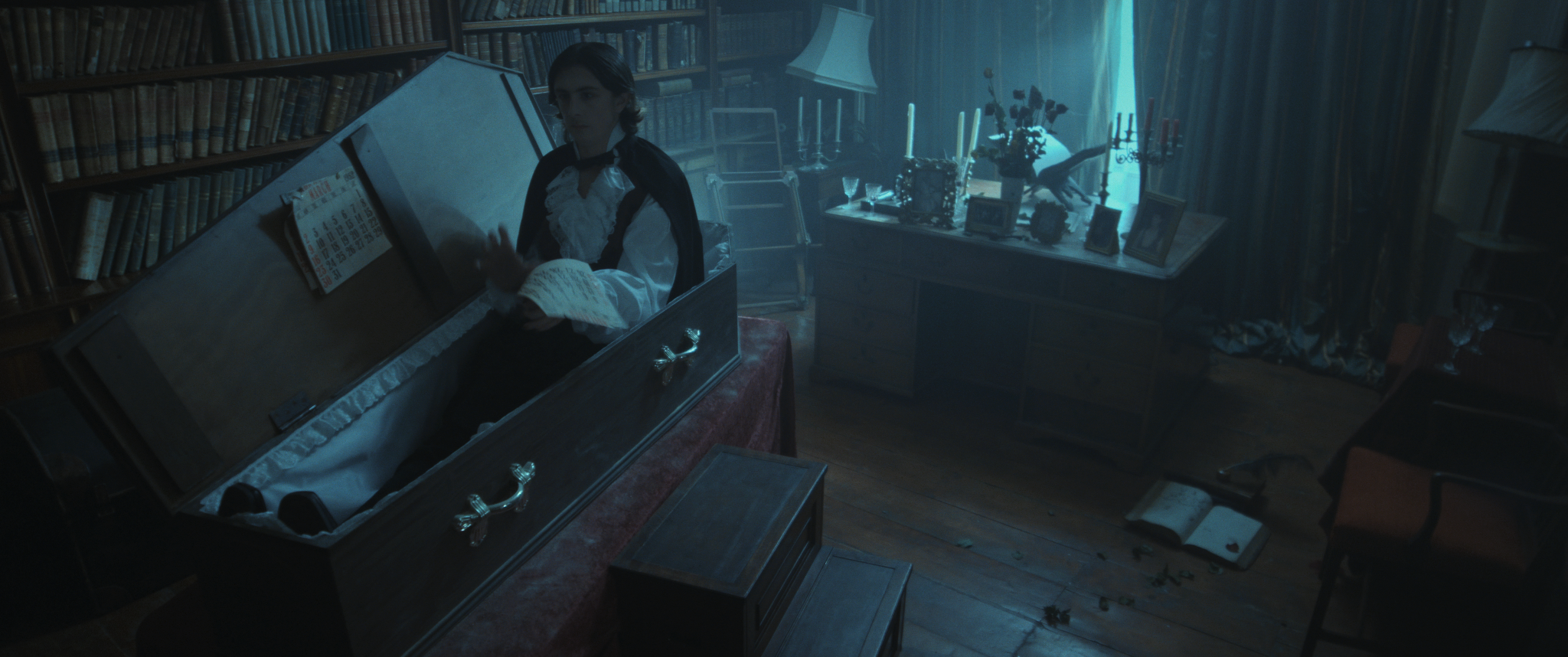
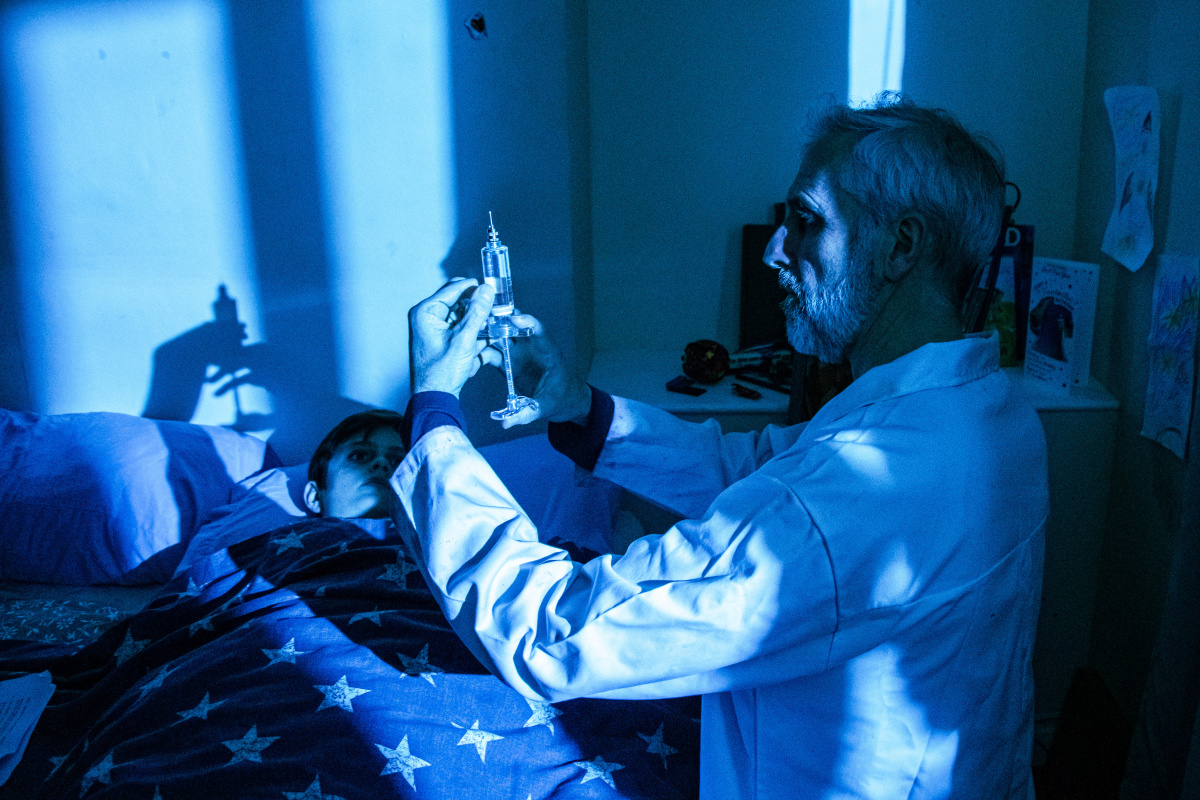
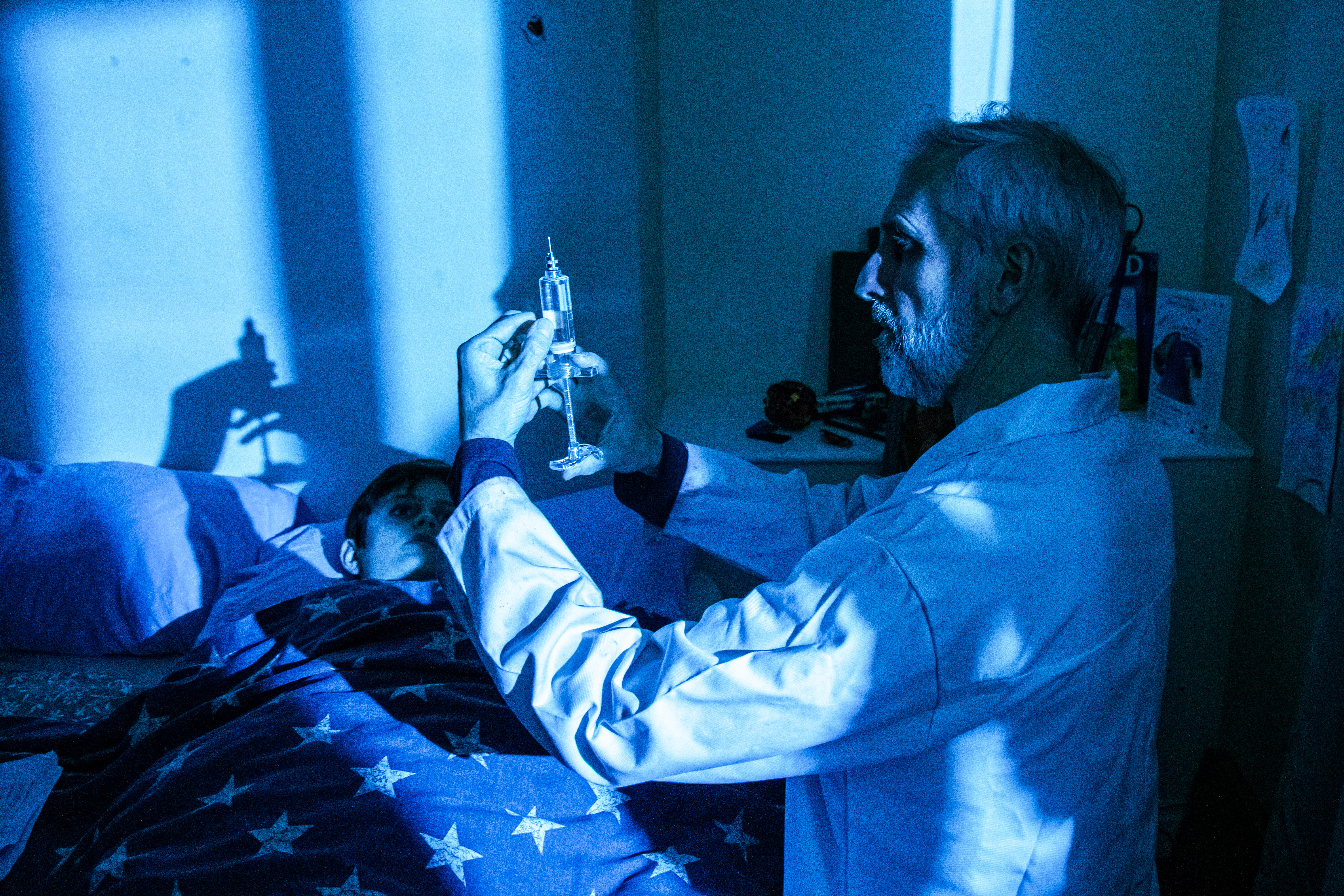
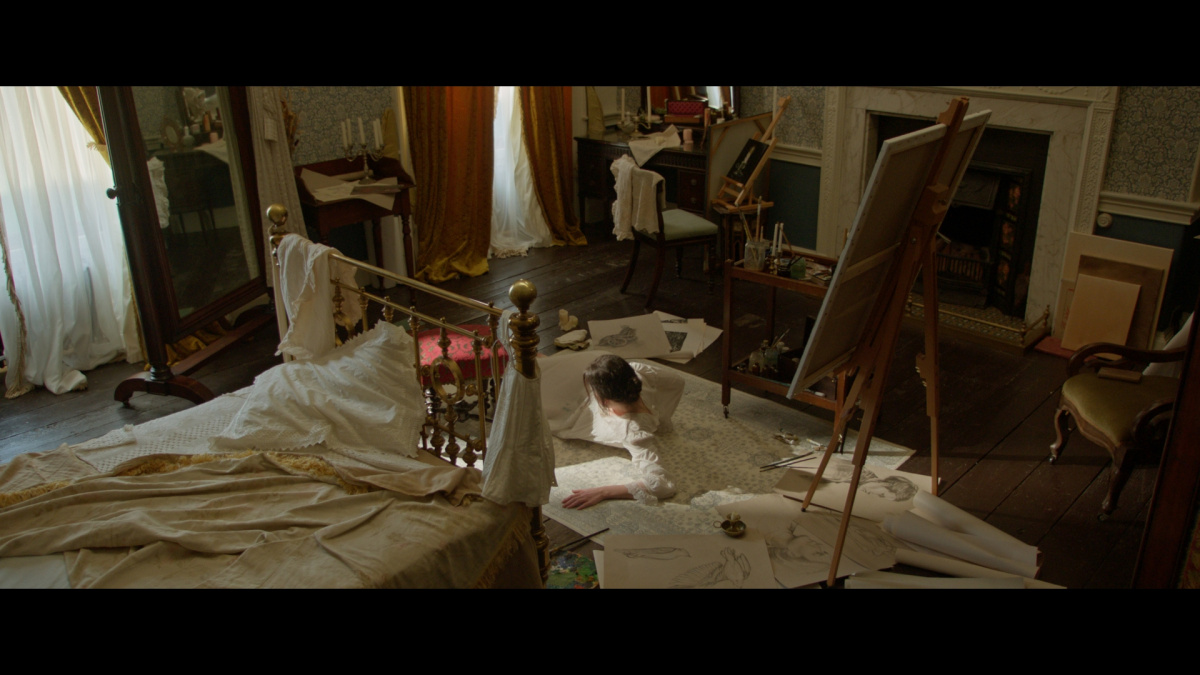
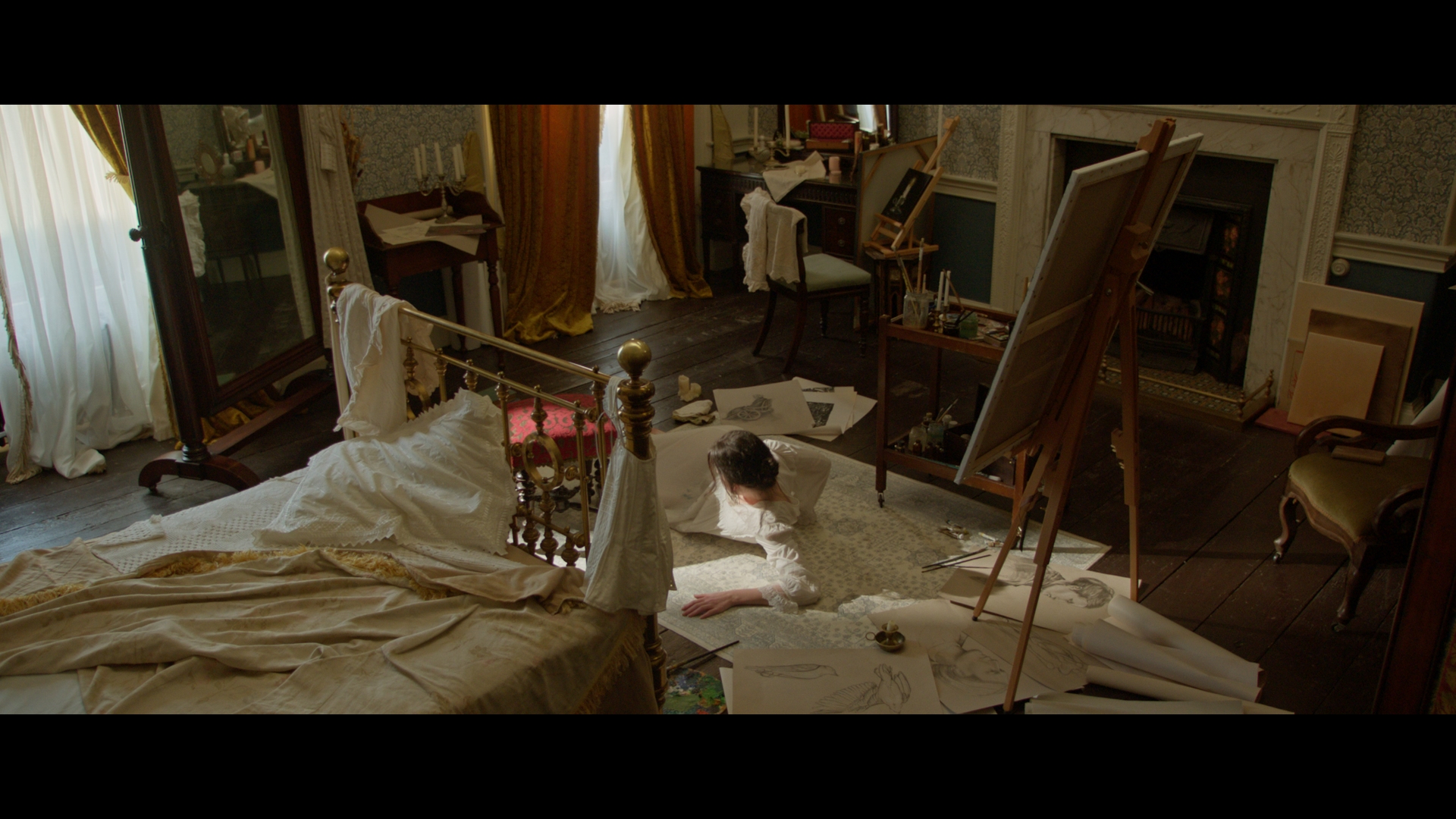
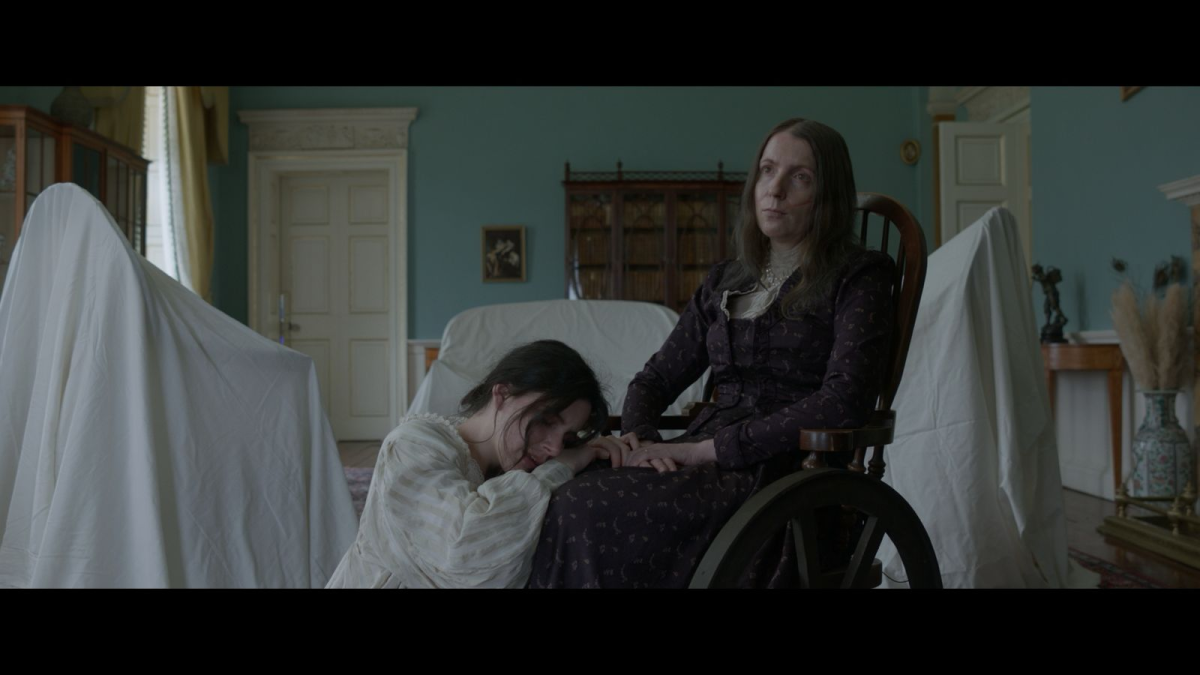
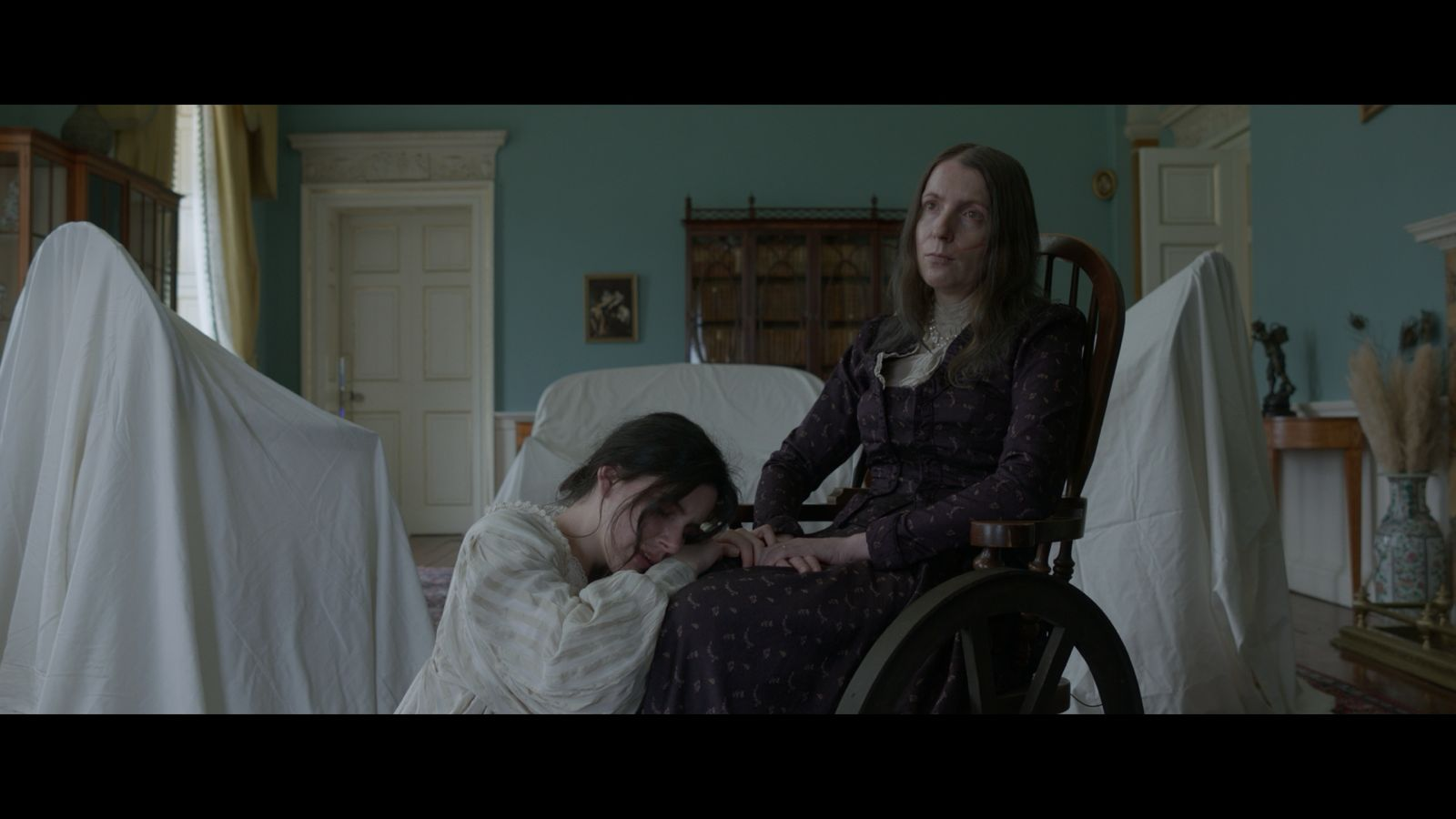
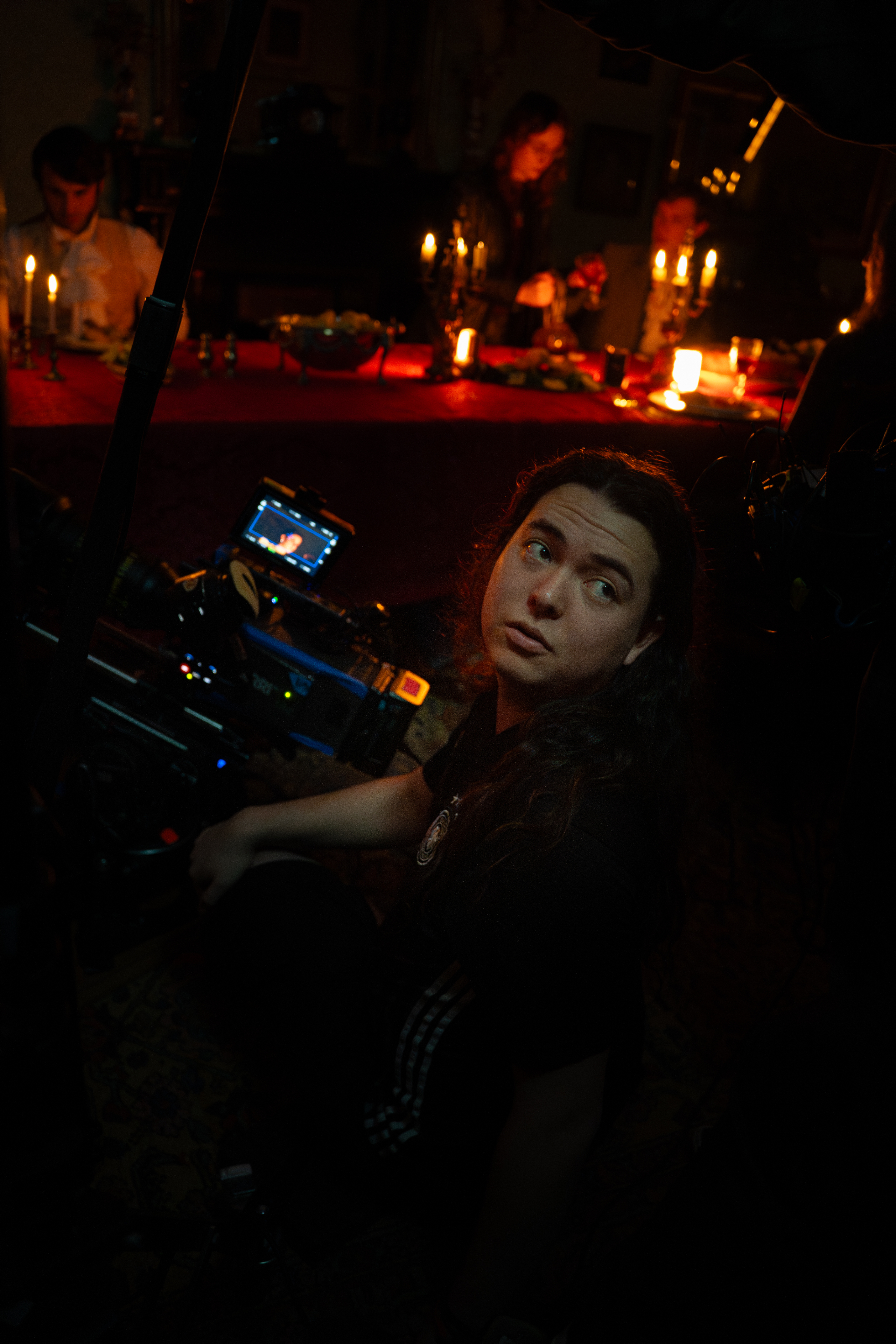
As a director of ‘Remembered, if Outlived’ I wanted to create a gothic horror short film that explores themes of depression, the role of women throughout history, particularly in relation to the Magdalene laundries in Ireland, and the struggles of being an artist. Although set in the past, its themes remain startlingly relevant today.
I was deeply influenced by Emily Dickinson, who struggled with mental illness and spent years isolated in her room, writing poetry that was only shared with the world after her death. Her haunting work and life story inspired me to tell a story about the struggles of a female artist in the 1800s.
This film gives voice to the countless Irish women throughout history whose mental health was misunderstood or ignored, whose creativity was mocked, and whose choices were never truly their own. I wanted to capture how frightening and isolating mental illness can feel; the terror of spiralling, having nowhere to run, and longing to make the world stop.
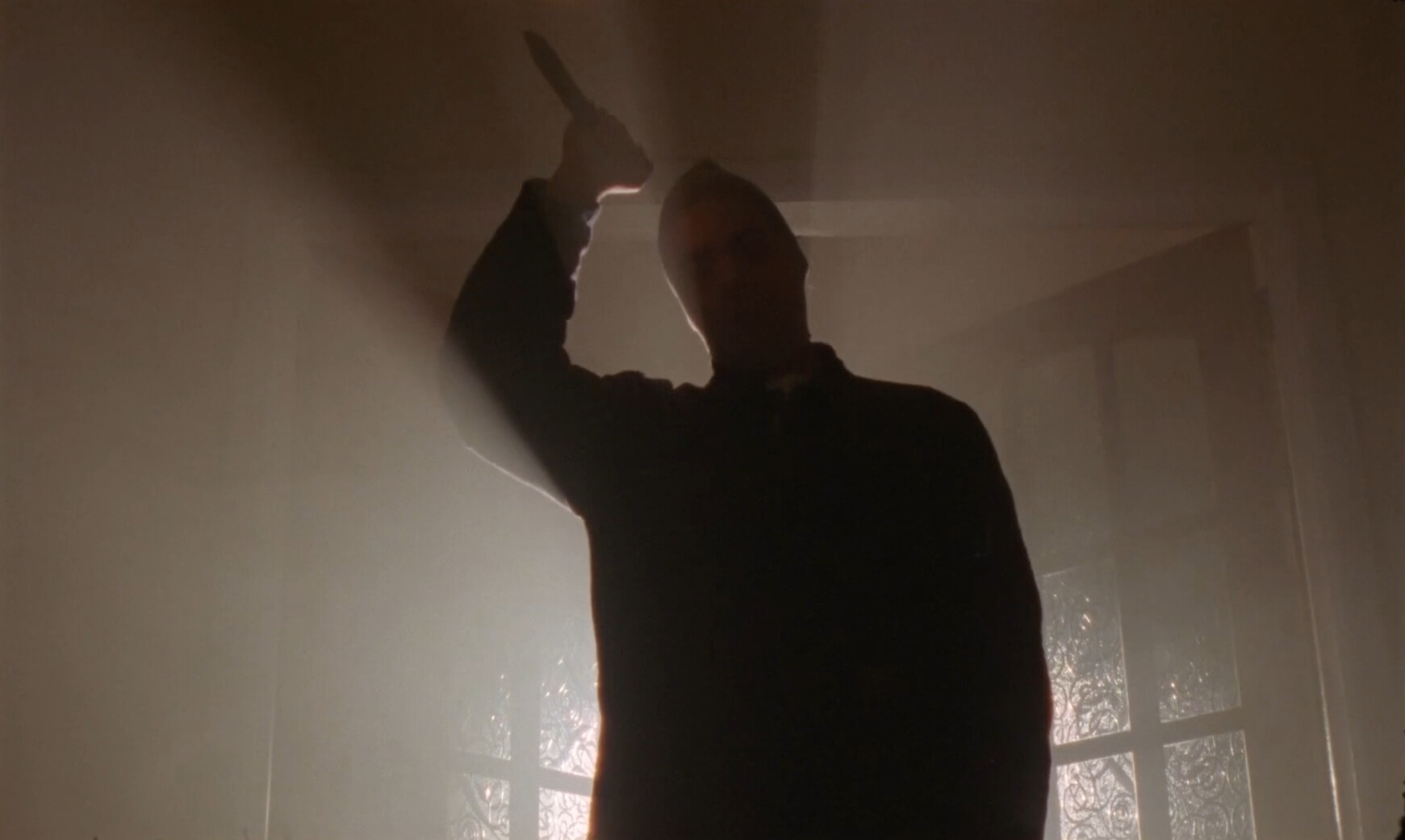
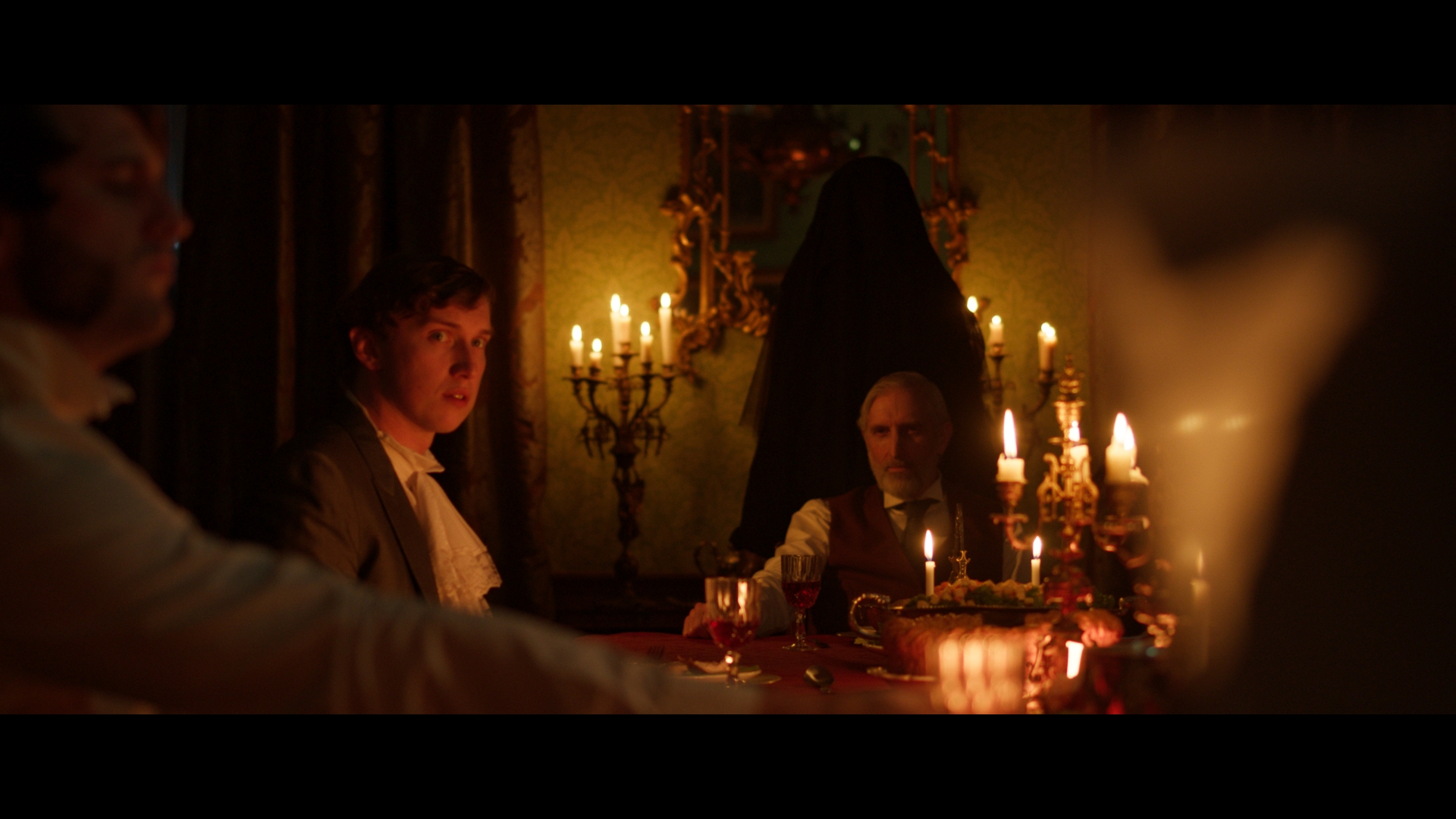
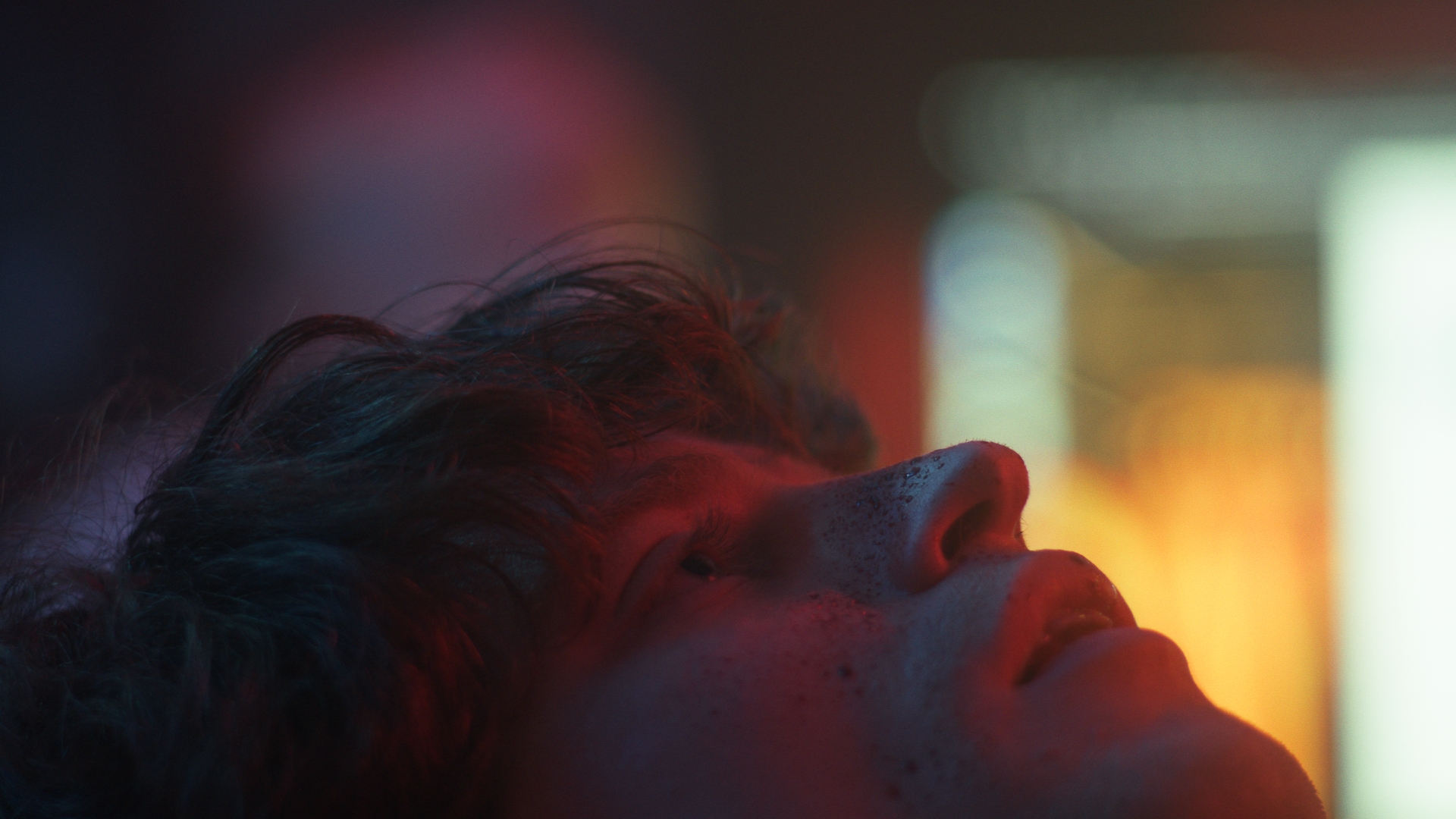
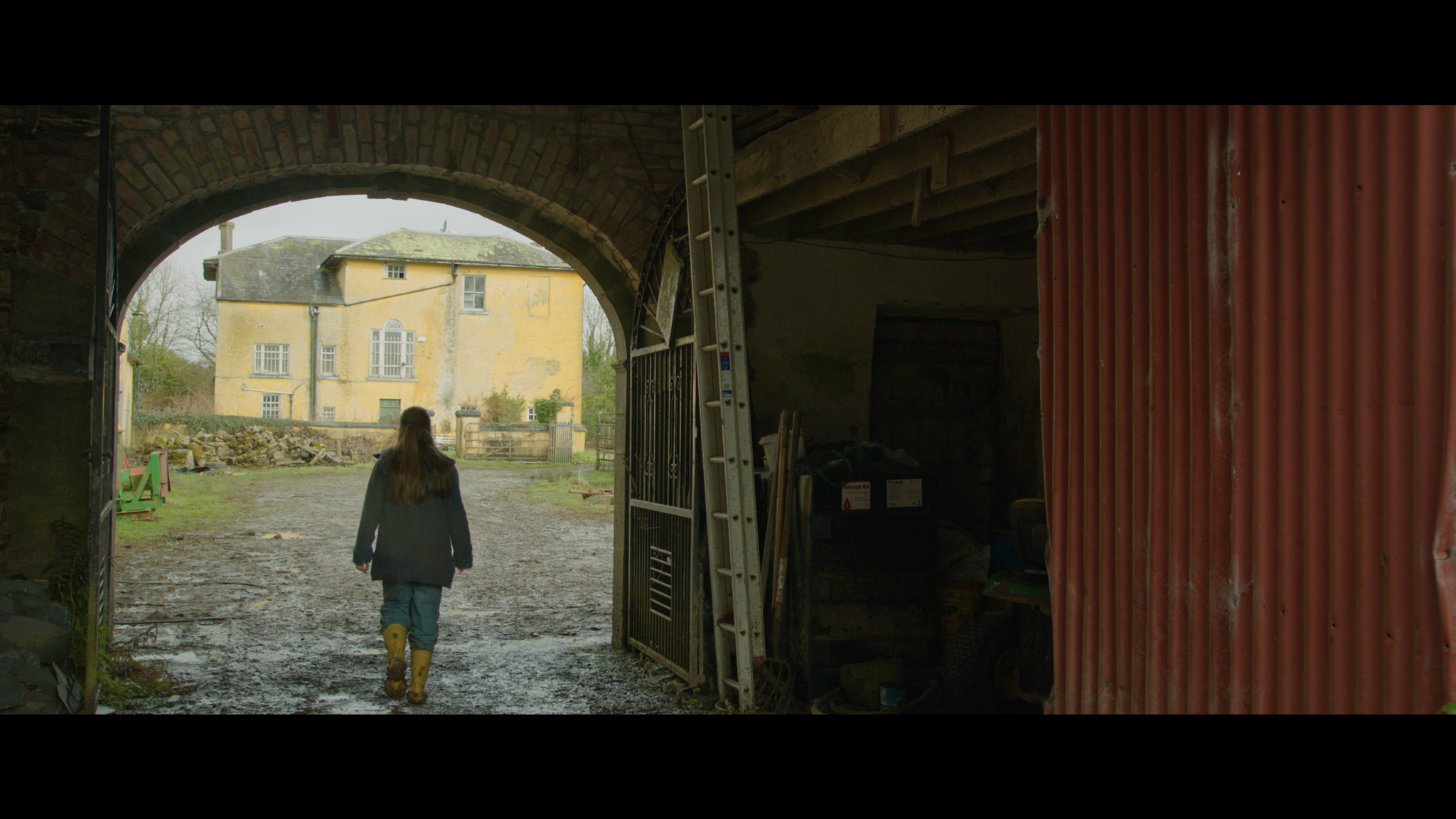
The film is also visually striking: the costumes and locations transport the audience back in time, while the sound design, score, and performances create an immersive and emotionally provocative experience. By the end, it will not simply feel like a horror film, but a tragedy.
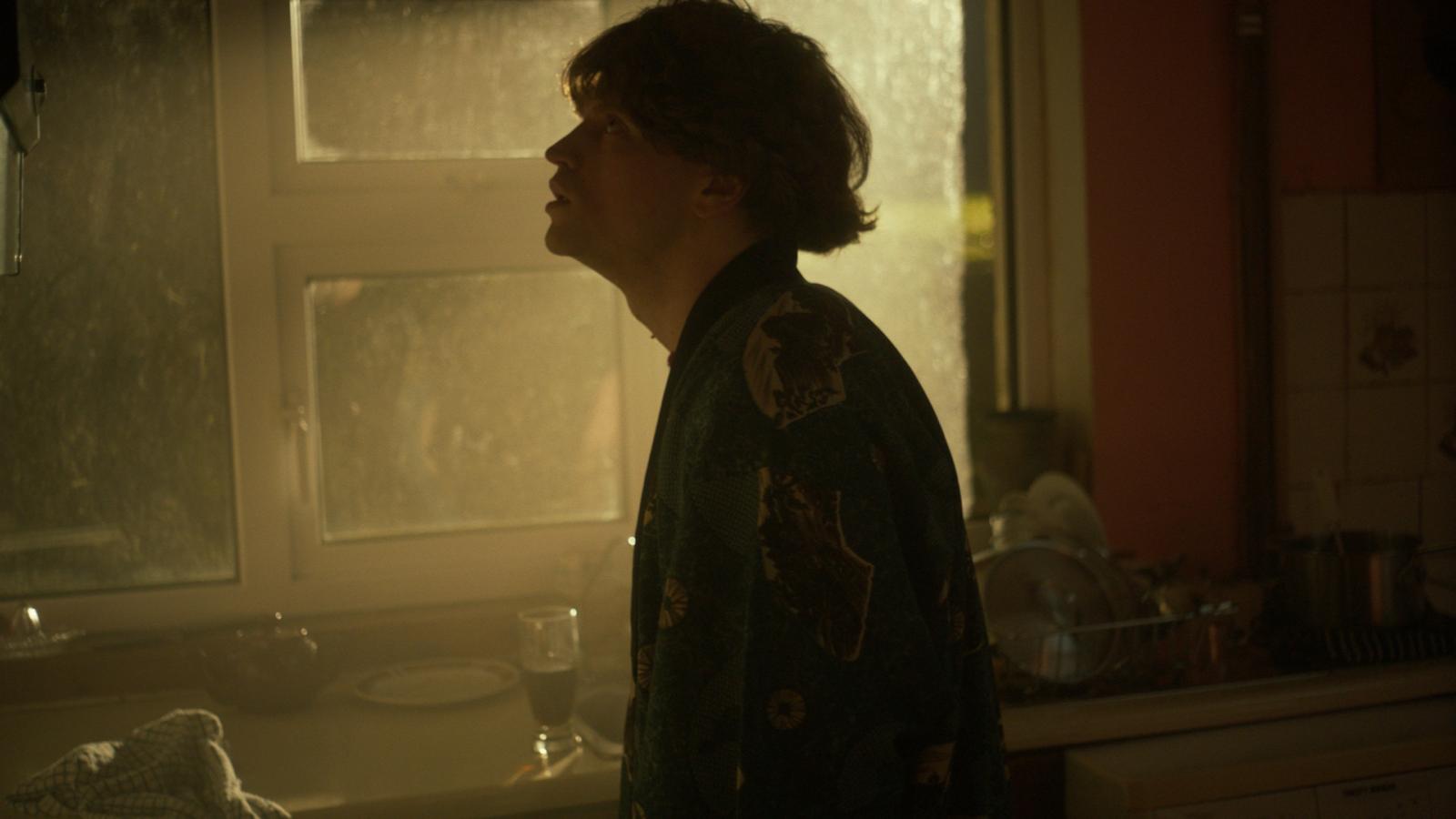
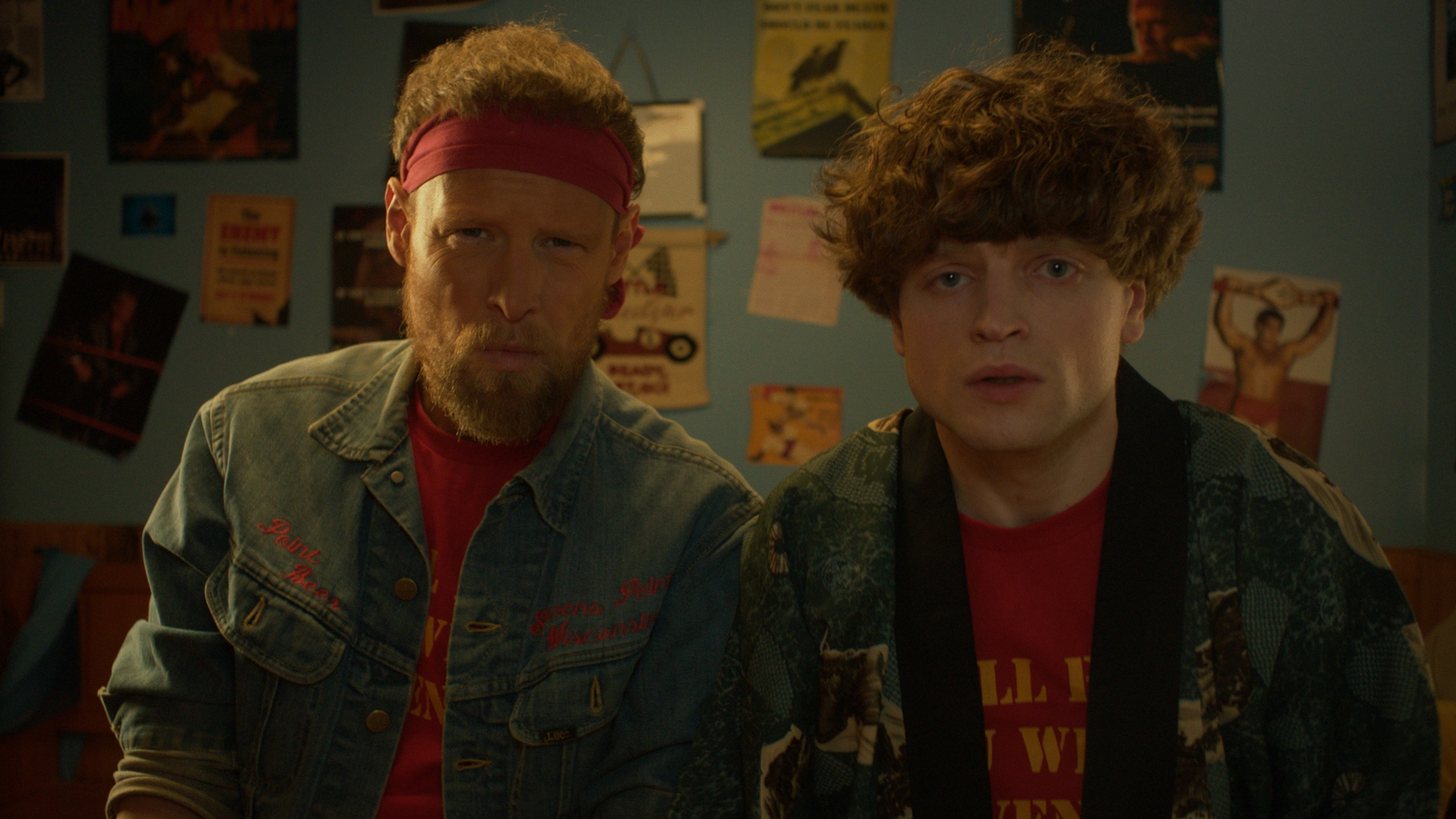
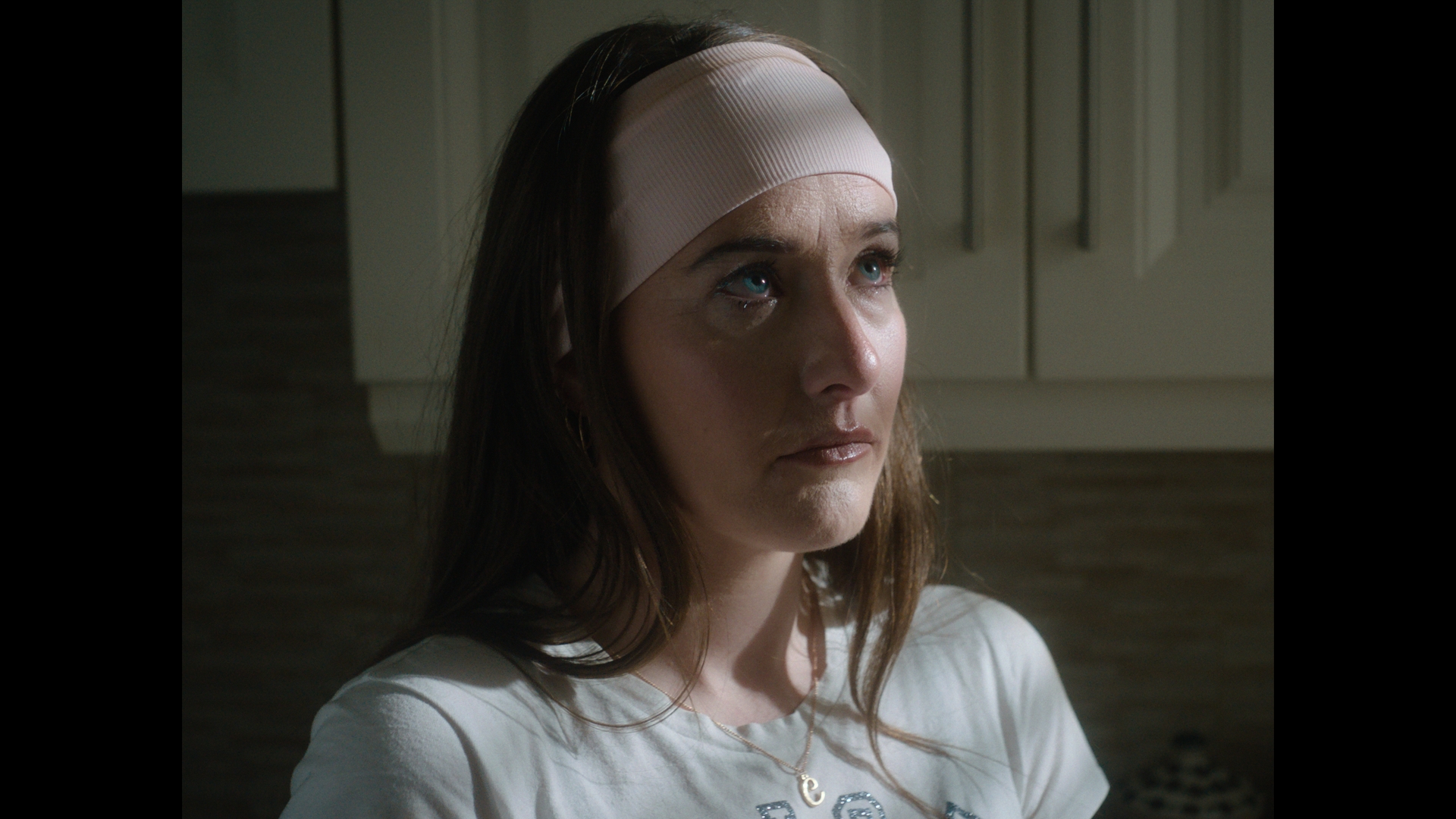
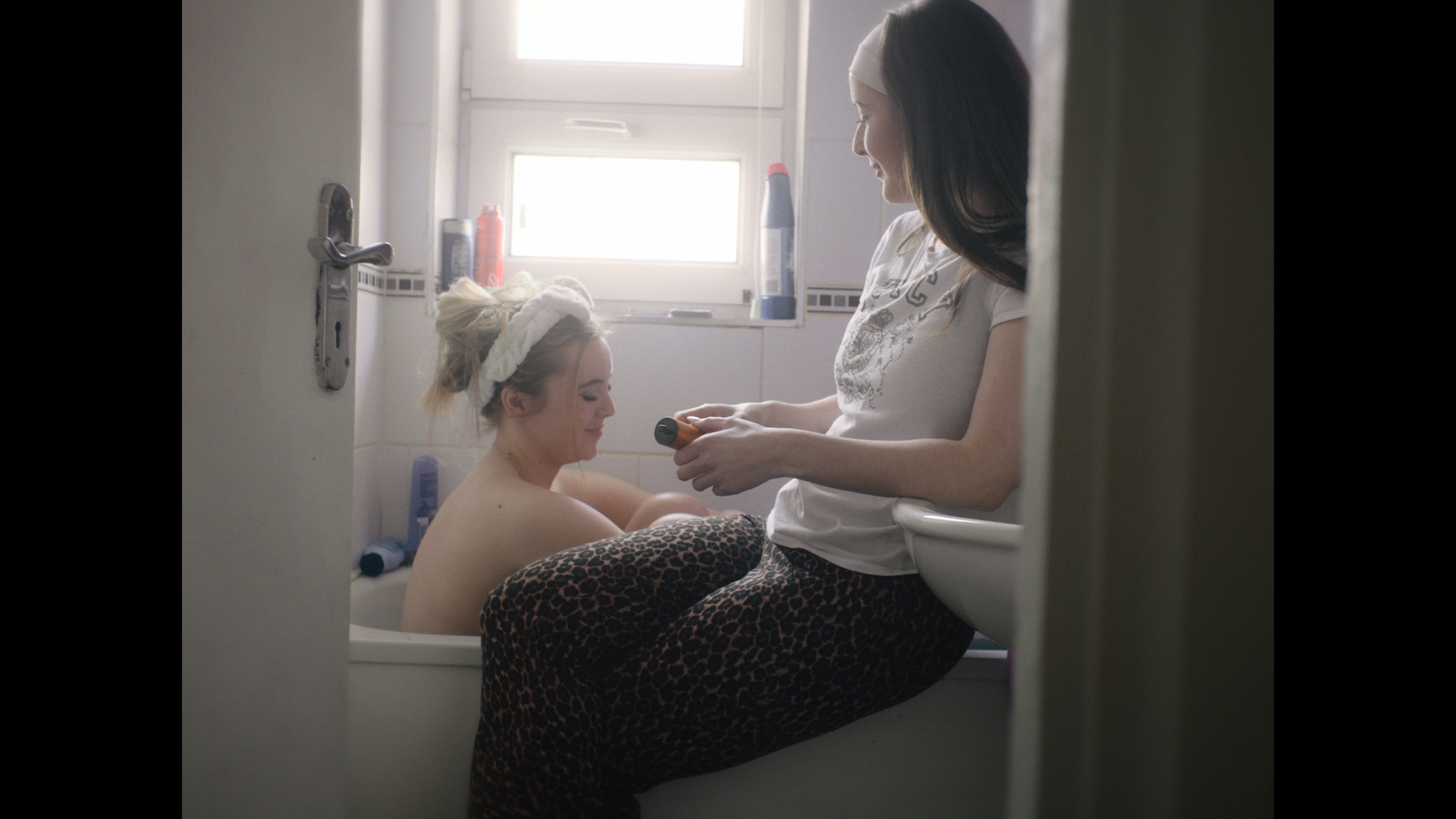
'A Helping Hand' 2022
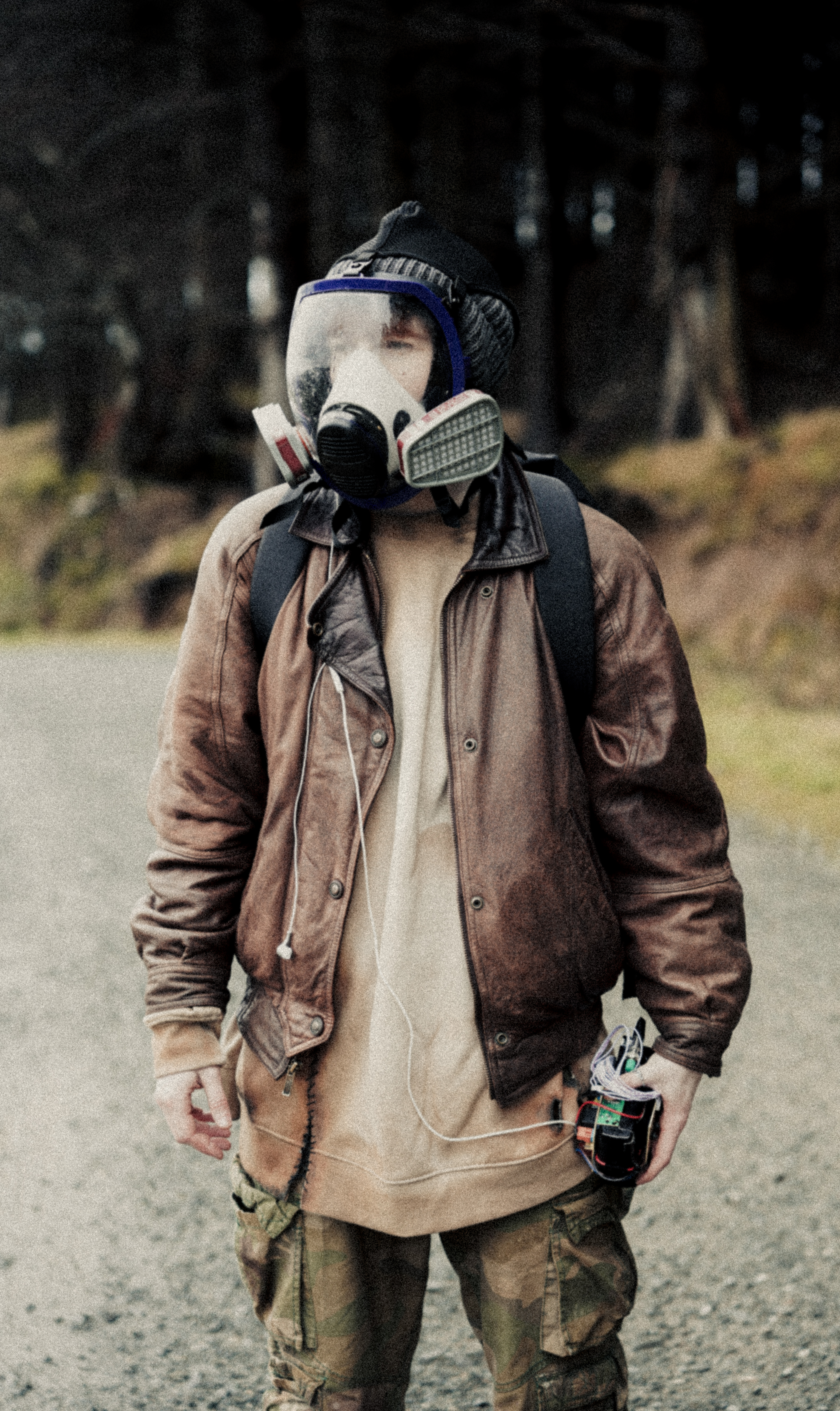
'Lack of Flowers' 2023
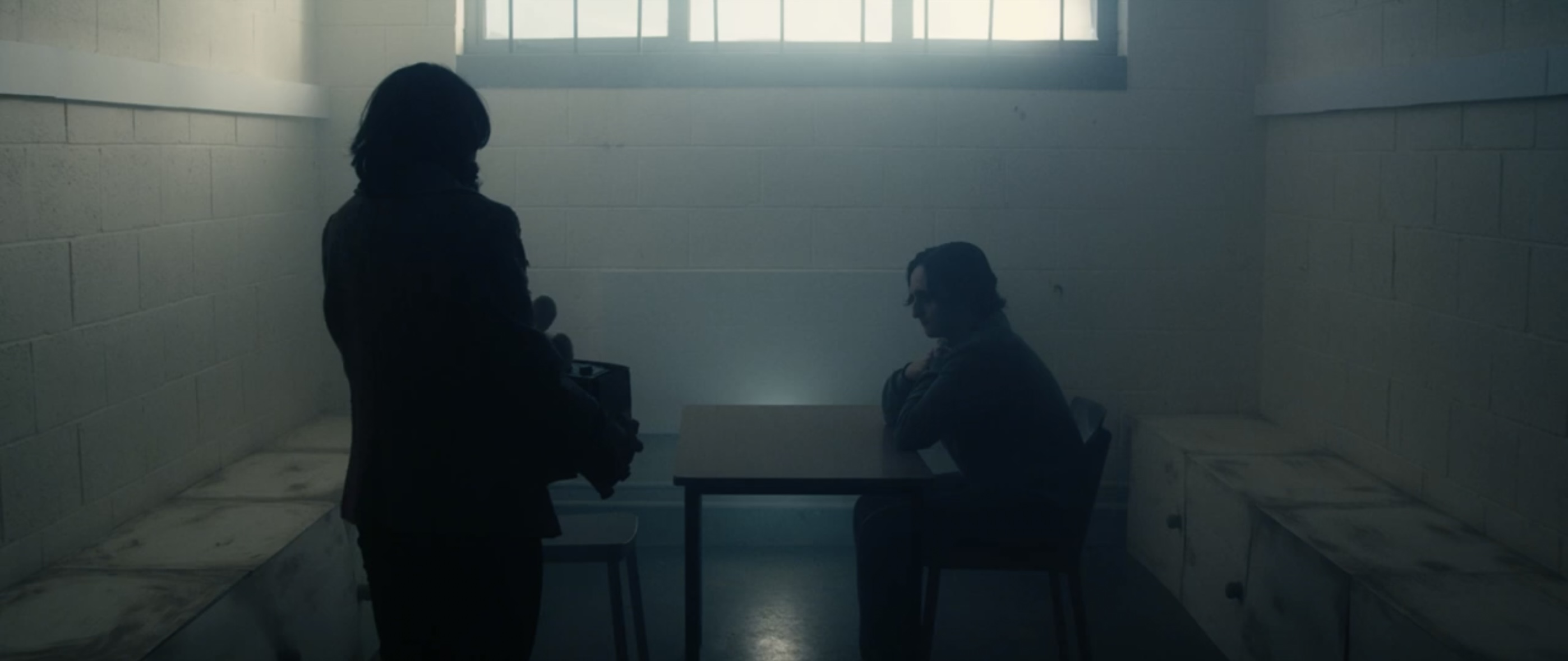
'Let Me Buy You a Coffee' 2024
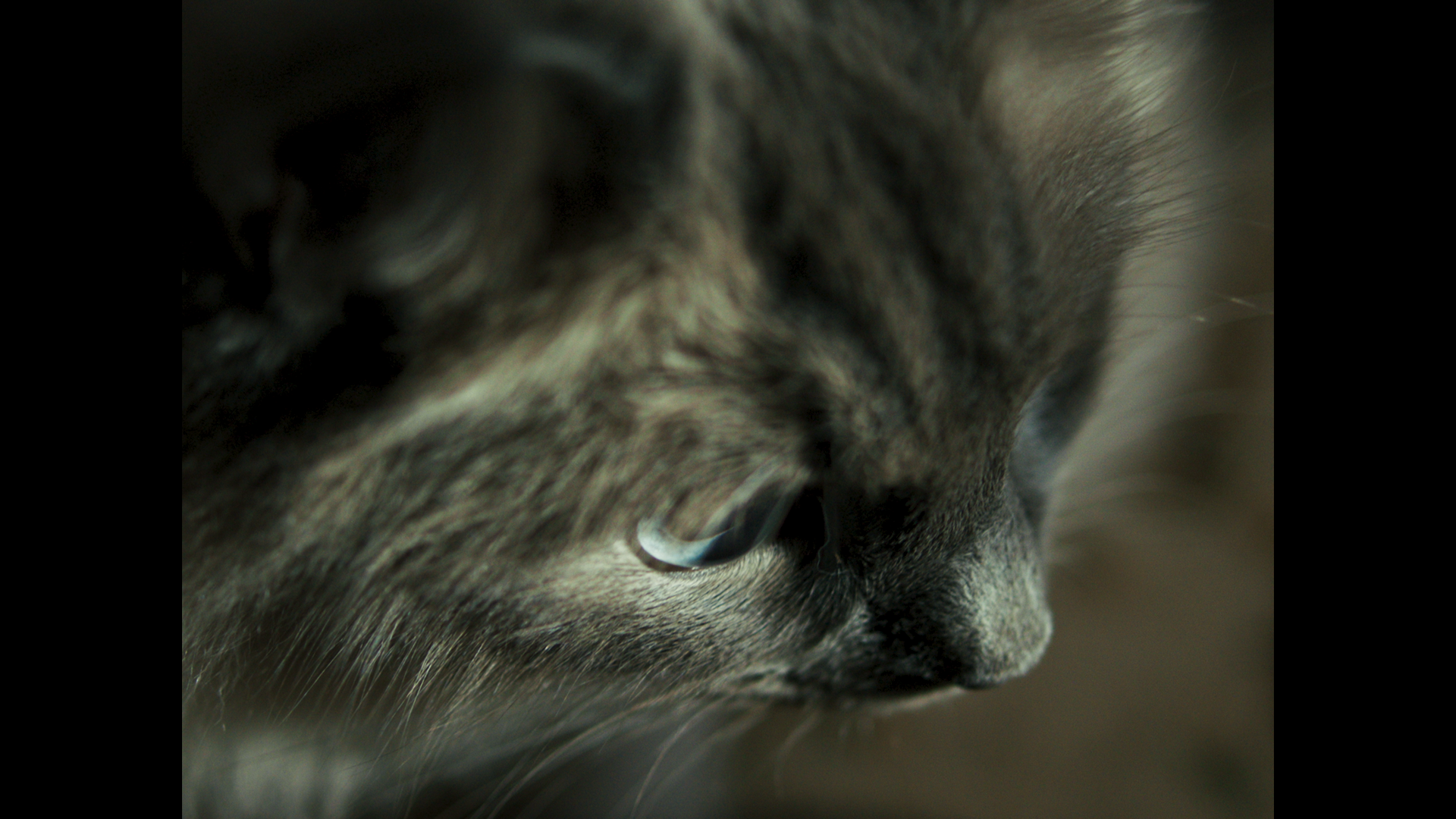
'Cavity' 2025
'A Bite of Forever' 2026
Horror cinema often explores society’s deepest fears and desires through monsters and the supernatural. Female desire within the genre is frequently portrayed as dangerous, excessive, and destructive, with women often punished for pursuing emotional or sexual freedom. This thesis examines the portrayal of female desire in 'Possession' (1981) and 'Nosferatu' (2024). Although created over forty years apart, both films focus on women whose psychological conflicts are expressed through relationships with monstrous figures. Using psychoanalytic and feminist theory, including Beyond the Pleasure Principle and Embodying the Monster, this thesis explores how horror represents female sexuality, repression, trauma, and forbidden desire. Both films portray desire as emotionally consuming and, ultimately, tragic.
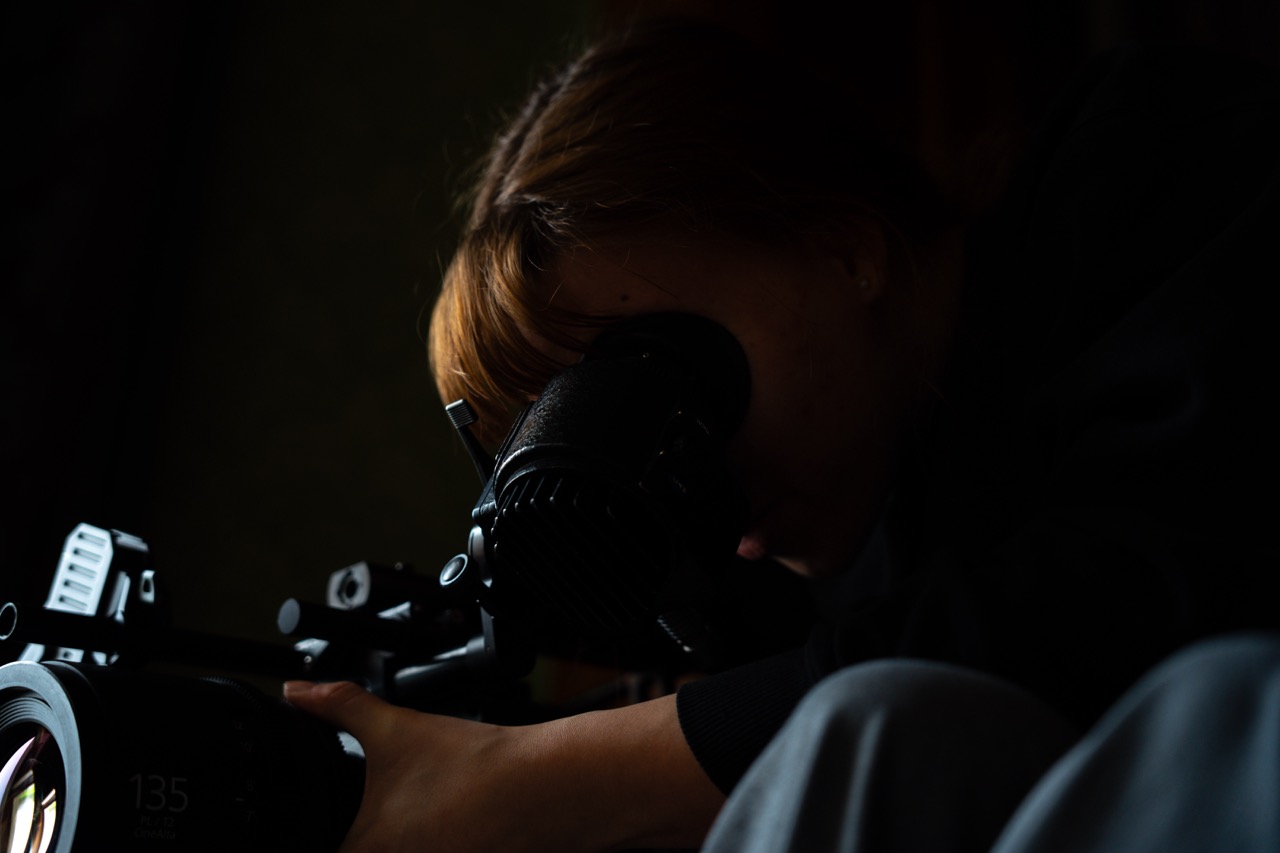
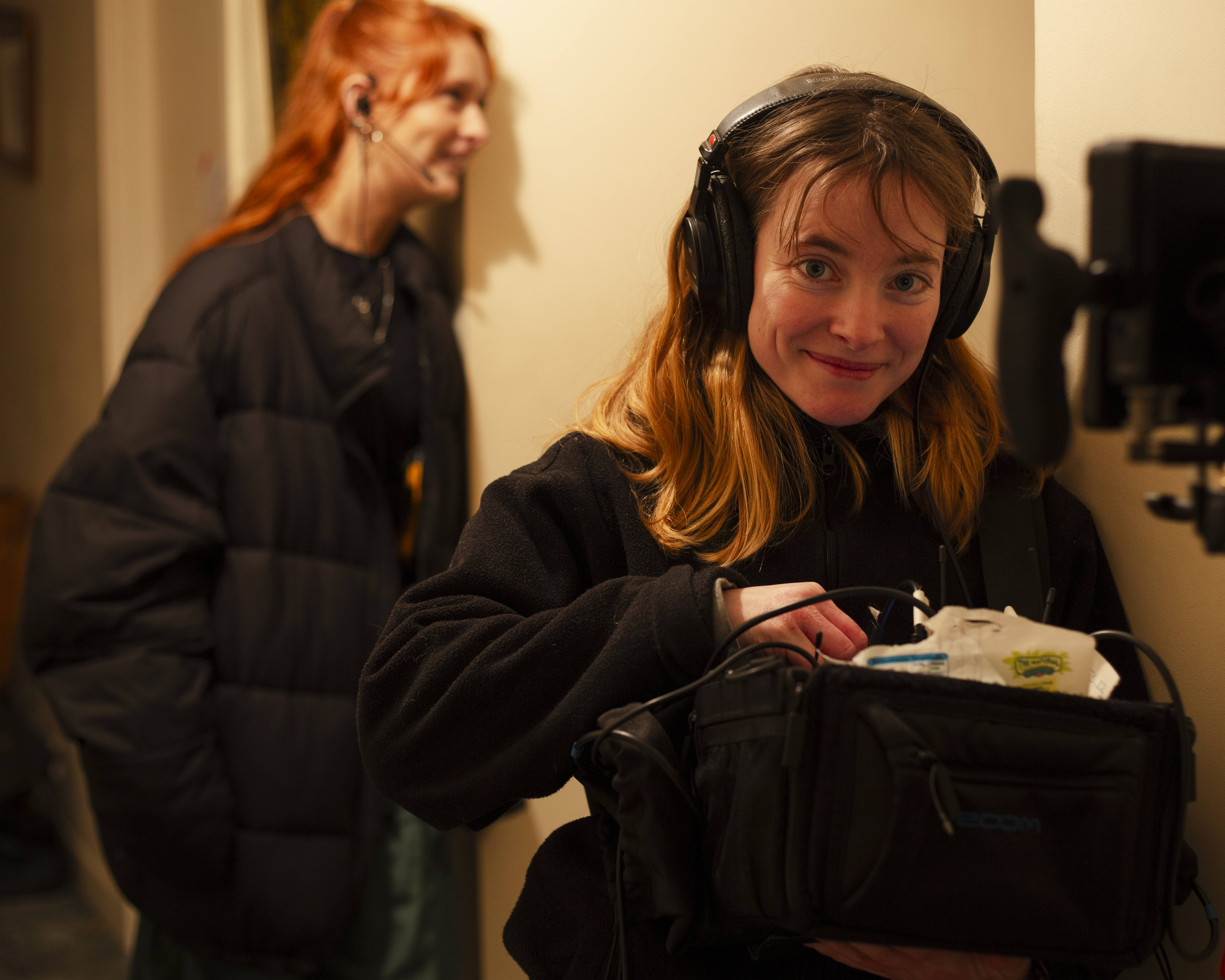
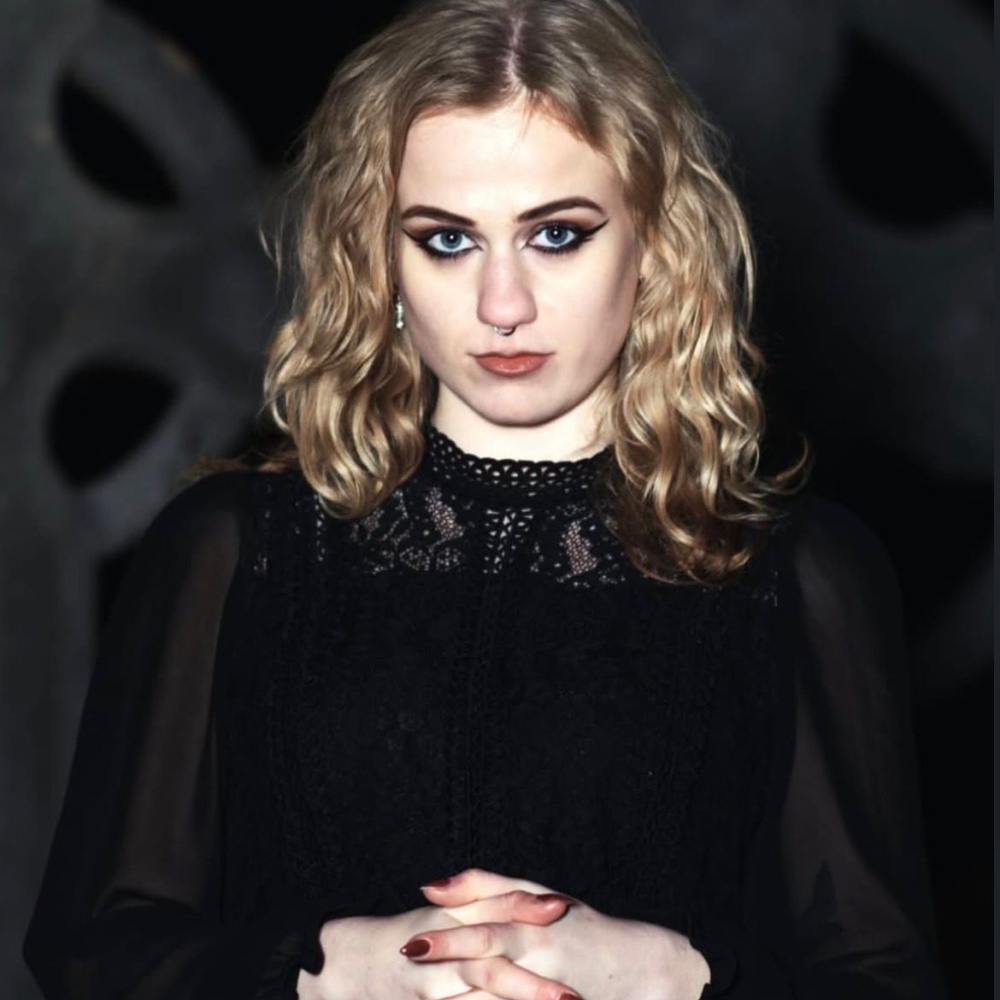
I am an Irish-based, latvian writer and director with background in script supervising. I have directed several short horror films as part of my film degree. My work often explores psychological landscapes, provoking characters, and the blurred boundary between the real and the uncanny. This is my biggest and most powerful film project yet. To tell a gut-wrenching story that will provoke audiences. The film highlights themes of control, depression and historic erasing of women artists. It comes from a deep place in my heart, a growing passion and love for the horror film genre. Influences drawn from gothic literature, ghost stories, and the aesthetics of Emily Dickinson.