Sophie Clarke
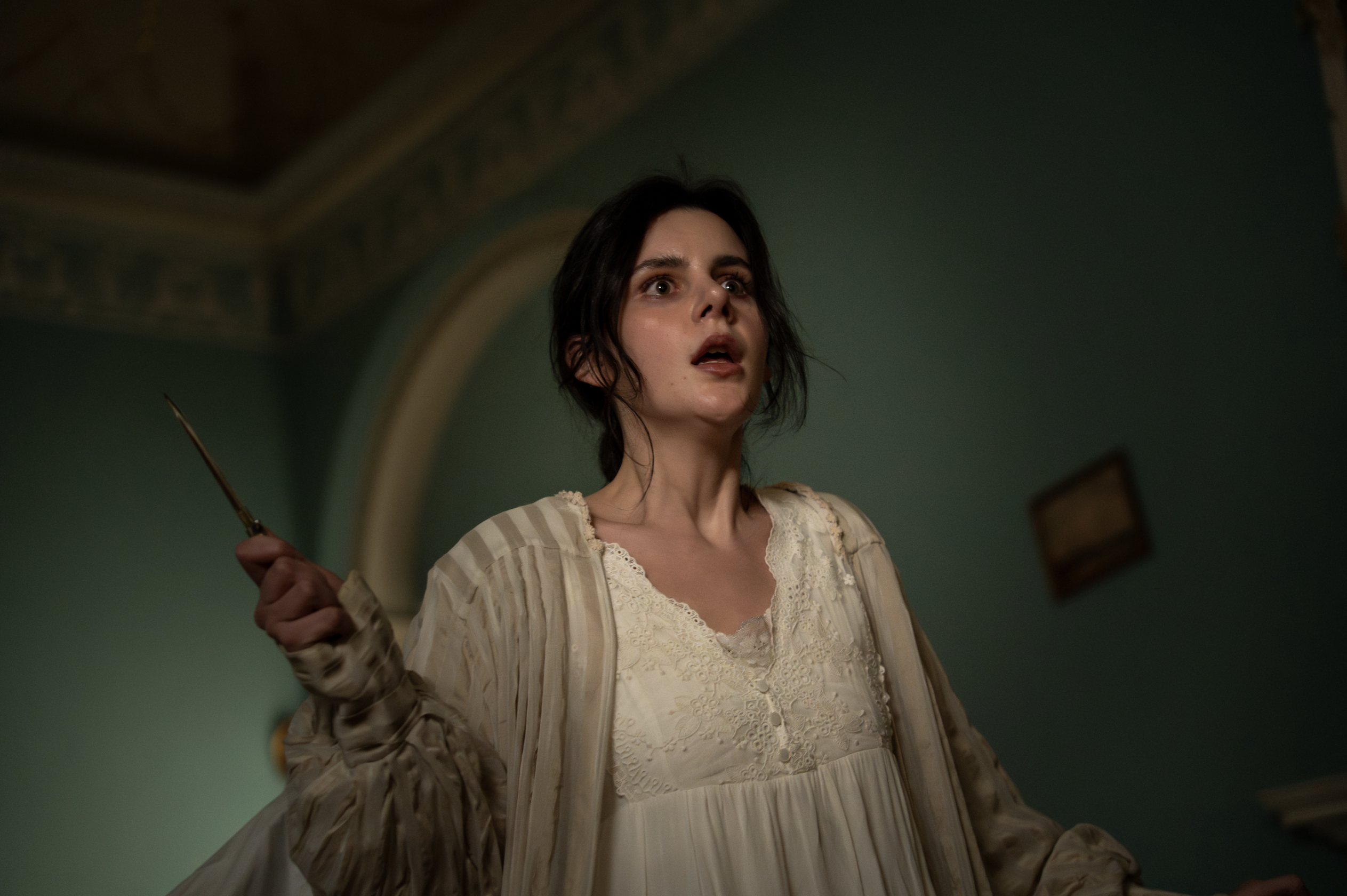
Splinters - Drama - DOP
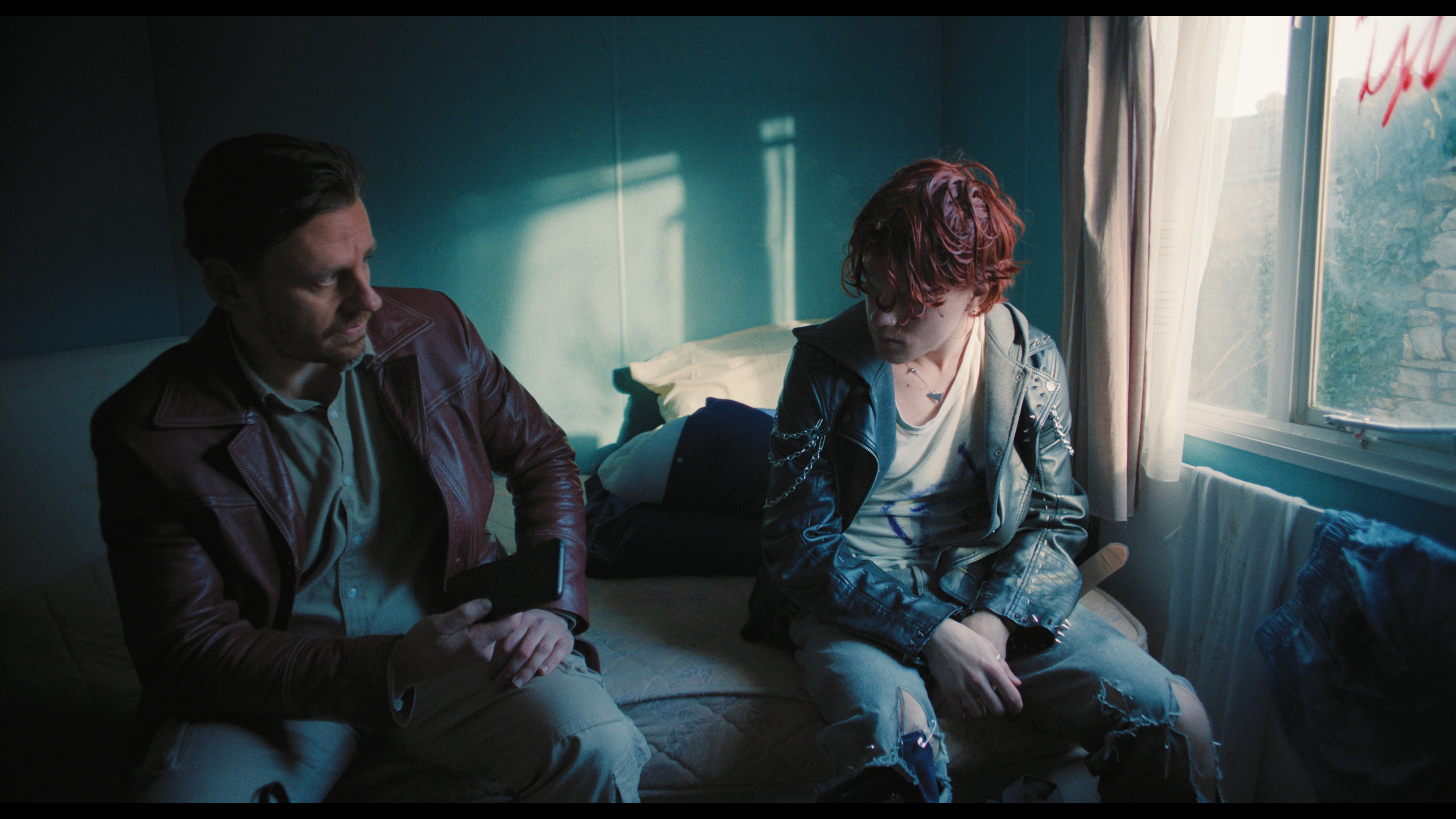
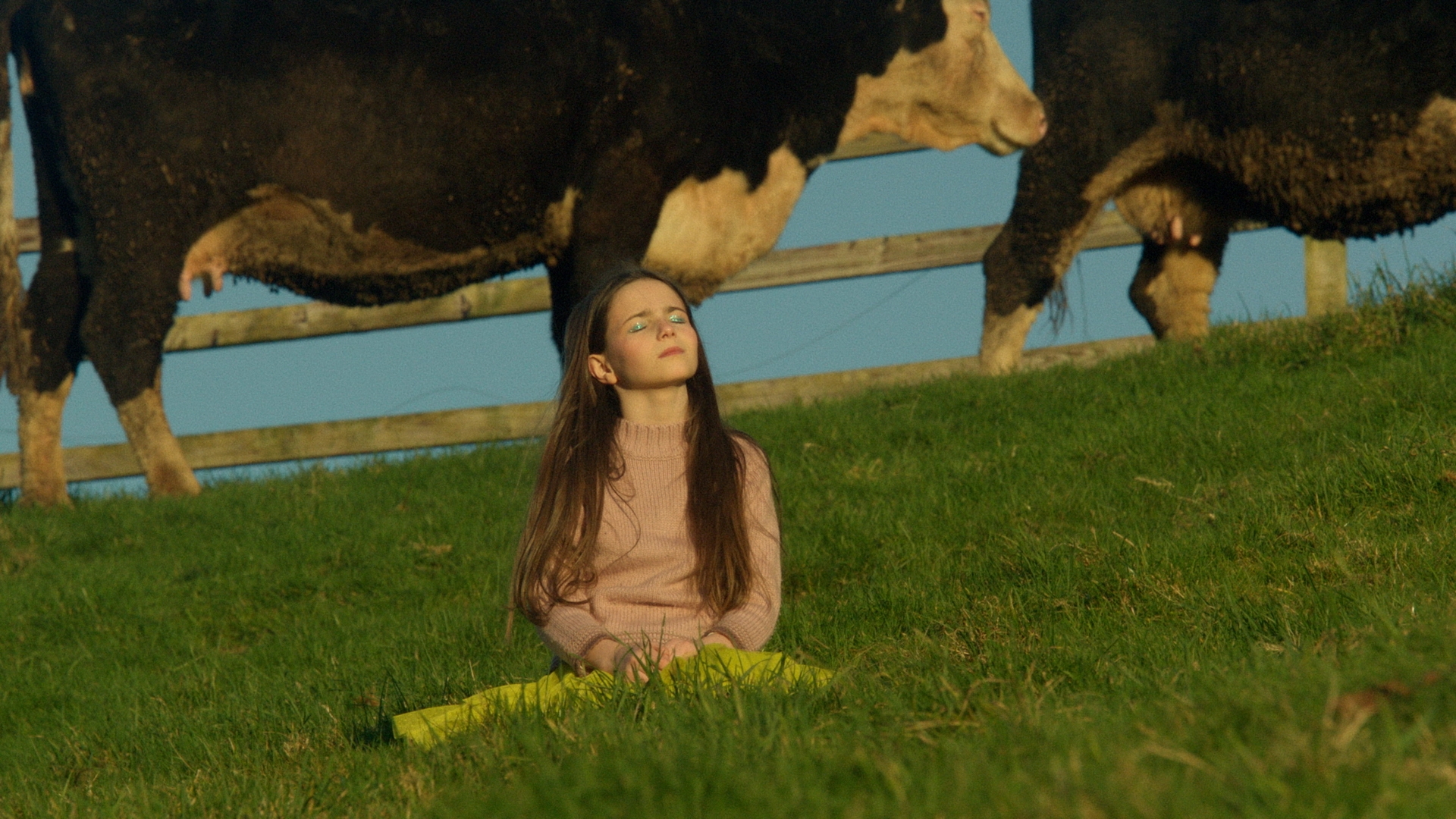
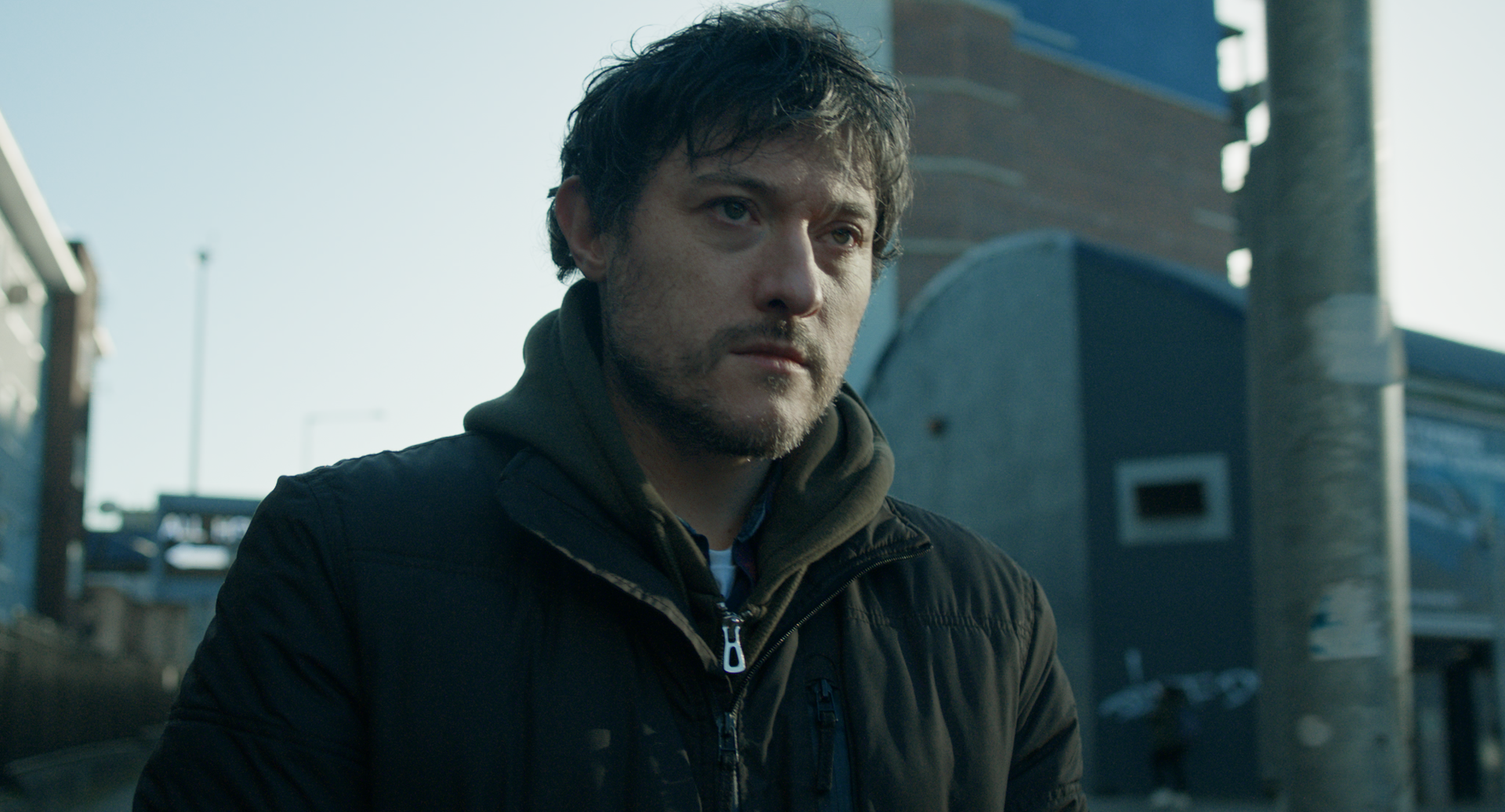
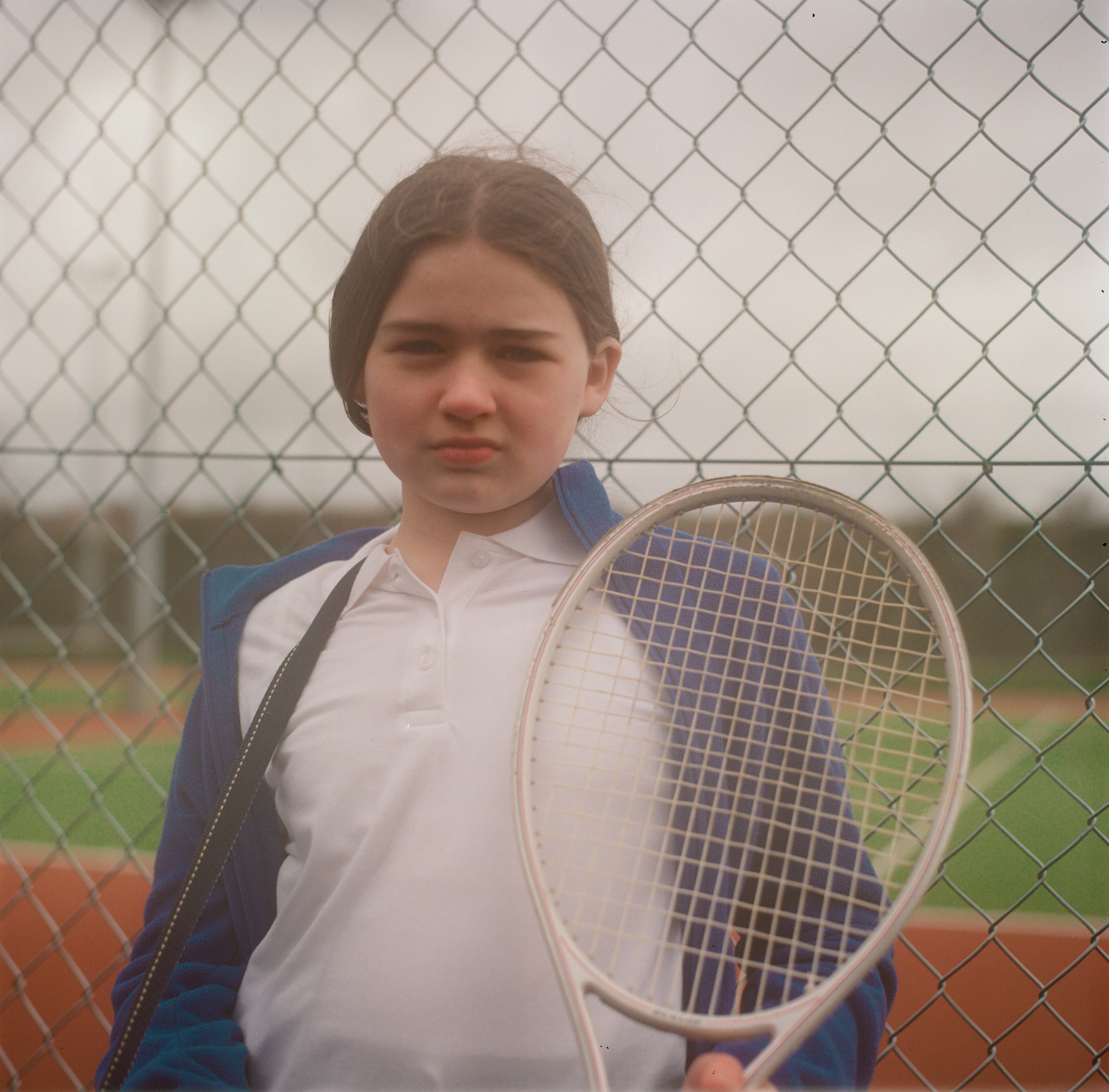
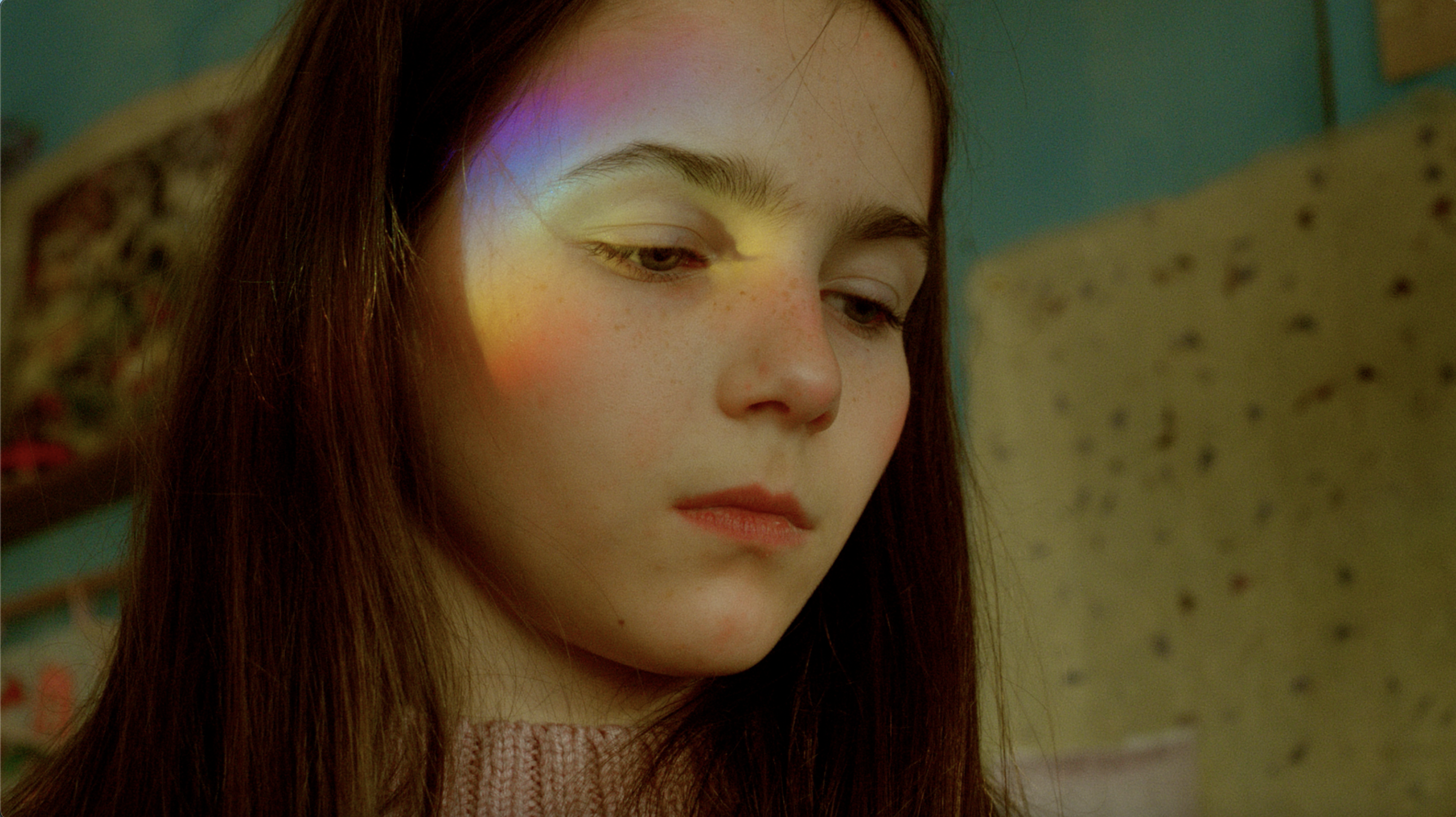
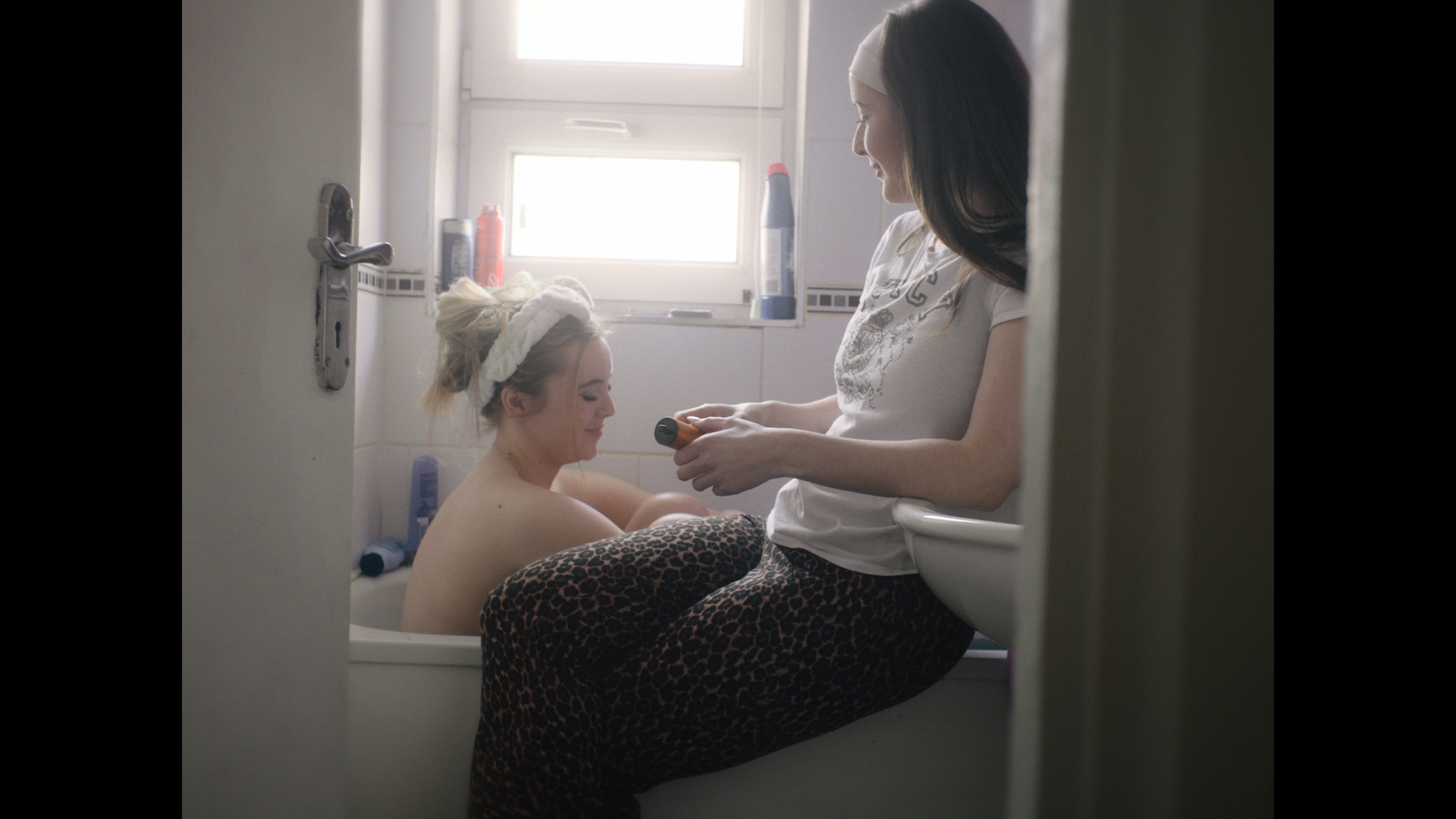
Taken to live in a women’s shelter without explanation, ten-year-old Nora tries to understand what her mother is not telling her about her father.
A Place to Stand - Documentary - DOP
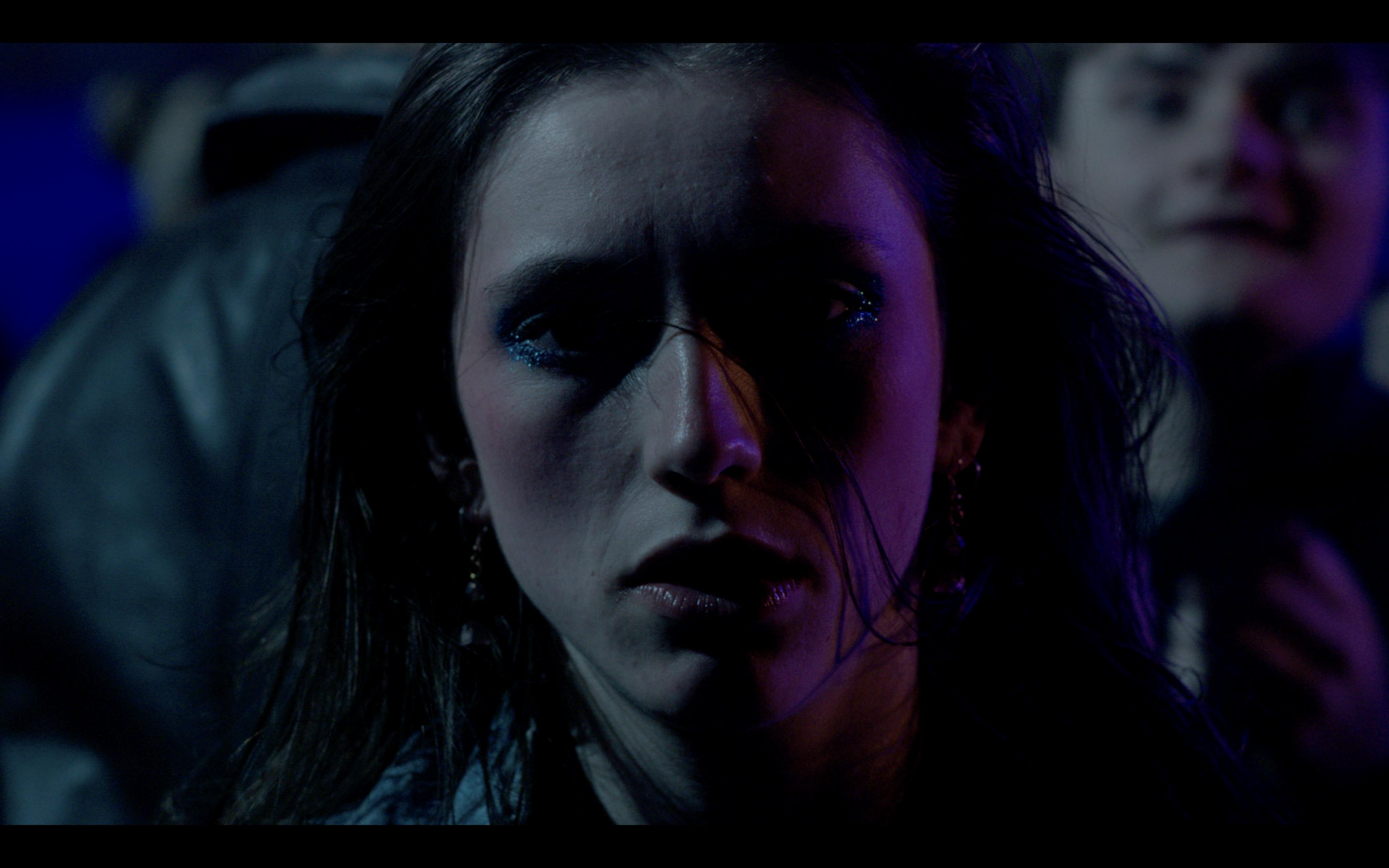
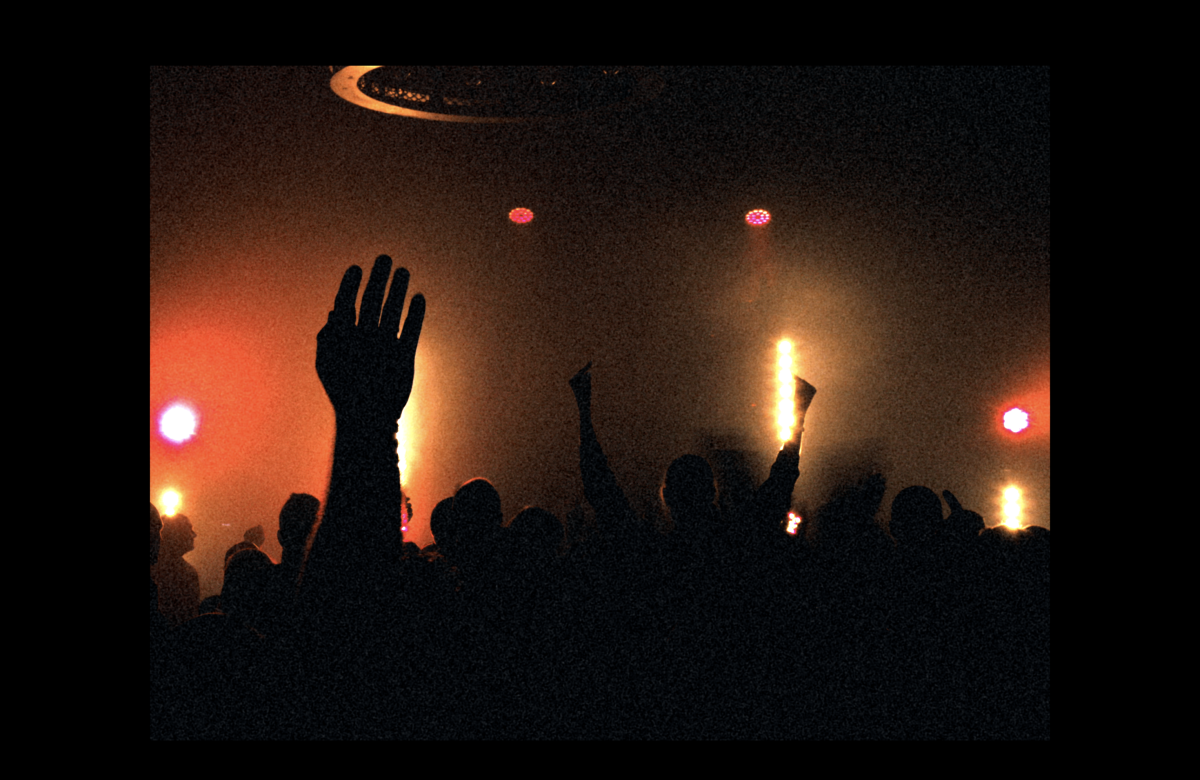
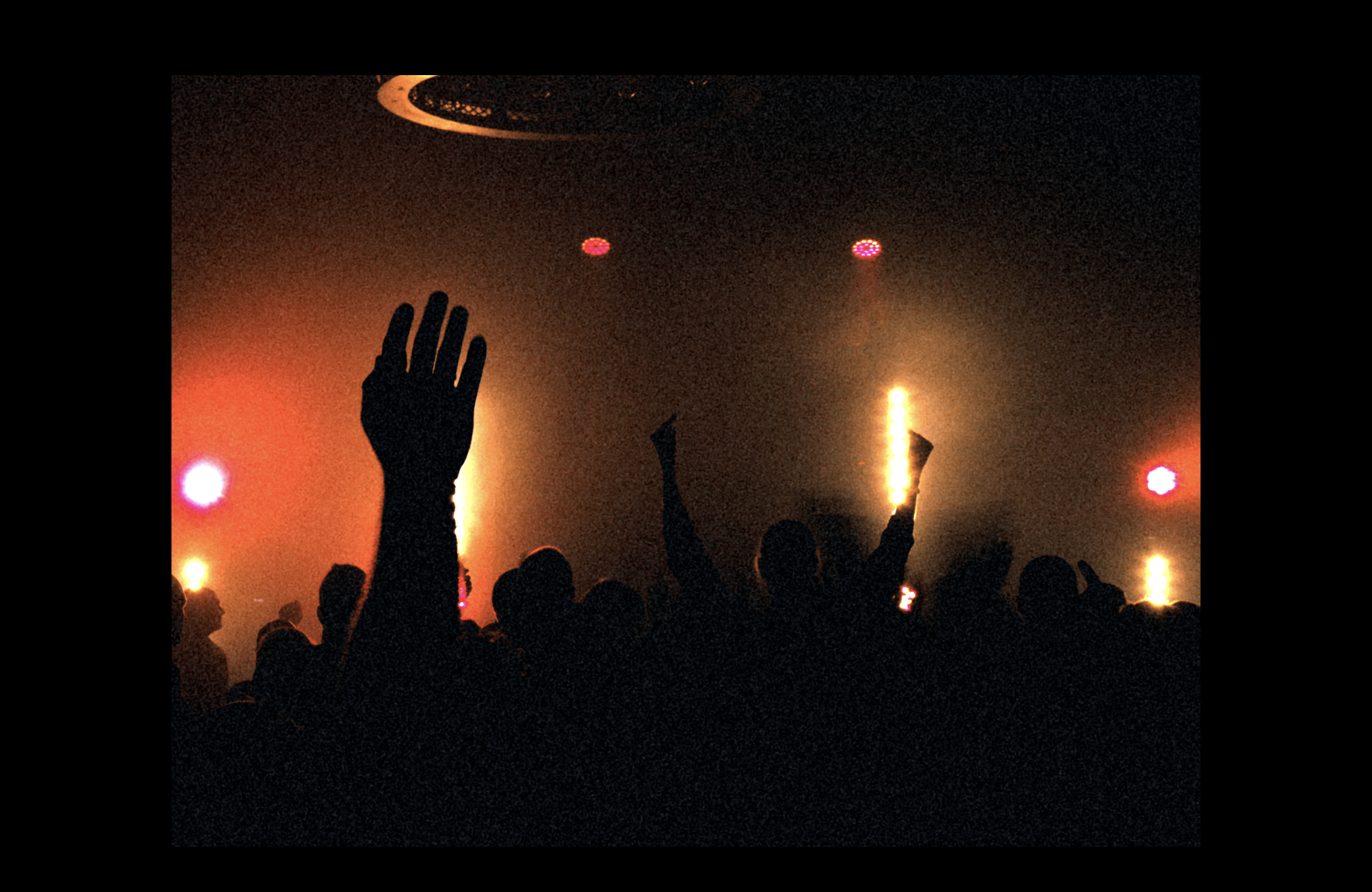
Towards the end of The Troubles, when sectarian violence defined everyday life, a new kind of haven emerged on the dance floors of underground raves, a space where Catholics and Protestants could coexist through a shared devotion to music.
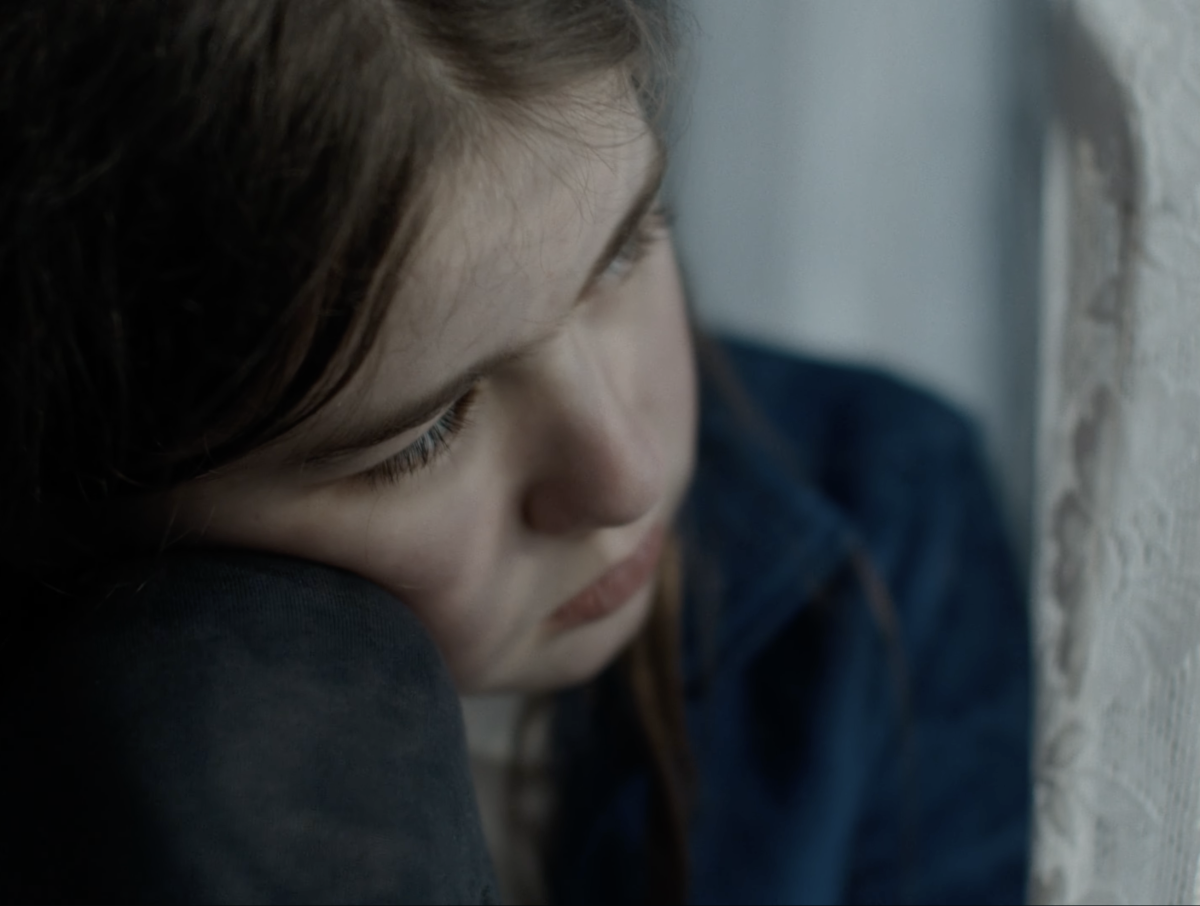
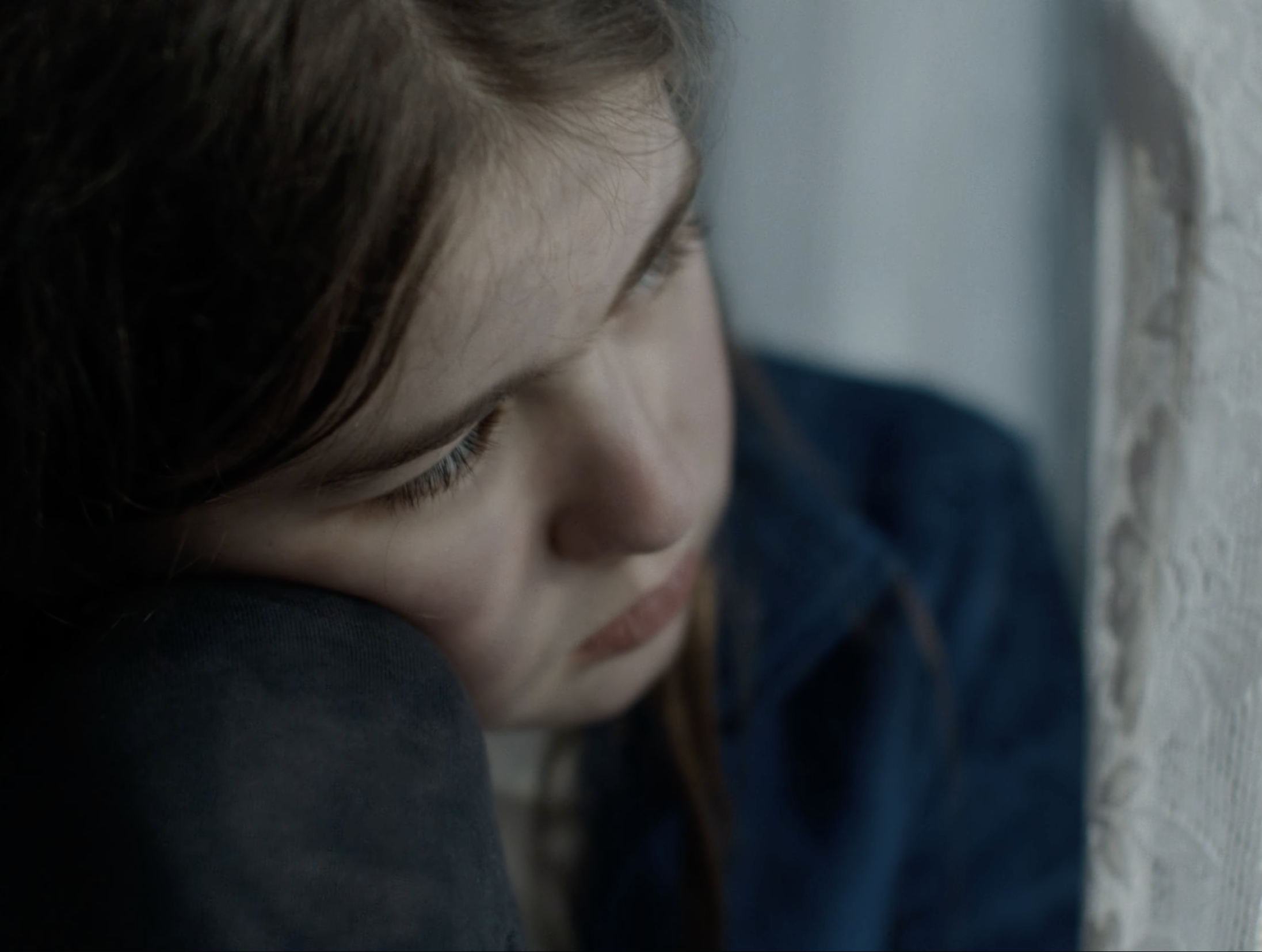
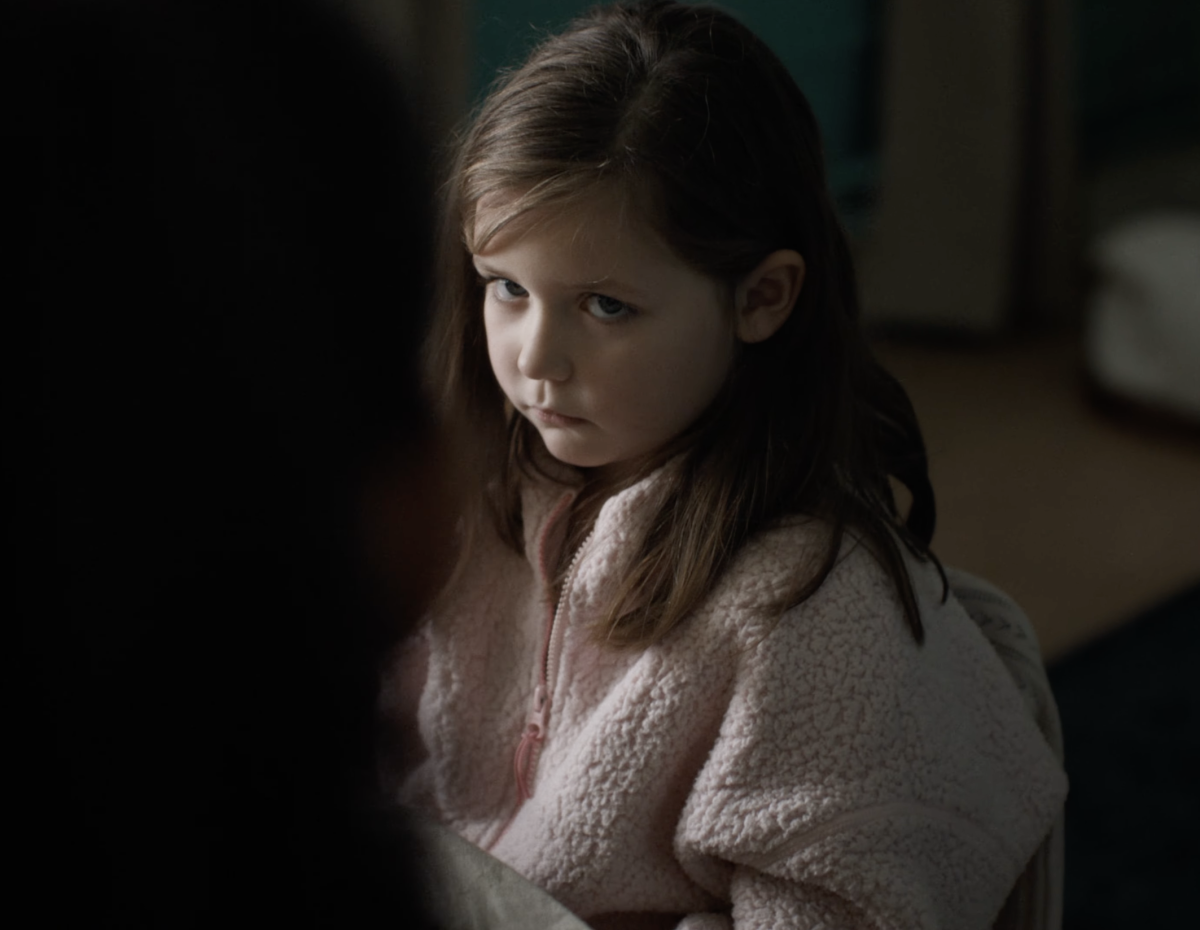
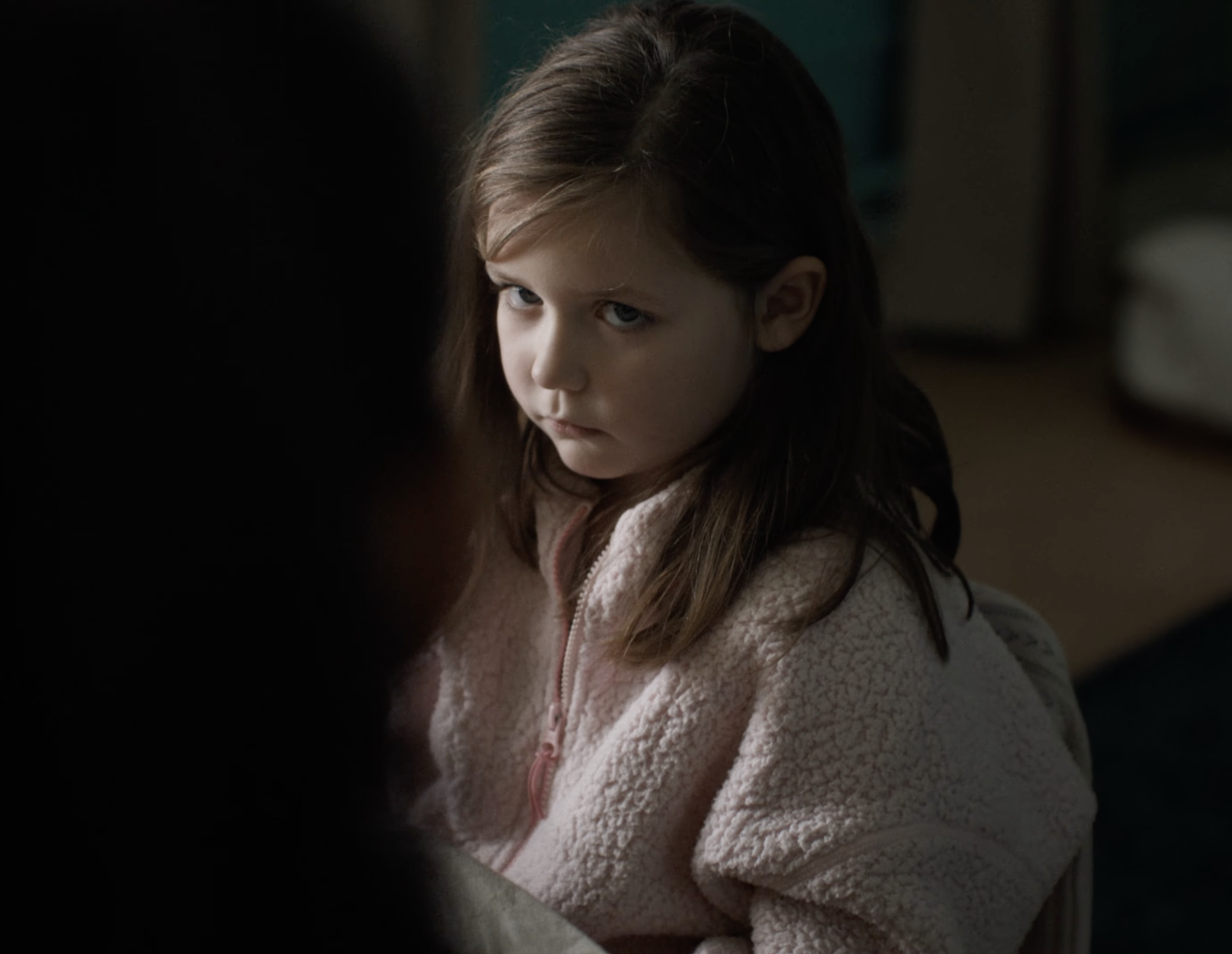
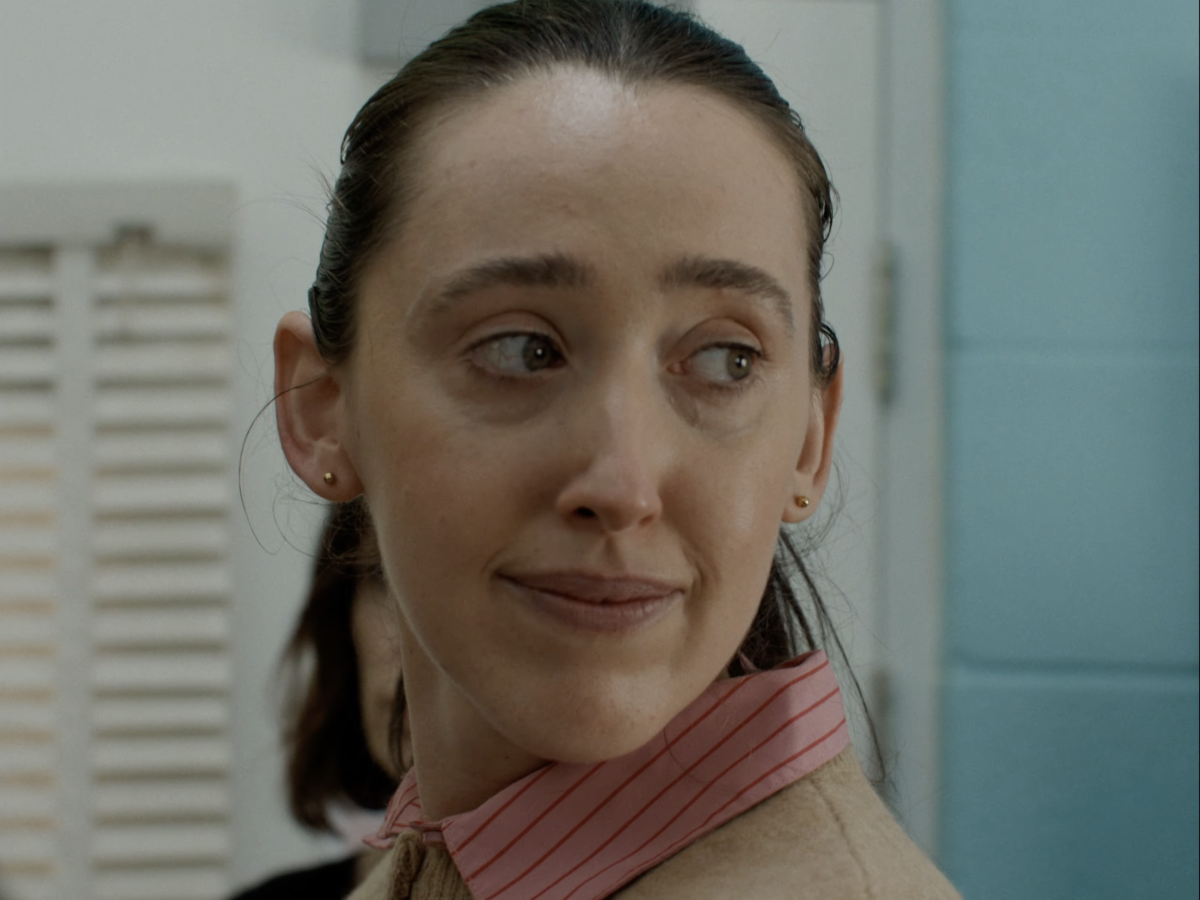
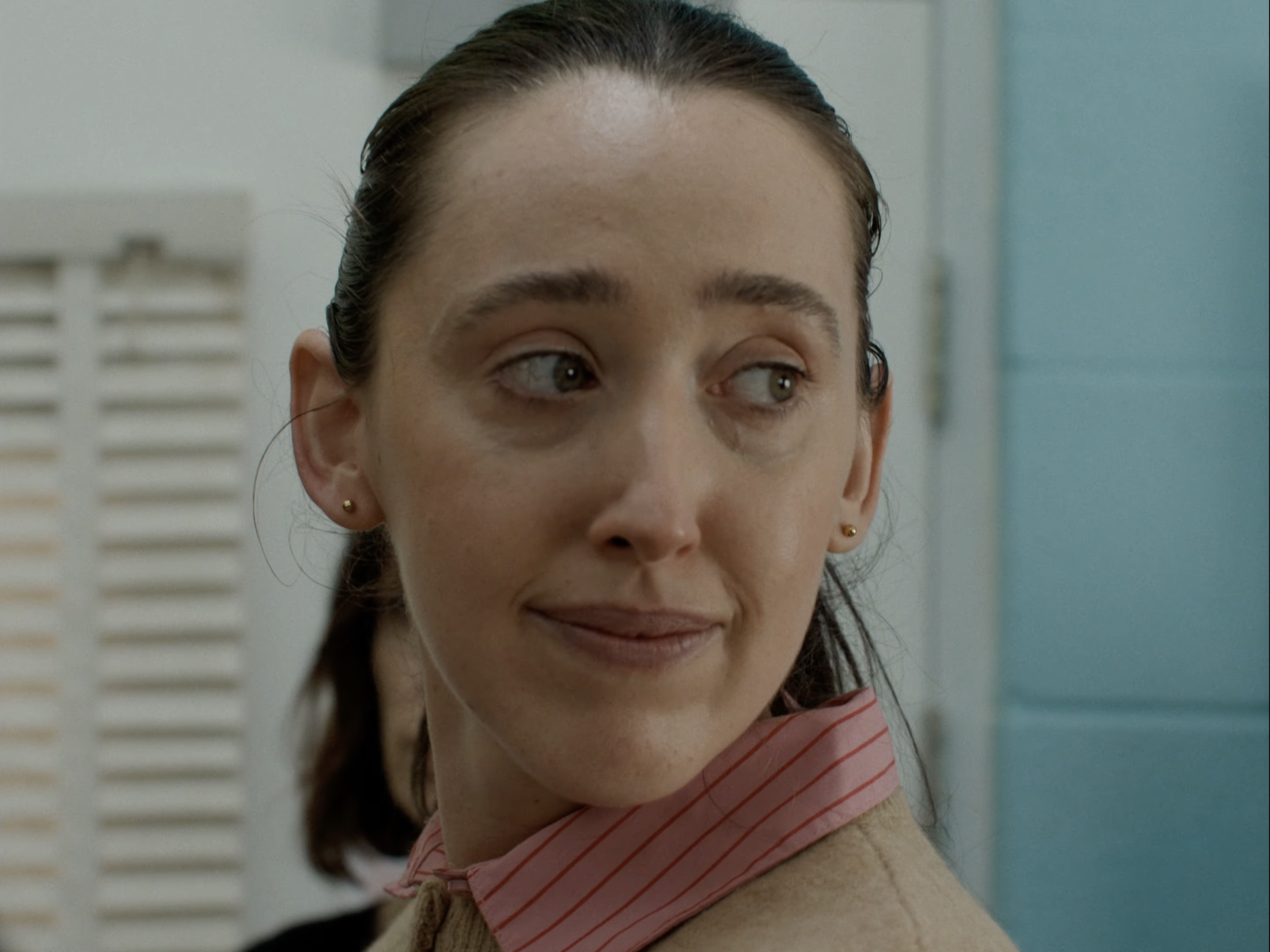
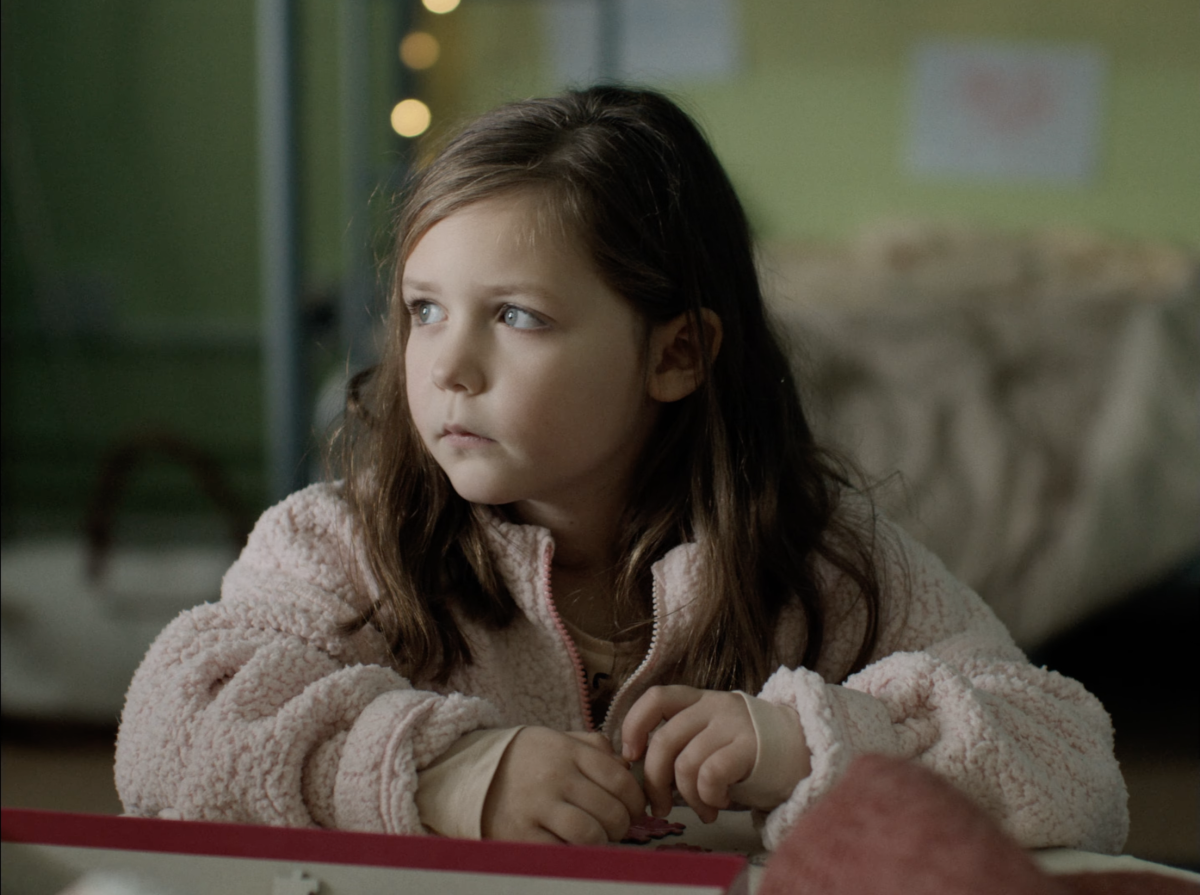
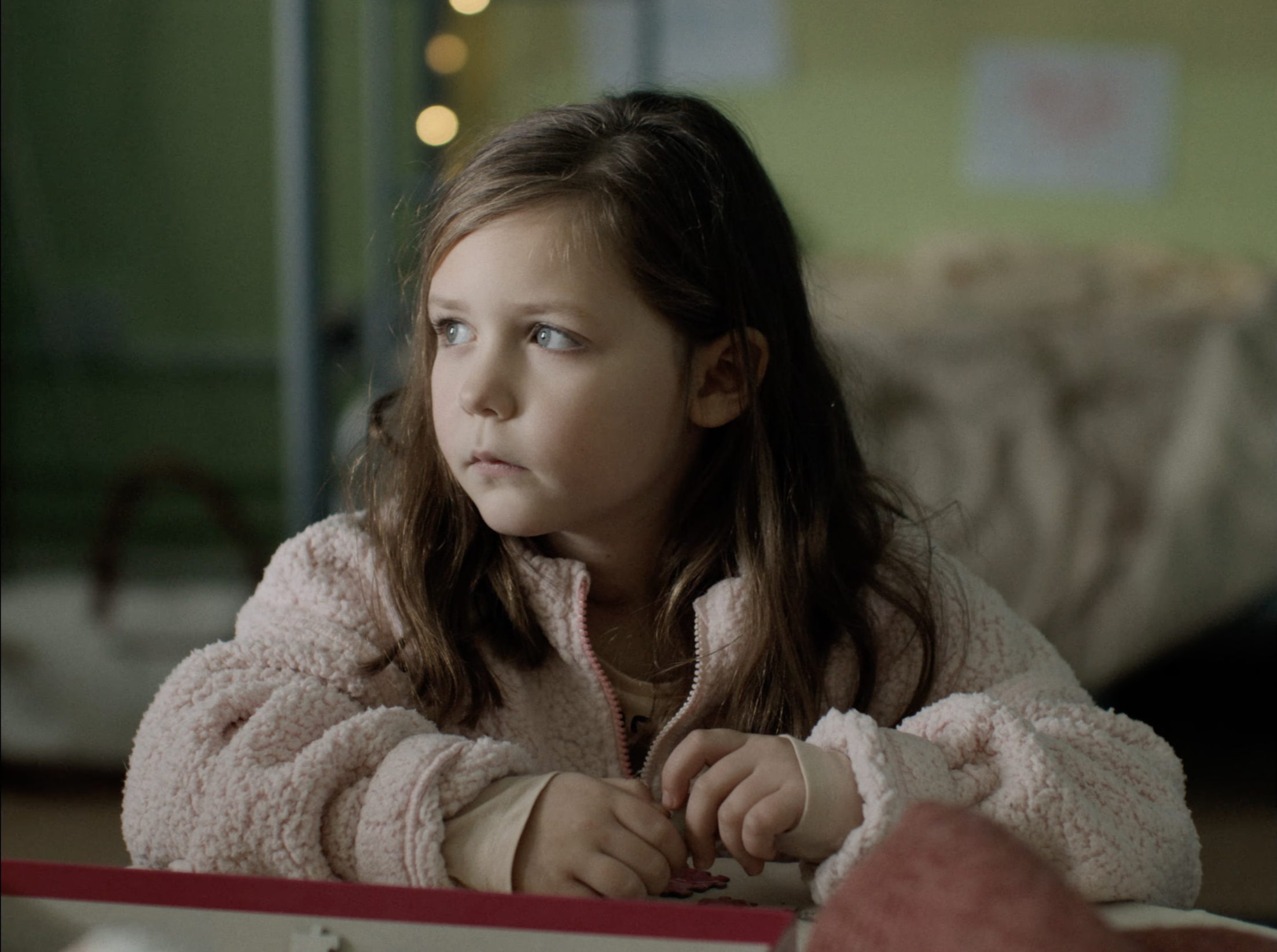
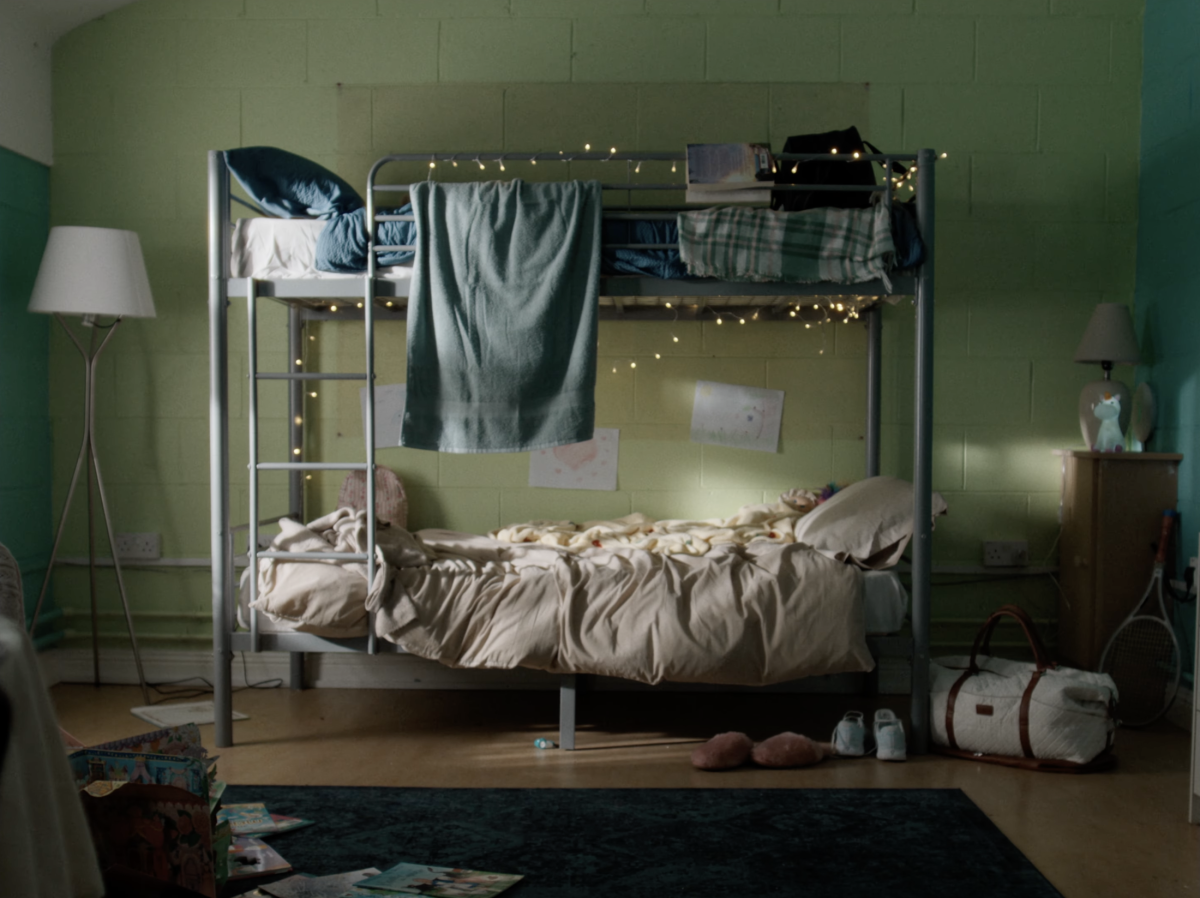
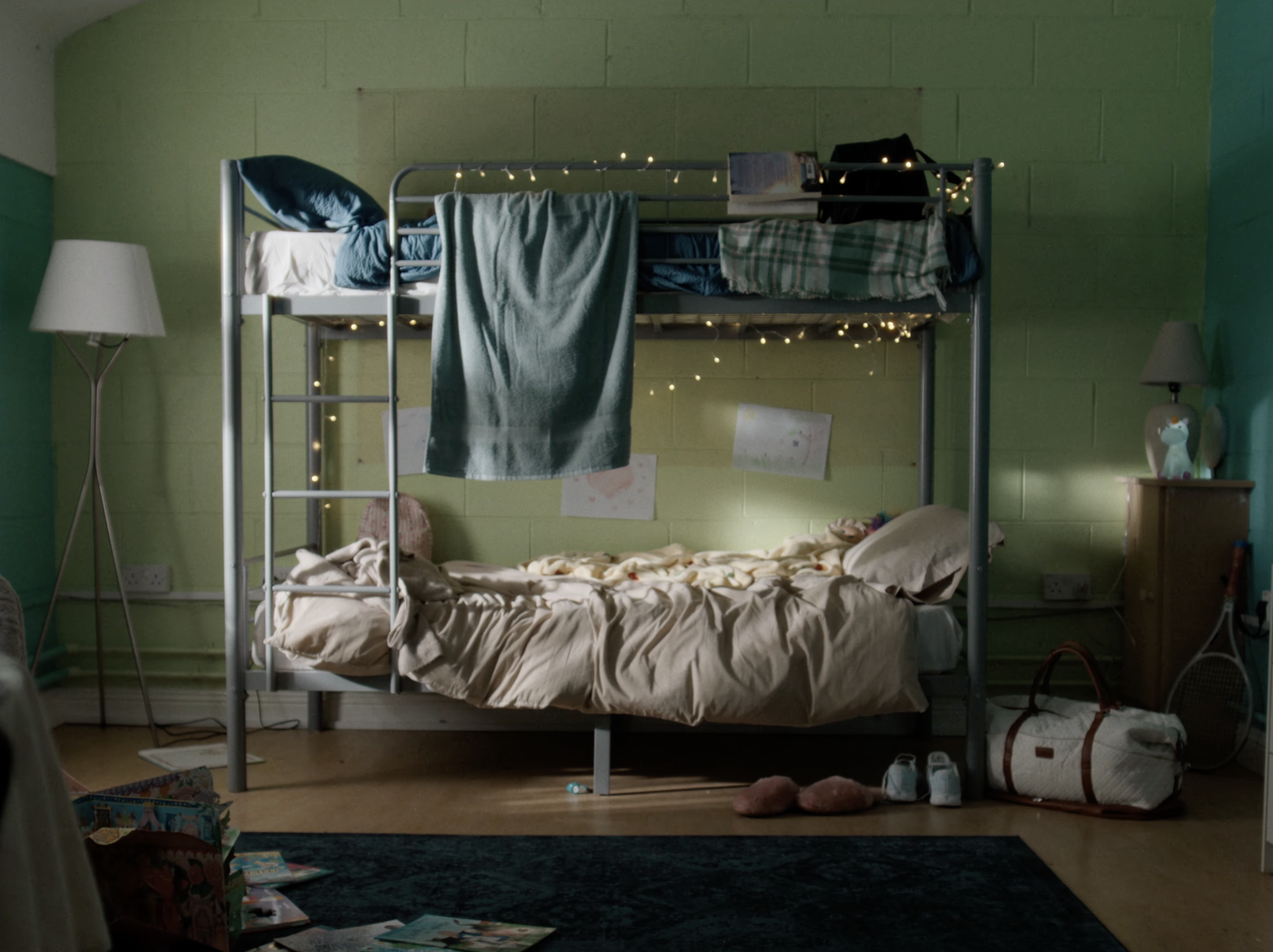
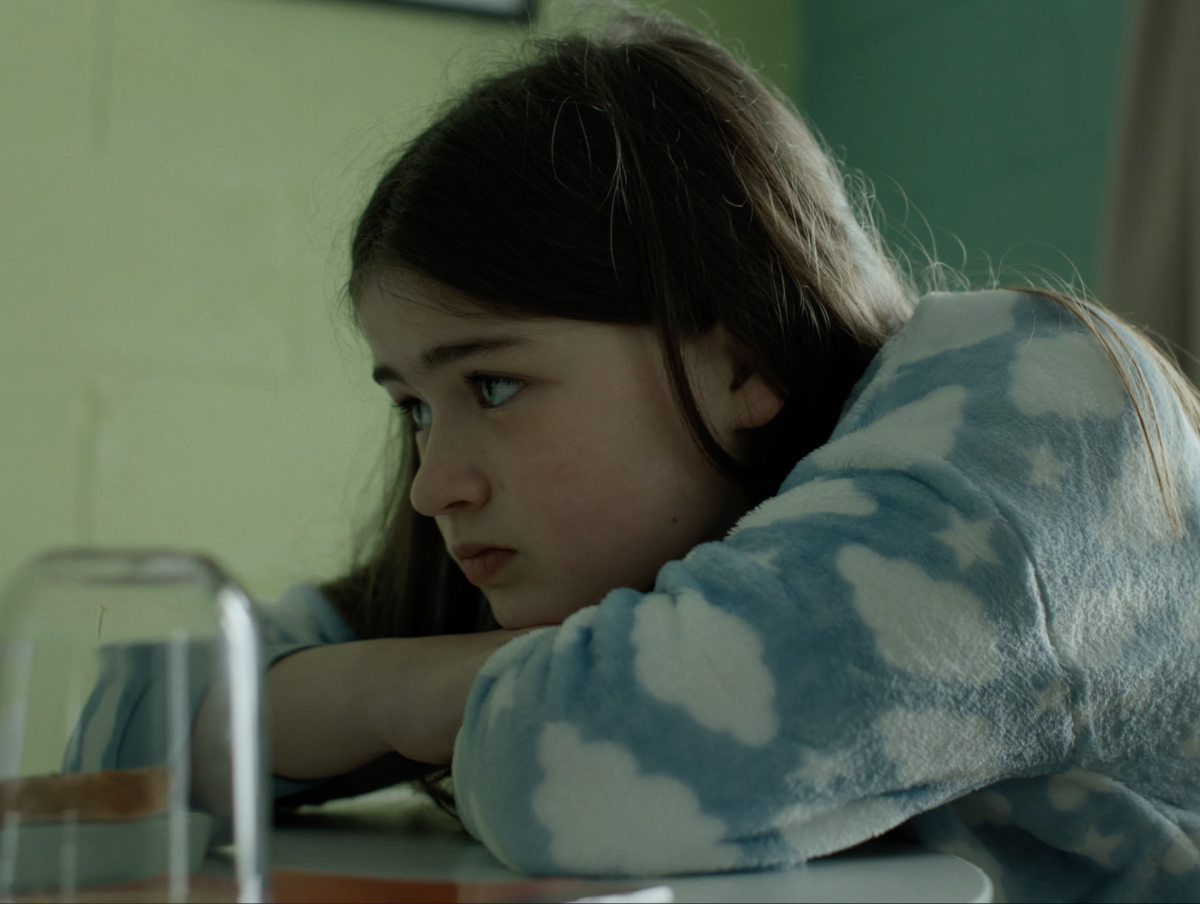
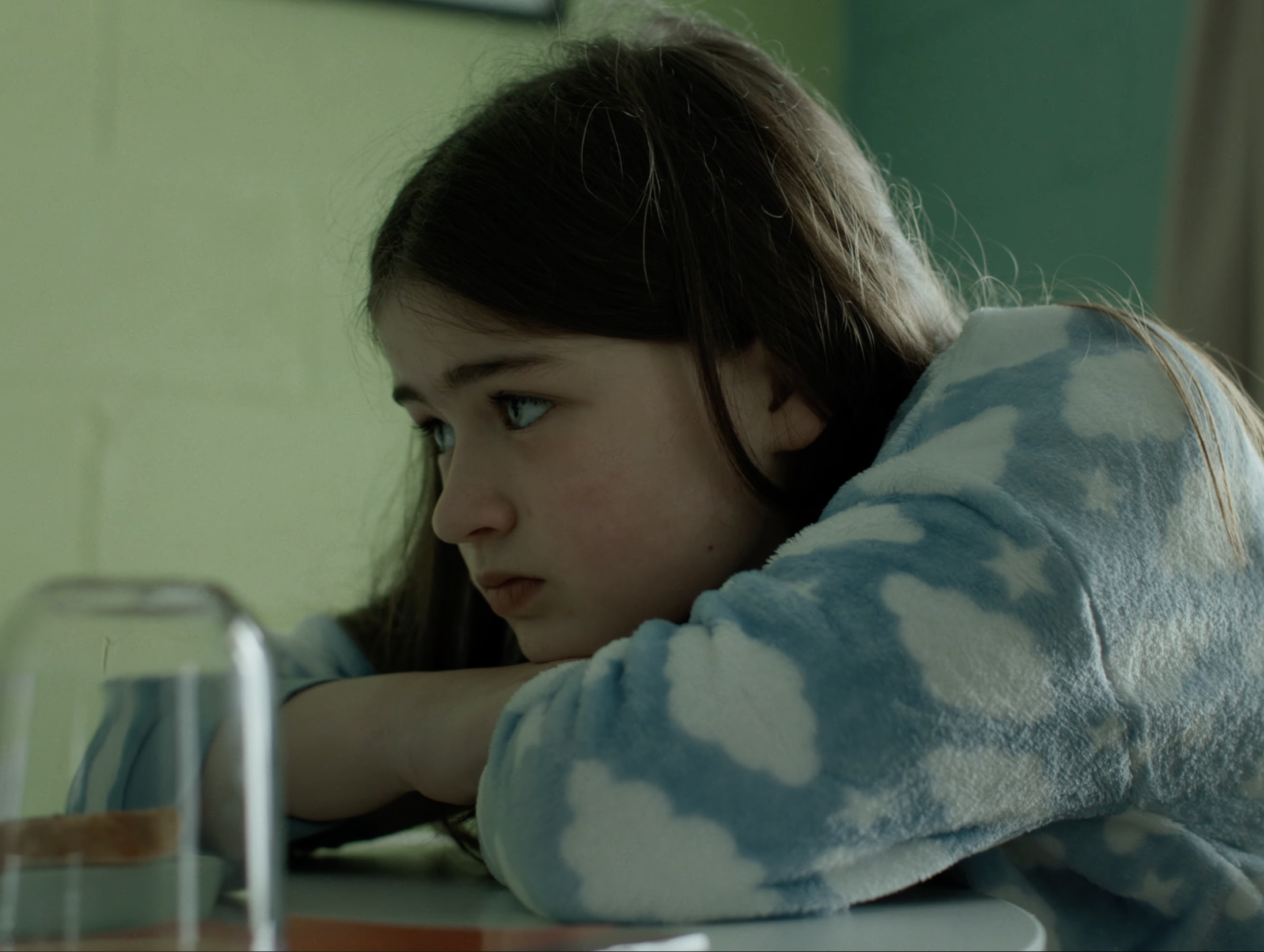
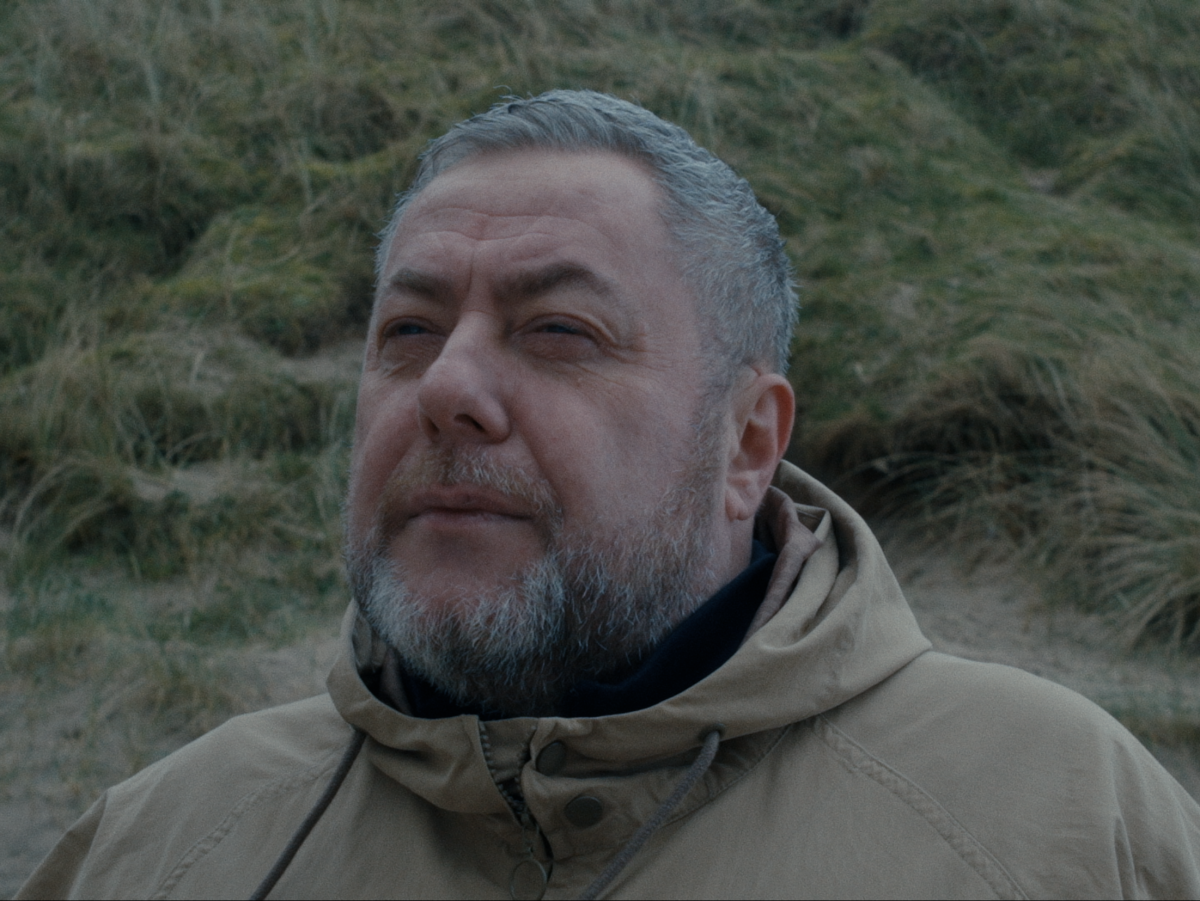
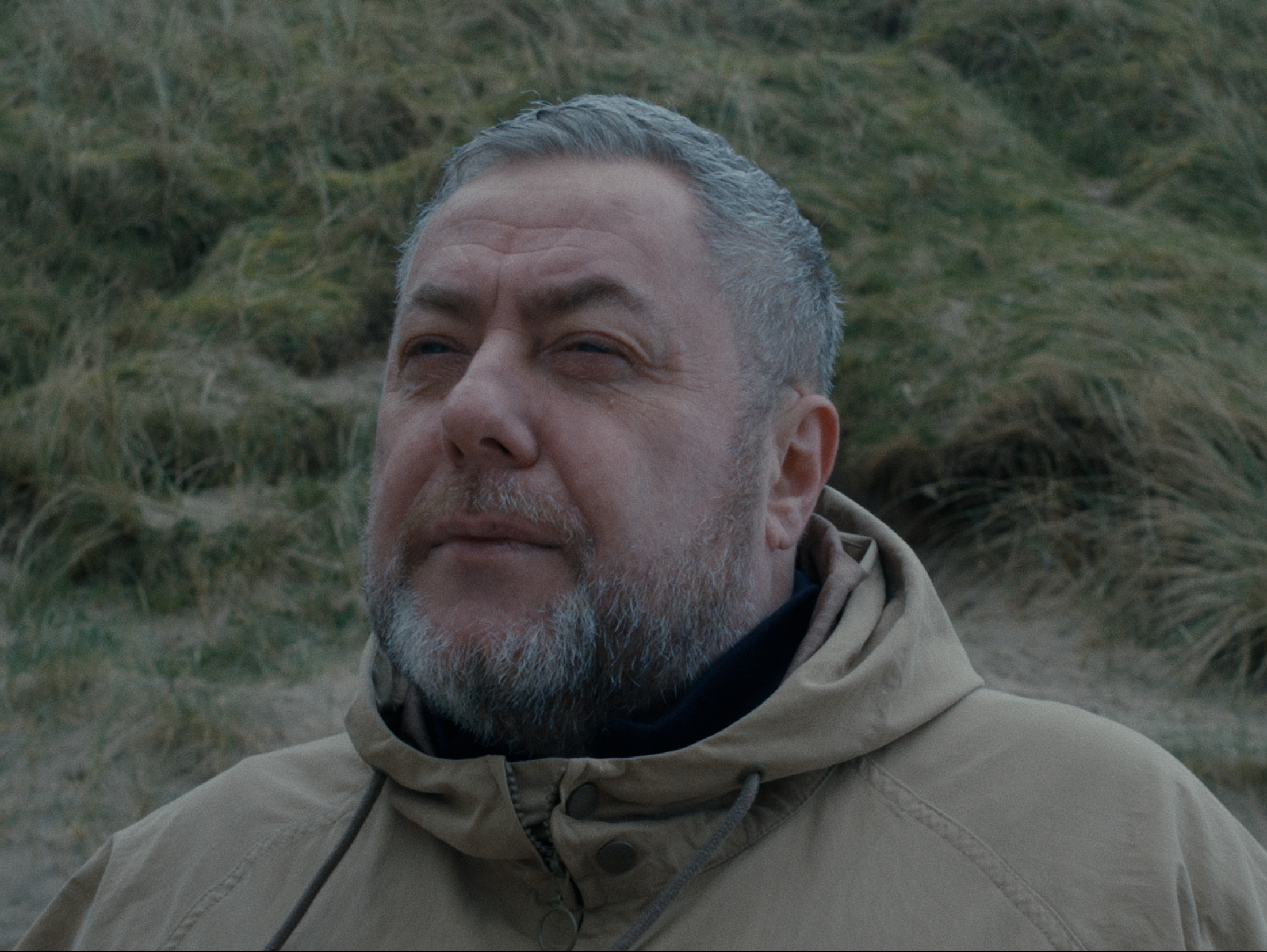
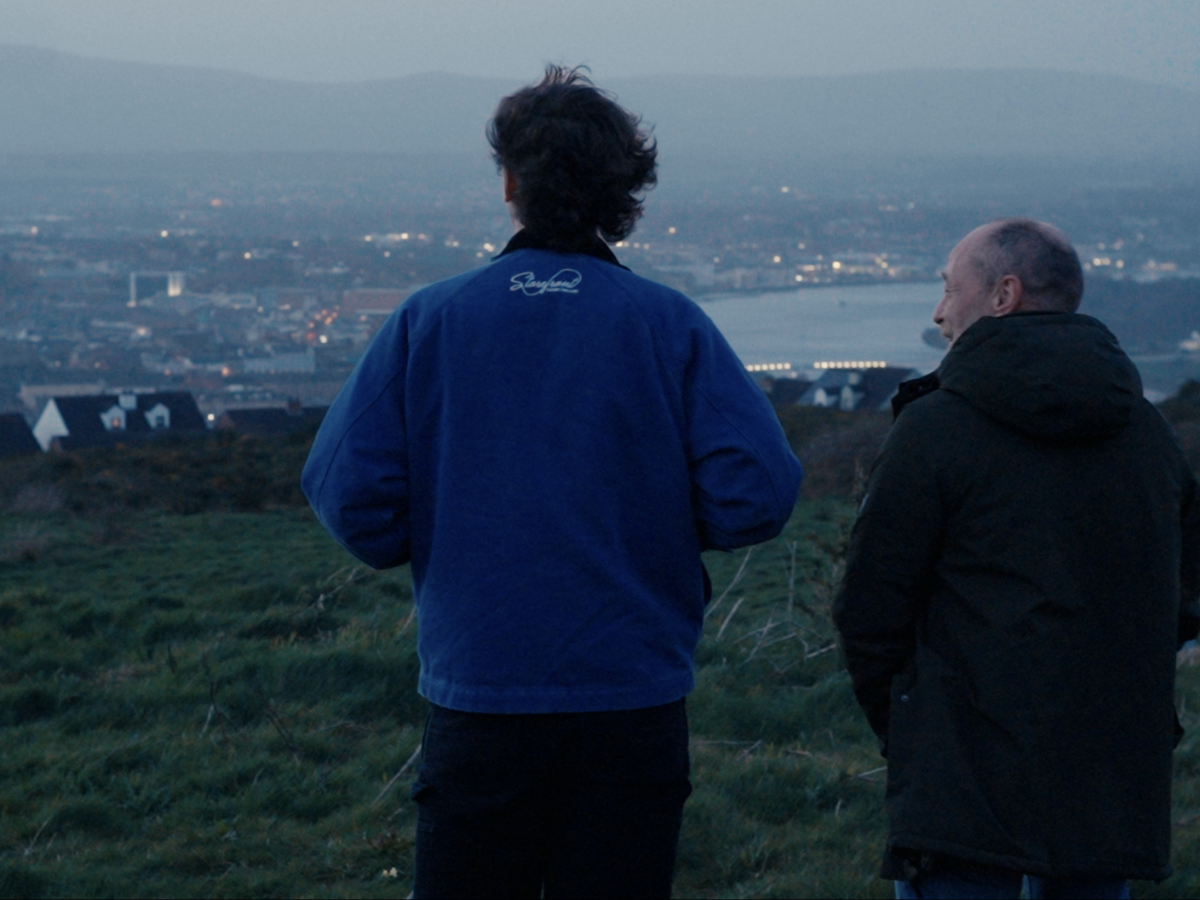
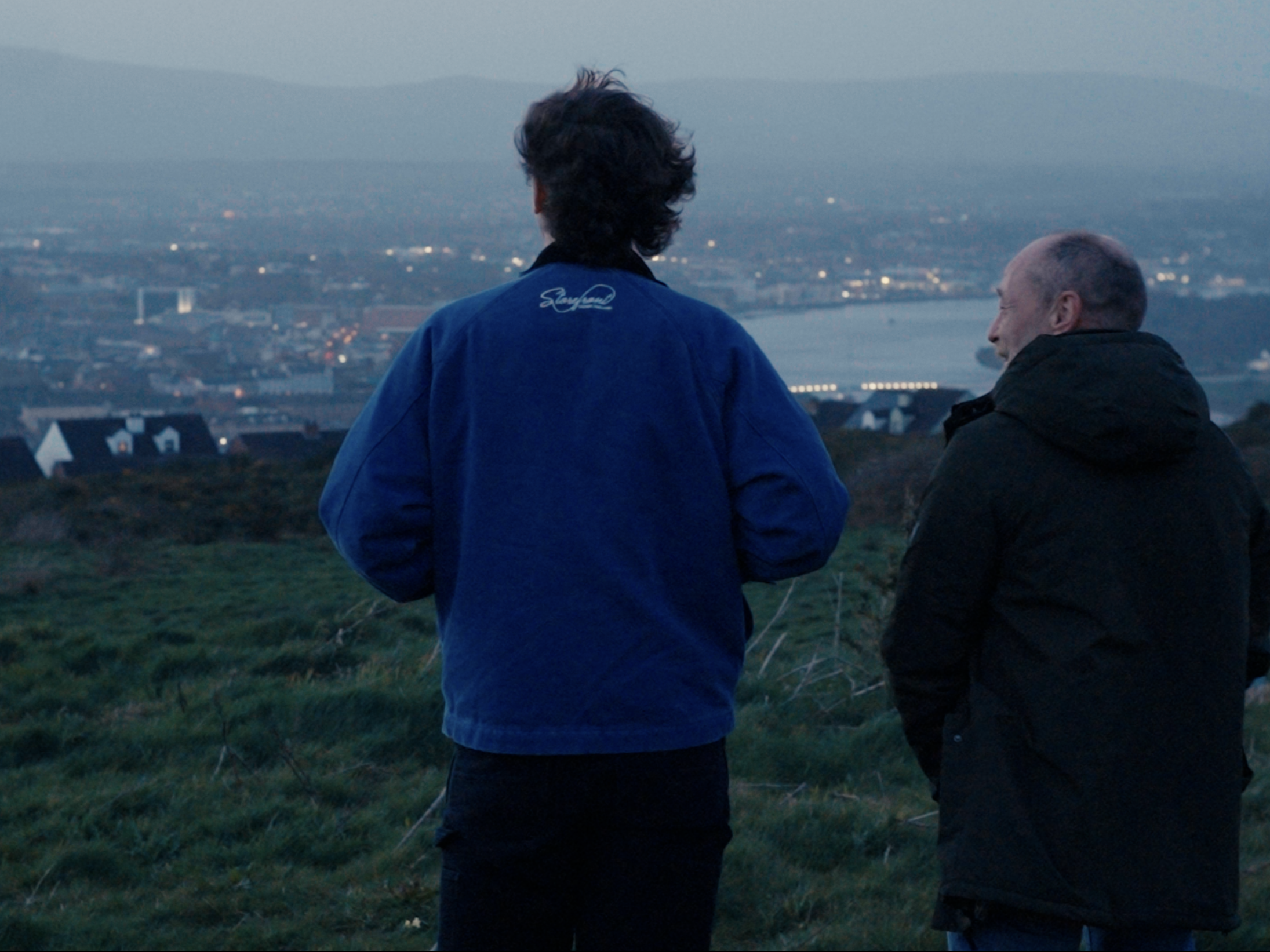
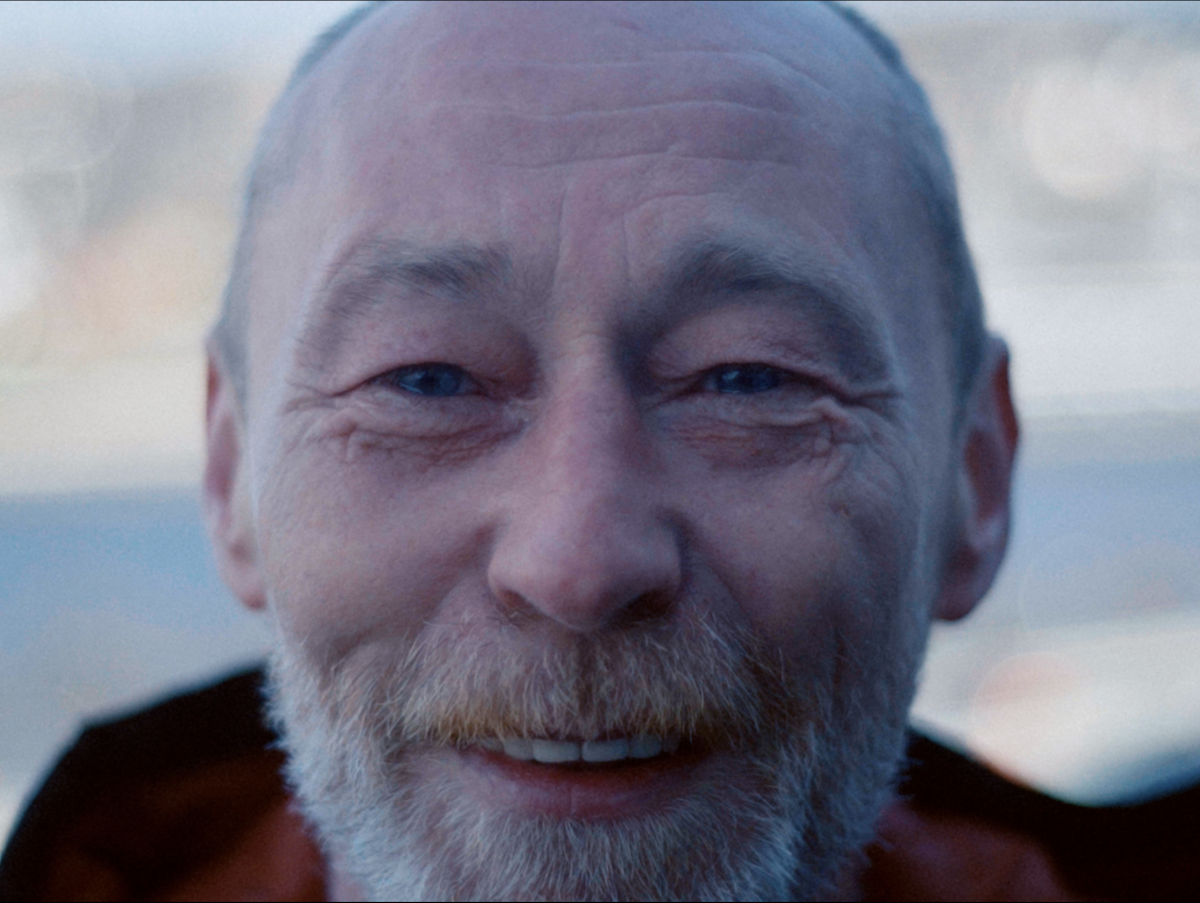
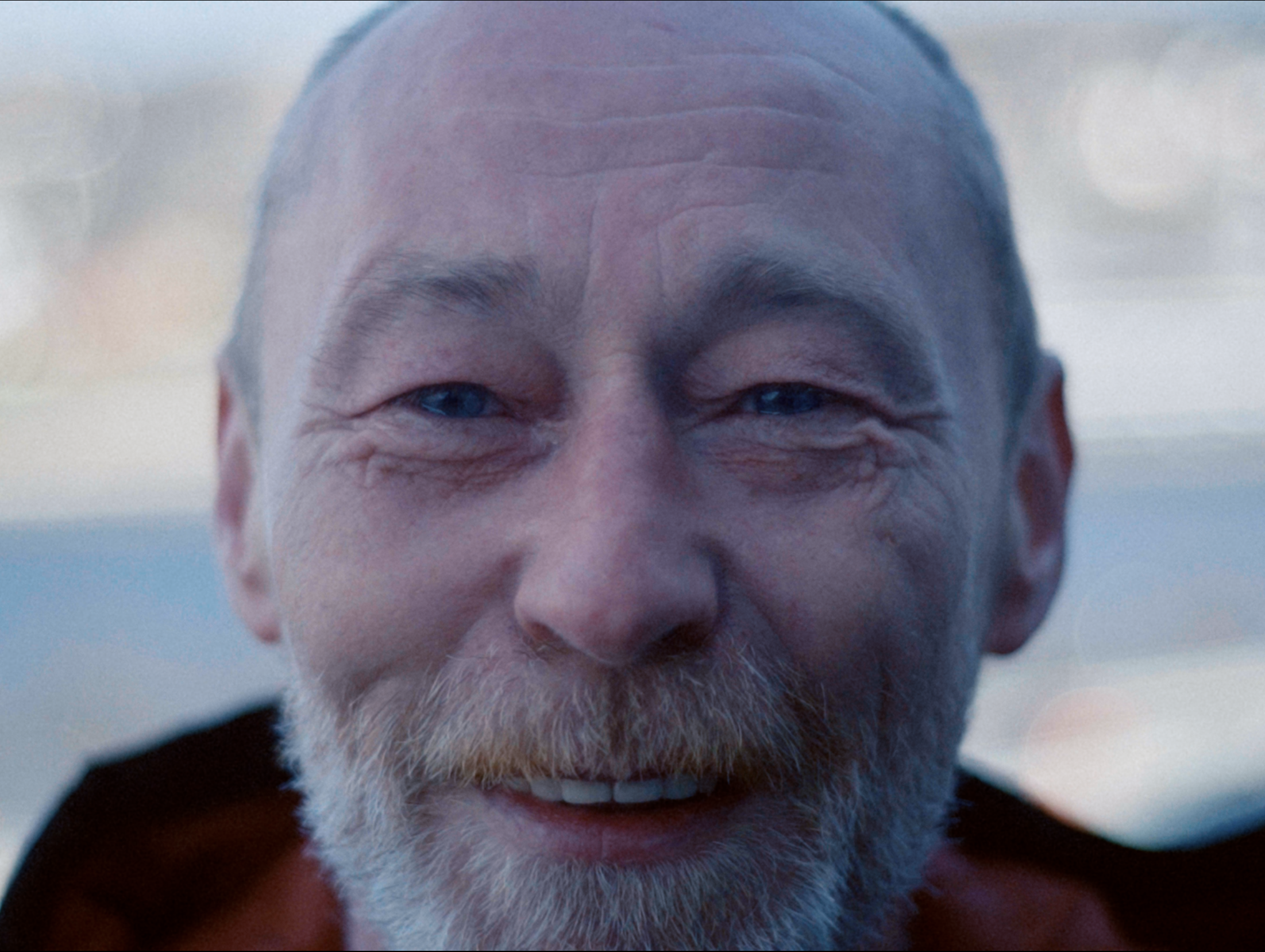
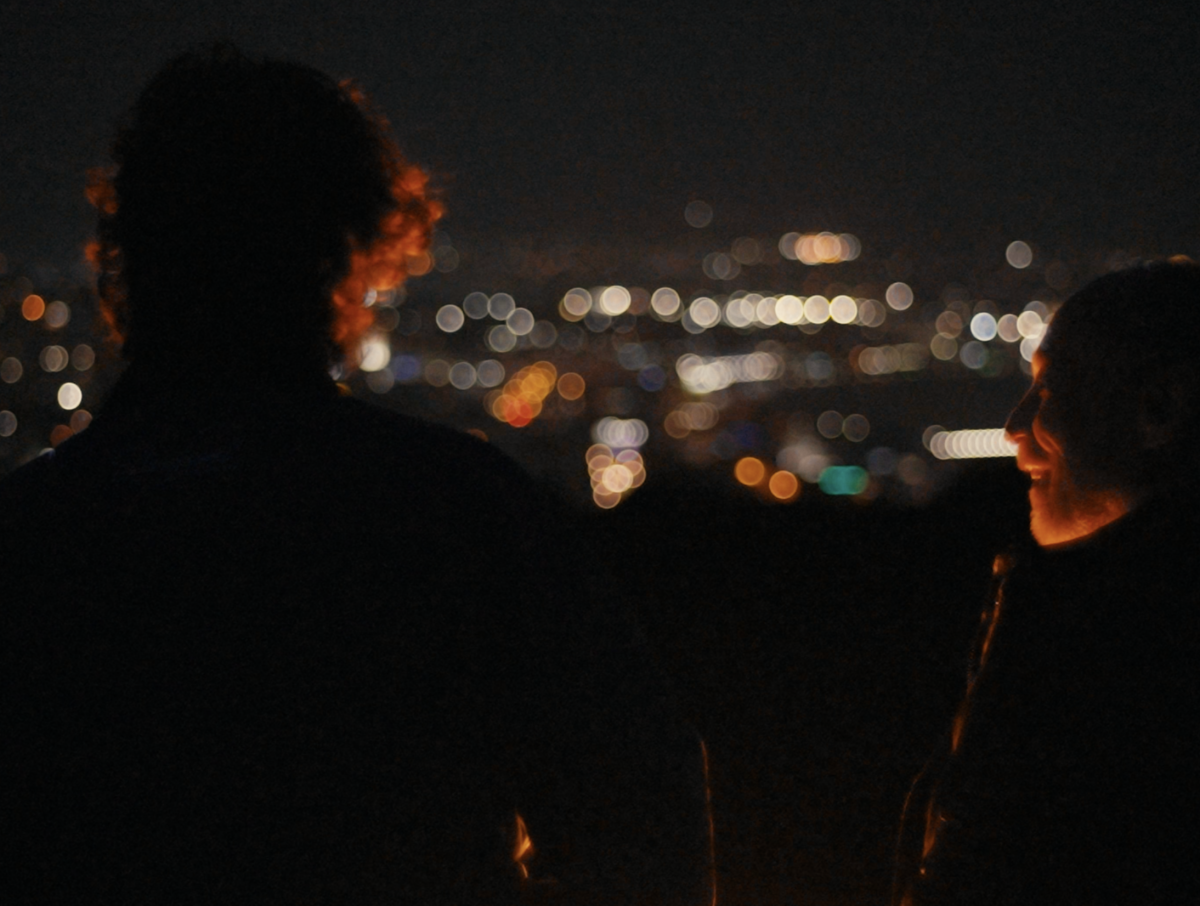
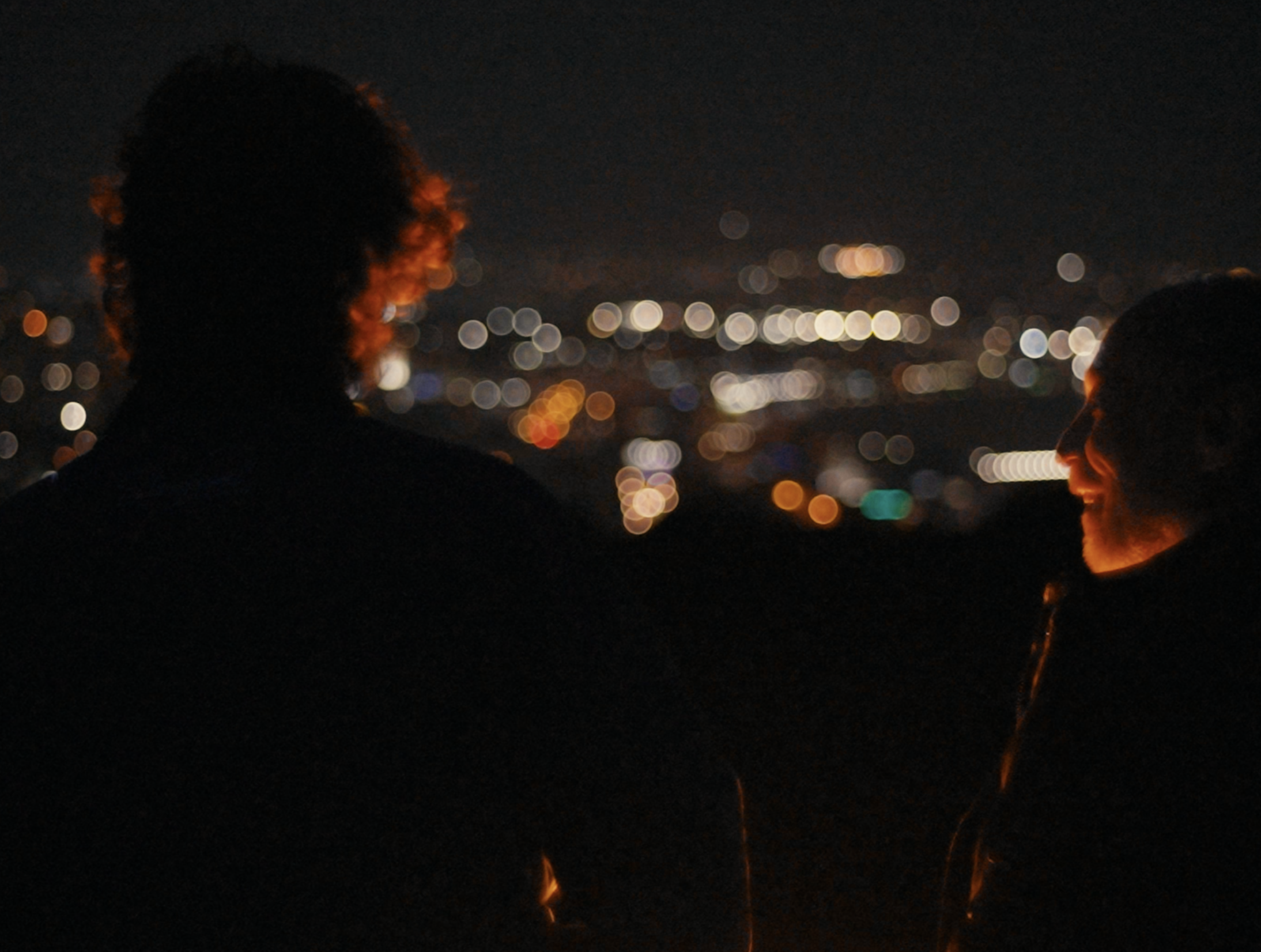
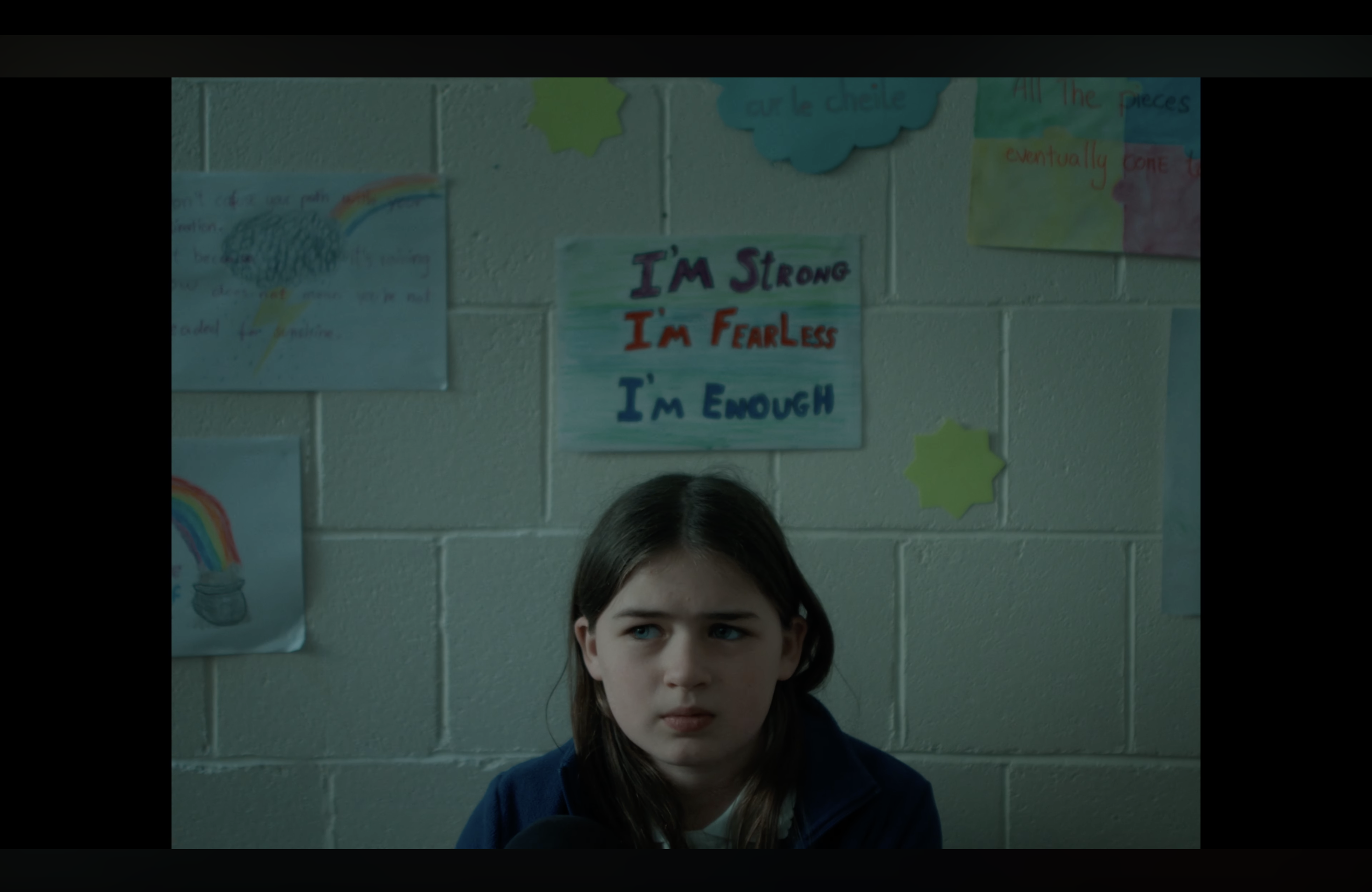
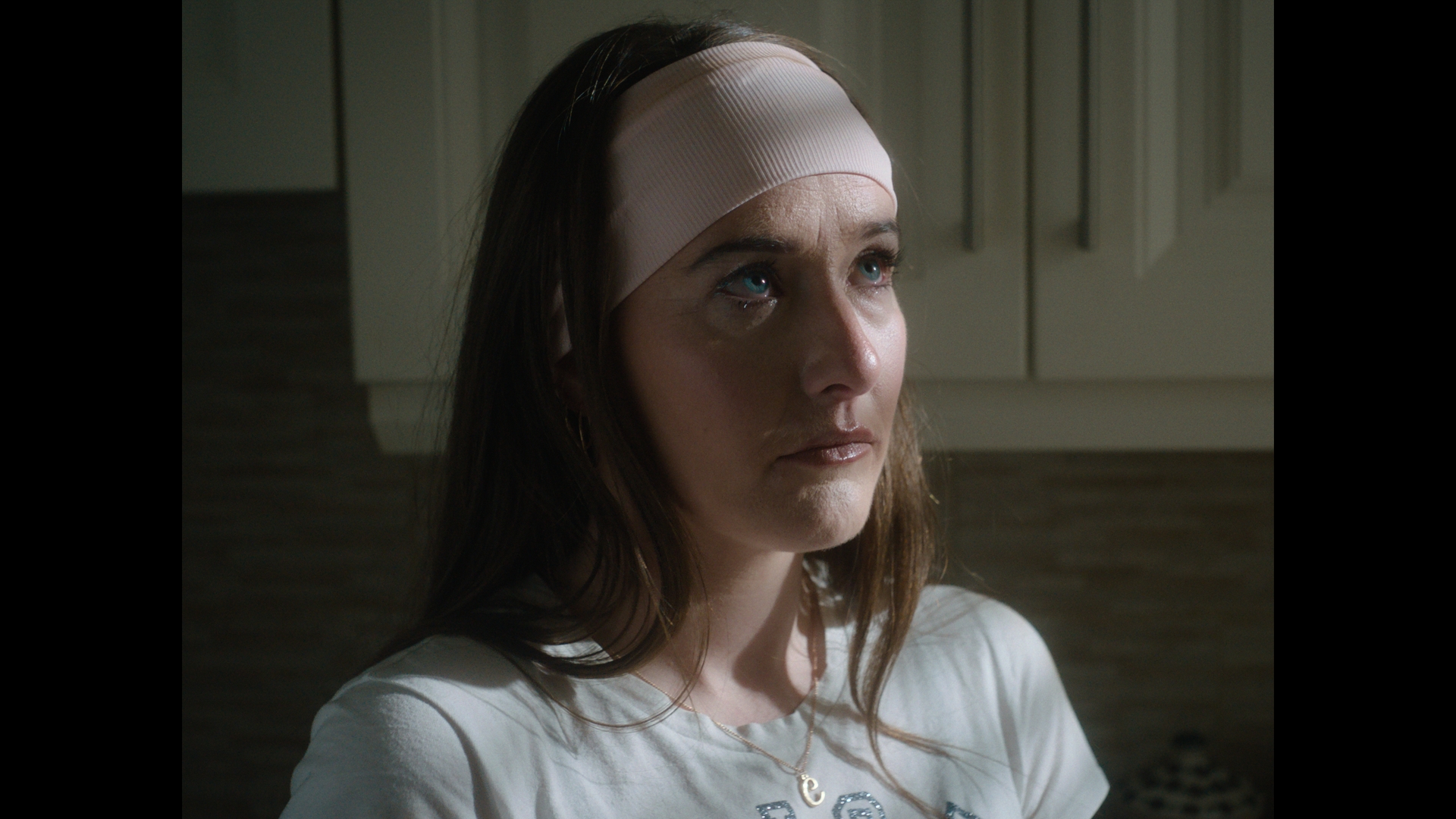
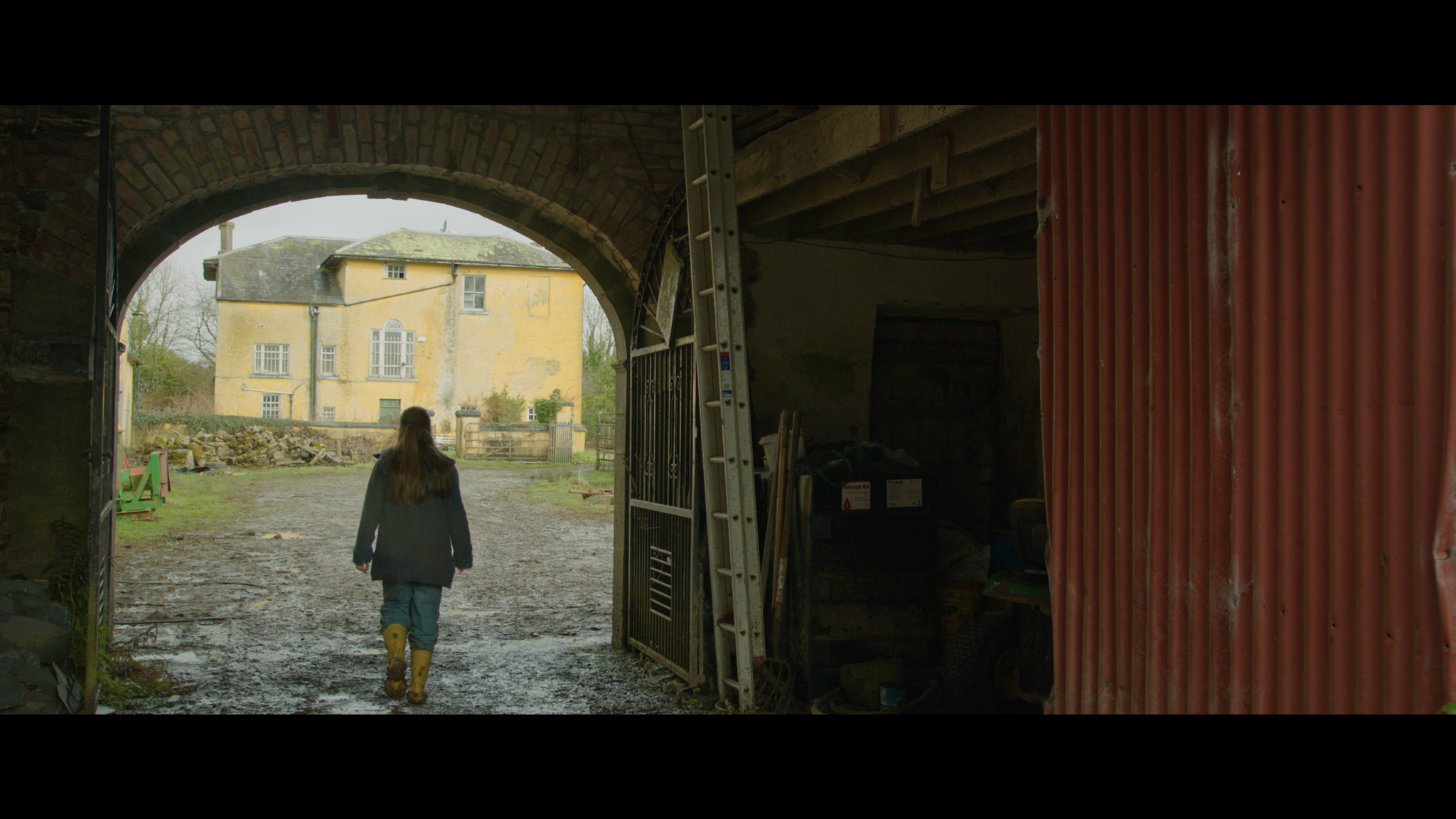
Nora’s world is turned upside down when, one day after football practice, her mother doesn’t drive her home, but instead takes her to a women’s shelter. Left without an explanation, Nora struggles to understand why their lives have changed so suddenly, and why she is no longer allowed to see her father. The film follows her journey from confusion and resentment toward her mother’s actions to an understanding of what she was trying to protect them from.
Splinters was a lovely project to be invited onto. From the very beginning of prep, it was clear from Lea’s vision that we had the opportunity to make something intimate, honest, and grounded in the kind of films we love to watch.
The film centres around 10-year-old Nora, and we experience the world entirely through her eyes. We wanted the audience to feel the claustrophobia and emotional weight of the shelter from her perspective. For that reason, we chose to shoot in a 4:3 aspect ratio, compressing Nora, her family, and the few bags they carry into a narrower frame.
We also chose to shoot handheld to place the audience directly in the space with the characters and ground the film in their reality.
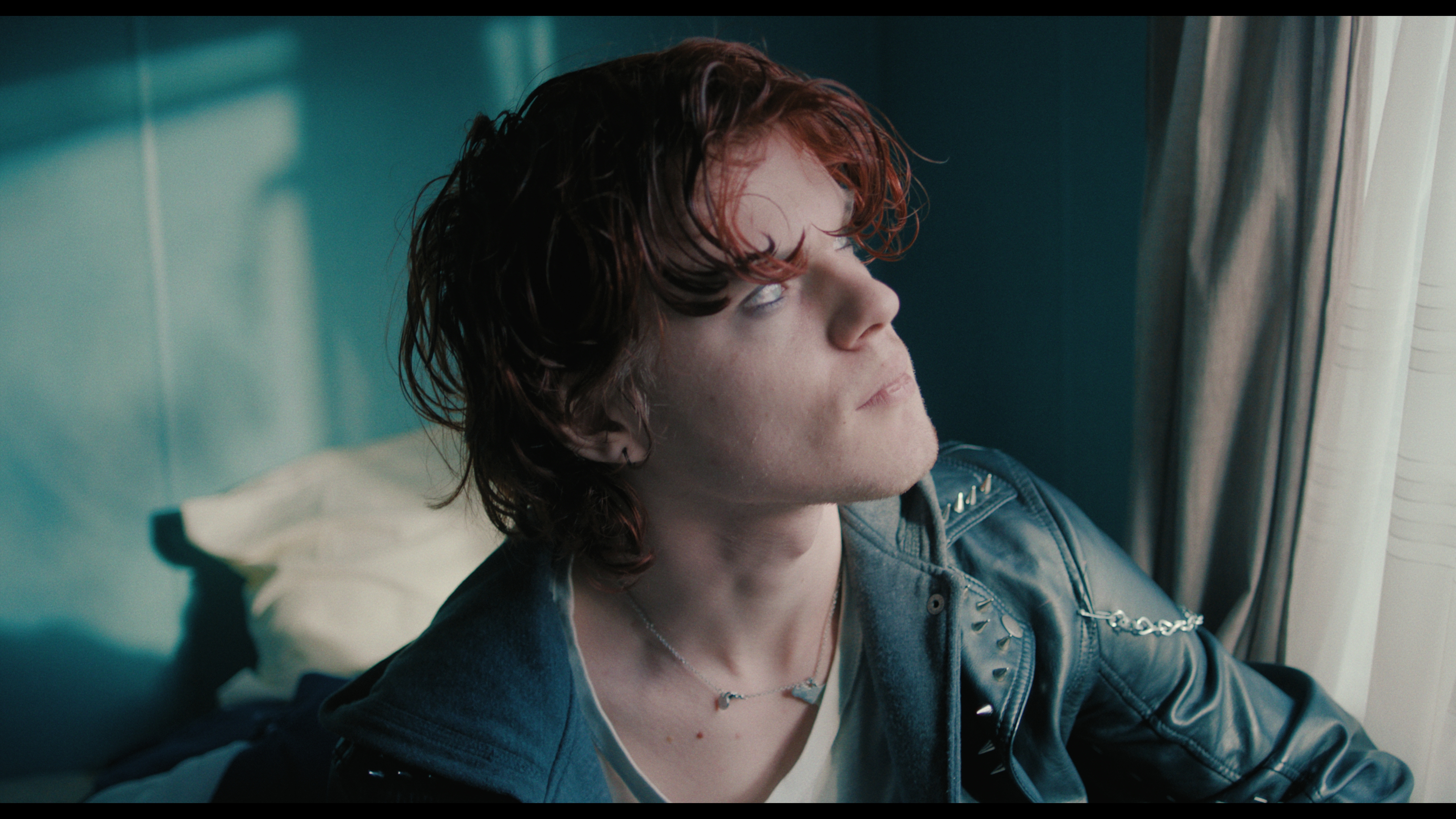
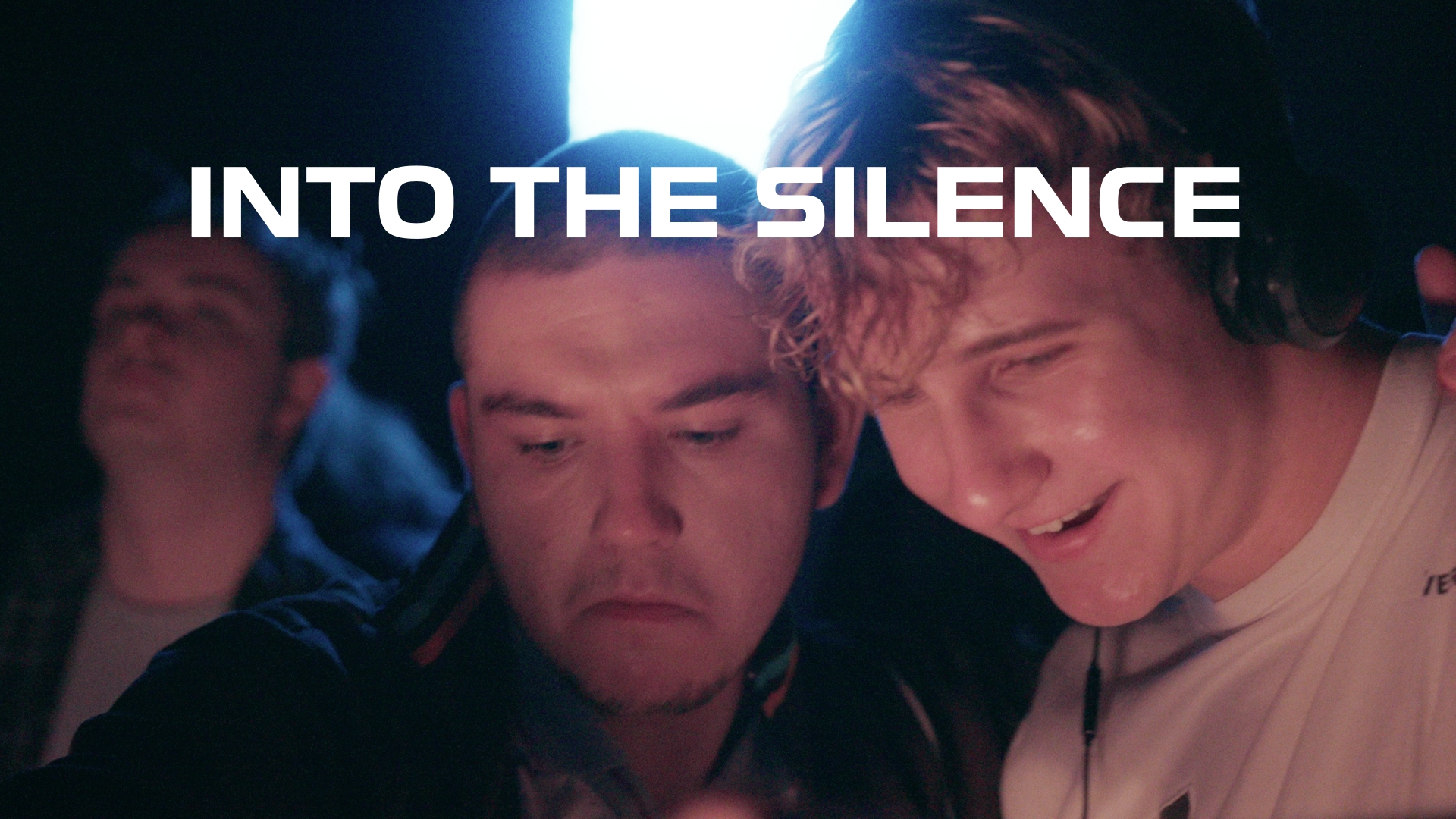
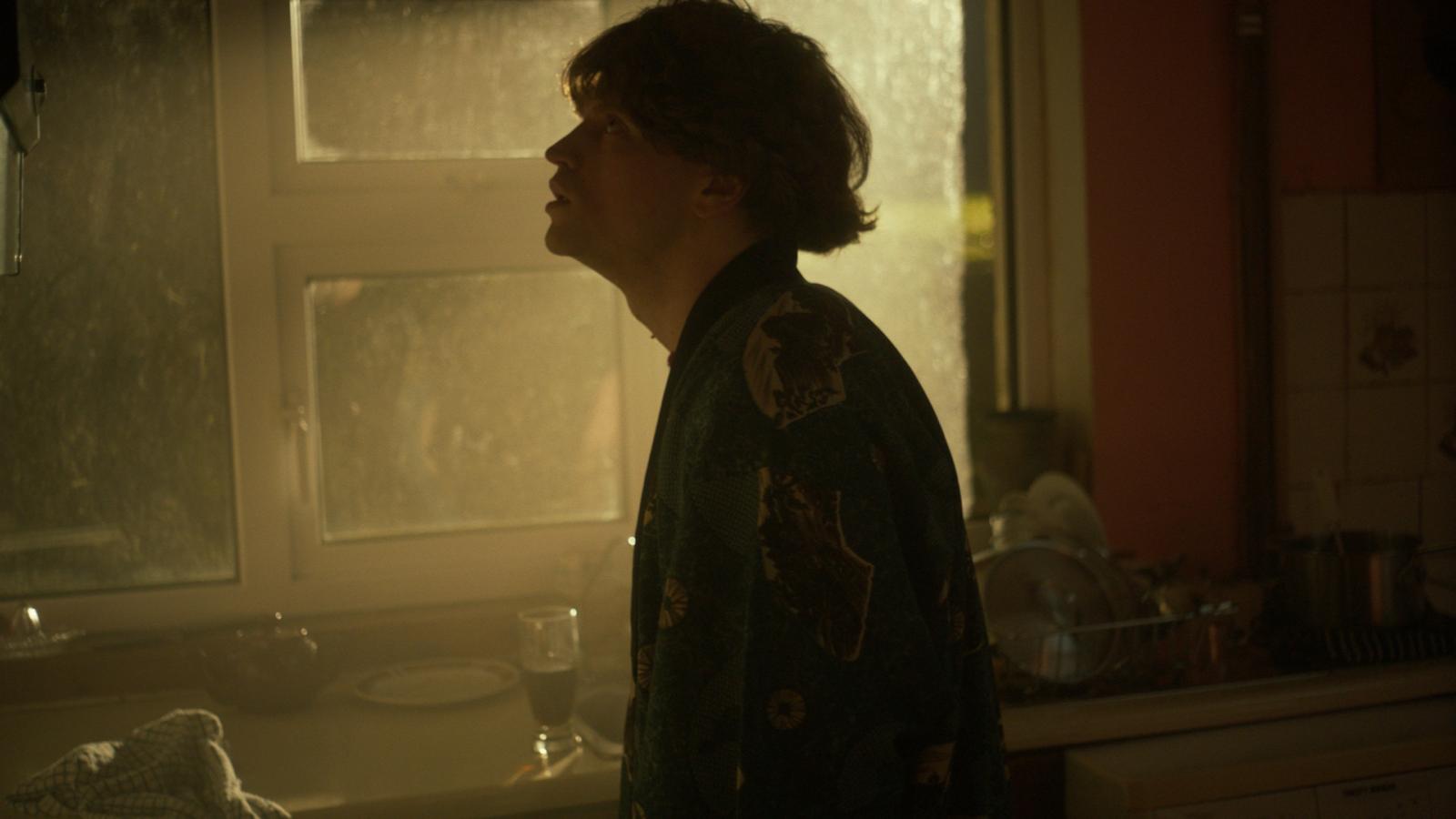
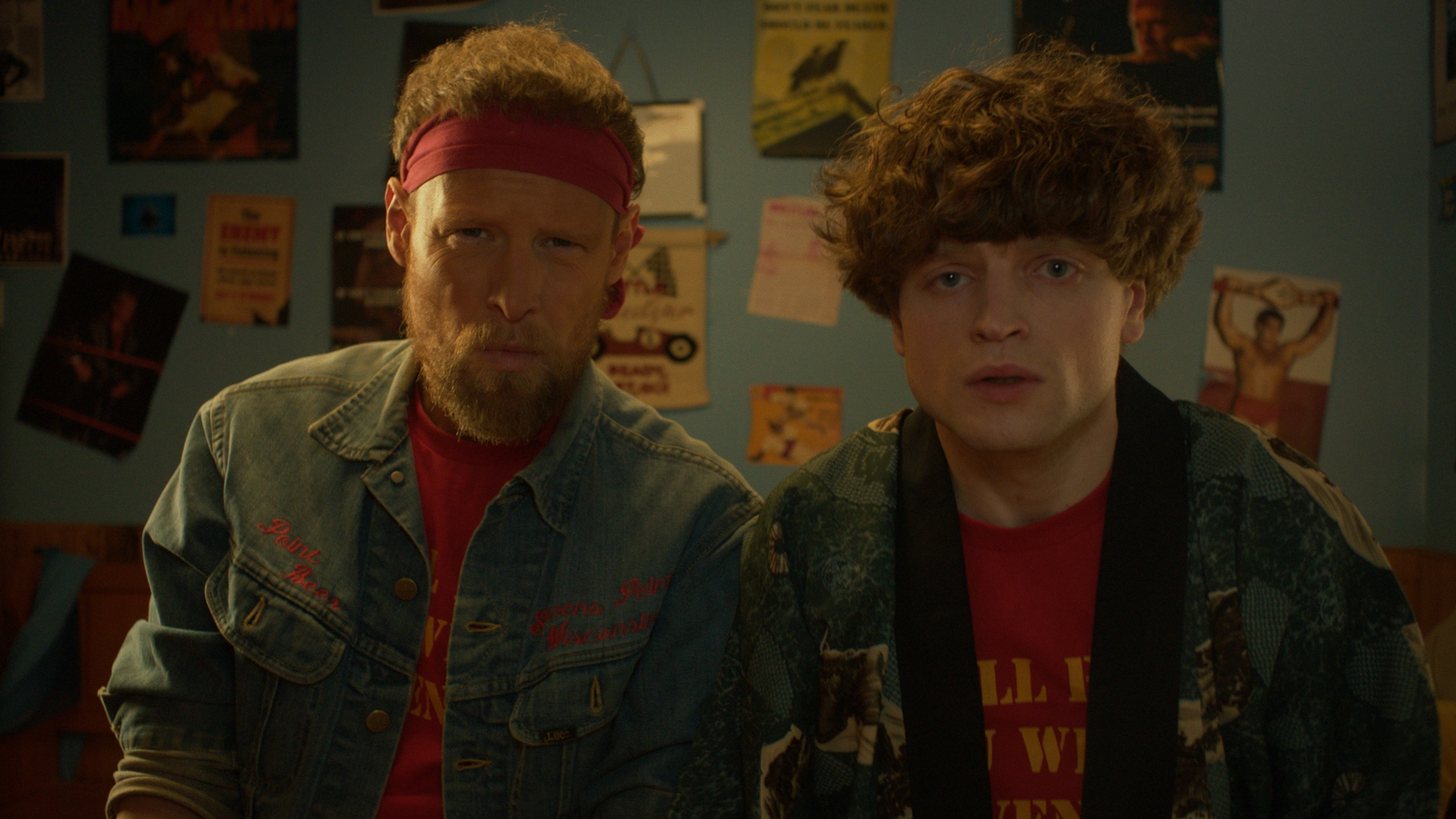
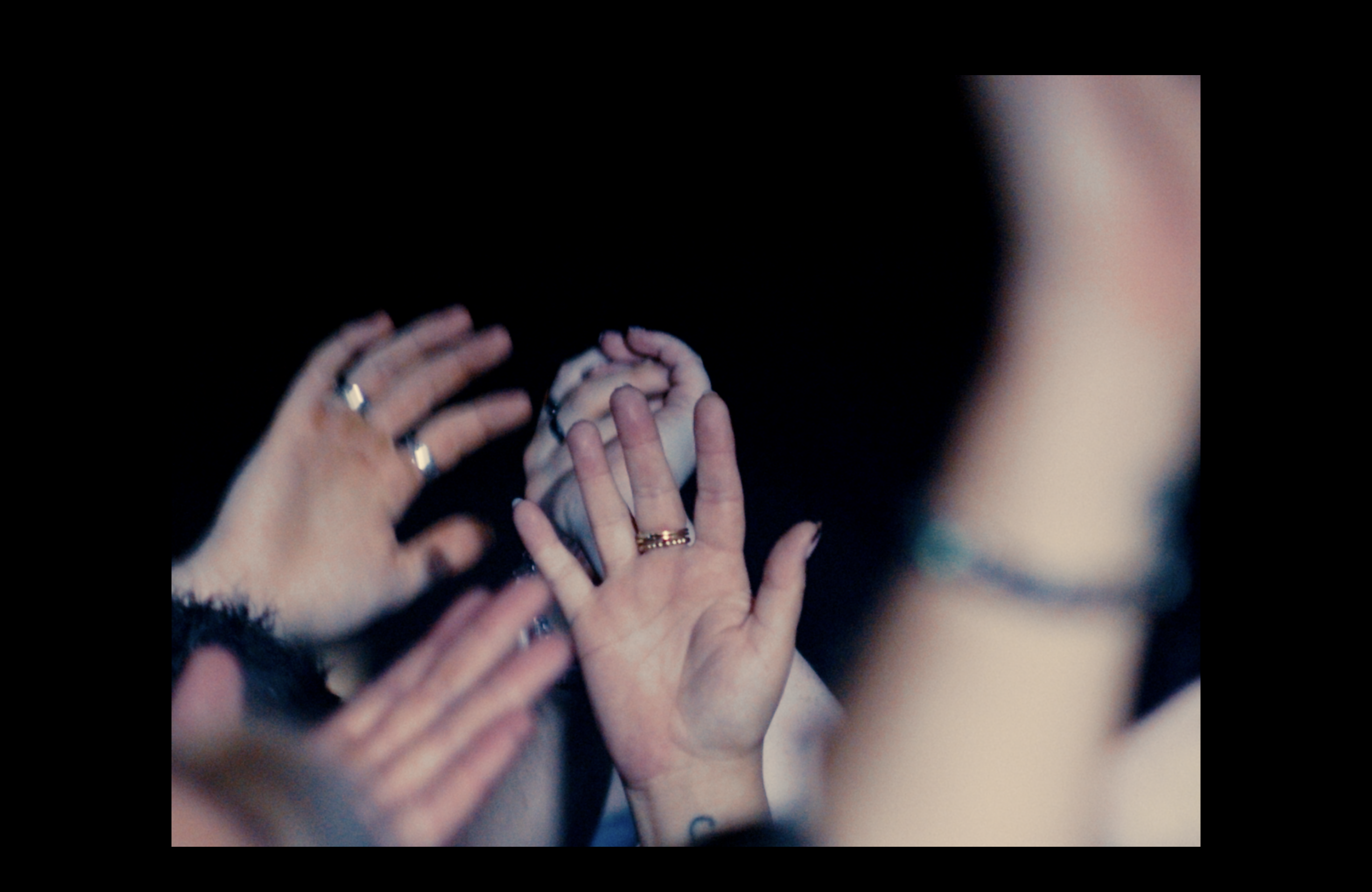
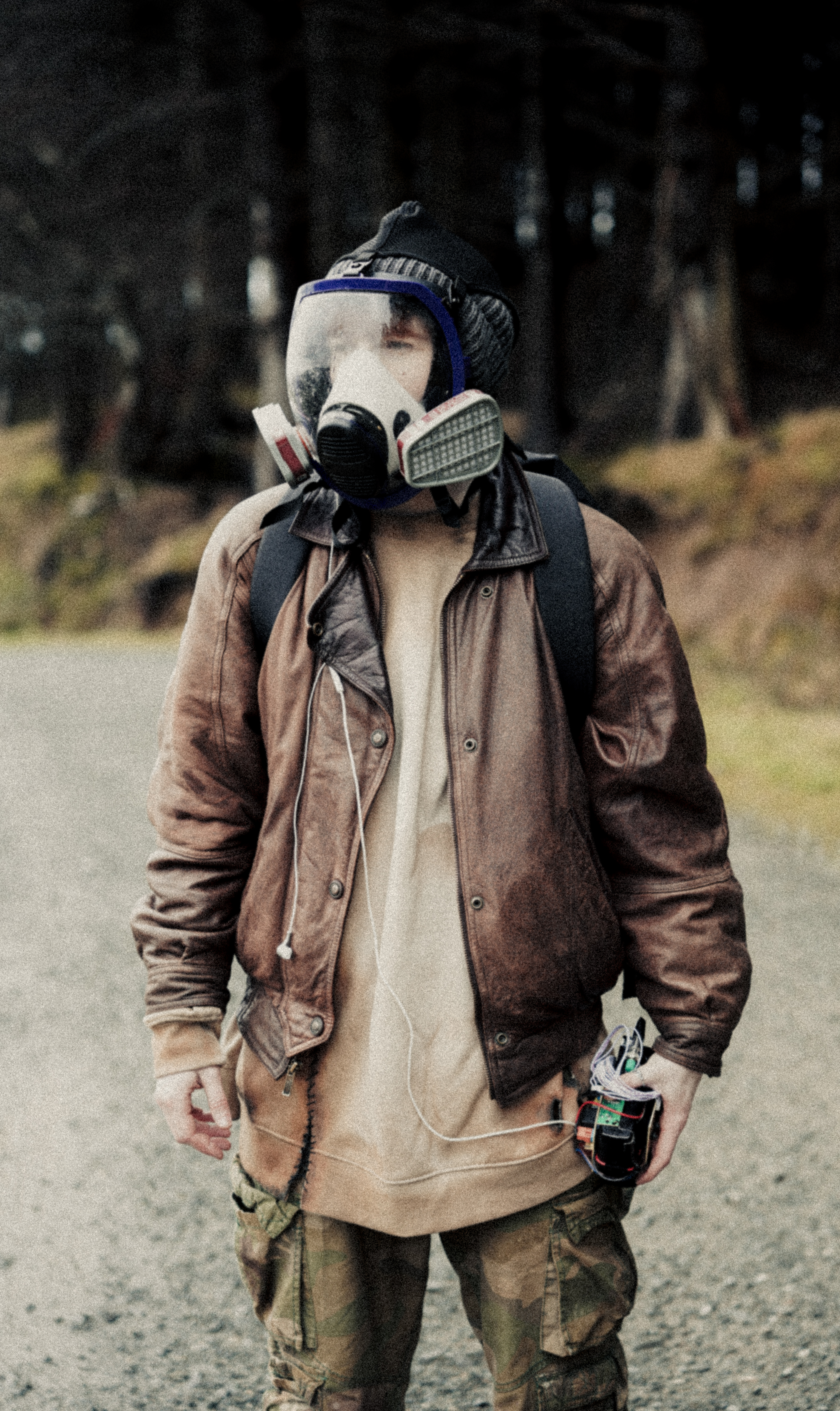
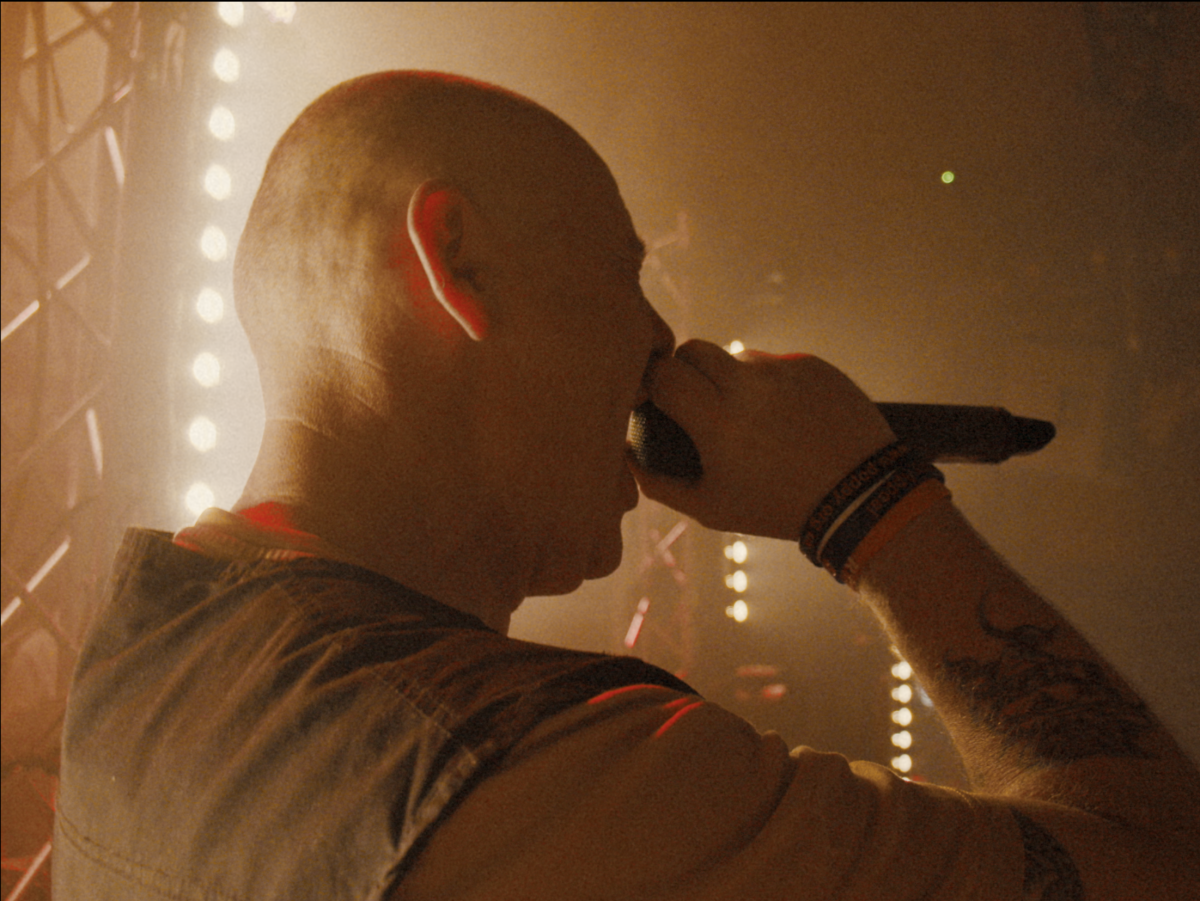
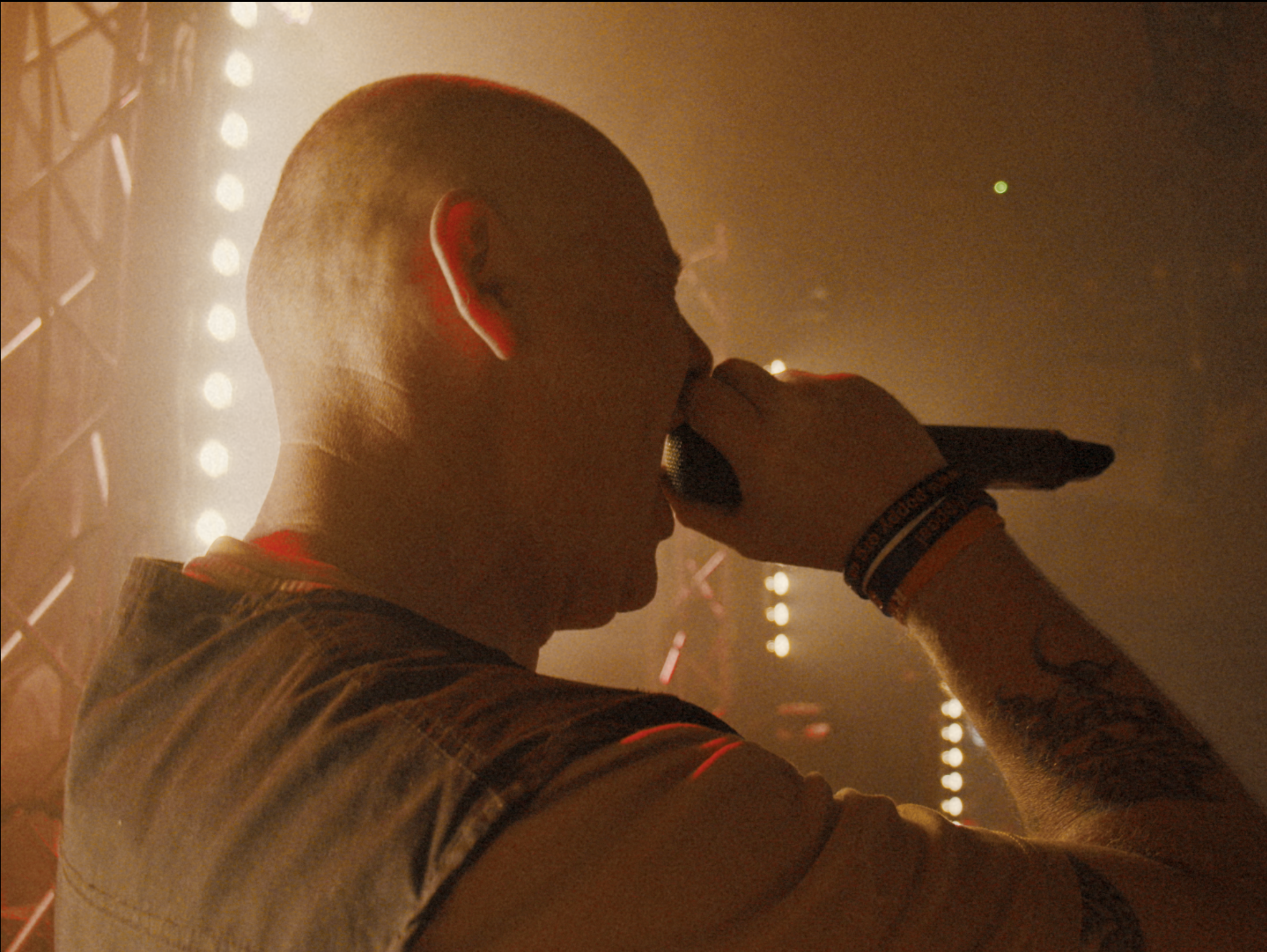
A Place To Stand is a colourful documentary exploring how raves became acts of rebellion and unity during a time marked by violence and division. It asks: when young people are denied spaces for connection and escape, can music create them?
A Place To Stand was another exciting project to be invited onto, for very different reasons.
Gloria and I learned so much about the documentary-making process together, with each trip north to shoot another interview deepening both the film and our approach to it.
We chose to shoot in a 4:3 aspect ratio because the film centres around the rave scene of the 1980s and 1990s, and the format felt evocative of that era. We also approached the grade with the intention of making the film feel reminiscent of something shot on film, giving it a textured, nostalgic quality that complemented the subject matter.
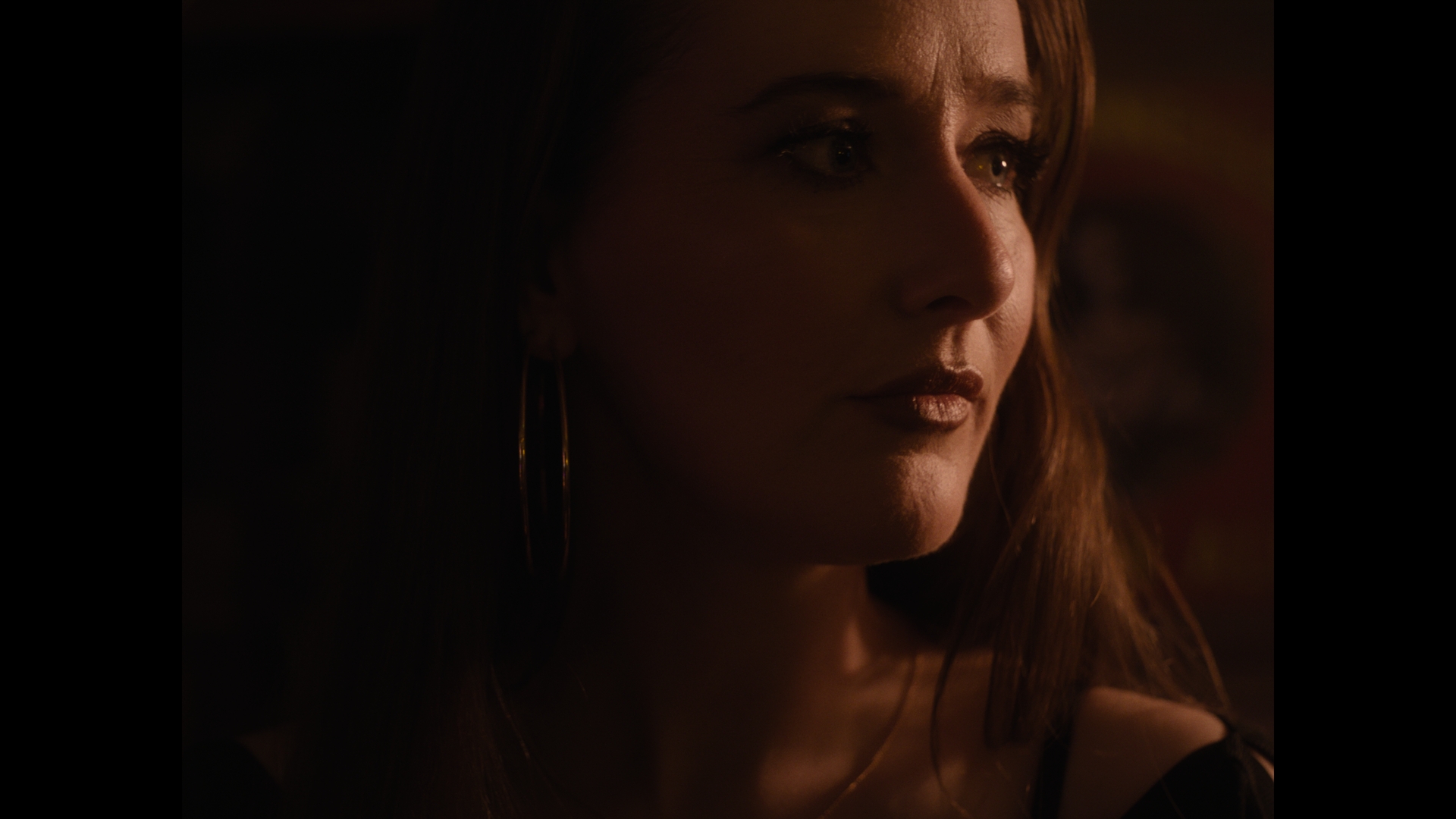
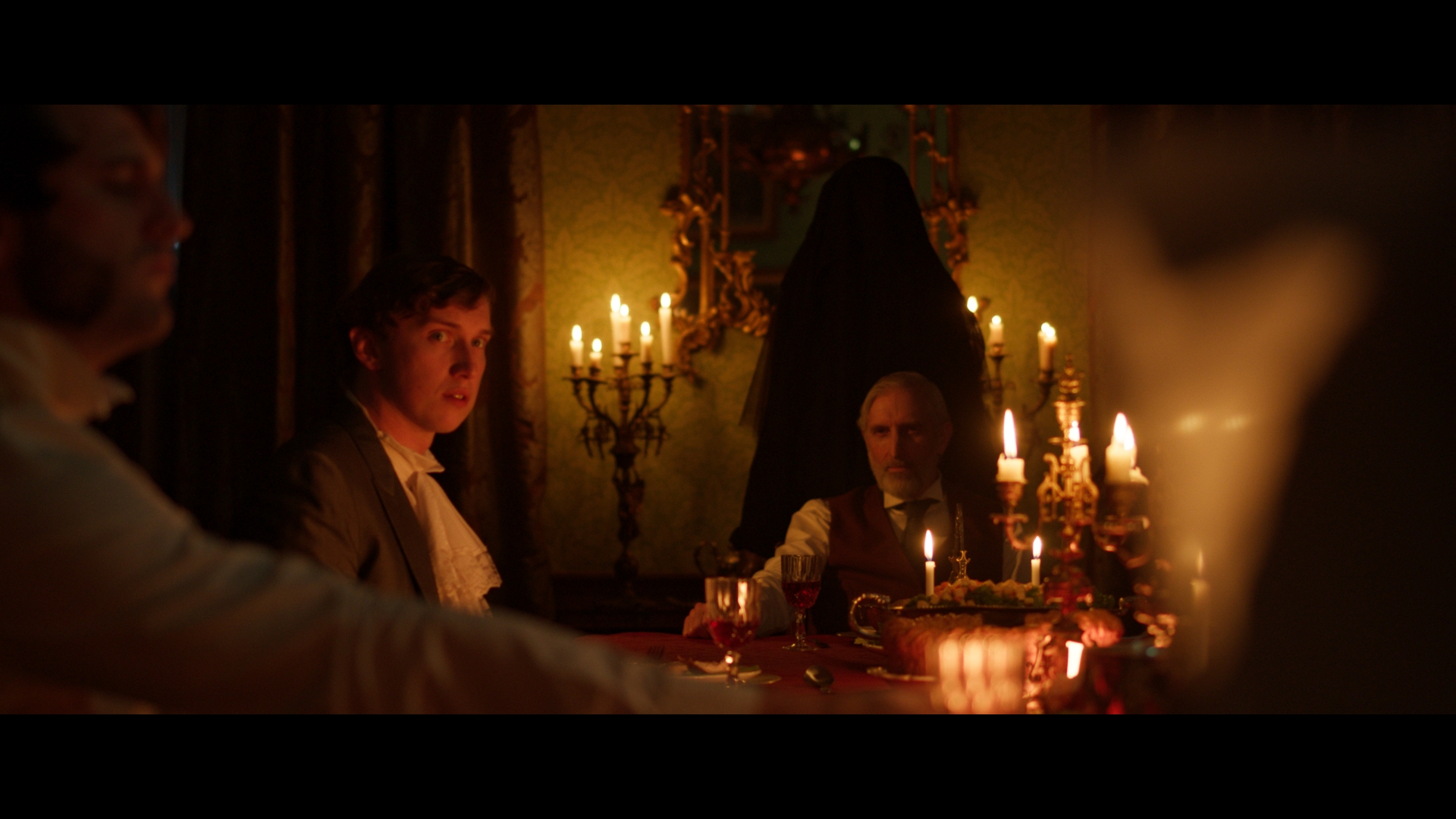
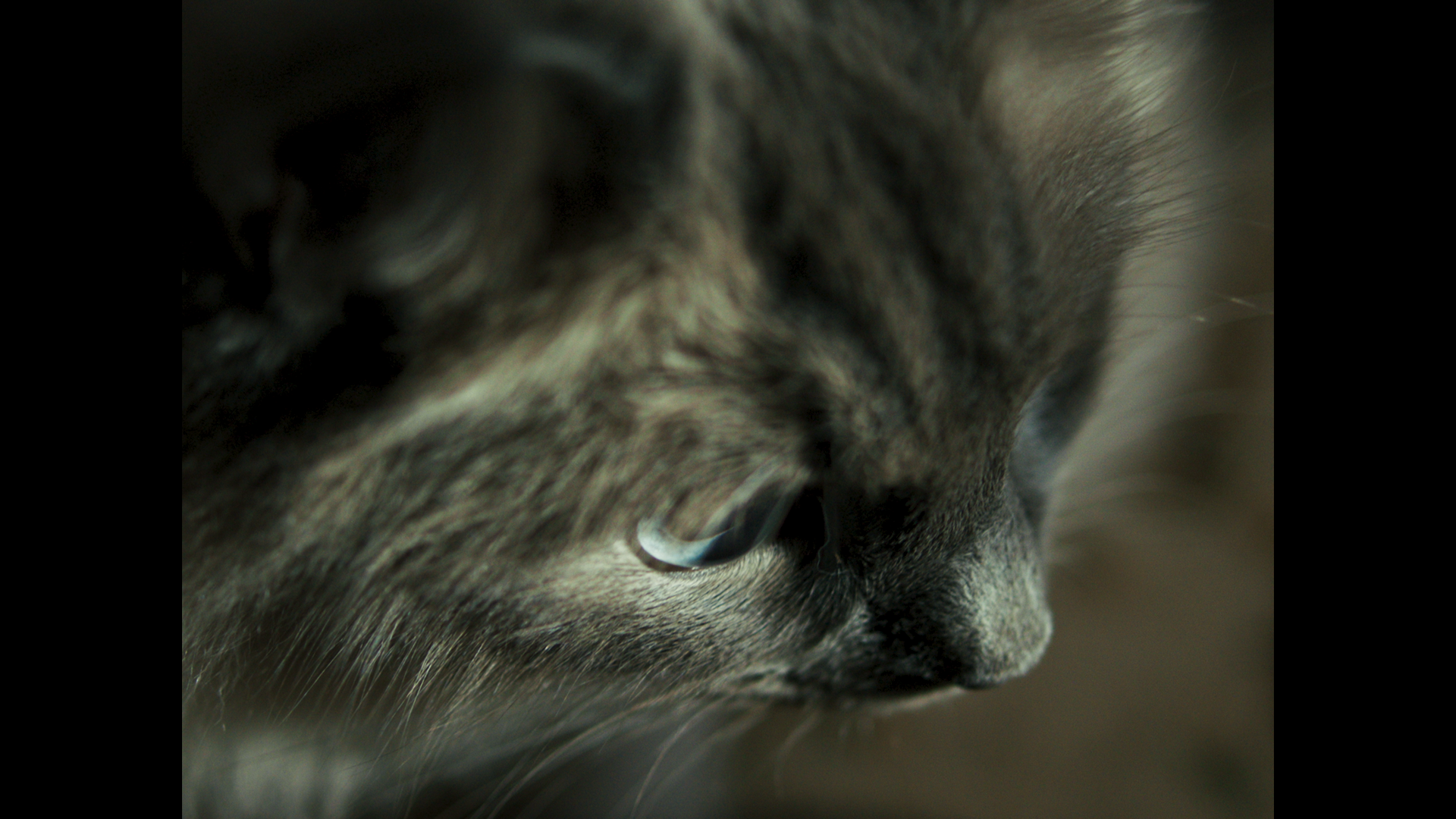
My thesis centred around the close-up as a shot size. I explored its origins, its earliest uses in cinema, and the reactions it provoked at the time. I was particularly interested in how quickly the close-up became a foundational filmmaking tool, and in the way it deepened audience empathy by allowing viewers to experience a character’s emotions at such close proximity.
I also examined the close-up in relation to the male gaze and, subsequently, the female gaze, exploring how it has been used within feminist filmmaking. In addition, I looked at how the demand for increasingly intimate close-ups has driven technological advancements in cinematography and camera design.
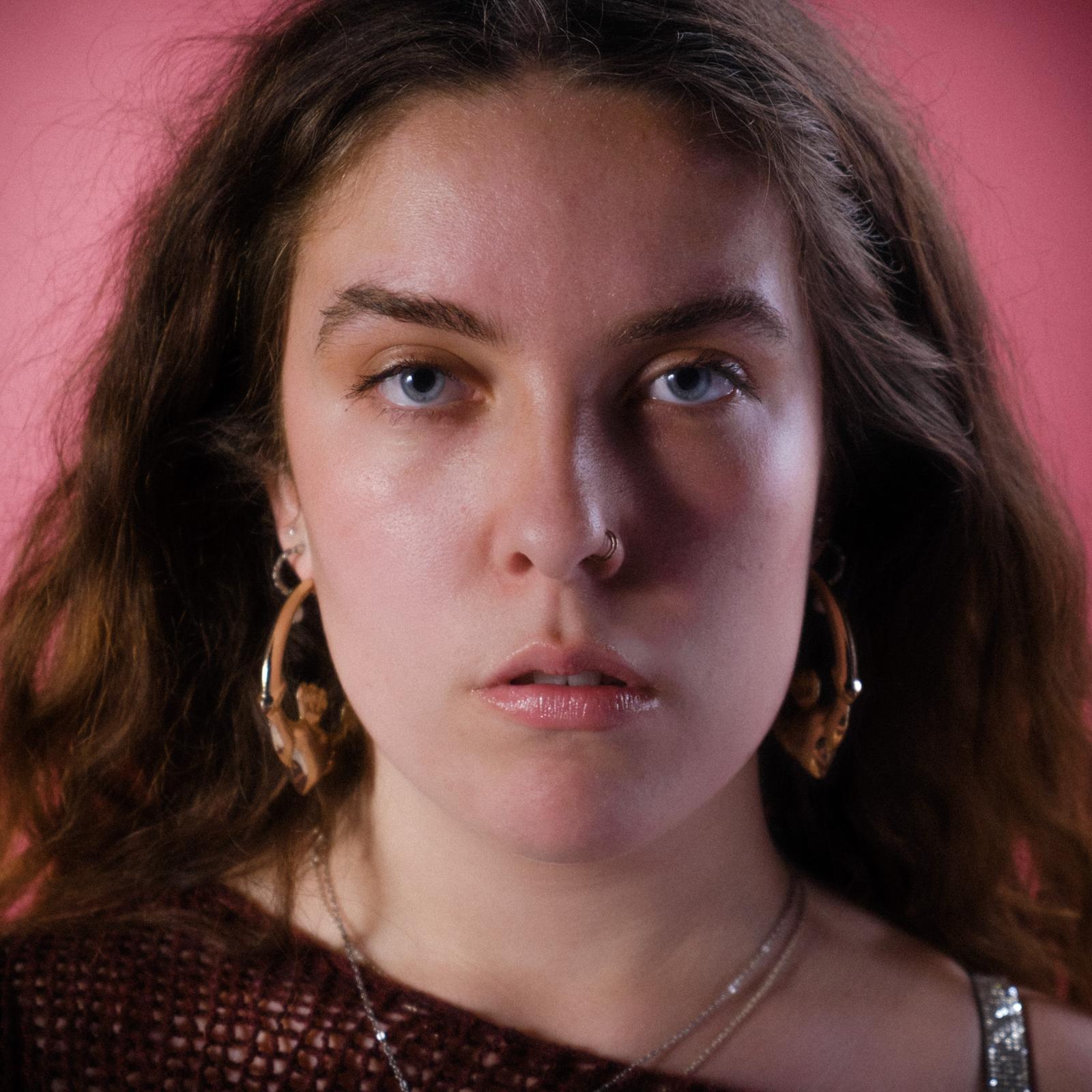
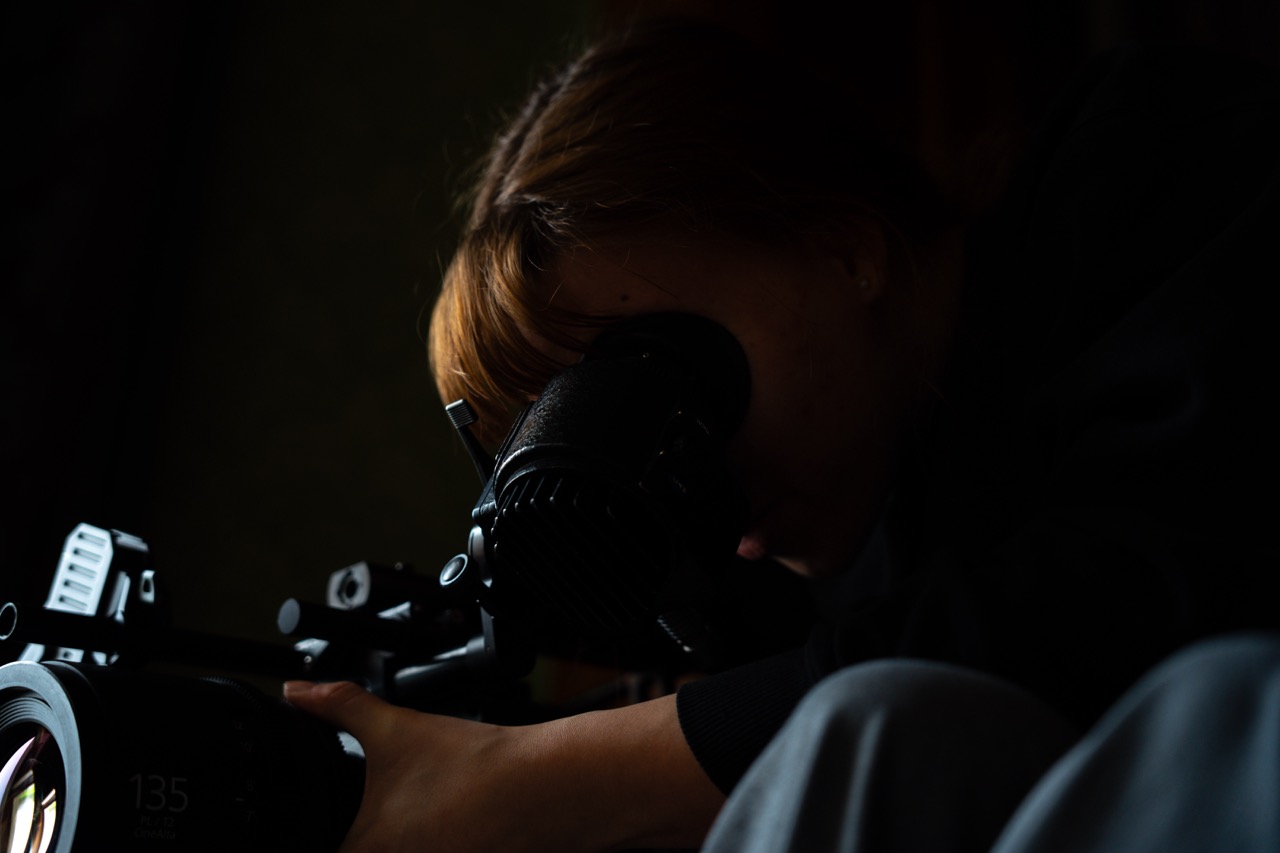
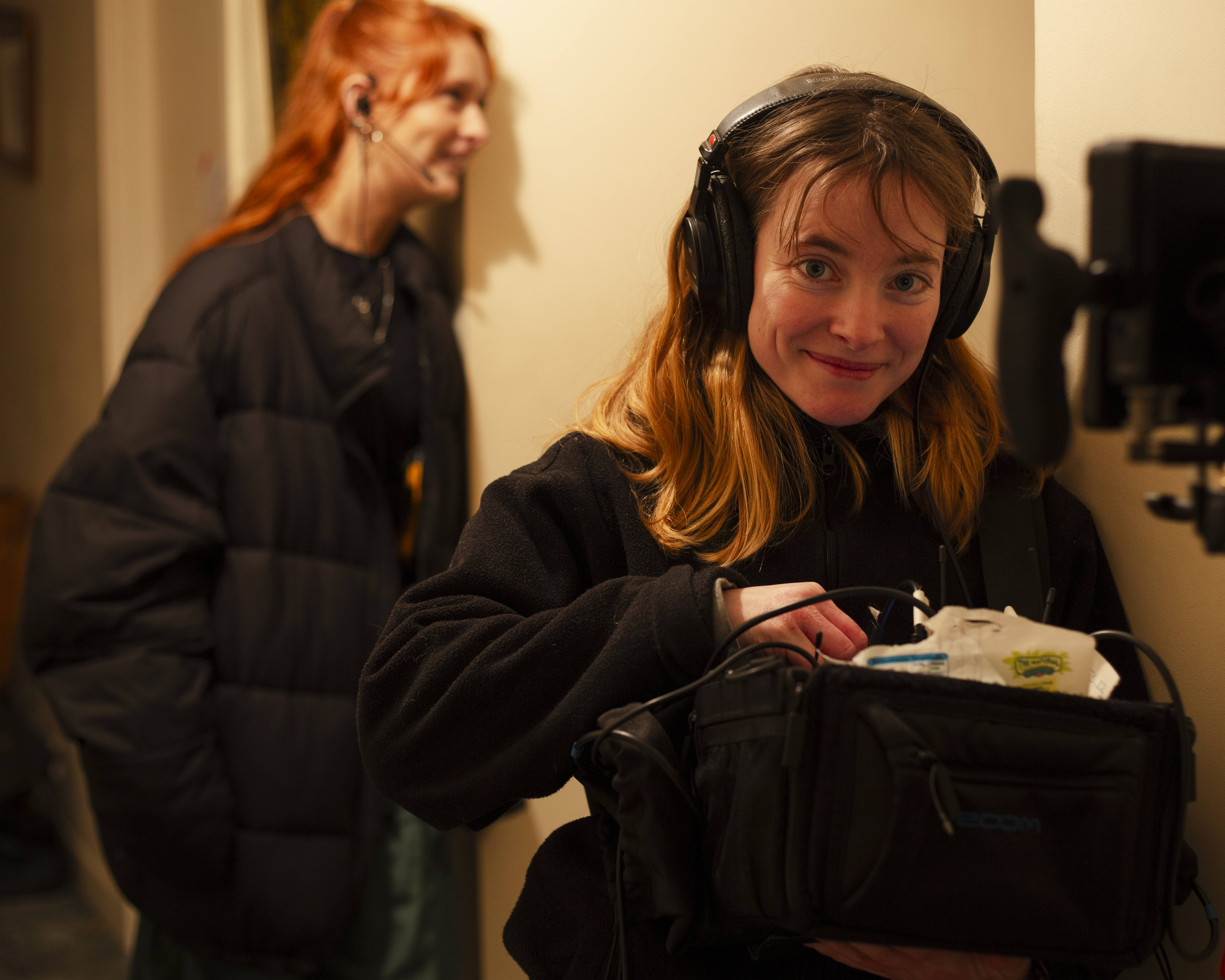
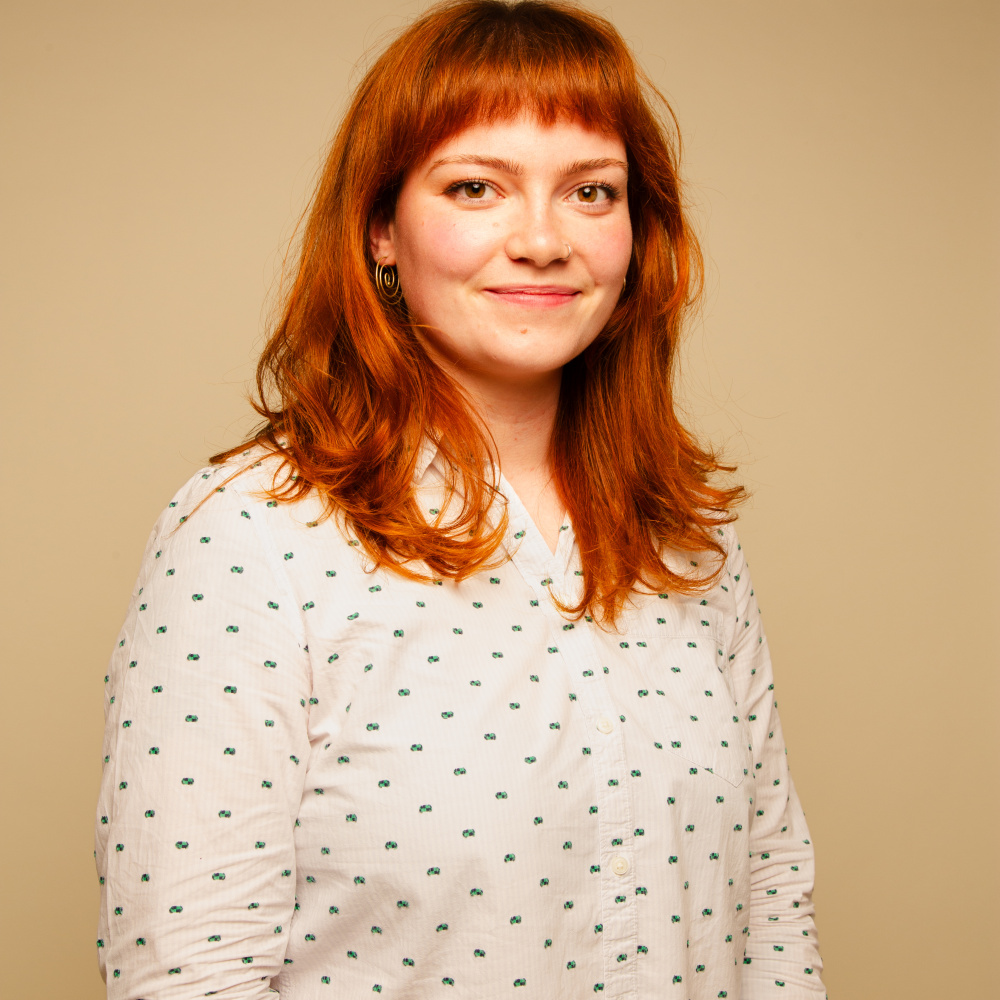
Sophie Clarke is a final year cinematographer from the NFS at IADT with a passion for both documentary and narrative short filmmaking, she is drawn to social realism and visually grounded films.
Her work often embraces natural light and handheld camerawork to create intimate, authentic images. She is Interested in capturing honest performances and lived experiences, she aims to craft films that are both visually pleasing and poignant. Her work is heavily influenced by the likes of Kate McCullough, Robbie Ryan and Adolpho Veloso.