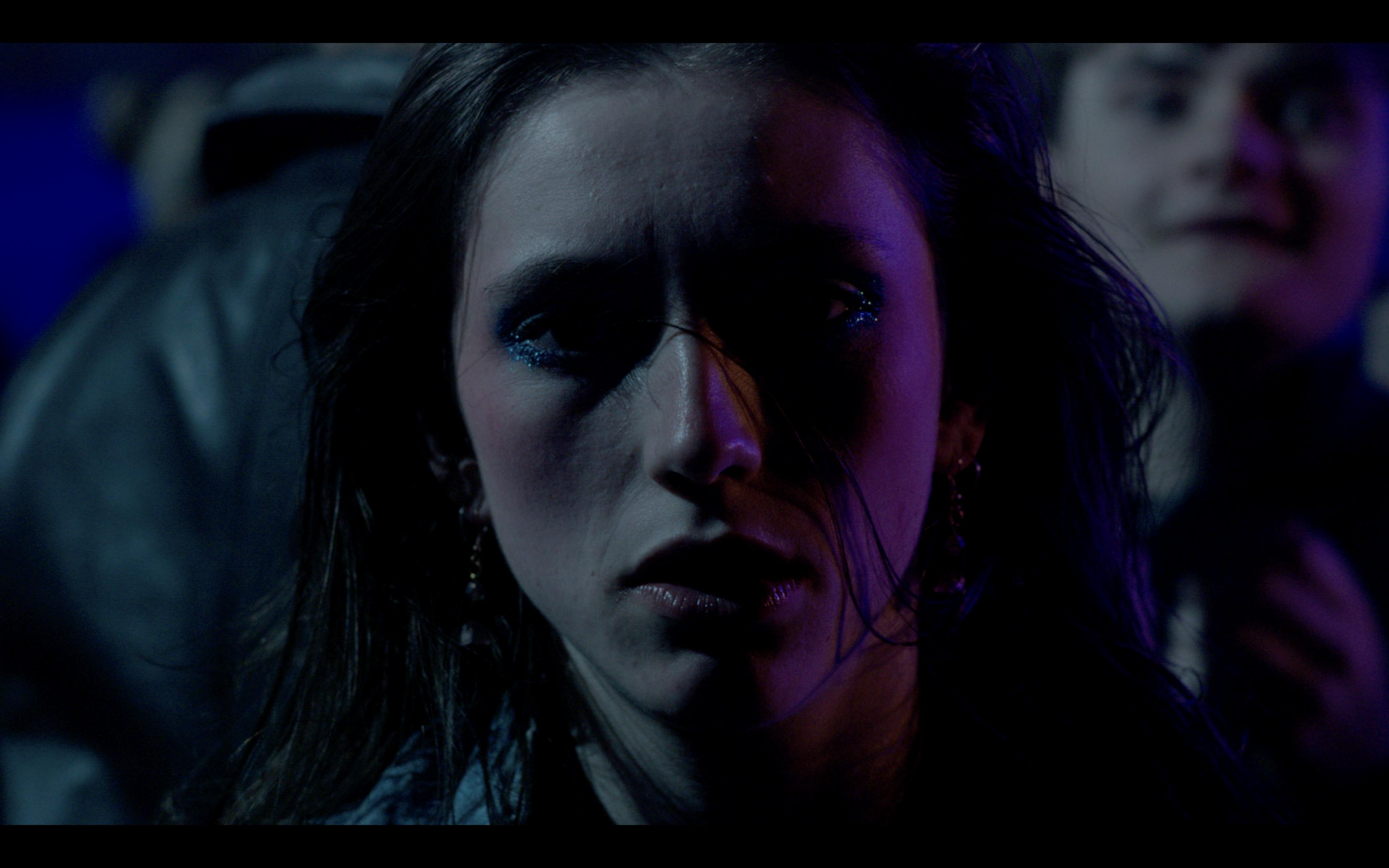
Éva Pető
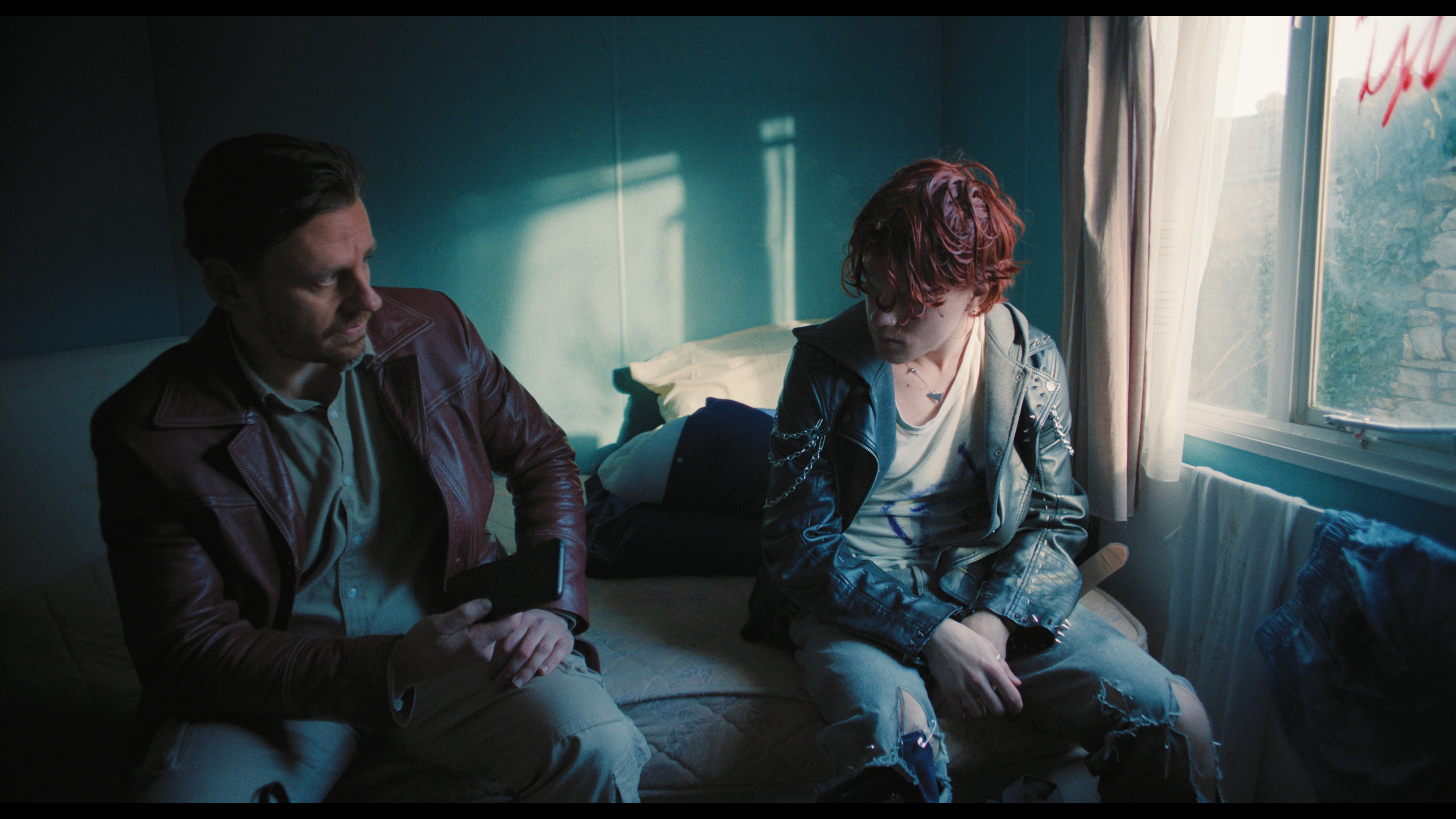
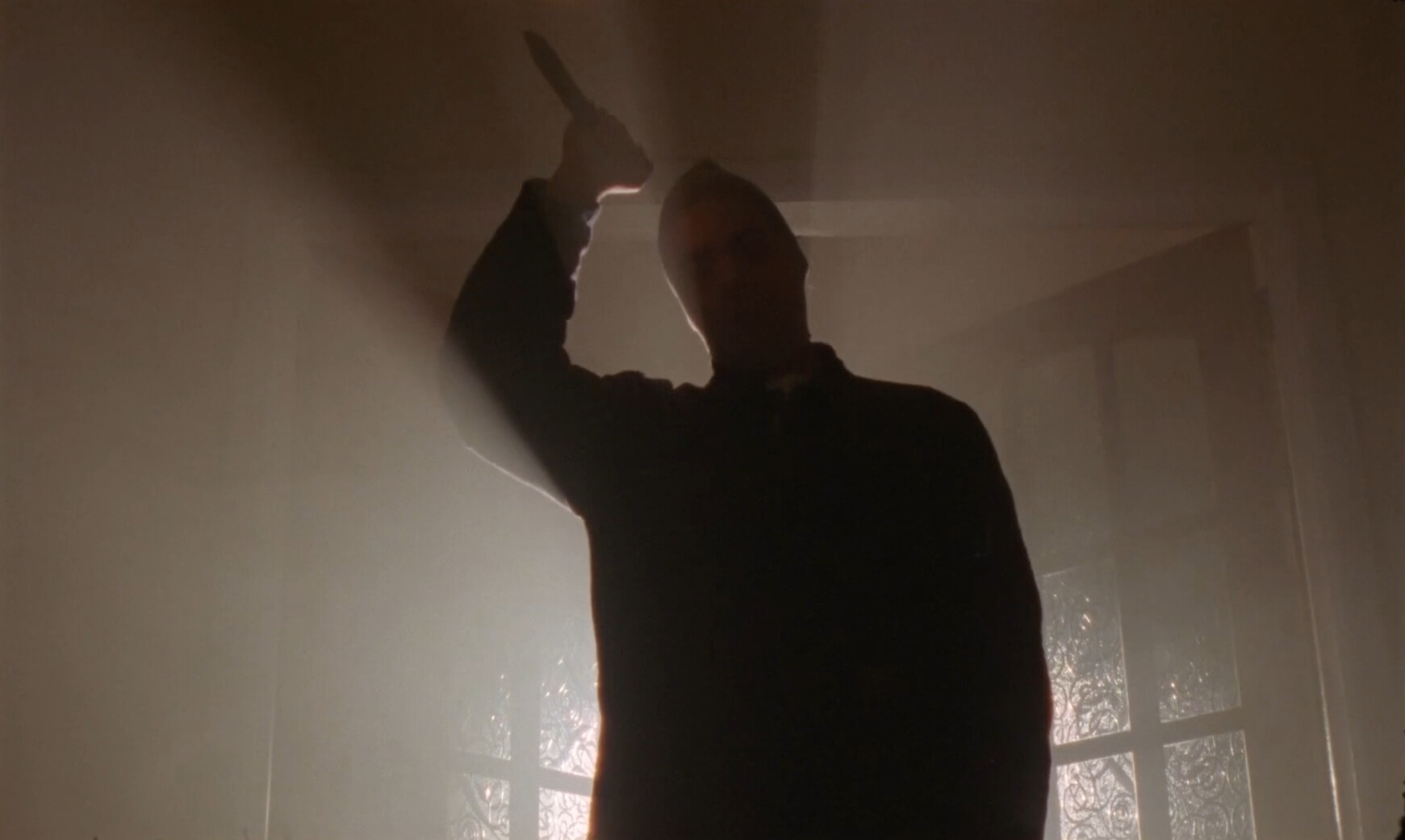
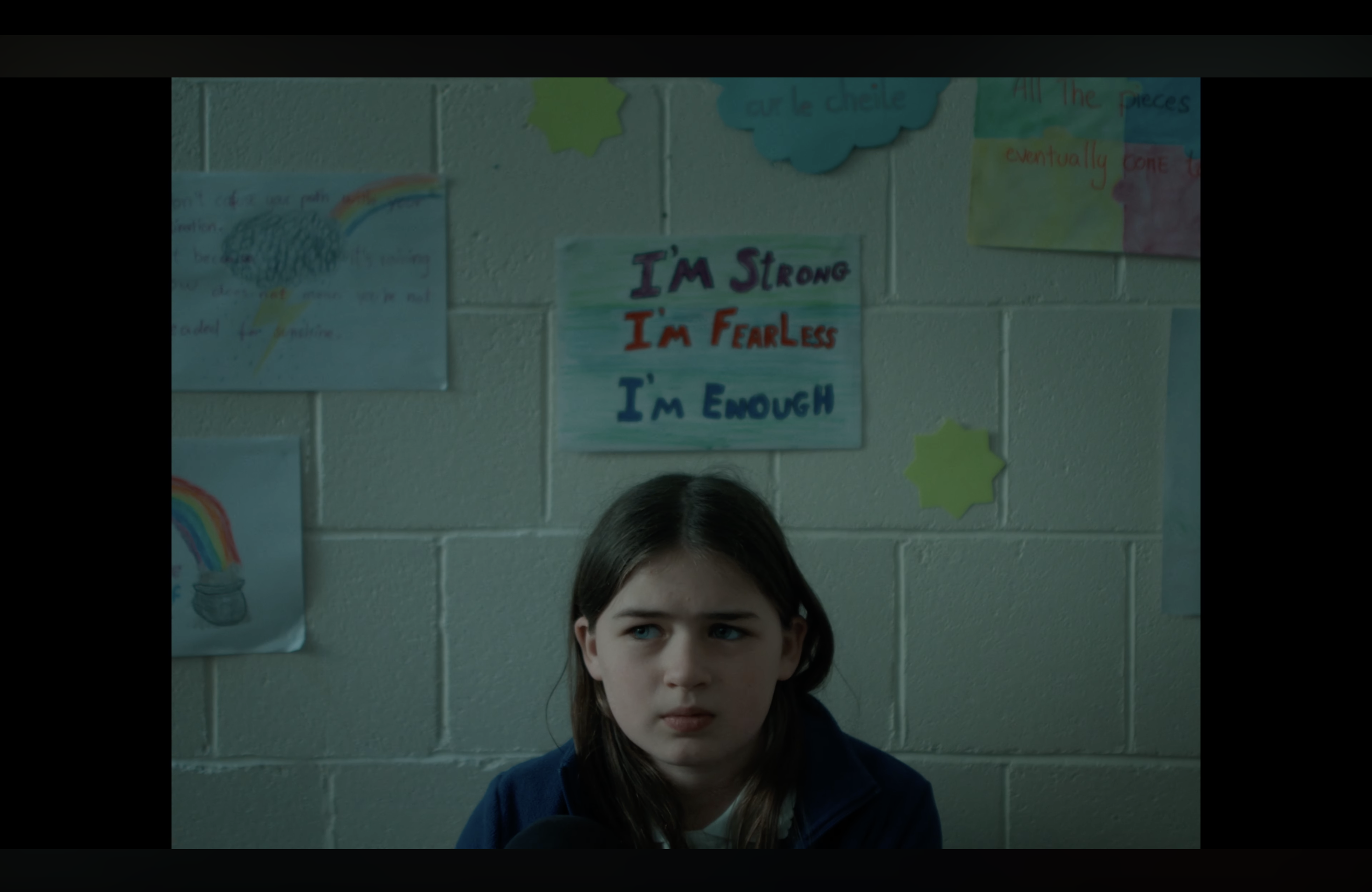
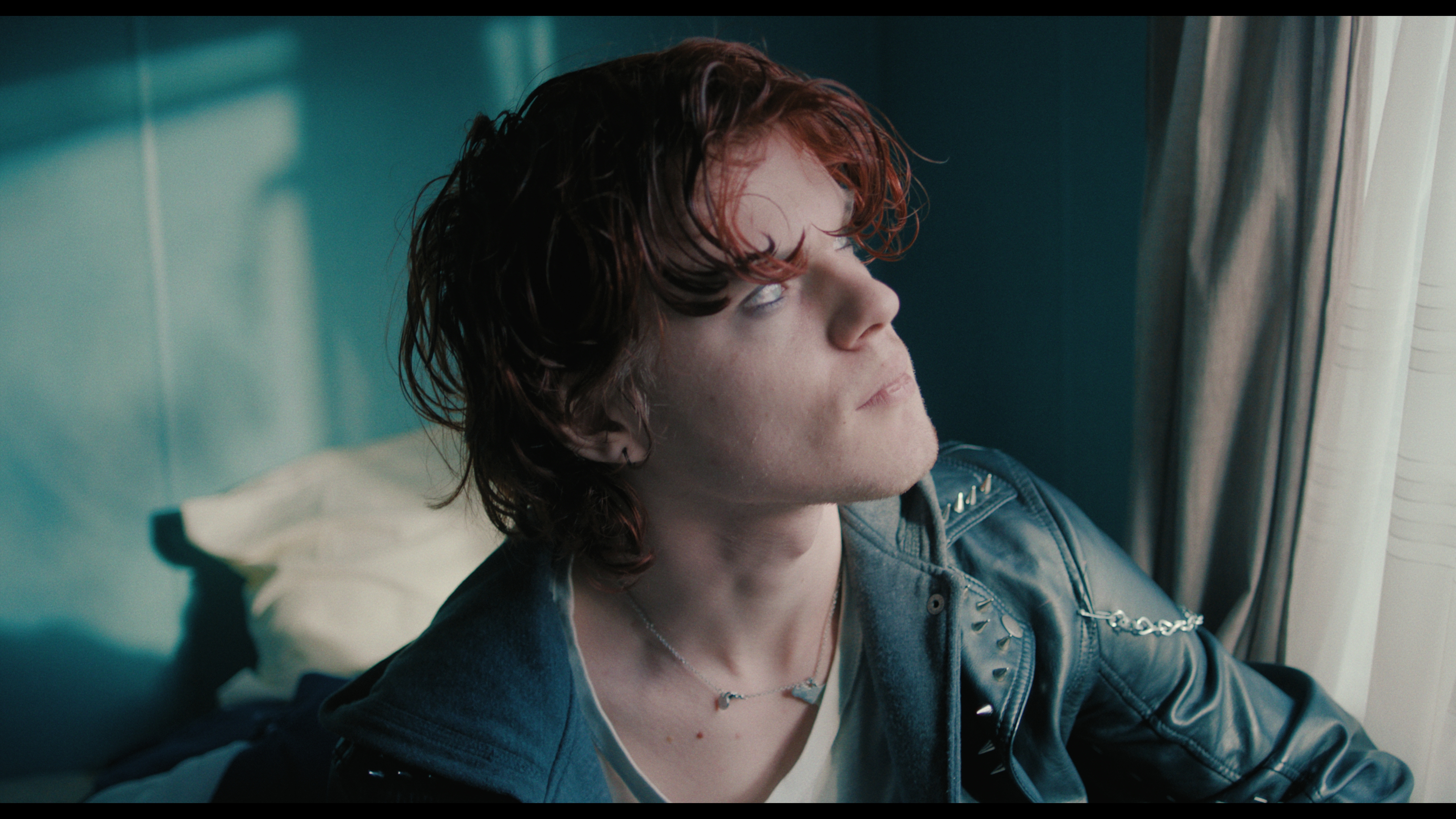
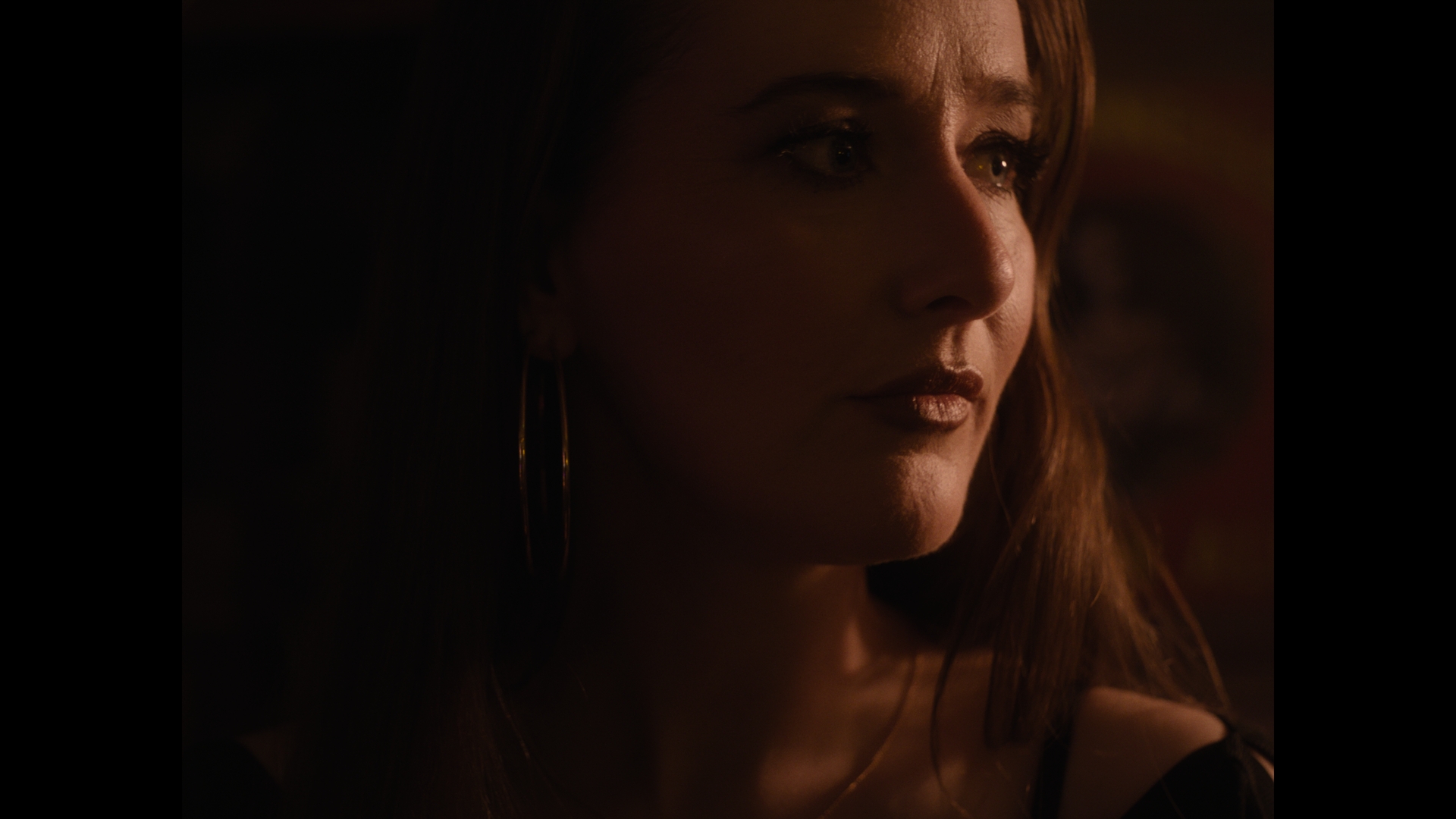
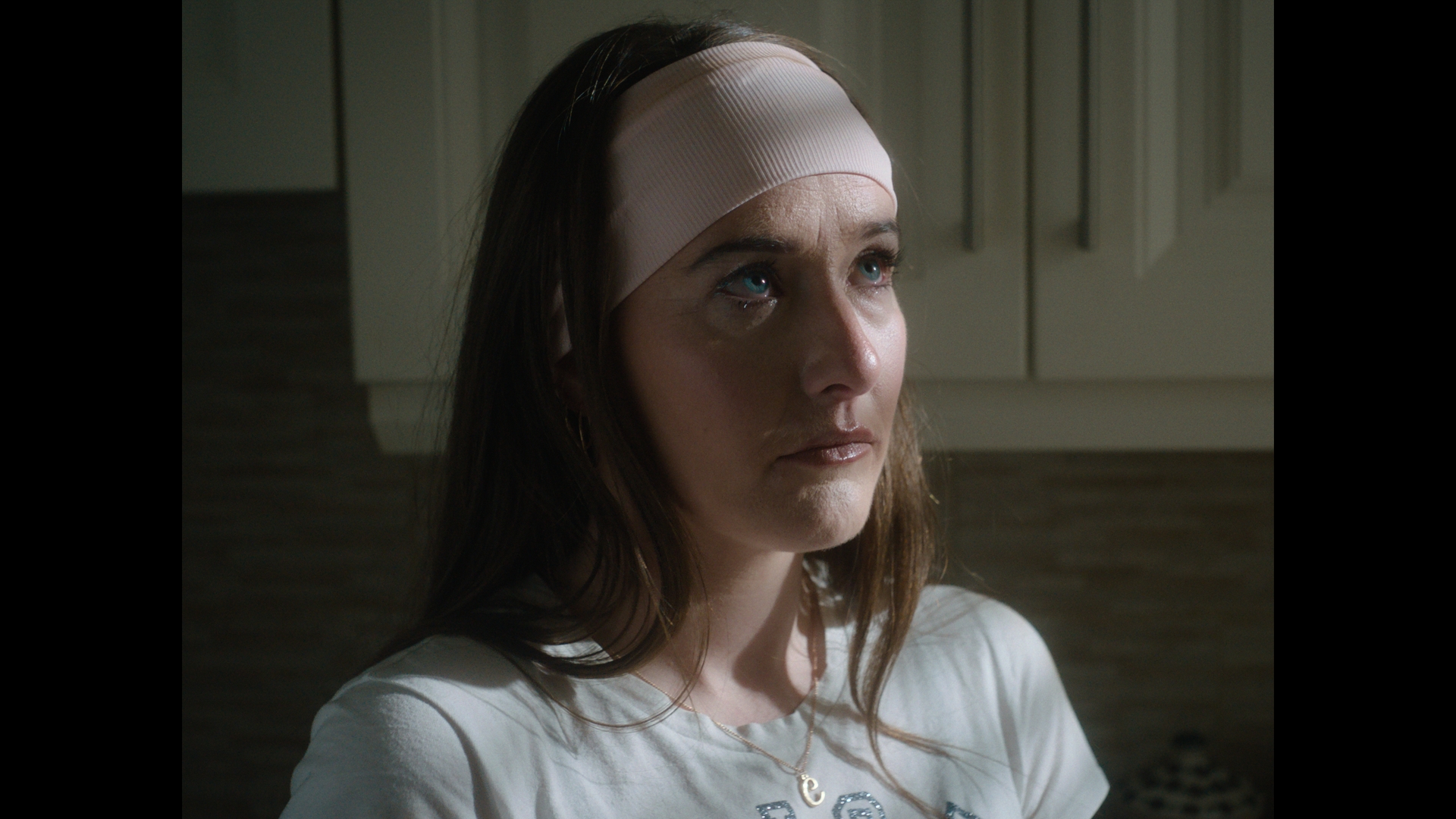
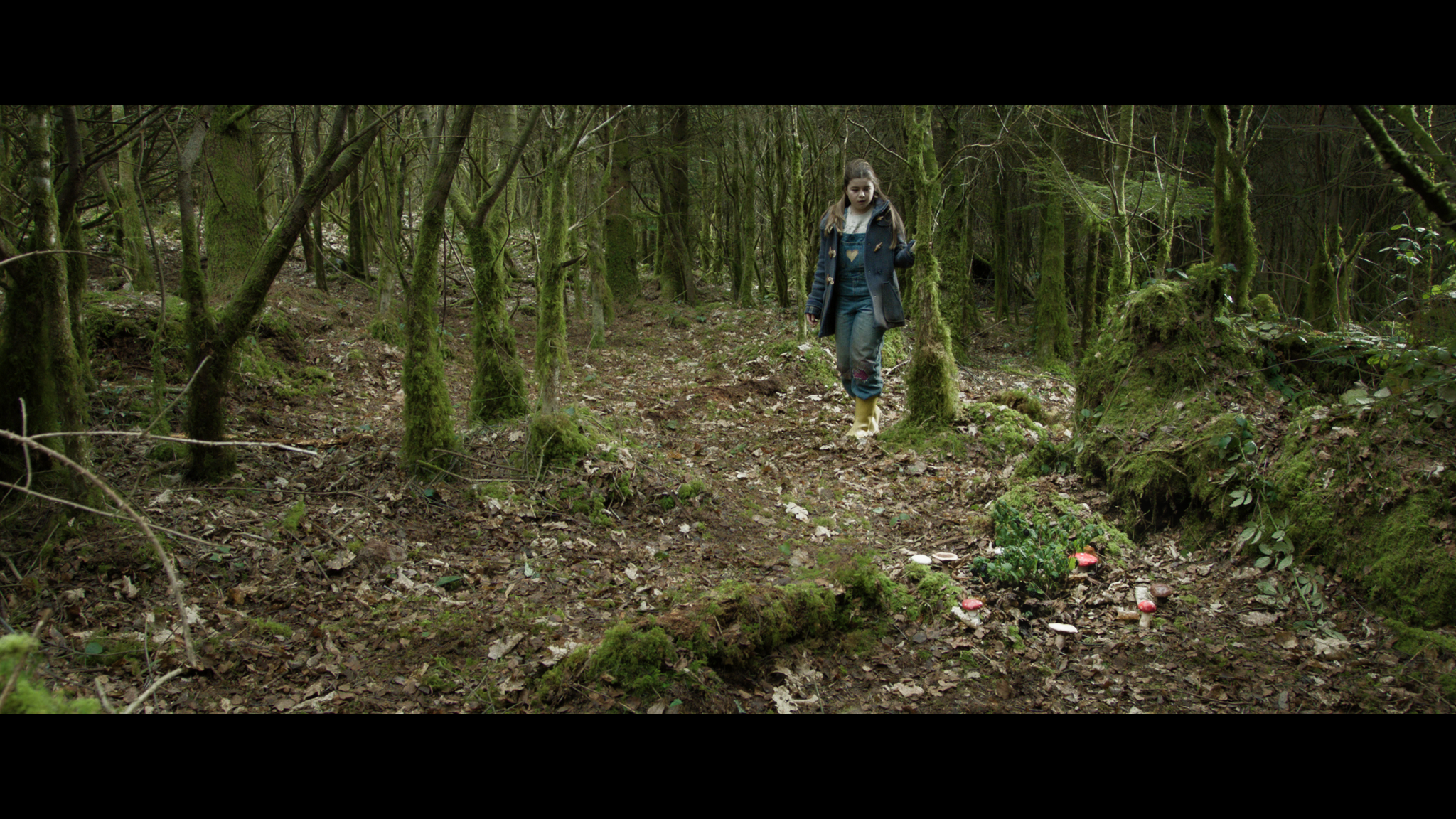
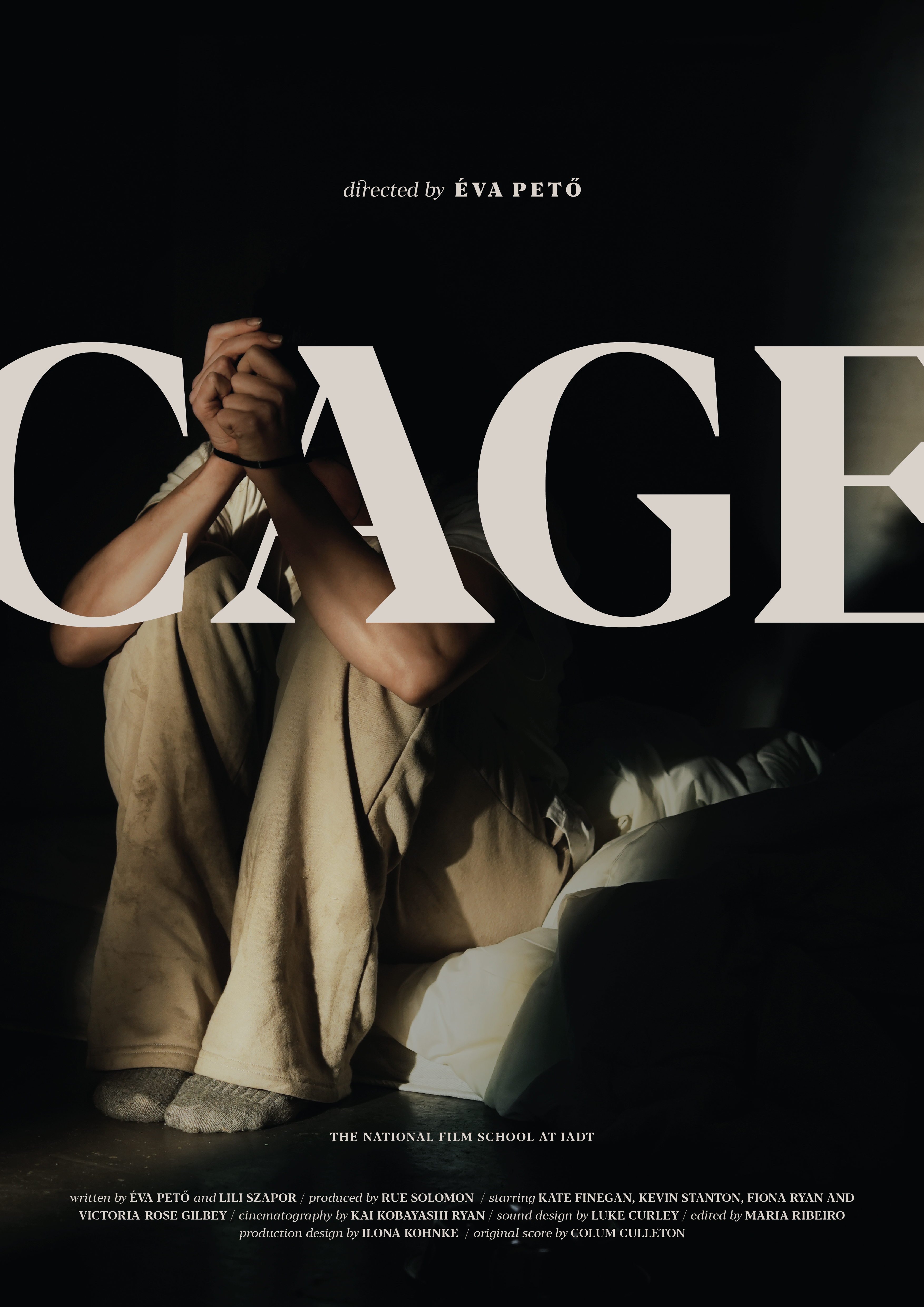
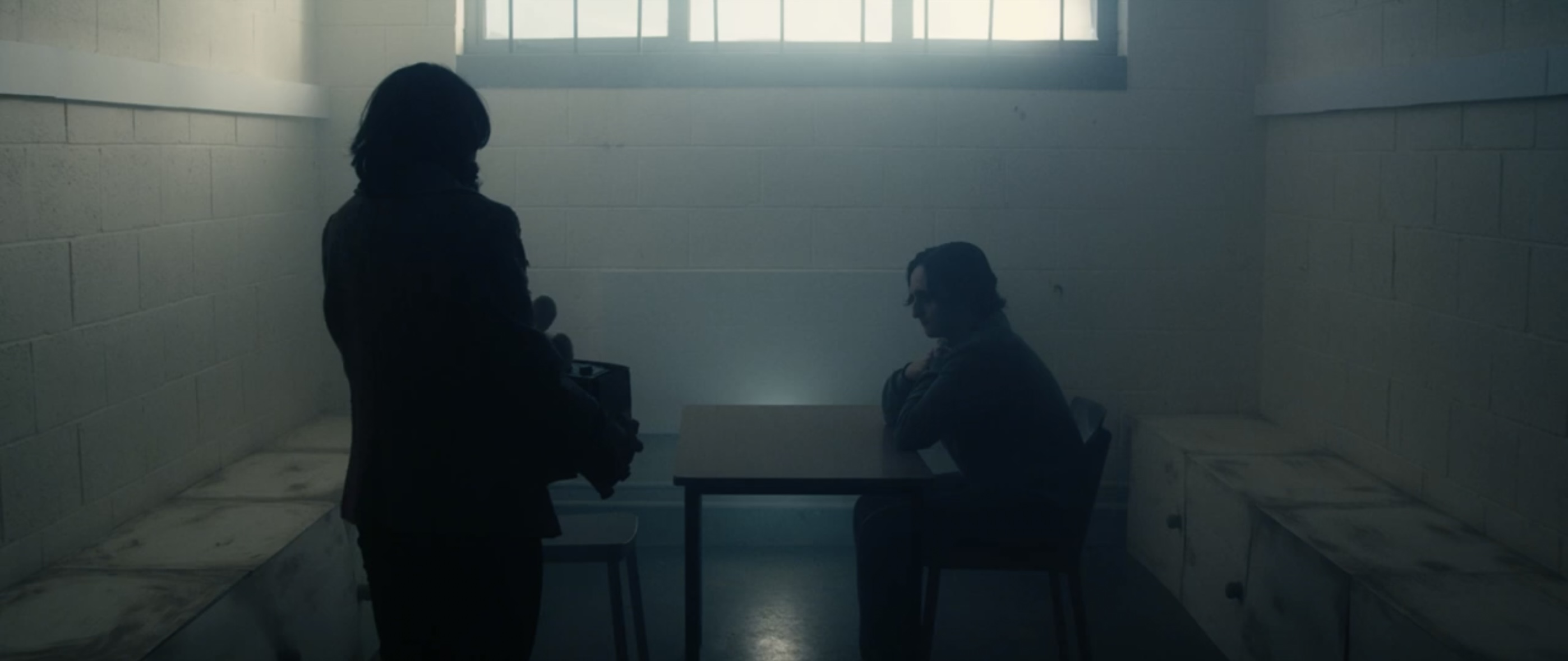
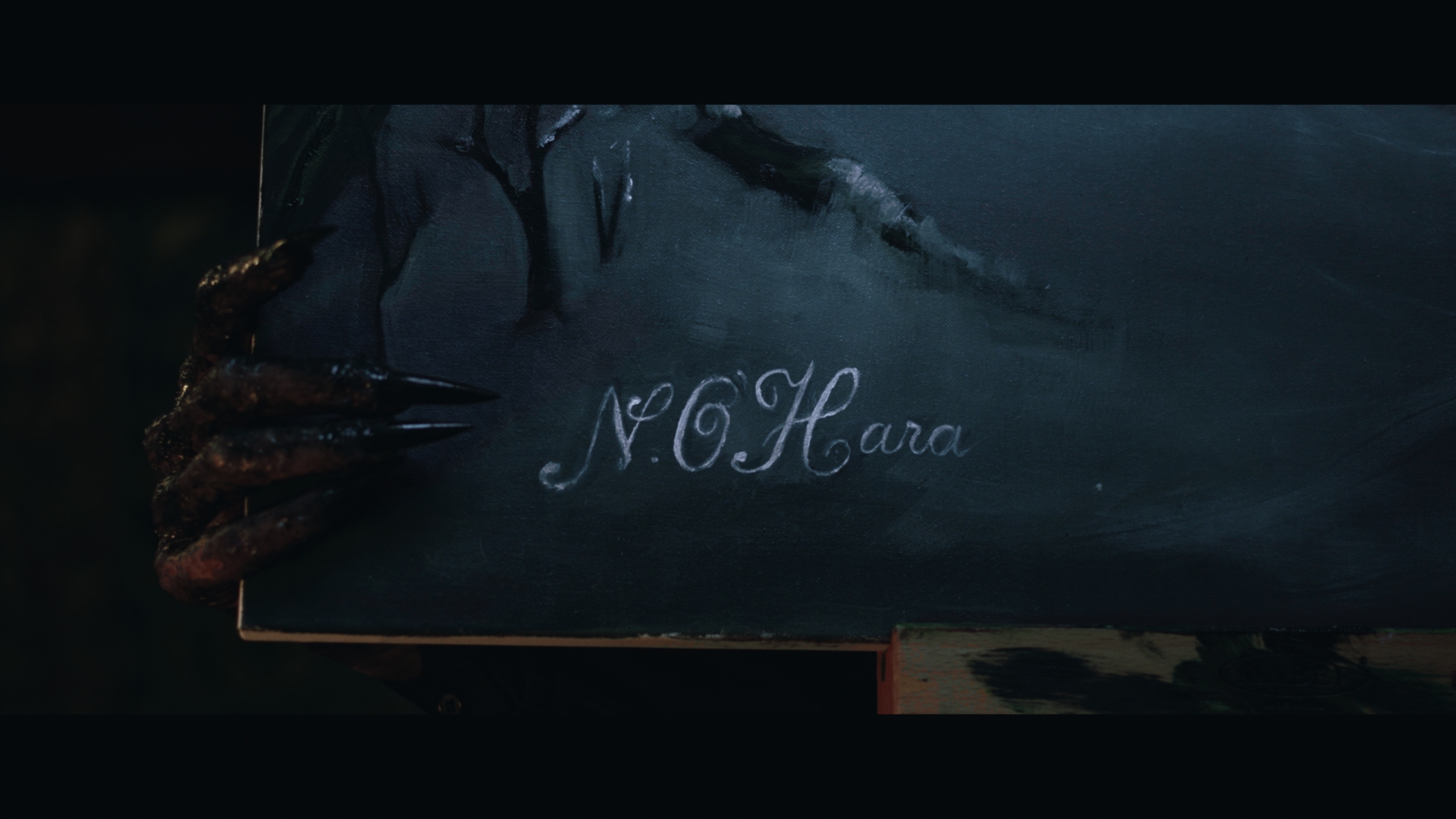
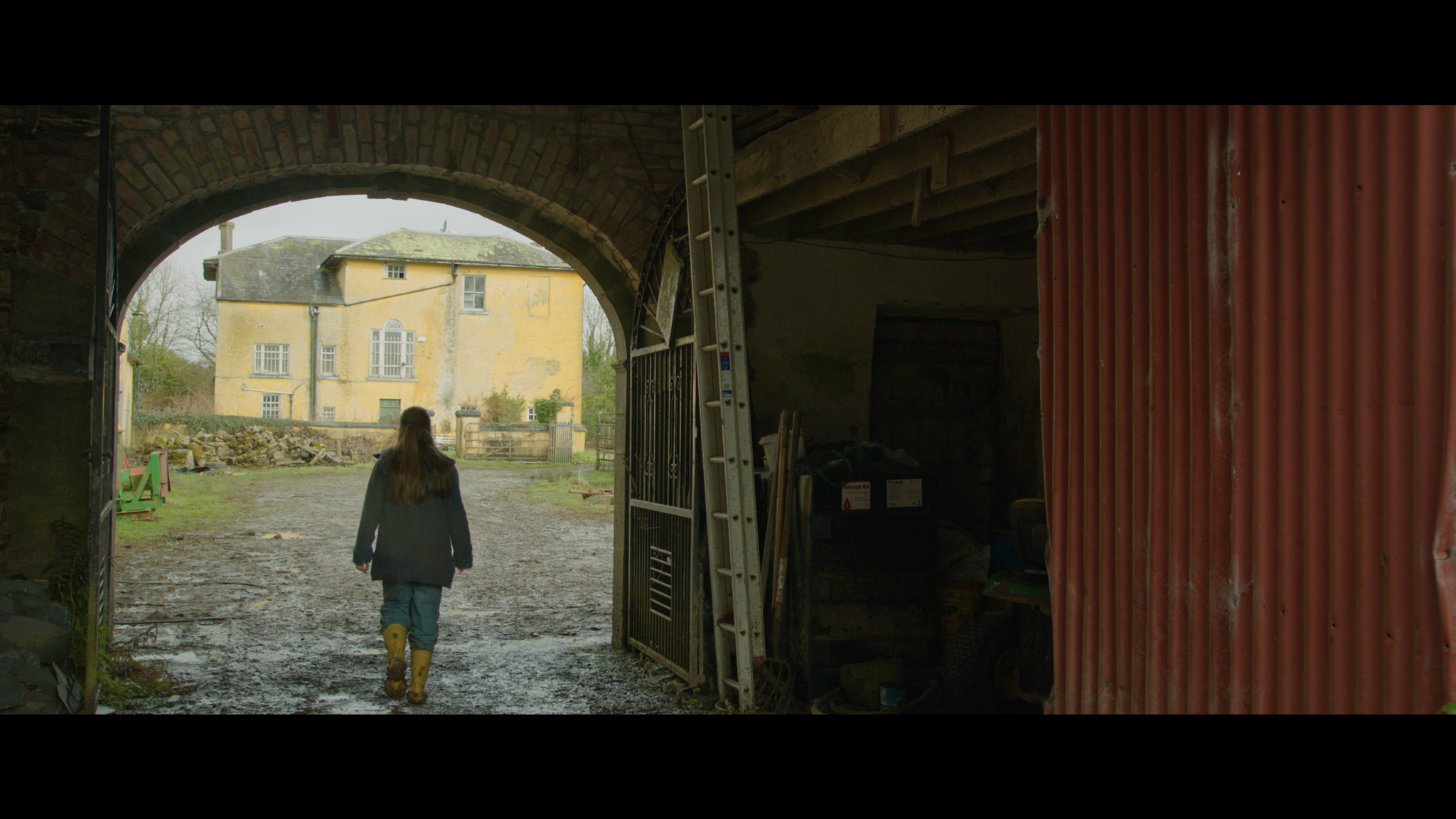
Elena finds herself locked in a cellar by a strange man. After her escape, she thinks the torment is over, but when she finally speaks with the detectives, she soon discovers that she was never truly freed, but simply locked in another prison. The accusations only confuse her more, and she is forced to face her hidden memories. But what will it take to finally get out of this cage?
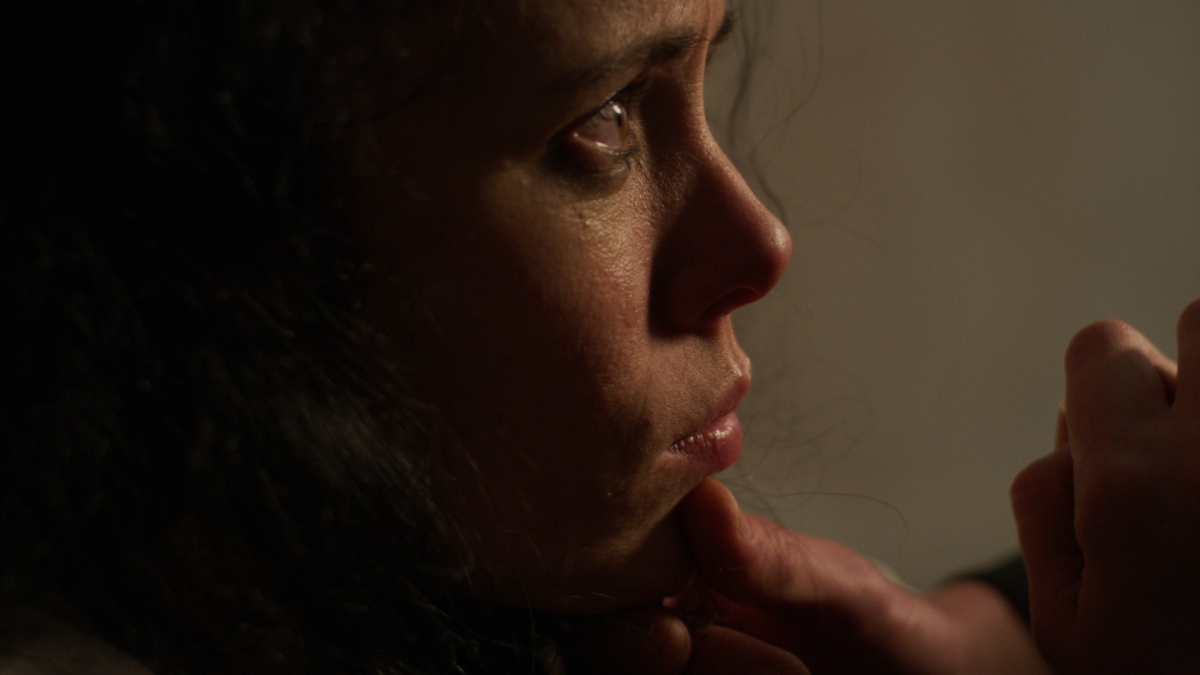
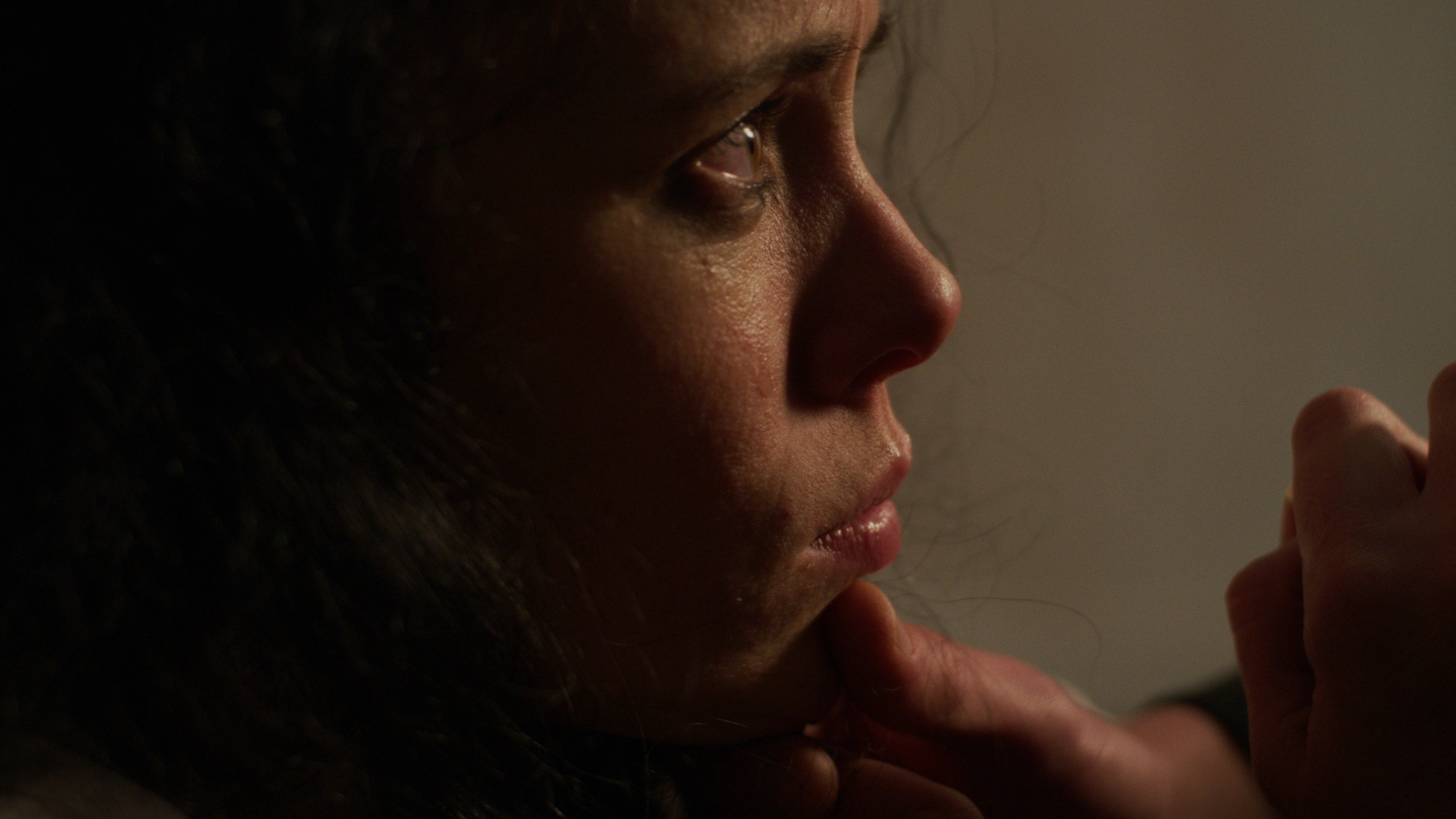
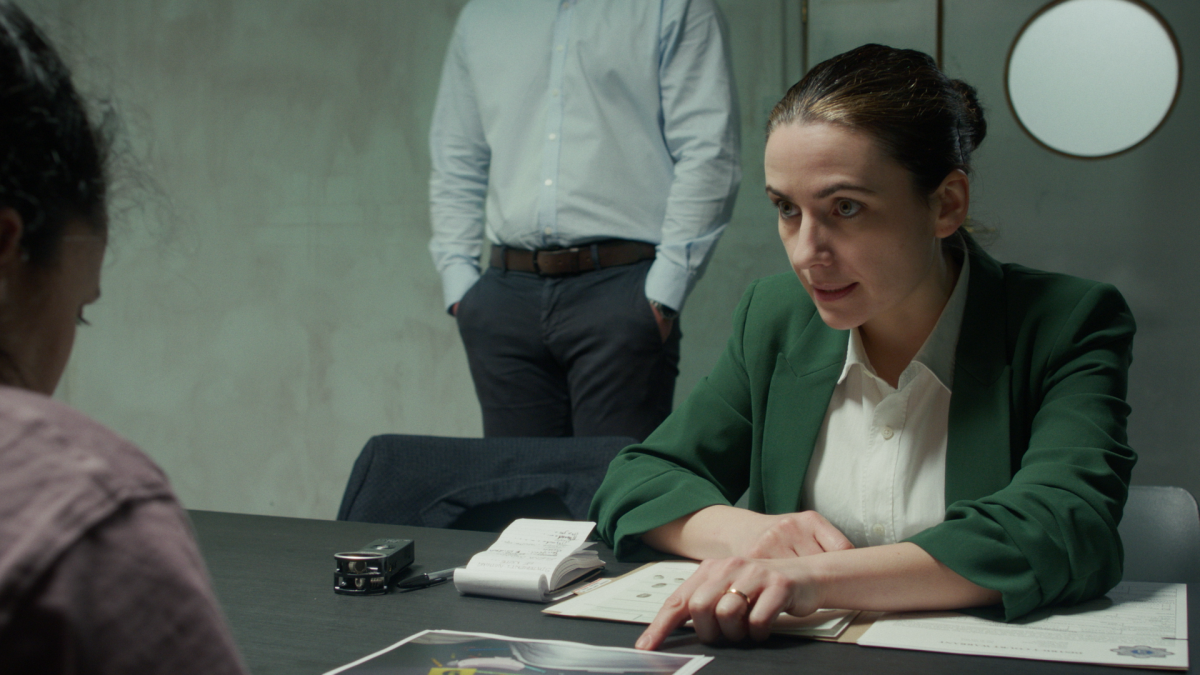
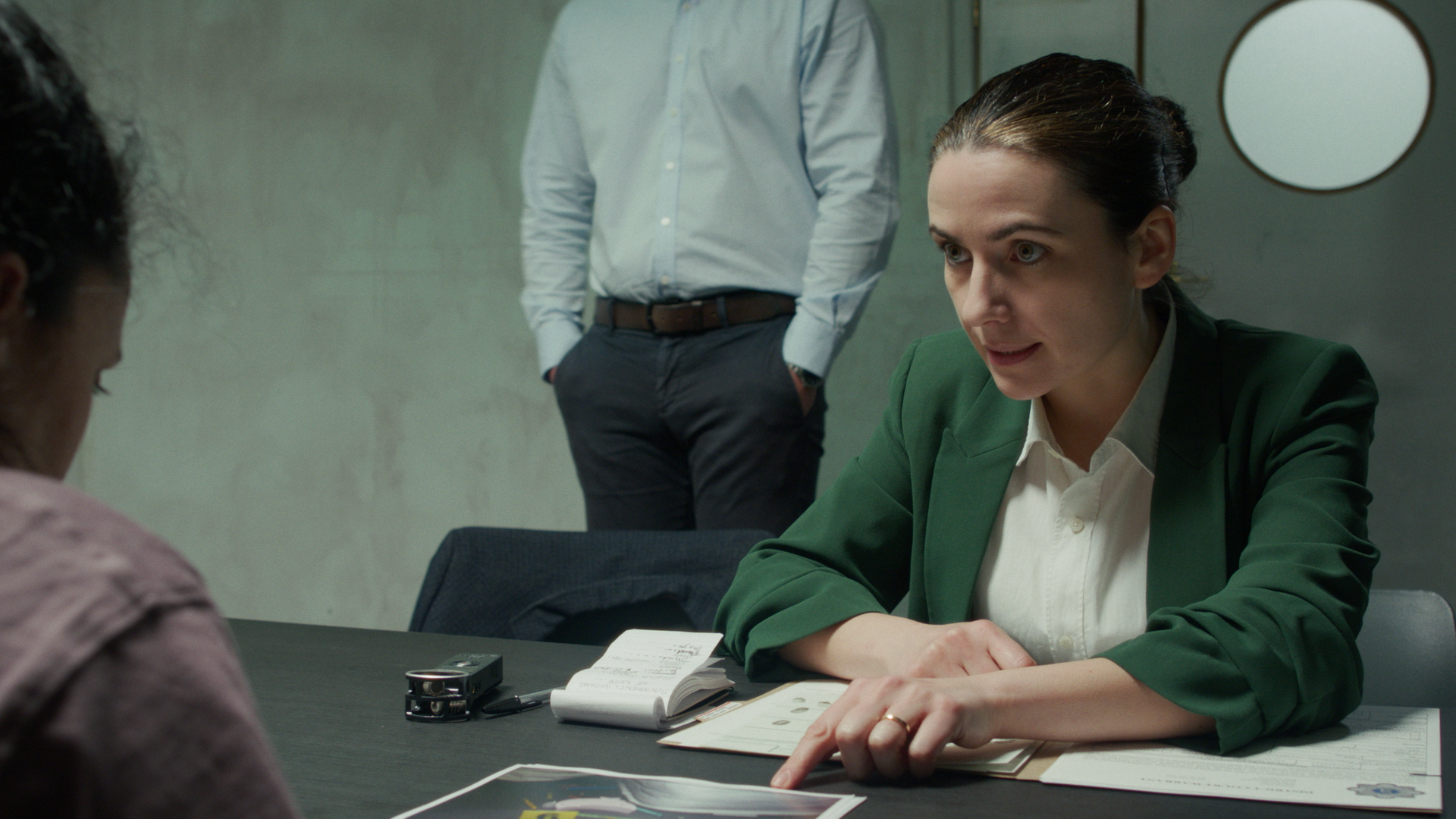
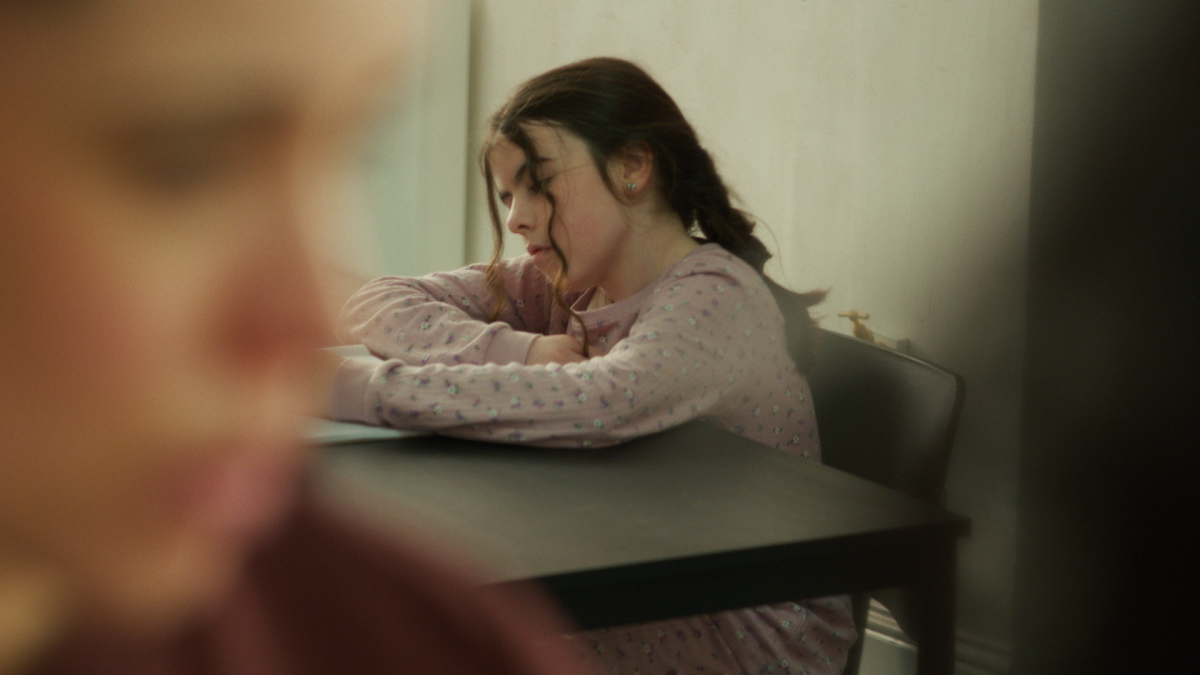
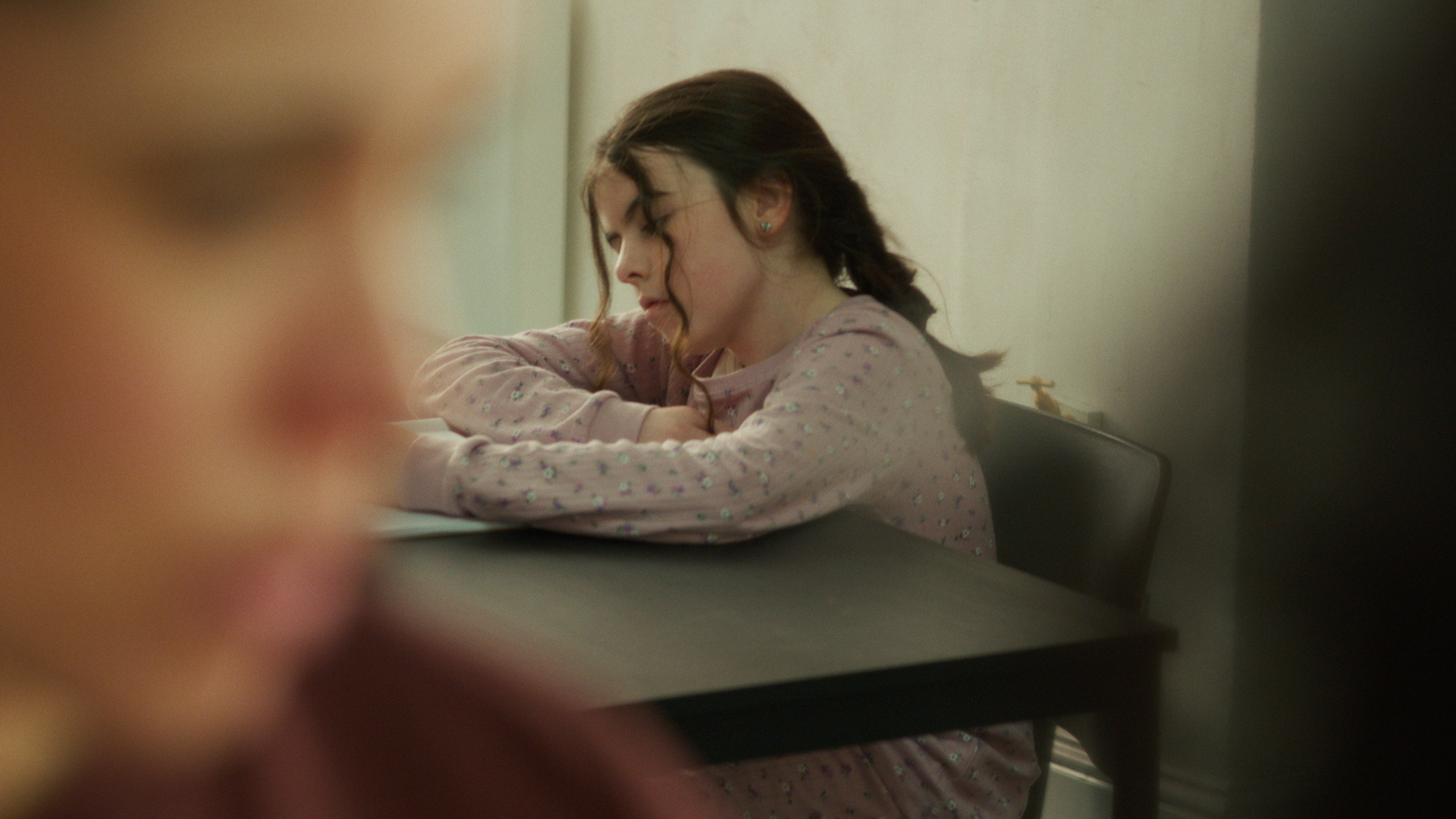




“CAGE” explores the emotional state that follows a traumatic event and the first steps toward healing. Rather than portraying trauma directly, the film attempts to express the experience of internal trauma through the language and tension of a thriller. It moves through different stages of recovery: the emergence of anger and blame without fully understanding their origin; the gradual recognition of emotional wounds and their possible causes; and finally, acceptance, the moment when there is no choice left but to confront themselves and comfort their vulnerable side. Highlighting the importance of self-awareness and mental health, the film unfolds as a psychological drama infused with thriller elements.
Although in my previous projects I usually created stories grounded in reality and enriched with psychological elements, this time Lili, my friend and co-writer, and I decided to reverse that dynamic and place a mind game at the centre of the story, with reality acting only as a “supporting character.” Our goal was to present a trauma-affected mind, showing that the mind can be so powerful that while trying to protect ourselves from trauma, it can actually hide the origin of our anxiety and the possible solution to a way out. We created a series of events where Elena, the unknowing inventor of the story, unfolds her hidden emotions and memories step by step, ultimately finding and comforting her abandoned inner child.
Alfred Hitchcock’s early films are widely acclaimed for their compelling plots and fascinating visual motifs. However, their fundamental strength, suspense, relies on carefully constructed narrative and emotional control. This essential element operates behind the scenes, shaping character trajectories, controlling the rhythm of the narrative, and directing the audience’s attention and emotional responses. To examine the contribution of suspense, it is essential to understand how it governs the flow of events within the narrative. An analysis of suspense in The Man Who Knew Too Much (1934), Sabotage (1936), Strangers on a Train (1951), and The Man Who Knew Too Much (1956) reveals how Hitchcock constructs tension through storytelling, character development, visuals, and editing, making suspense the hidden ingredient that gives these films coherence and creates an engaging cinematic experience.
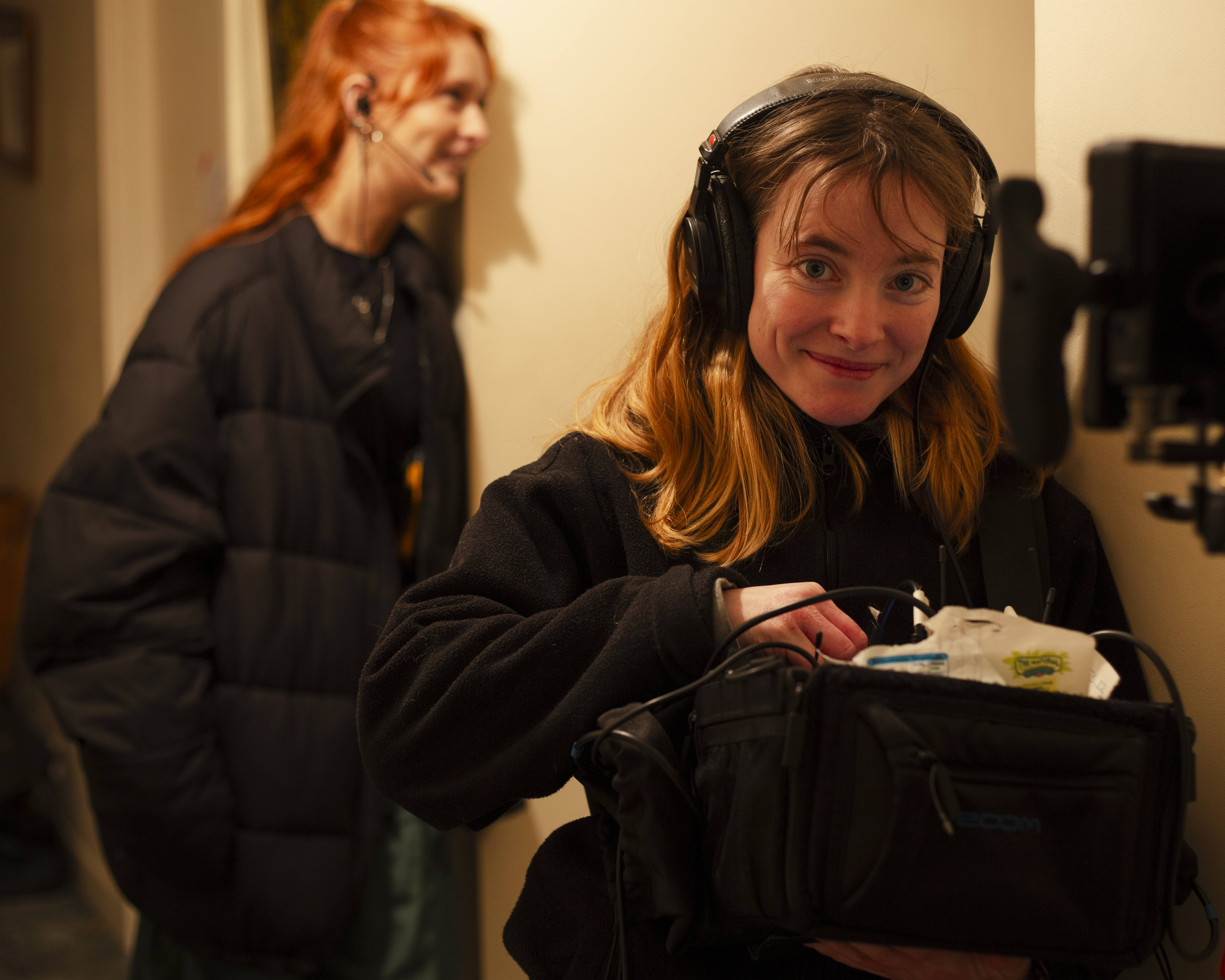
Éva Pető (or Évi) is a 2026 graduate from the National Film School at IADT in Dublin with a major in Directing. She is originally from Hungary, where she worked in the film industry and studied photography. Her previous experiences contributed to her visual strength, which she often uses to develop the unique visual look of her films. Besides being a visual storyteller, she is drawn to explore themes of mental health and the power of the mind, which she tends to enhance with twisted storylines in a thriller setting.