Amadeus Jackiewicz
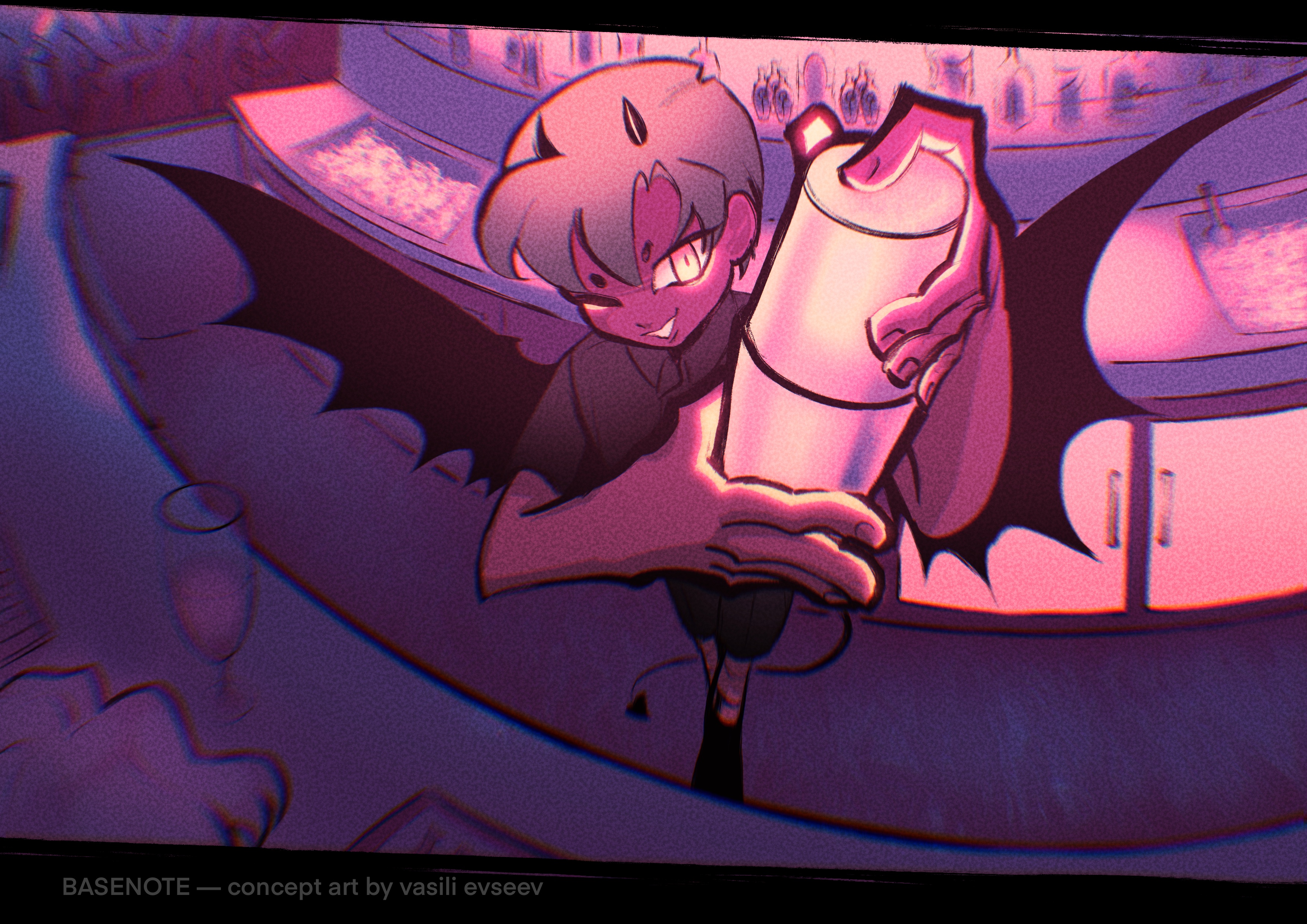
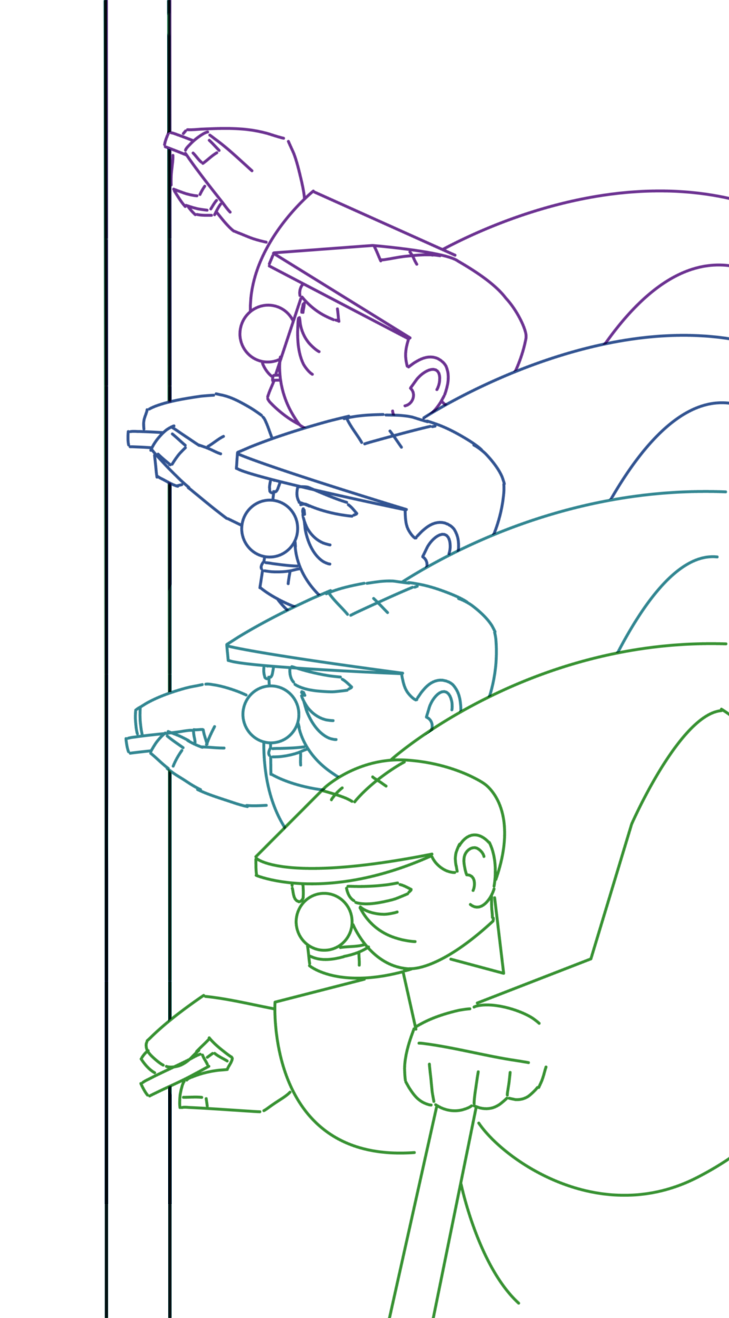
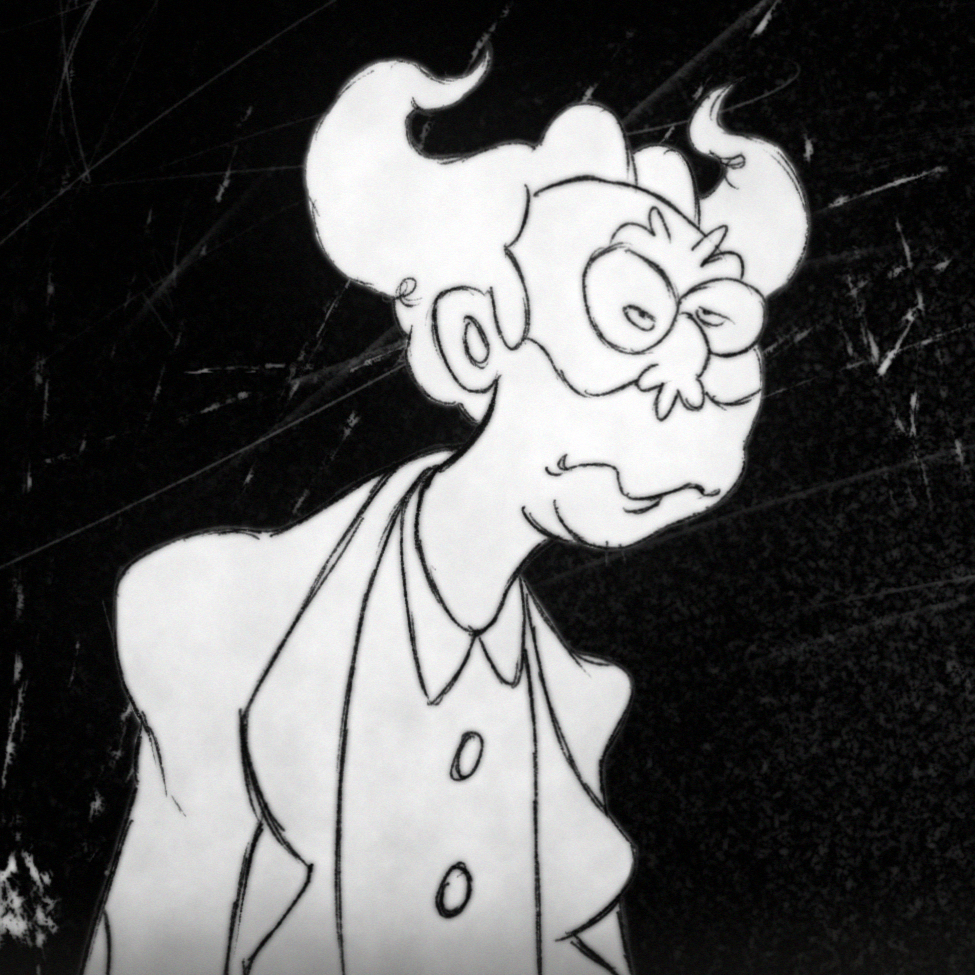
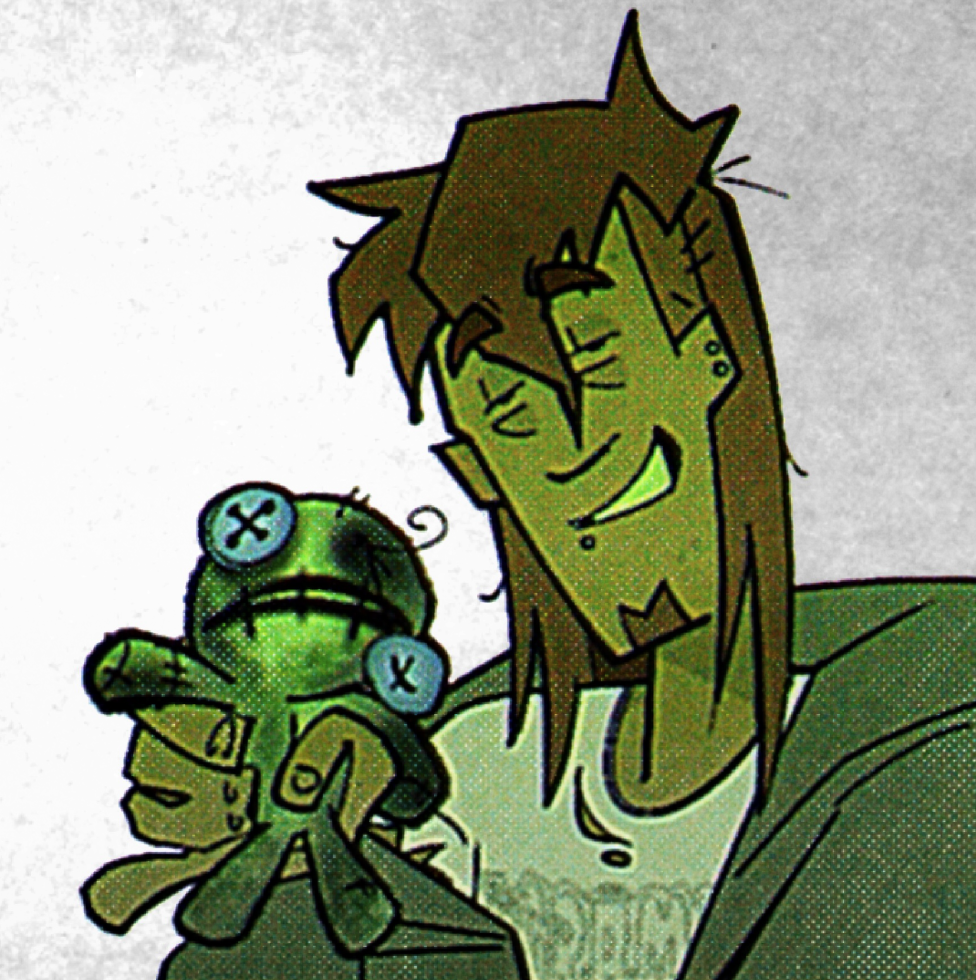
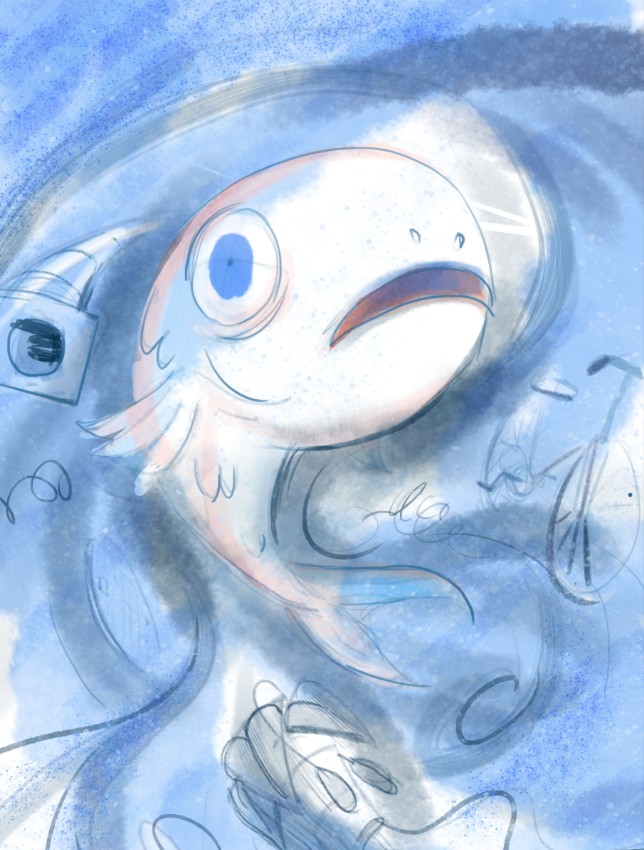
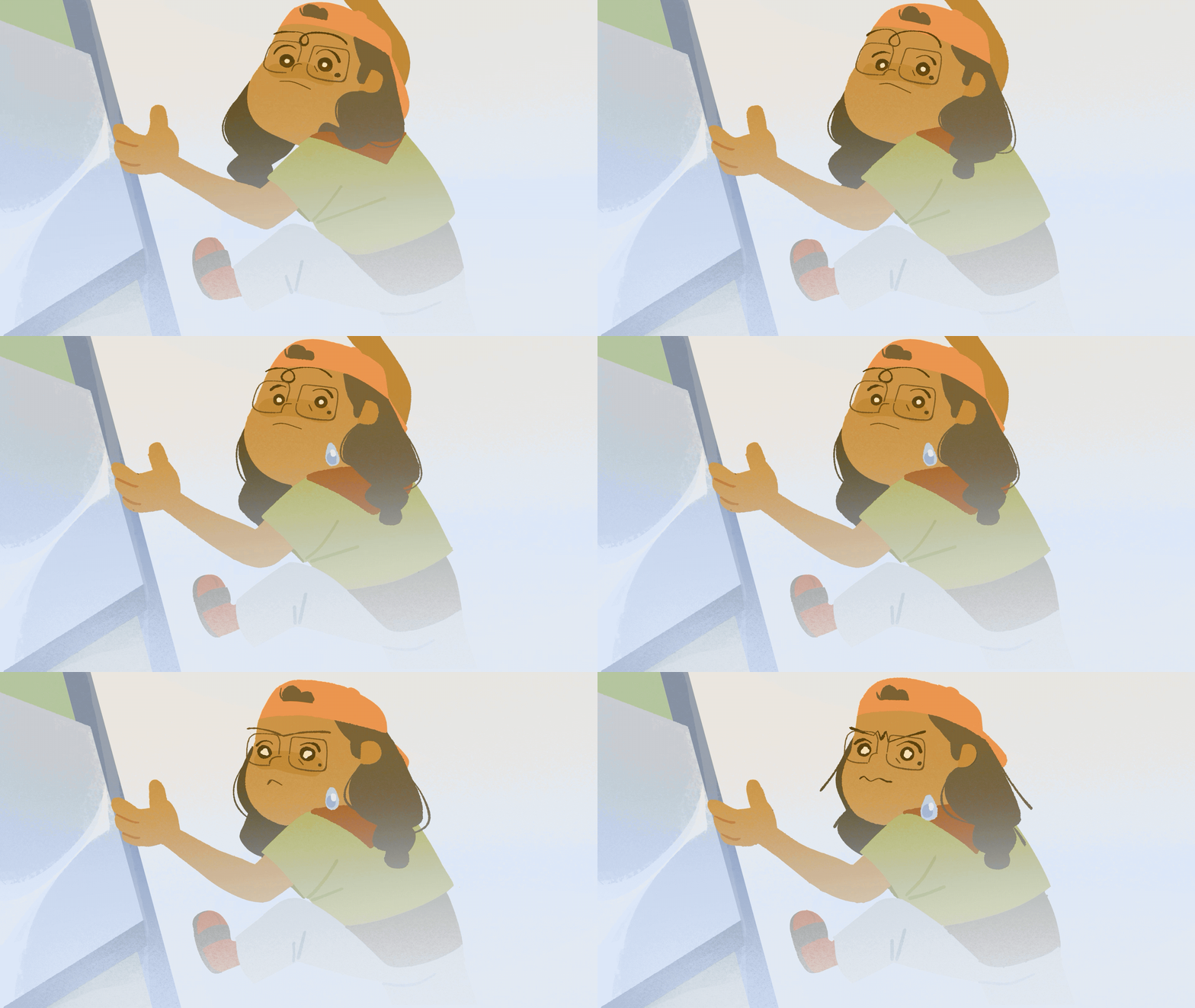
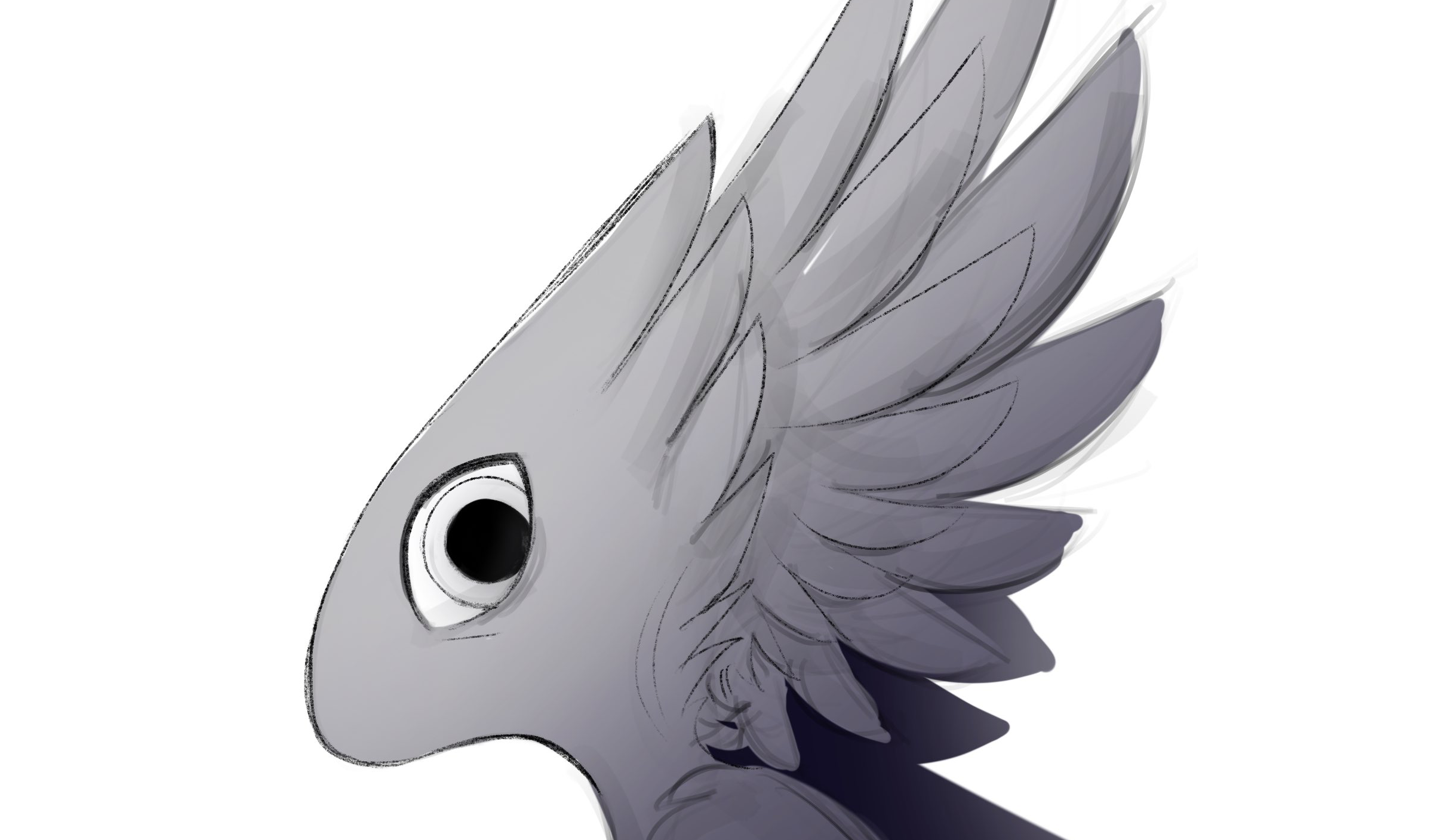
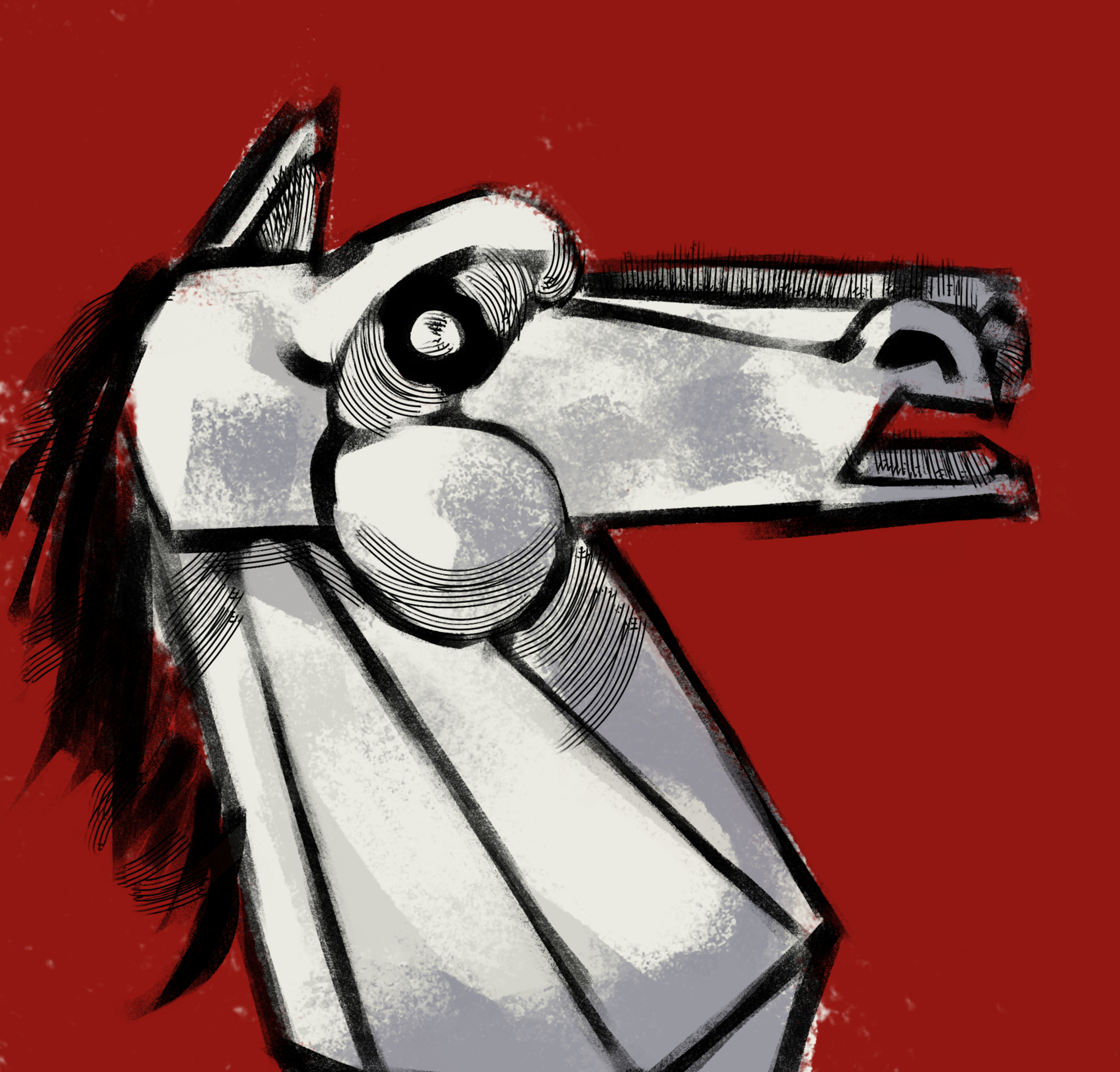
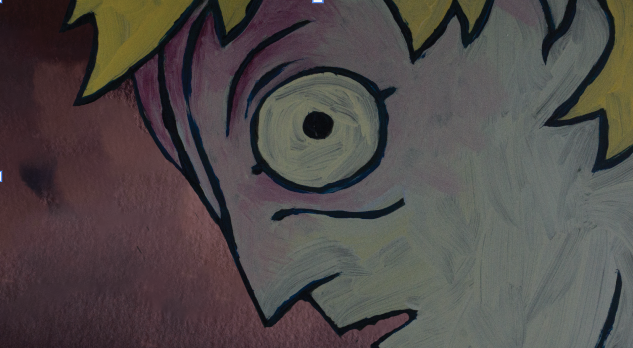
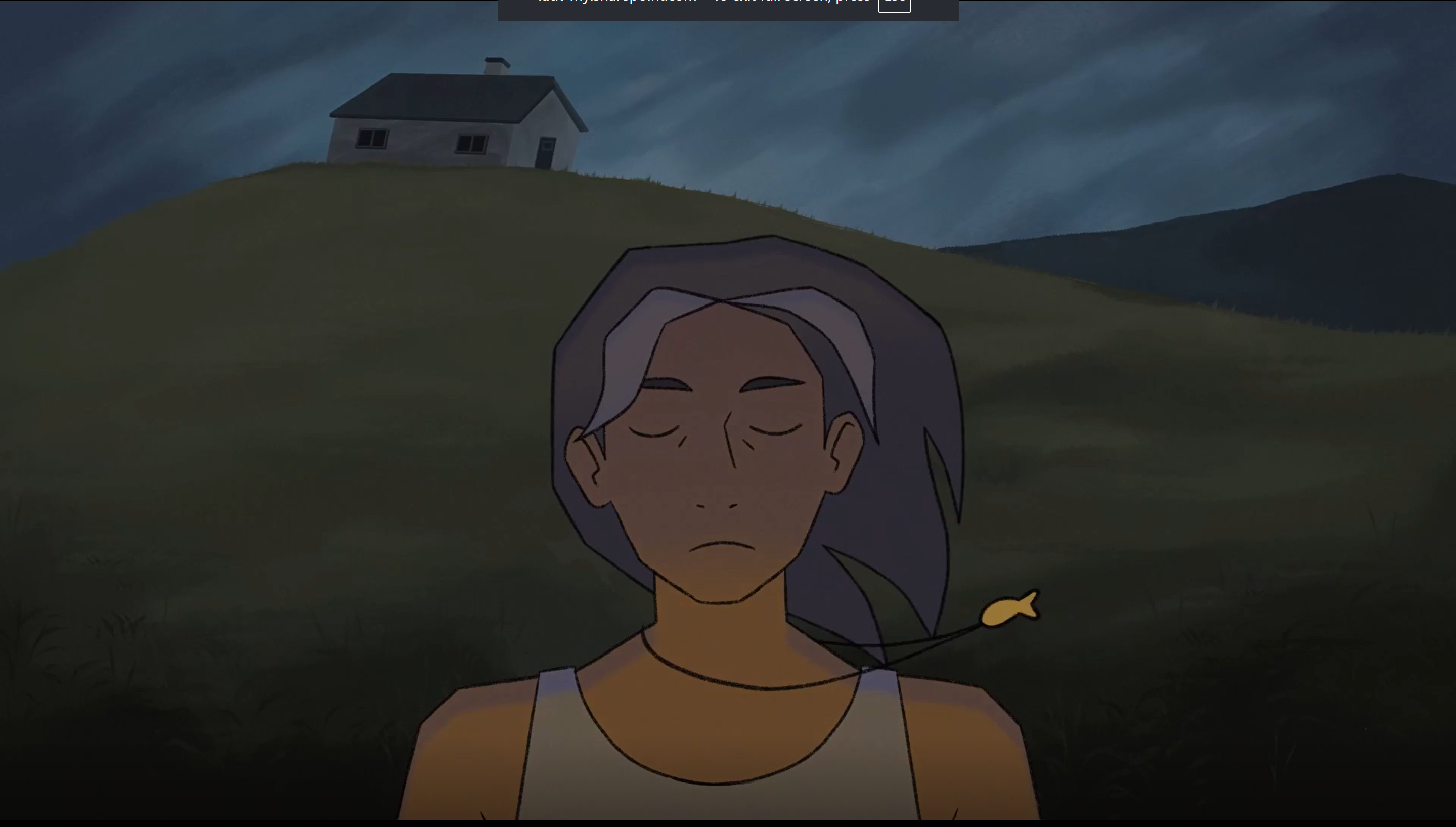
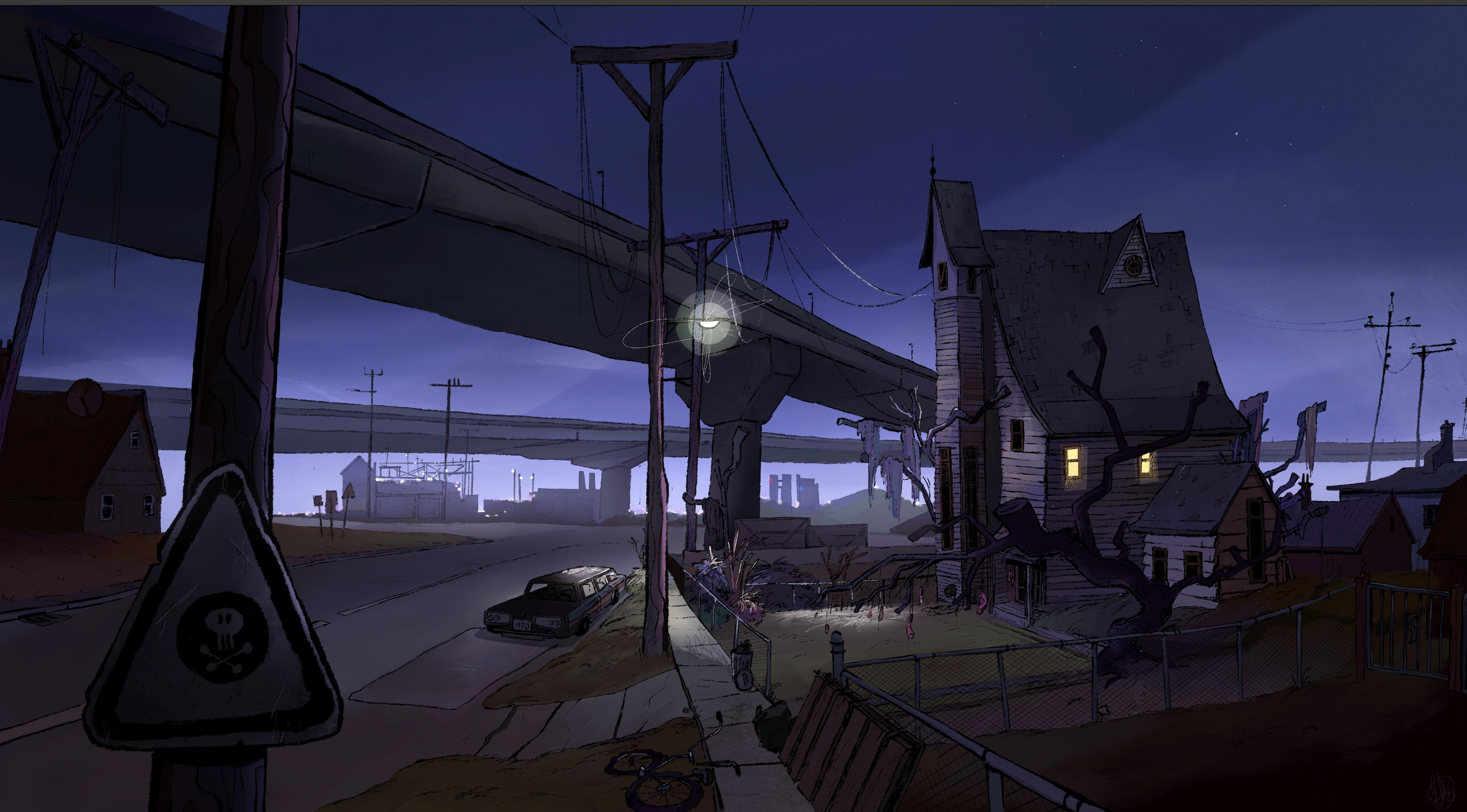
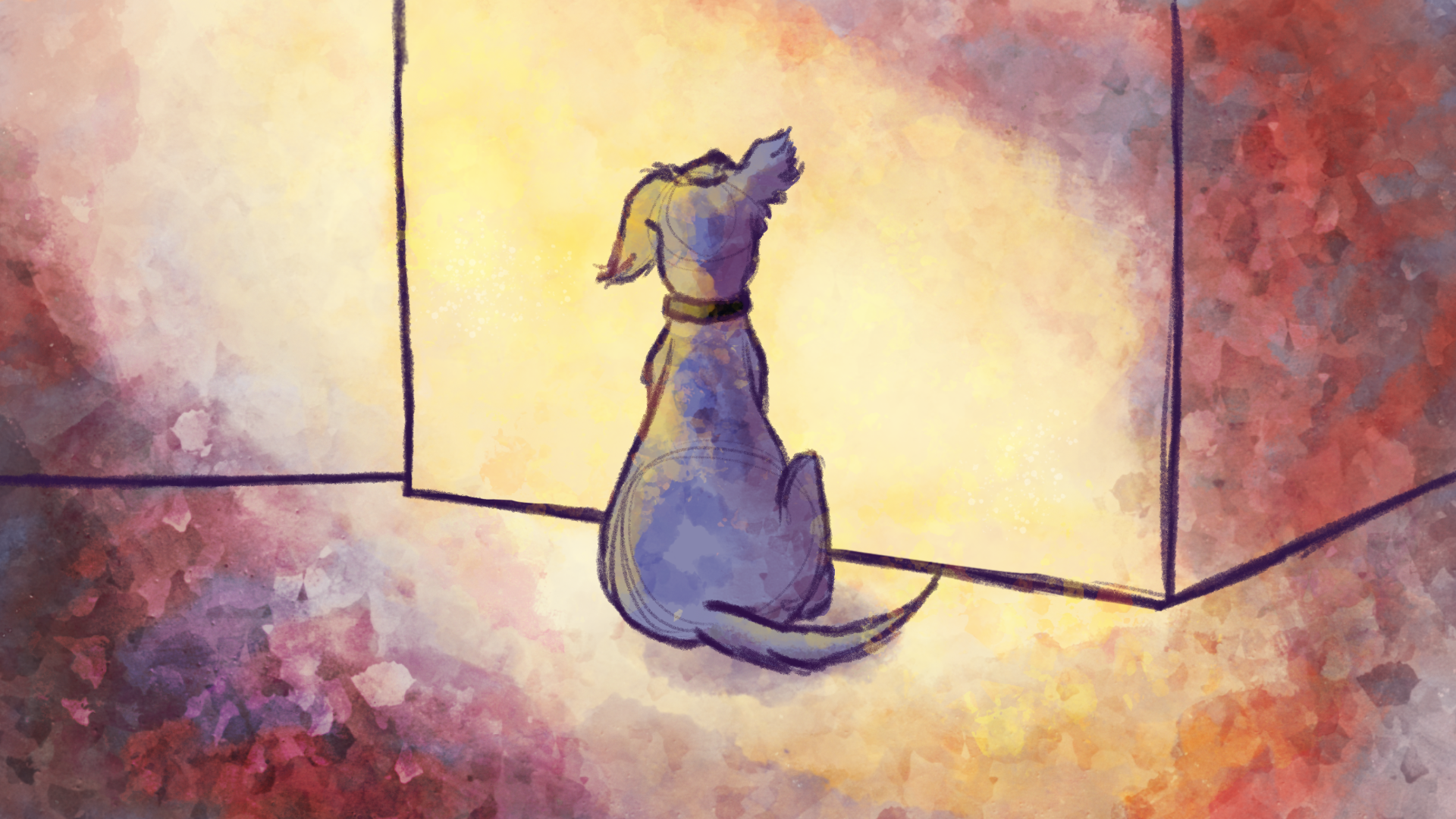
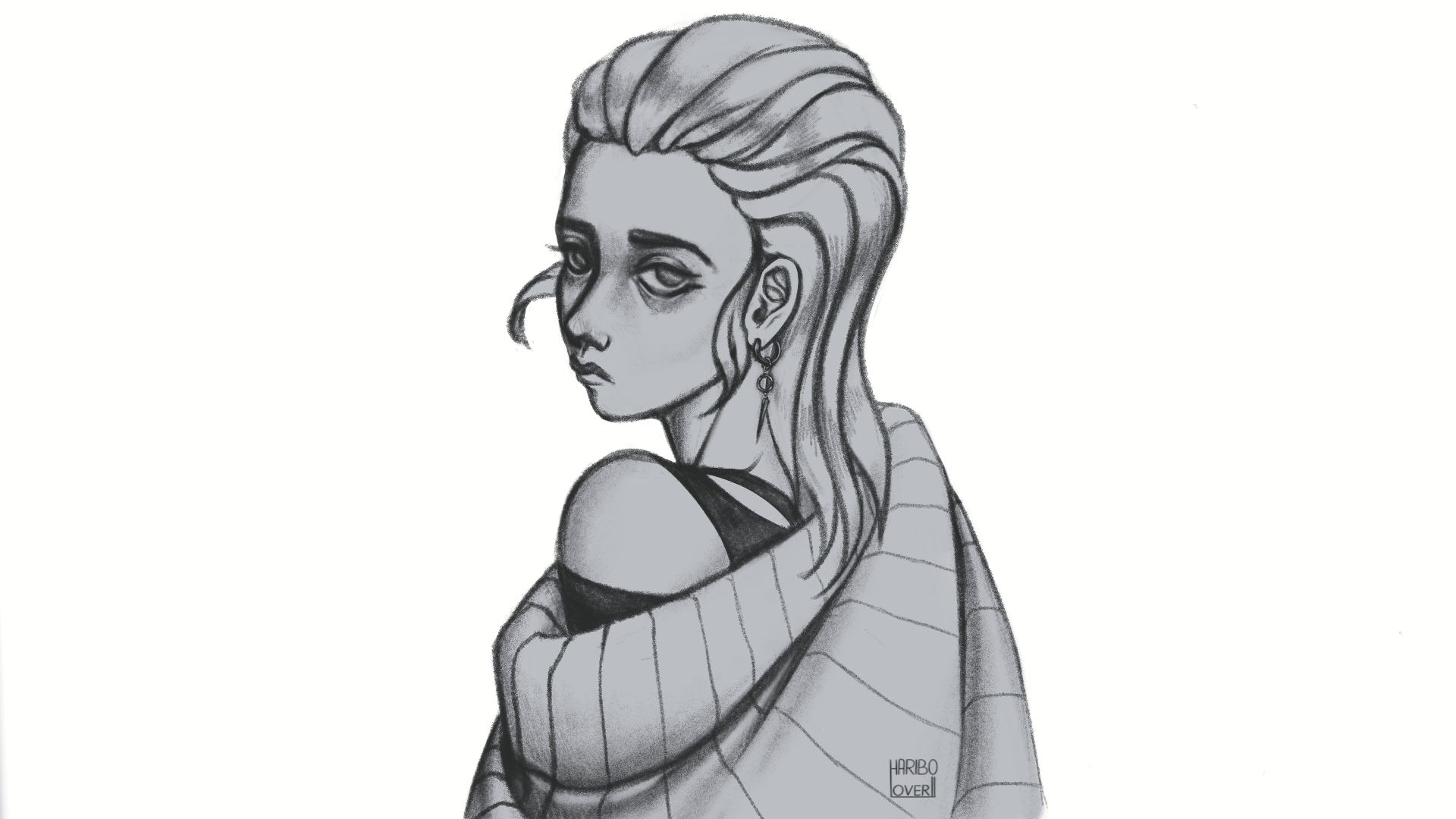
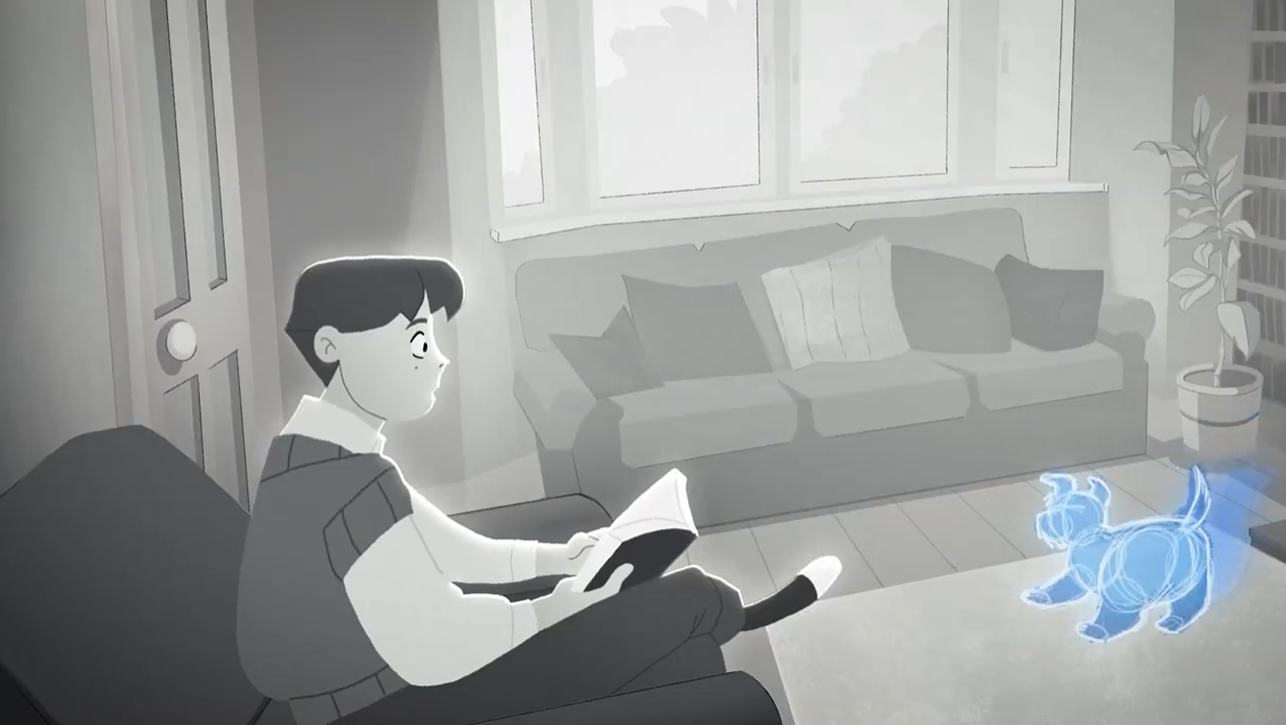
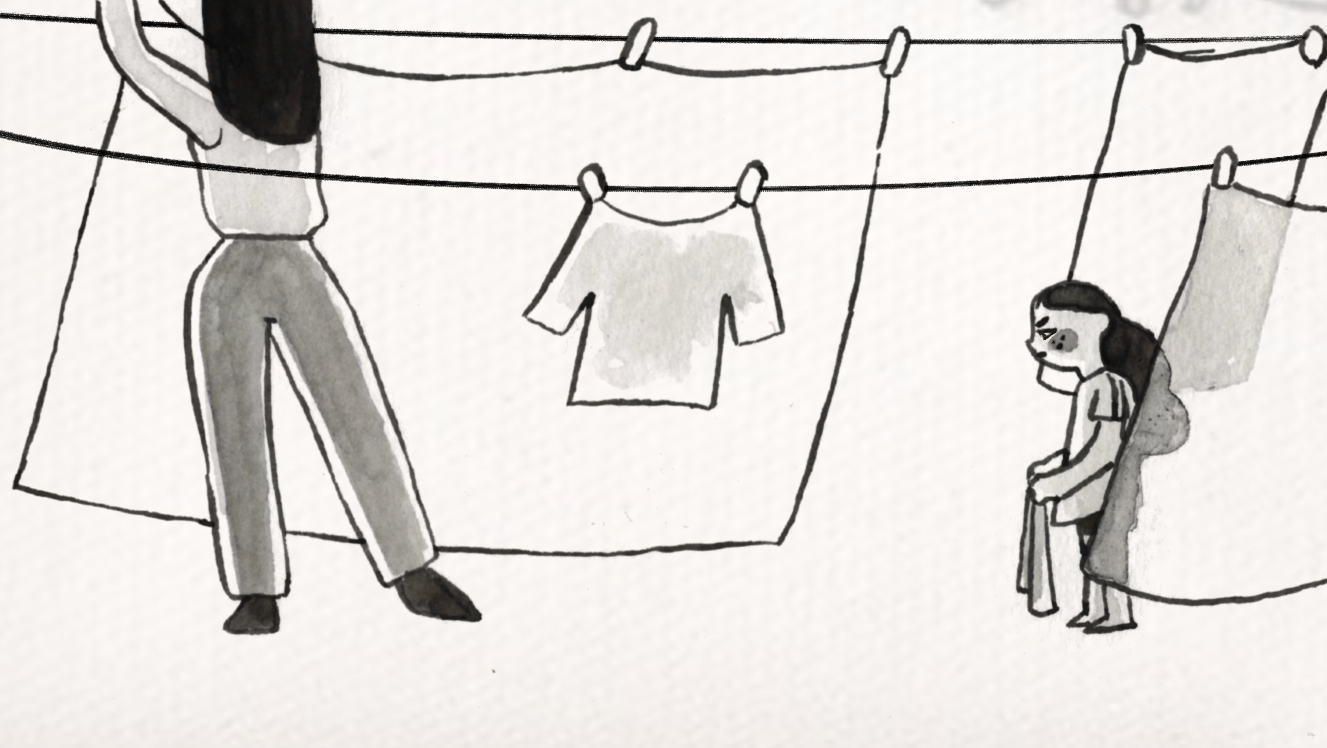
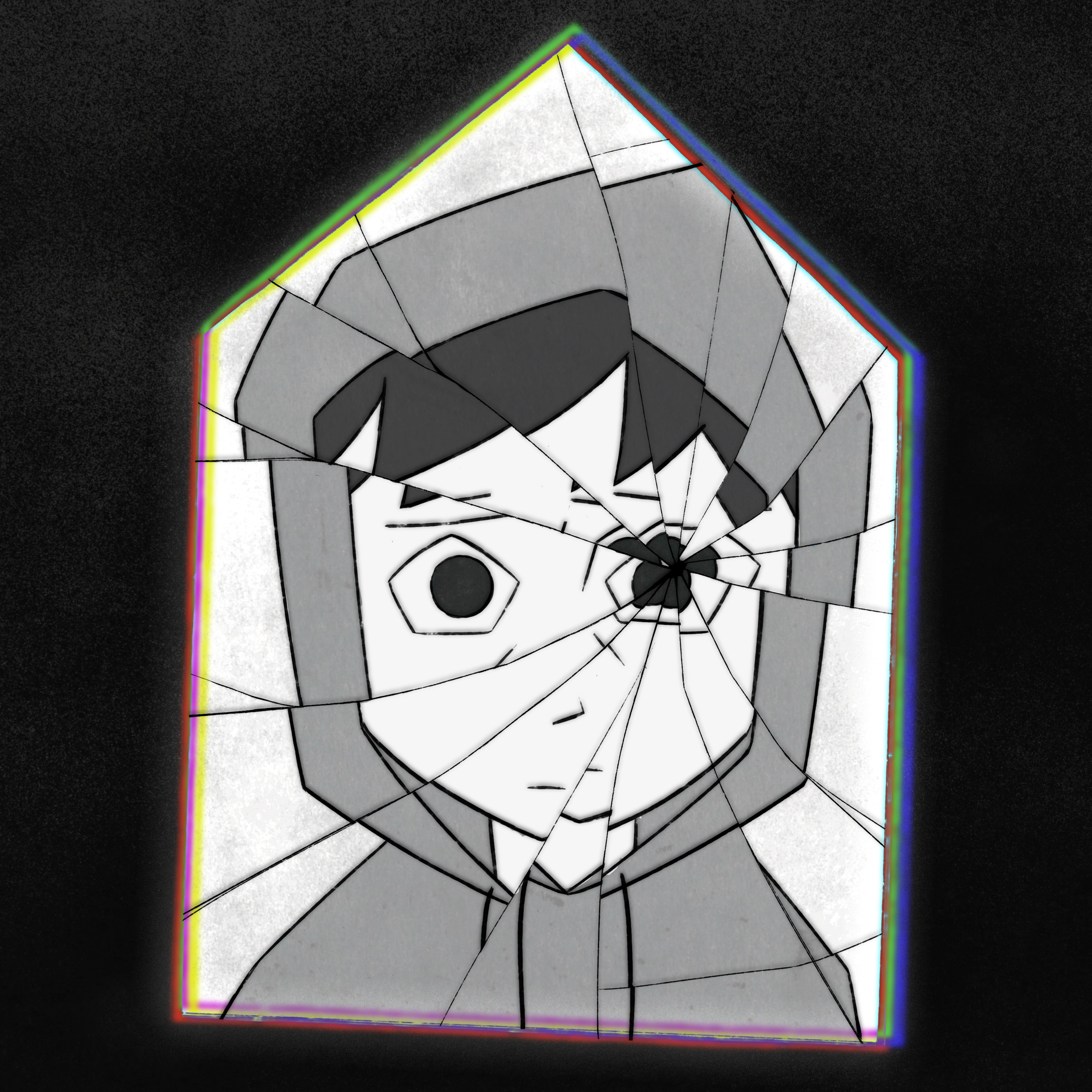
Can of Worms is a dialogue-free film depicting the high cost of survival as a young adult living on the margins. The film follows a trans protagonist, troubled by a history of abuse, addiction, and mental illness as he debates a life-altering choice in his workplace locker room. This film aims to look at the "Can of Worms" openend by reaching out for help, and the silent, heavy gamble of trying to survive when every available soloution feels like a threat to your stability.
Throughout my four years of study, I often felt a disconnect between the traditional escapist narratives of my peers and the urgent, high-stakes reality of my own life. While others had the luxury of exploring abstract, or fantastical concepts, my work was born out of the immediate need to survive.
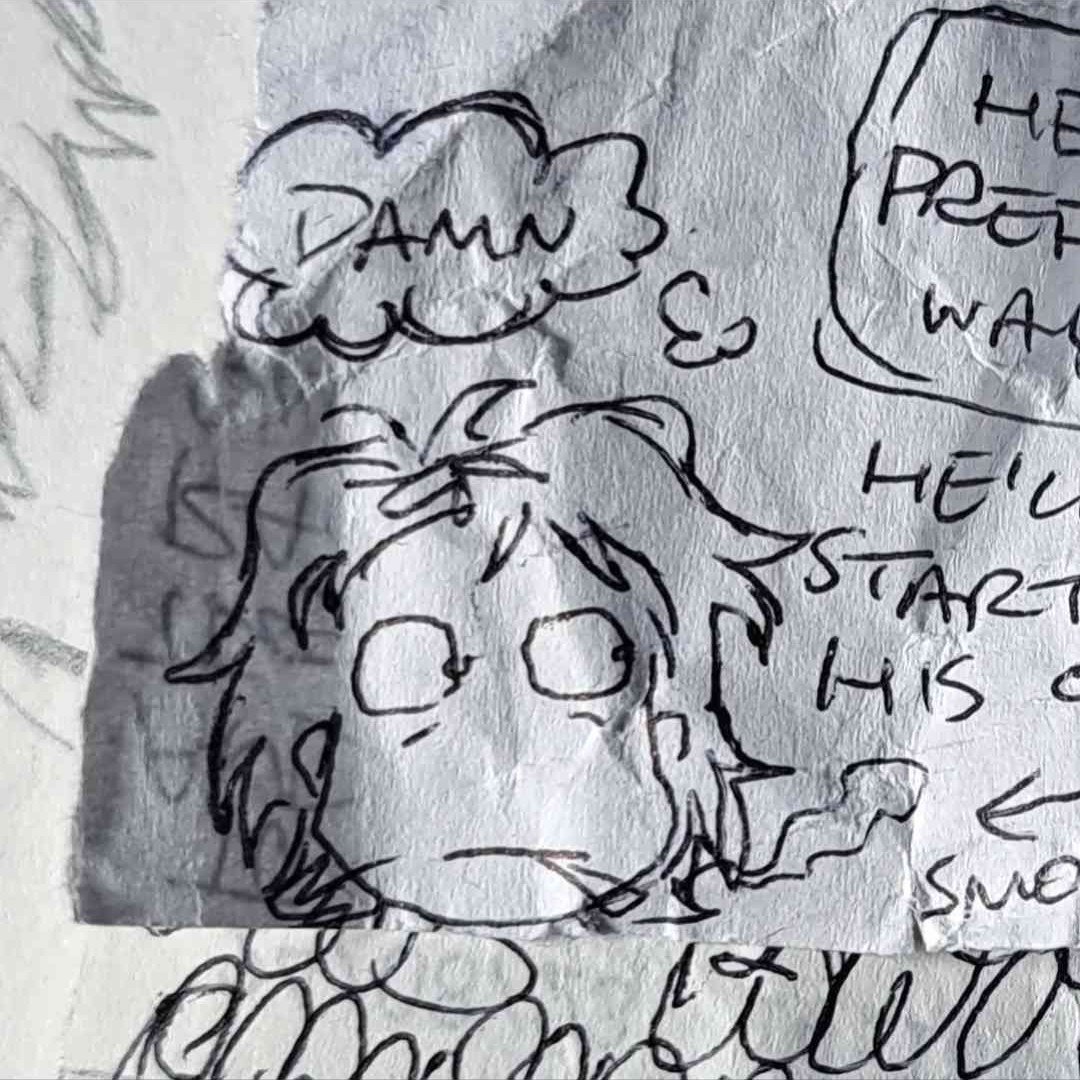
The title, Can of Worms, refers to the dangerous paradox of seeking hlep within a broken system. In my experience, reaching out for support didn't bring stability, but triggered a sequence of events that only made my situation worse. Like medical side effects that resulted in me losing my job. I wanted to communicate this weight through my character debating whether to take his first SSRI in his workplace changing room. By stripping him of dialogue, I aimed to communicate the silent suffering many endure when they have no friends or family to fall back on in times of need. The only voices heard are that of medical staff and family distorted by the protagonists memory in the form of flashbacks.
I wanted to show that for people like me, what may seem to be an easy "solution" is often a gamble with your life. The film remains fragmented, reflecting the instability I was living through while making it, although I hope its purpose remains clear: to humanise the "undesirables" in society. such as myself.
The final result of this project is a film that serves as a record of a very difficult period in my life. Beyond the technical completion of the animation, the most significant result was a discovery of my own creative process. I realized that while I find the administrative weight of directing and managing unreliable teams draining, I find immense value and pleasure in true, empathetic collaboration.
The most successful collaboration in the project was with my sound production team. Communicating my vision for the score and the distroted soundscape to my collaborators was the first time i felt truly understood in my entire process. They were able to translate my lived experience into a haunting, organized, and effective audio landscape that perfectly mirrored my narrative goals.
While the animation itself remained a disciplined excercise in working within extreme time and personal constraints, it still taught me that when I am paired with creators as equally passionate as me who respect the gravity of the subject matter, creative partnership can be incredibly fulfilling.
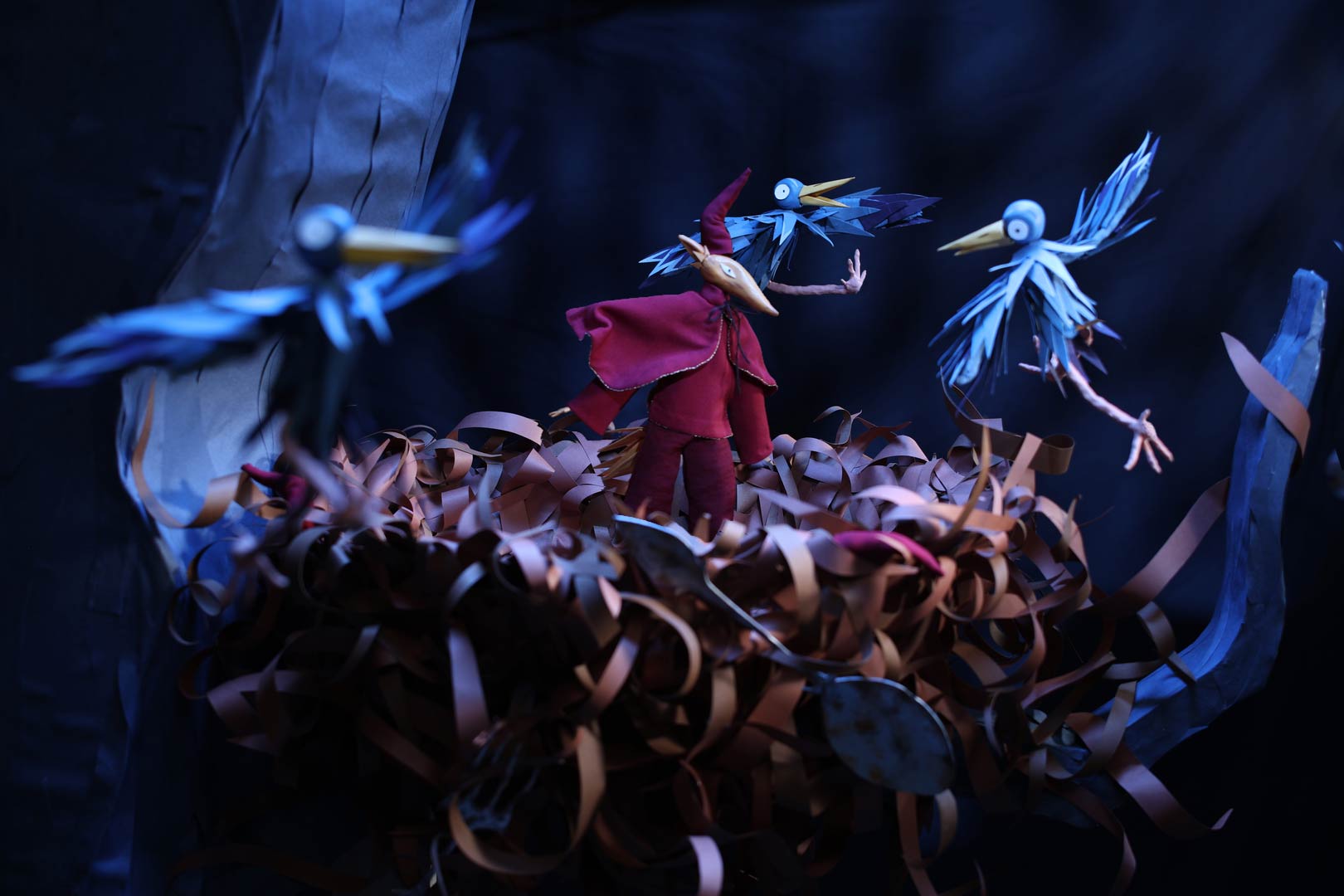
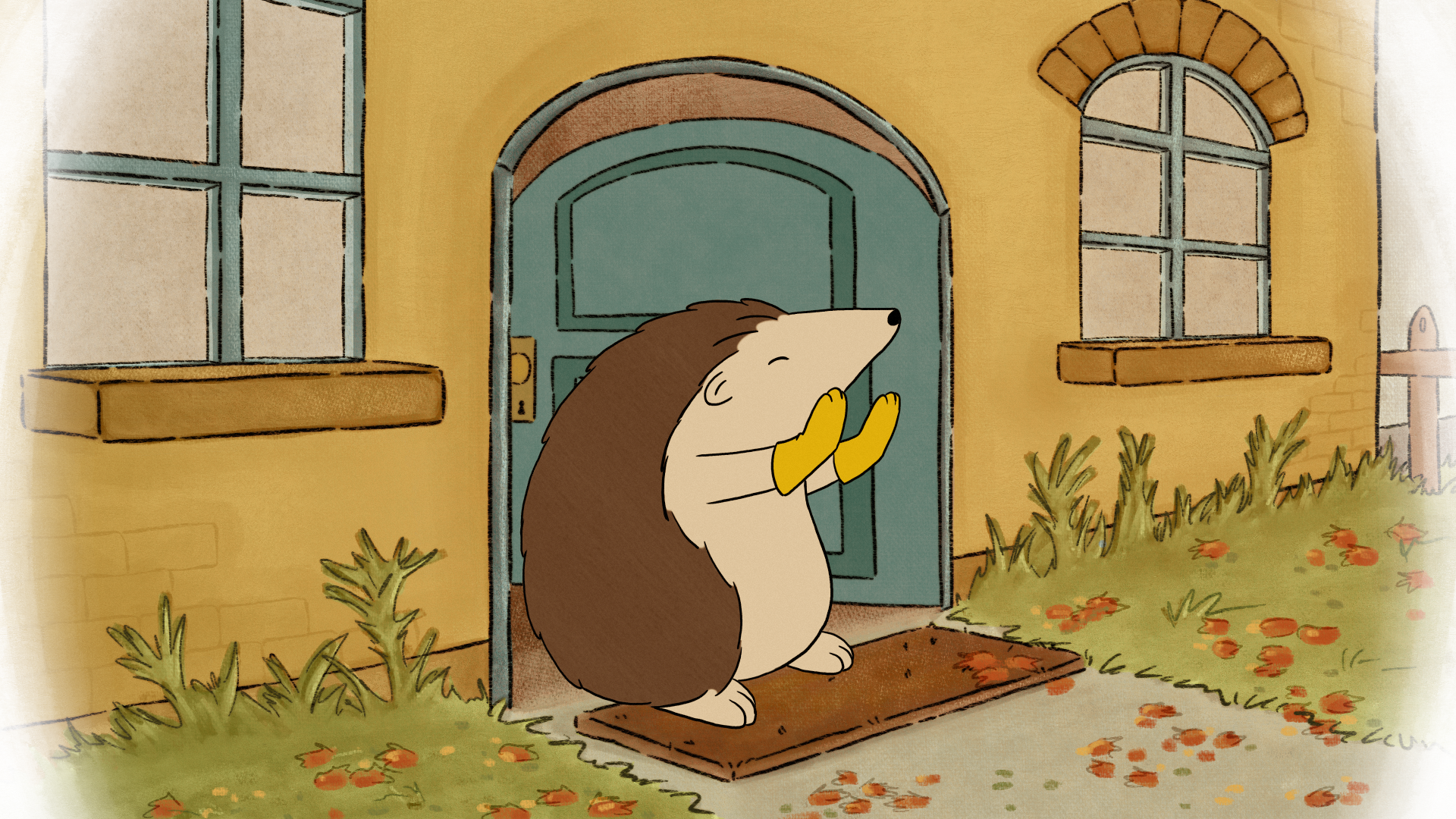
My academic research challenges the reductive view of animation as a "genre" for children, argueing instead that it is an artistic medium capable of being just as profound as any other, specifically, in tackling adult themes such as trauma and marginalization. Through an analysis of the works of Adam Elliot, I explored how the imperfect aesthetics of fingerprint covered clay and pilling felt serves to humaise characters in ways that the "doll-ready" perfection of mainstream CG animation cannot.
While my film is not stop-motion animated, I applied the same philosophy of imperfection and grit to my storytelling. I argued that animation provides a unique psychological bridge for the viewer. the clearly cartoonish nature of a charater provides a safe distance from the trauma being depicted, Unlike live-action where the literal presence of human suffering can cause a viewer to panic and disengage. This distance doesn't diminish the impact, but rather fosters a more sustained empathy by allowing the viewer to sit with an undesirable reality long enough to see the humanity within it.
Amadeus is a proud degenerate, and storyteller dedicated to the ugly truth. Drawing from his lived experience as a Polish immigrant and survivor of systemic poverty, Amadeus utilizes animation to center the figures society works hardest to ignore. His work serves as a deliberate confrontation of the undesirable dynamics one may find themselves in living life on the margins.