Fintan Gallagher
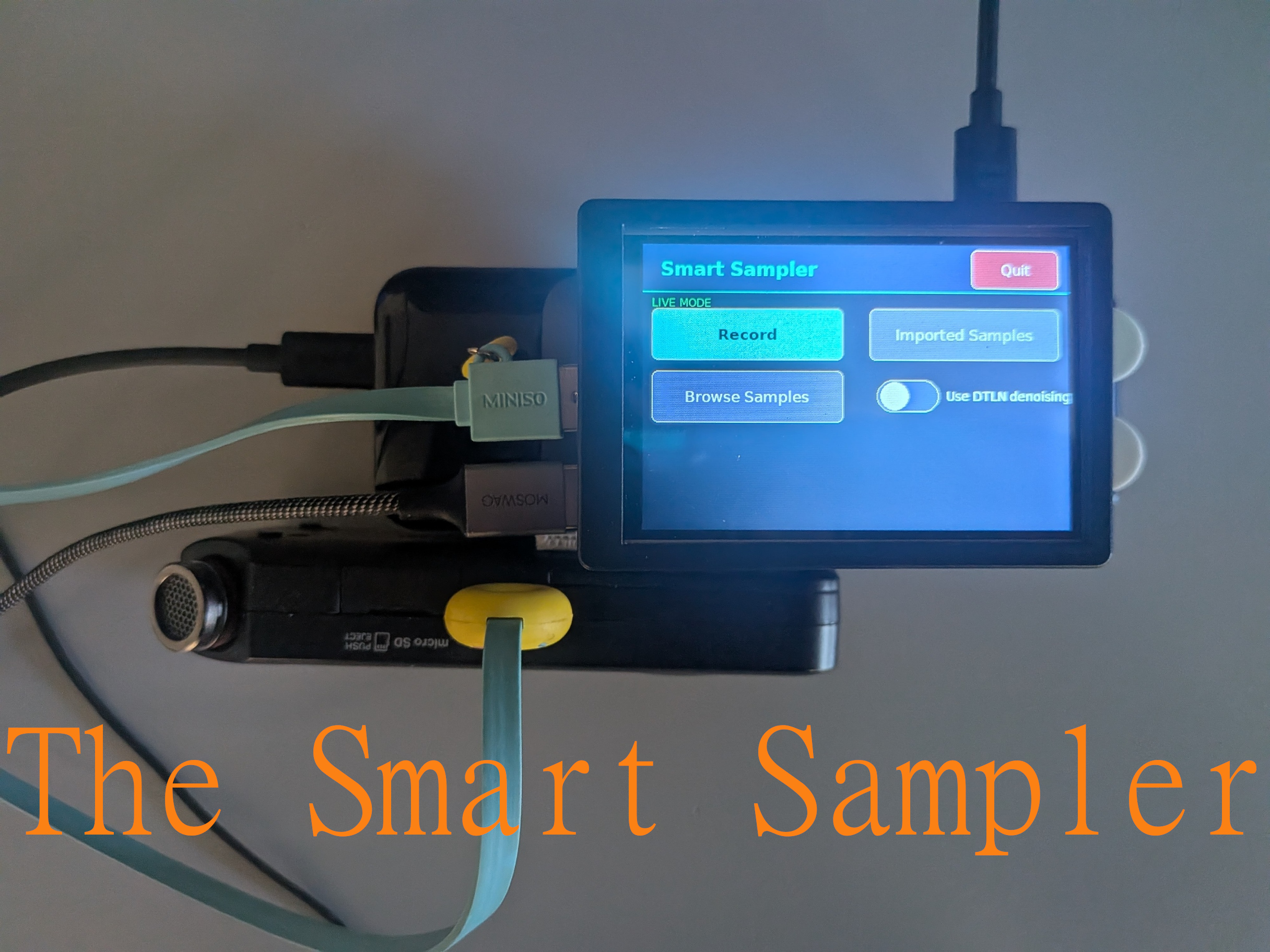
The Smart Sampler is a Raspberry Pi based device that turns field recordings into production ready musical samples. It records audio, processes it through high-pass filtering, machine learning background noise removal, trimming, normalisation, classification and pitch detection, then generates WAV and SFZ files for immediate MIDI playback. The project's main aim was to expedite the process between recording a sound and having it ready for sampling in a musical context, moving the repetitive editing and mapping stage away from the Digital Audio Workstation and into the moment of capture.
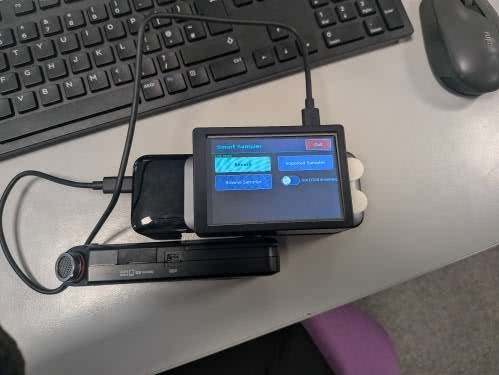
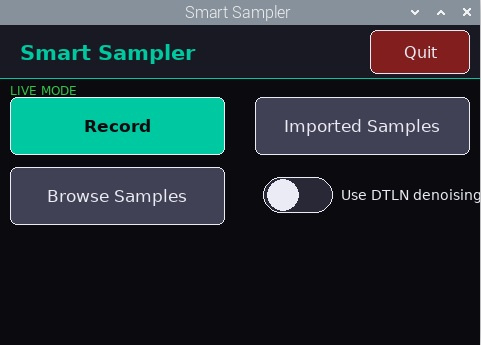
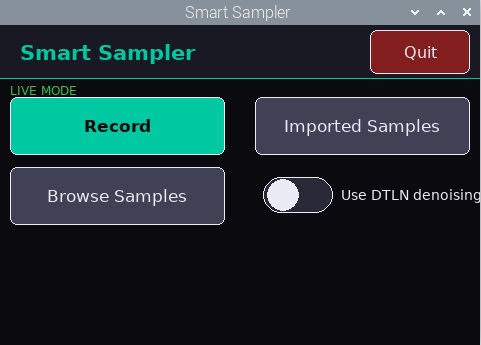
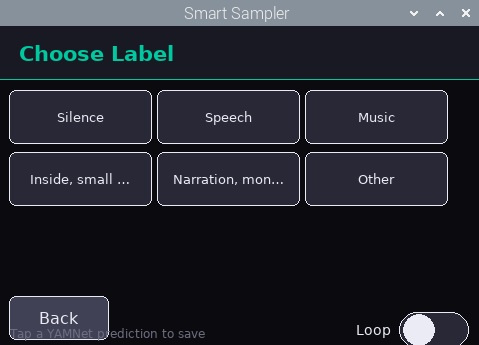
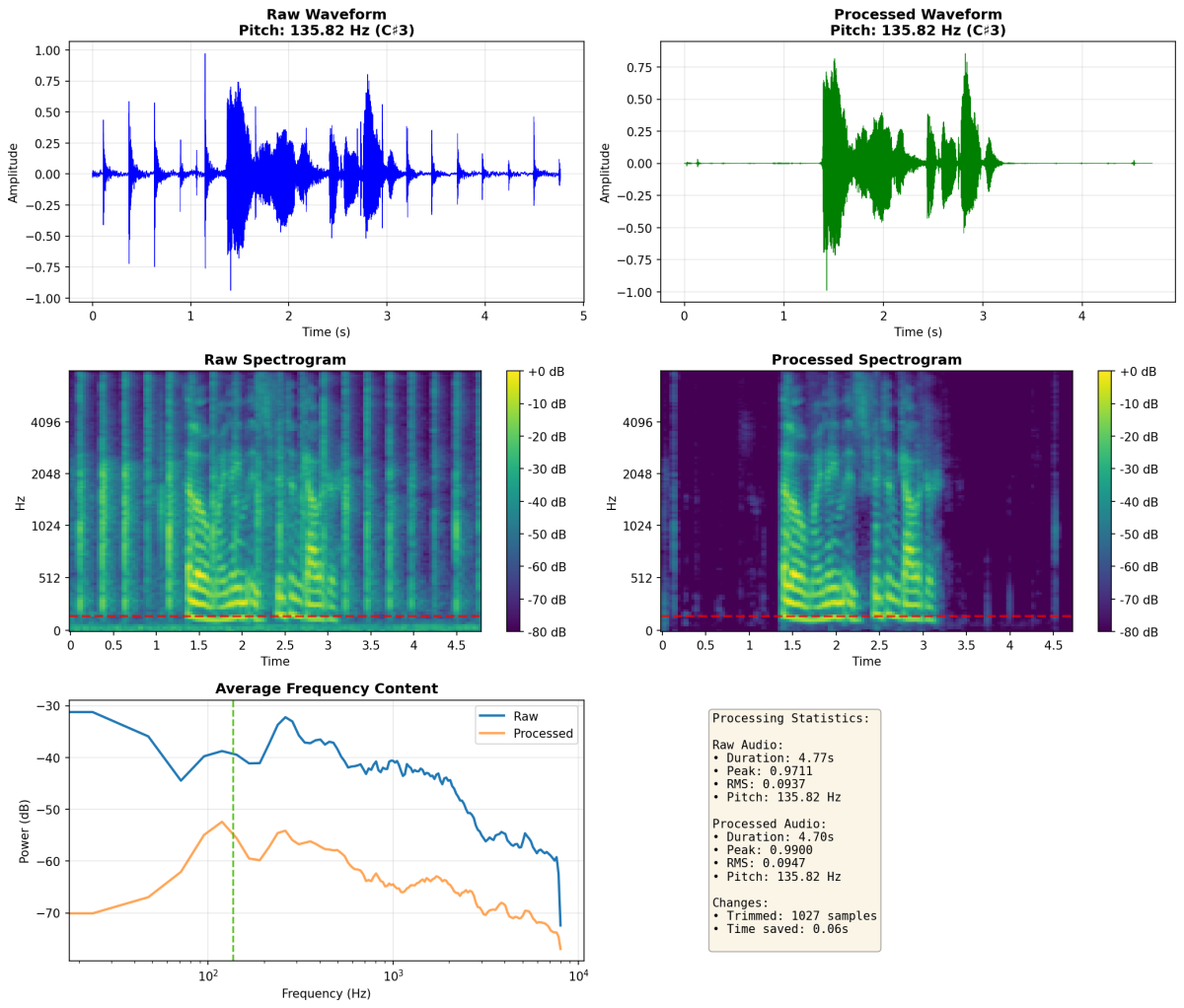
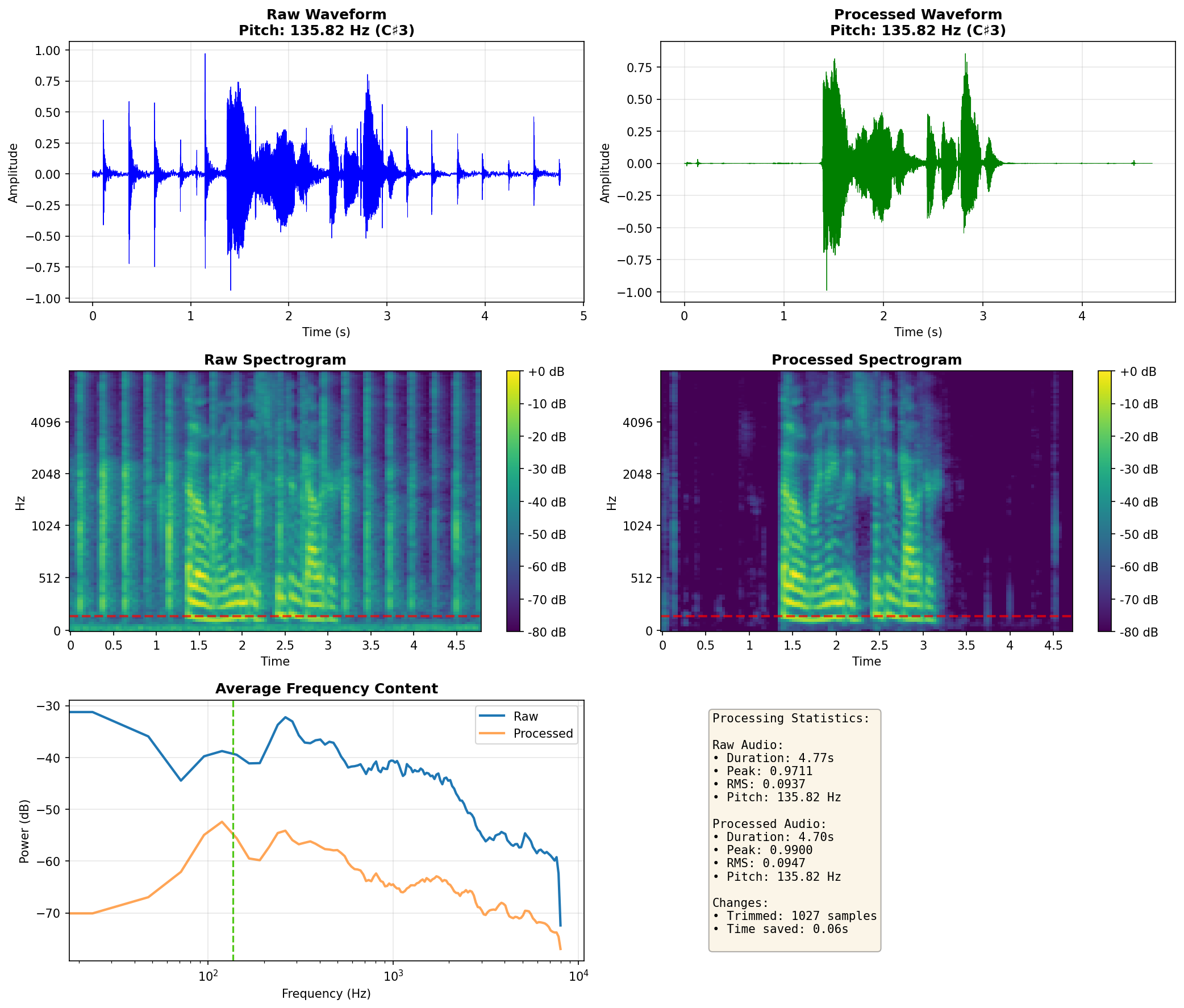
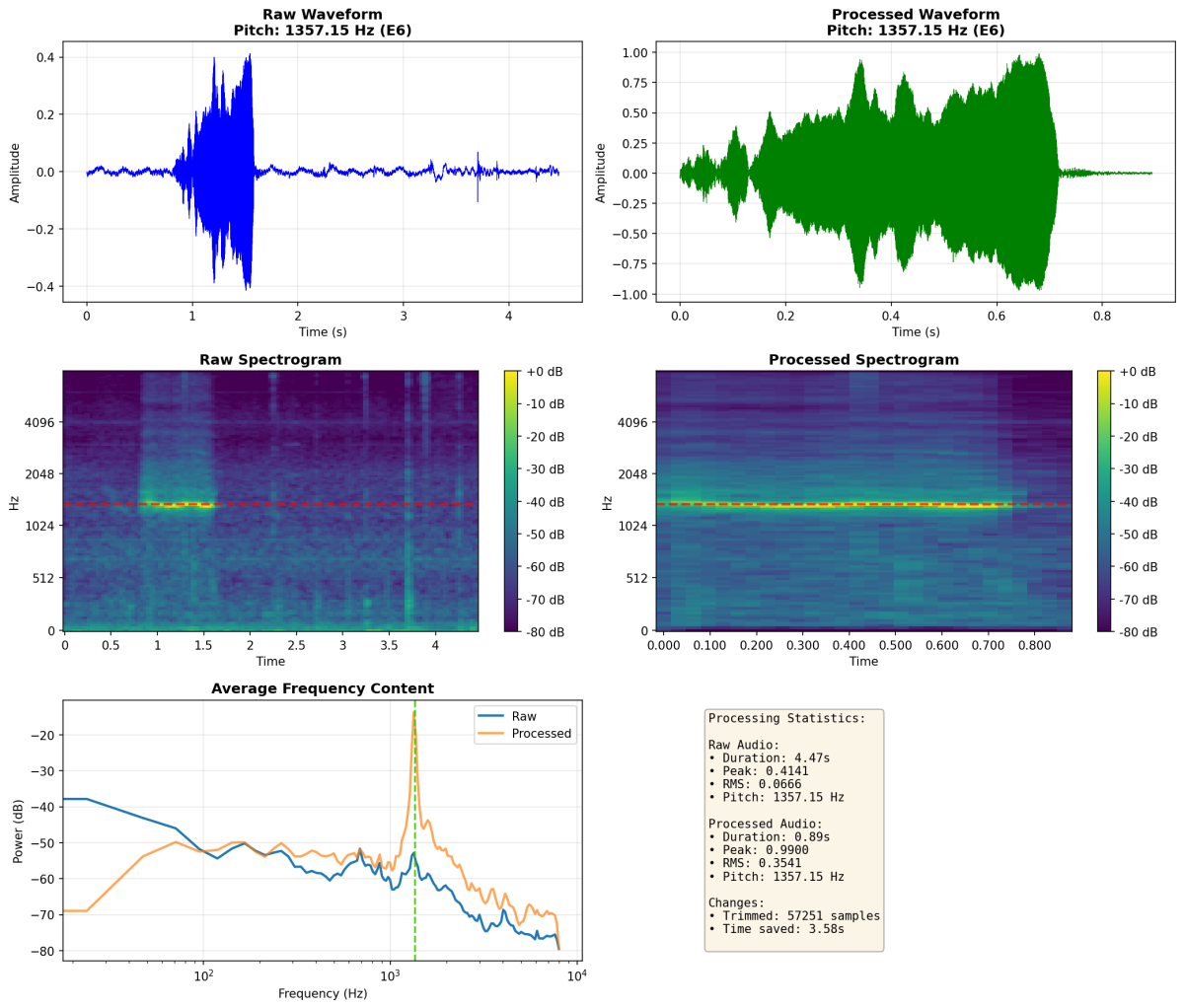
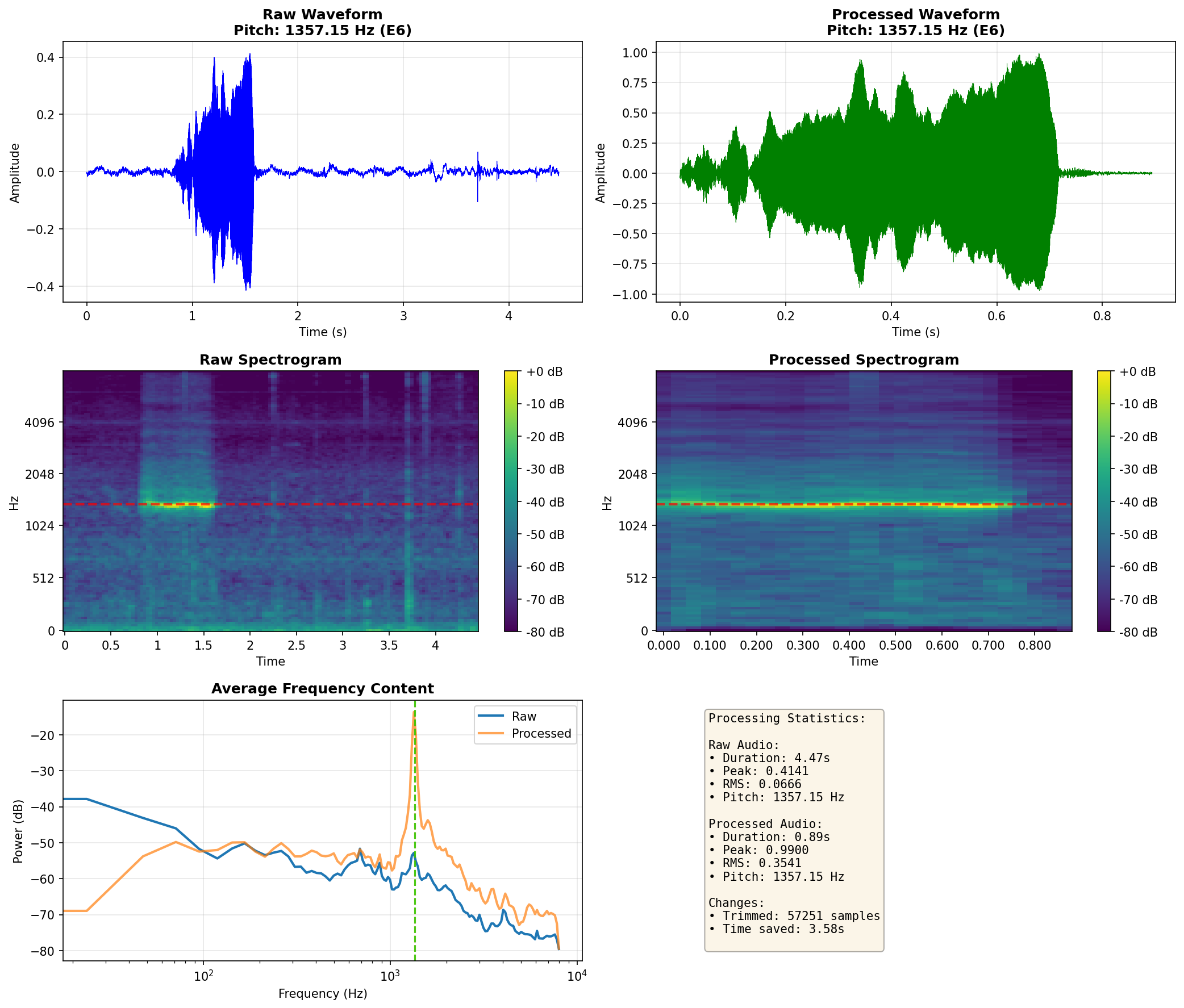
The main aim of the Smart Sampler was to explore how field recording and music sampling could be brought closer together. I wanted to build a portable device that could record sounds, process them automatically using python and turn them into playable musical samples without relying on manual editing on a DAW.
The project set out to combine audio processing, machine learning classification and noise removal, pitch detection, SFZ generation and MIDI playback into one physical device. The main objective was to make the sampling workflow feel more immediate: hear a sound, record it, process it, save it and play it. Removing the laborious process of making a sample ready for use within a piece of music was central to the project.
I also wanted to question how much of that process could be automated without taking creative control away from the musician. The aim was not to replace careful editing, but to build a tool that helps capture ideas quickly while the sound is still fresh.
The final outcome of the project was a working Raspberry Pi based smart sampler. The device records audio through a Tascam interface, processes audio using high-pass filtering, DTLN machine learning noise removal, adaptive trimming and normalisation, suggests classification labels for file naming and organisation using YAMNet, detects pitch where possible and generates WAV and SFZ files for playback. Samples can be browsed on the touchscreen and played immediately using a MIDI keyboard through the sfizz sampler engine. The project also produces organised sample folders containing the raw recording, processed audio, and generated SFZ files for sampler playback.
Testing shaped the final build in a few major ways. DTLN denoising became an optional part of the processing pipeline after it proved useful for audio containing the human voice, but damaging to percussive and ambient recordings.
User testing led to changes in the interface, sample browser workflow, ambience labelling and MIDI playback behaviour.
The project proved that a field recording can become a playable musical sample on a single portable device, while also showing the limits of automation in creative audio work. The final outcome is not perfect automatic processing, but a faster, more tactile way of moving from recording a sound, to using it in a piece of music.
This report explores the design and implementation of a portable smart sampler built on a Raspberry Pi 5. The aim was to create a device that could record sounds in the field, process them automatically, organise and name files using machine learning classification, generate SFZ metadata and allow playback through a MIDI keyboard.
The final system uses a Tascam recorder for audio input, a pygame based touchscreen interface, a python audio processing pipeline and sfizz_jack, a standalone sampler for MIDI playback. The processing pipeline includes high-pass filtering, adaptive silence trimming, amplitude normalisation, YAMNet classification and pYIN pitch detection. Optional DTLN noise reduction was also integrated, although testing showed that it worked best on vocal material rather than percussive or ambient recordings.
The finished prototype meets the main aims of the project: it can turn a field recording into an organised, playable musical sample on a portable device. Its main limitations are the small touchscreen, inconsistent DTLN performance and the sometimes vague nature of YAMNet’s classification labels.
I am a final year Creative Computing student and recording musician with five albums and four EPs released under the name "Regret Will Come". My work tends to sit between music technology, sound design and software development, with a particular interest in building tools that support music creation. For my final year project, I developed a portable smart sampler, a Raspberry Pi based device that records audio, processes them into playable samples and maps them for MIDI playback. This project reflects my interest in making music technology feel more immediate, tactile and connected to the act of listening.