Laura 'Lili' Hofmanova
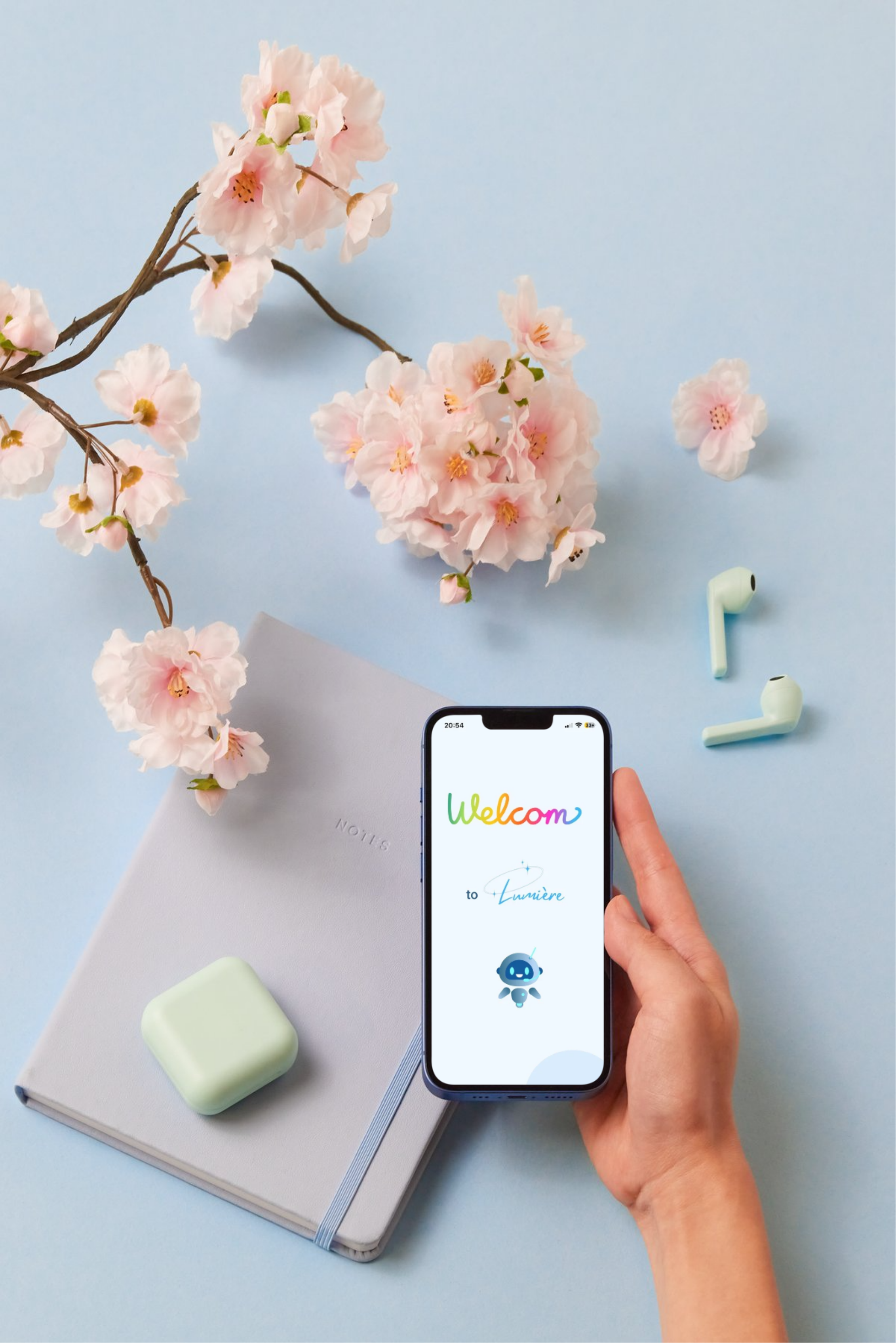
Lumière is an AI-powered cosmetic ingredient analysis system designed to help users better understand skincare products. Users can scan or upload product labels, with OCR used to extract ingredient data. AI is used selectively to support extraction and format responses, while analysis is grounded in retrieval-augmented generation (RAG) using trusted, research-based sources. The system provides clear explanations of ingredients, highlighting potential harmful ingredients and suitability for different skin conditions, allergens and personal preferences. Helping users make informed decisions through an accessible and user-friendly interface.
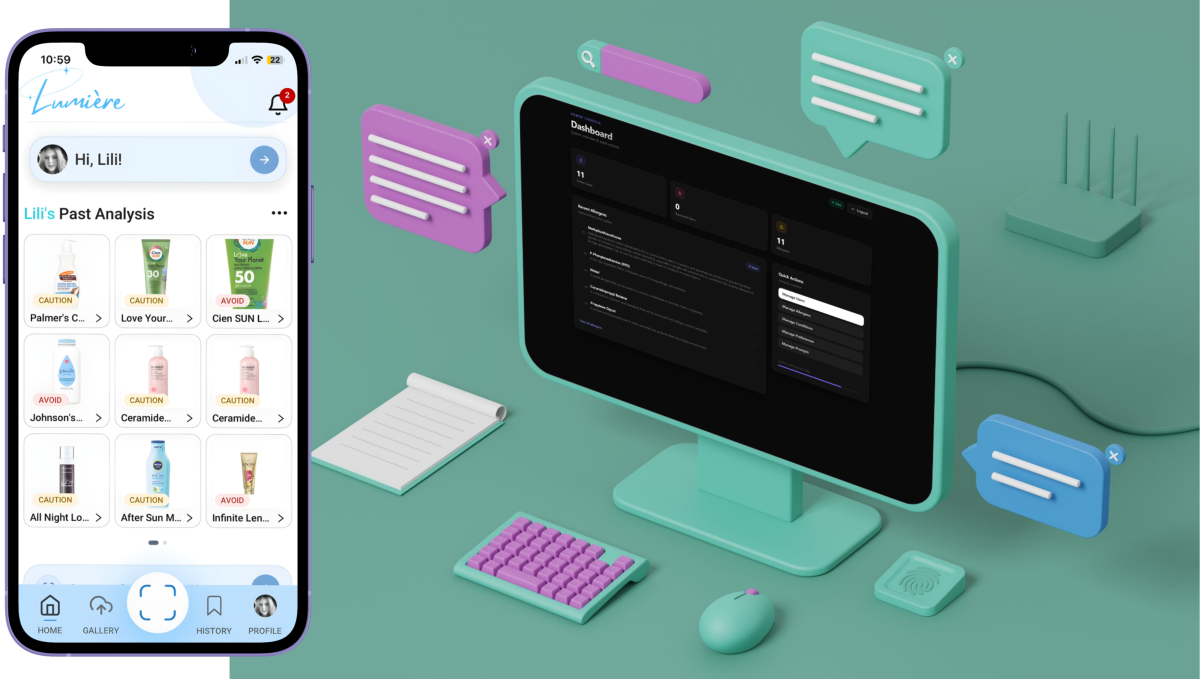
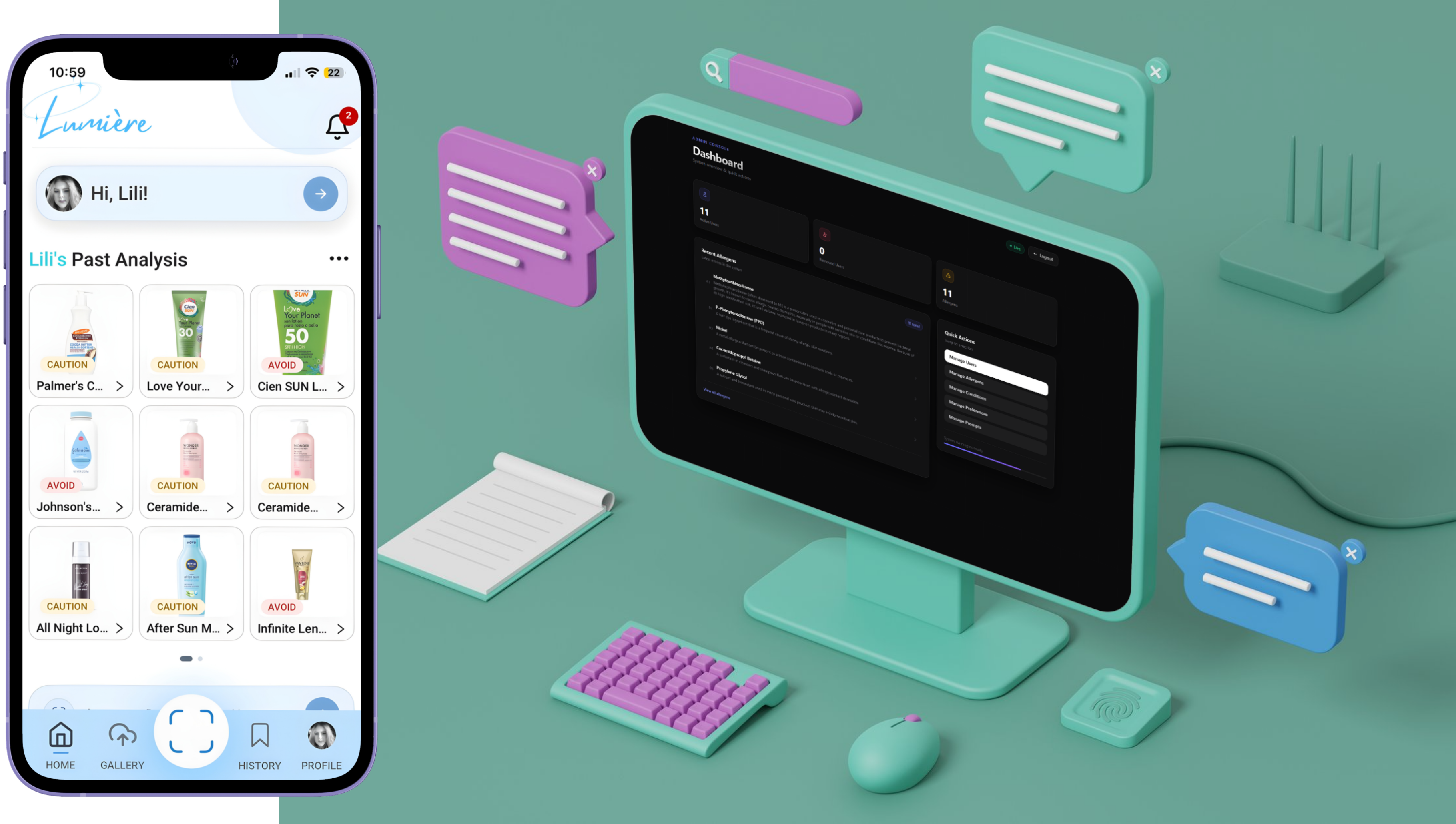
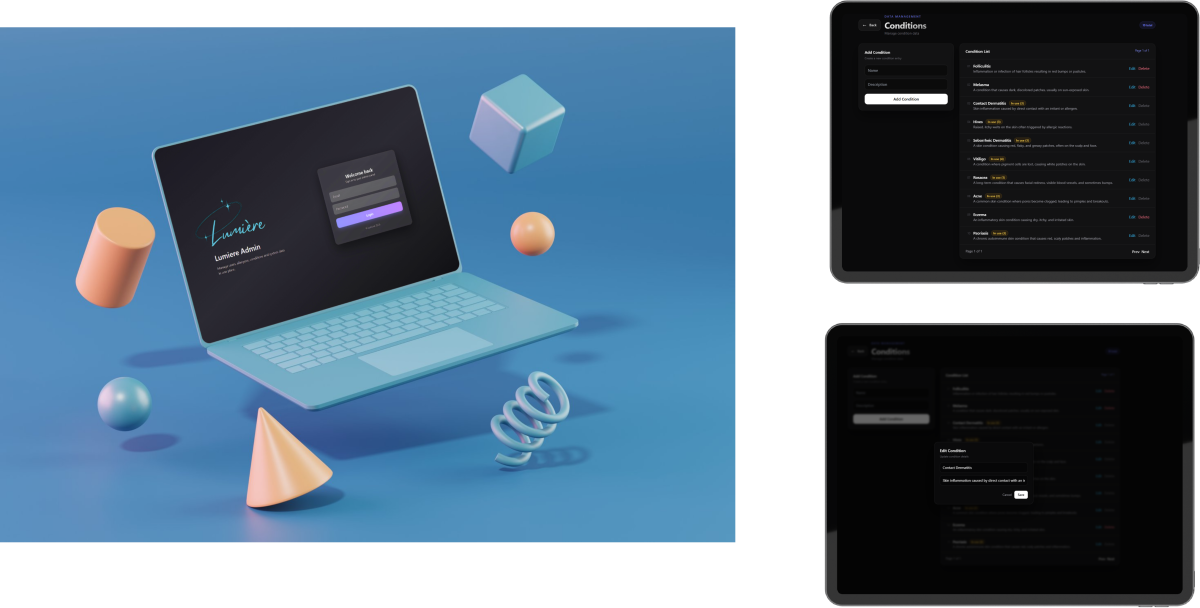
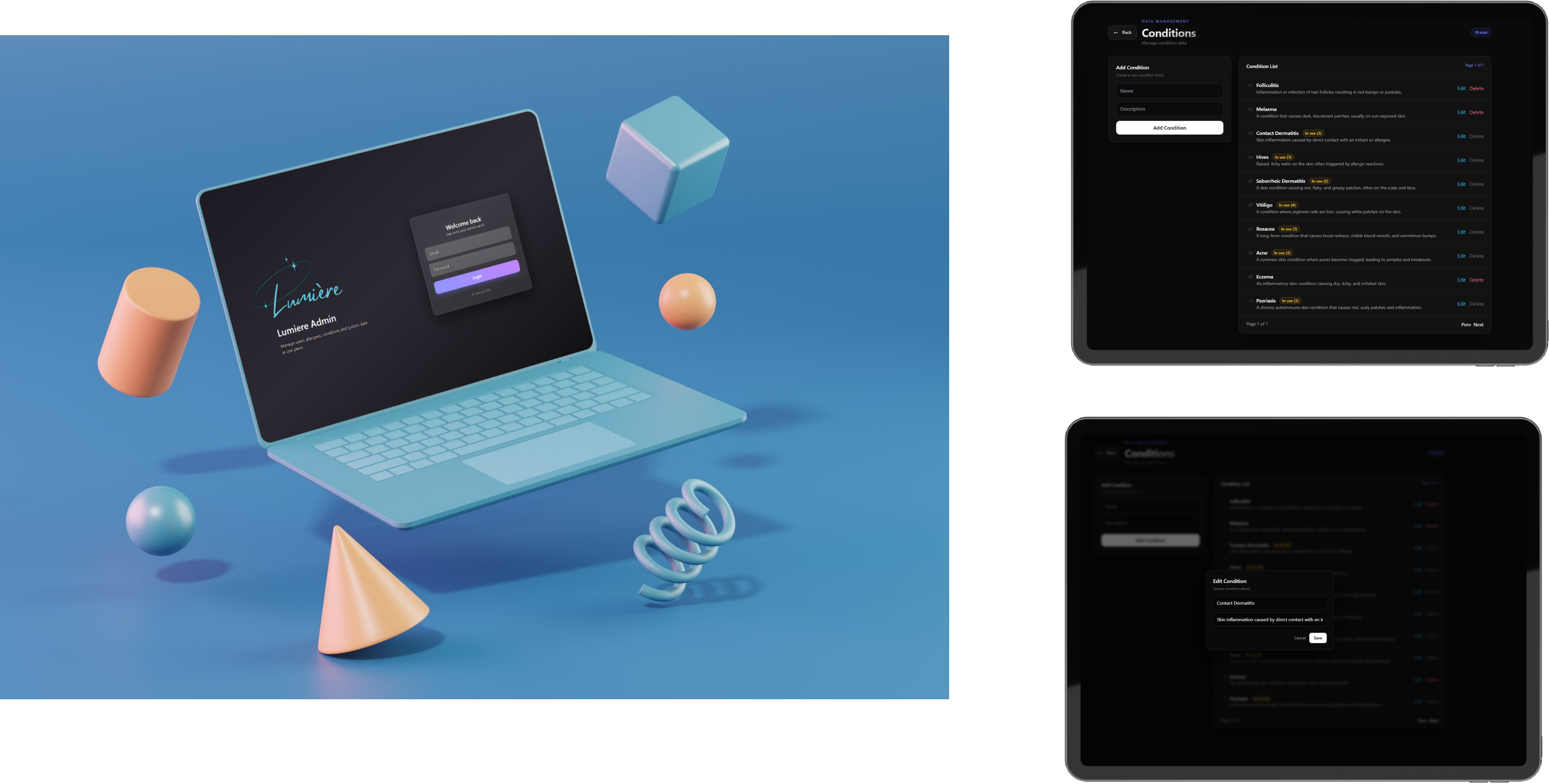
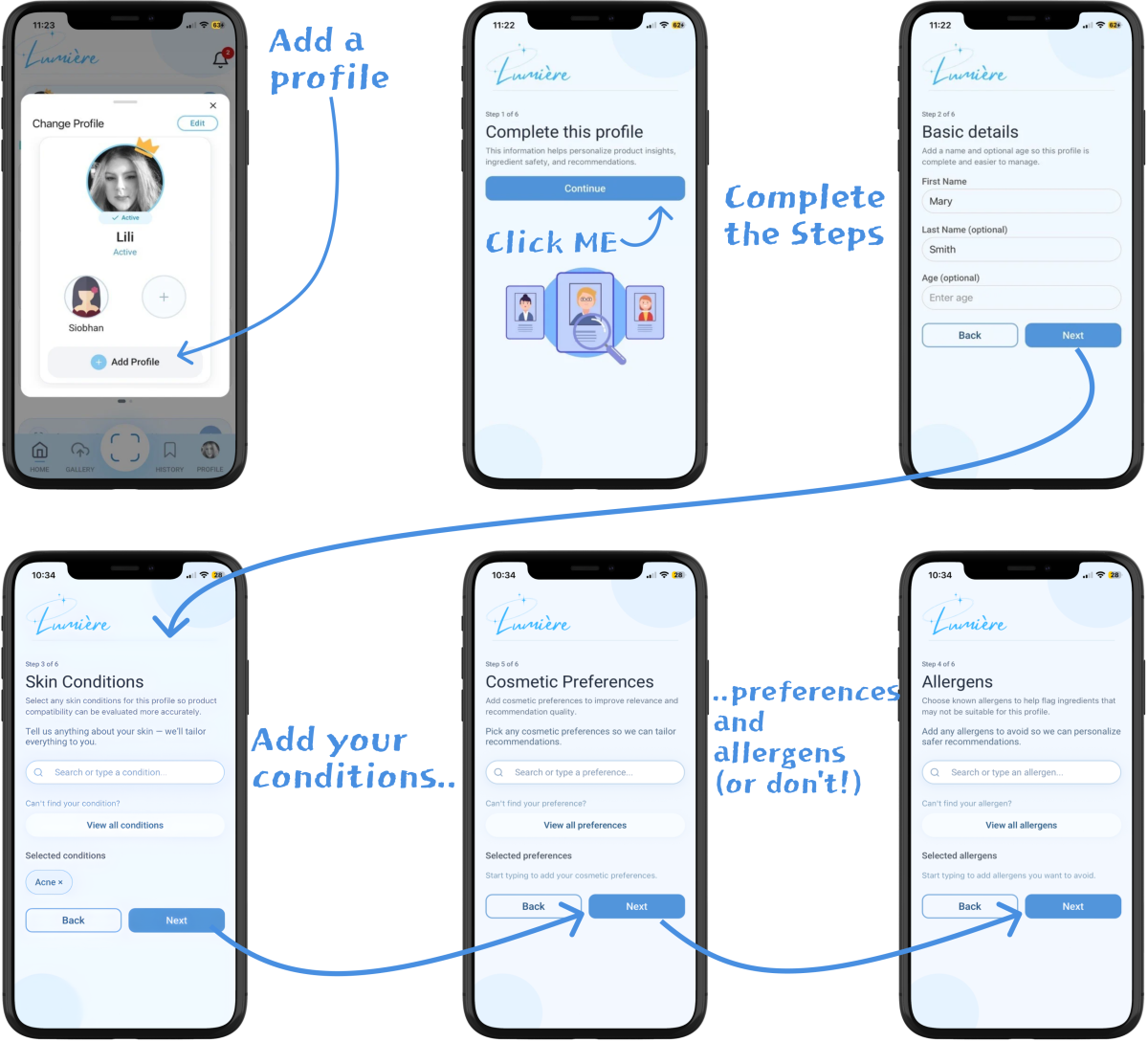
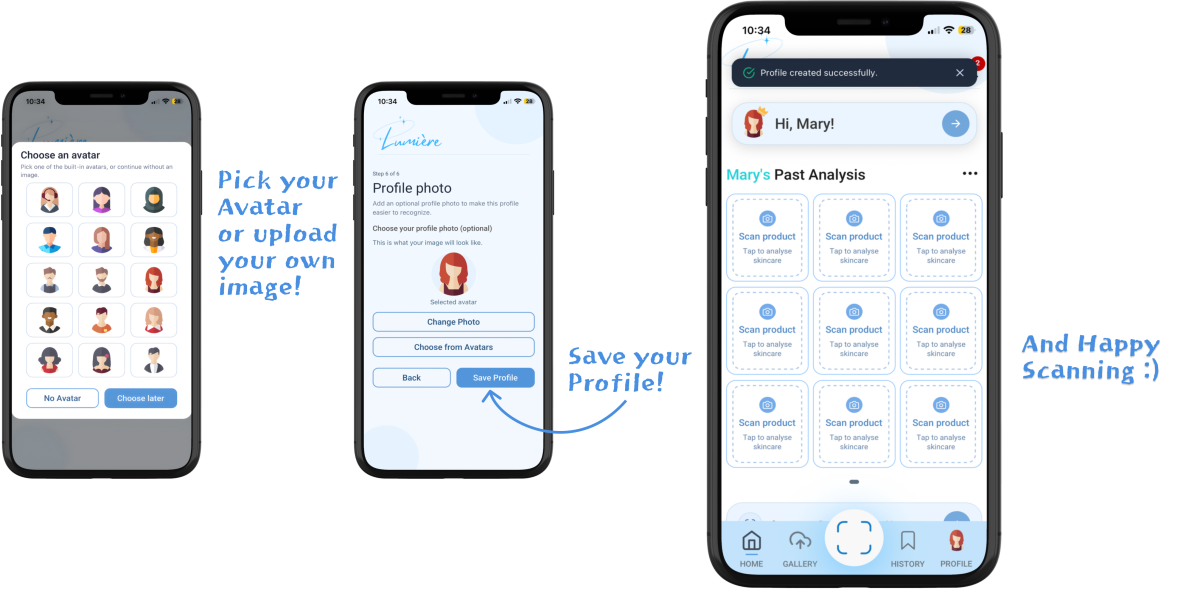
Product Evaluation & Results
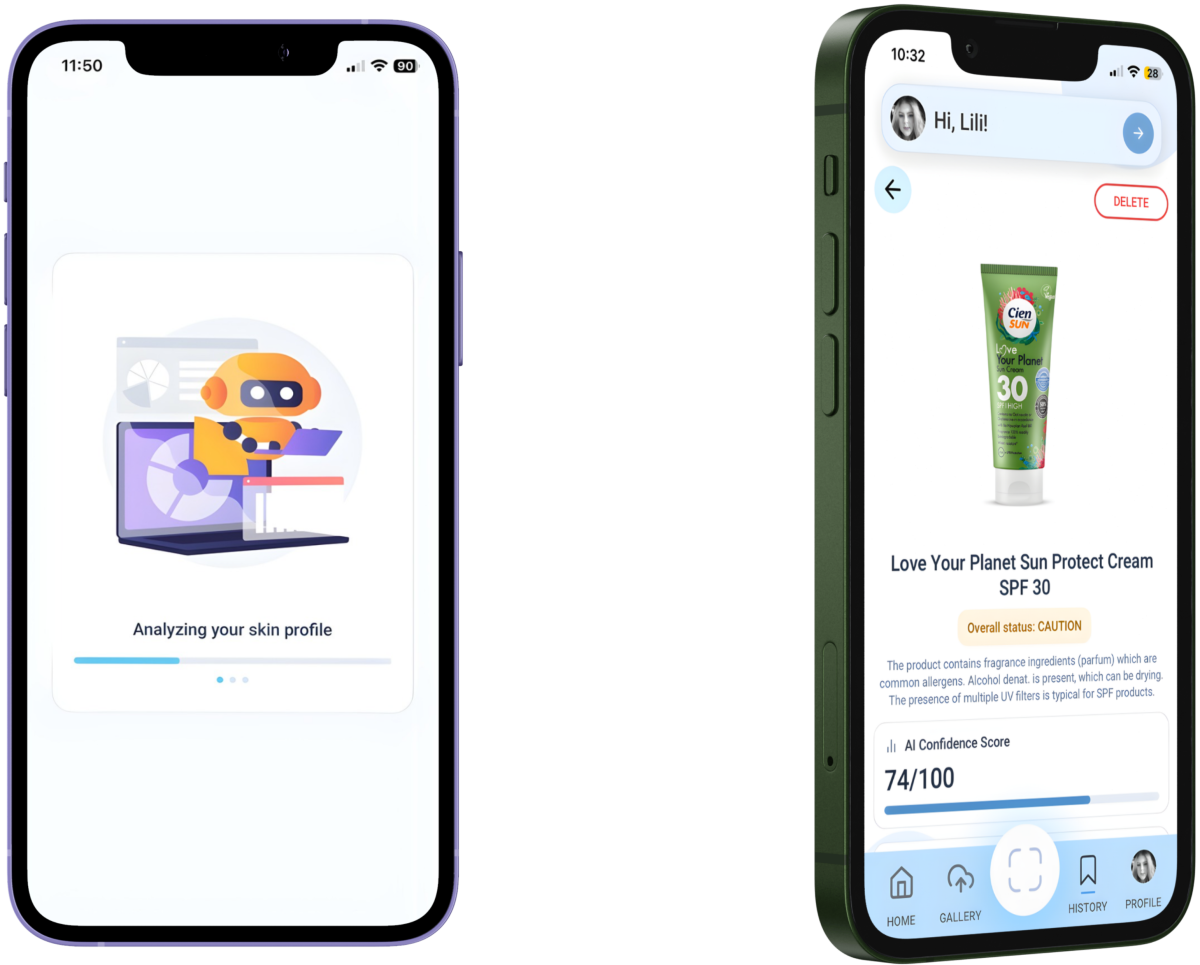
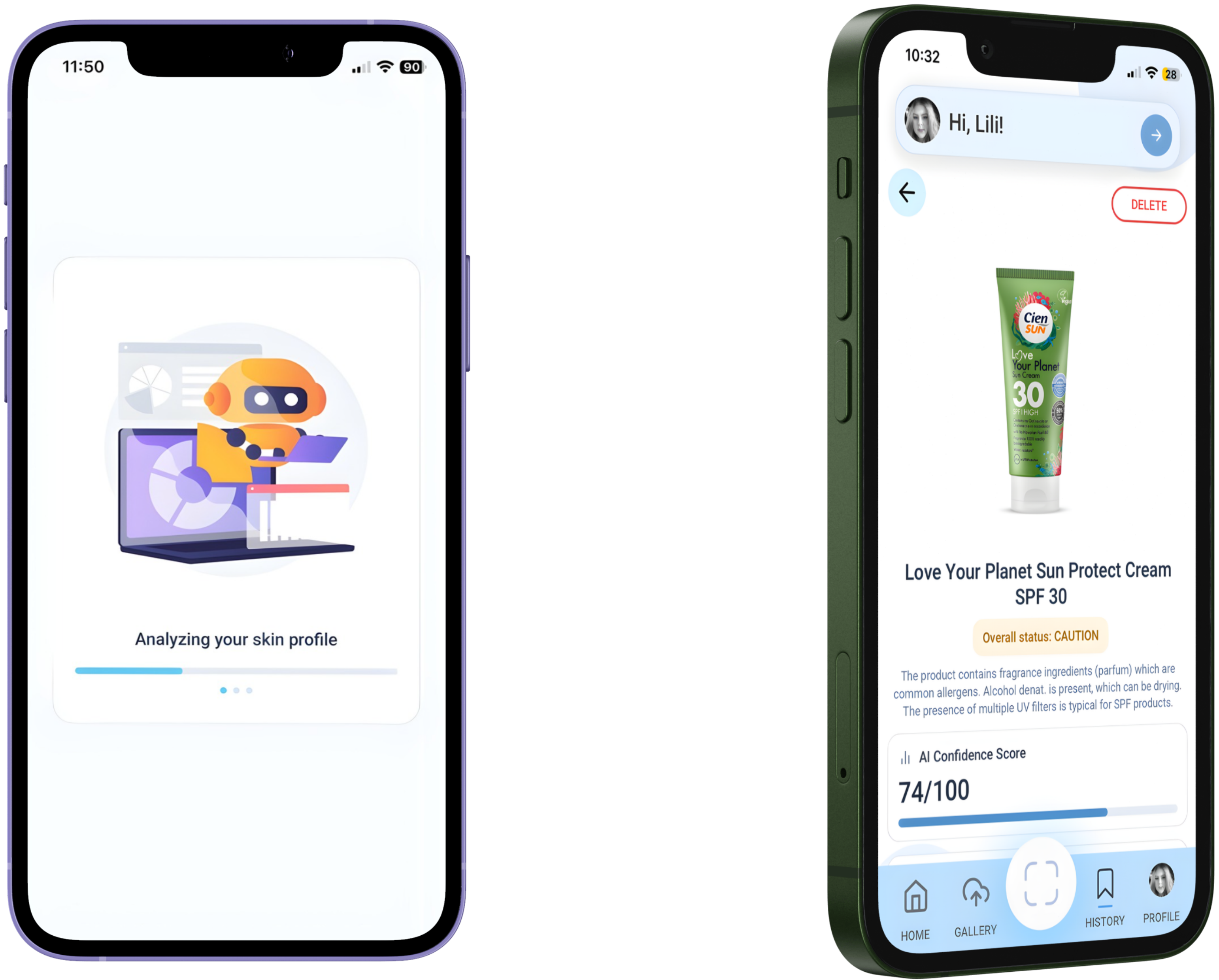
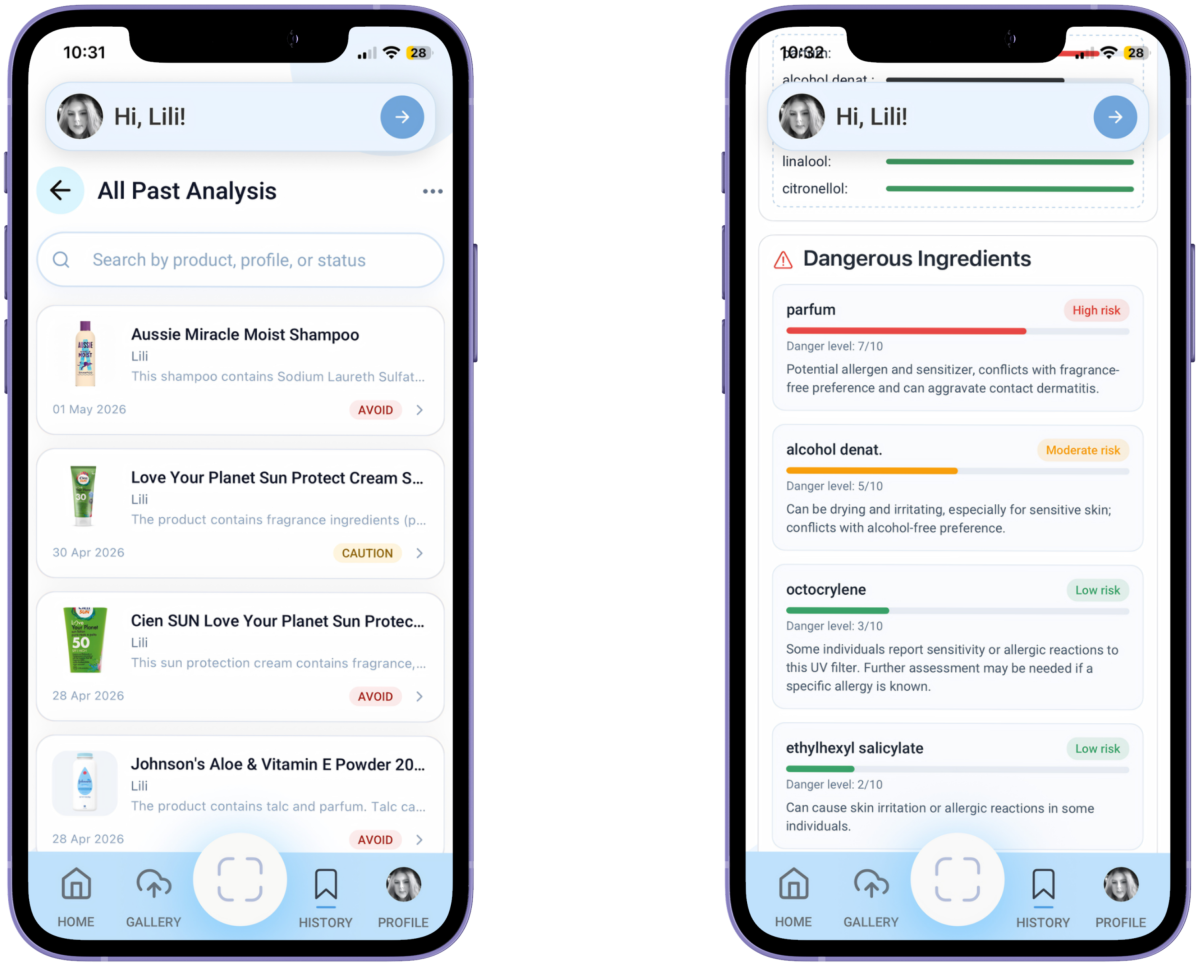
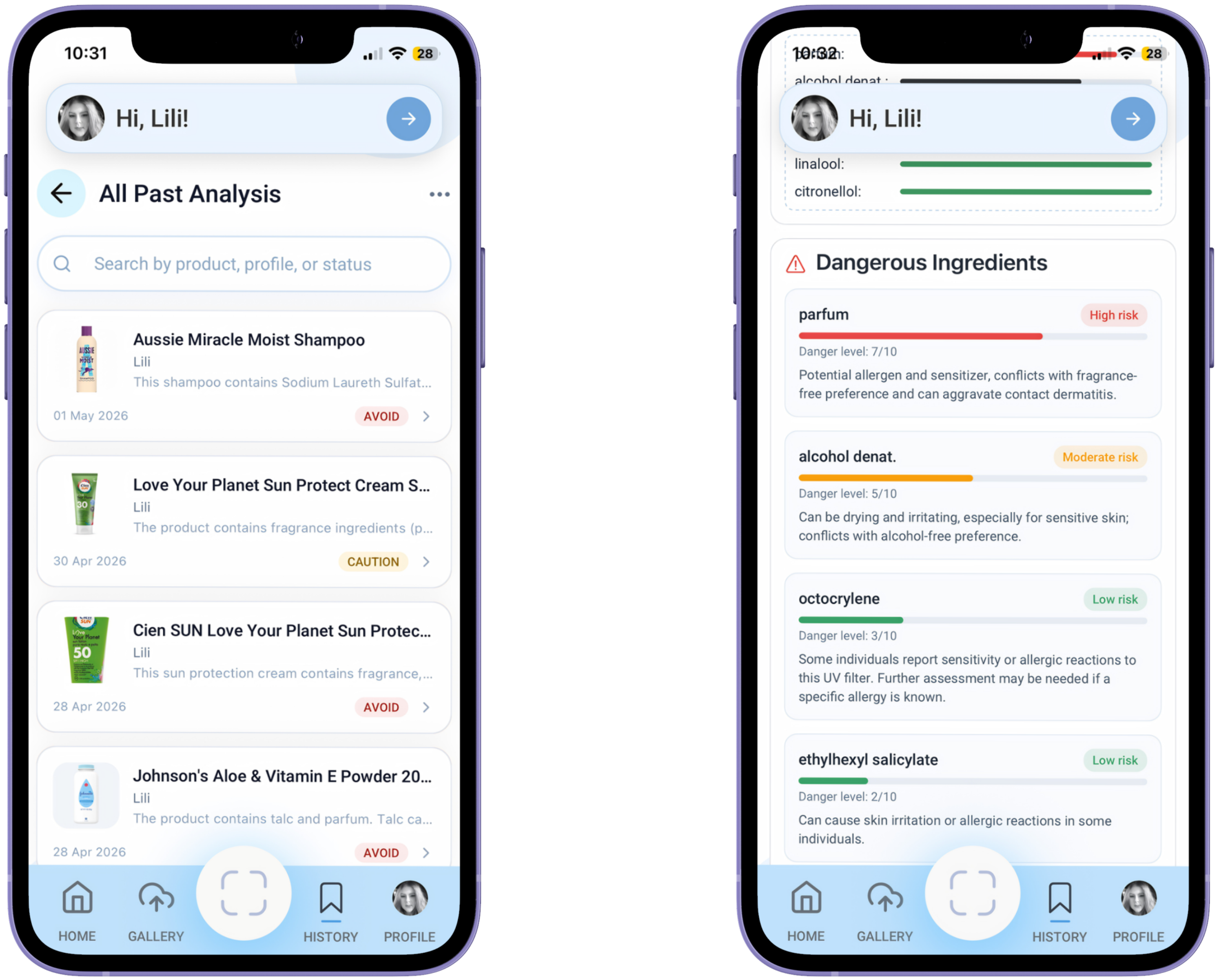
These screens show how analysed products are presented, with clear and personalised insights.
System Design & Evaluation
This section shows how the system is structured behind the scenes and how it performs in practice.
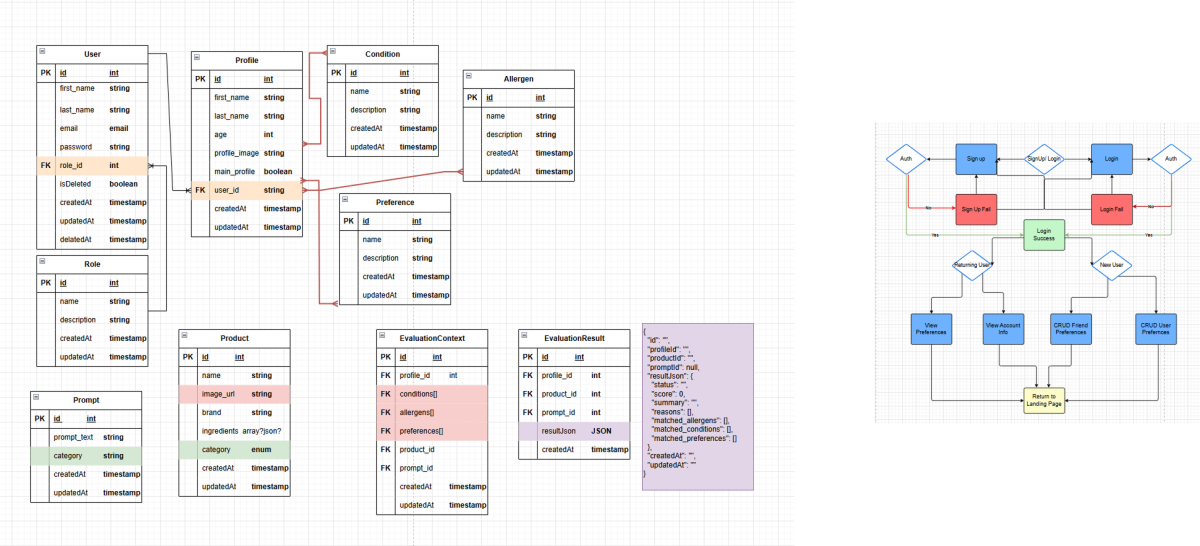
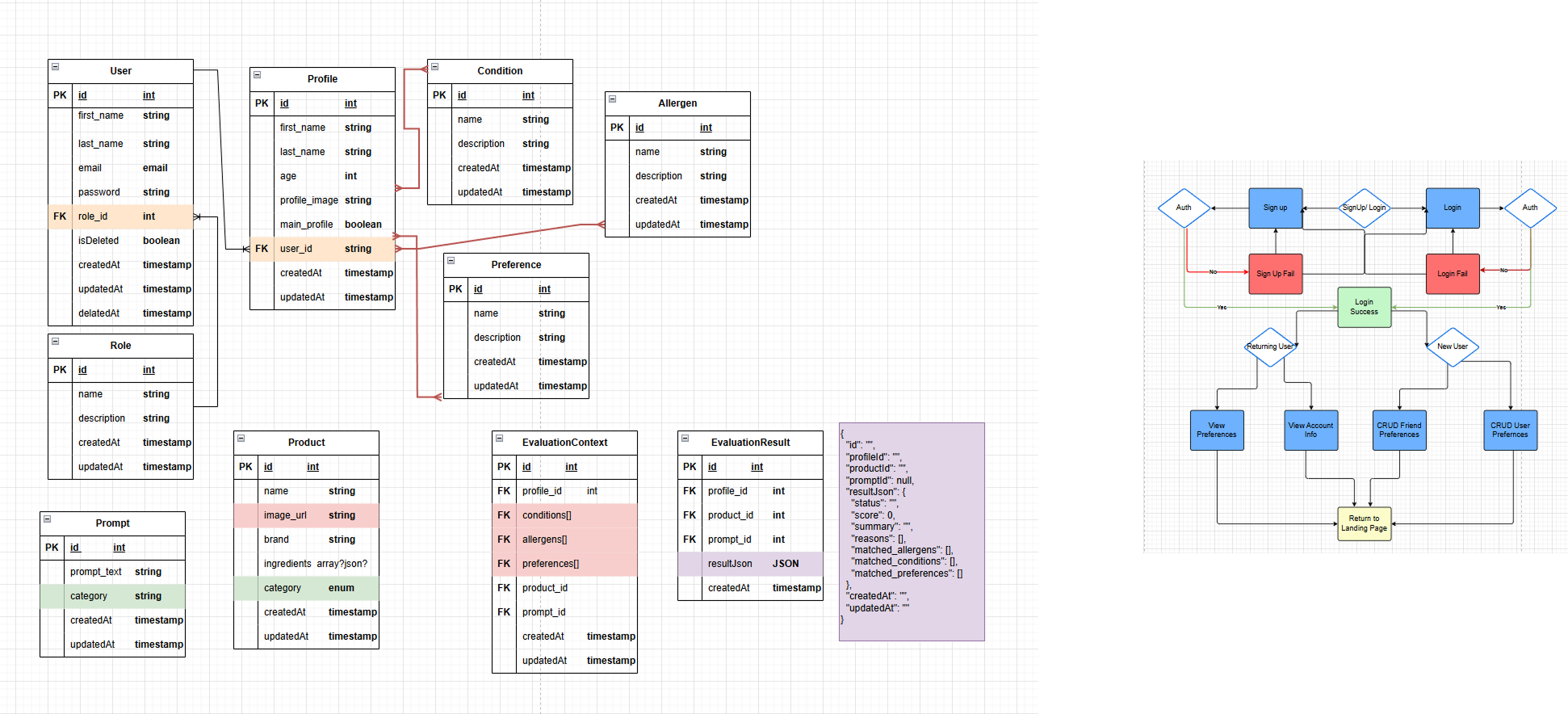
- Created an ERD to organise users, profiles, ingredients, allergens, and analysis data
- Set up clear relationships so data can be stored and retrieved easily
- Designed the system to handle scans, results, and user profiles efficiently
- Tested how accurate and reliable the ingredient analysis is
- Reviewed how well OCR and AI (RAG) work together in the system
- Noted any limitations and areas that could be improved
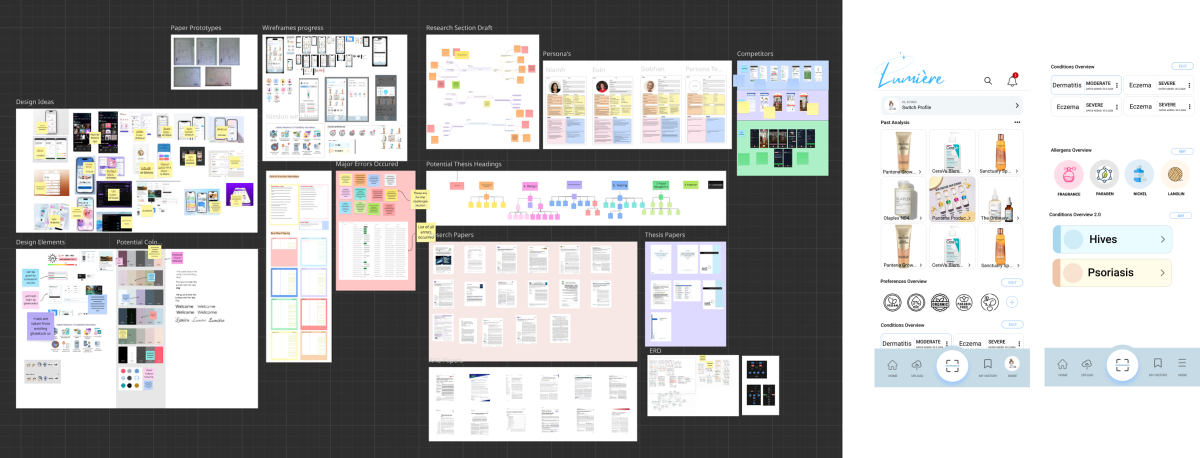
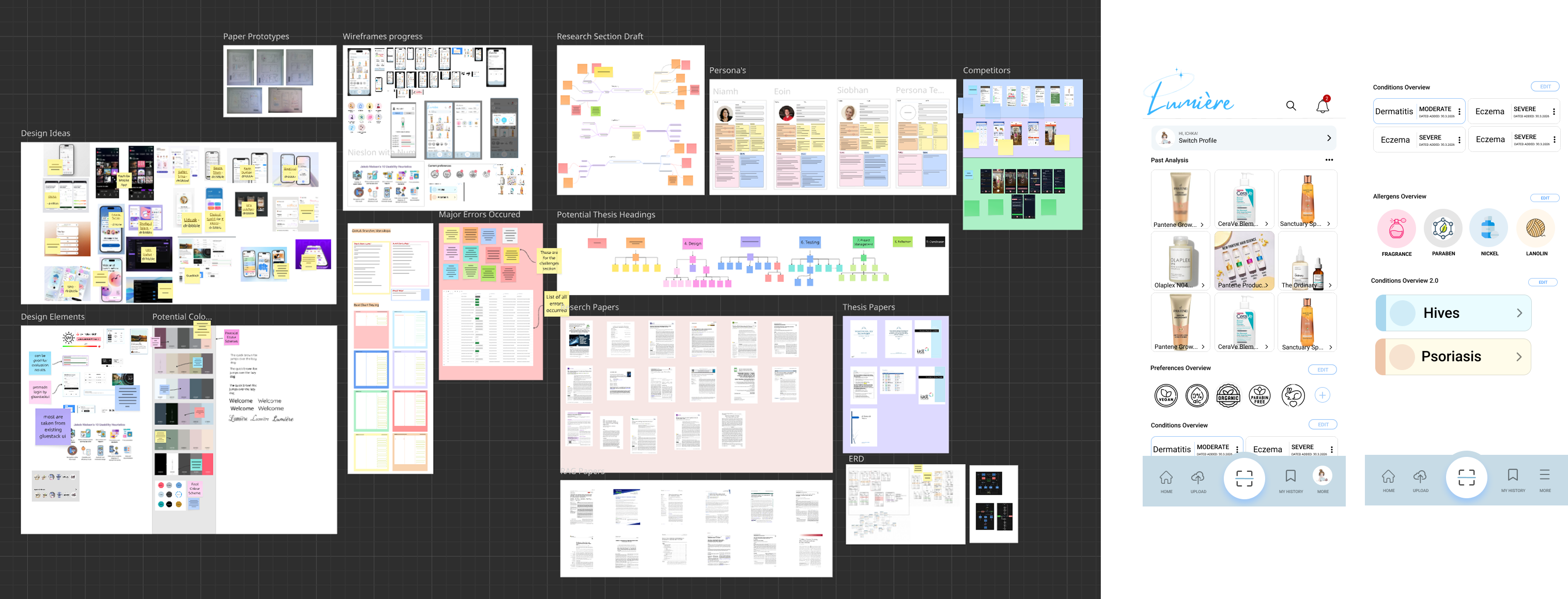
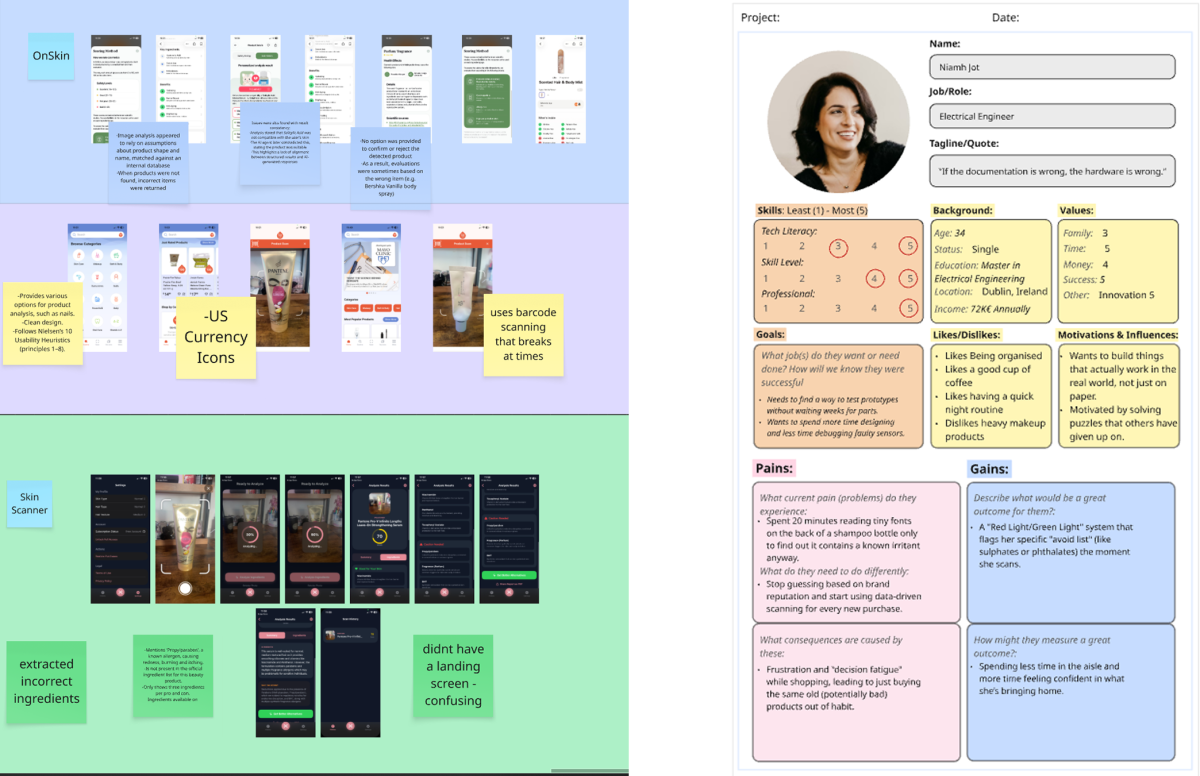
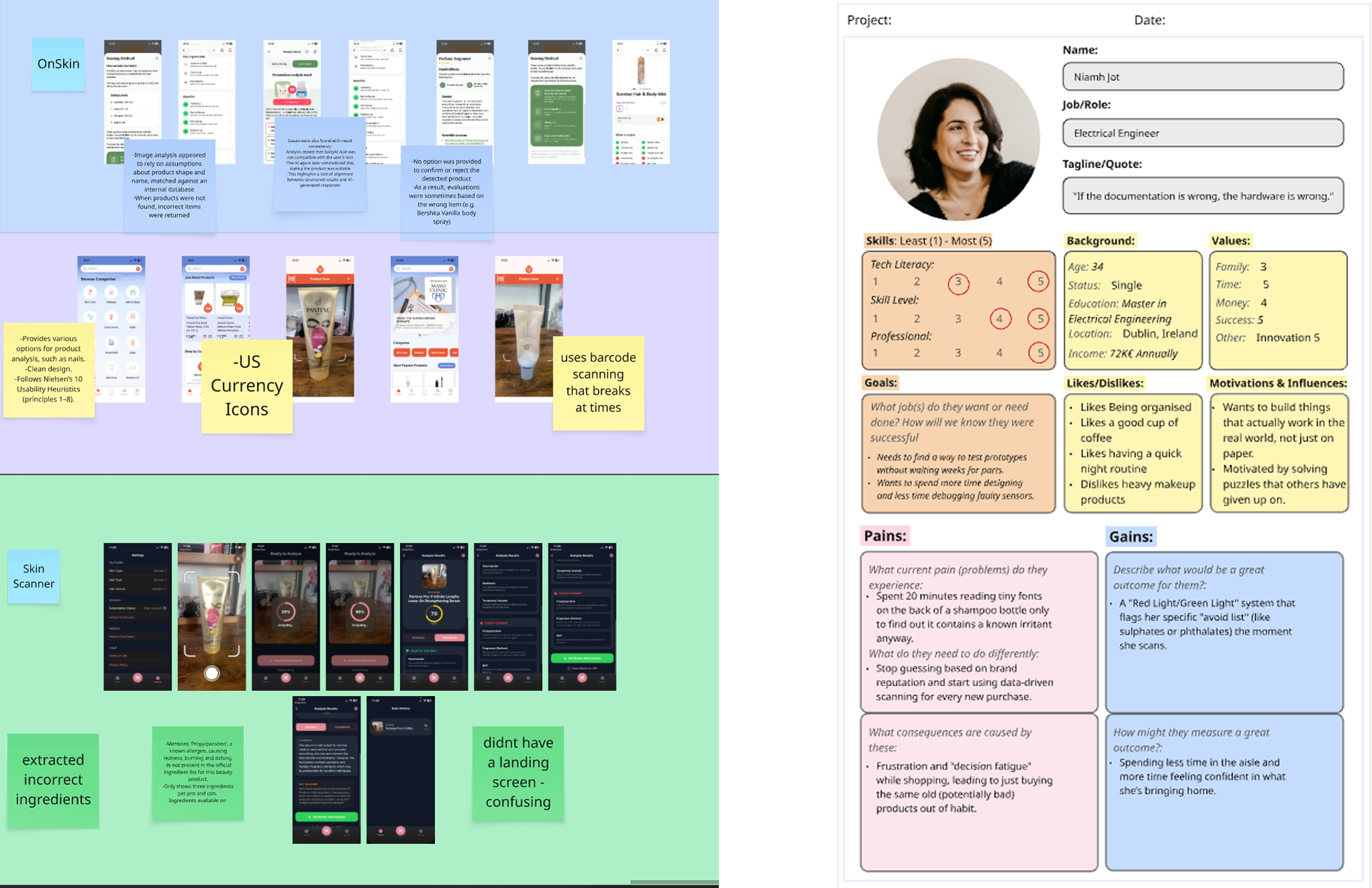
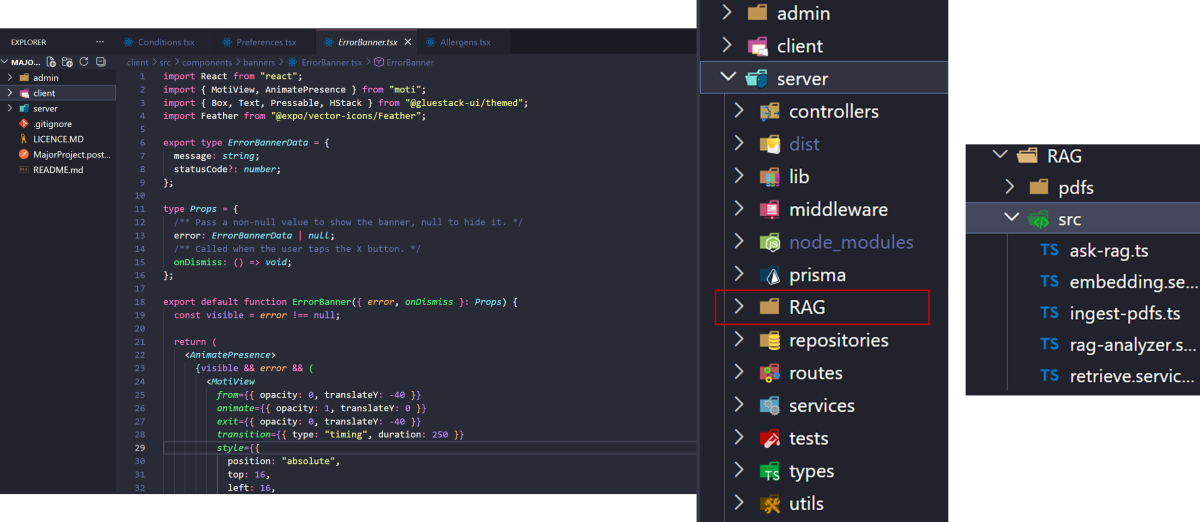
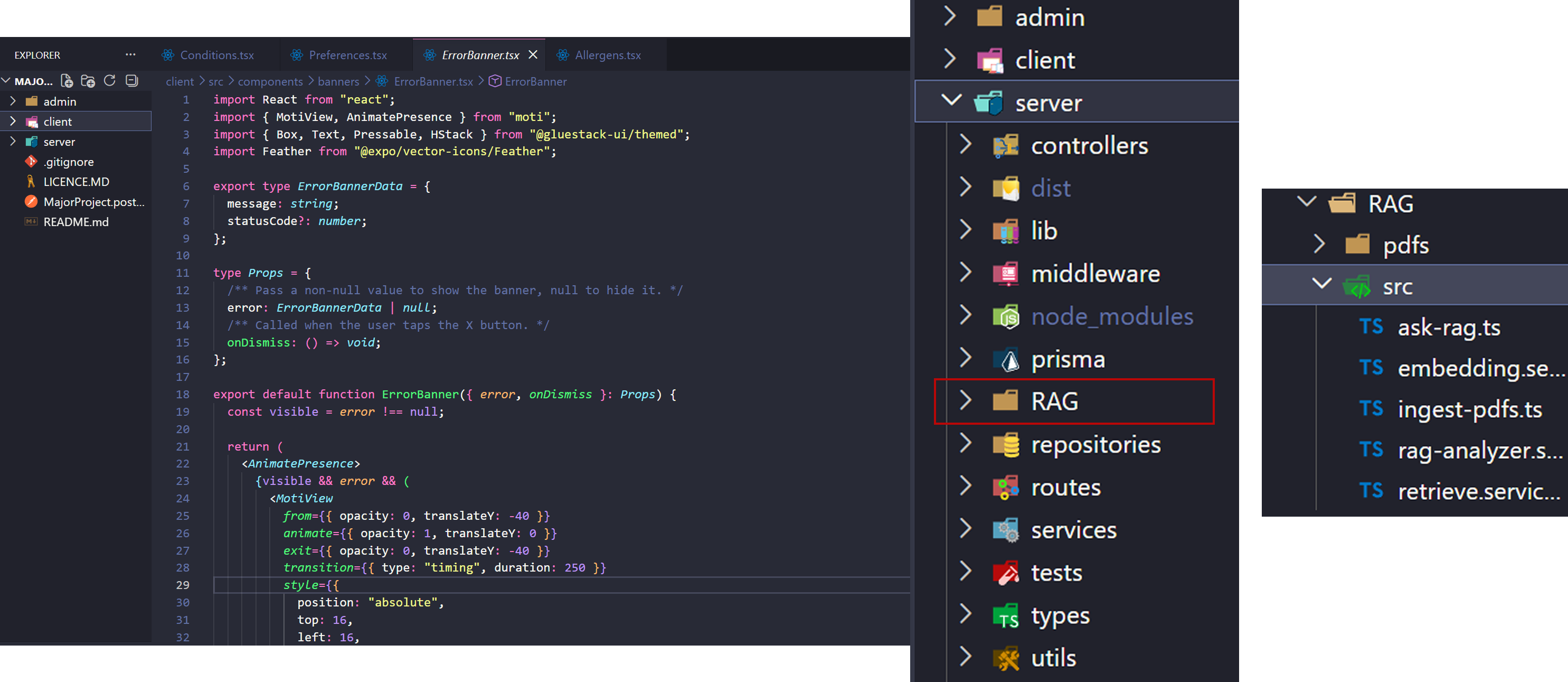
This project aims to improve user understanding of cosmetic ingredients through an AI-powered analysis system.
- Design and develop Lumière, an AI-powered cosmetic ingredient analysis system
- Help users better understand skincare products and ingredient lists
- Use OCR to extract ingredient data from product labels
- Use RAG to provide accurate, research-based information
- Apply AI in a controlled way to support extraction and format responses
- Identify harmful ingredients and allergens
- Provide guidance based on different skin types
- Create a clear, simple, and user-friendly experience
Overall, the project focuses on creating a simple, accurate, and user-friendly tool for everyday use.
The project successfully delivered Lumière, an AI-powered system for analysing cosmetic ingredients.
- Developed a functional application capable of extracting and analysing ingredient data from product labels
- Integrated OCR to accurately capture ingredient lists
- Used RAG to provide reliable, research-based insights
- Identified key ingredients and highlighted potential allergens
- Provided information related to different skin conditions in a clear format
- Applied AI in a controlled way for extraction and response formatting
- Built a full-stack application using React Native and Node.js
- Created a responsive, accessible, and user-friendly experience
Overall, the project demonstrates the effective use of AI and modern technologies to deliver a practical solution that improves user understanding of cosmetic products.
This thesis explores how artificial intelligence can be used to improve how consumers understand cosmetic ingredients through a personalised mobile application. Although skincare products are widely used, ingredient lists are often difficult to interpret, unclear, and lack transparency, making it hard for users (especially those with existing skin conditions) to make informed decisions.
The research focuses on how ingredients considered safe or commonly used can still cause irritation, allergic reactions, or flare-ups of chronic skin conditions. It also examines issues such as misleading marketing, alternative-ingredient naming, and a lack of clear communication between manufacturers and consumers, which can lead to confusion or poor product choices.
To address this, the project combines computer vision and OCR for ingredient extraction with a Retrieval-Augmented Generation (RAG) approach to produce clear, research-based explanations. By linking analysis to user profiles, including skin conditions and preferences, the system aims to provide more accurate, transparent, and personalised insights, helping users make safer and more informed skincare decisions.
View my thesis below!
I am a Creative Computing graduate with a strong interest in Artificial Intelligence, web development, and app development. I have experience designing and building full-stack applications, combining frontend and backend technologies to create responsive, user-focused systems. My work focuses on AI-driven features such as computer vision, OCR, and retrieval-augmented generation (RAG), with an emphasis on developing practical and intuitive solutions to real-world problems