Alexandra Diaconu
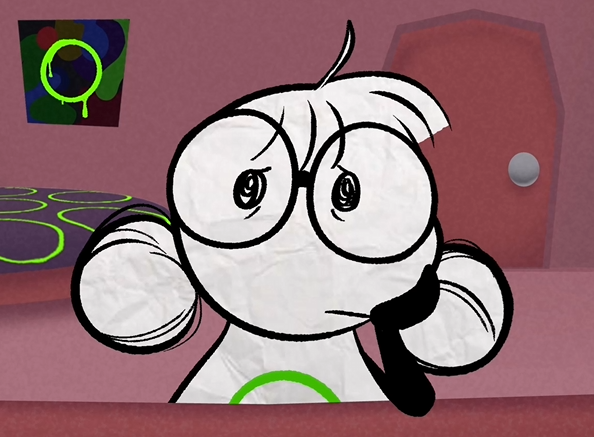
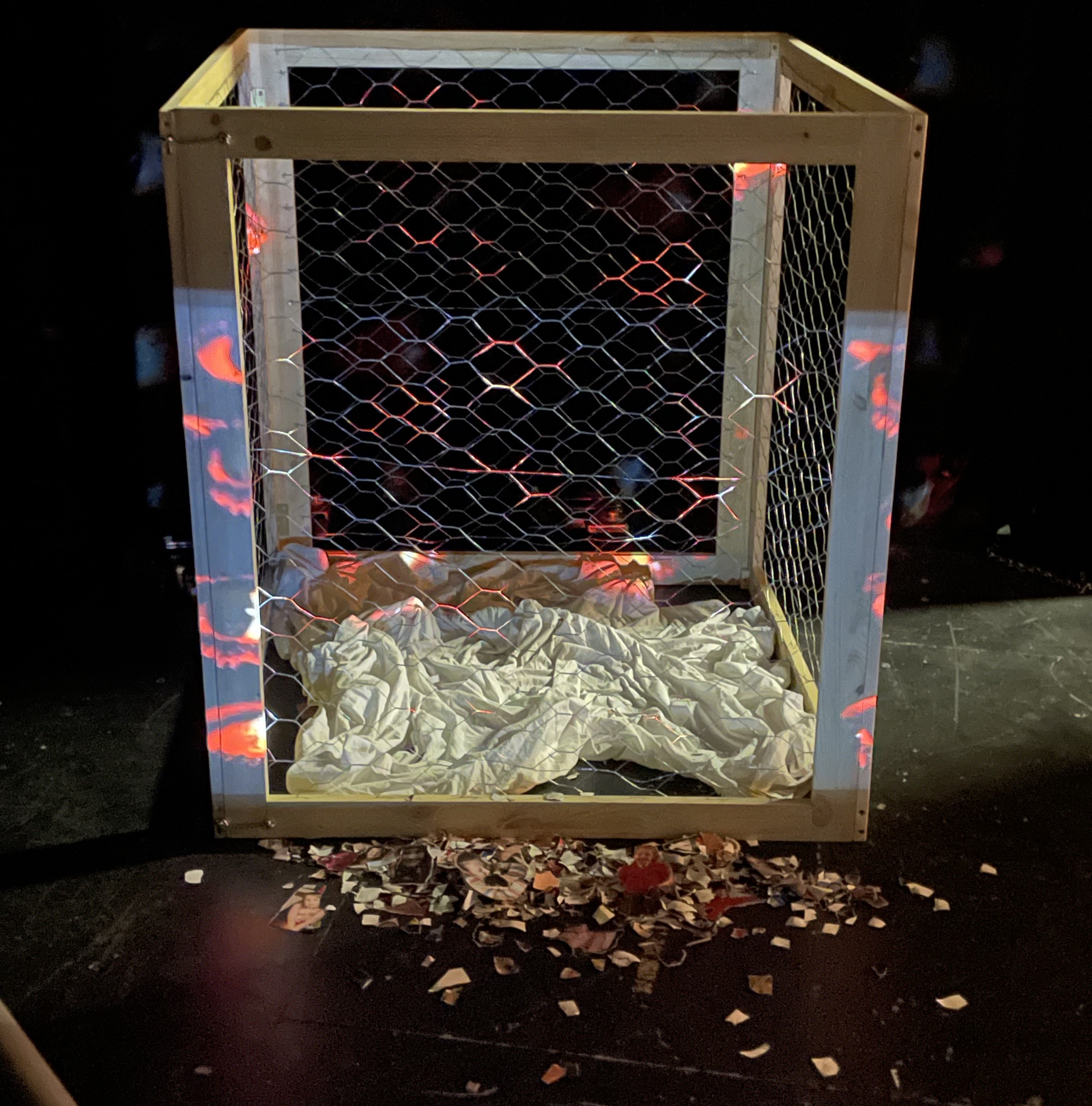
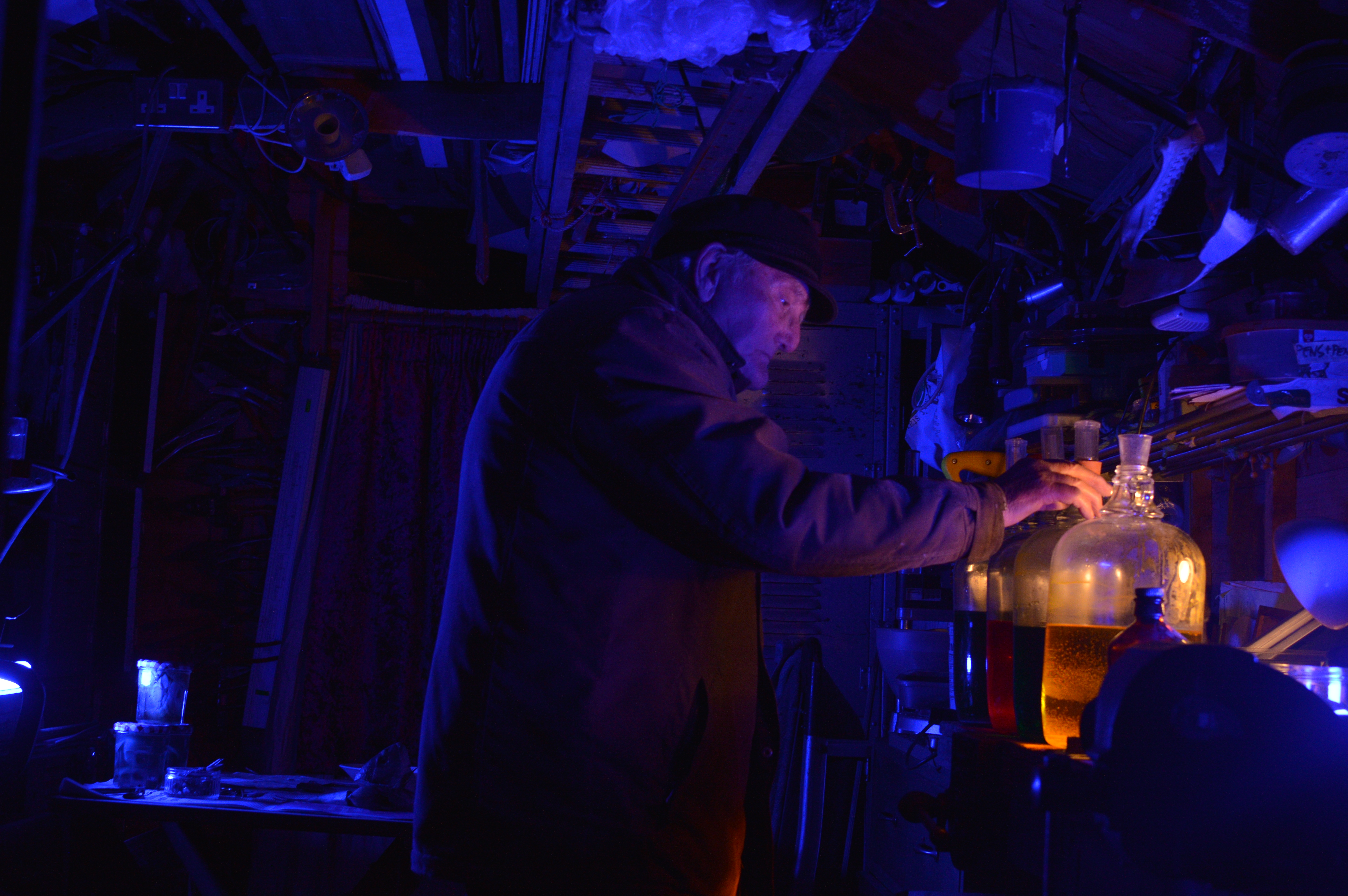
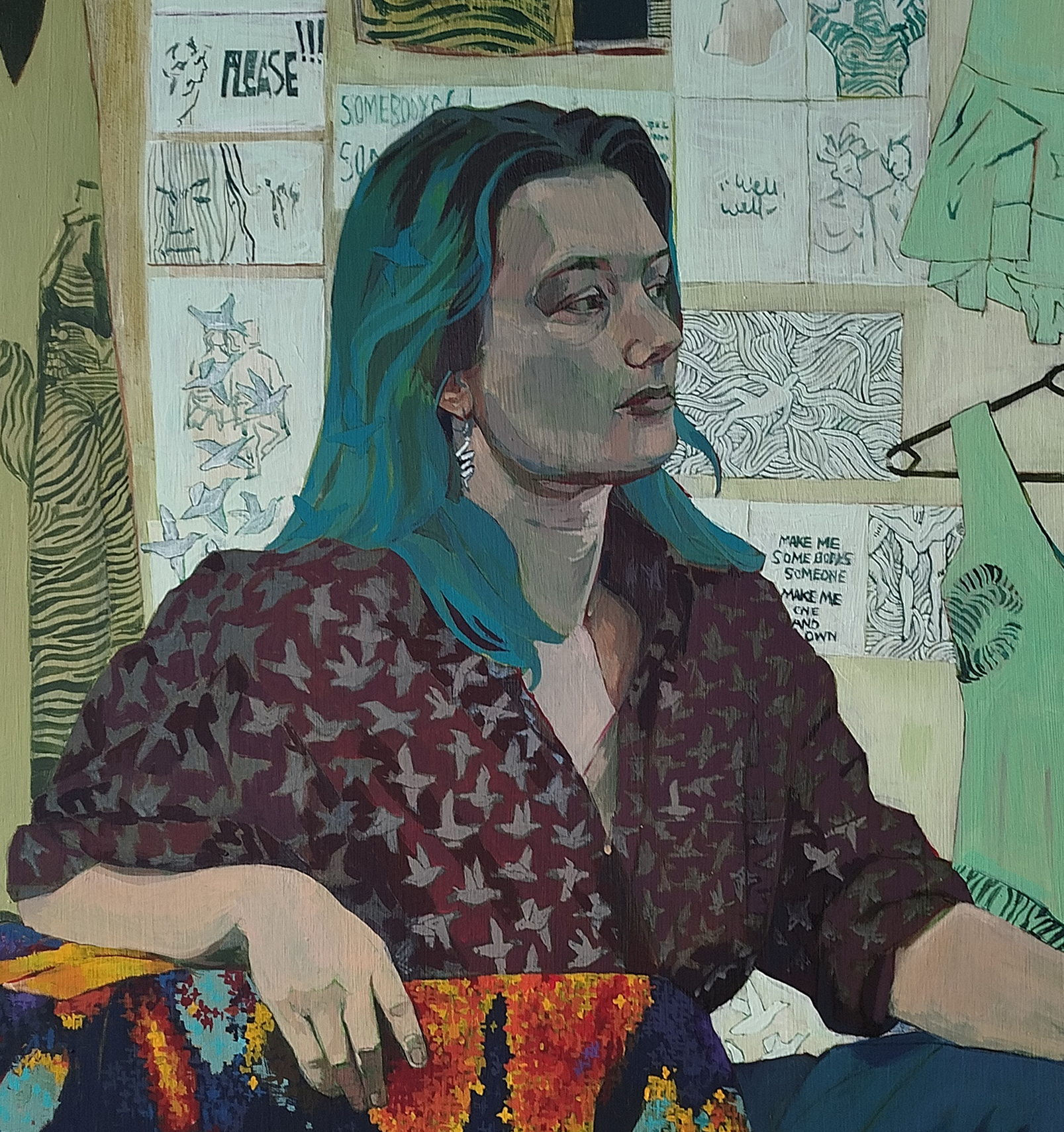
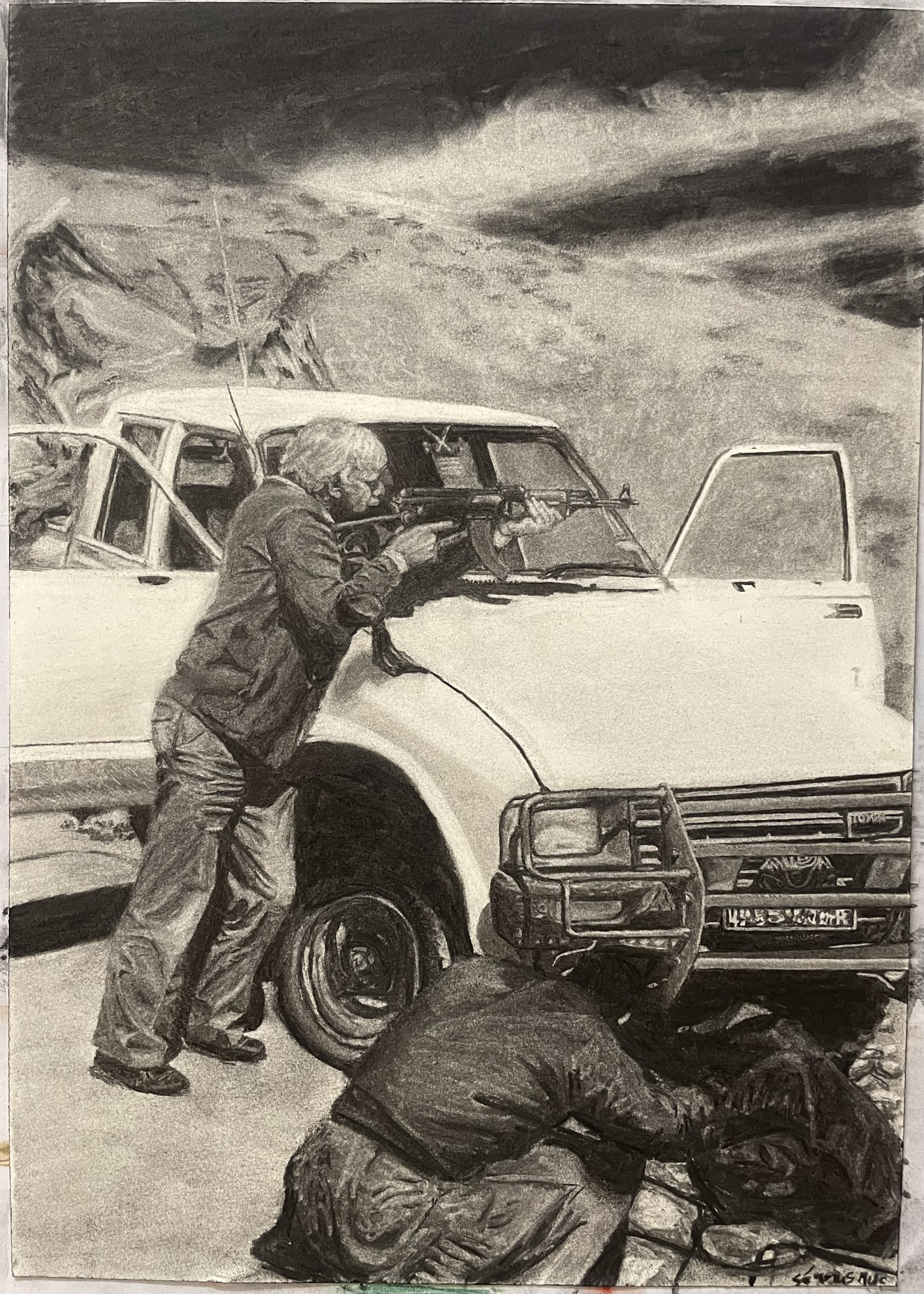
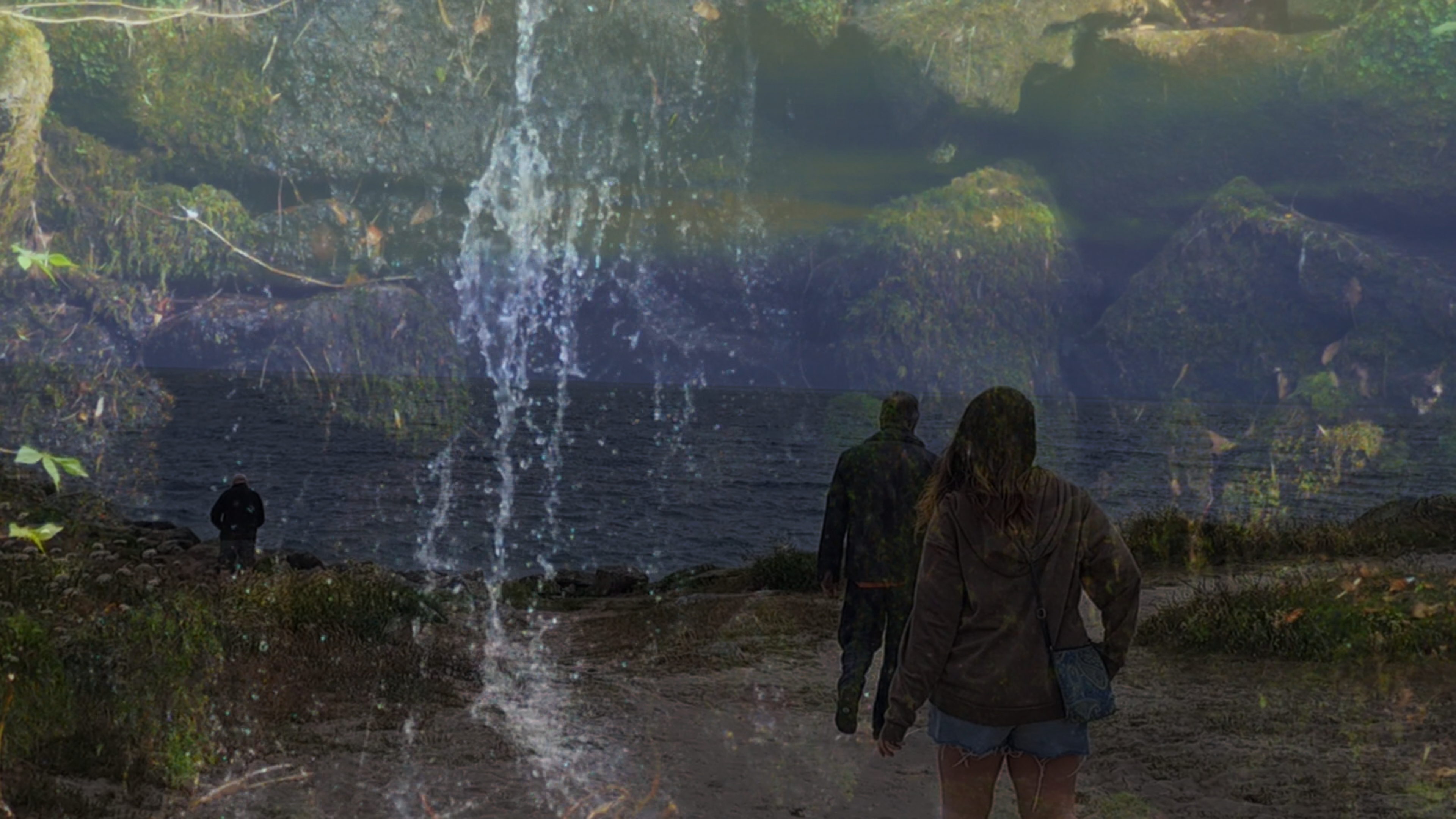
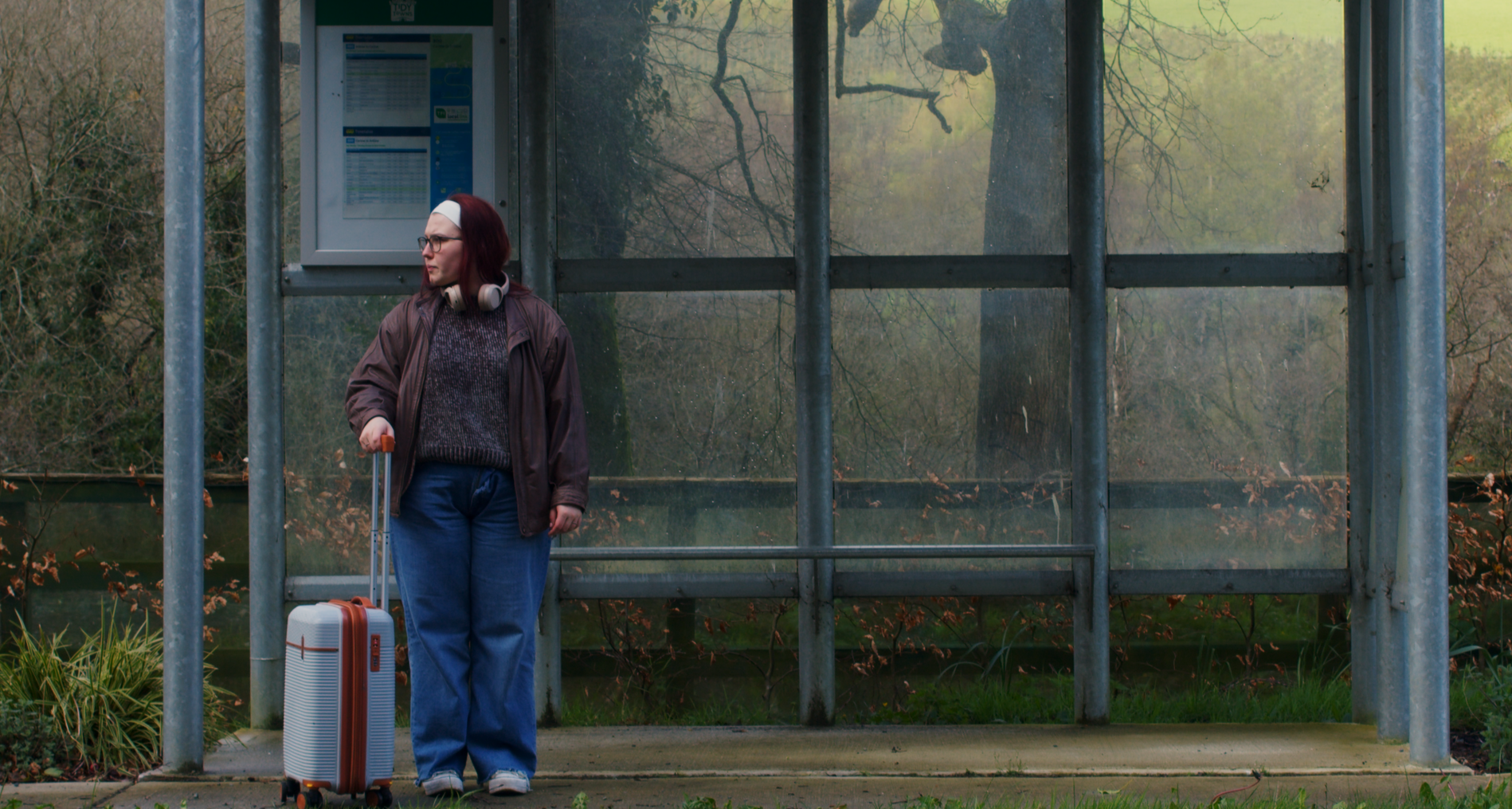
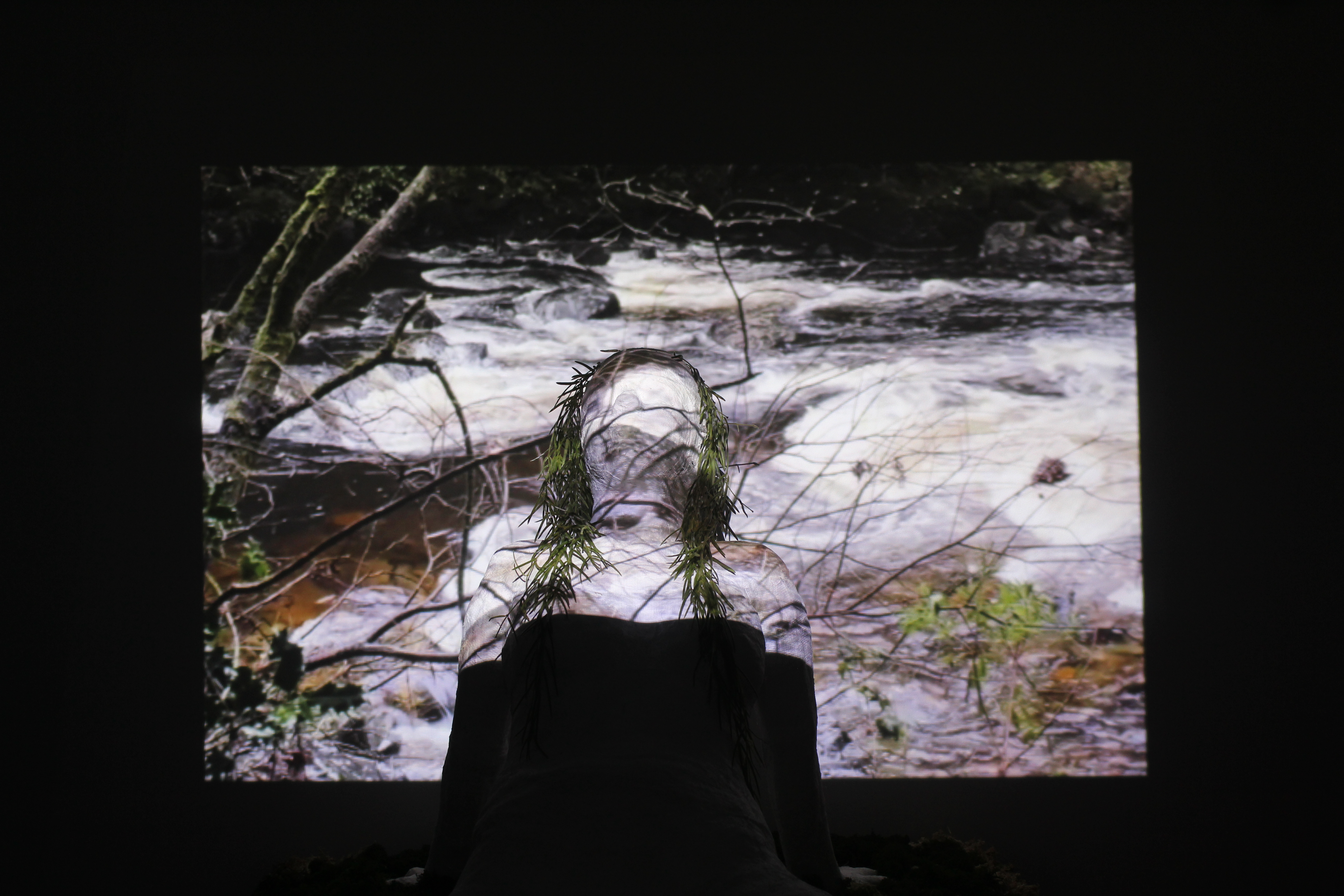
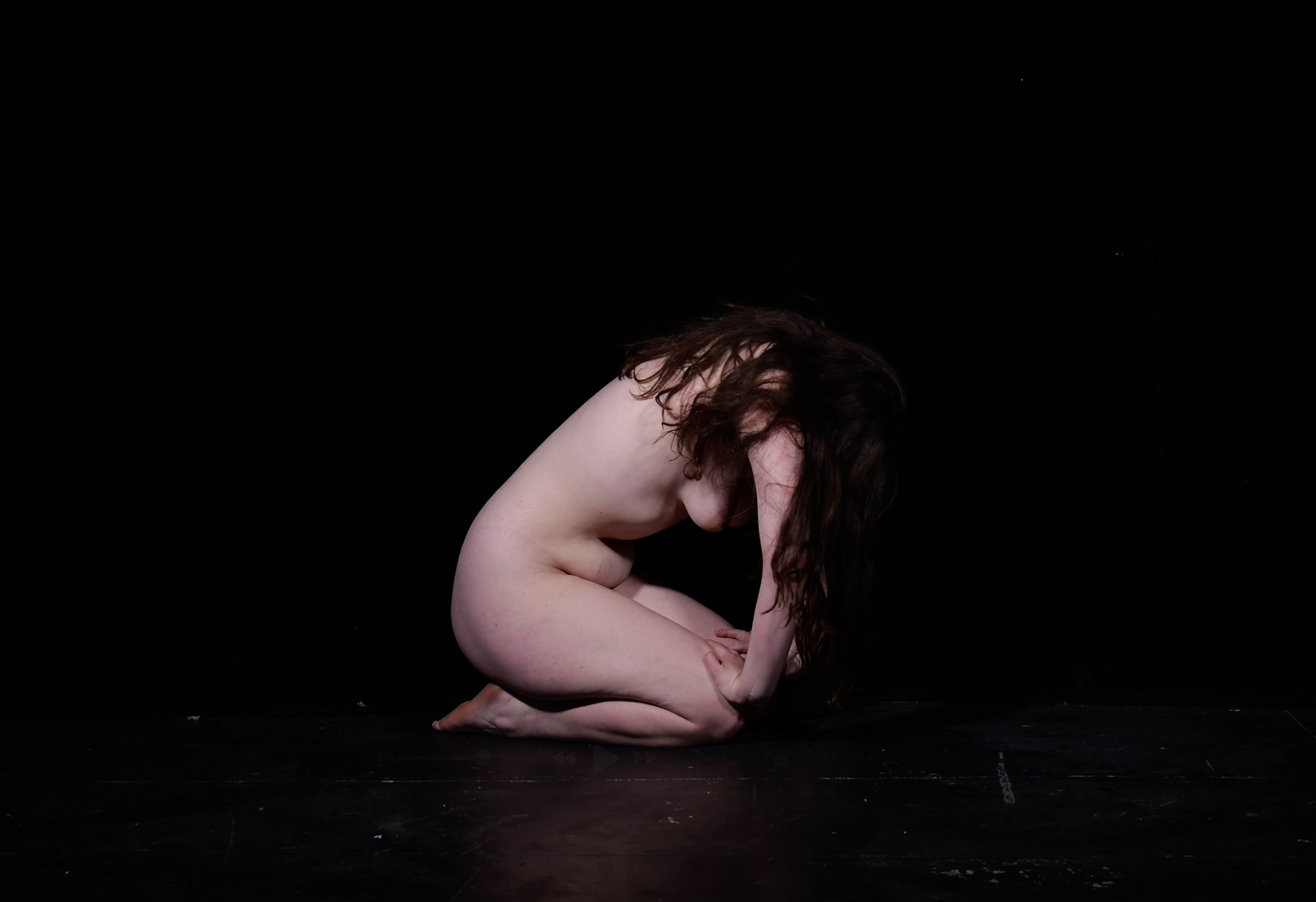
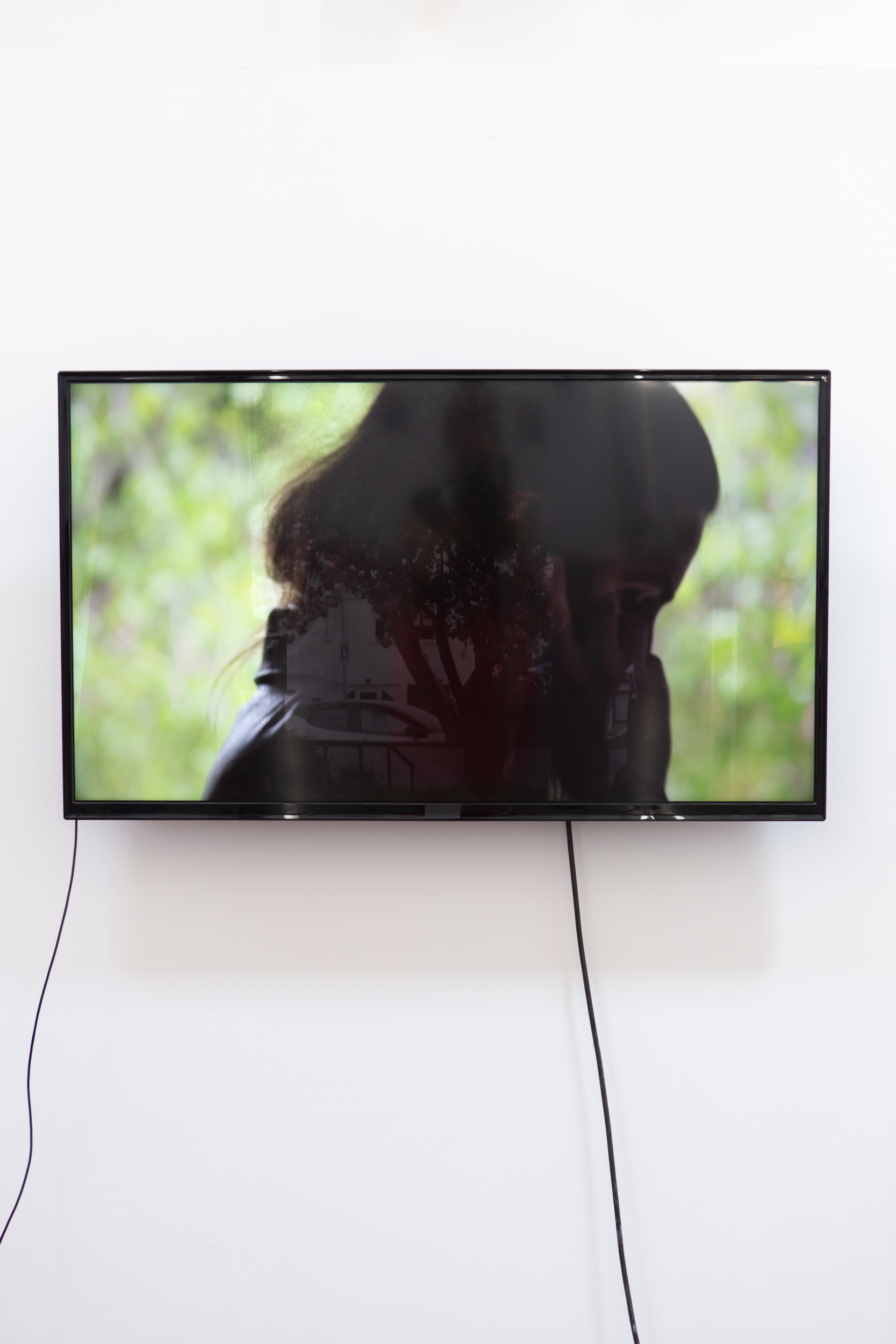
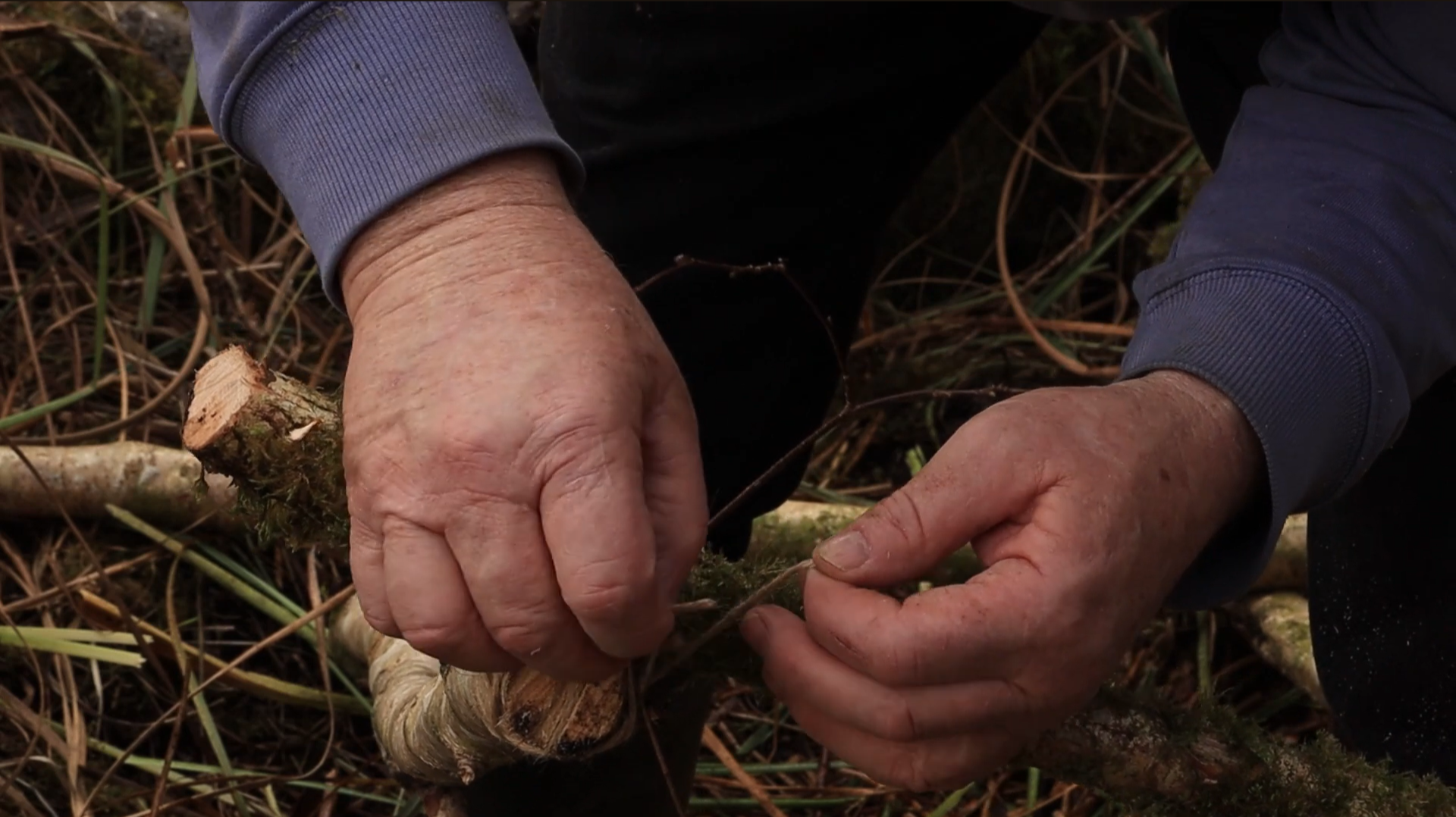
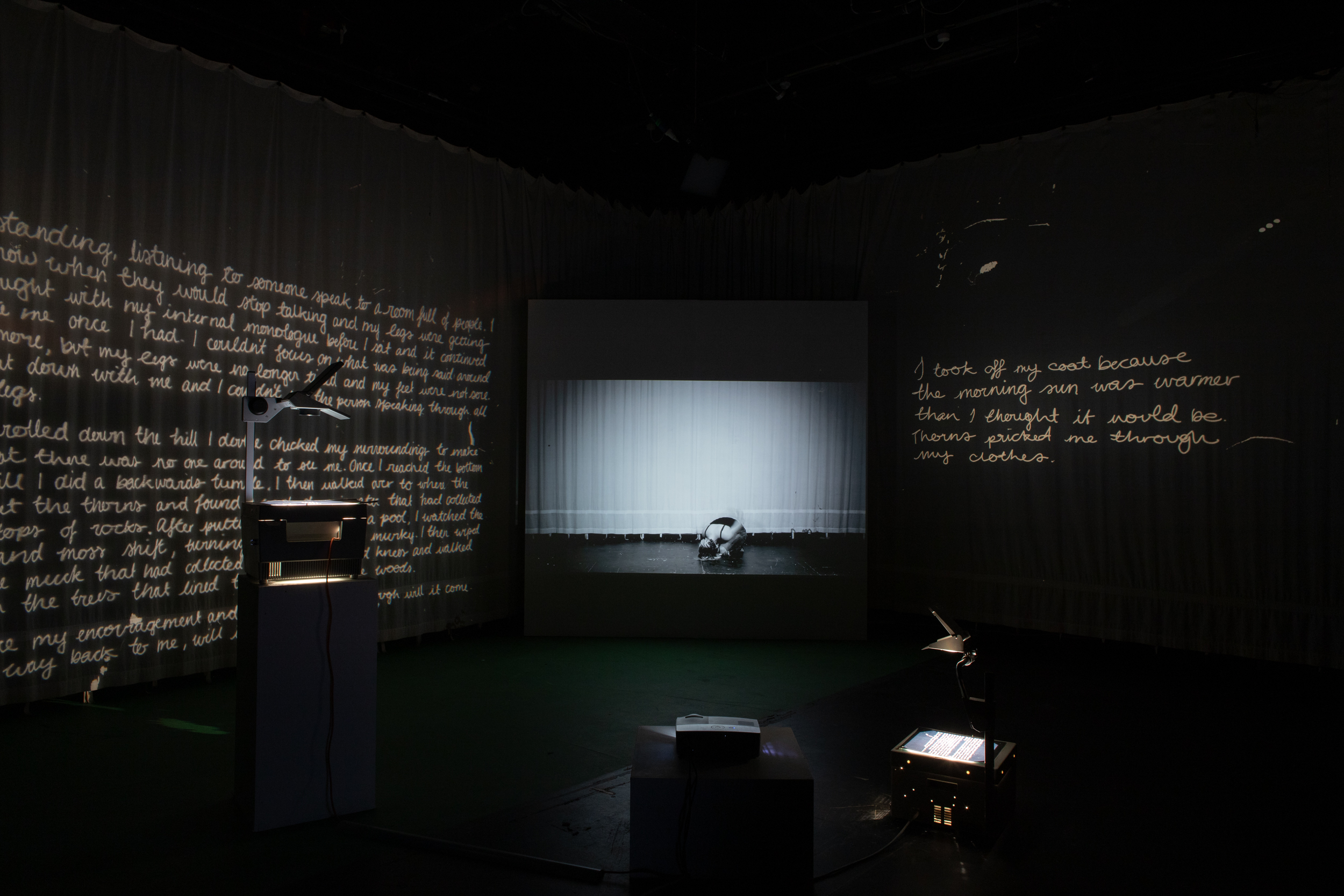
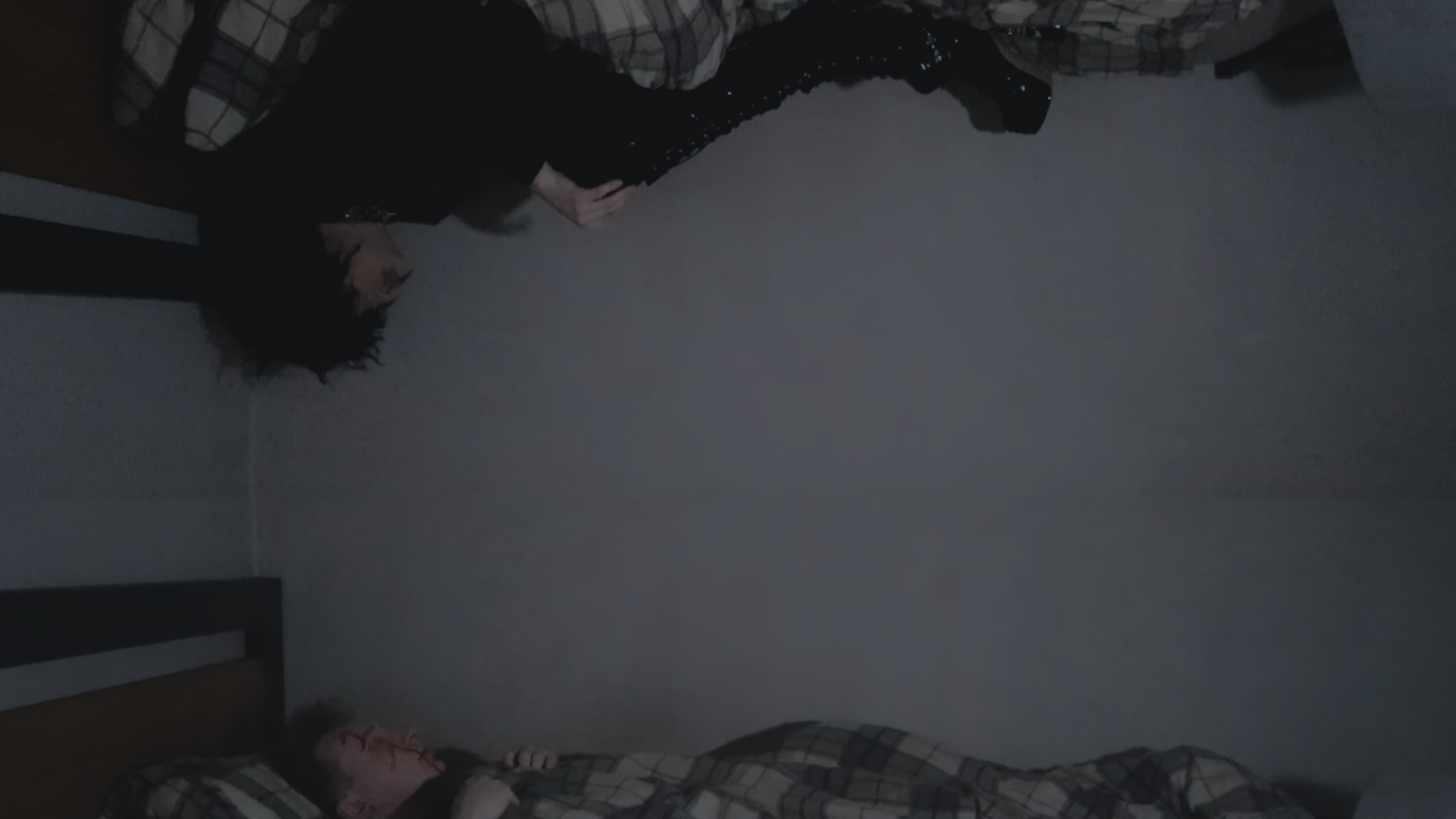
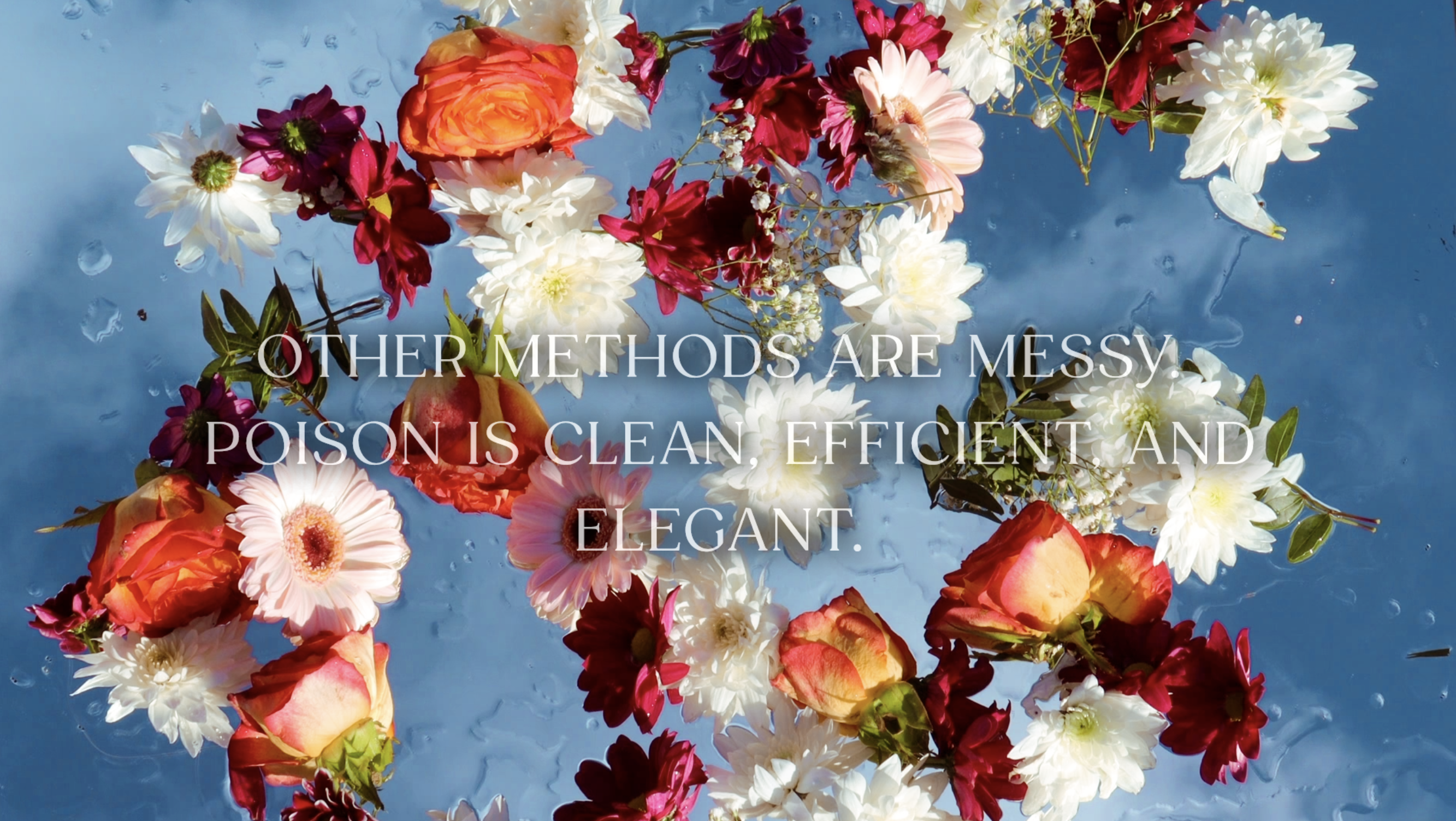
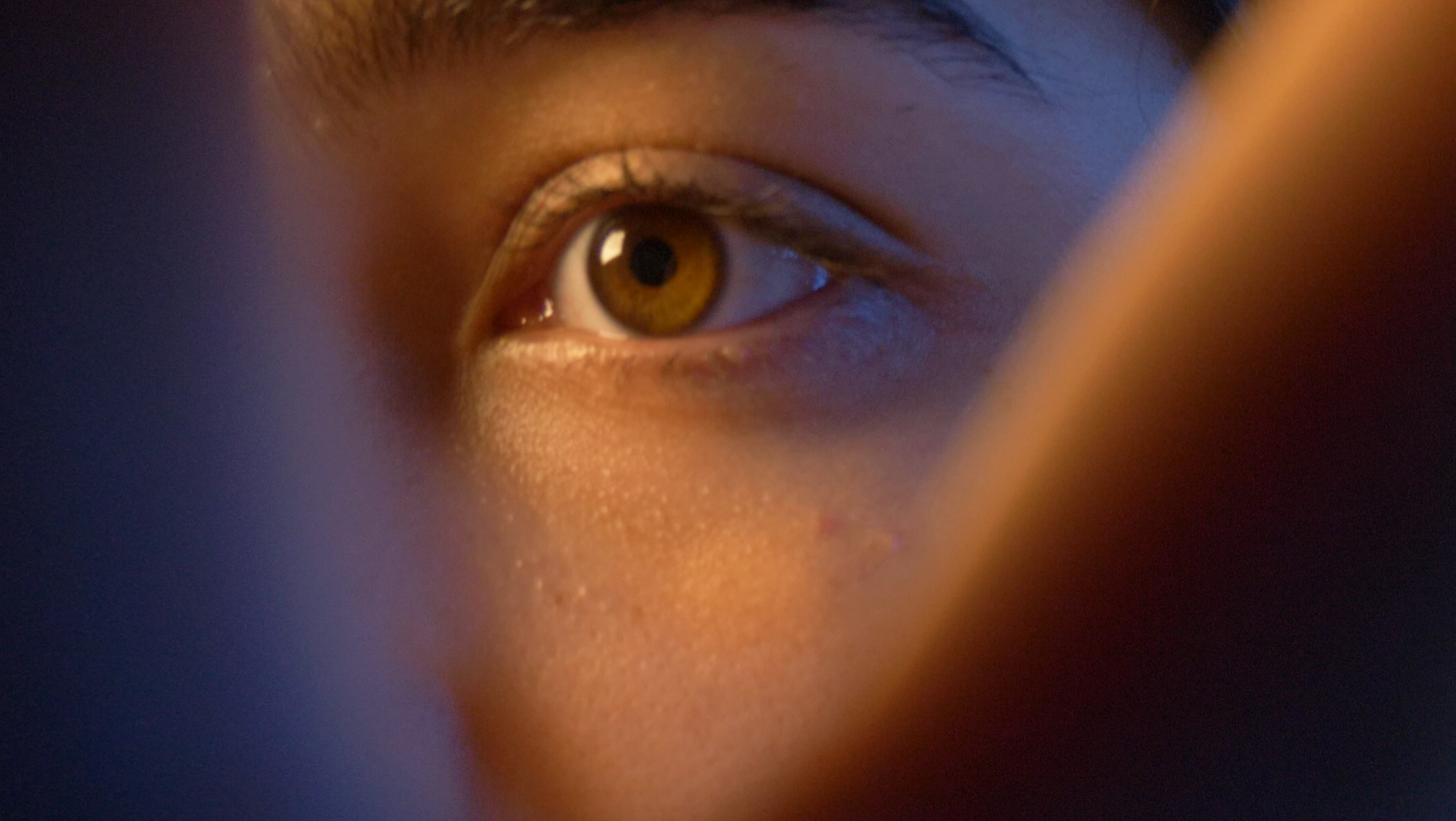
Alexandra's artwork is a reminder of the ongoing femicide crisis and the urgent need to confront it. In her video 'Trapped', she focuses on how the violence against women fuels the alarming rise in femicides in recent years. As both a woman and an artist, Alexandra felt compelled to address this topic because she believes that we cannot claim to be a part of an equal society when the lives of women and girls are viewed as less important because of their gender. Through this moving image artwork, she aims to honour the victims of femicide and evoke reflection on the societal and systemic failures that allow such violence to persist. Remembering the women lost to femicide as individuals, not just as statistics.
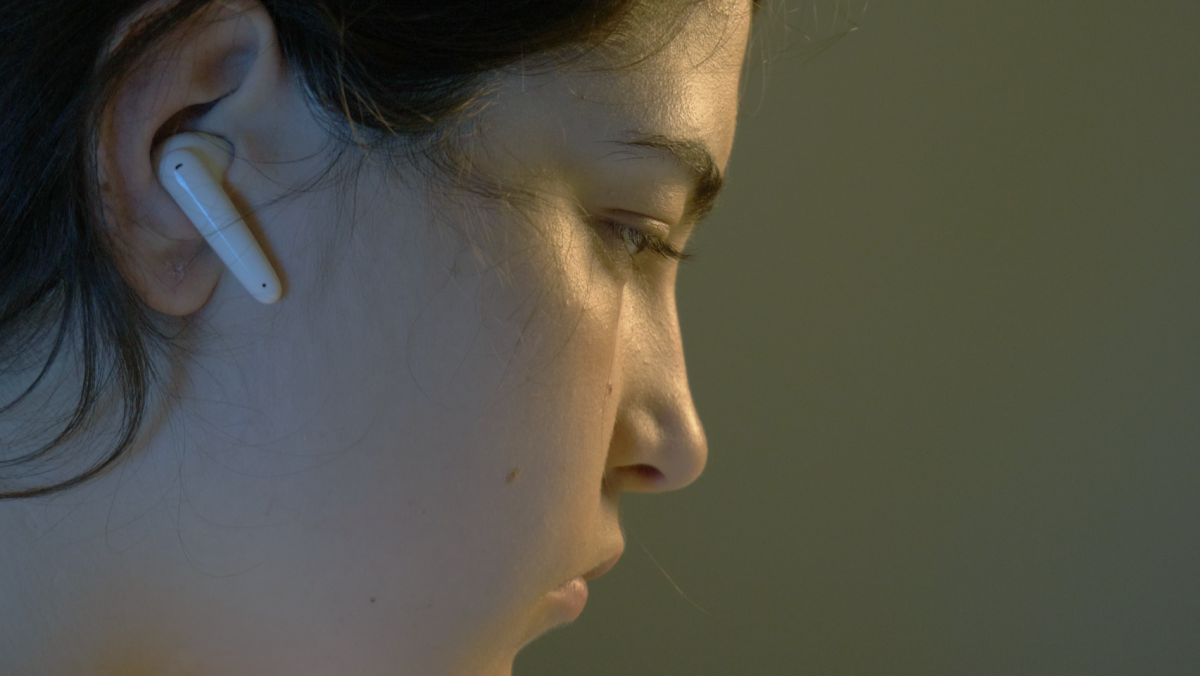
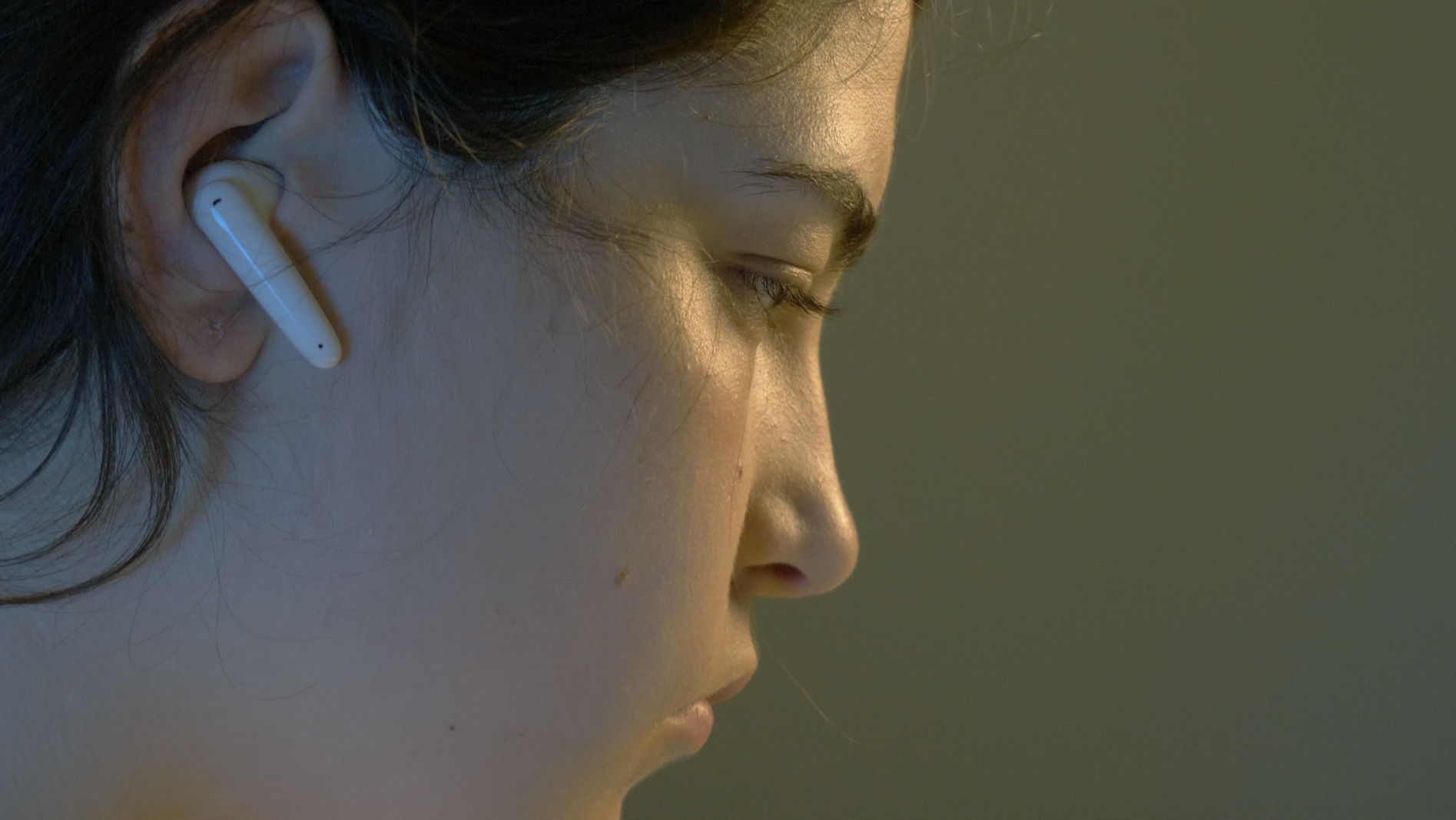


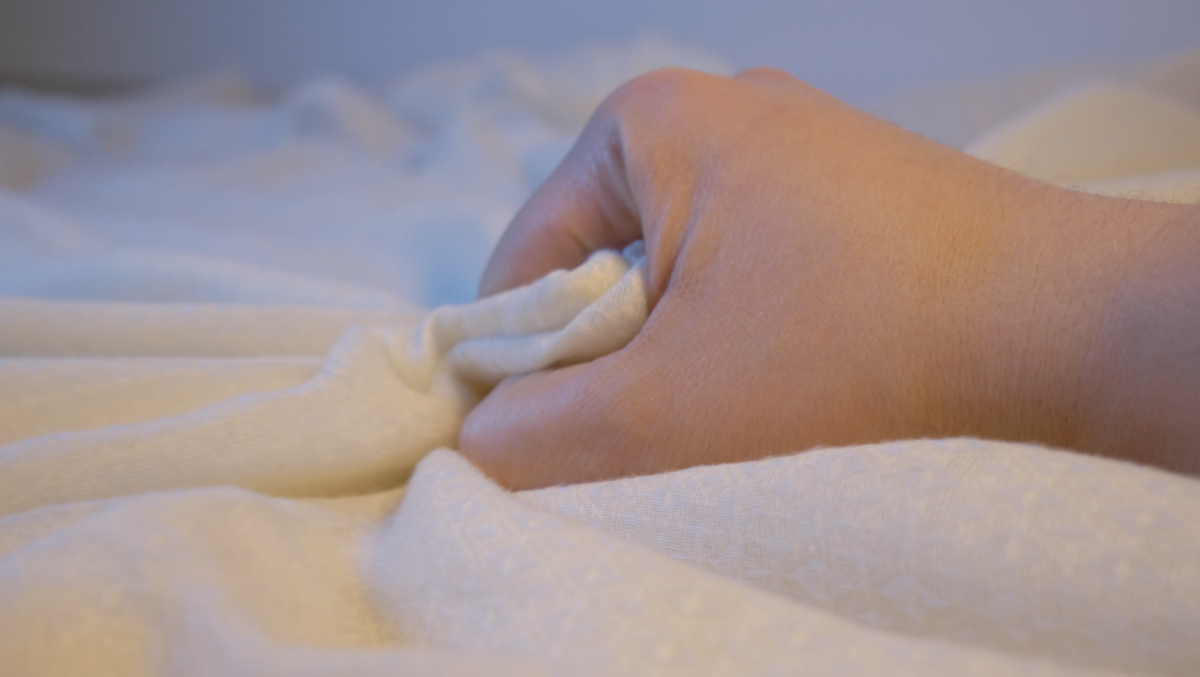
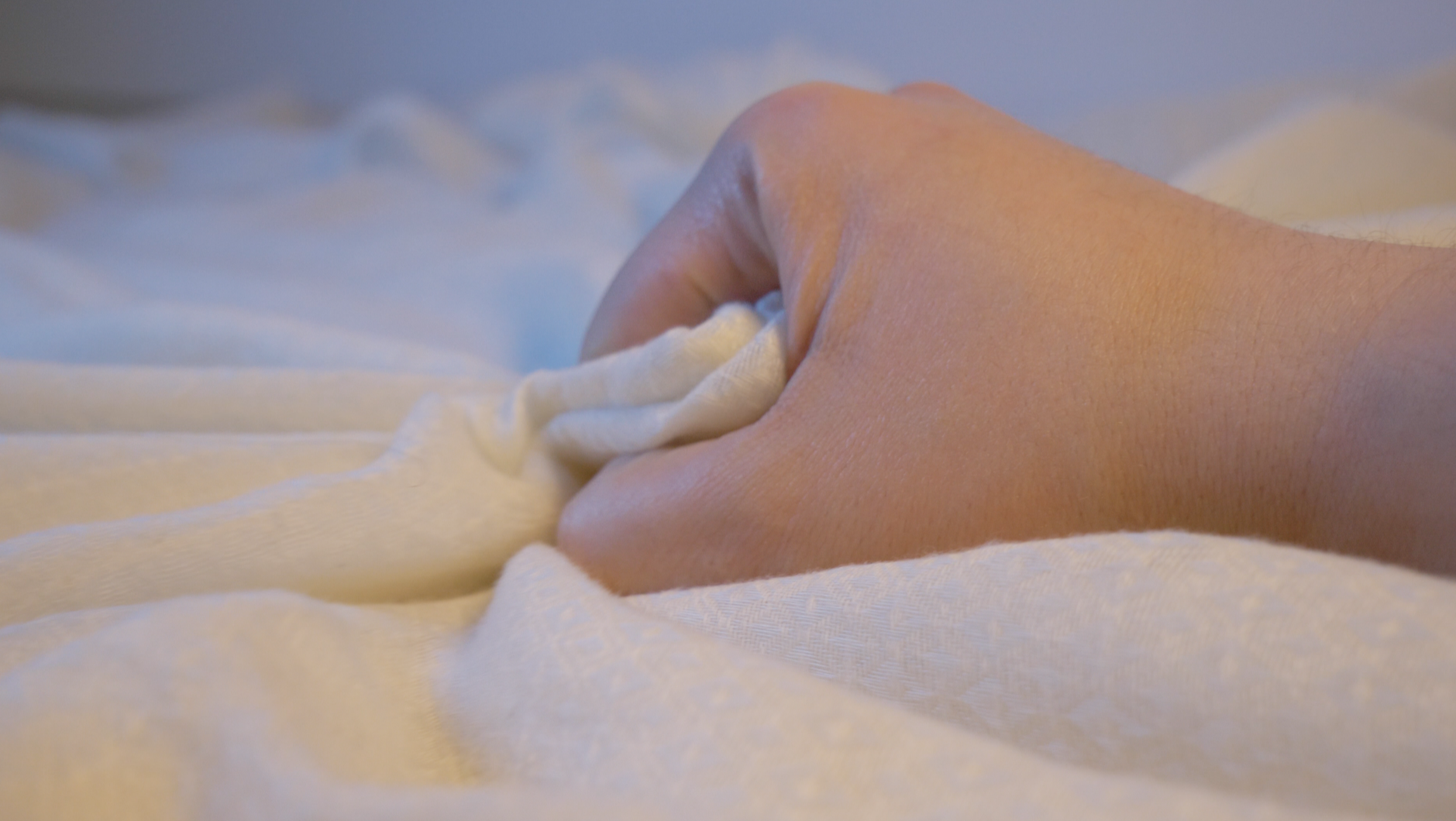
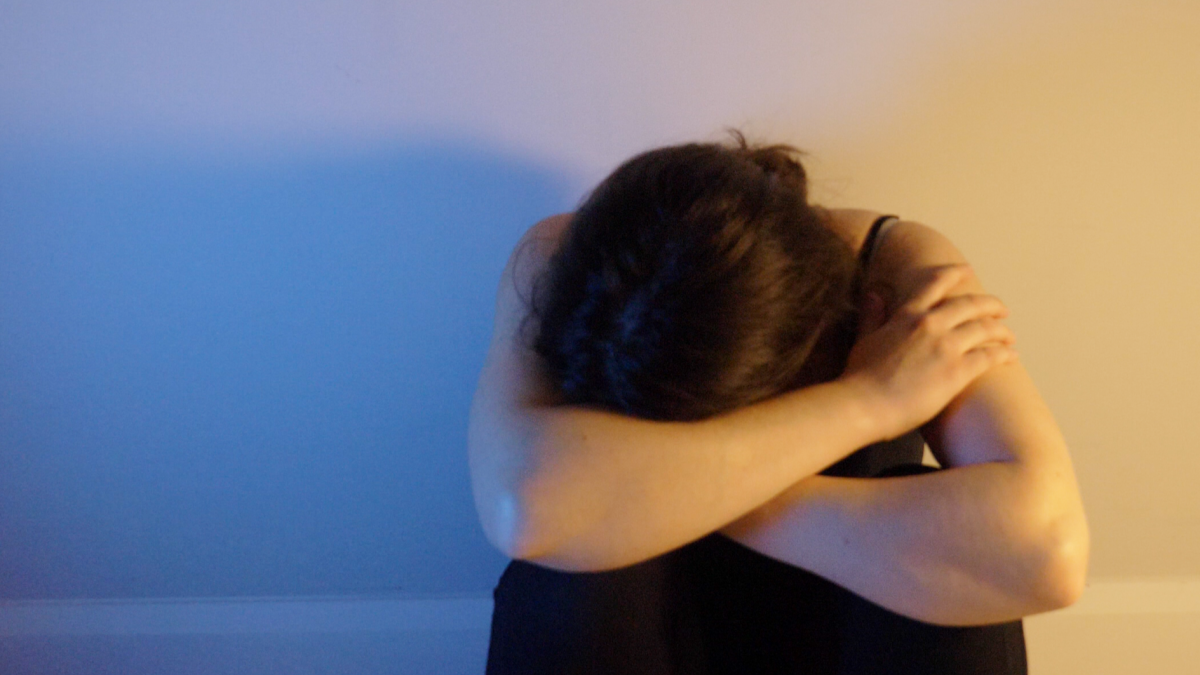
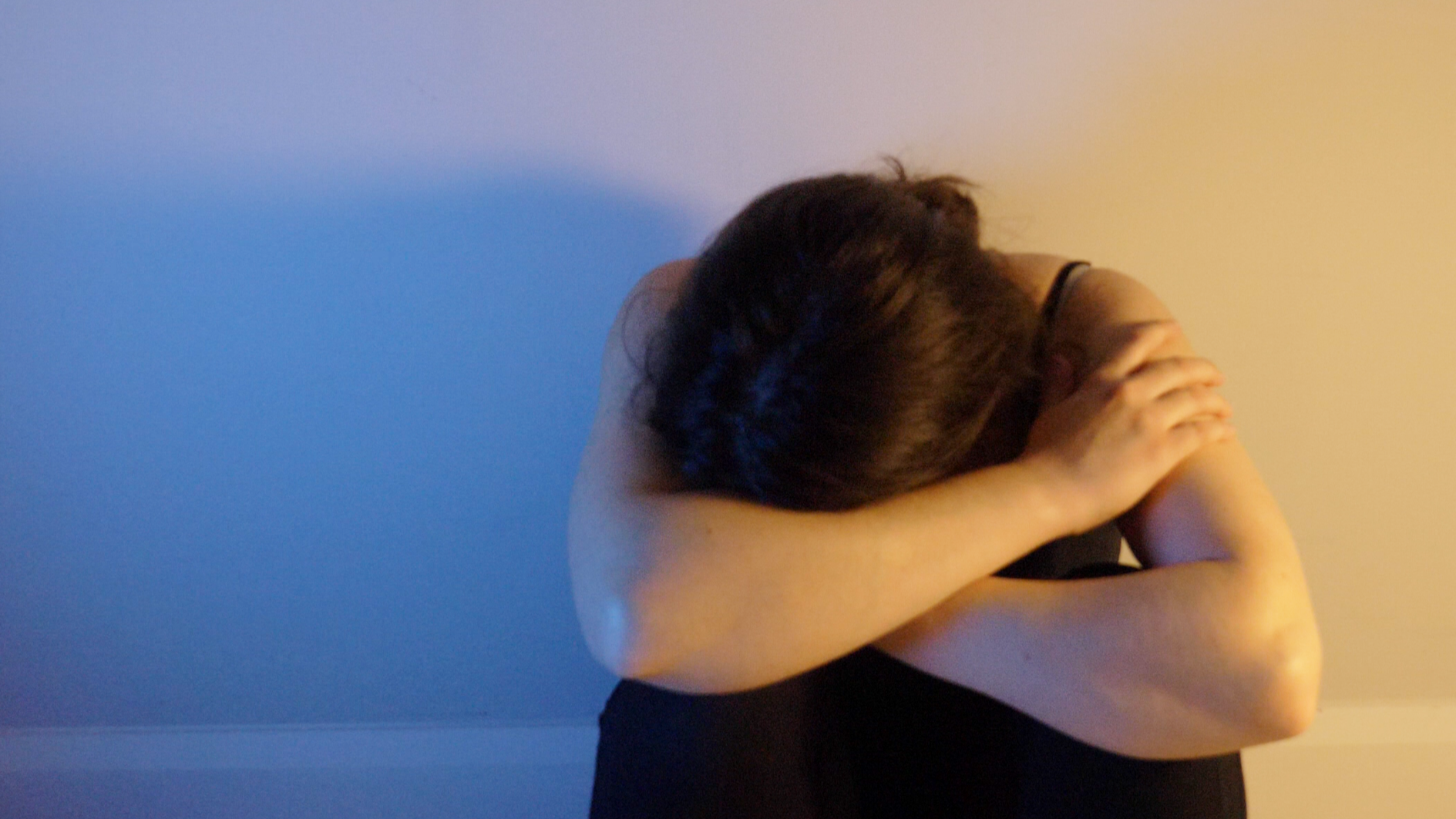
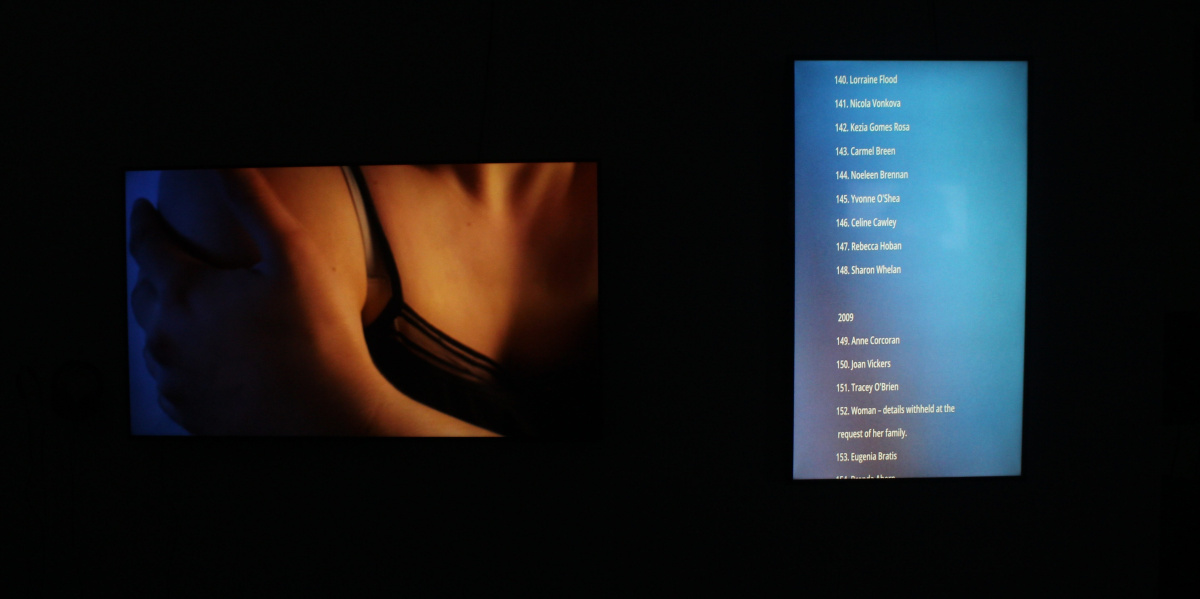
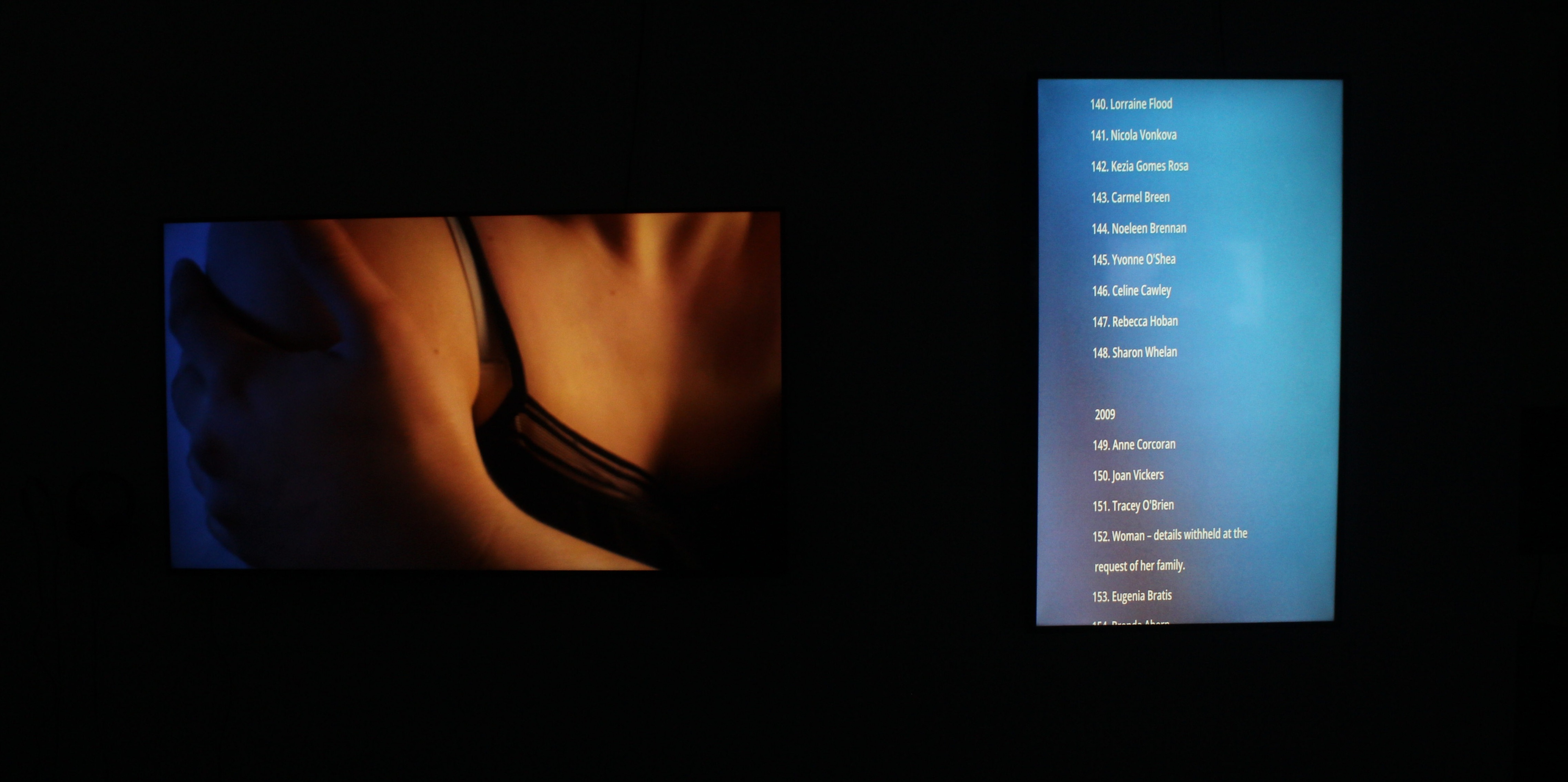
Her main objective with this installation is to speak out about the reality of femicide and raise awareness of this ongoing issue. Femicide is often overlooked by politicians and political leaders due to other dominant political concerns, despite remaining a persistent cause of unnatural death in women worldwide. It highlights the inequality between men and women that still exists in society today and serves as a reminder that we cannot claim to live in a truly equal society while women across the world continue to lose their lives to gender-based violence.
Through this artwork, she wants her audience to reflect on the text displayed on the screens and on the names of the victims listed. Her aim in doing so is to make her audience think about the lives lost to femicide and to ask themselves what can be done to prevent this from continuing. Aiming to inspire people to take further action against femicide and gender-based violence to break this ongoing cycle.
Ultimately, this artwork is a call for awareness, empathy, and action, a call for a justice system that acknowledges femicide as a serious and urgent crime. This piece hopes to spark action to protect women. Alexandra expresses the urgency in this piece by cutting sharply between repetitive scenes at a fast pace to evoke a sense of recollection of memories to the audience and using text on screen to make direct statements about this issue. This artwork confronts the devastating reality of femicide and challenges the tendency to reduce victims to numbers, headlines, or statistics. Every woman lost was a human being with a life, a voice, and people who loved her — a mother, daughter, sister, friend, colleague, or aunt. Through this piece, she aims to restore that humanity and demand that these lives lost to femicide are remembered with dignity rather than forgotten through silence or indifference.
This artwork also serves as a call for change, and is a reminder that a truly civilised society cannot exist while violence against women continues to be normalised, ignored, or excused. The equality between men and women is not simply an ideal, as it is necessary in creating a safer and more just world. By confronting loss and challenging complacency, this artwork encourages reflection, accountability, and collective action toward a future free from gender-based violence.
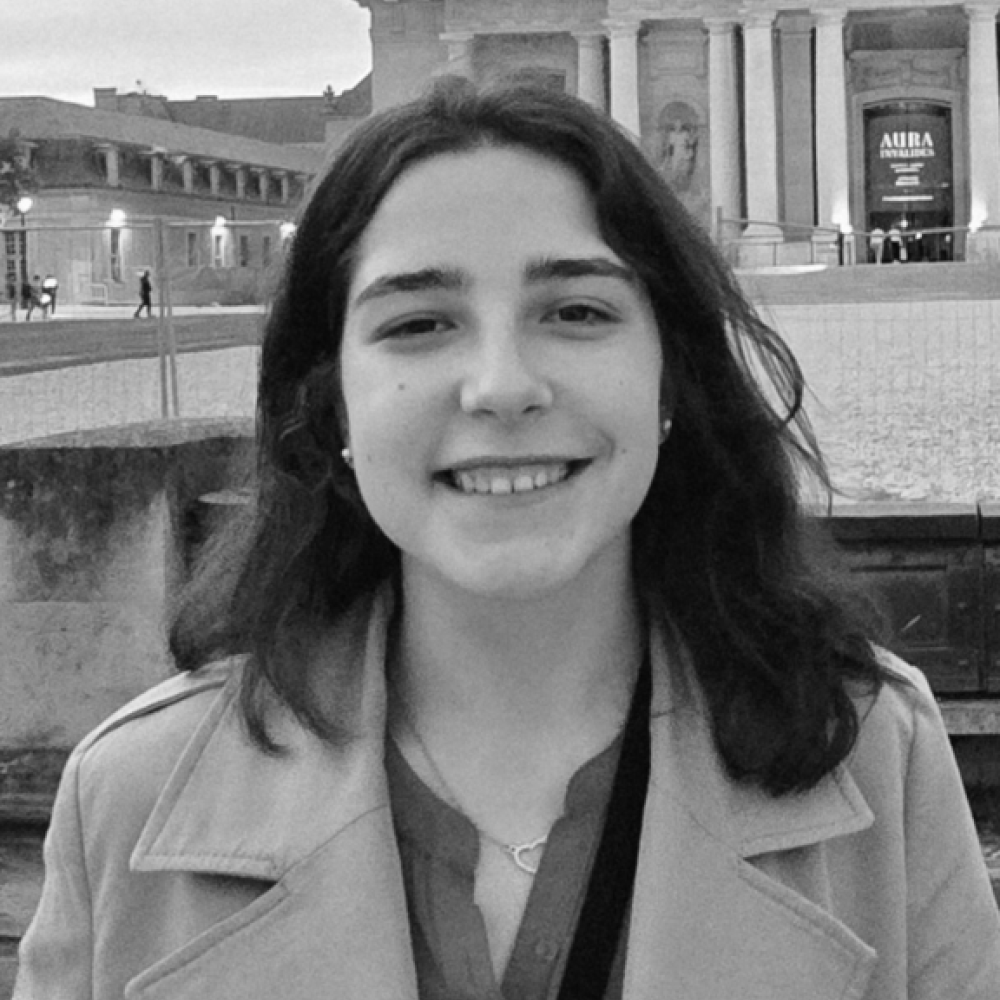
Alexandra Diaconu is a contemporary artist based in Dublin, working primarily with moving image. Alexandra’s work engages with concepts ranging from personal experiences to political issues. She often focuses on raw emotions, but she abstracts these emotions through editing strategies. Her work aims to show how art can be used to speak up about important matters. She has exhibited in **The Place Project** at IMMA Studios (2023), **Electric Picnic’s Artist Trail** (2023), The Digital Hub (2024), **Better than Ambrosia**, curated by Dylan Yearsley at the Orangery at Marlay park (2025) and **Down the road around the corner** at Pallas Projects/Studios (2026).