Kateryna Shuliak
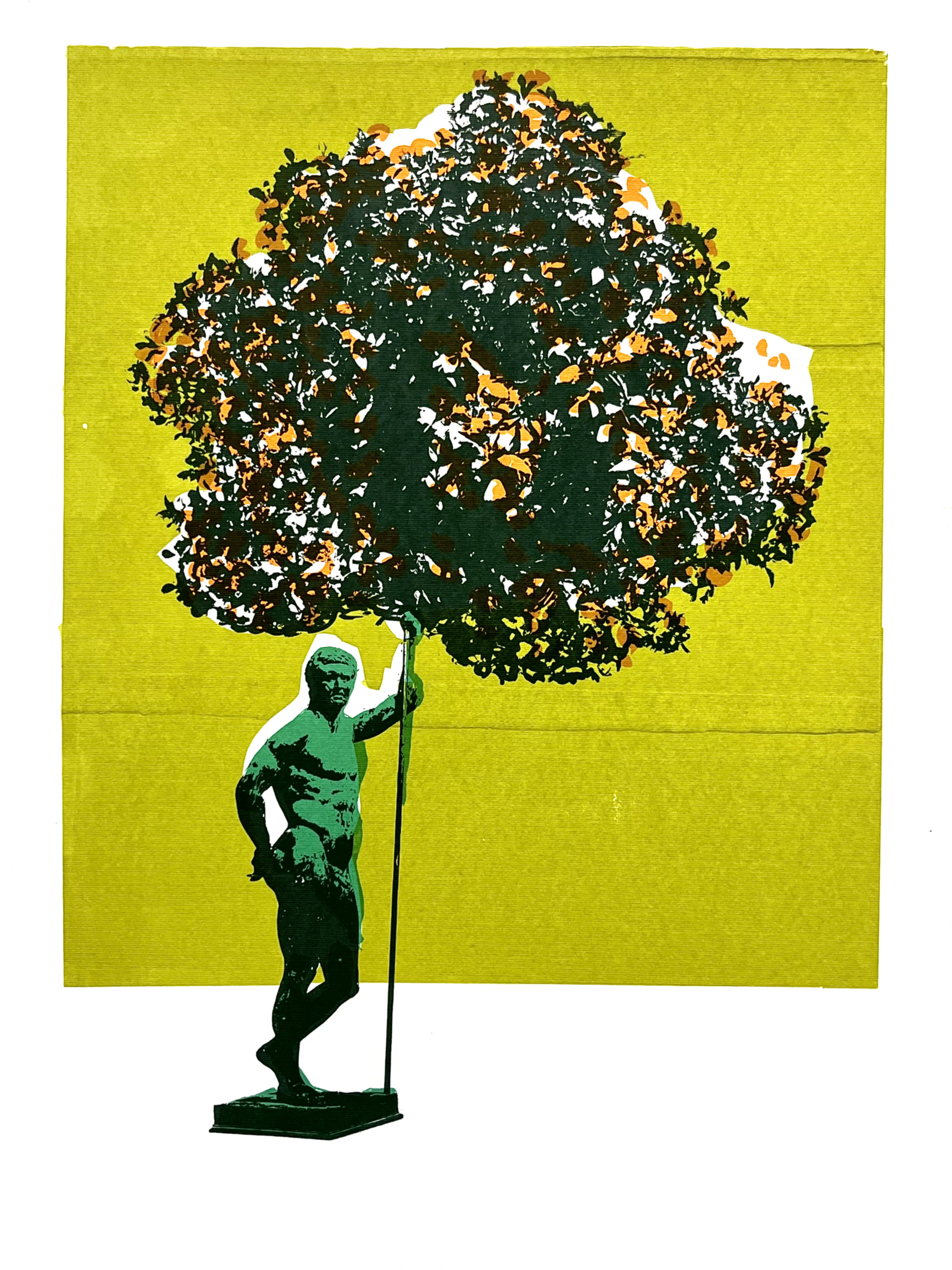
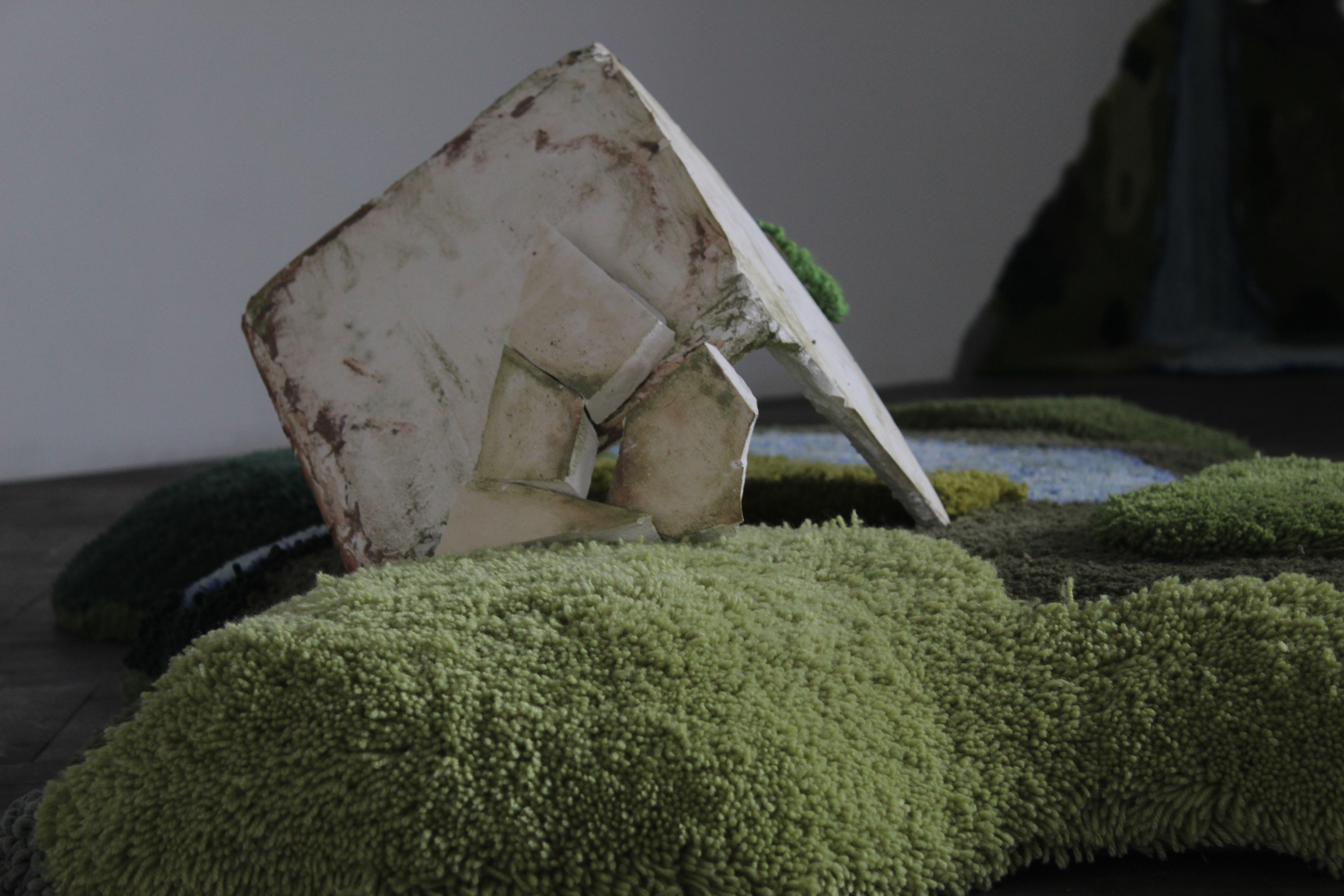
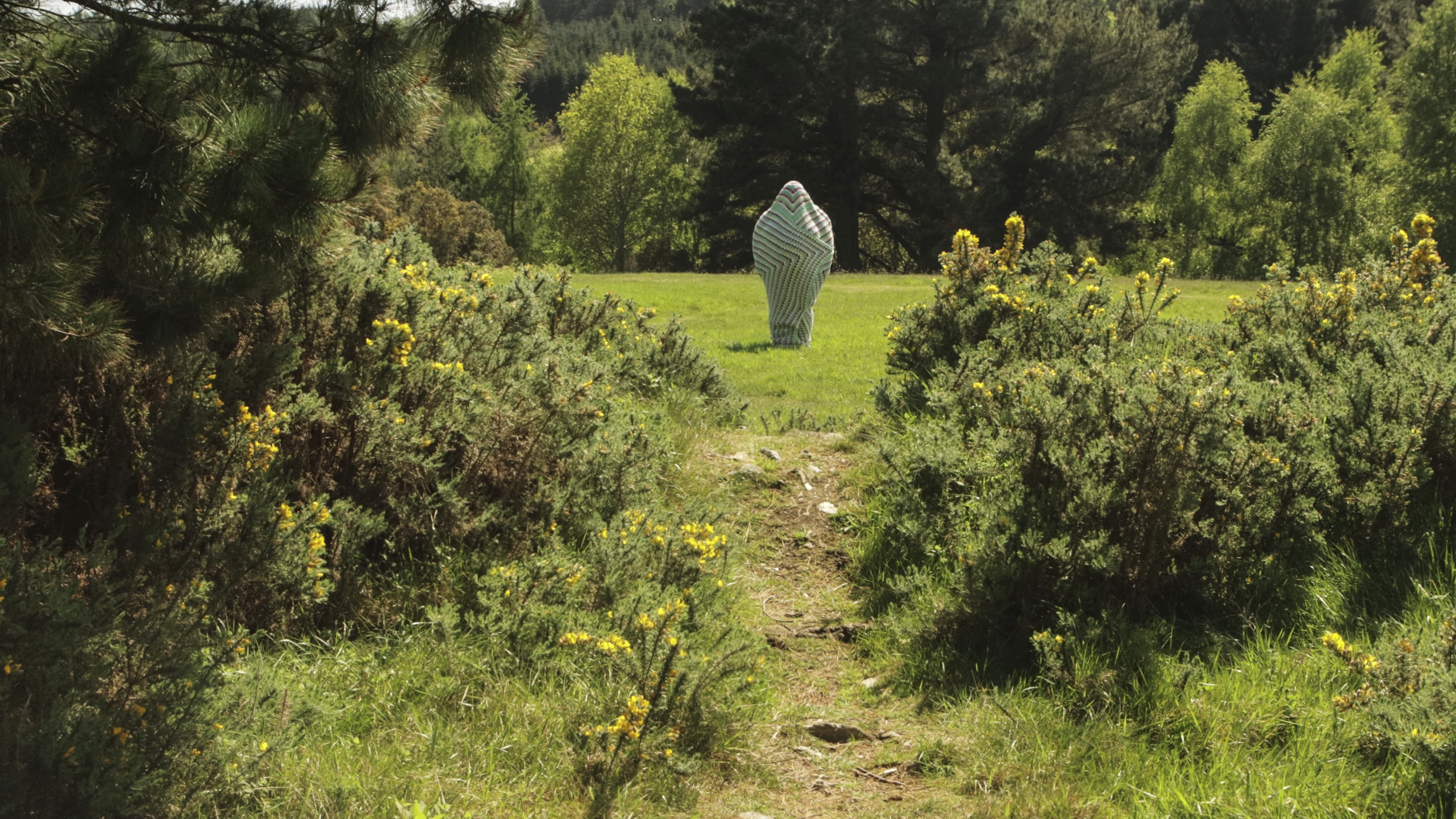
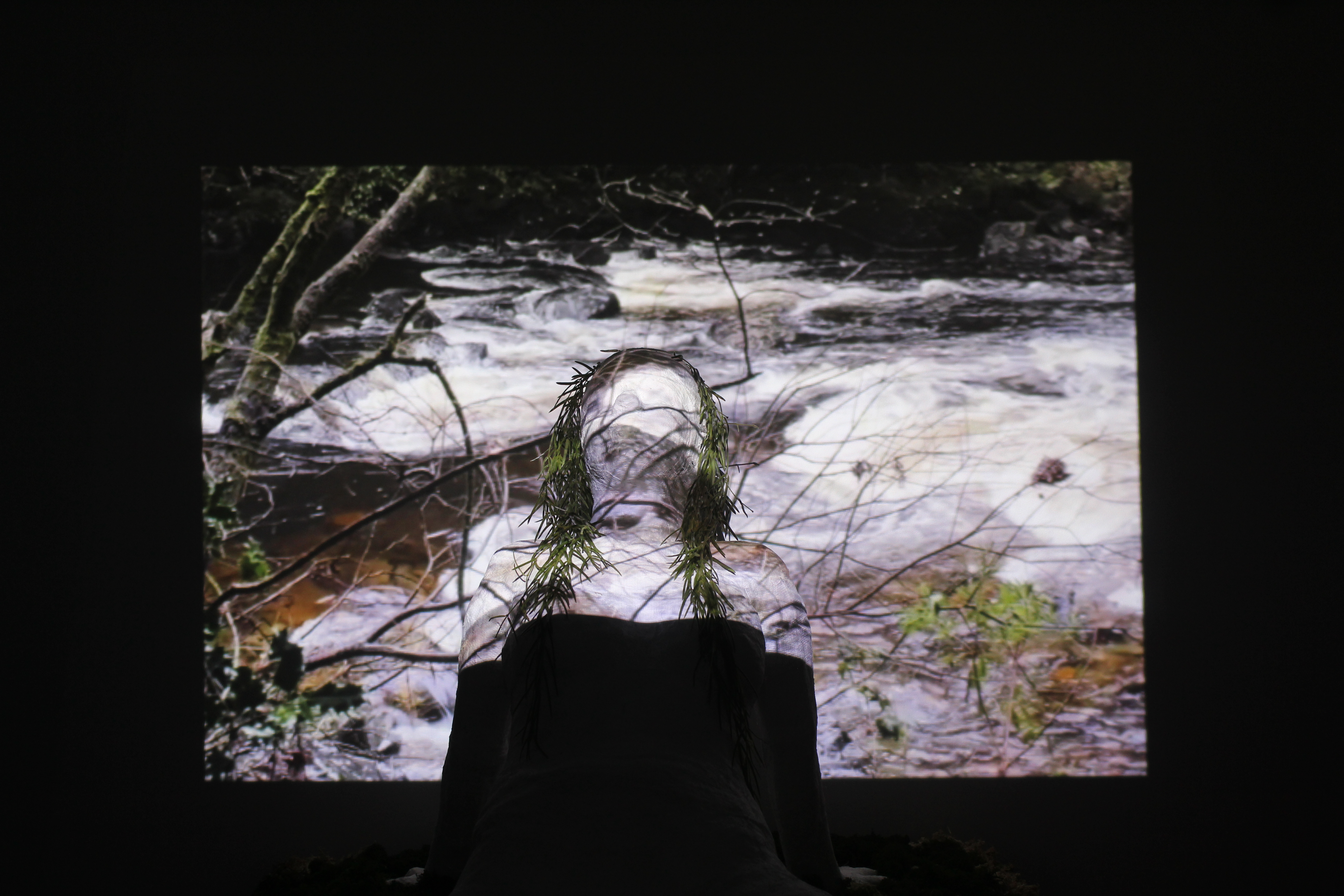
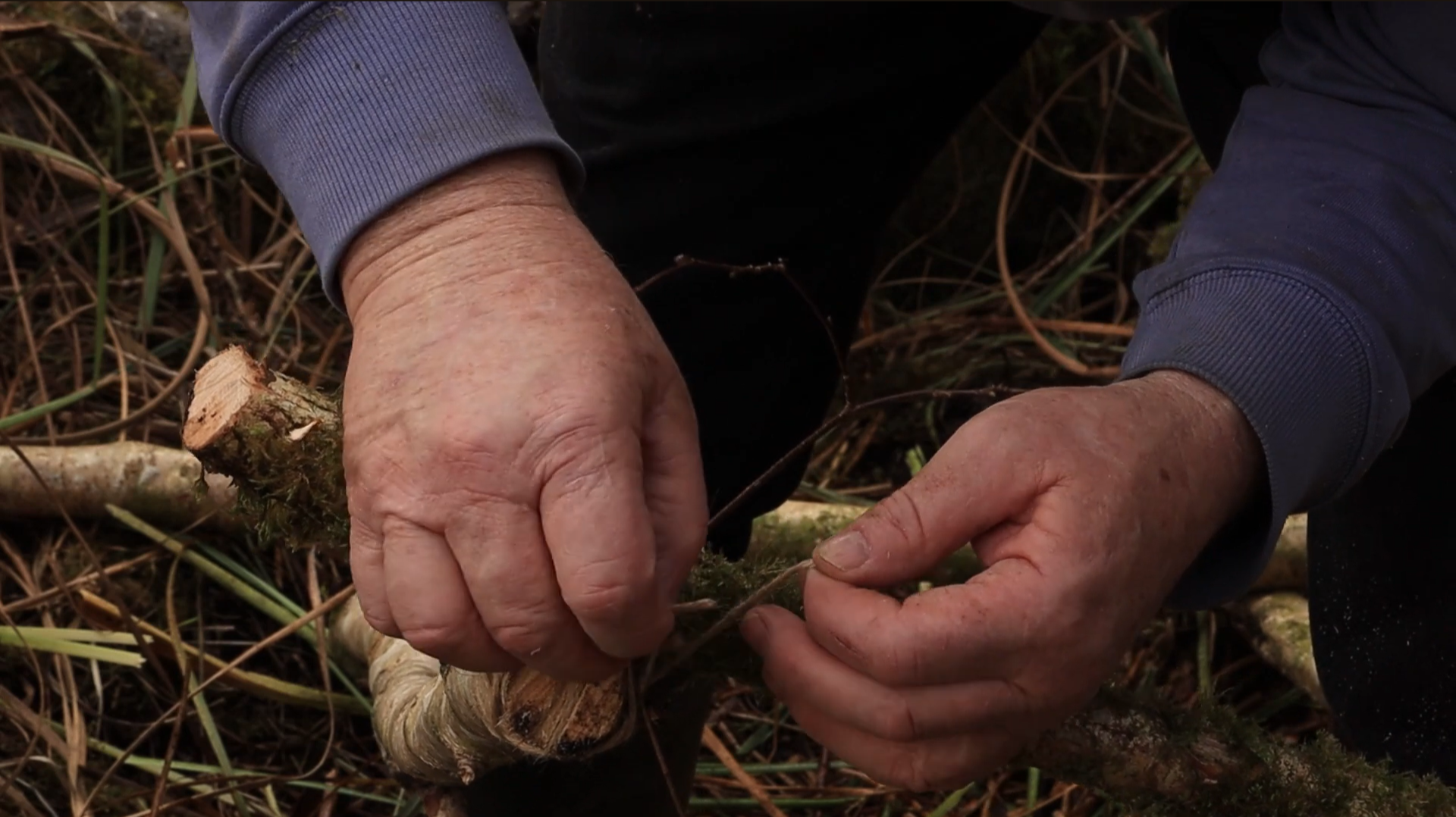
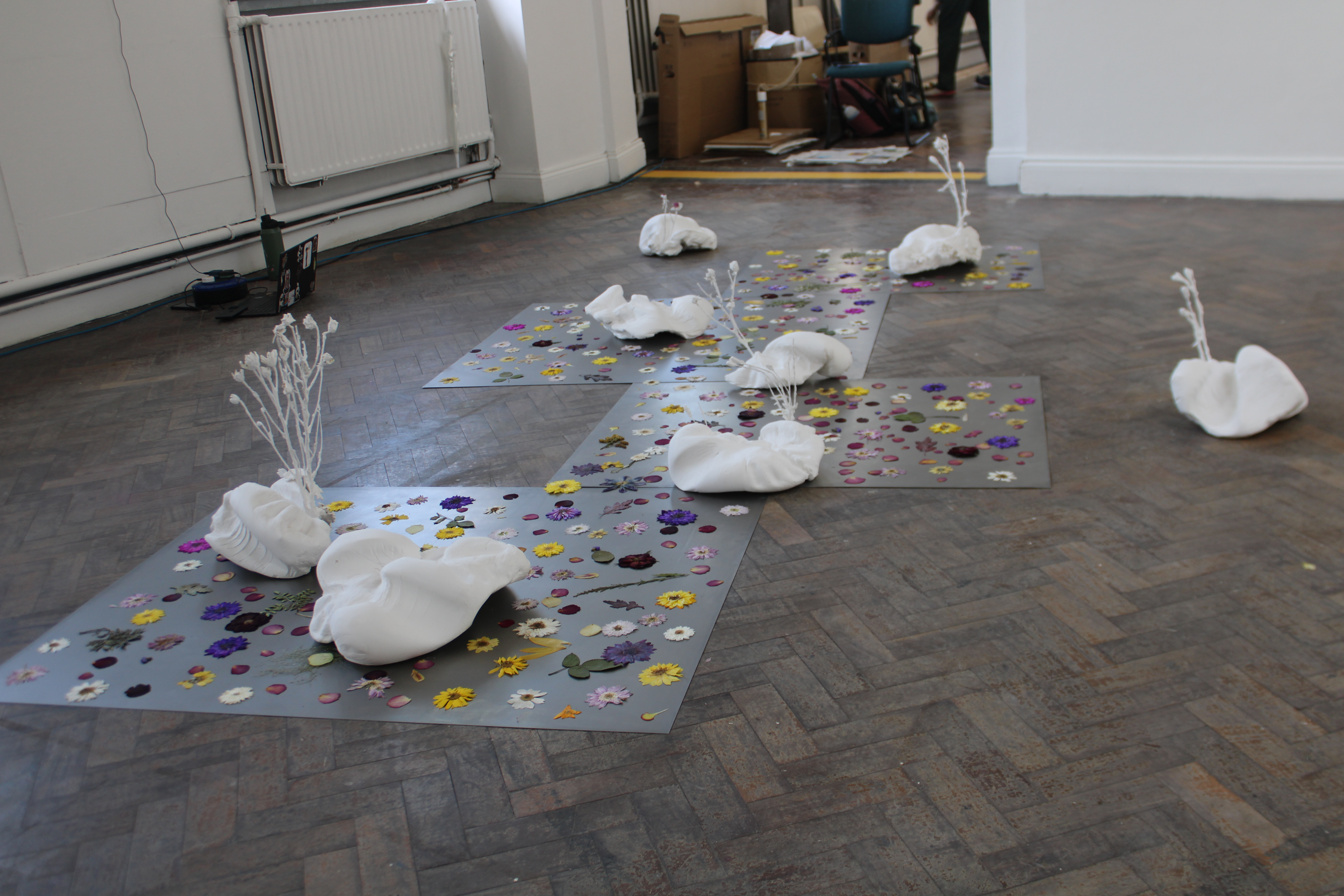
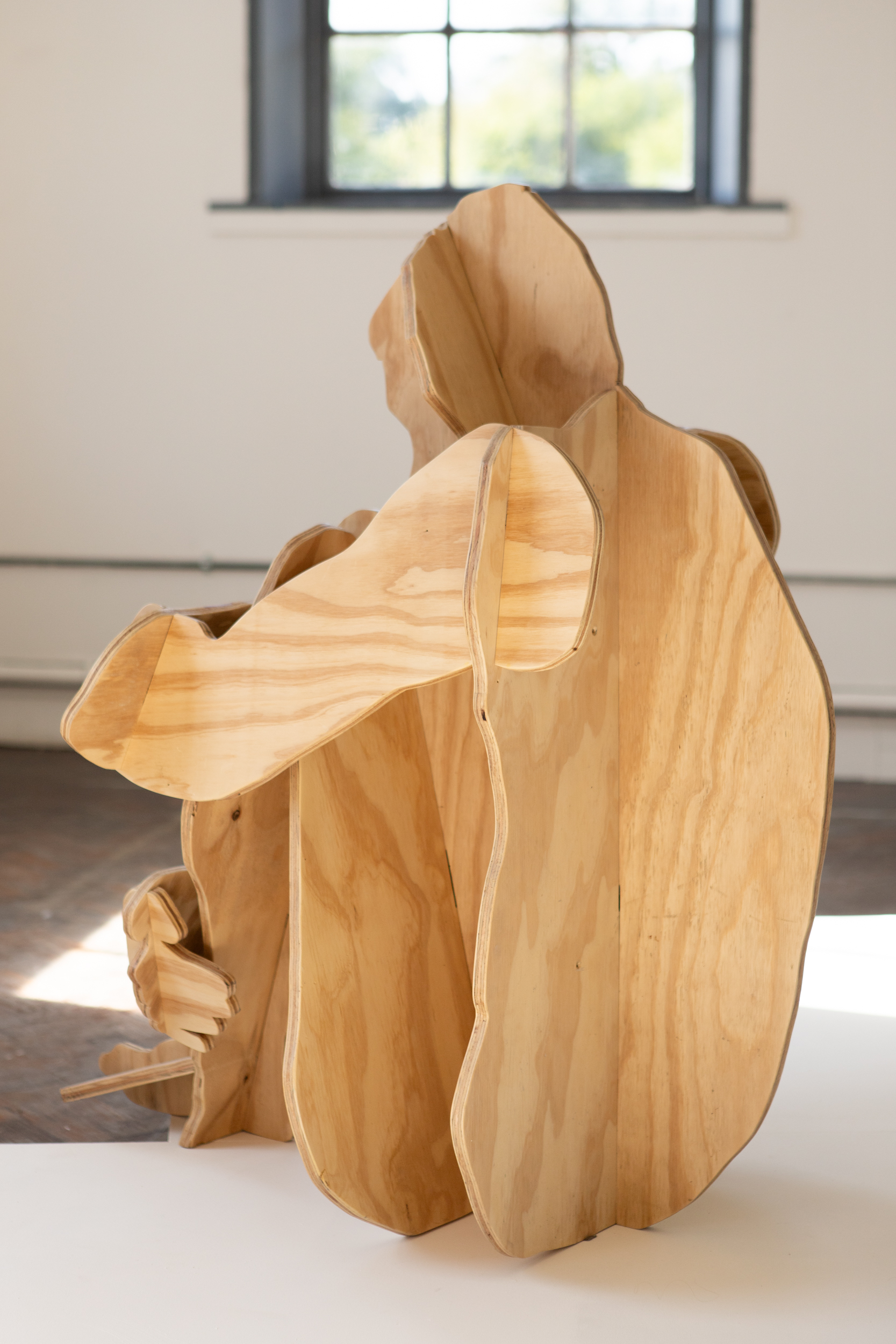
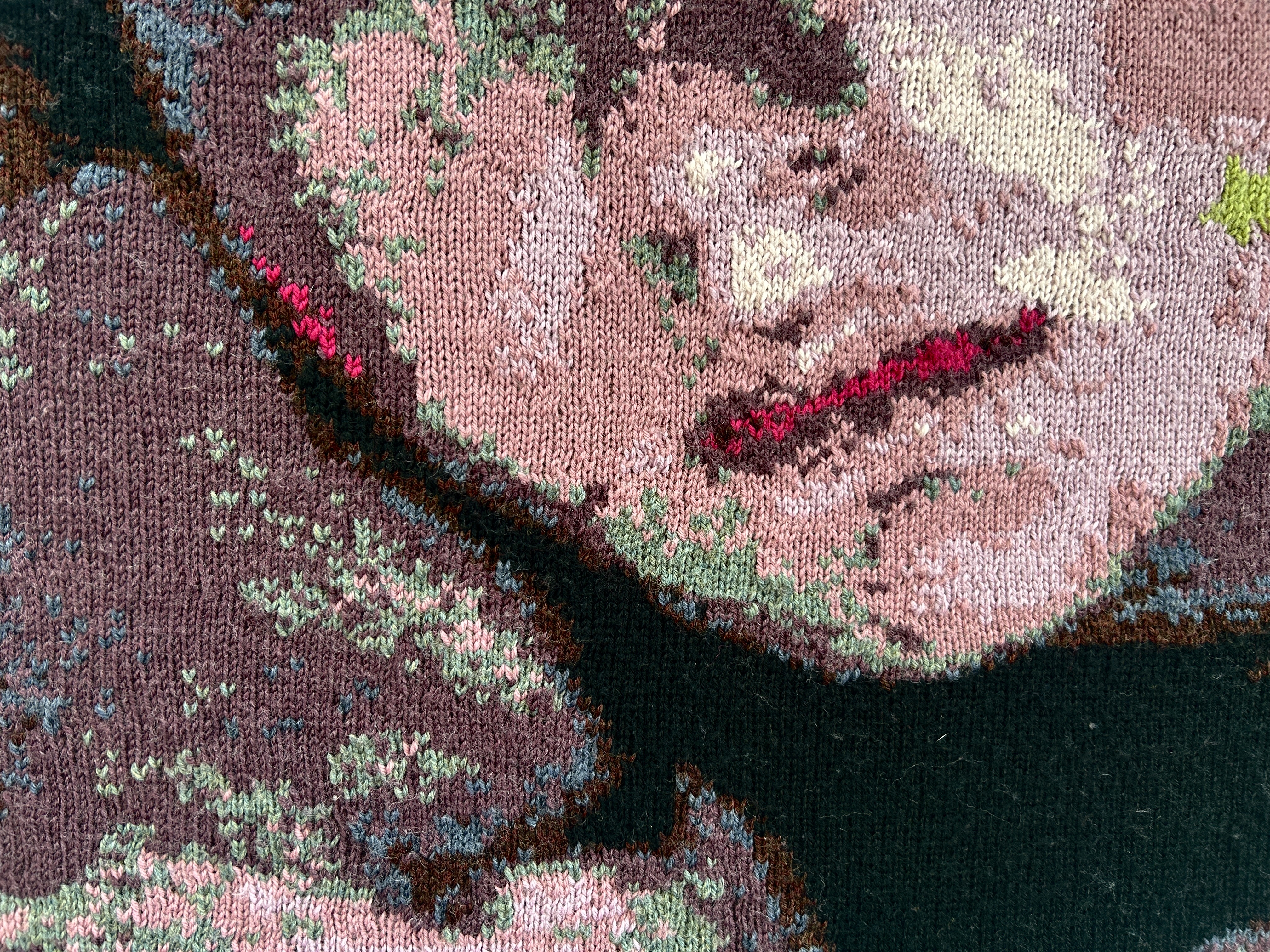
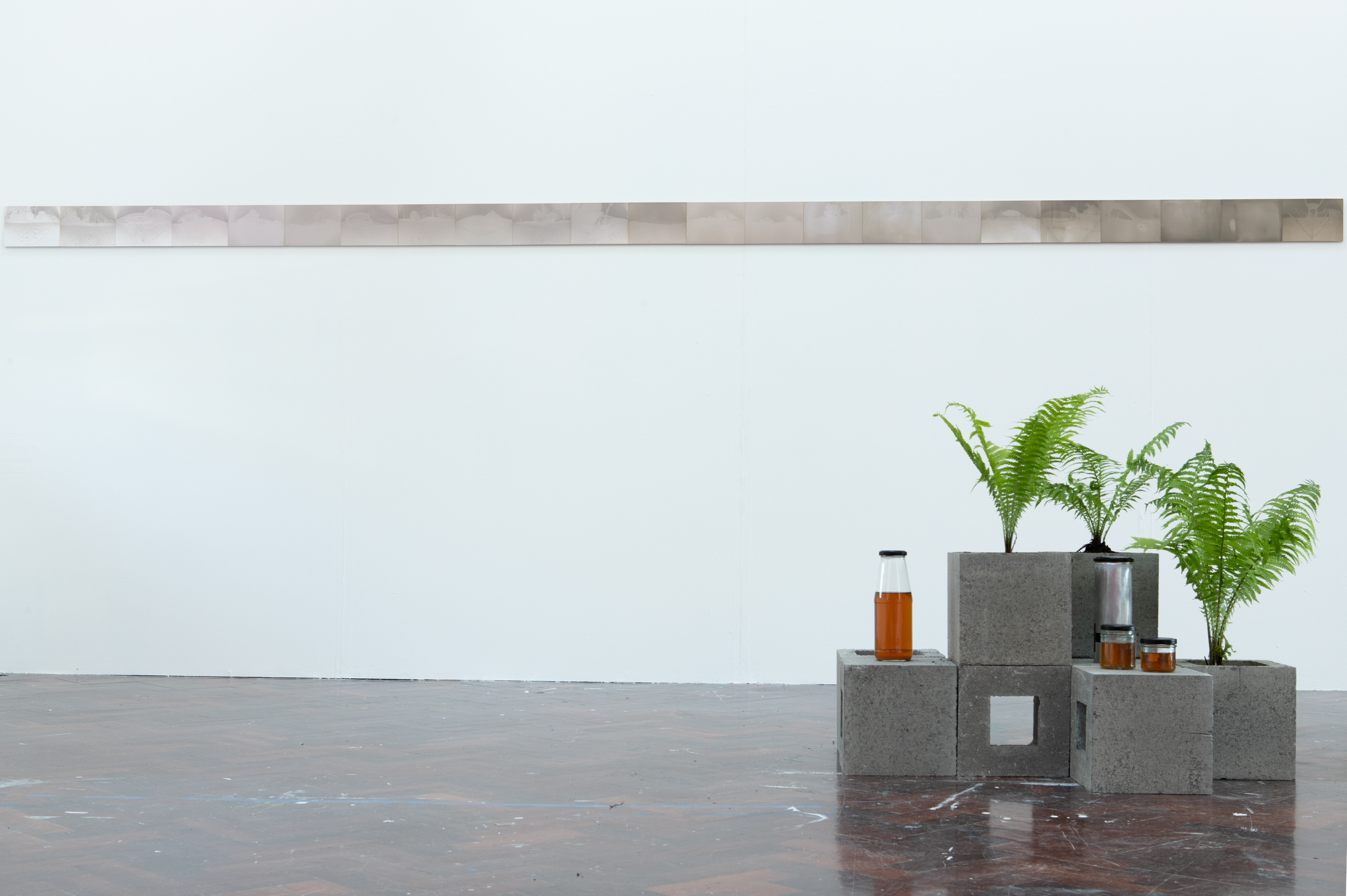
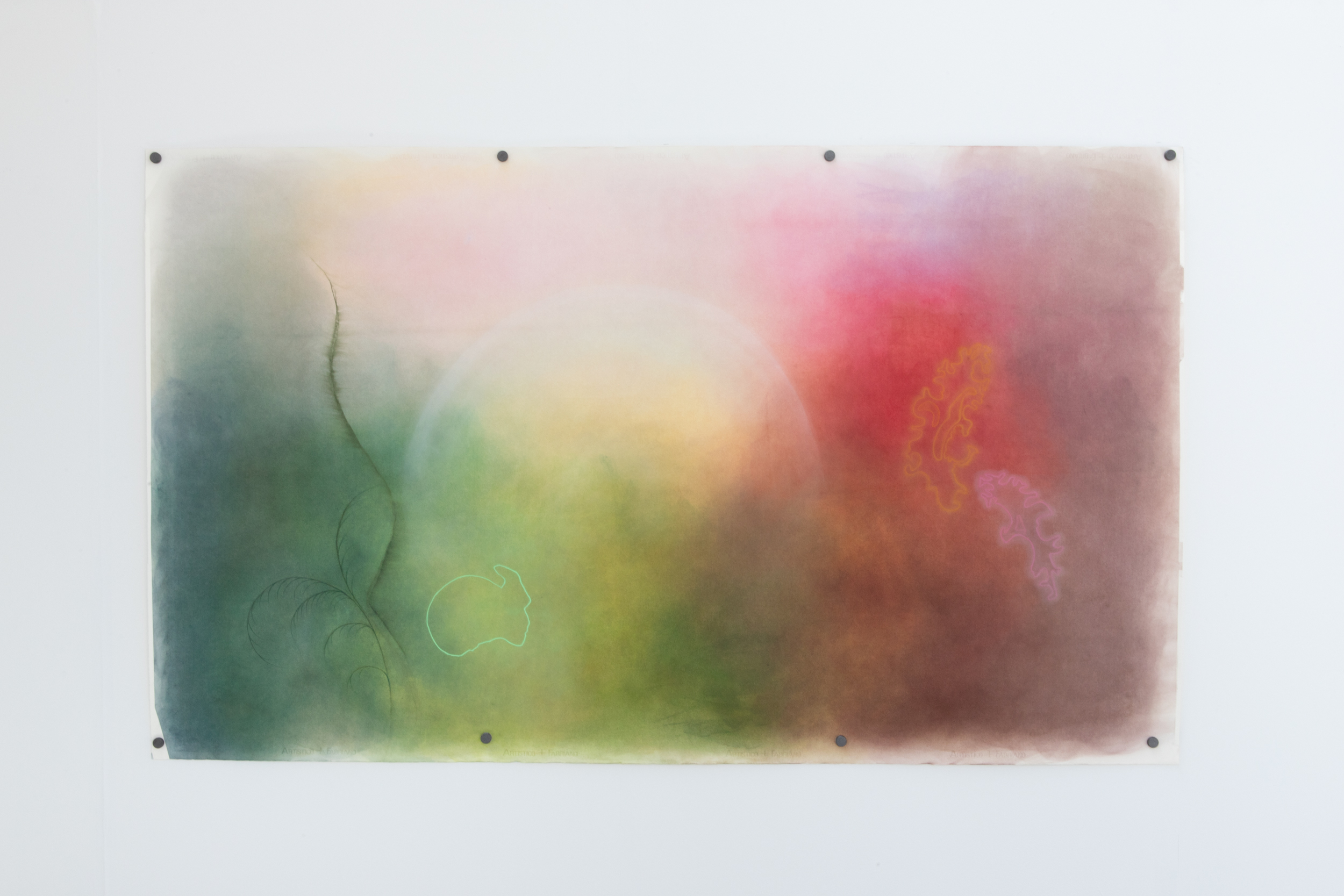
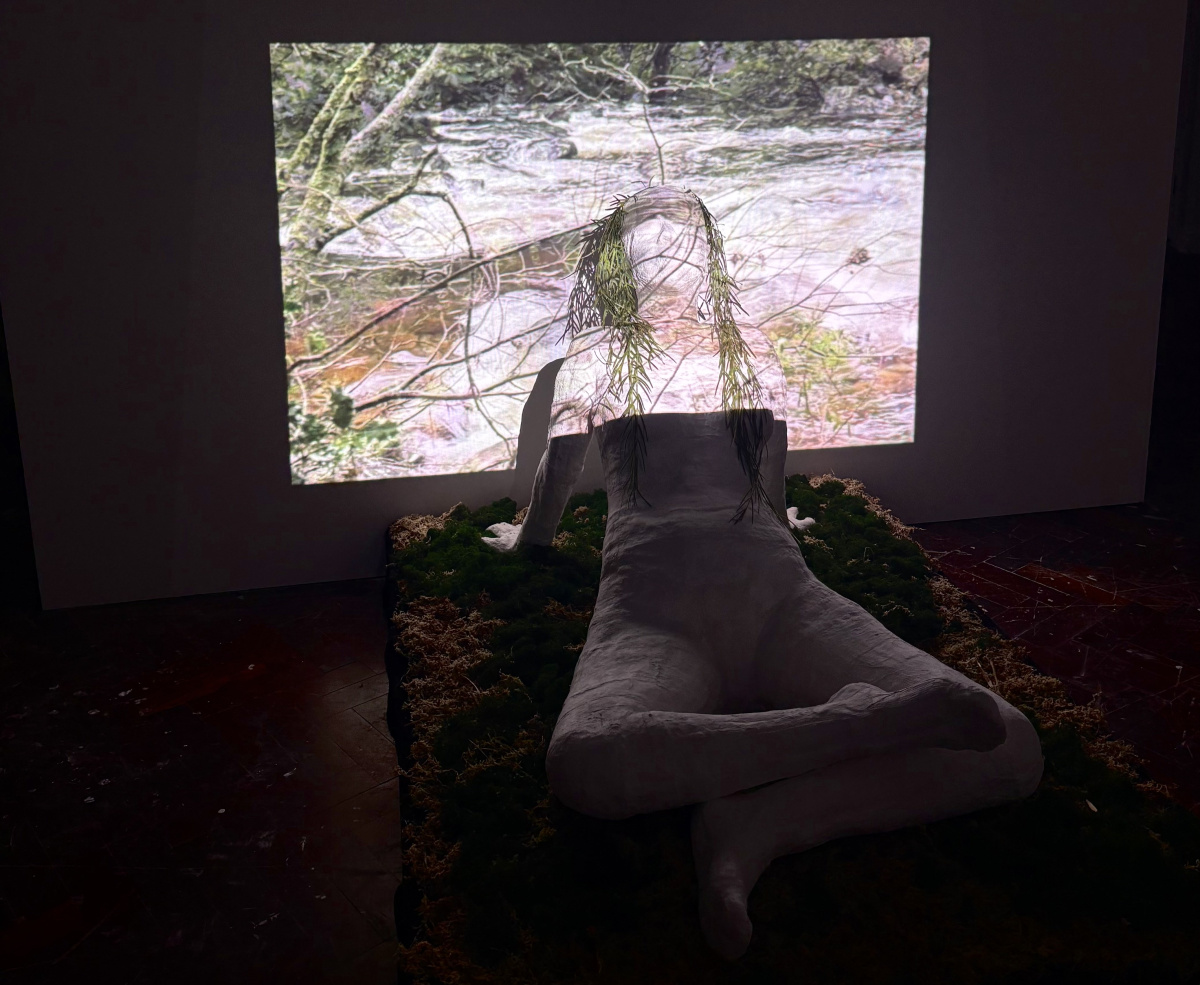
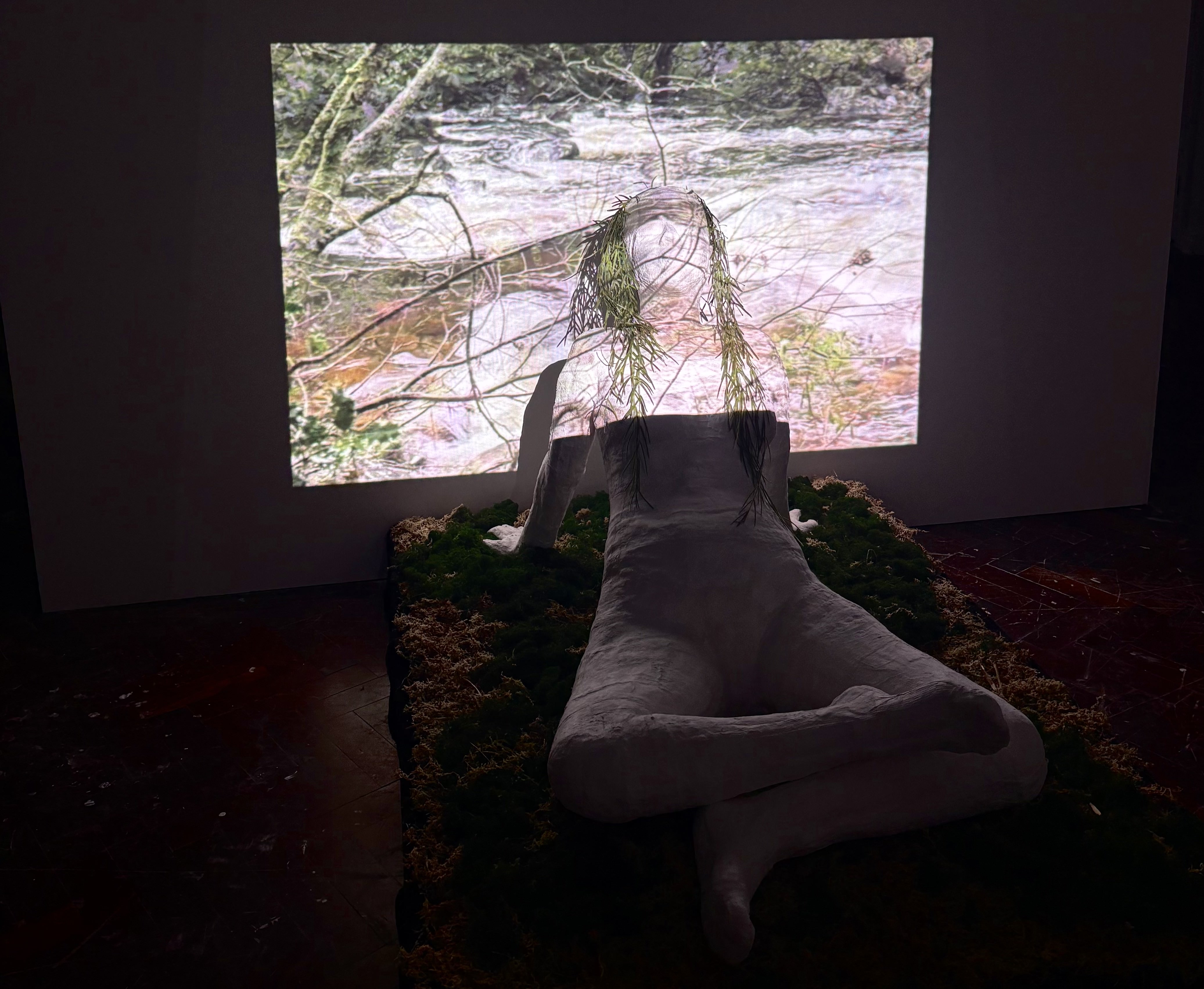
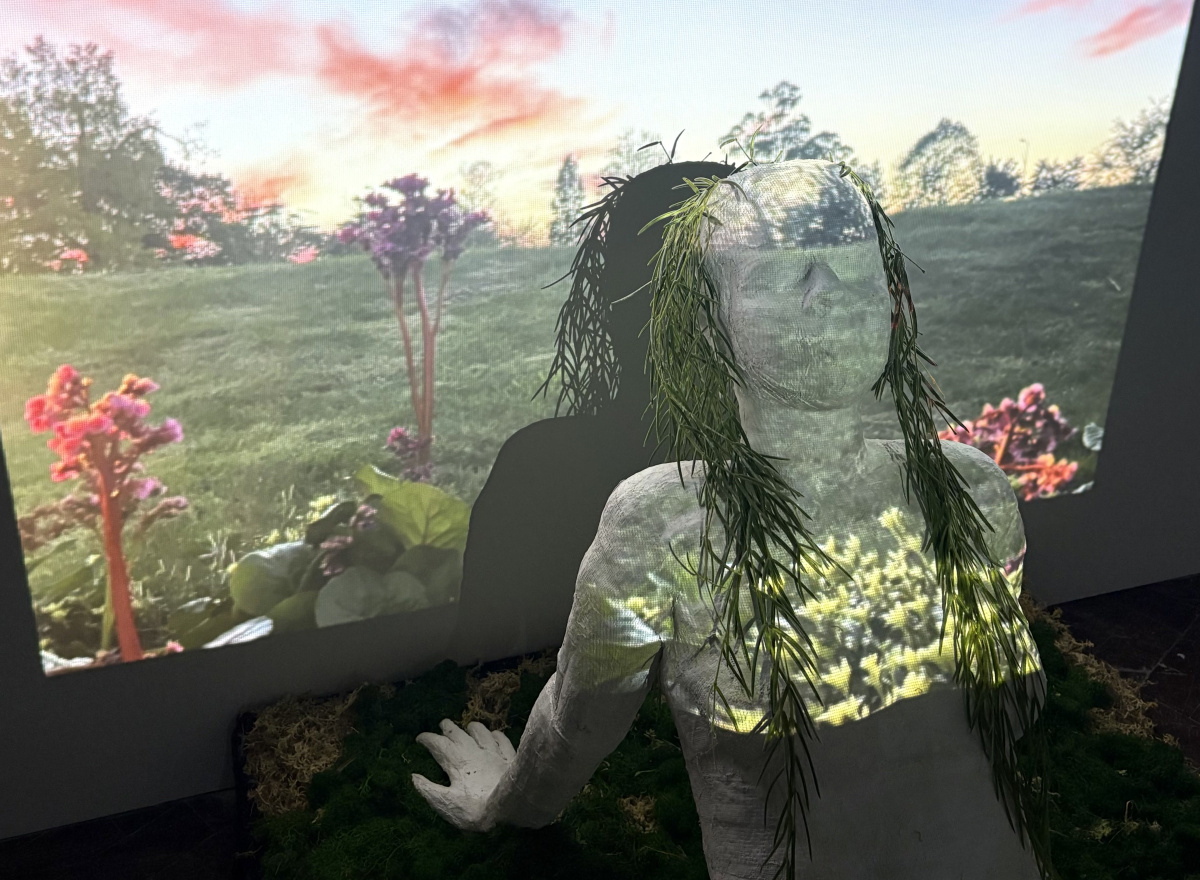
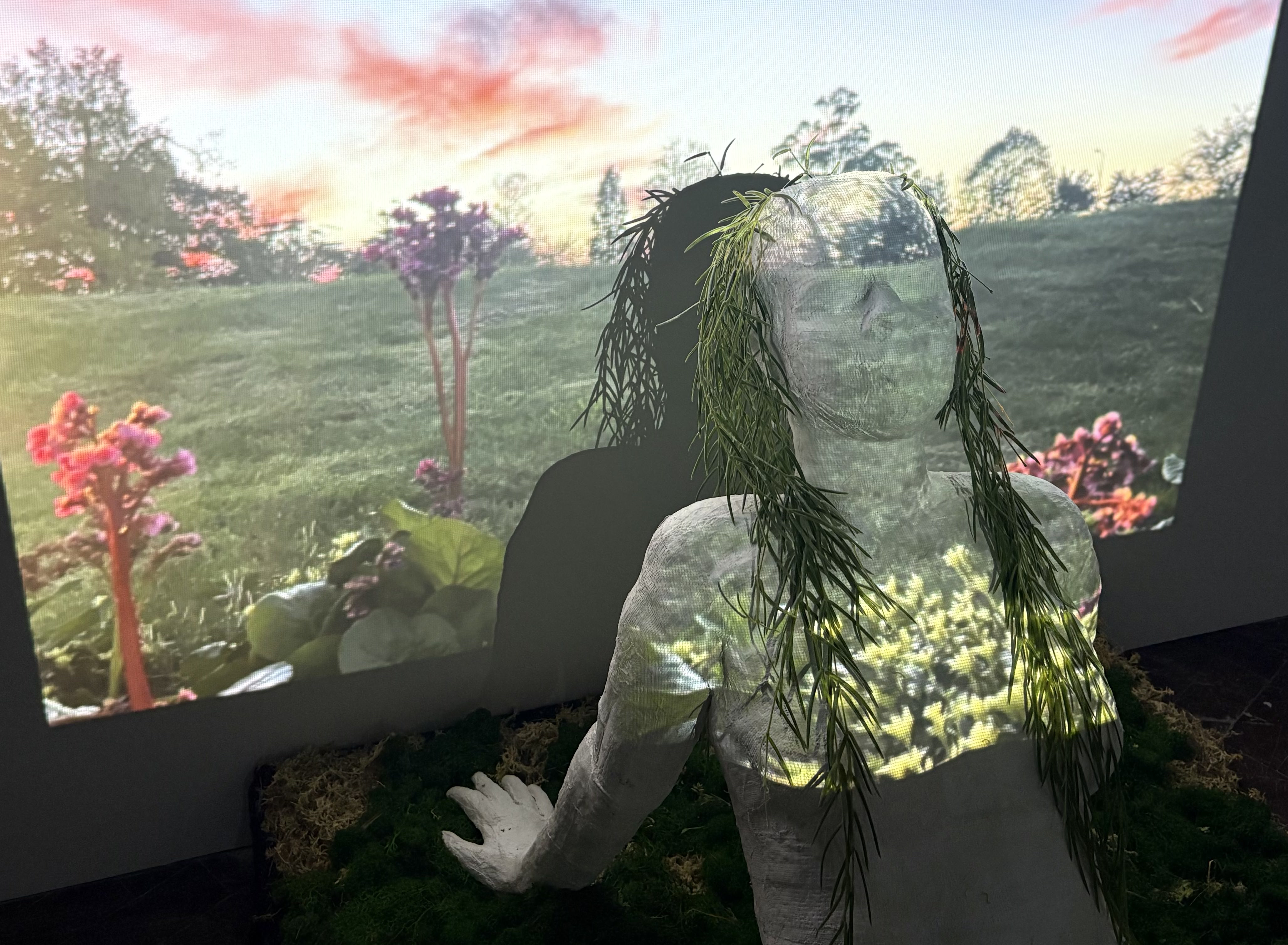
This work reflects on a sense of belonging formed through time and lived experience. A human figure is transformed into a living structure, with a plant emerging from the head and moss grounding the body, suggesting the process of taking root in a new place. The use of organic materials introduces ideas of growth, adaptation, and quiet transformation. While the work acknowledges distance from the past, it does not deny it; rather, it suggests a shift from longing towards presence.
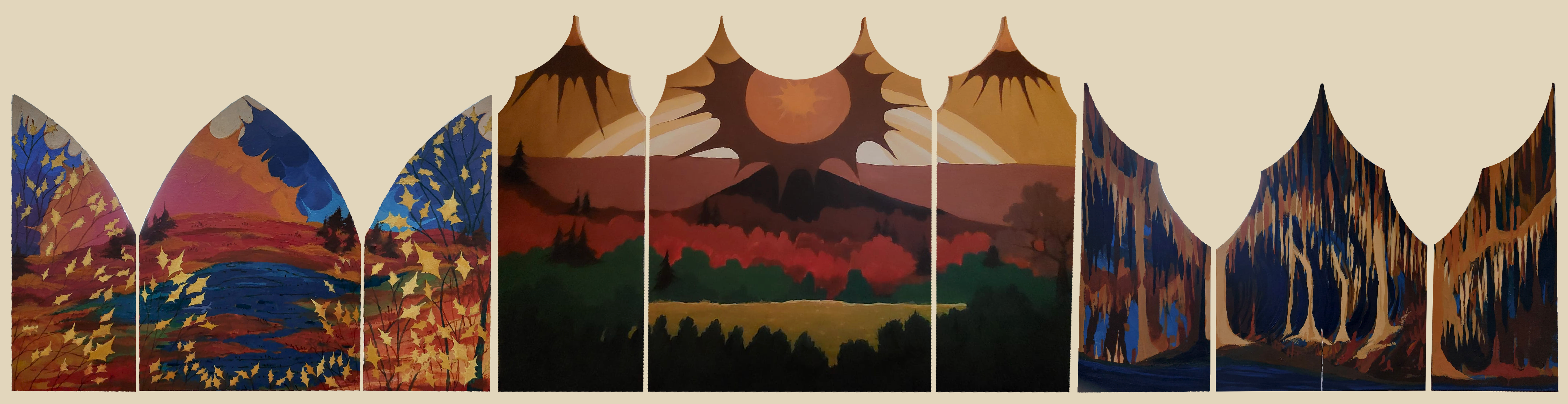
This thesis examines modern Ukrainian art as a kind of cultural pushback, molded by the shocks of politics, fighting, and people getting uprooted ever since that Revolution of Dignity back in 2013 to 2014. Instead of seeing art just as an echo of all the political mess, my work puts creative efforts right in the thick of battles over what we remember, who we are, and how history gets told. Pulling from ideas about cultural recall and various media forms; the analysis breaks down ways artists build up witness accounts, hold onto lived moments, fight against things getting wiped out amid this endless strife.
Take the examples from Yevhen Gladenko's big wall tributes that honour the fallen, or Hamlet Zinkivskyi's simple street pieces that nudge folks to think, merged with Alevtina Kakhidze's personal sketches of life in wartime, and you see the thesis laying out varied tactics for standing firm. Grand-scale remembering: calls to moral conscience; deeply private records of one's own story. Then it digs into how shows abroad, community-driven collections, networks of folks scattered worldwide spread Ukrainian works around the globe, turning hometown pains into talks that cross borders, though not without snags in how things get shown or understood.
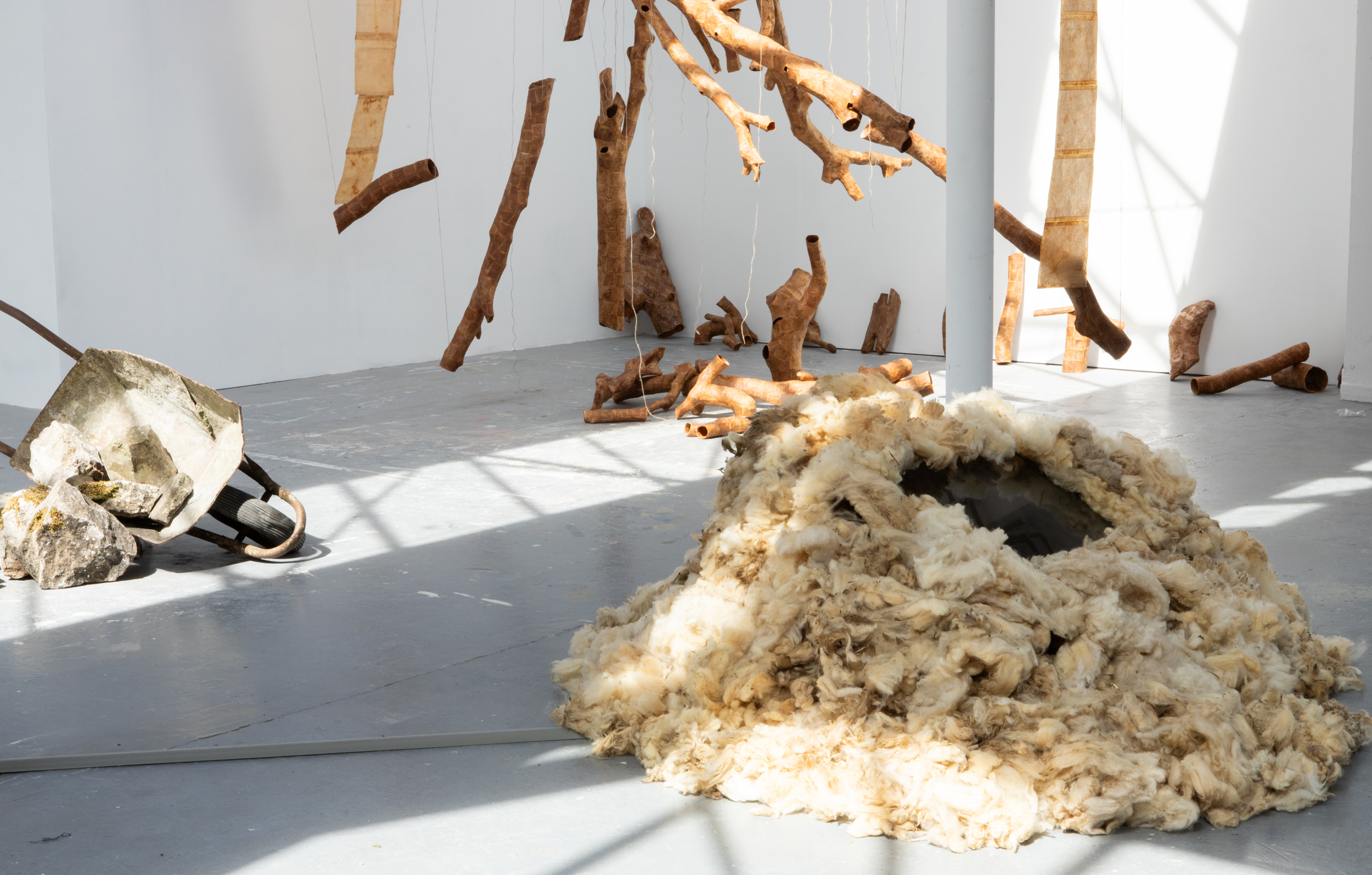
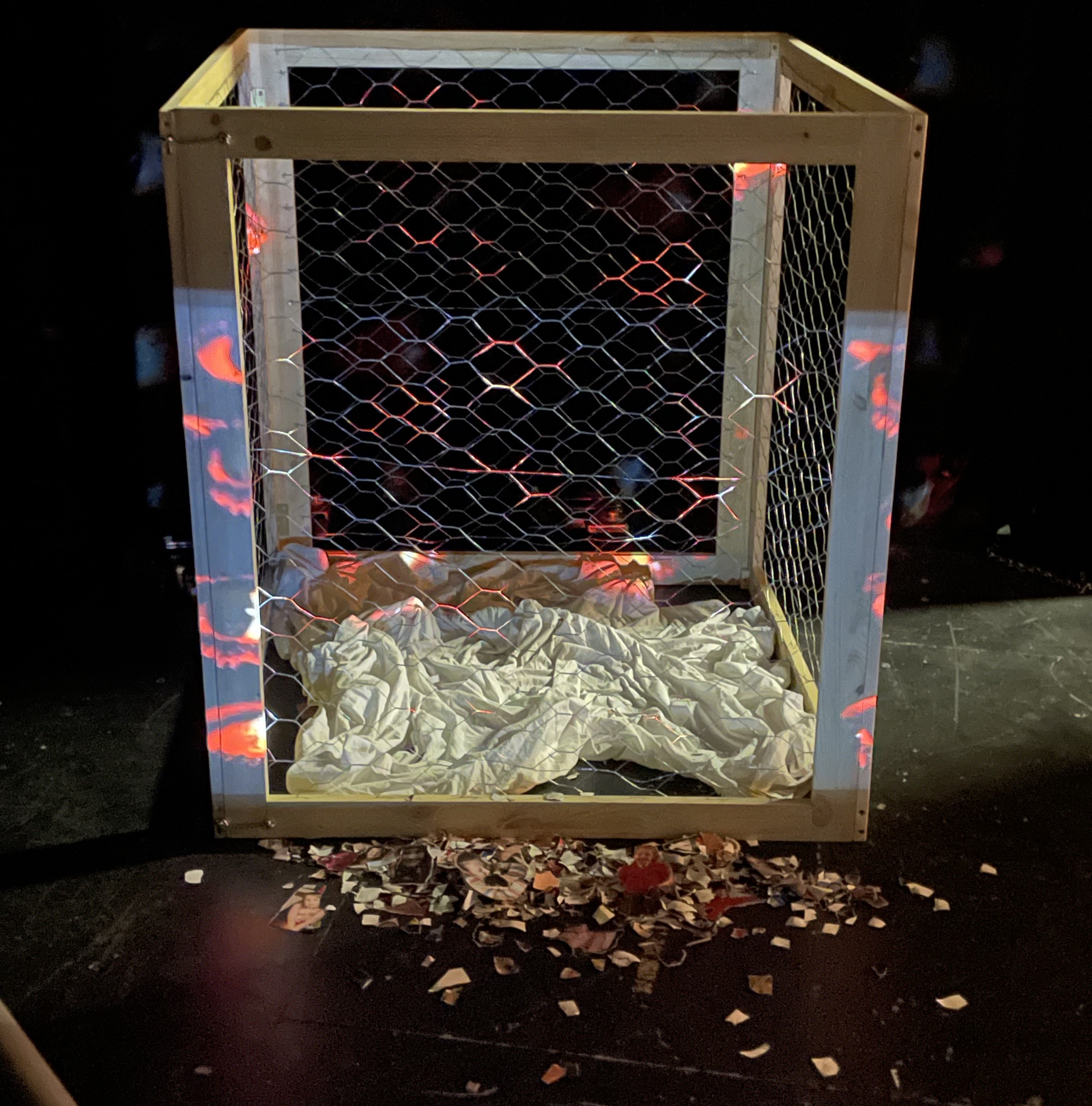
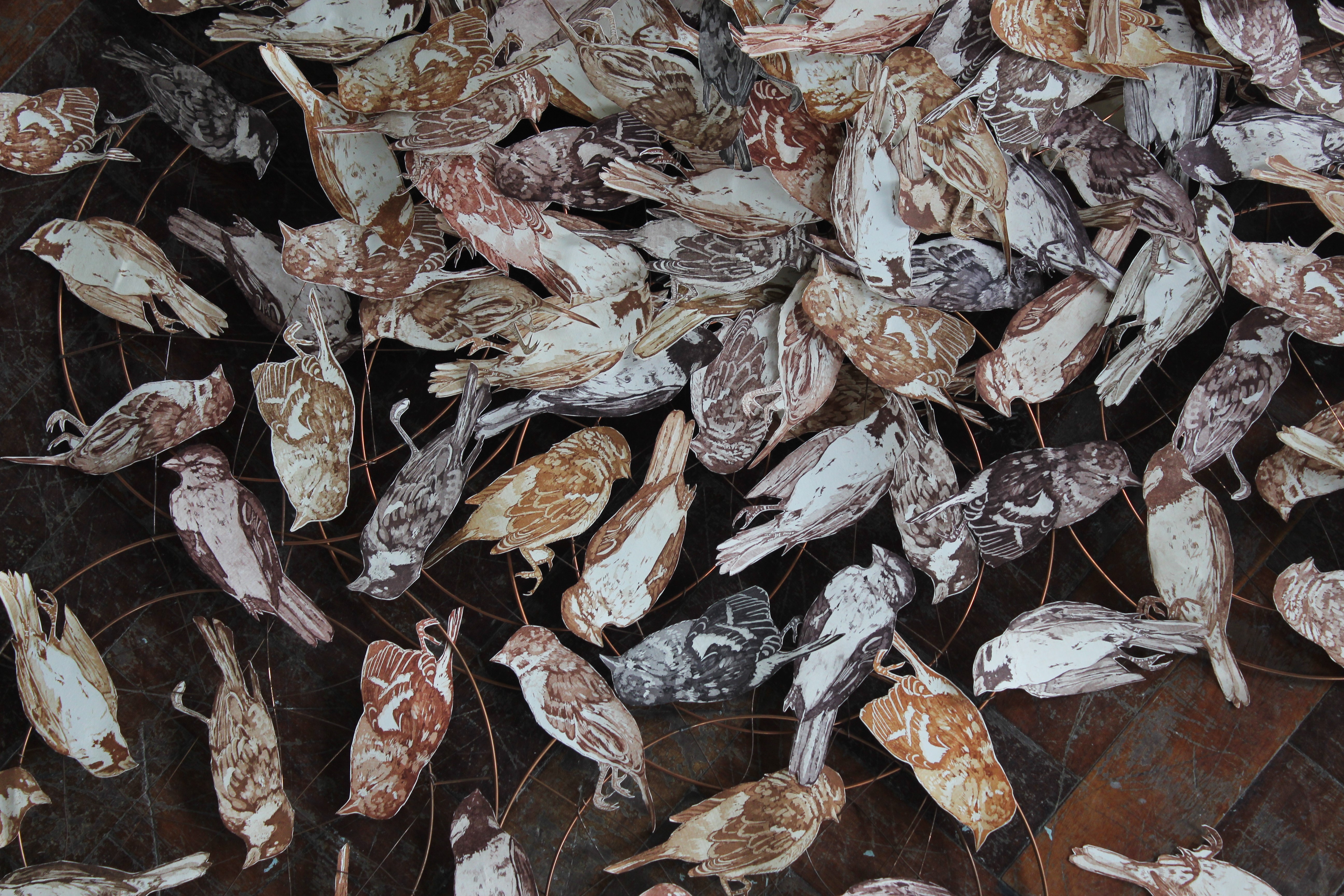
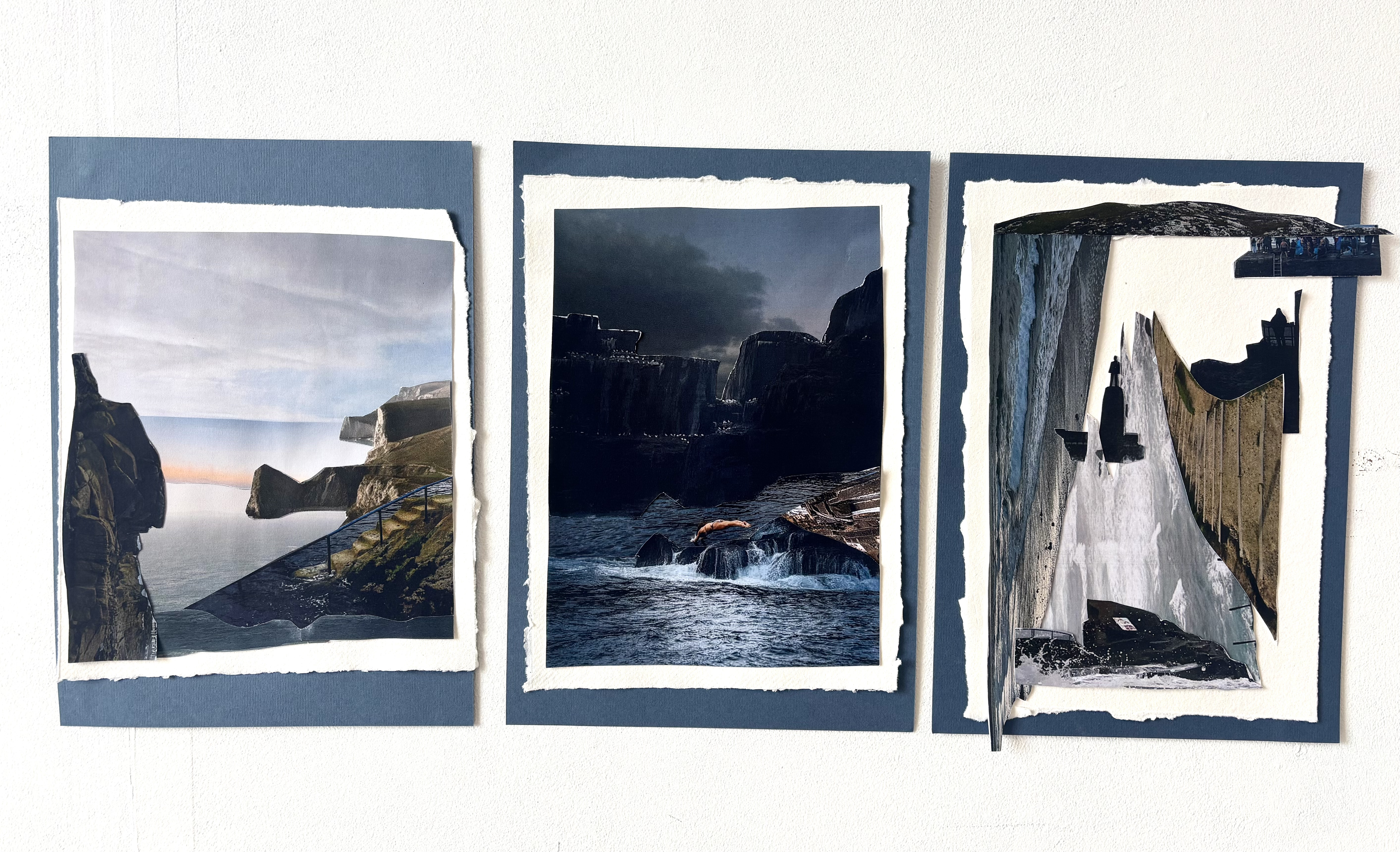
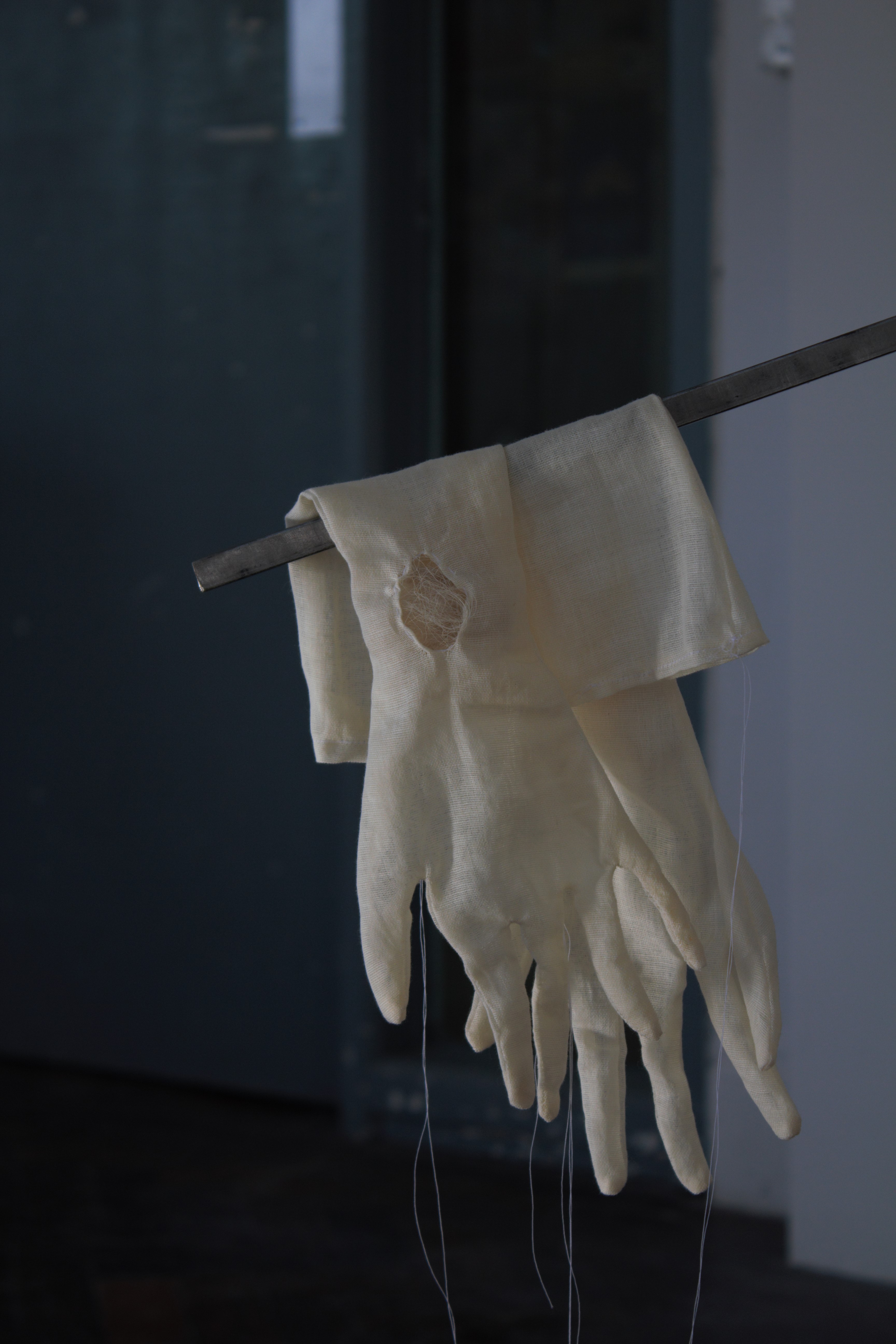
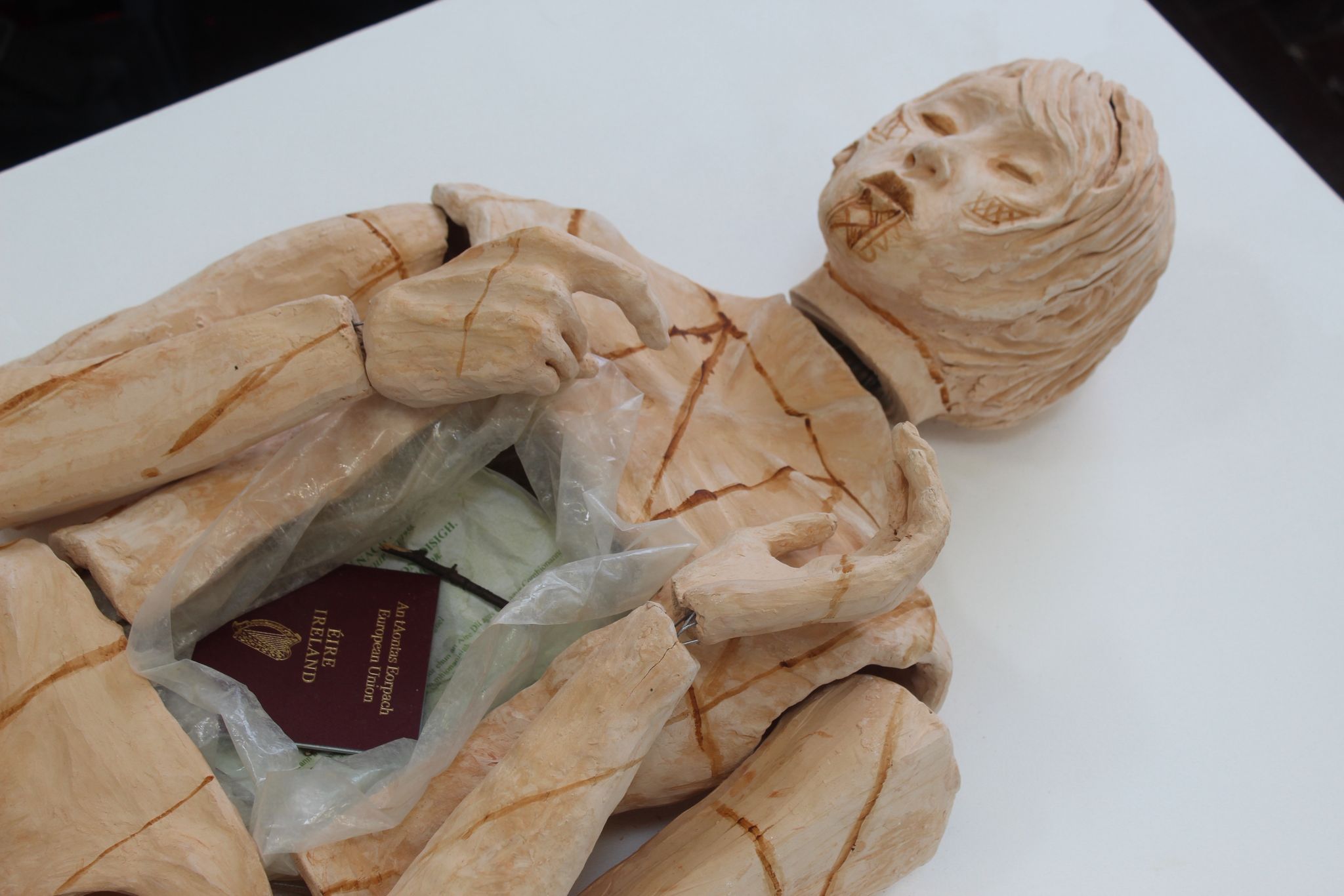
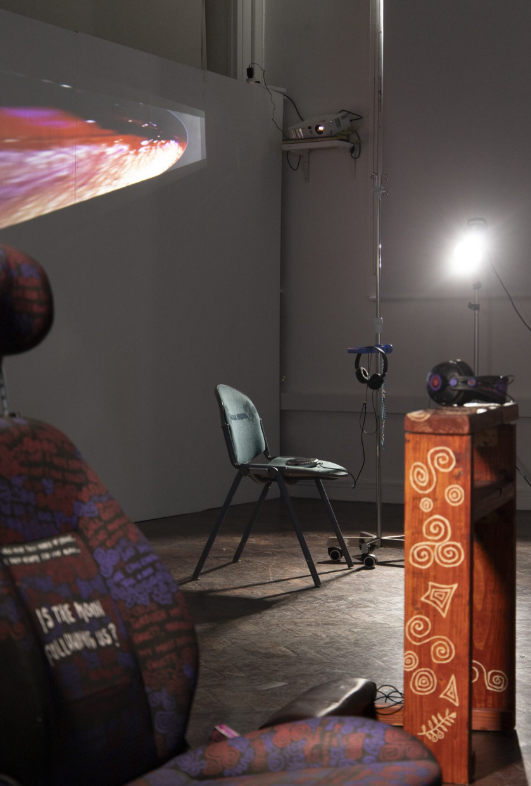
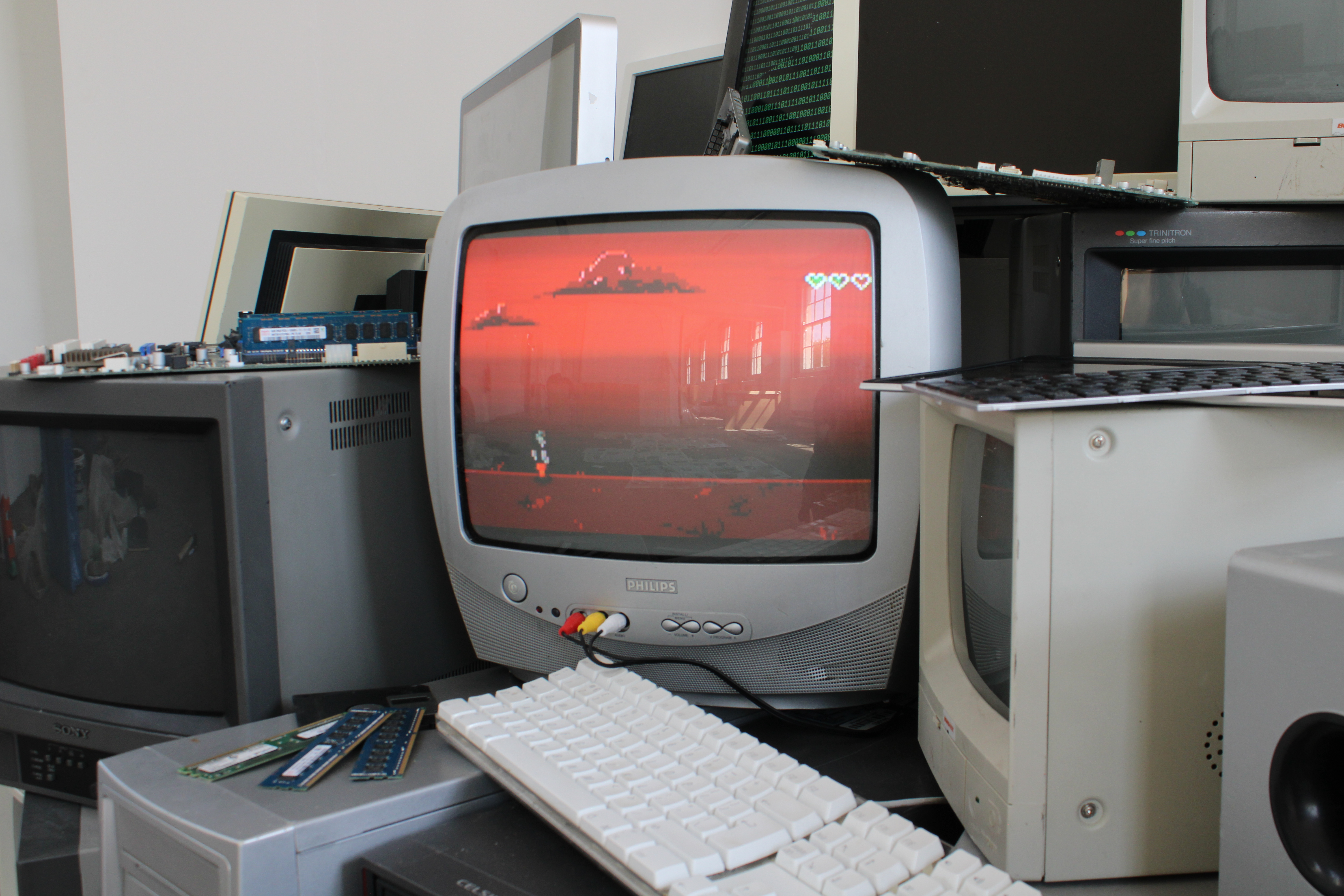
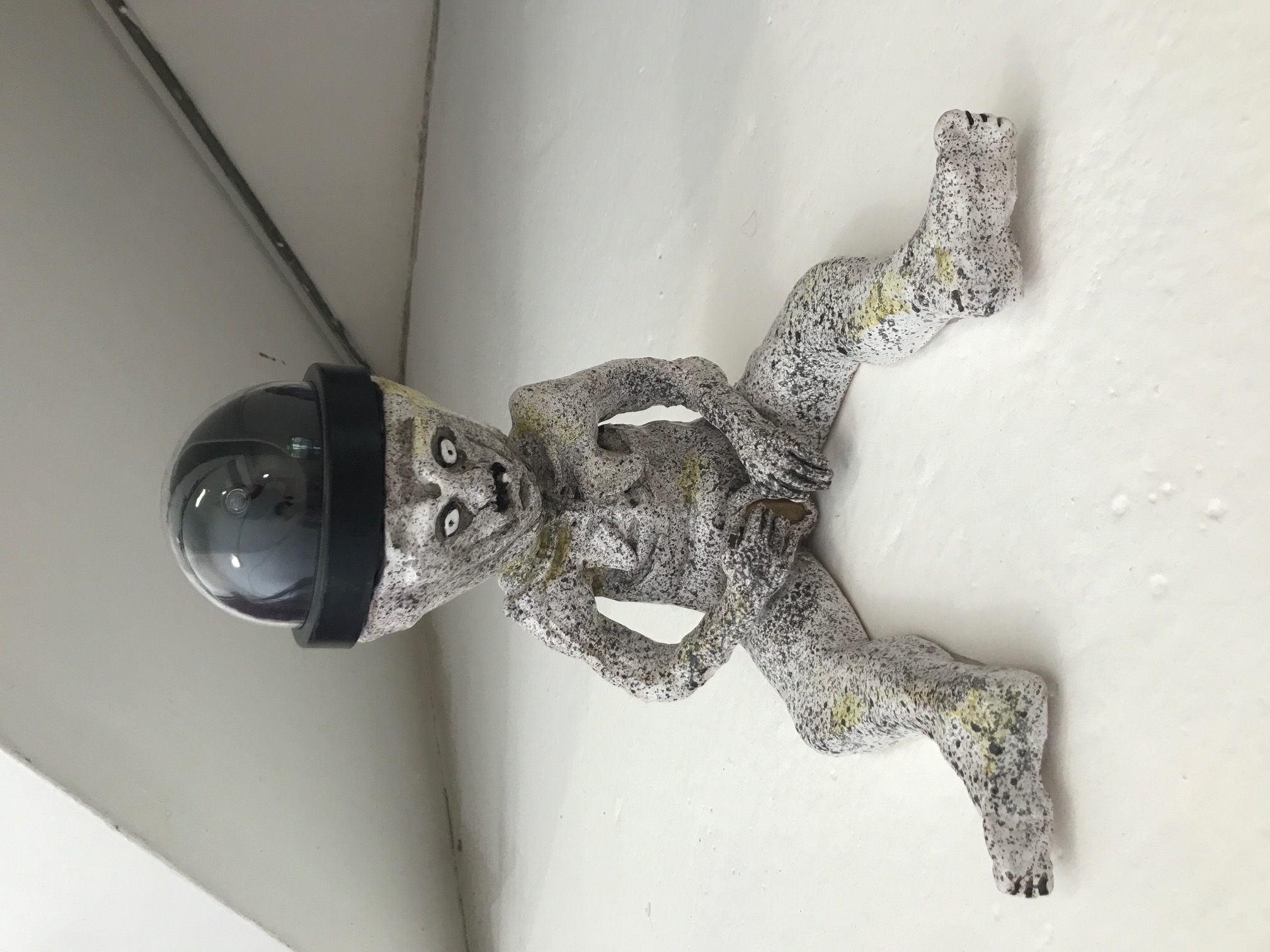
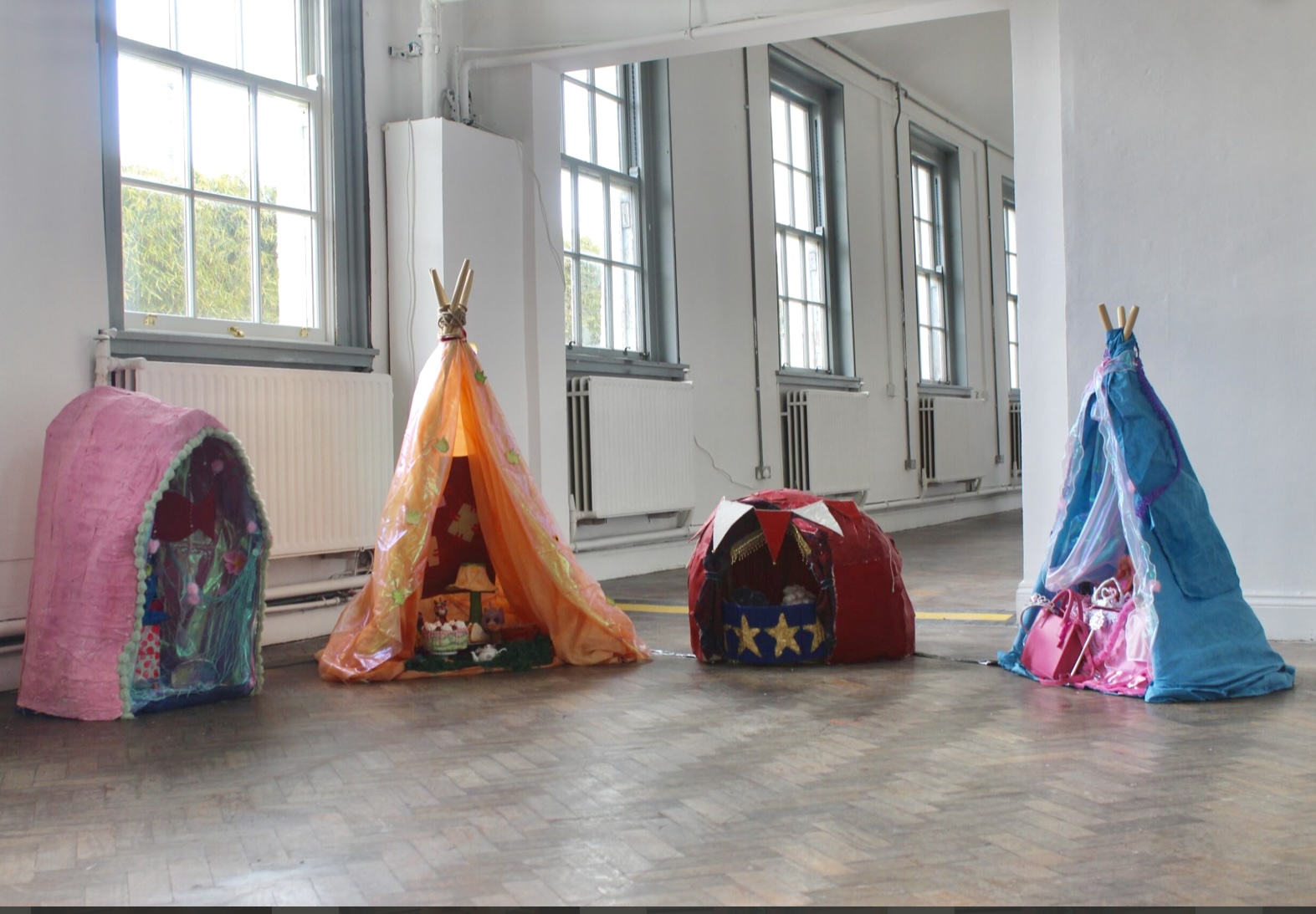
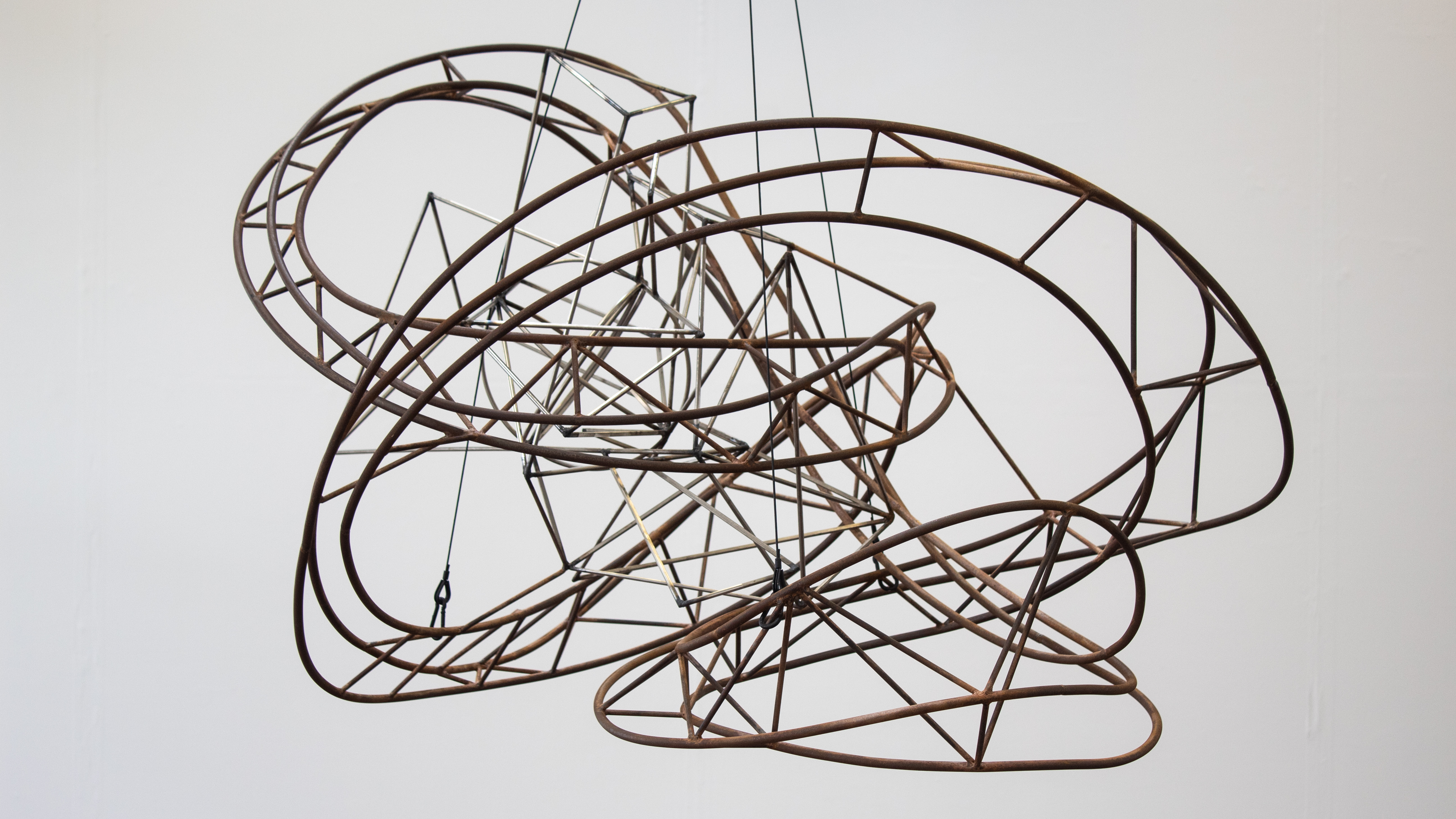
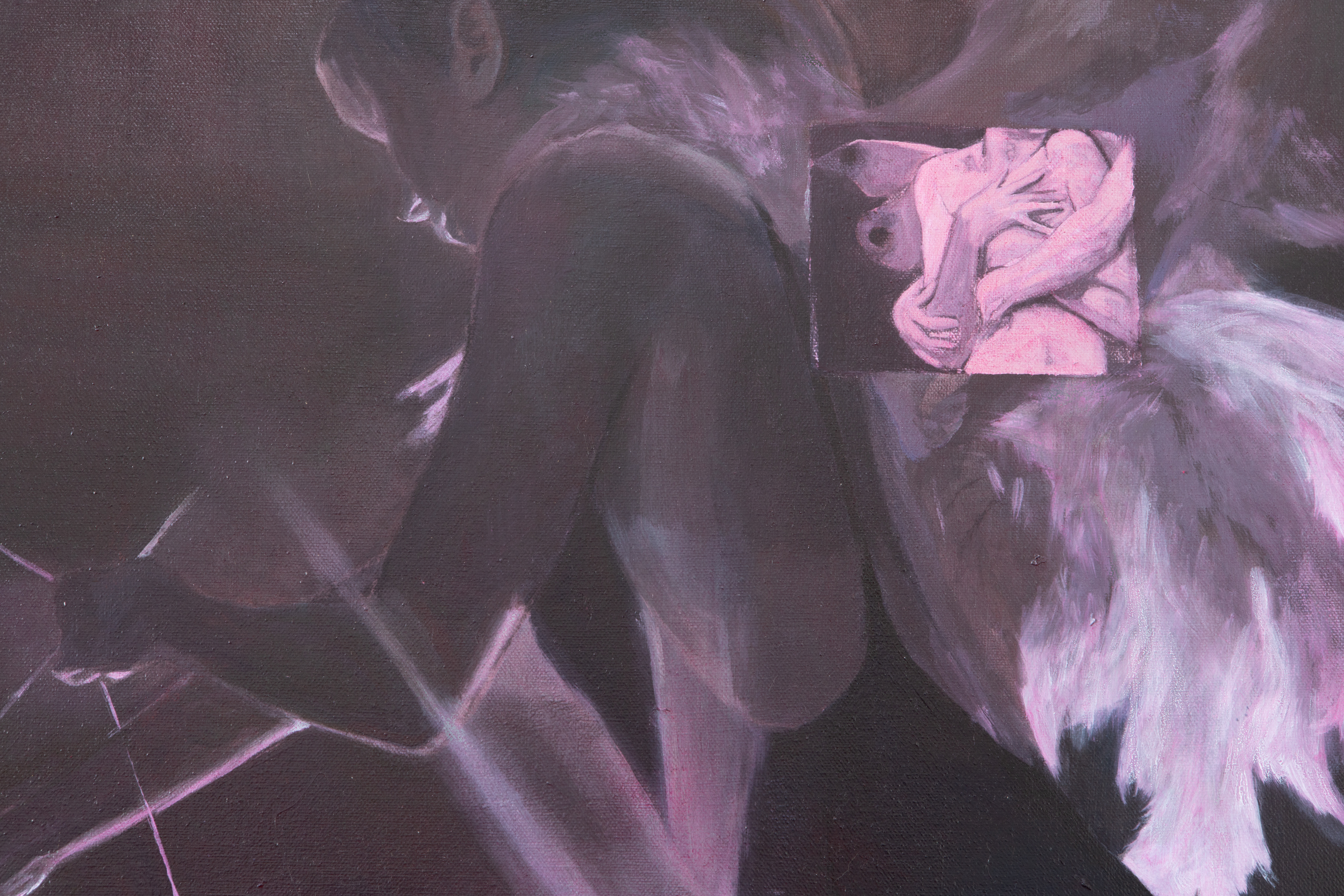
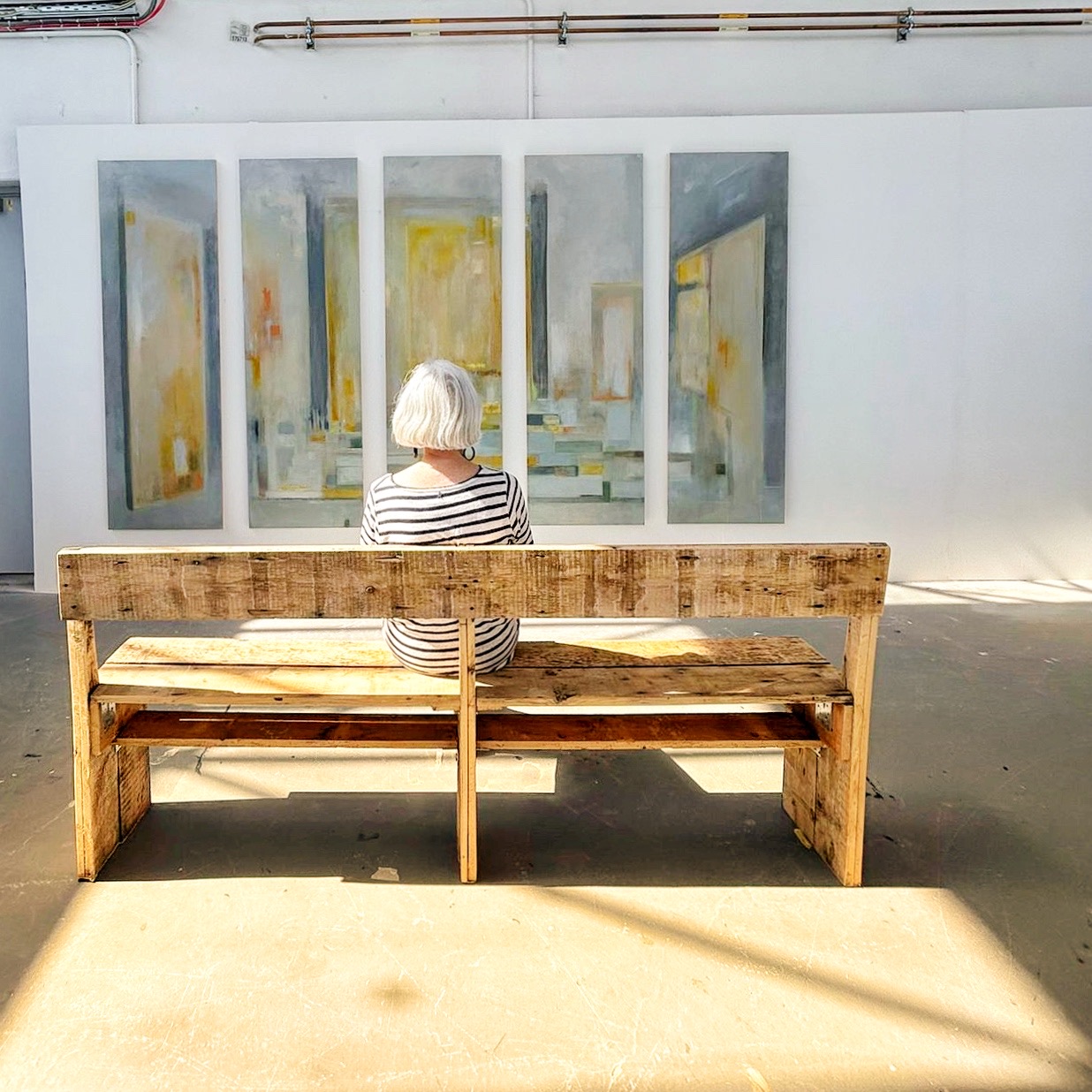
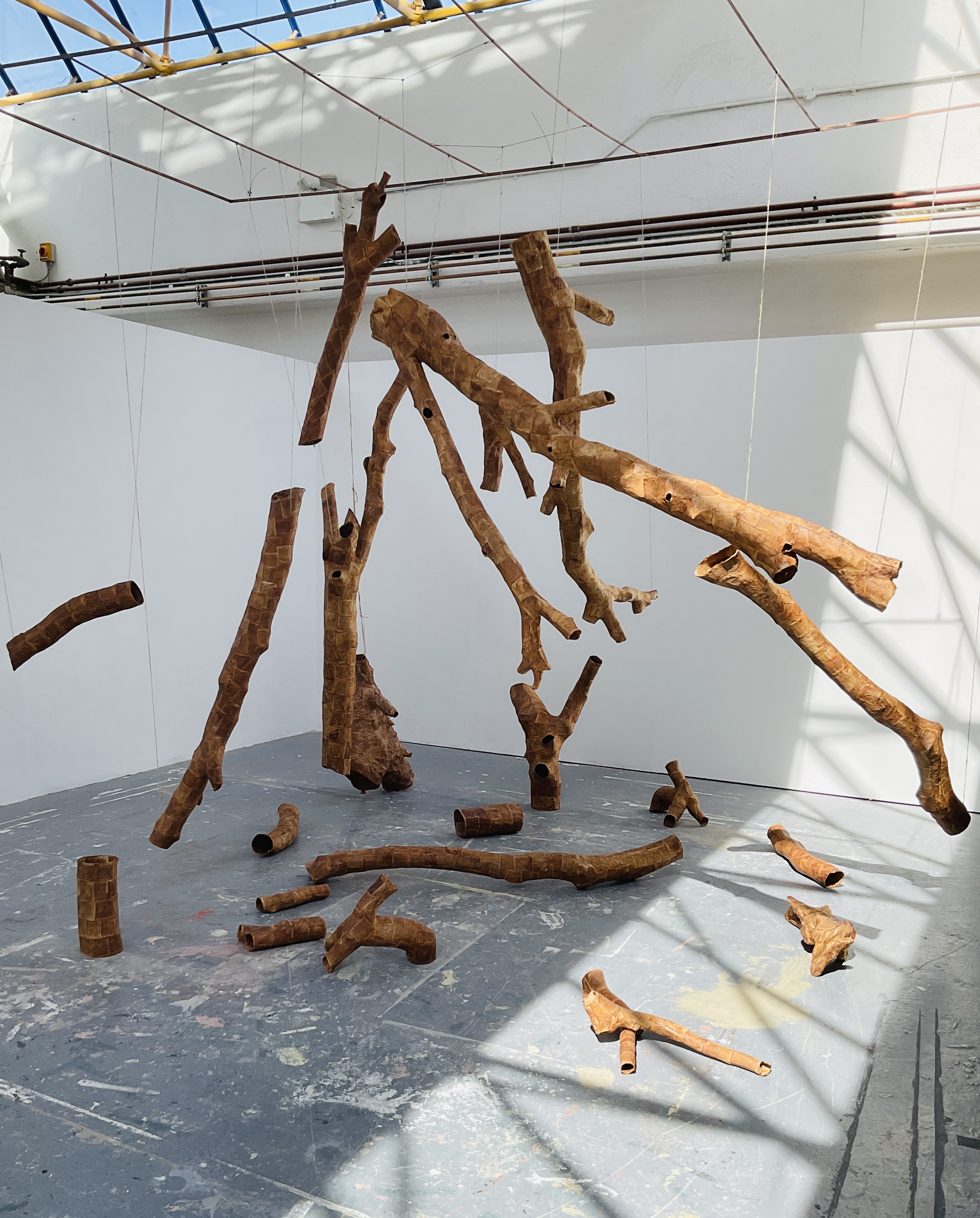
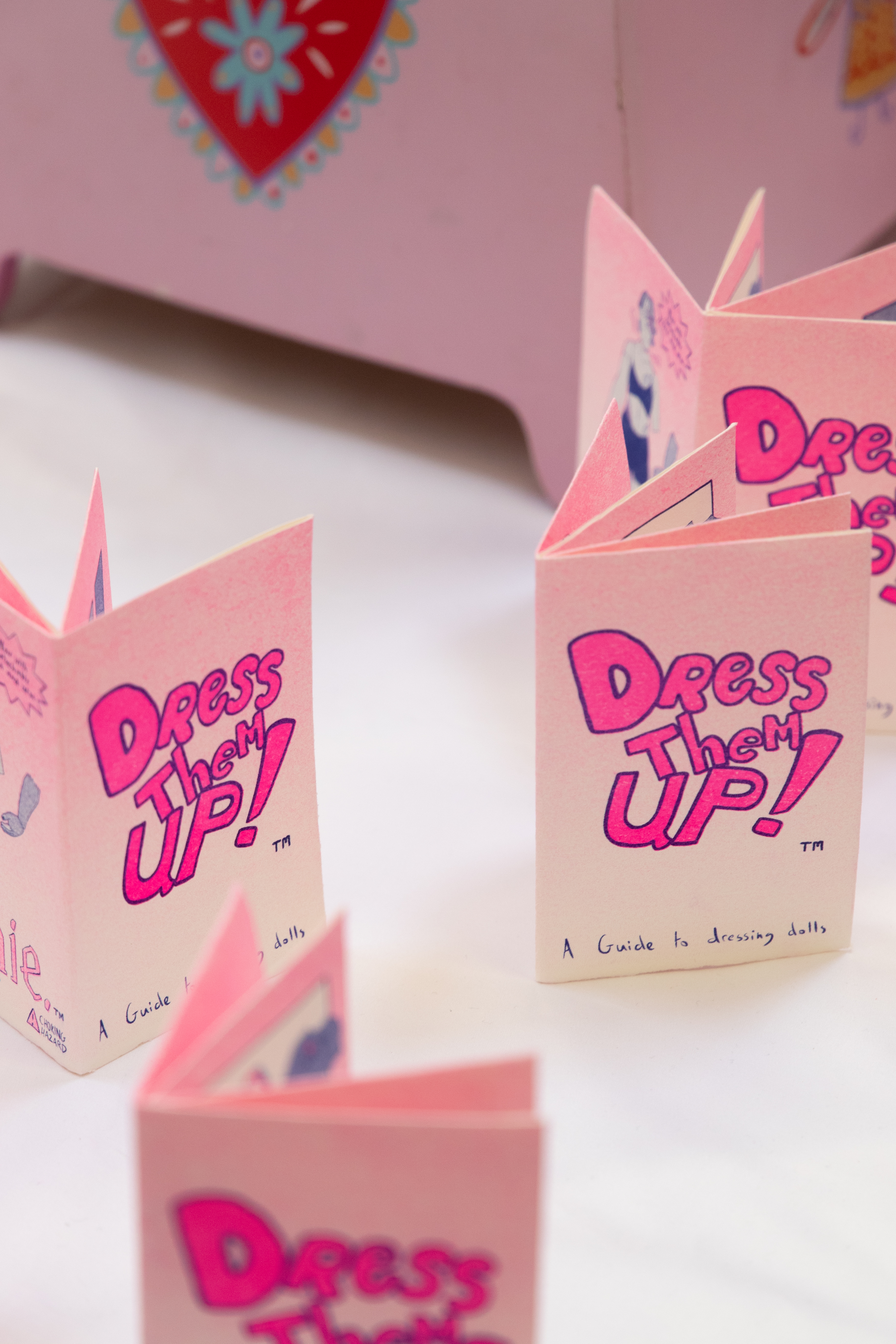
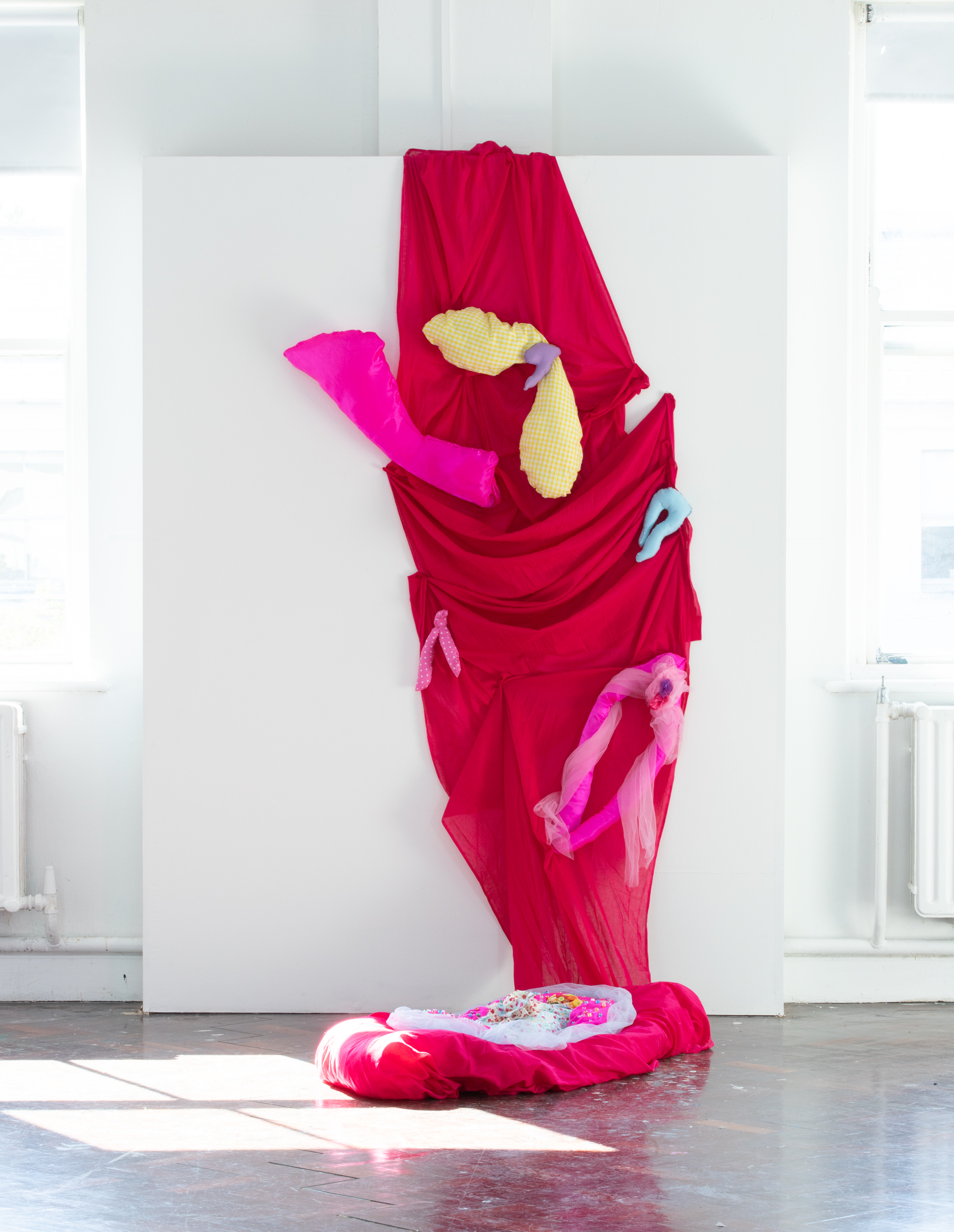
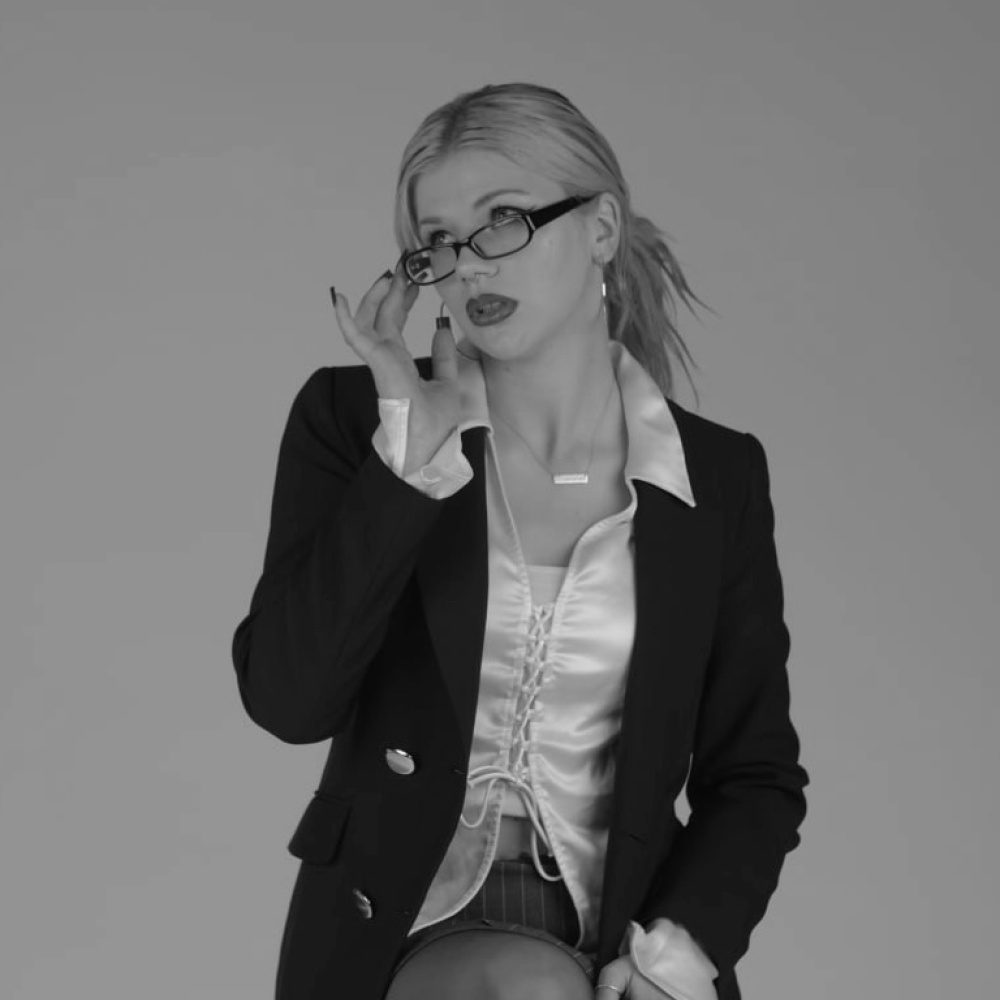
Kateryna Shuliak is a Ukrainian artist based in Dun Laoghaire. Working with sculpture and installation, her practice explores memory, identity, and transformation through layered, often autobiographical narratives. She is particularly interested in people and the complexities that shape them, including emotions, behaviors, and underlying motivations. She works with materials such as plaster, clay, and found elements, often reconfiguring familiar spaces to create environments where contrasting states coexist.
She has exhibited in **Down the road, around the corner**, Pallas Projects/Studios (2026); **Better than Ambrosia**, curated by Dylan Yearsley at the Orangery, Marlay Park (2025); and **The Place Project**, IMMA Studios (2023).