Michaela Moriarty
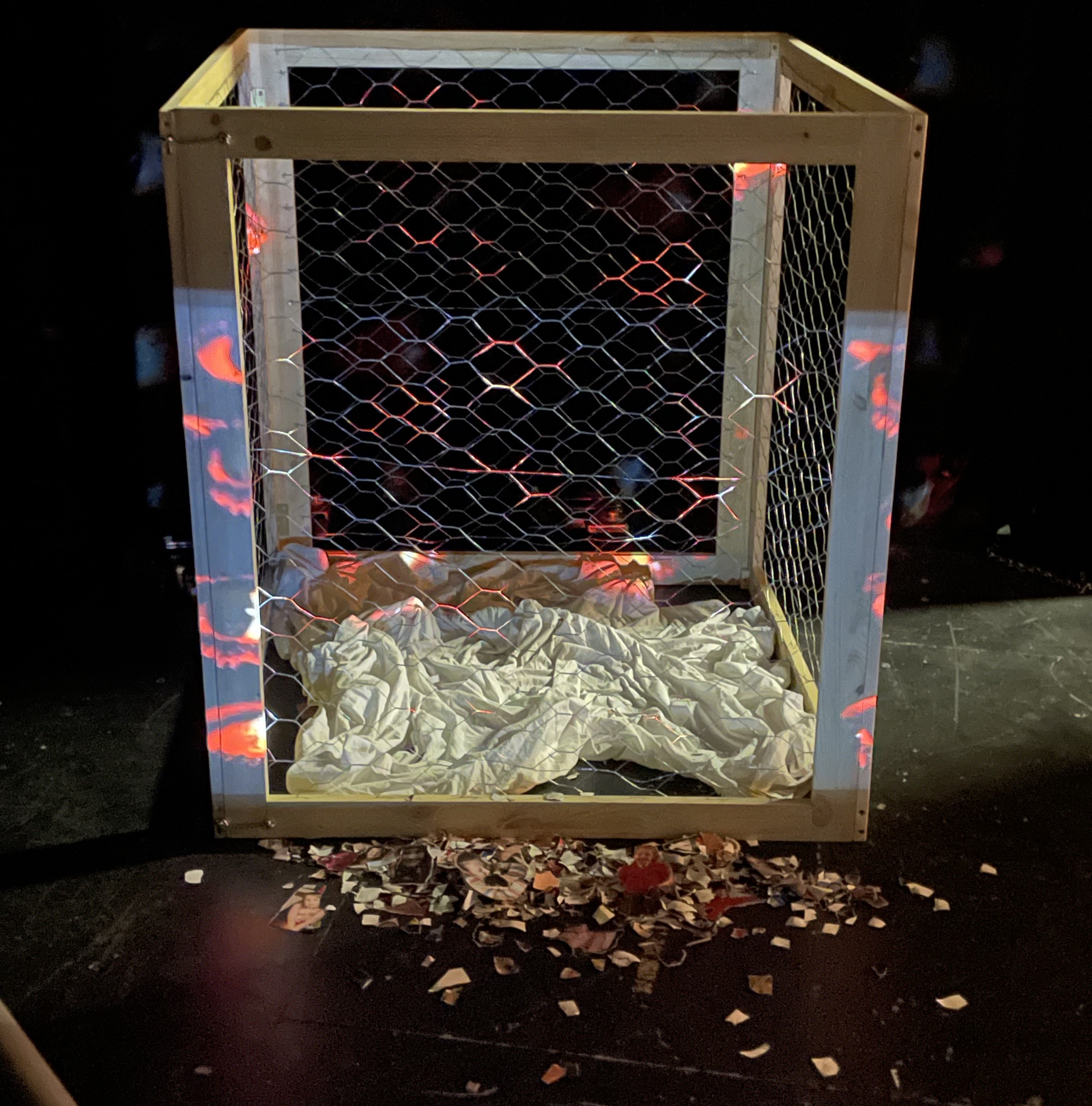
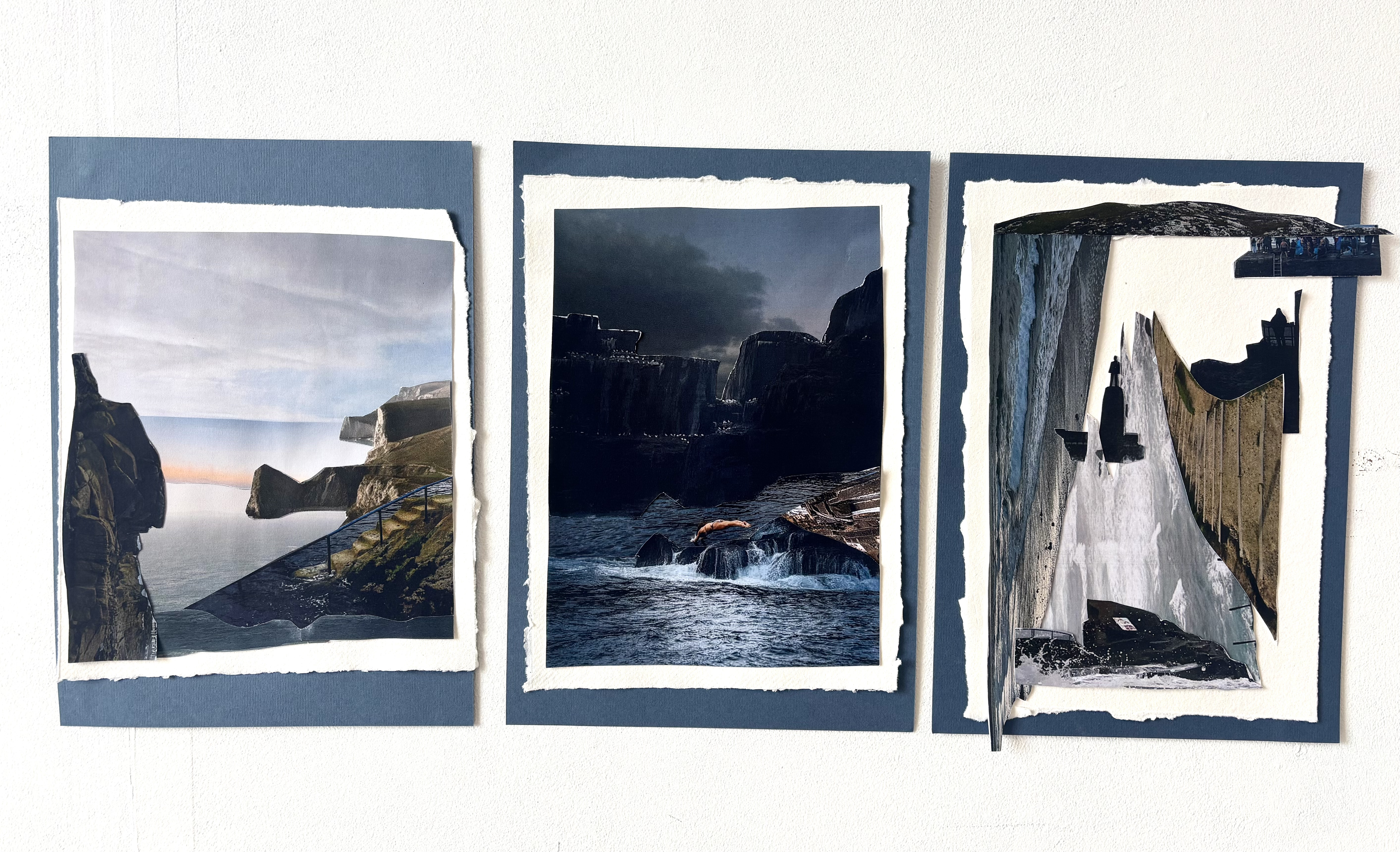
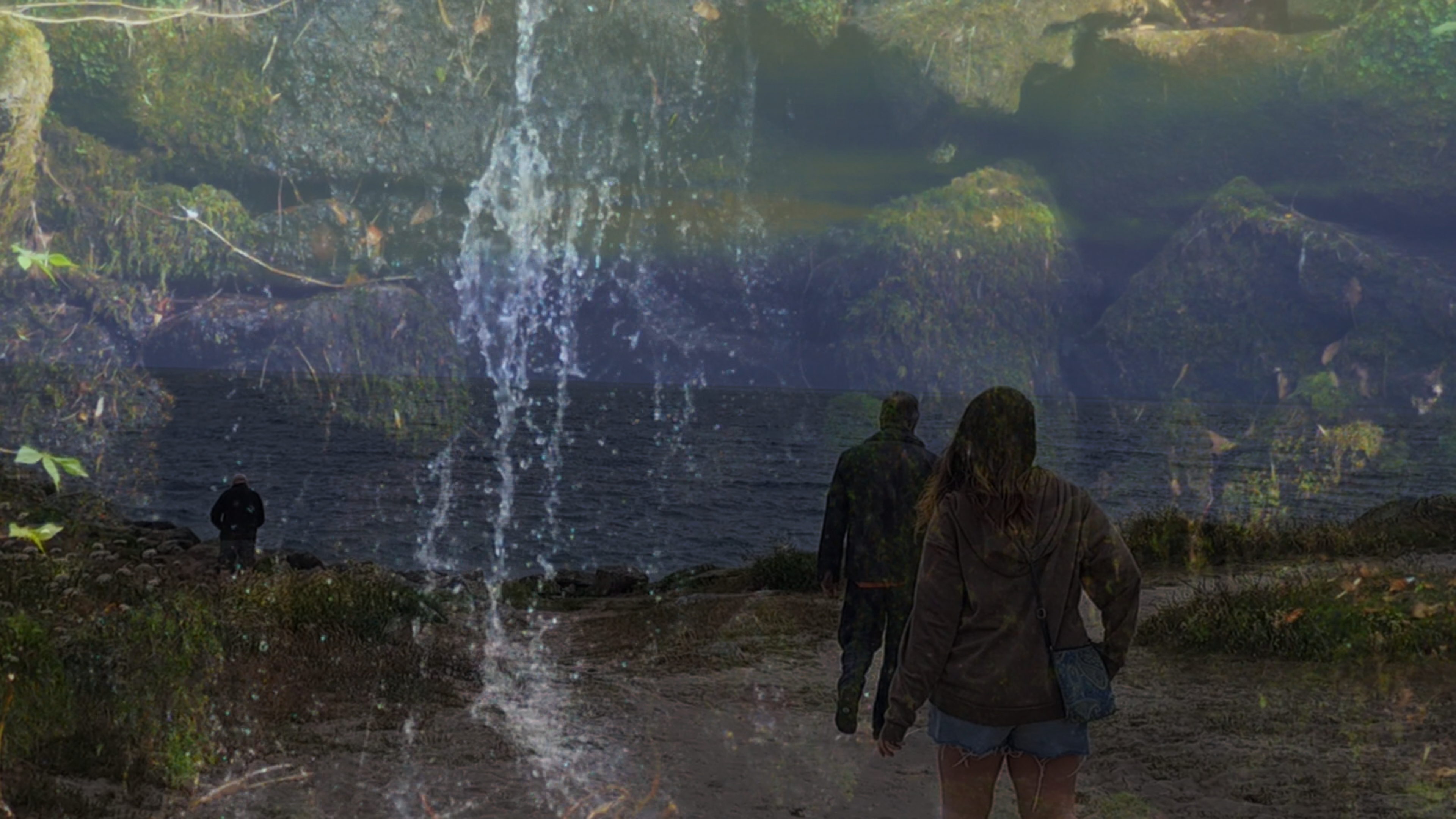
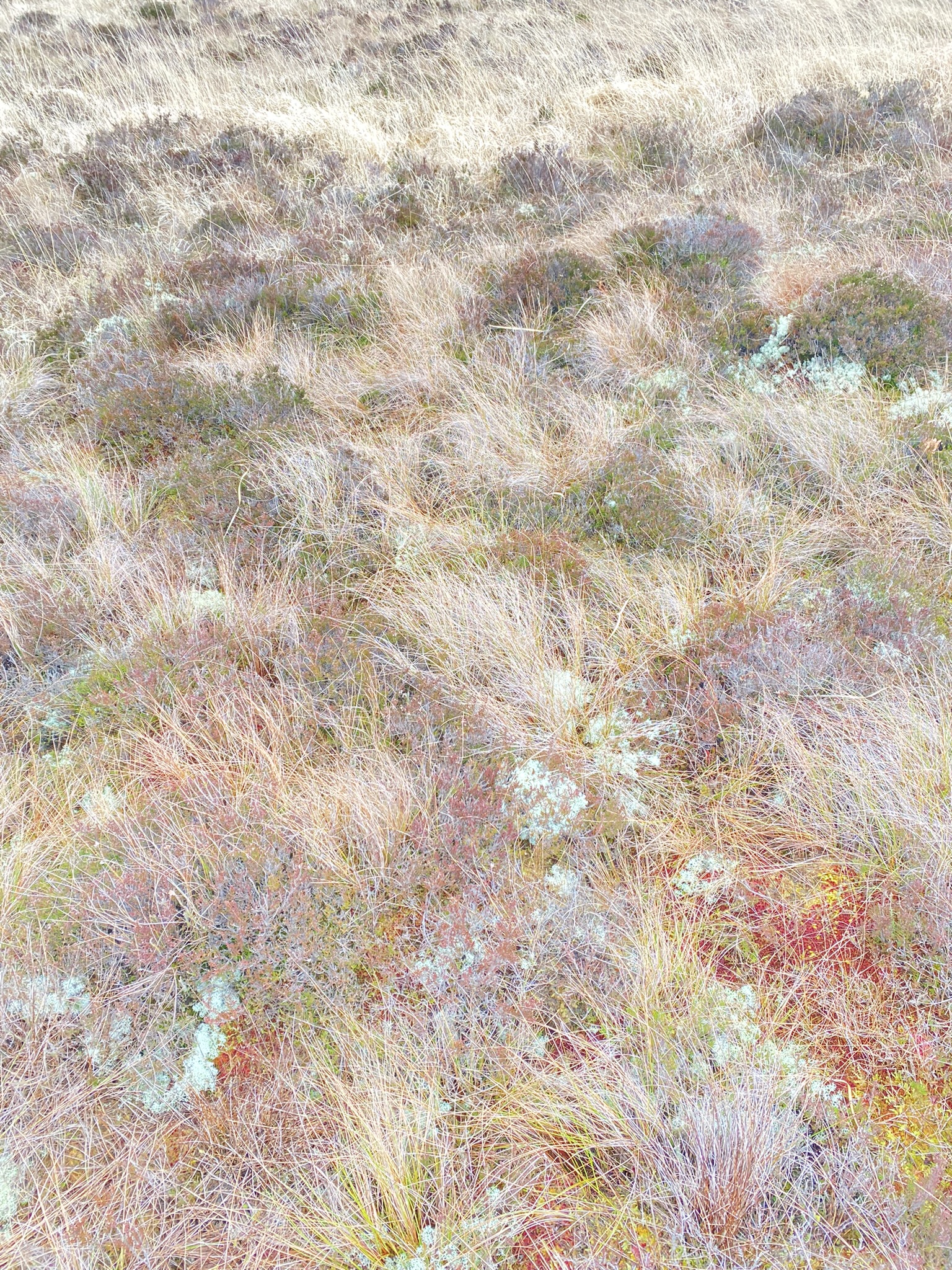
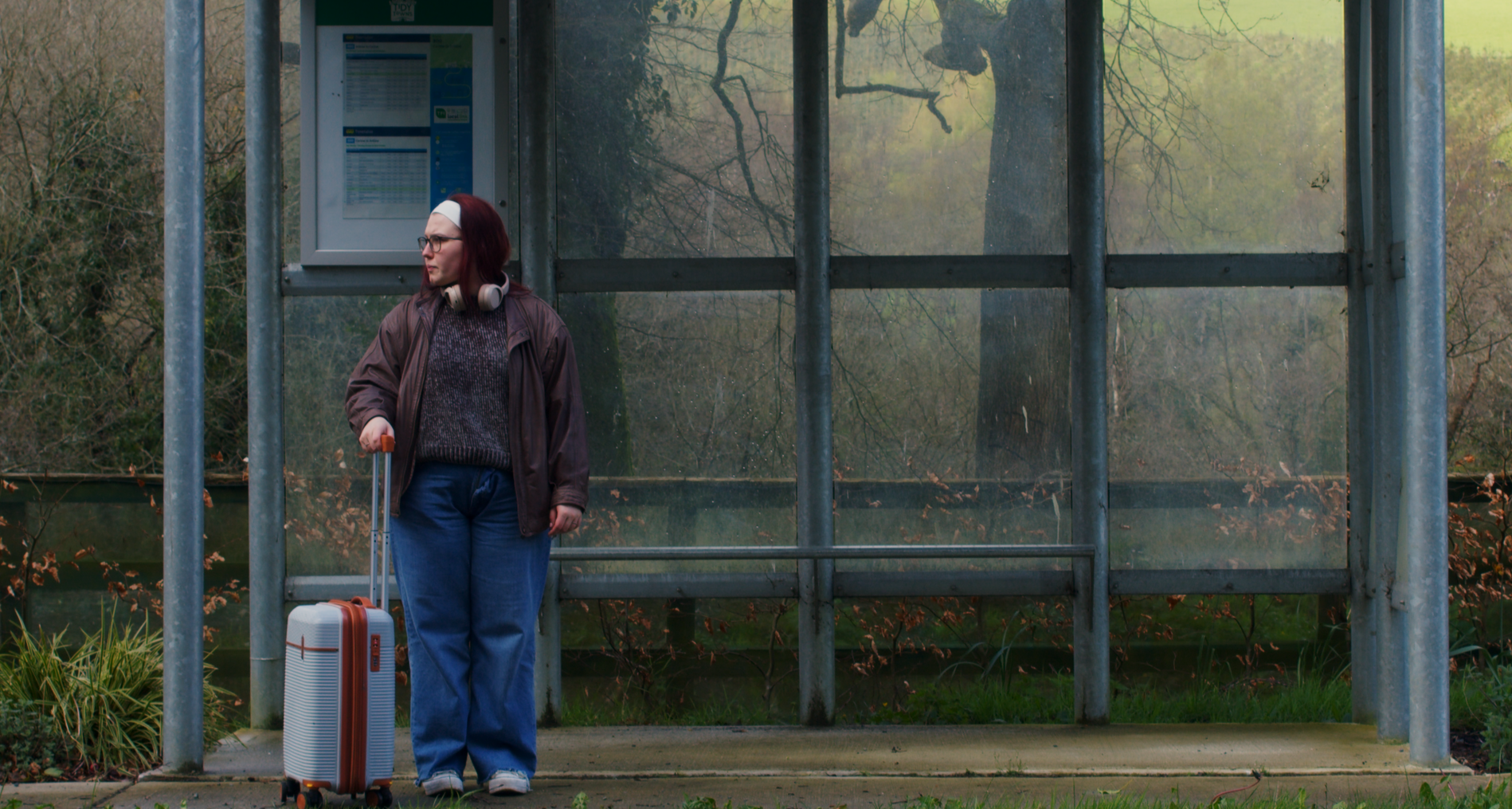
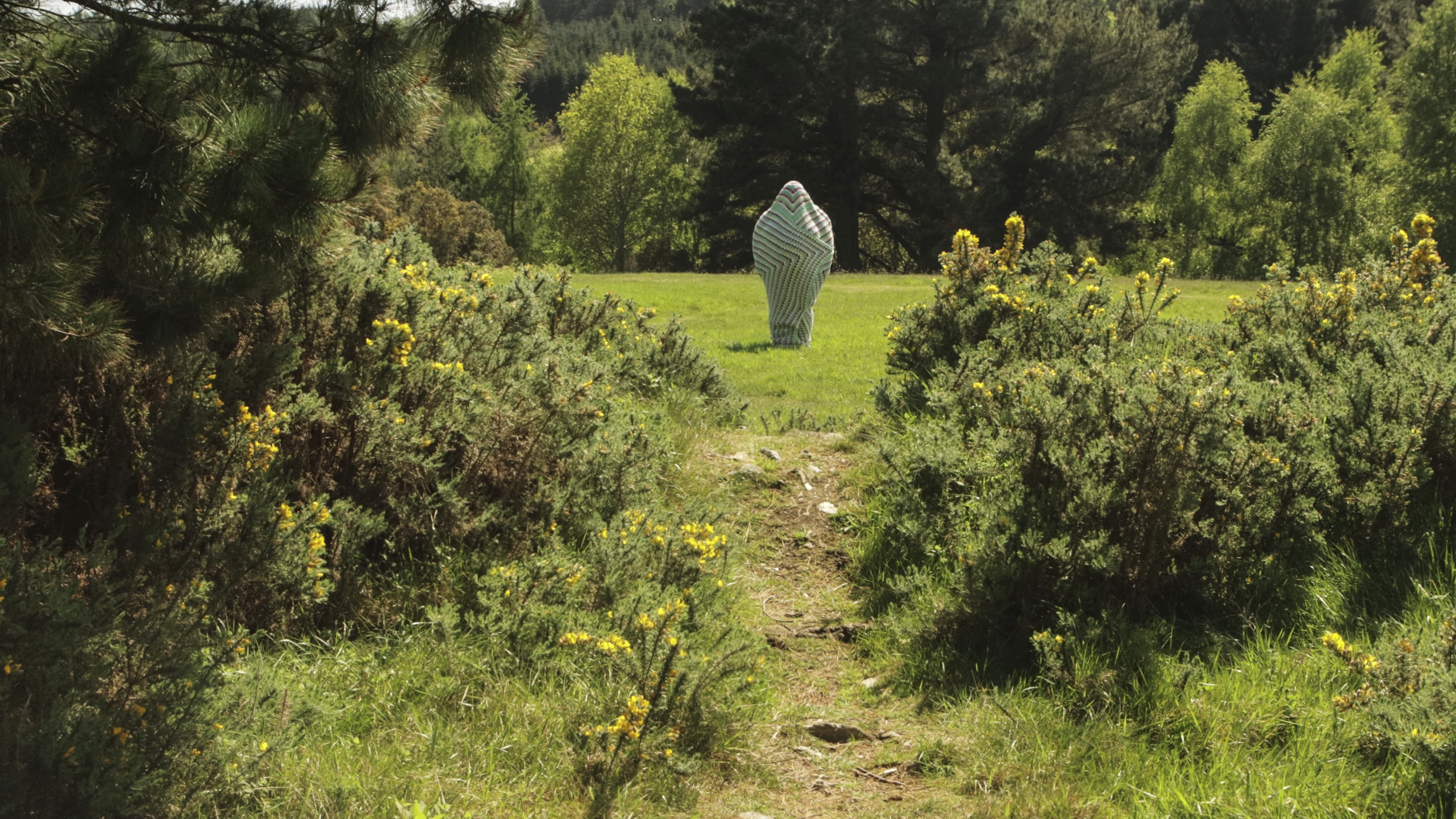
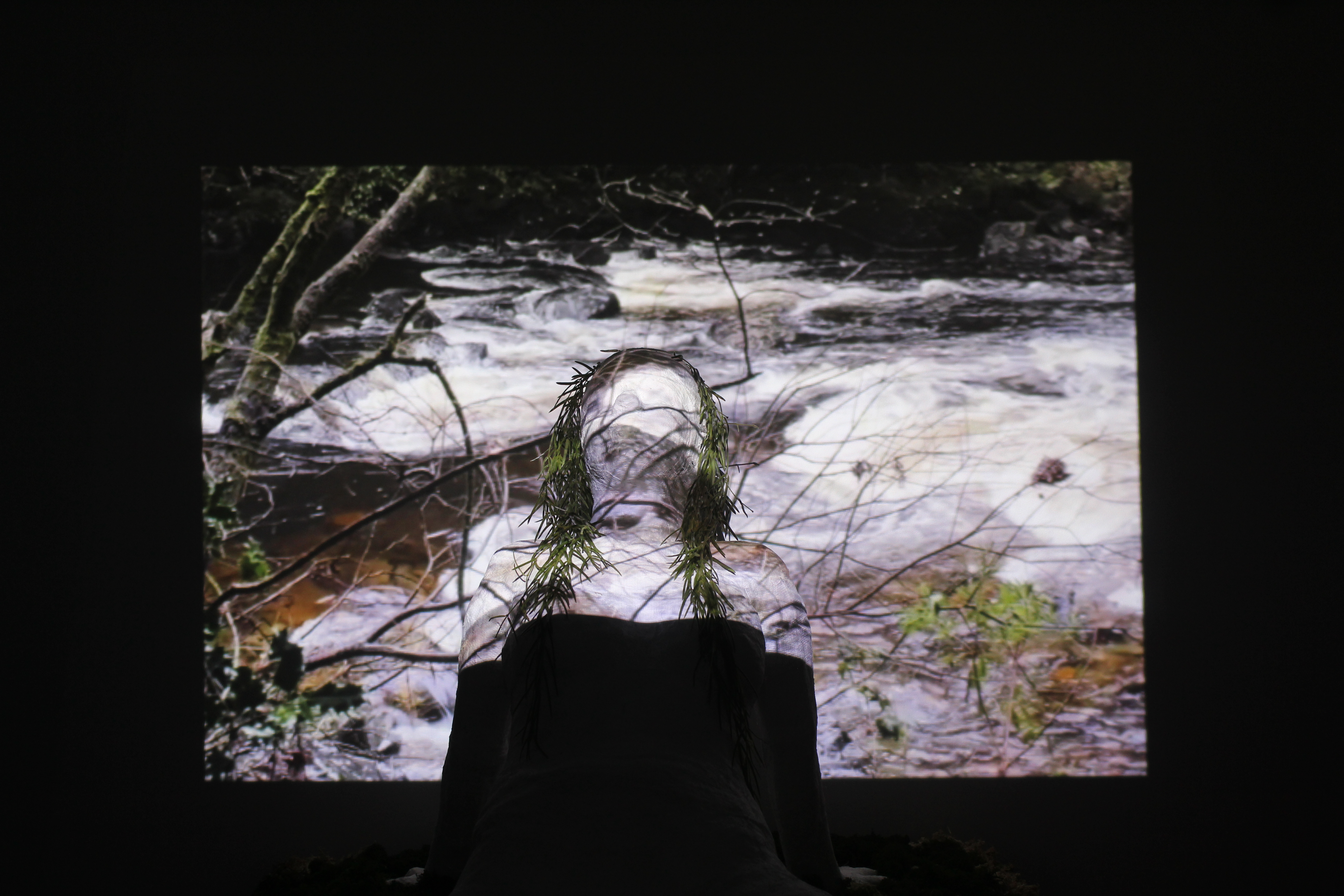
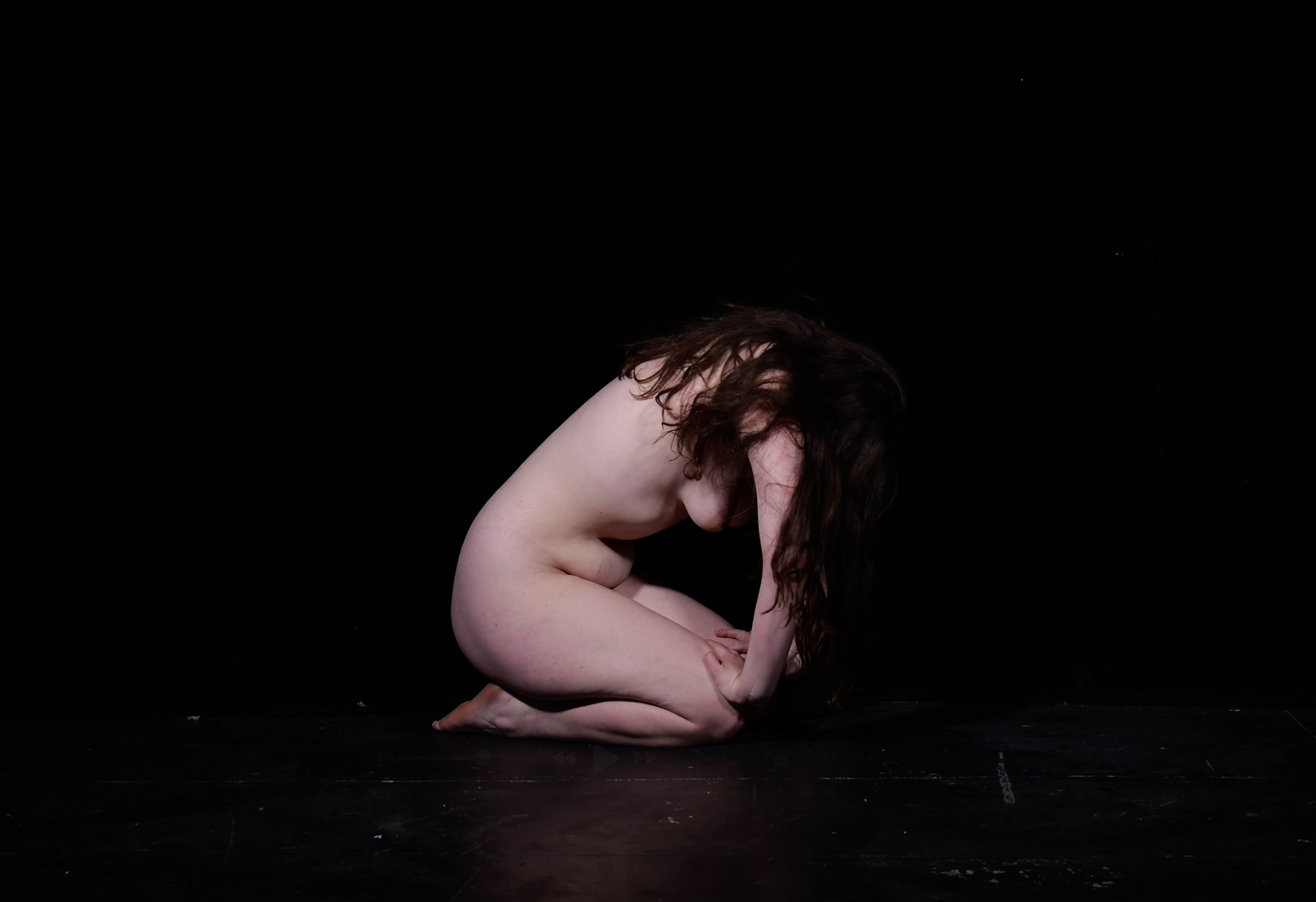
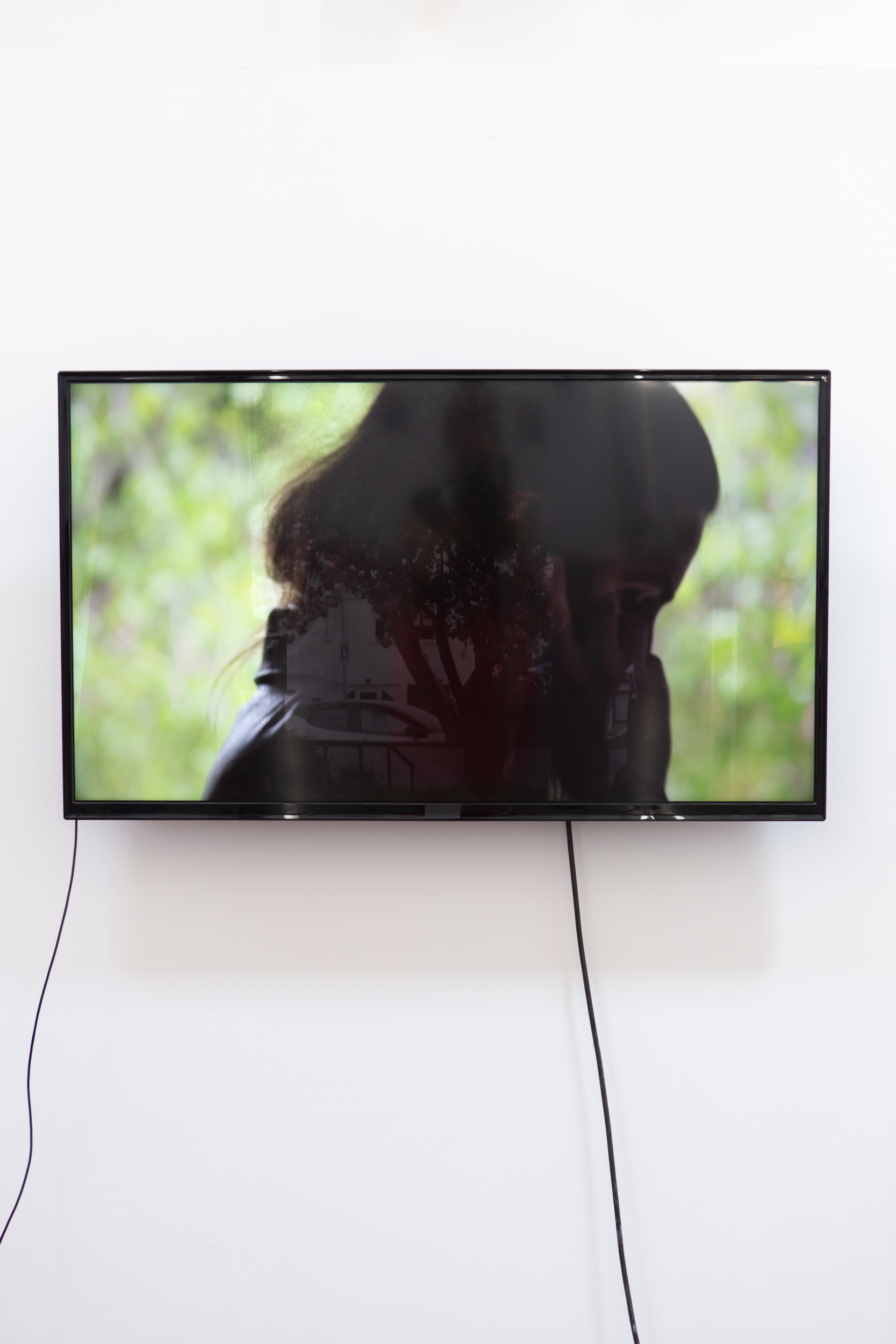
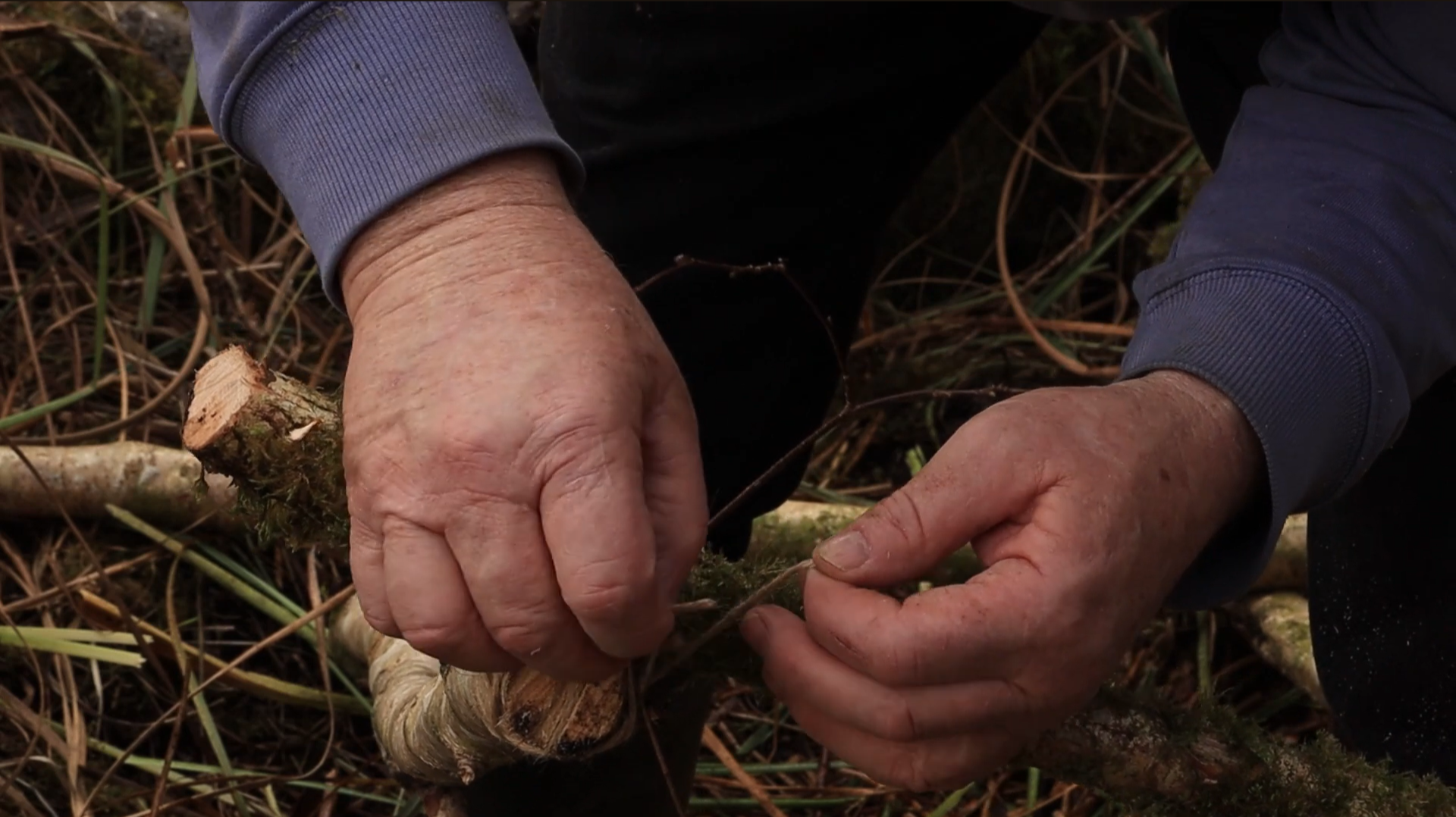
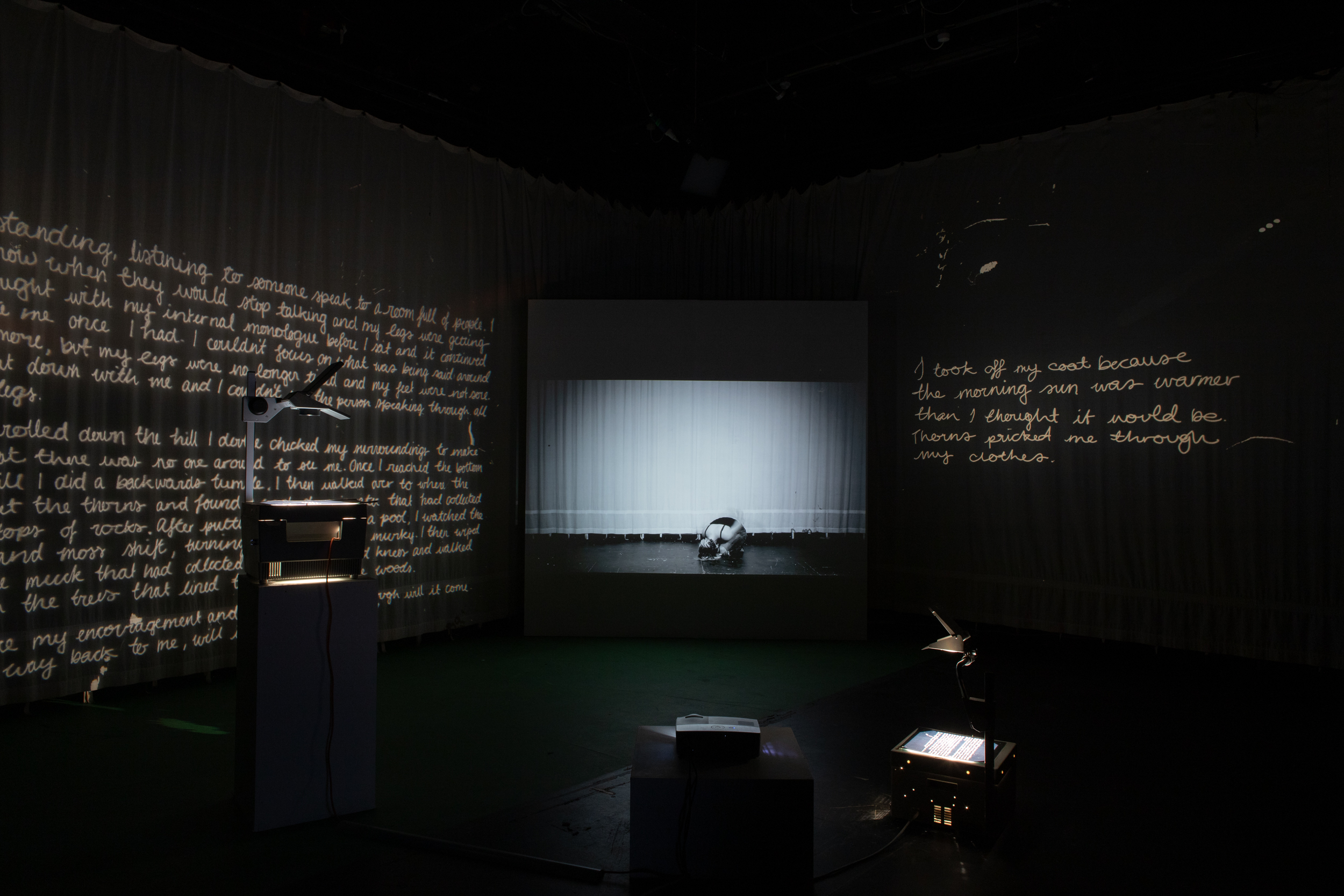
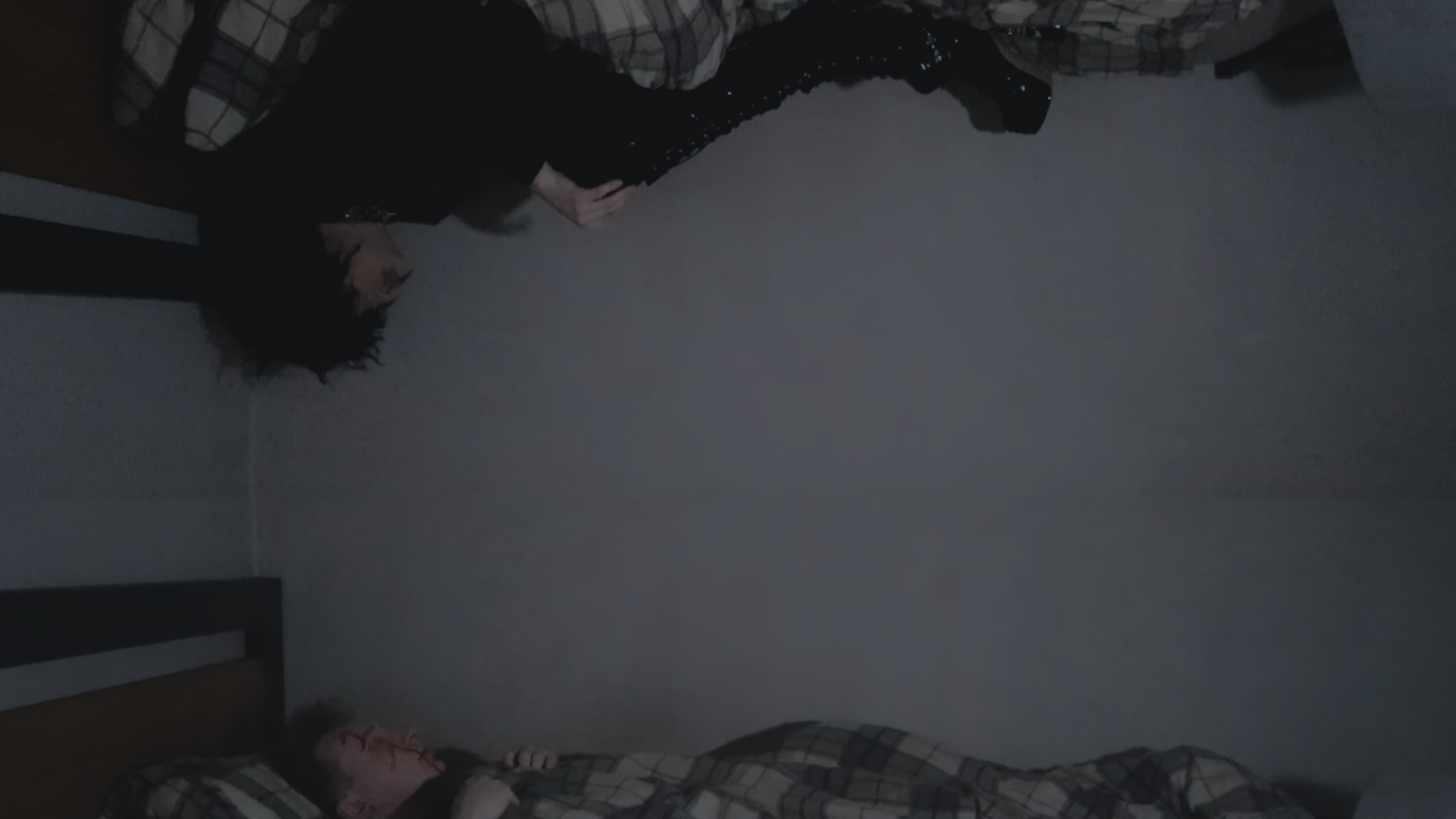
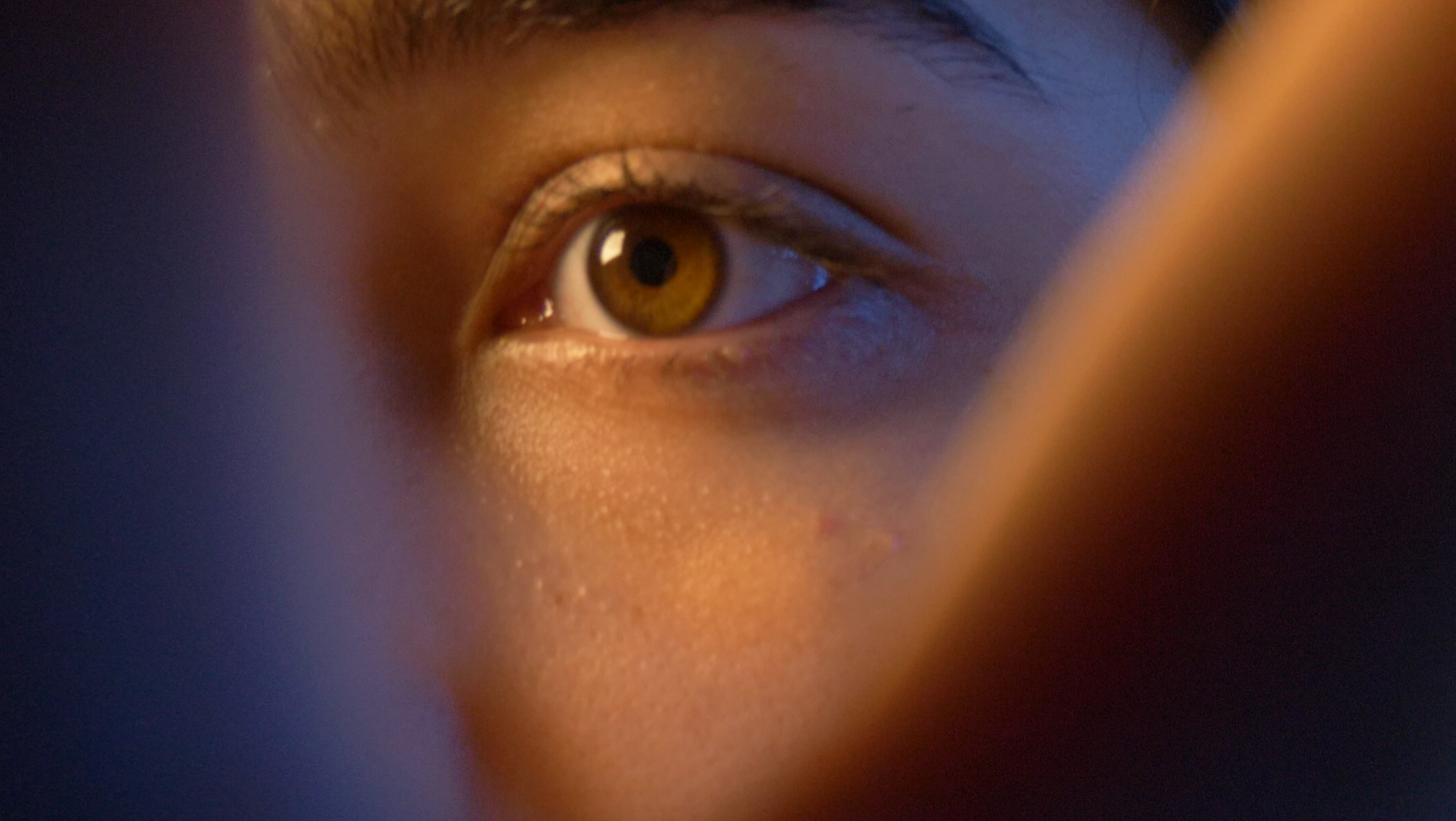
This project is a large screen projection installation exploring themes of community, grief, landscape, and home. It follows a young woman returning to Ireland after leaving in search of better opportunities, only to find that while the landscape remains unchanged, the people who once made it feel like home, including her mother, have moved on or passed away. Through this contrast, the work reflects on loss, memory, and the emotional weight of returning. It considers how landscapes can hold feelings and histories, waiting for the moment when we are ready to confront them, and questions what it truly means to belong. The piece is story-driven, using cinematic video and surround sound audio to create a meditative and reflective experience.
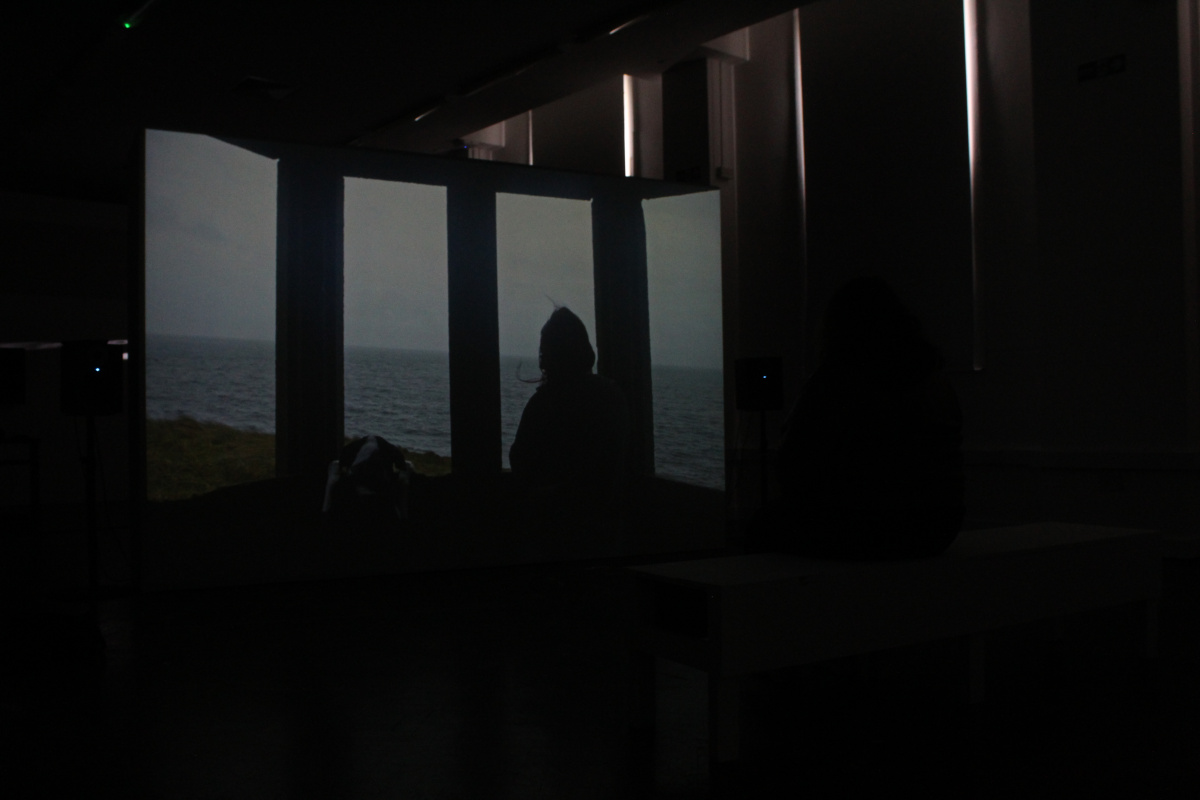
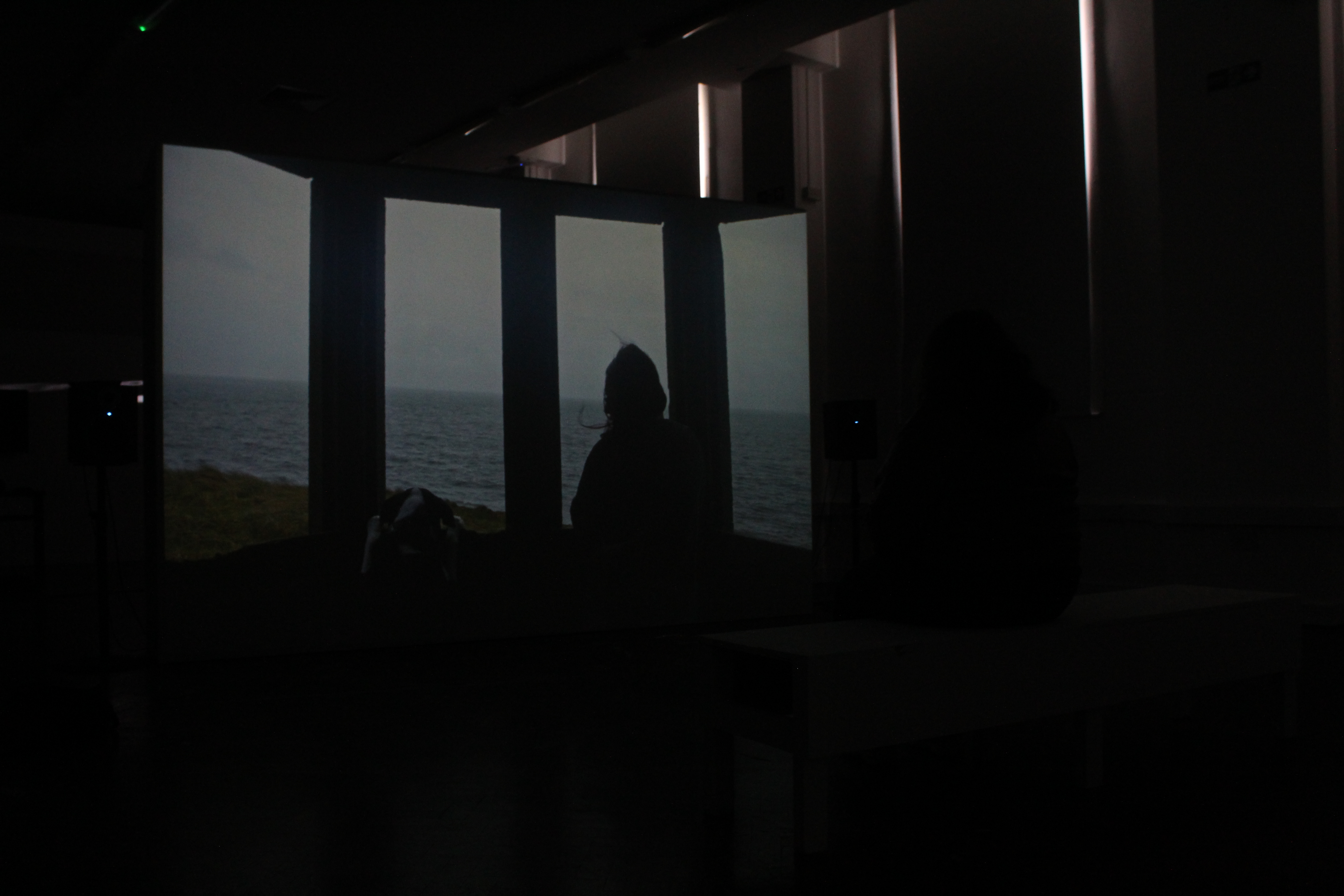
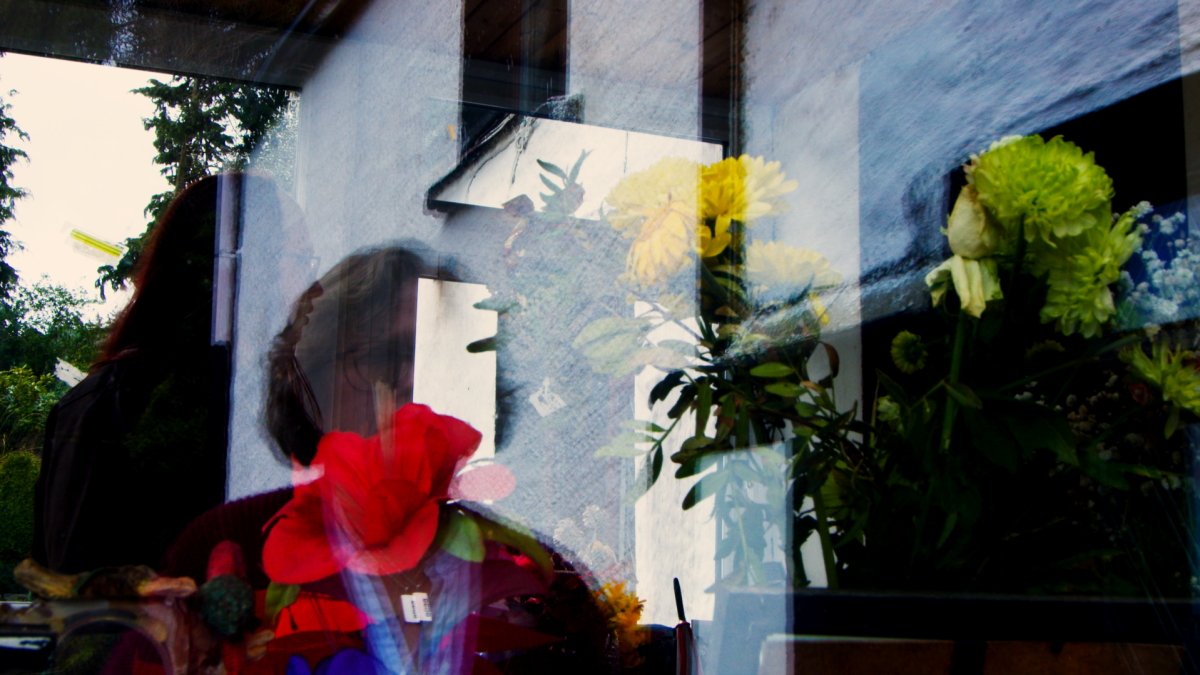
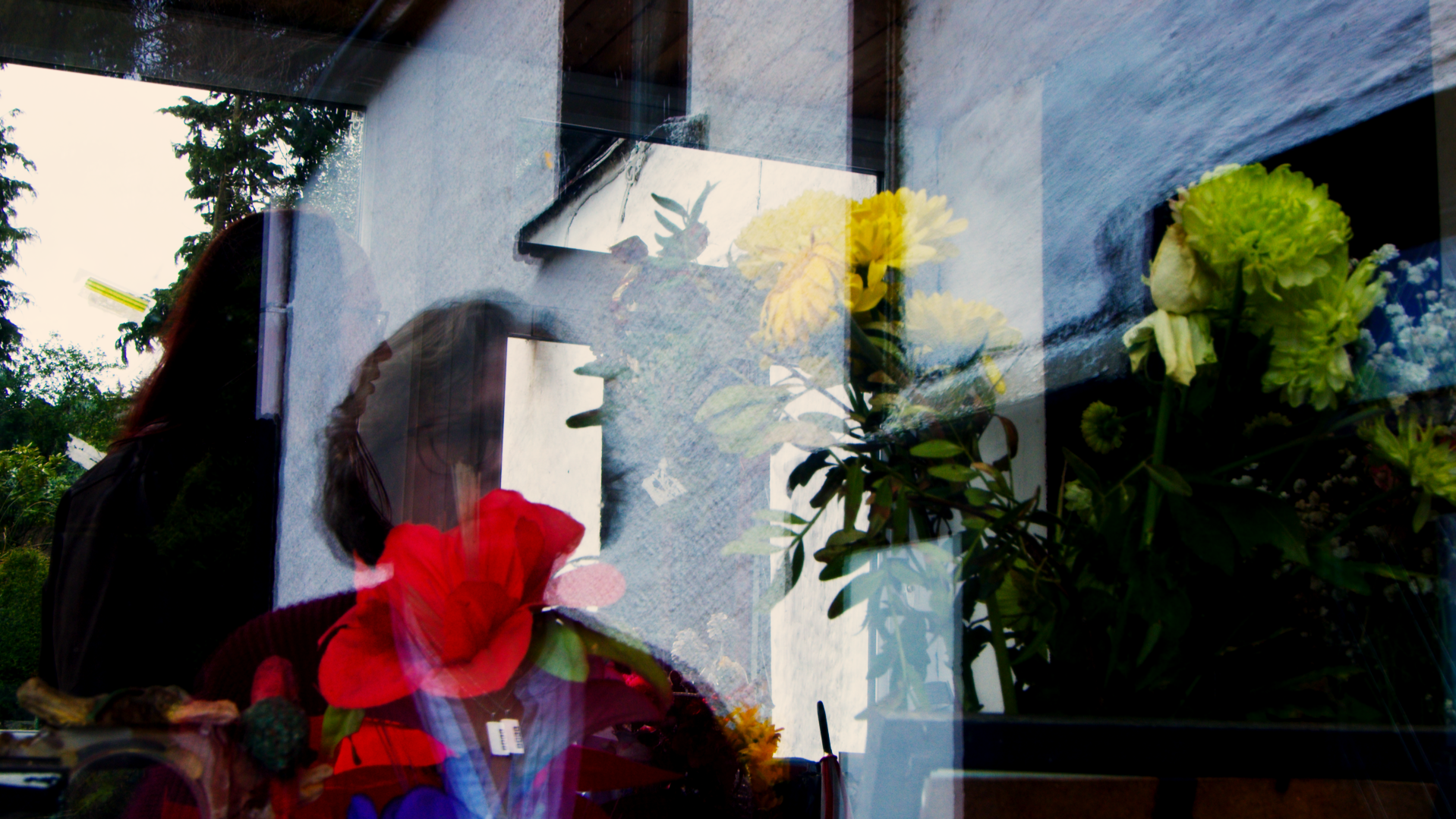
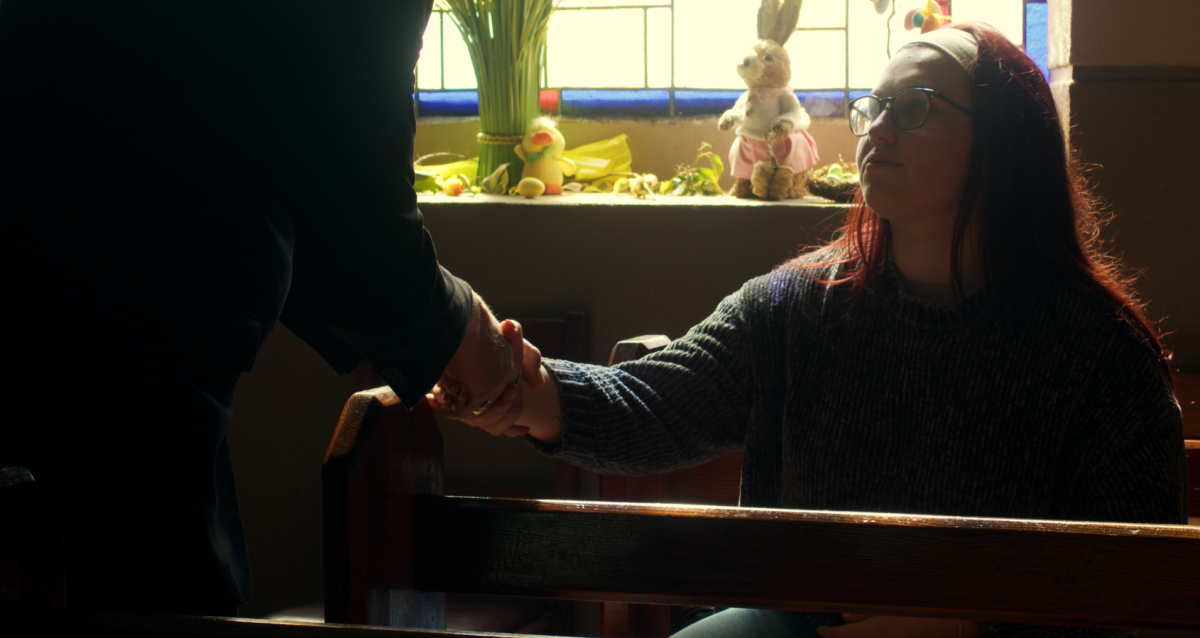
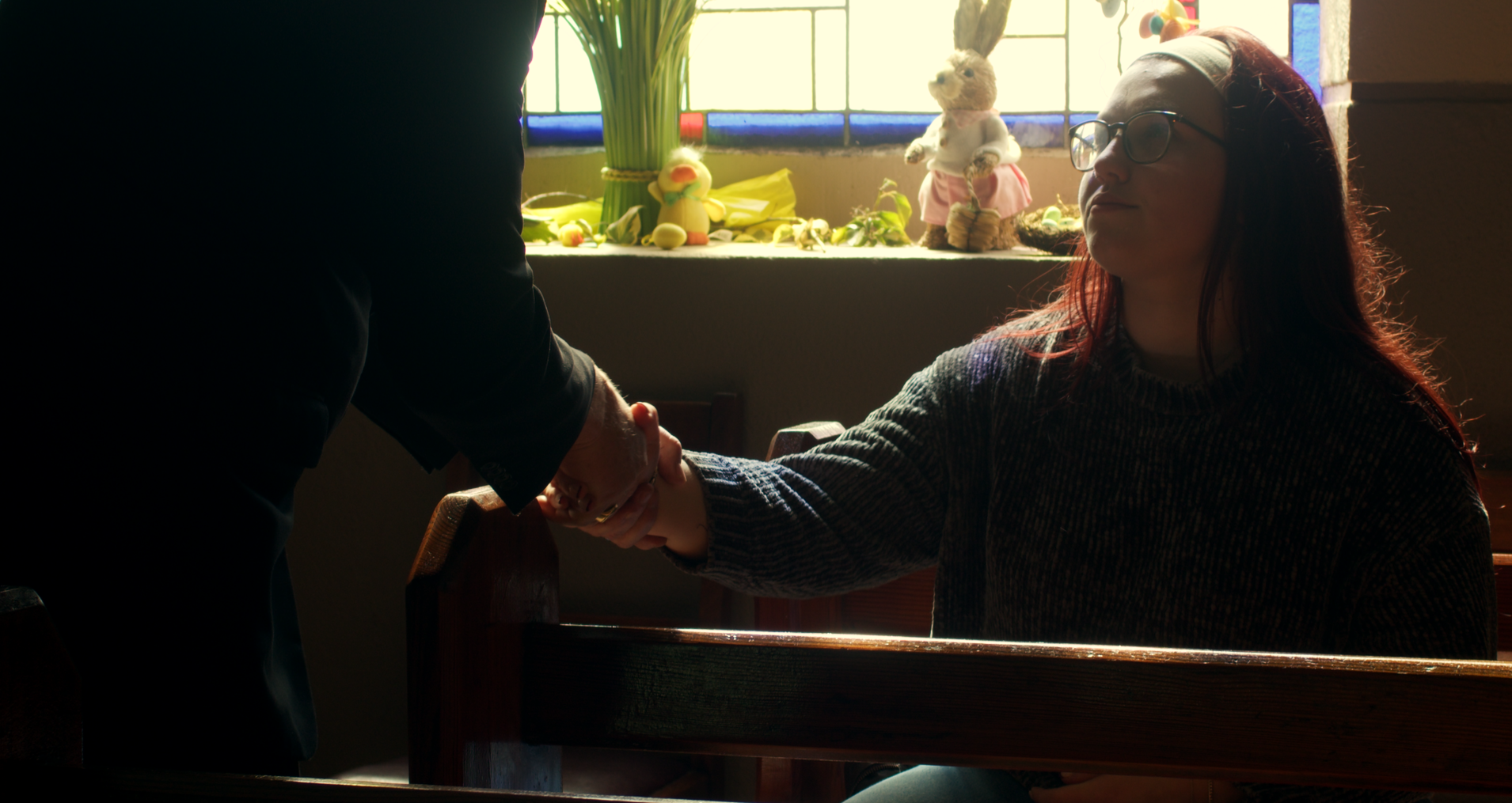
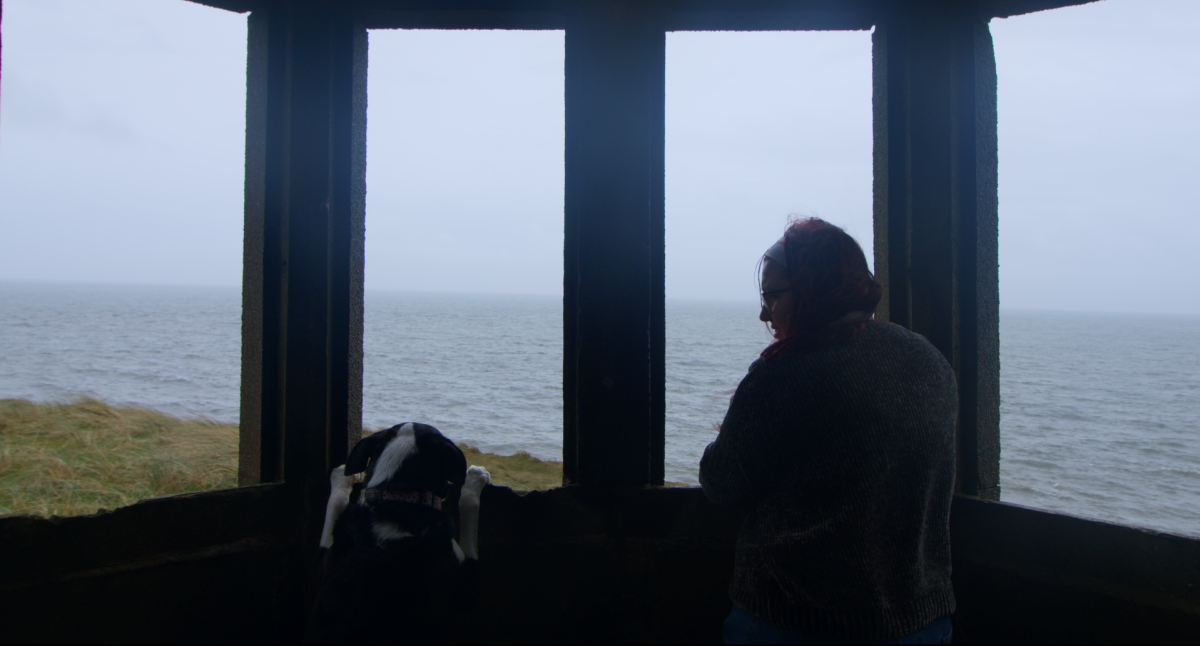
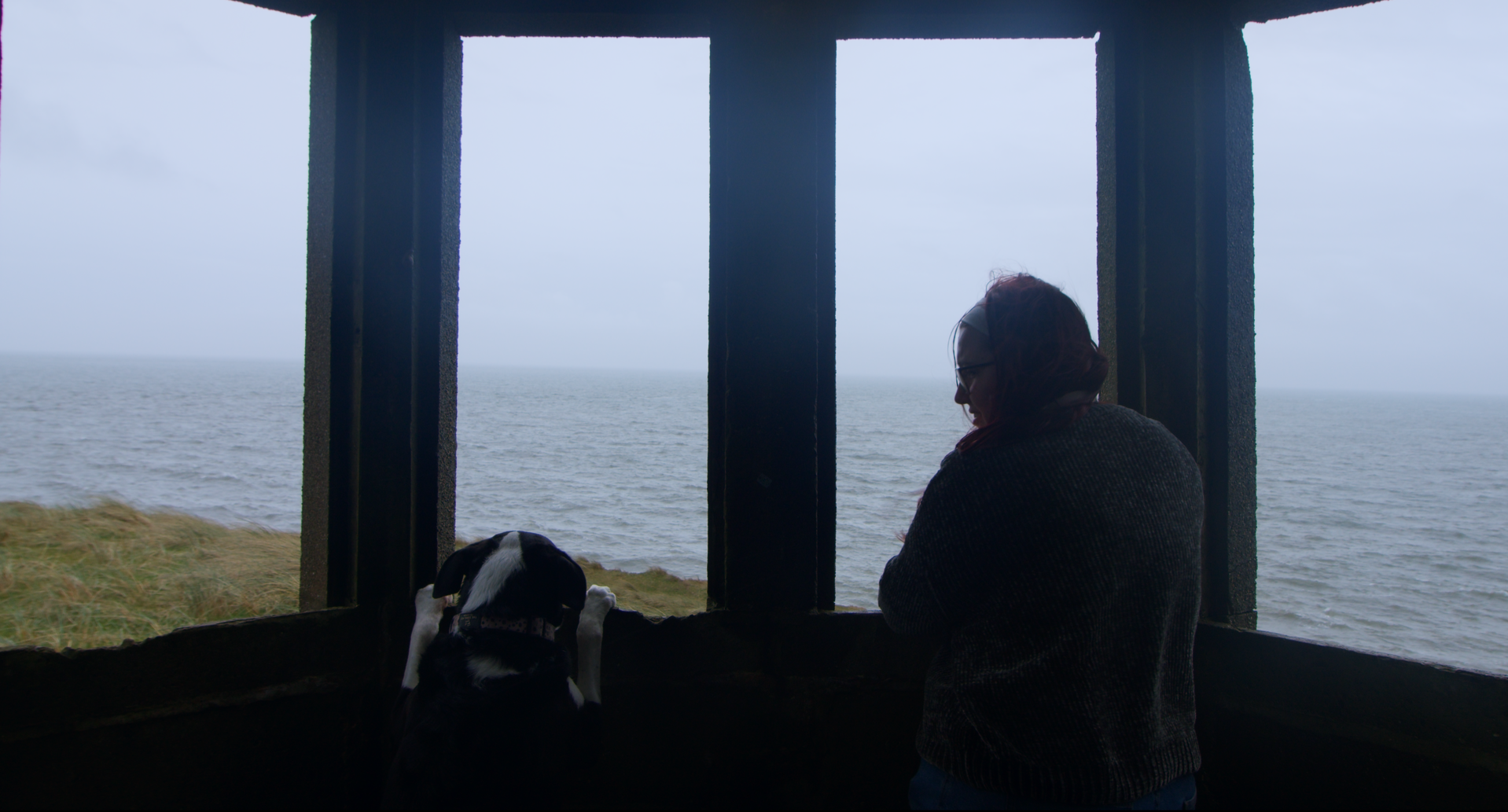
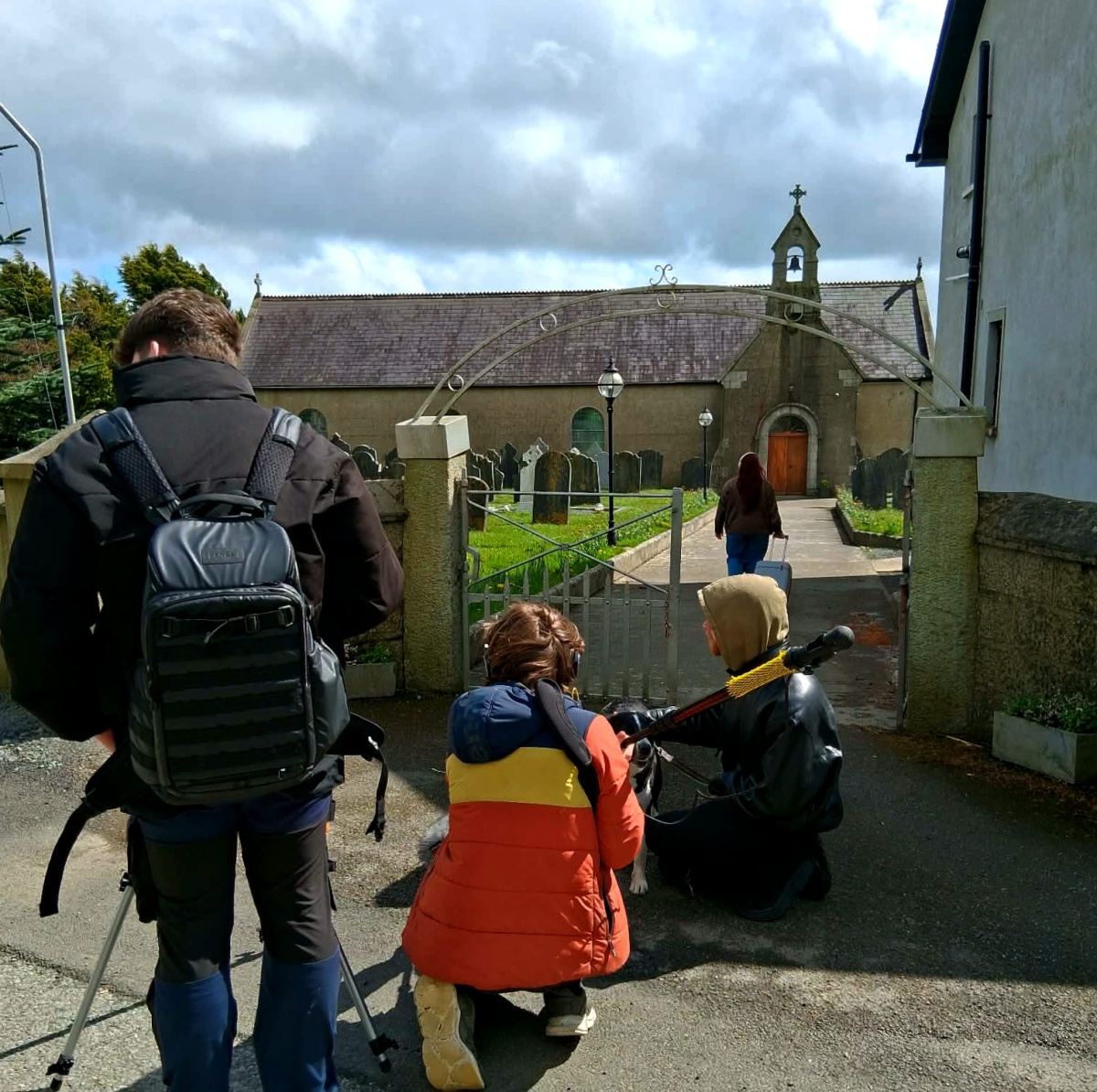
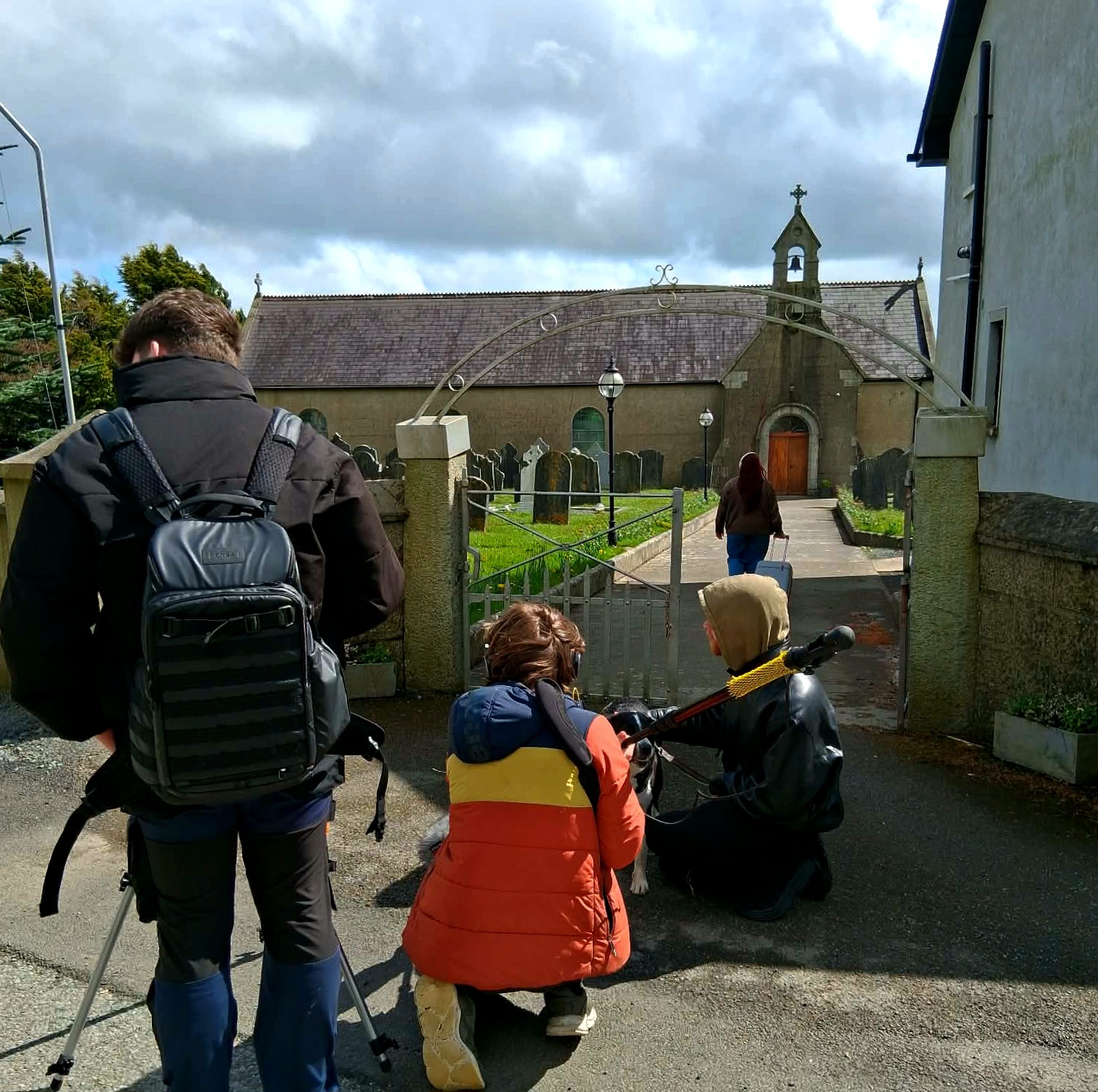
The main goal of this project is to explore the emotional relationship between people, place, and memory through themes of community, grief, and home. It aims to communicate the experience of returning to a familiar landscape that no longer holds the same sense of belonging due to personal loss and social change. Through a large-scale screen installation, the work seeks to create an immersive space where viewers can reflect on absence, displacement, and the passage of time. It also intends to highlight how landscapes can act as emotional containers, holding memories and feelings until individuals are ready to confront them. Ultimately, the project explores what it means to leave, return, and reconsider one’s sense of home.
The work explores themes of return, loss, and belonging, using landscape as a steady reference point against shifting relationships. Throughout the process, there was significant development in videography, editing, and installation practice, alongside a deeper understanding of how space and multi-screen presentation can shape narrative and audience experience. An important insight that emerged was the role of landscape as a carrier of emotional memory, often revealing a more personal dimension to the work than initially anticipated.
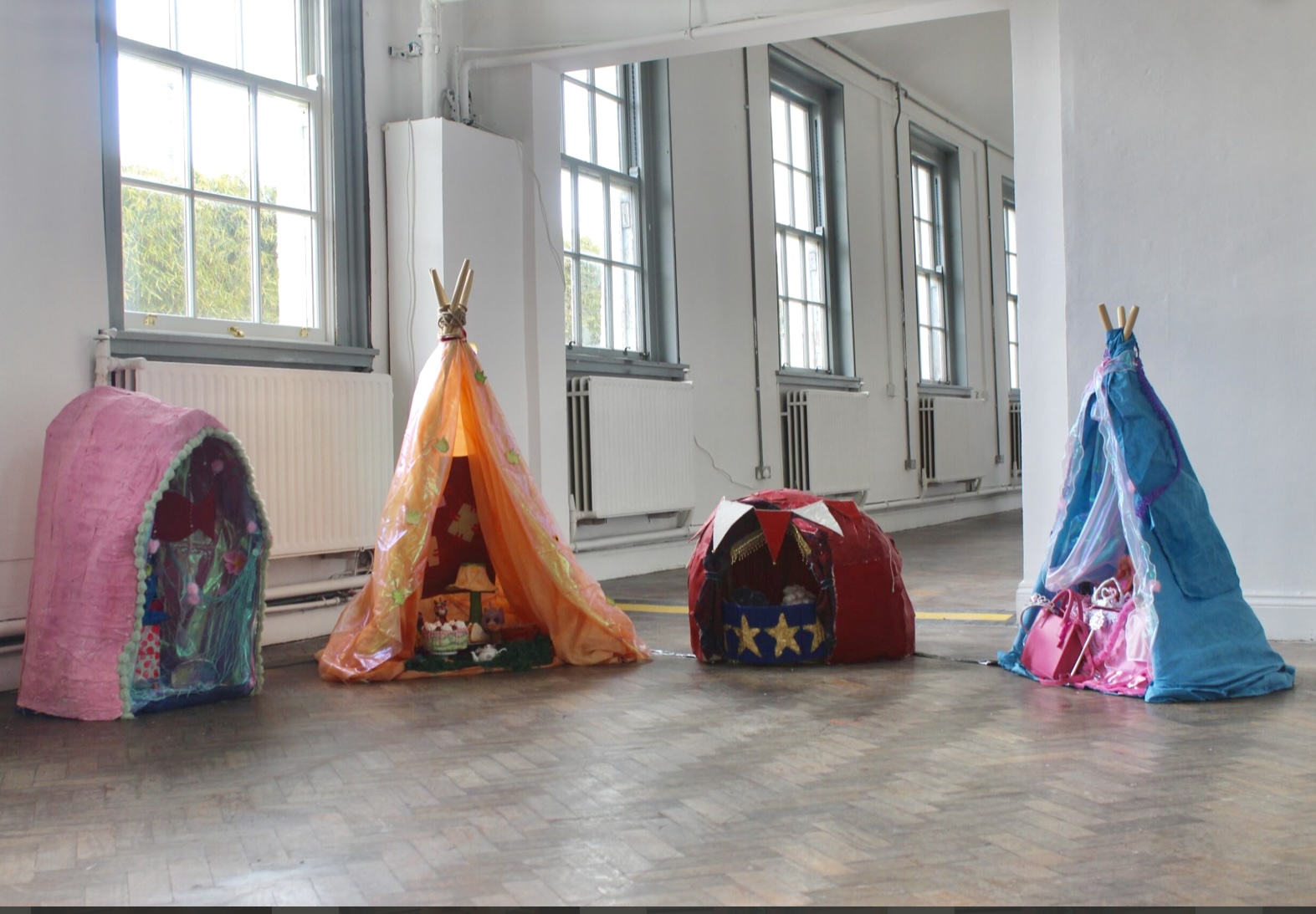
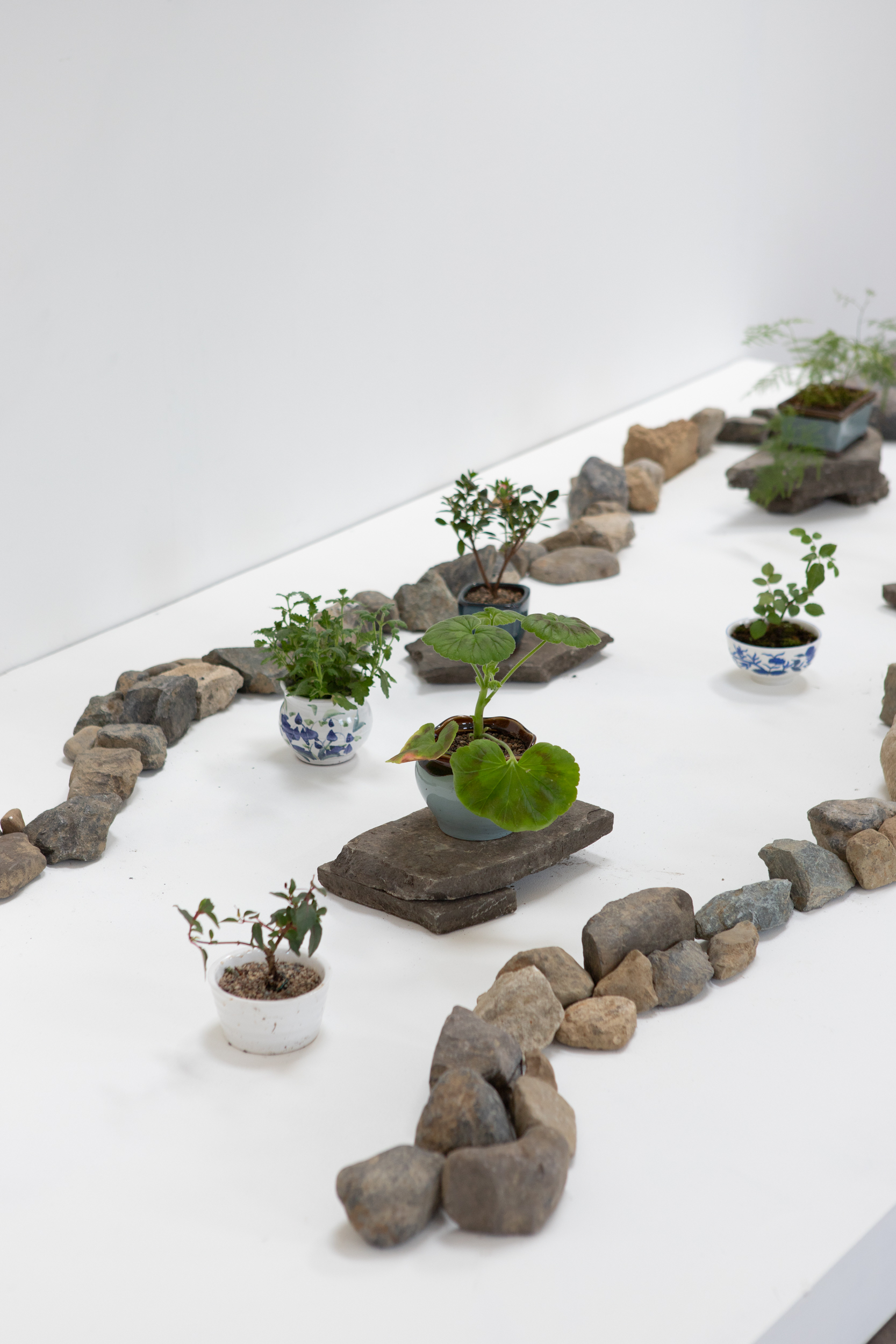
**From Play to Practice** explores what is described as a growing “creativity gap” among young people in Ireland and its wider implications for contemporary society. Written from the perspective of a young artist working within the Irish art world, the thesis responds to a perceived decline in creative development during childhood—an ability considered essential for innovation, individuality, and cultural vitality. The research investigates the social, environmental, and educational factors that may contribute to this stunted creative growth. Central to the study is Ray Oldenburg’s concept of "third places", as outlined in **The Great Good Place**. The thesis also draws on theories of space and social production, alongside cognitive ideas such as Tulving’s concept of priming, to consider how repeated exposure and environment shape perception and creativity. Structured across four chapters, the work looks at the examination of spatial influence, educational systems, and alternative learning models, including Montessori, forest schools, and Reggio Emilia approaches. It also engages with contemporary debates around STEM vs STEAM education and broader policy implications. Ultimately, the thesis brings together insights from environment, education, and artistic practice to argue for the importance of nurturing creativity from an early age, while reflecting on the limitations of current systems and considering future directions for fostering a more imaginative and dynamic society.
Michaela is an installation and moving image artist from Arklow, Co. Wicklow. Her work explores relationships, environments, and Irish cultural identity through immersive installation, videography, and photography, shaped by her interests in sailing, hiking, and travel. Recent exhibitions include **The Place Project**at IMMA Studios (2023); **Echoes of Expression** at The Digital Hub Dublin and **Listen to the Land Speak** at IADT (2024); **Better than Ambrosia**, curated by Dylan Yearsley at Marlay Park (2025); **Down the Road, Around the Corner** at Pallas Projects/Studios (2026) and the Baltinglass Local Film Premiere (2026).