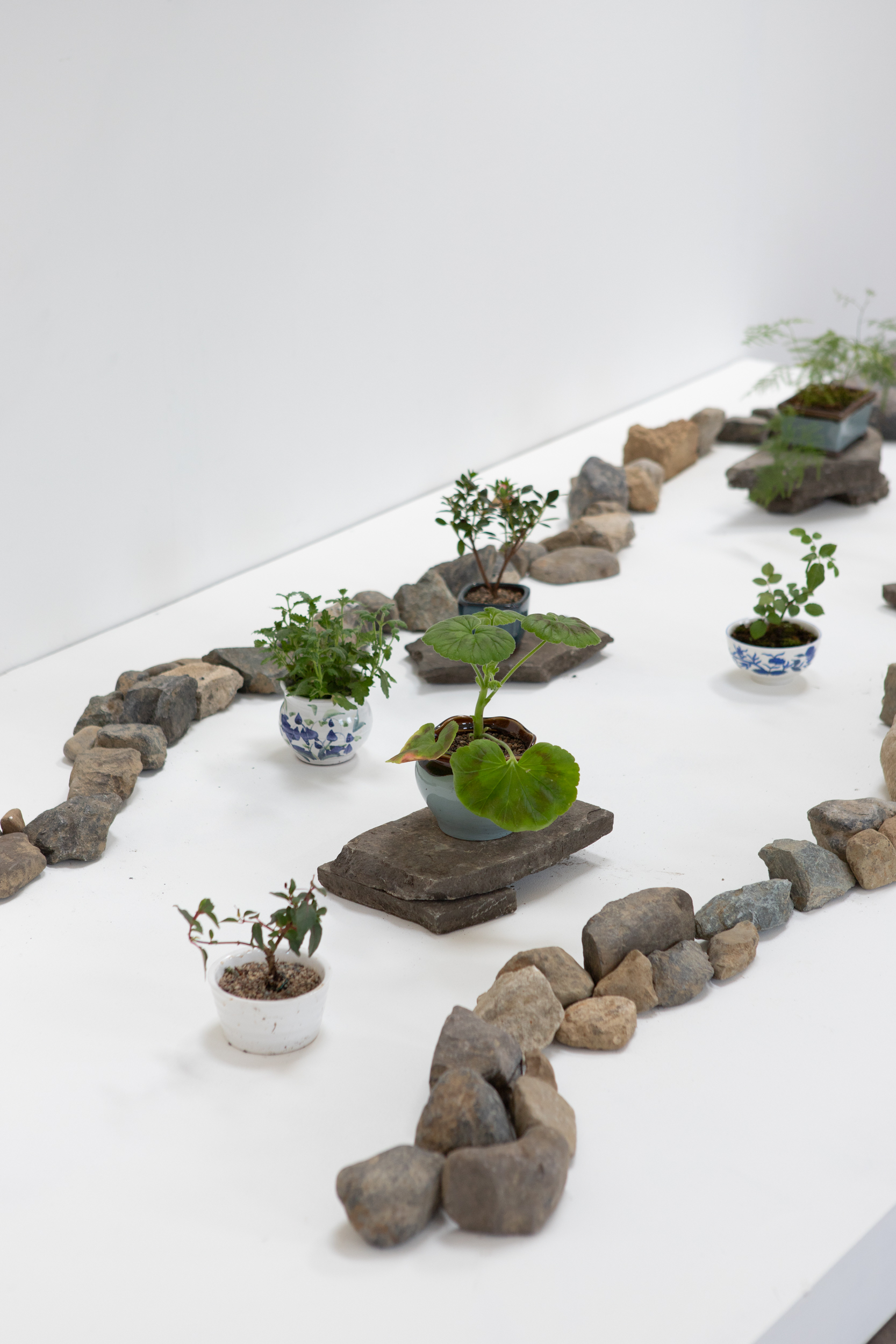
Joshua Sabadoquia
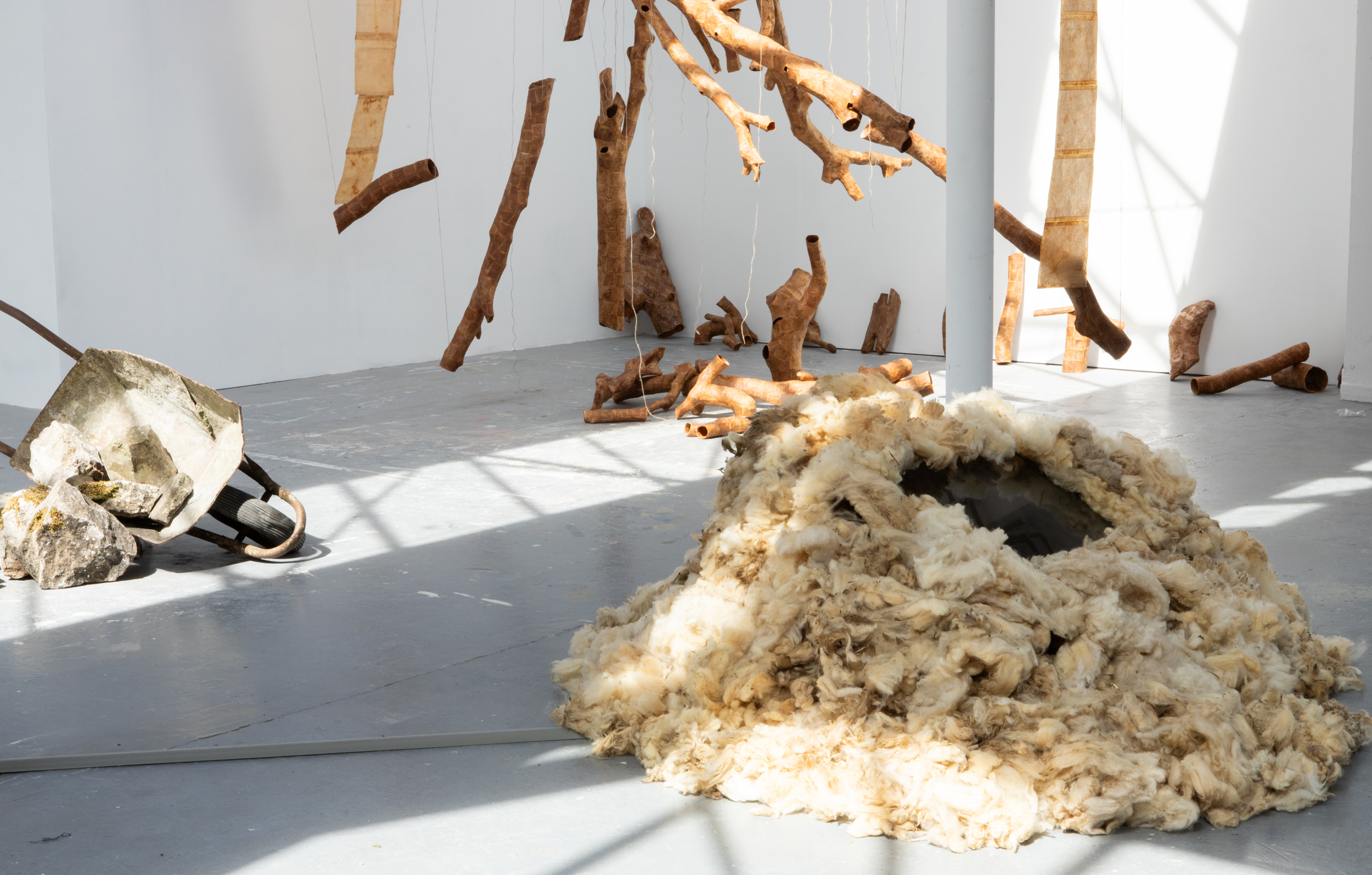
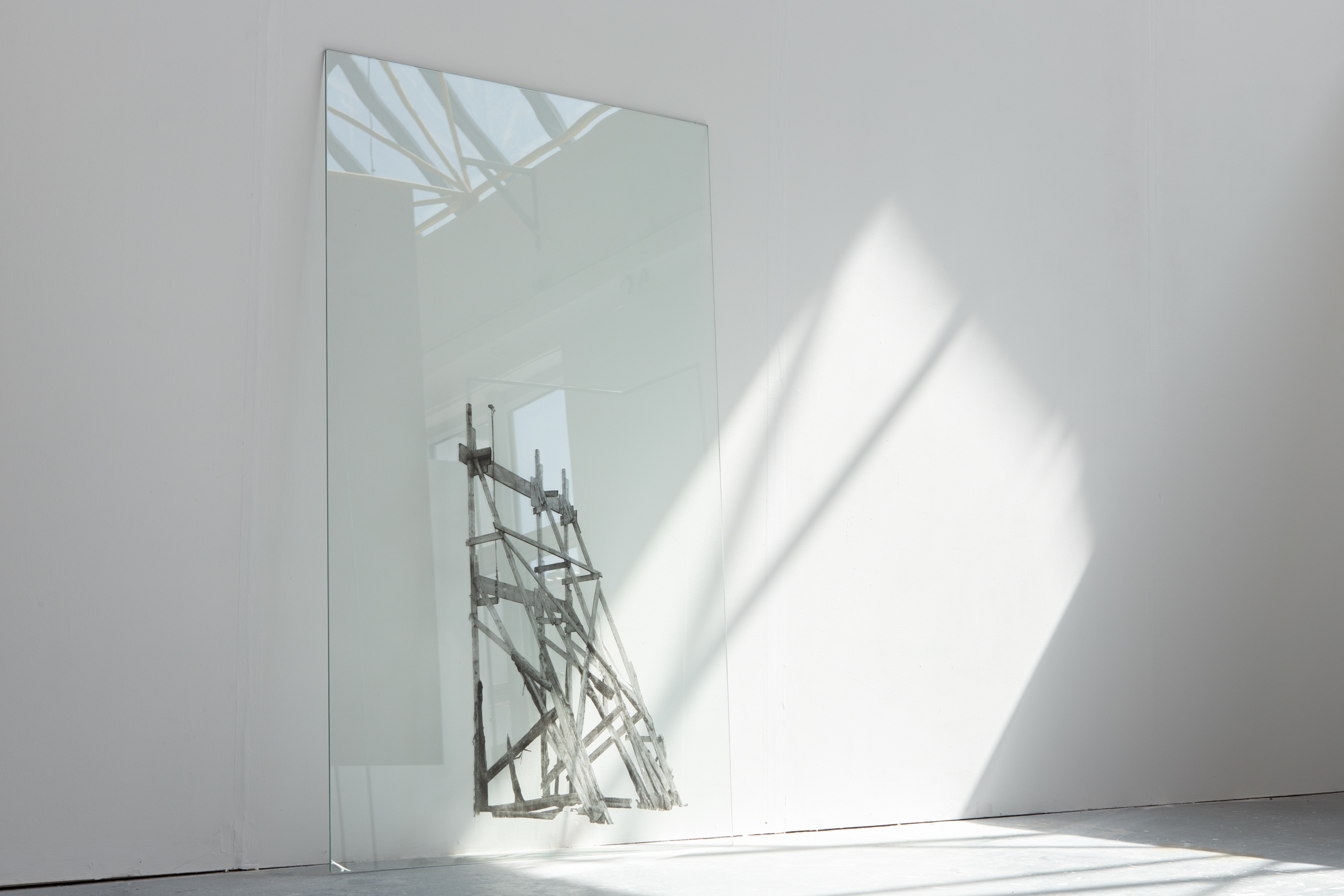
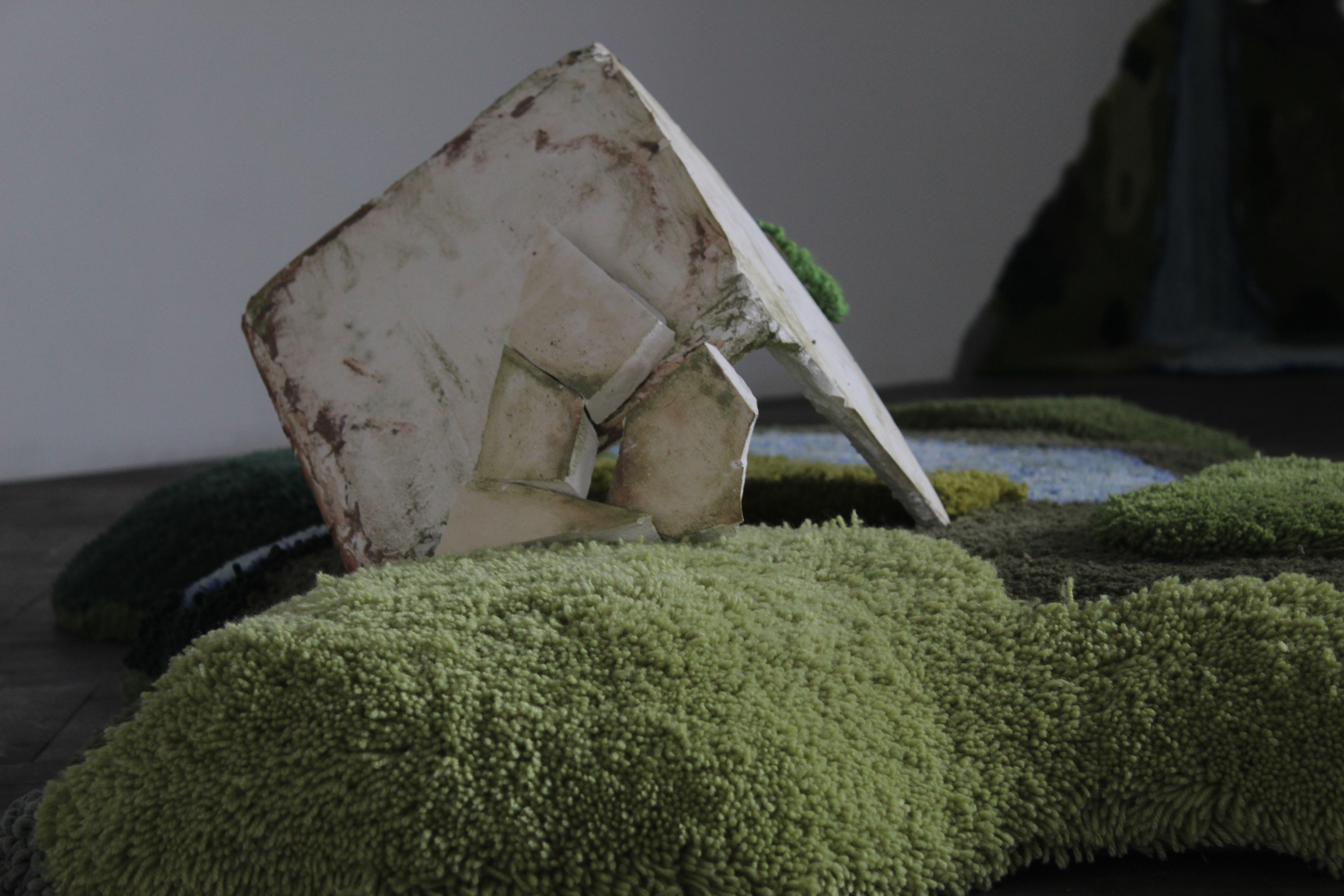
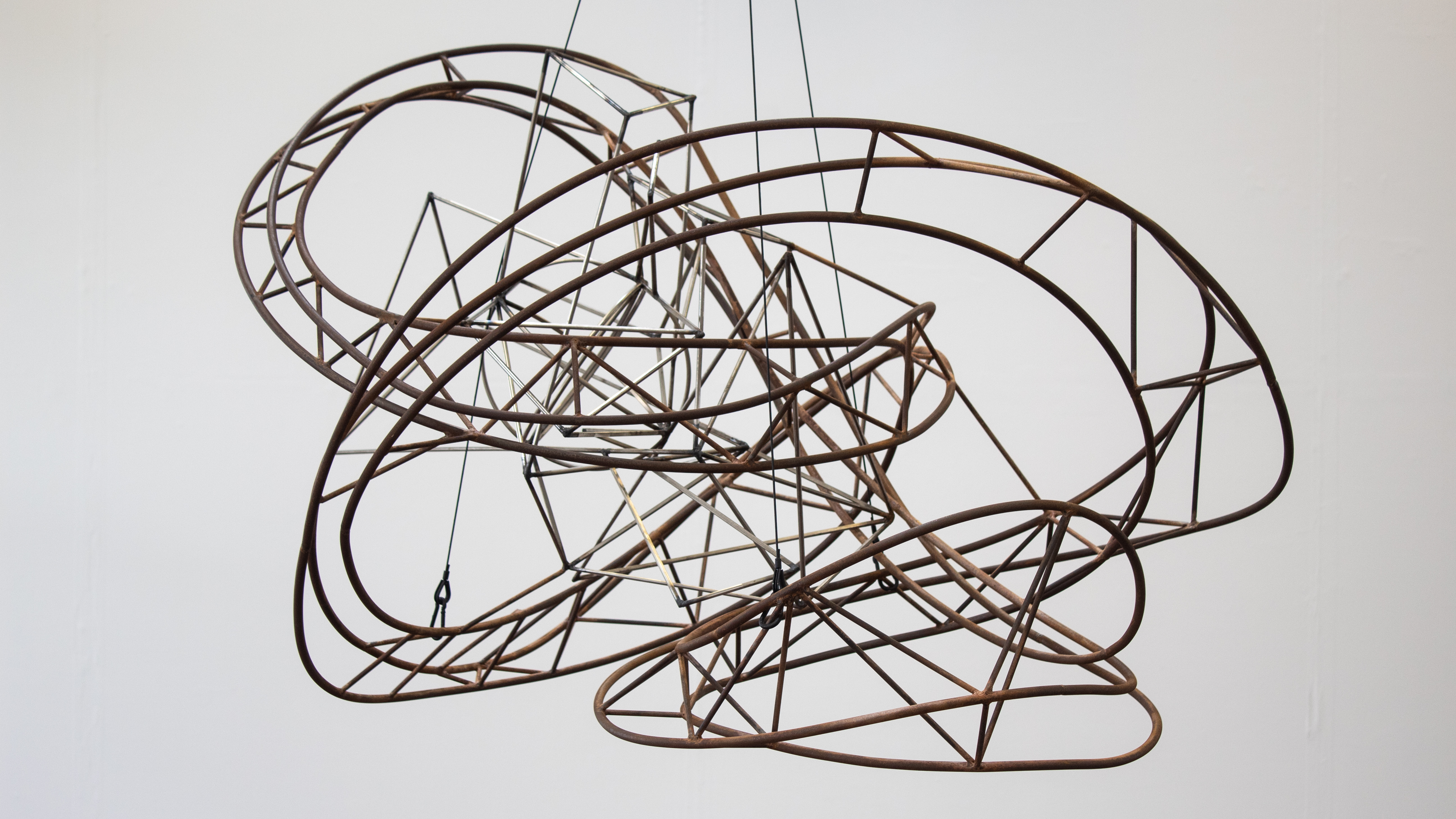
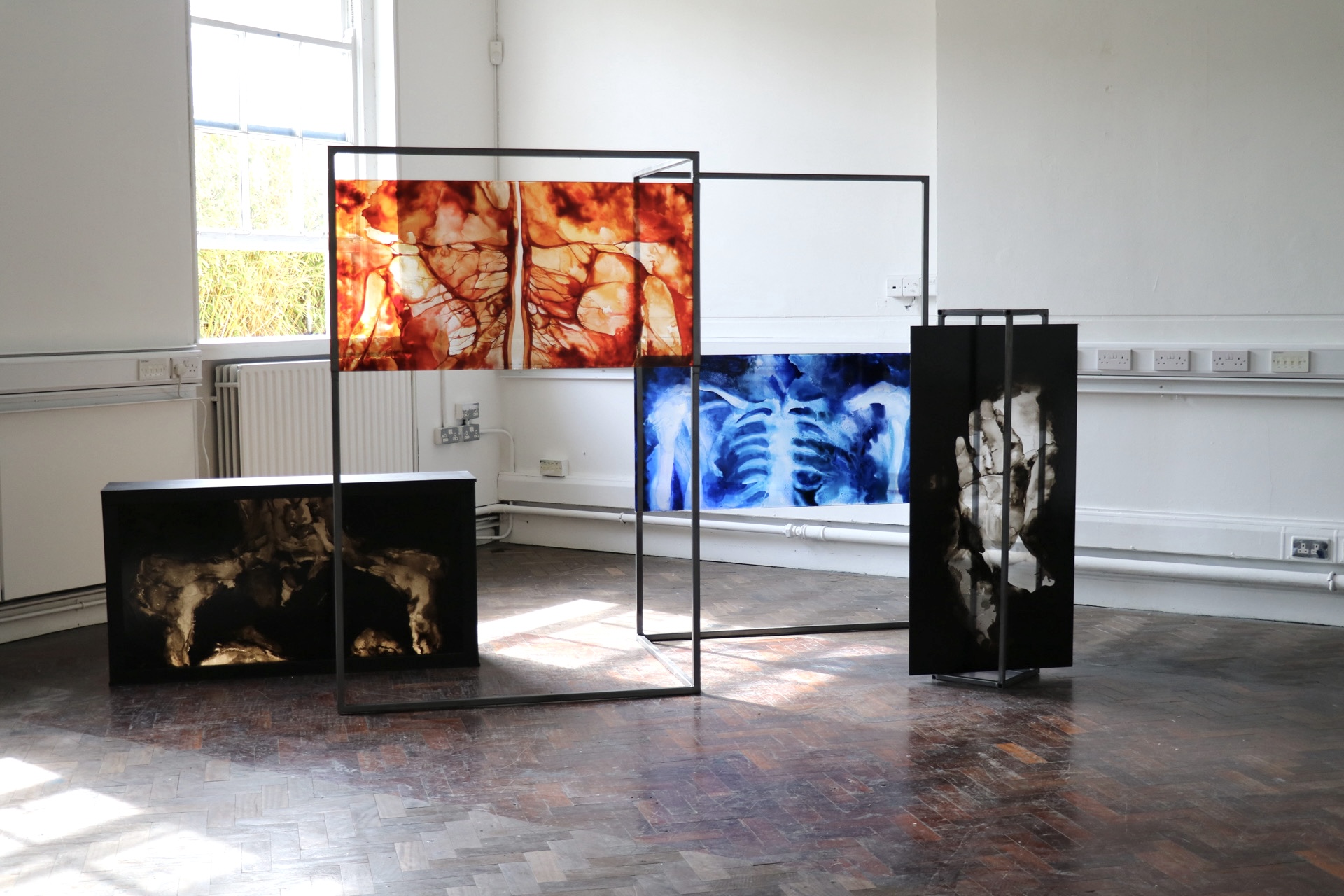
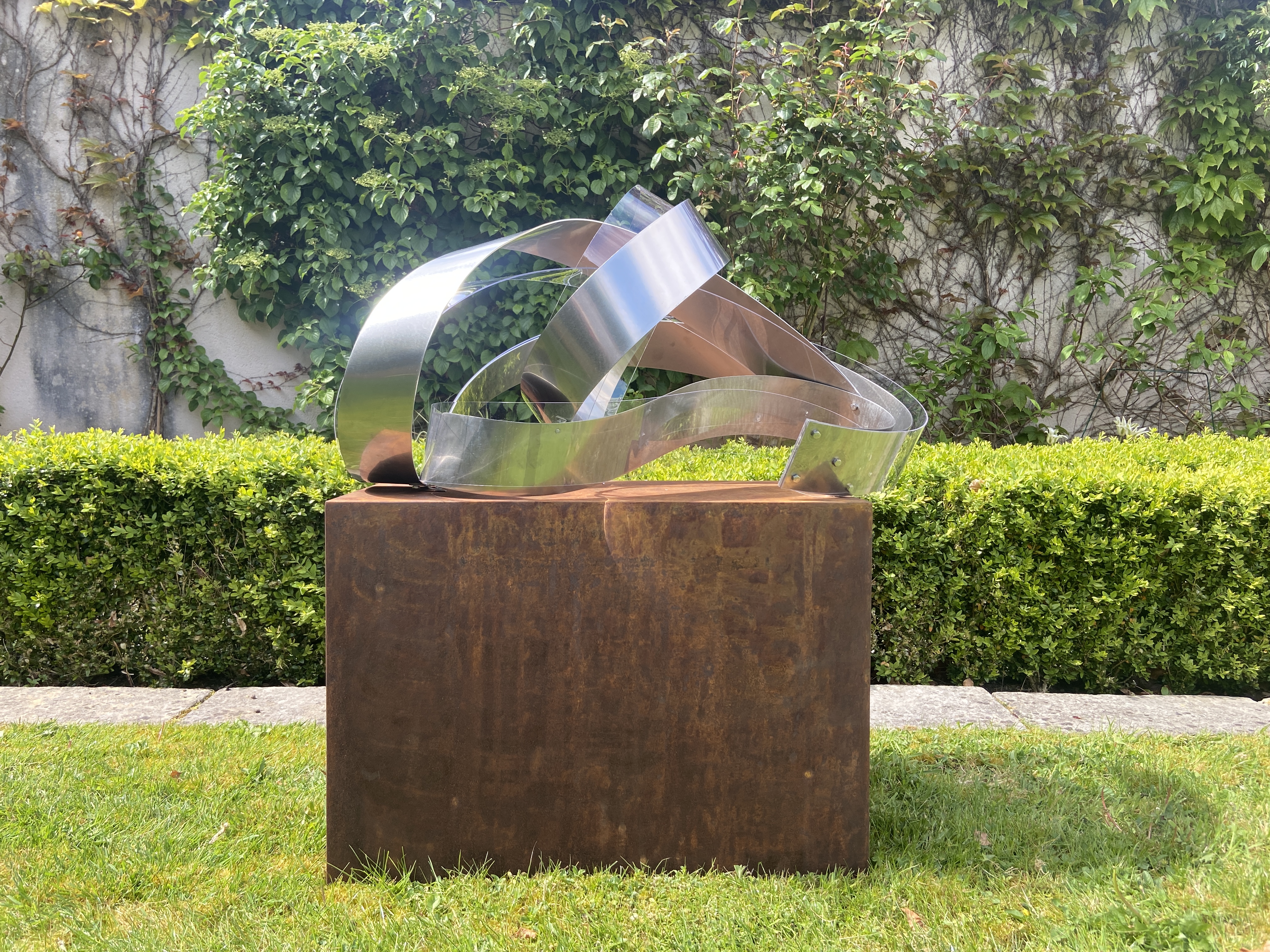
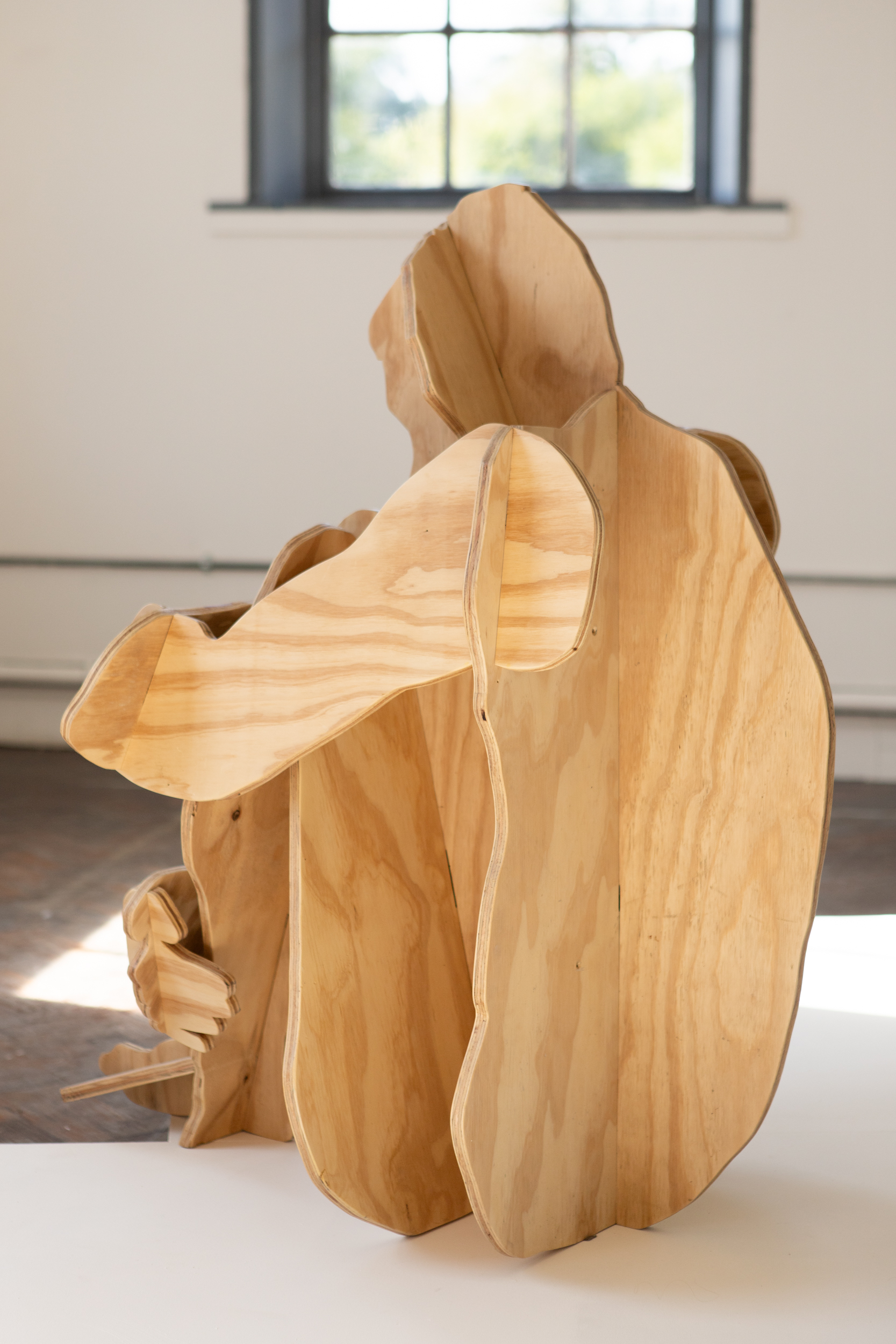
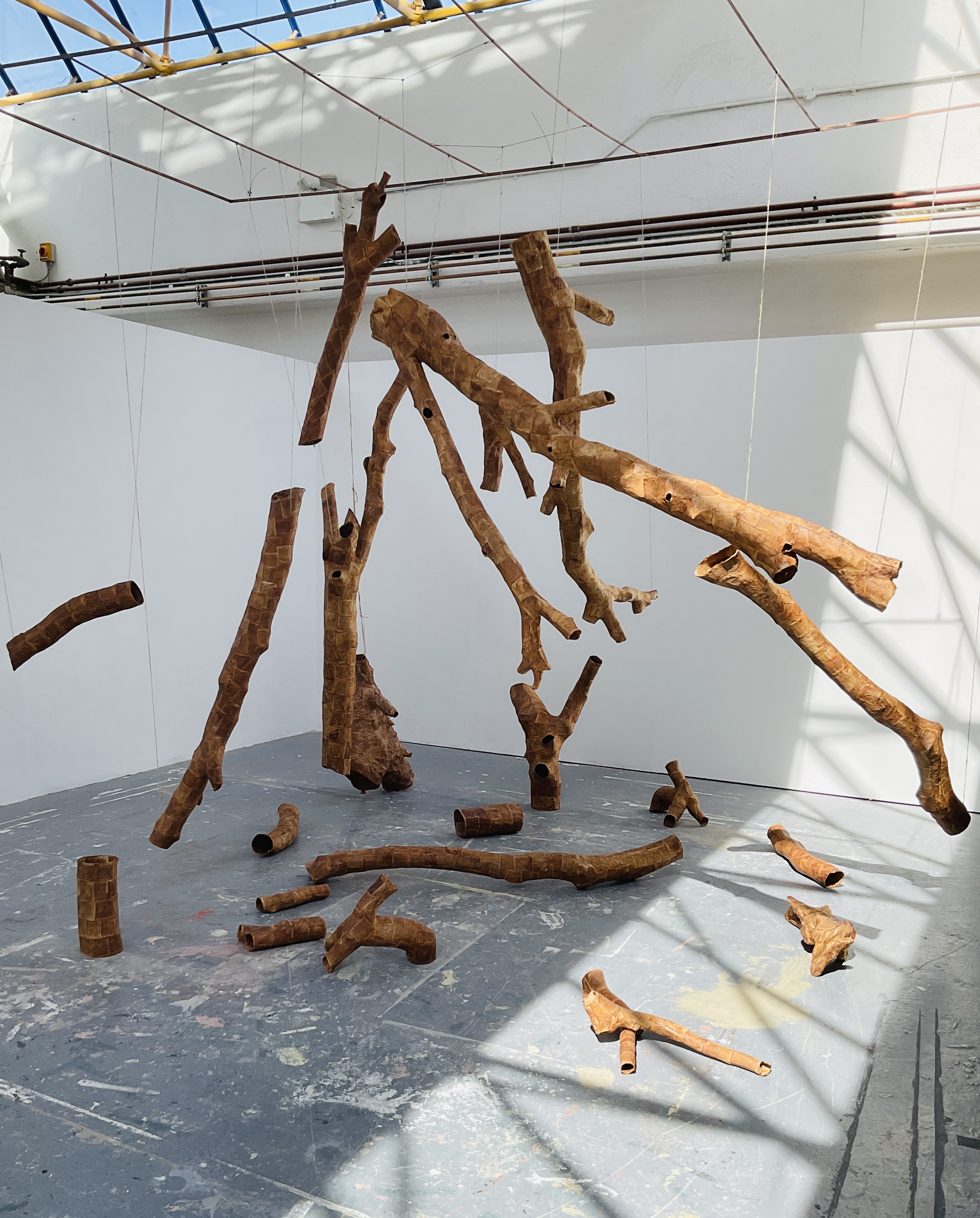
**Aedificium Ad Infinitum** is an installation that examines the existential consequences of the progression of science and technology in architectural space. The work references high-modernist principles which centralise top-down ideals in urban planning. The sculpture embodies this ‘centralised’ theme suggesting omnipresence and divinity, thus challenging the belief that the ethics of science and technology is establishing a God-like order.
The work is analogous to Jorge Luis Borges' story of **The Aleph** whereby a hypothetical point in space encompasses all other points of the known universe. These two references inspired the sculptures form, which intends to mimic an omnipotent structure.
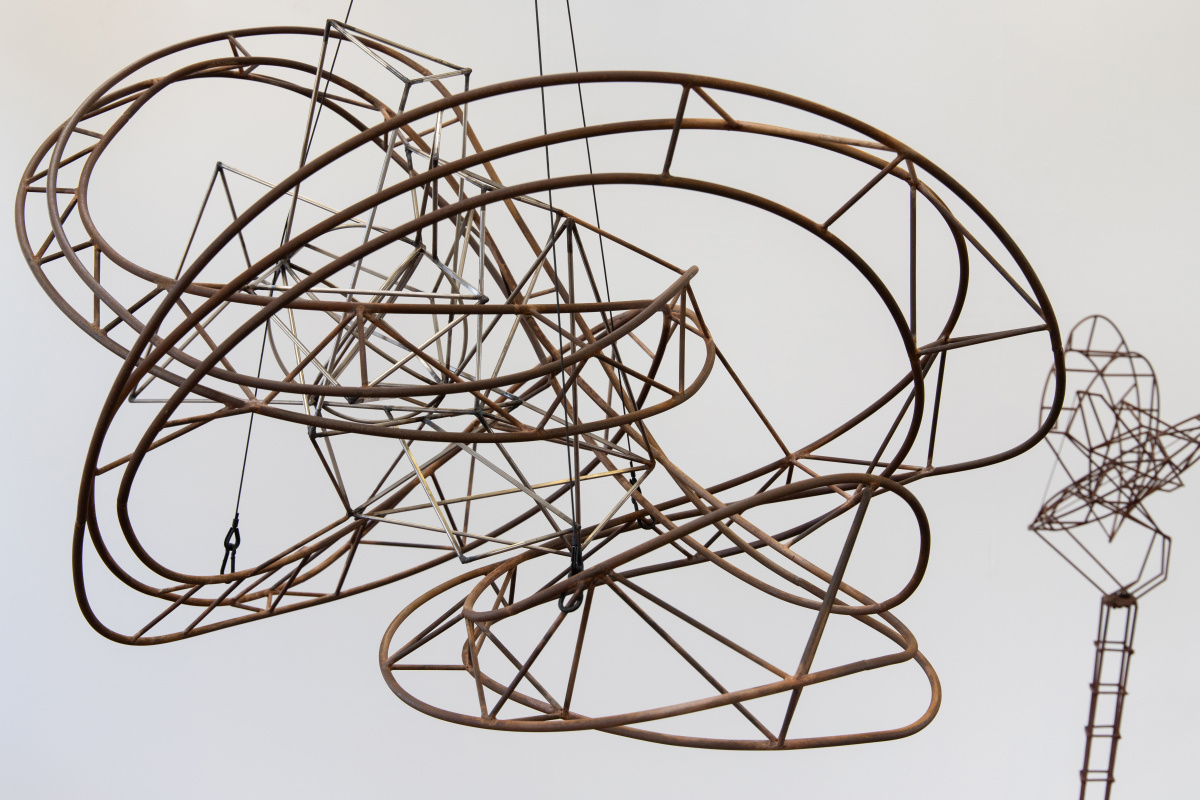
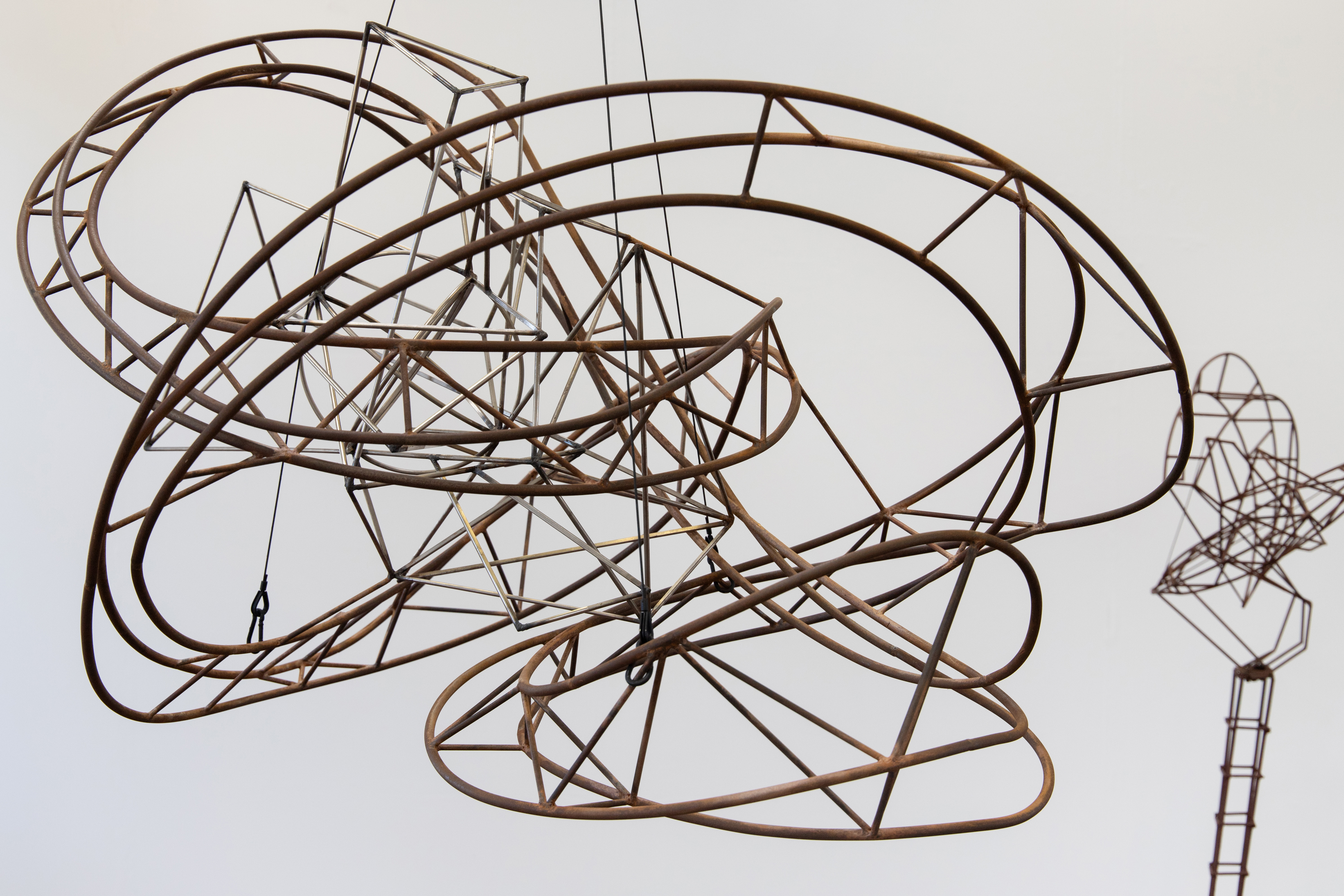
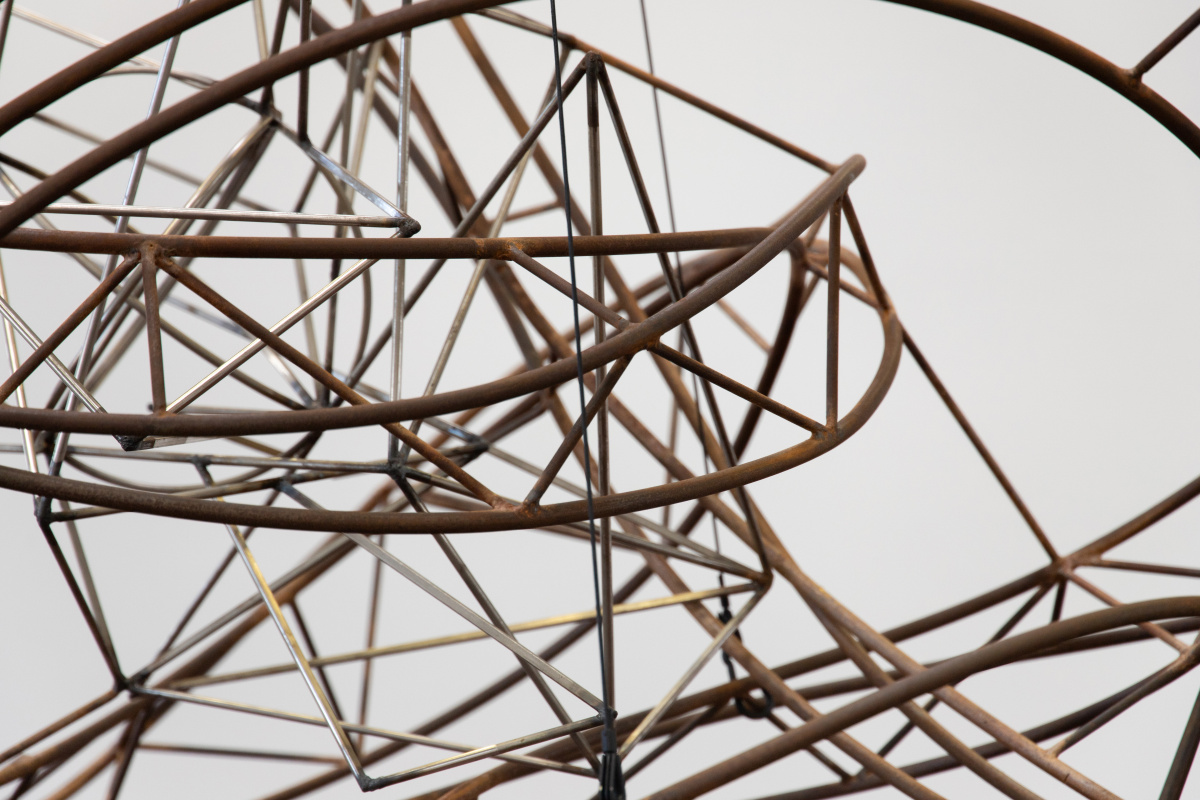
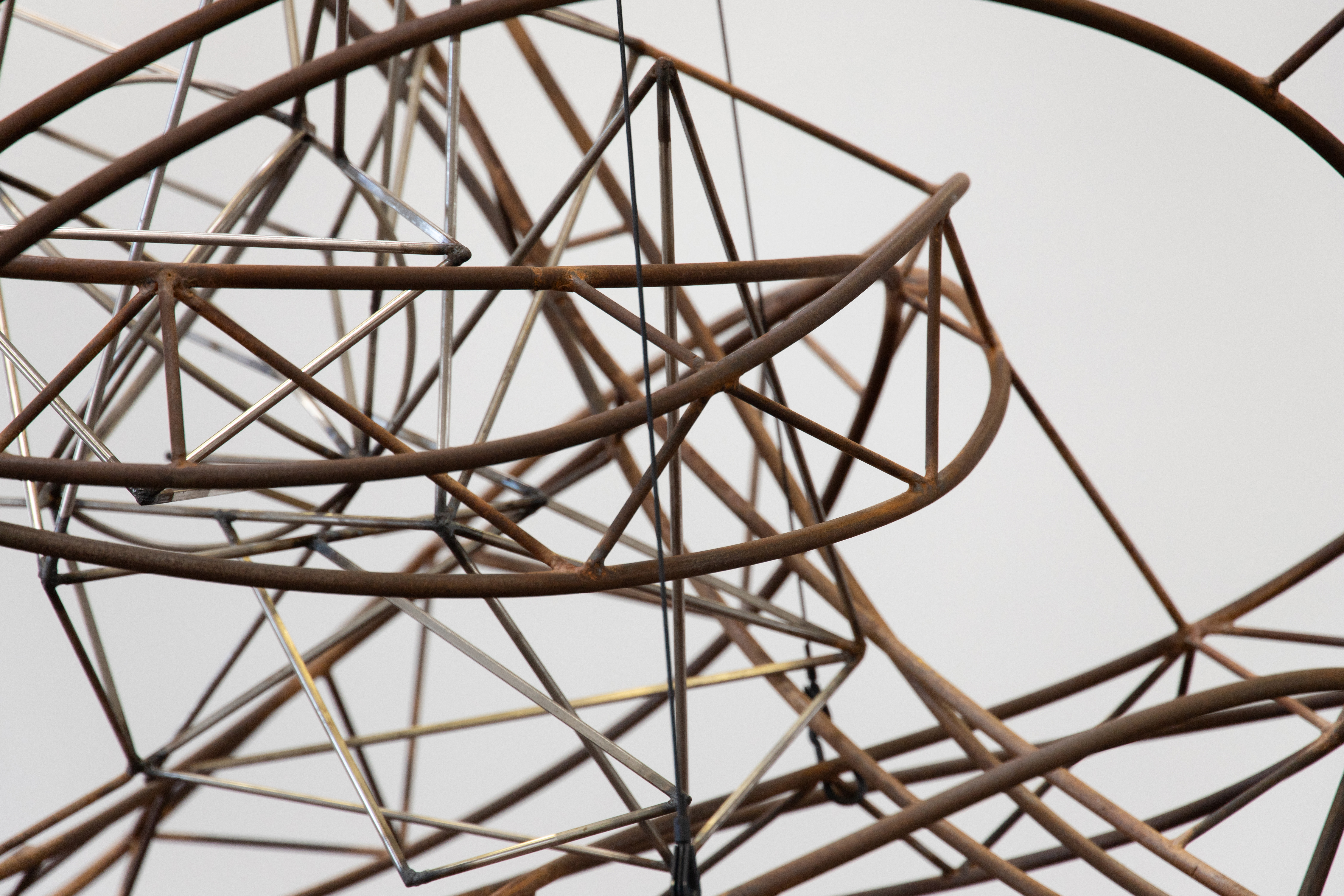
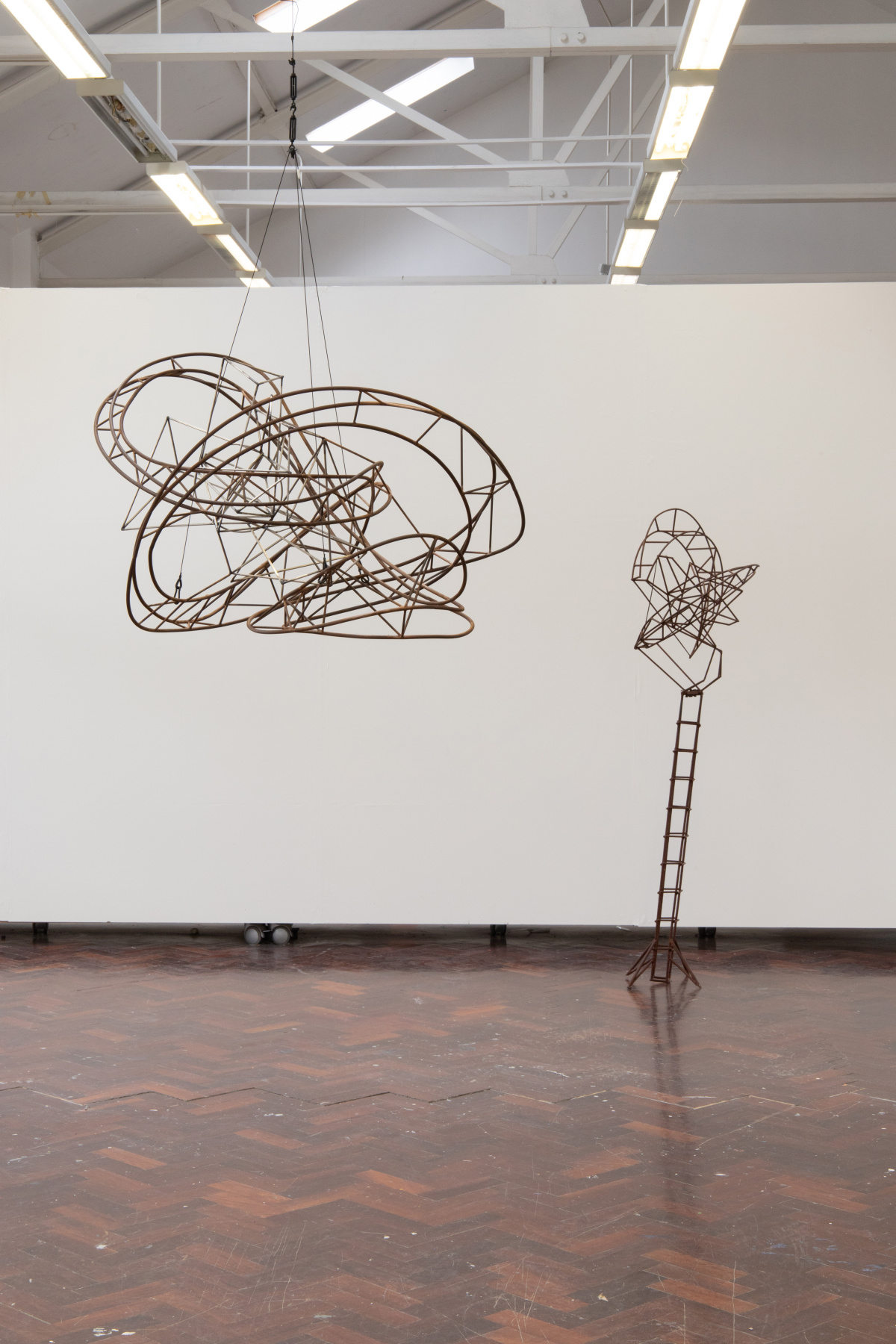
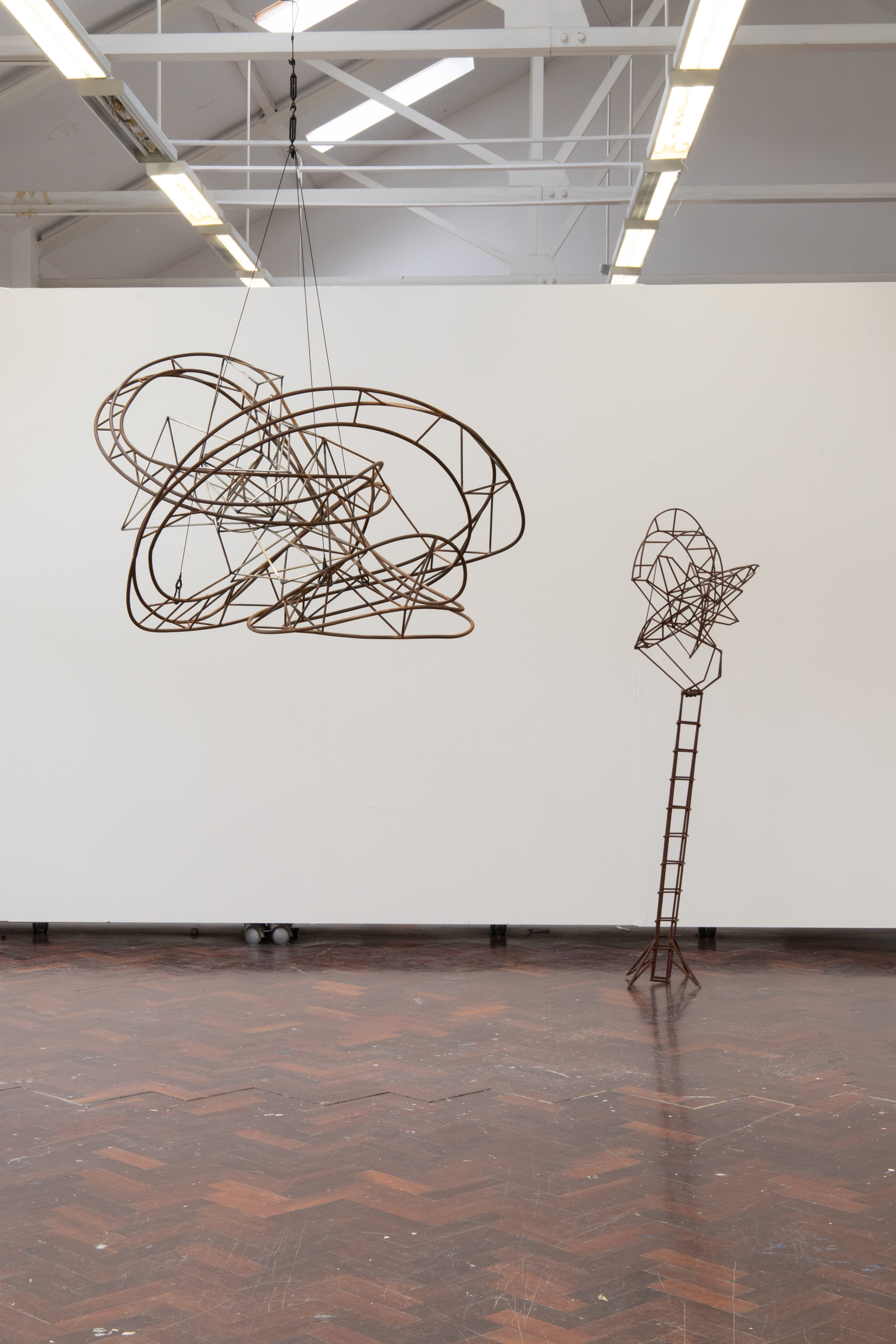
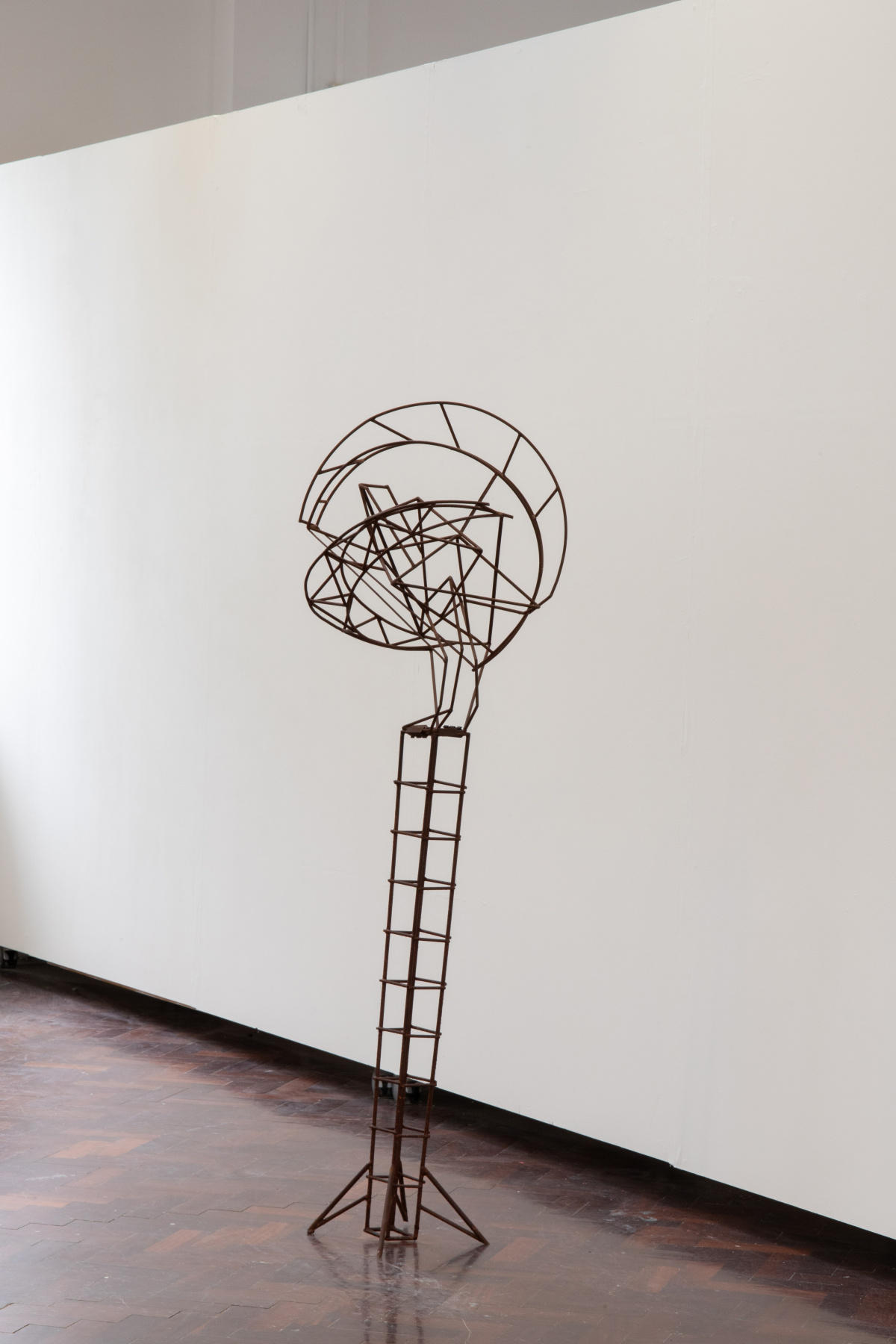
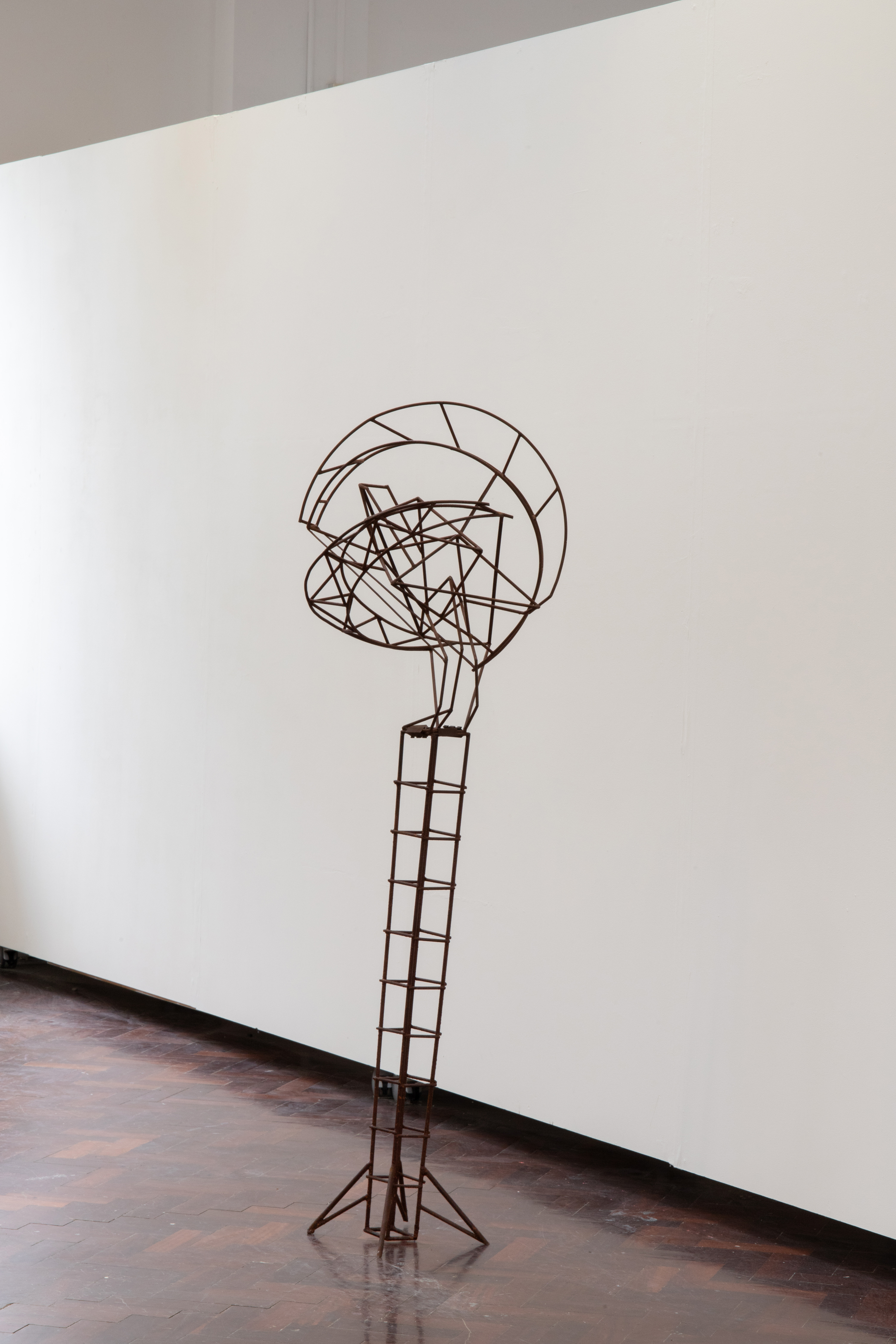
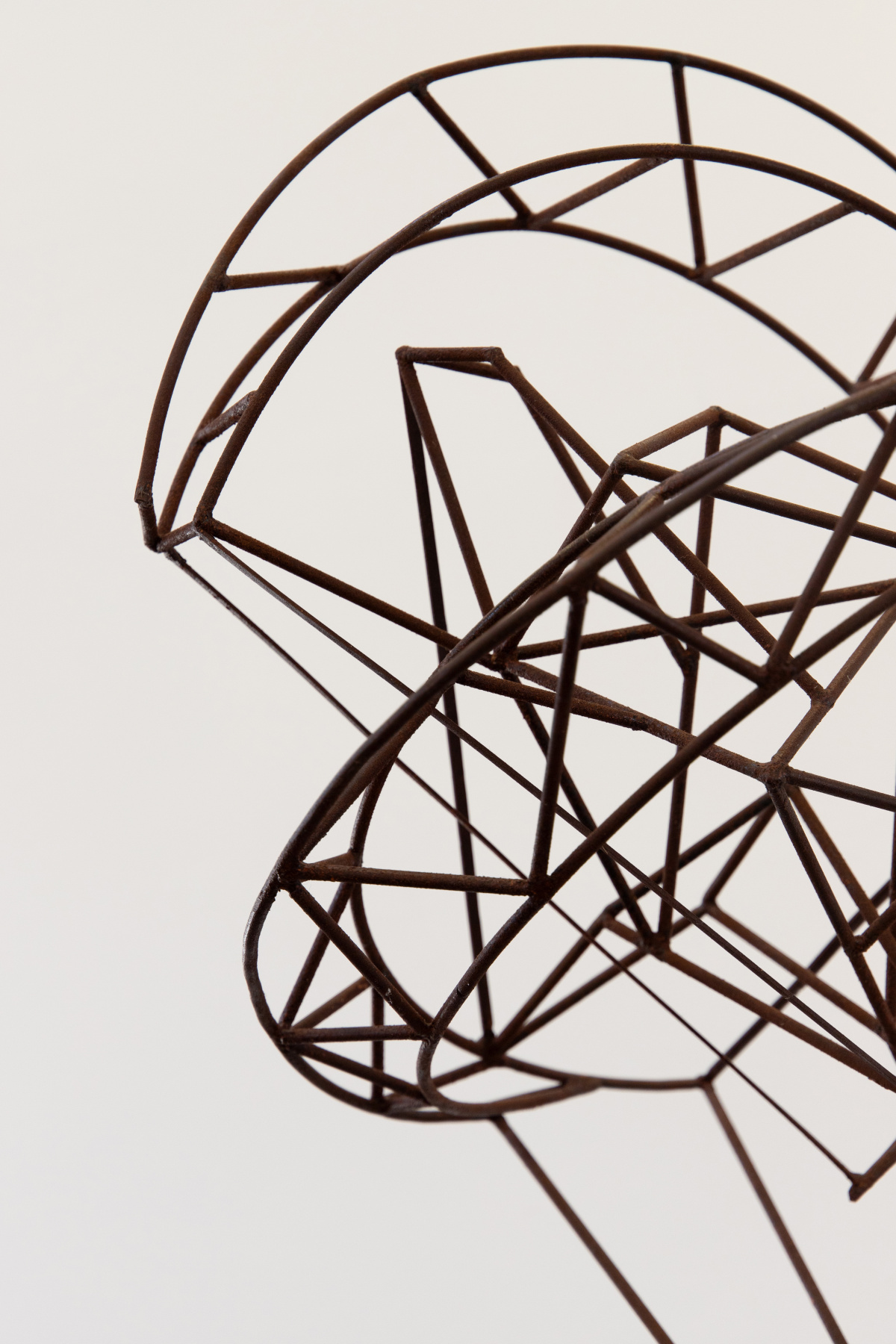
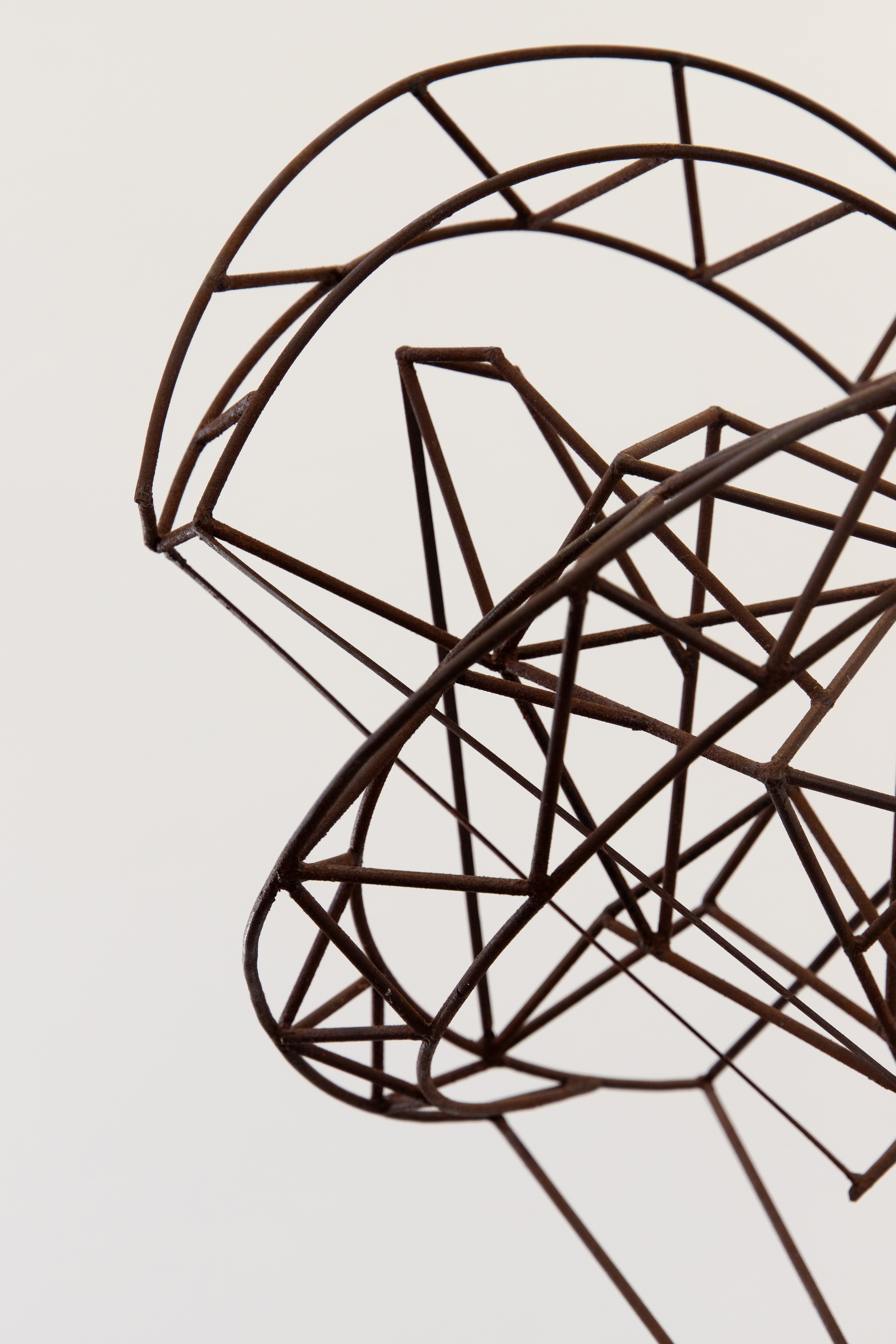
Aedificium Ad Infinitum is a sculptural installation that examines the existential stagnation of ‘worked matter’ in architectural space derived from the human-intervention of modernity. As a reaction to the high-modernist movement, I denounce and revisit the failed modernist tendencies from the 1950's still prevailing in our commodifying and techno-oriented society, whereby perception of space becomes incomprehensible.
The sculpture’s form is a reference to these short-sighted high-modernist ideals, that impose authoritative faith in science and technology - namely: Brasilia, Chandigarh, Ballymun. In so doing, these super structures resemble humans’ predilection to create the unfathomable – modernity saw the mechanical age; however, the present day cannot be described without omitting our generations Artificial Intelligence. It is a manifestation of oneness (God) and its infinitude, which carries inconceivable qualities that produces ruinous ontological effects that contradict what makes a virtuous life. For what awaits us, wherein space encompasses a false representation of the eternal? One can only imagine the feeling of exile it confers; without a remedy we are deprived of the memory of a lost home, or the hope of a promised land.
The intention of this project is to ascend from our habitual depravity, in which the ethical consequences of knowledge got conflated with the idea of the omniscient, or the attempt to envision it.
The production of abstract space takes place under the context of the growing mechanical age and rationalism of science and technology of the 1950s. Under the influence of post-war effects and budget constraints from material scarcity brought new and innovative ways to reconstruct what was lost. As a result, architecture adopted to the high-modernist ideology, gained traction by achieving recognition by government and acquiring the prerogative to standardise its methods for universal use. Despite the technological progression and aims to facilitate basic human needs, there were prevailing issues by occupants of these spaces concerned with isolating spaces and alienated mental fortitudes. These compromised conditions corroborates that well-being is determined by a person’s environs. The flaws derived from the impulse to oversimplify representations of the real city and to mythologise its promise to preserve national progress; a patriotic identity to conceal its incentive to establish authoritarian order. This thesis reviews over the association of the epistemological incentives within high modernism with the phenomenon of fire, the latter in which dates back to primordial times.
Joshua Sabadoquia is a Wicklow-based multidisciplinary artist. Working primarily in sculptural installation, his current practice investigates architecture's role in our perception of space, amidst technological confidence and commodification of society. His work aims to create a sensory experience whilst stimulating a philosophical investigation. Working with raw, crude materials like rusted steel, Joshua creates unfamiliar, yet familiar forms to evoke a sense of utopian landscapes, playing between abstraction and the concrete. Joshua has exhibited in **The Place Project**, IMMA Studios (2023), Hungarian University of Fine Arts (2025), and **Down the road, around the corner**, Pallas Projects/Studios (2026).