Noa Bernal Whelan
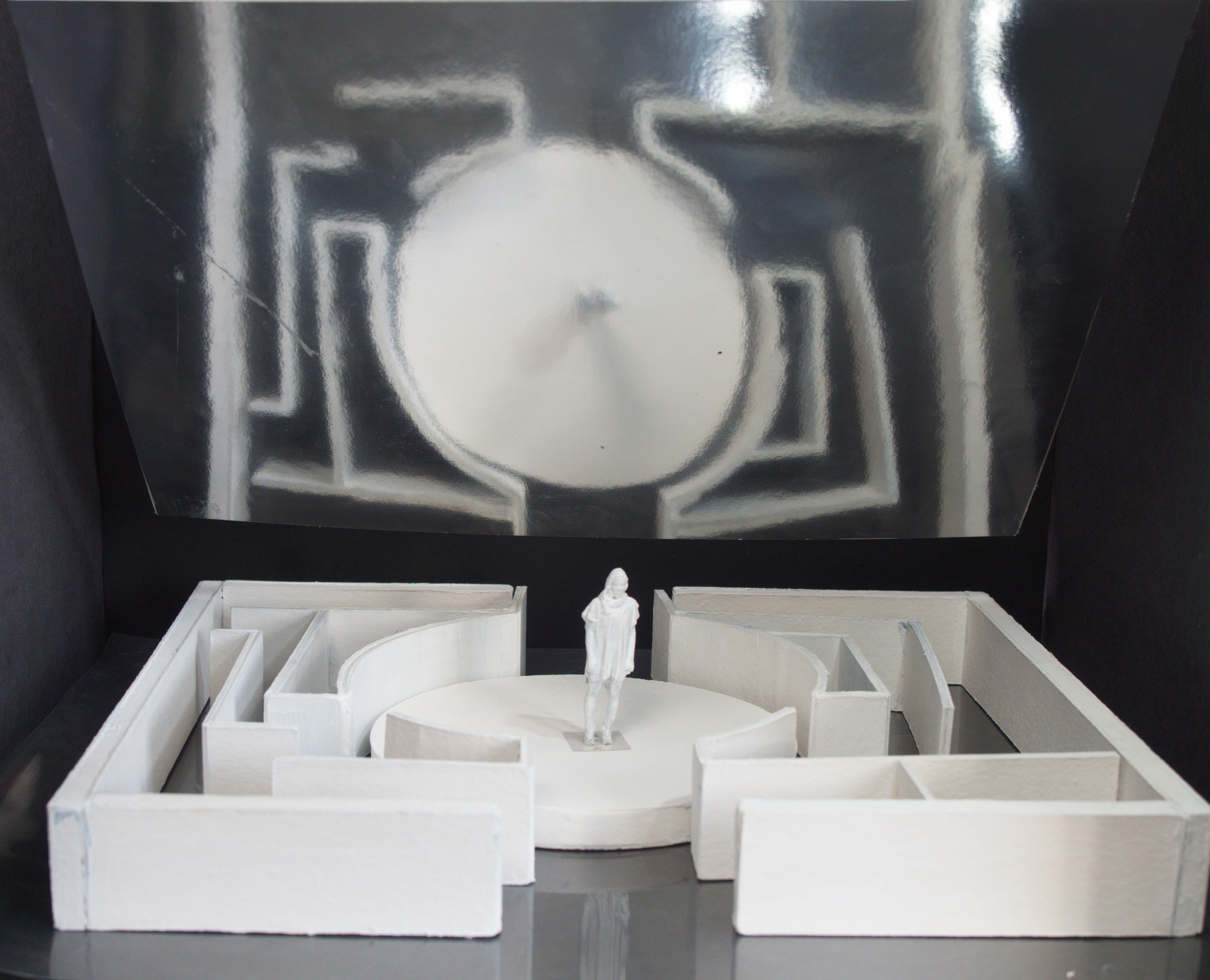
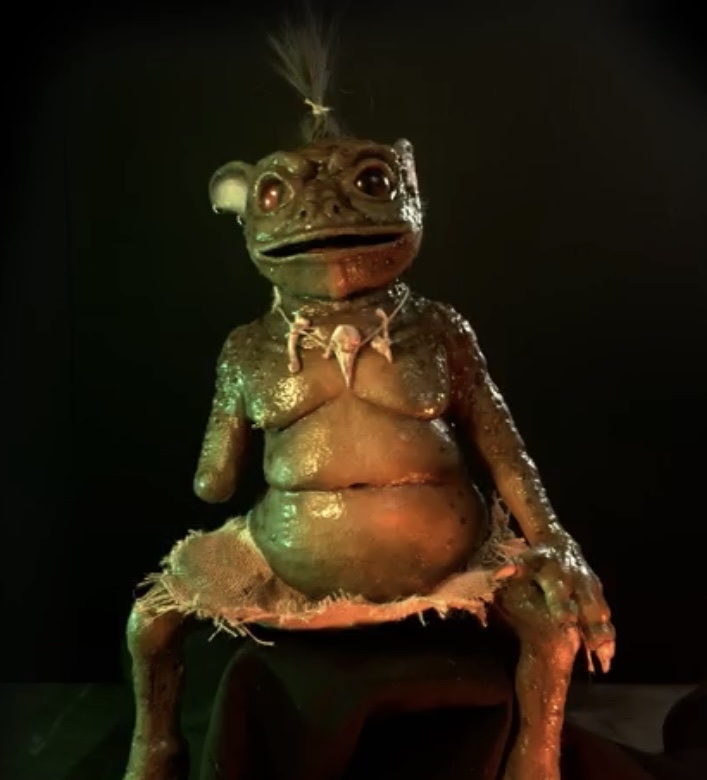
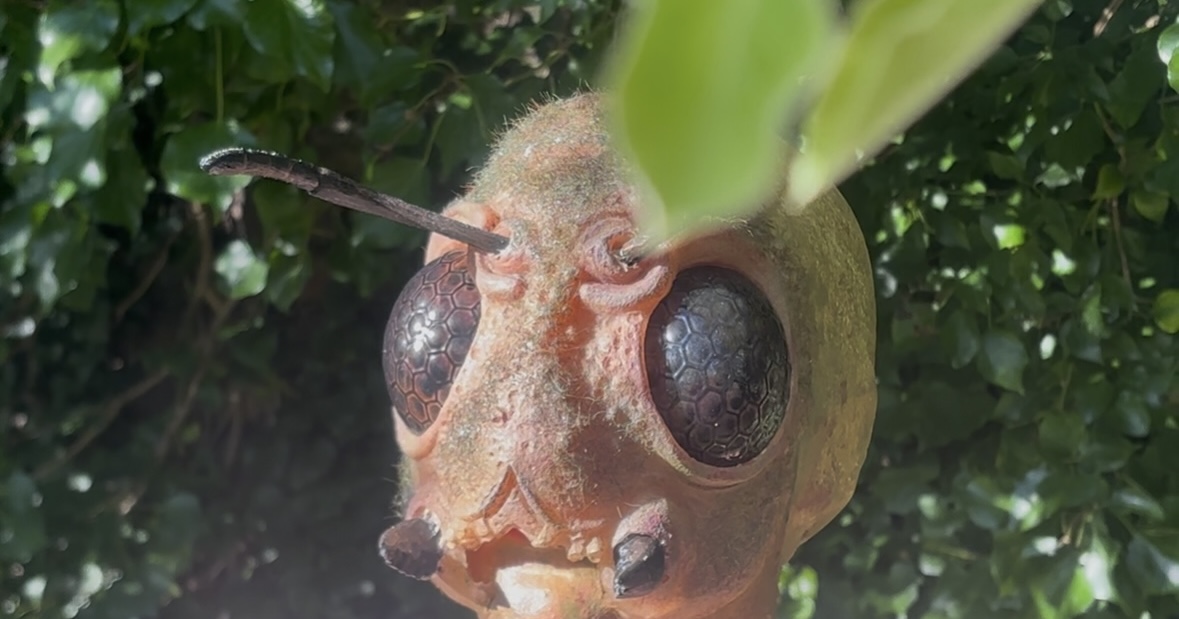
This project brings to life the 1923 science fiction novel Aelita by Alexei Tolstoy. Set in Post-Revolutionary Russia, the narrative follows Los, an engineer who constructs a spaceship to travel to Mars alongside Red Army soldier Gustav. Upon their arrival, they encounter a Martian society led by the dictator Tuscoob and his daughter, Aelita. The novel is deeply rooted in the social context of its time, reflecting an era of enthusiasm for communist ideology and rapid technological advancement.
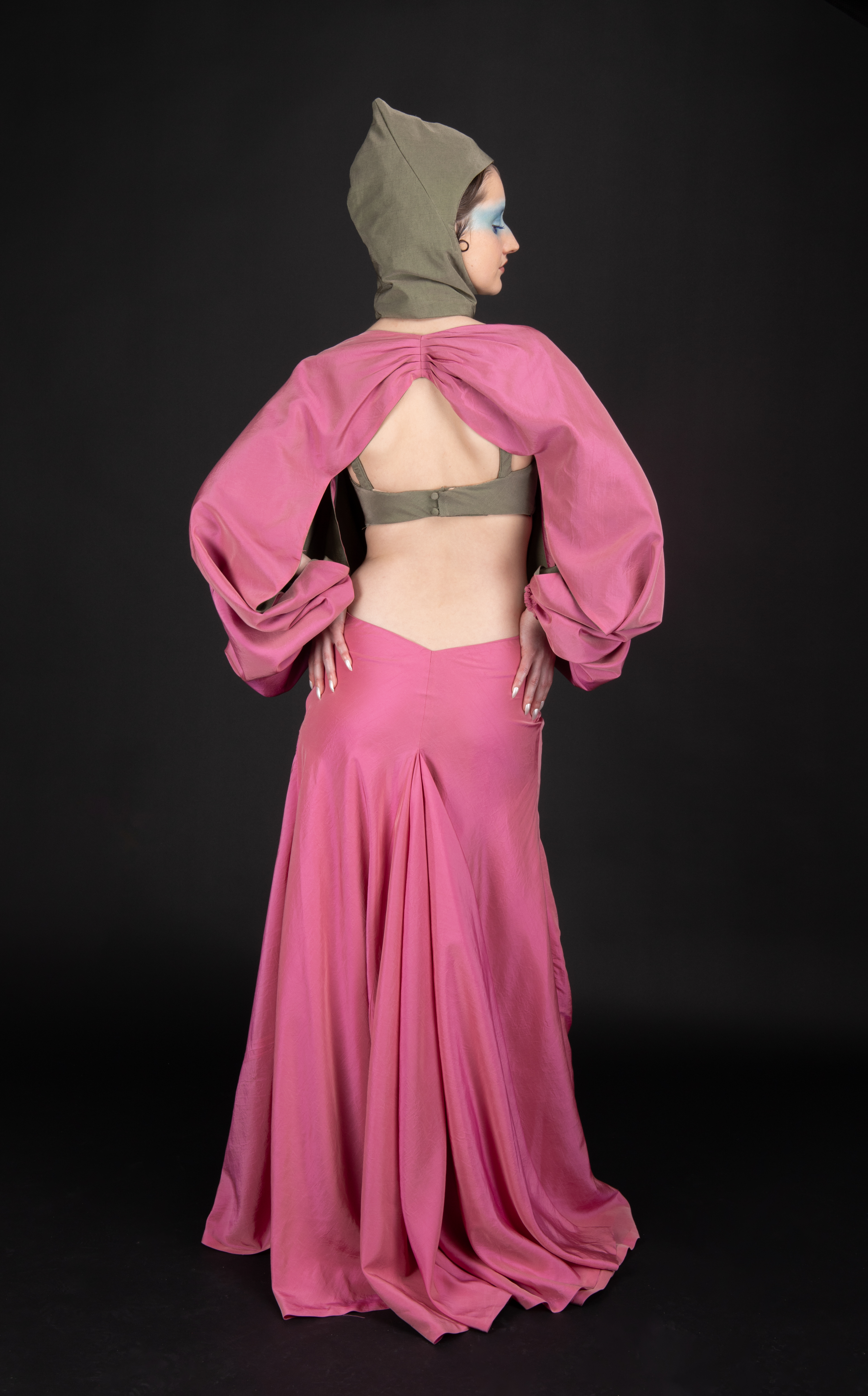
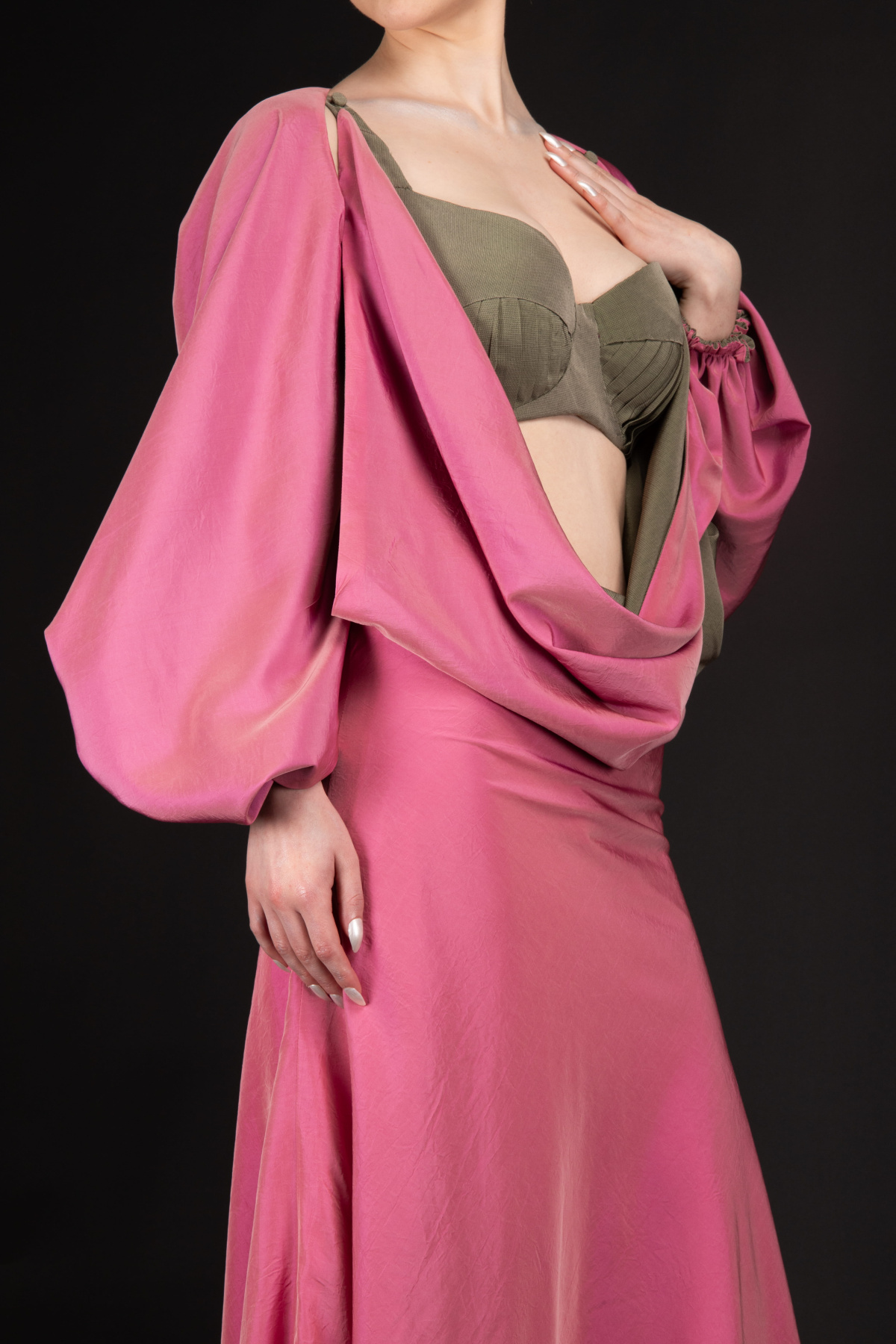
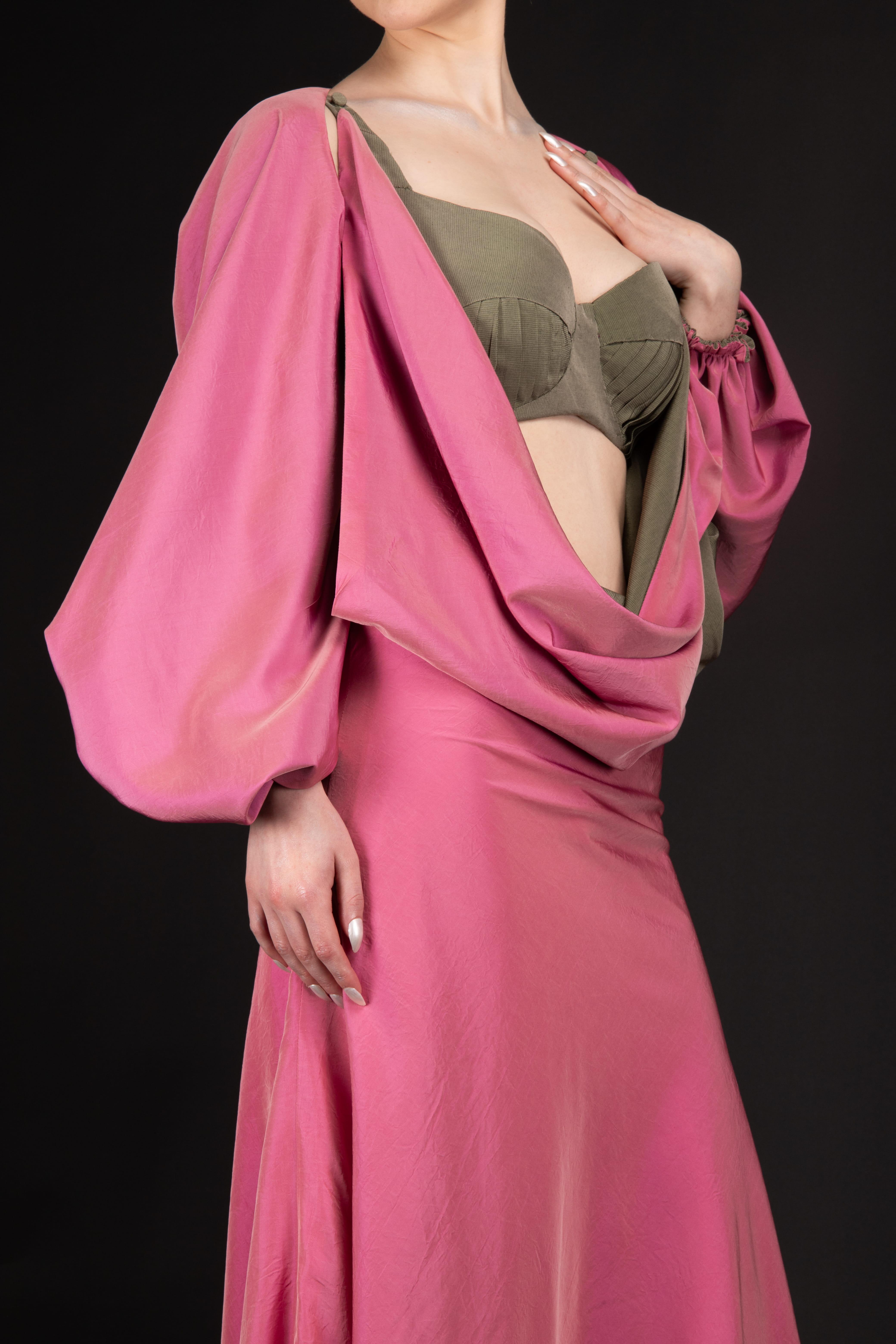
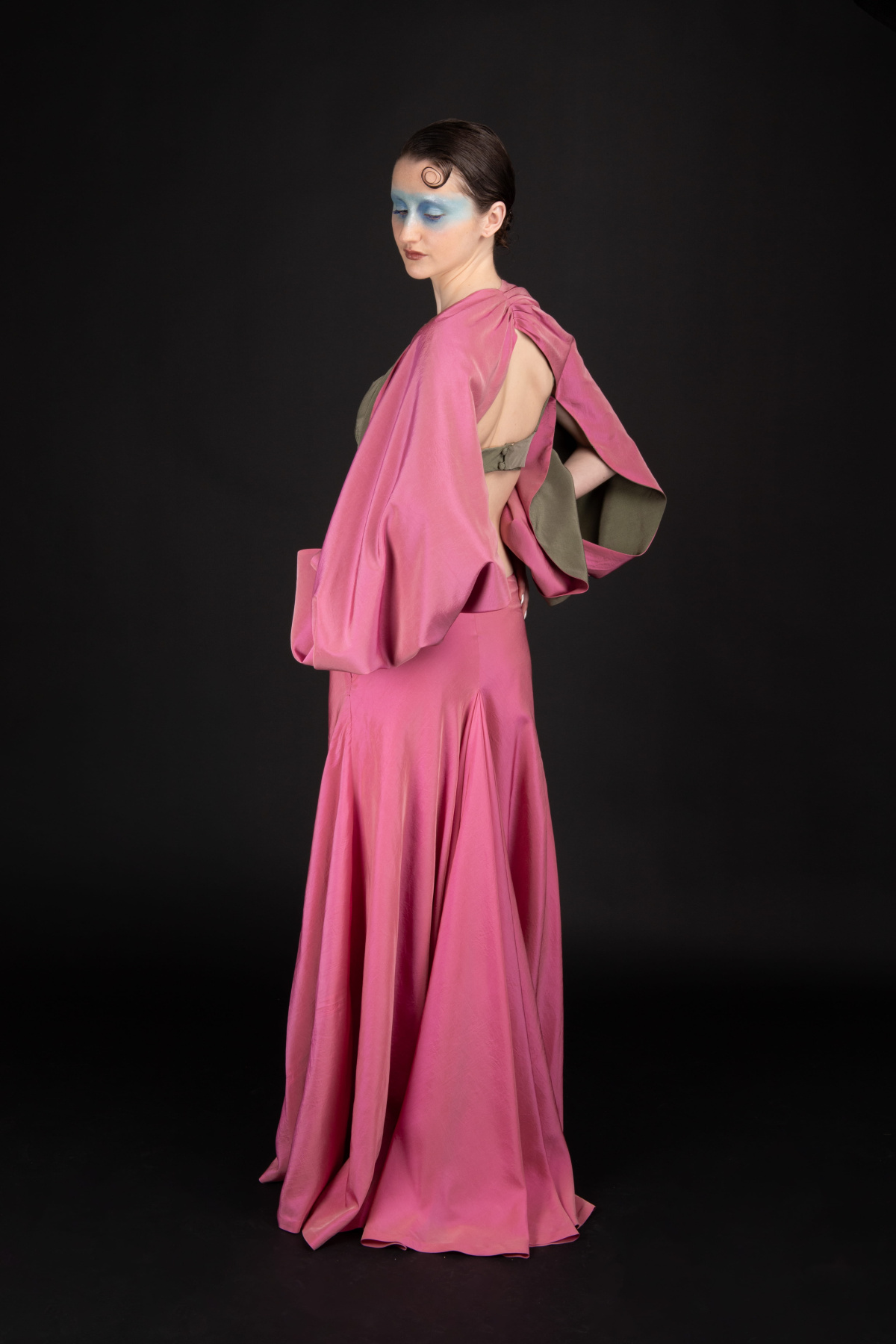
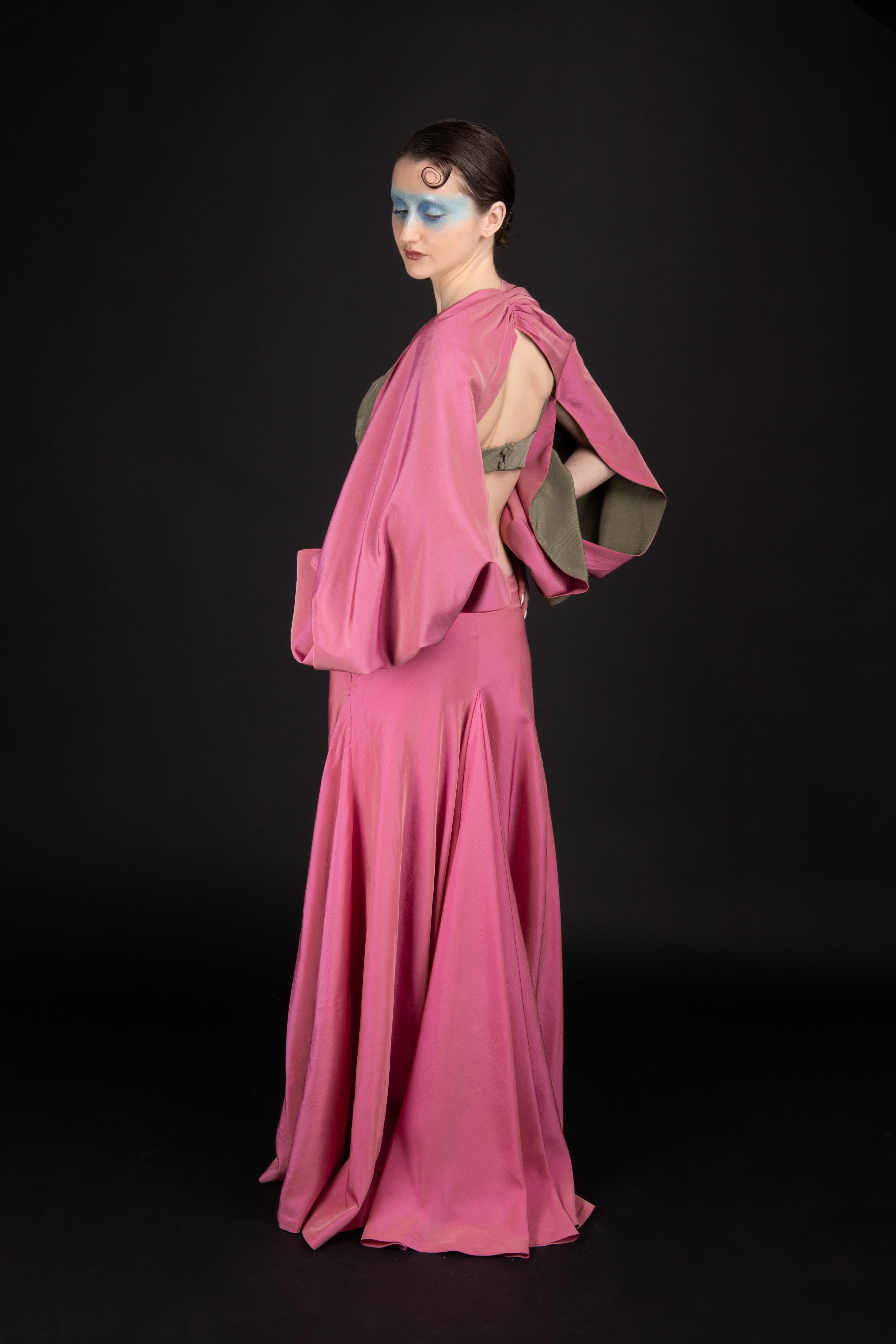
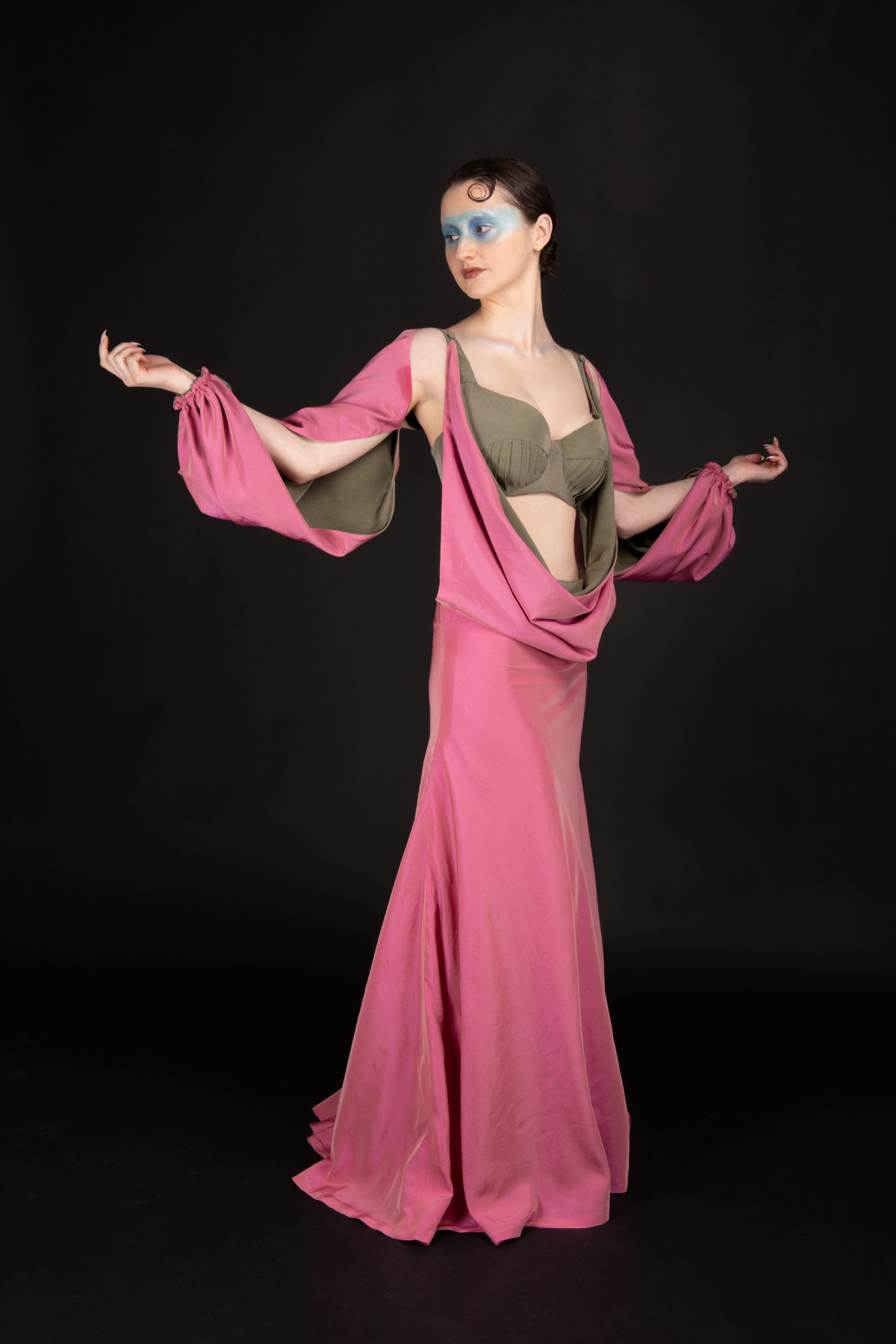
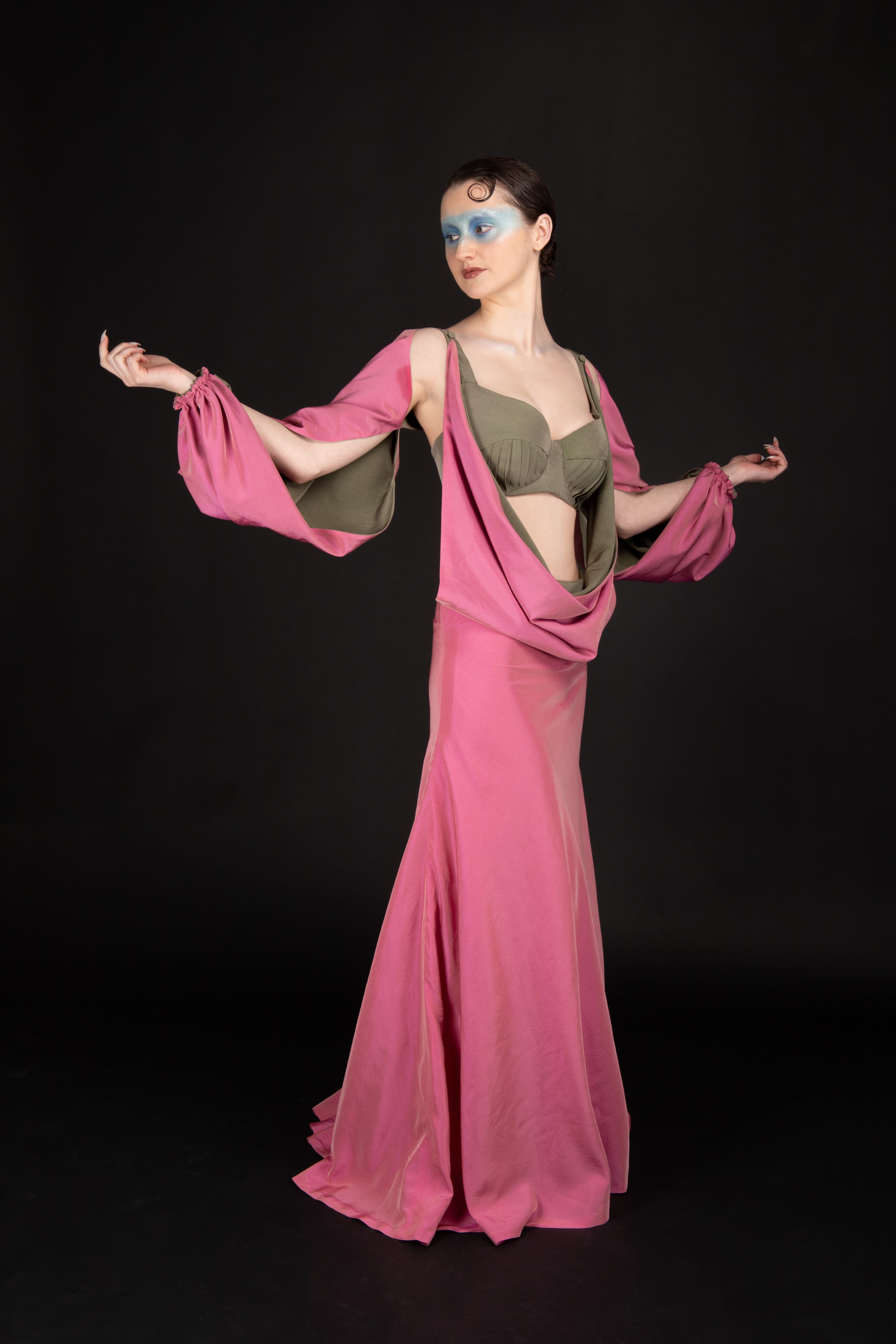
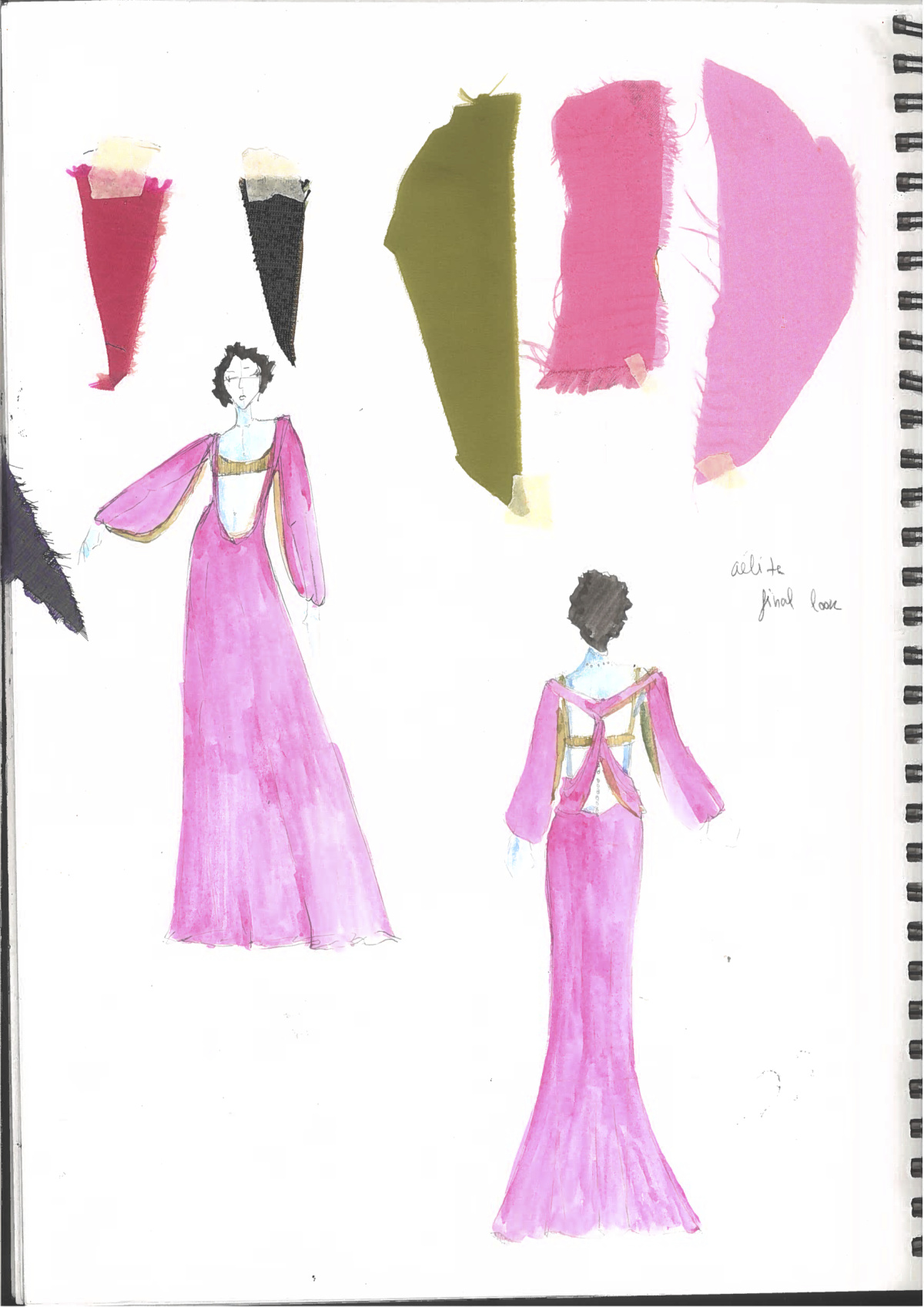
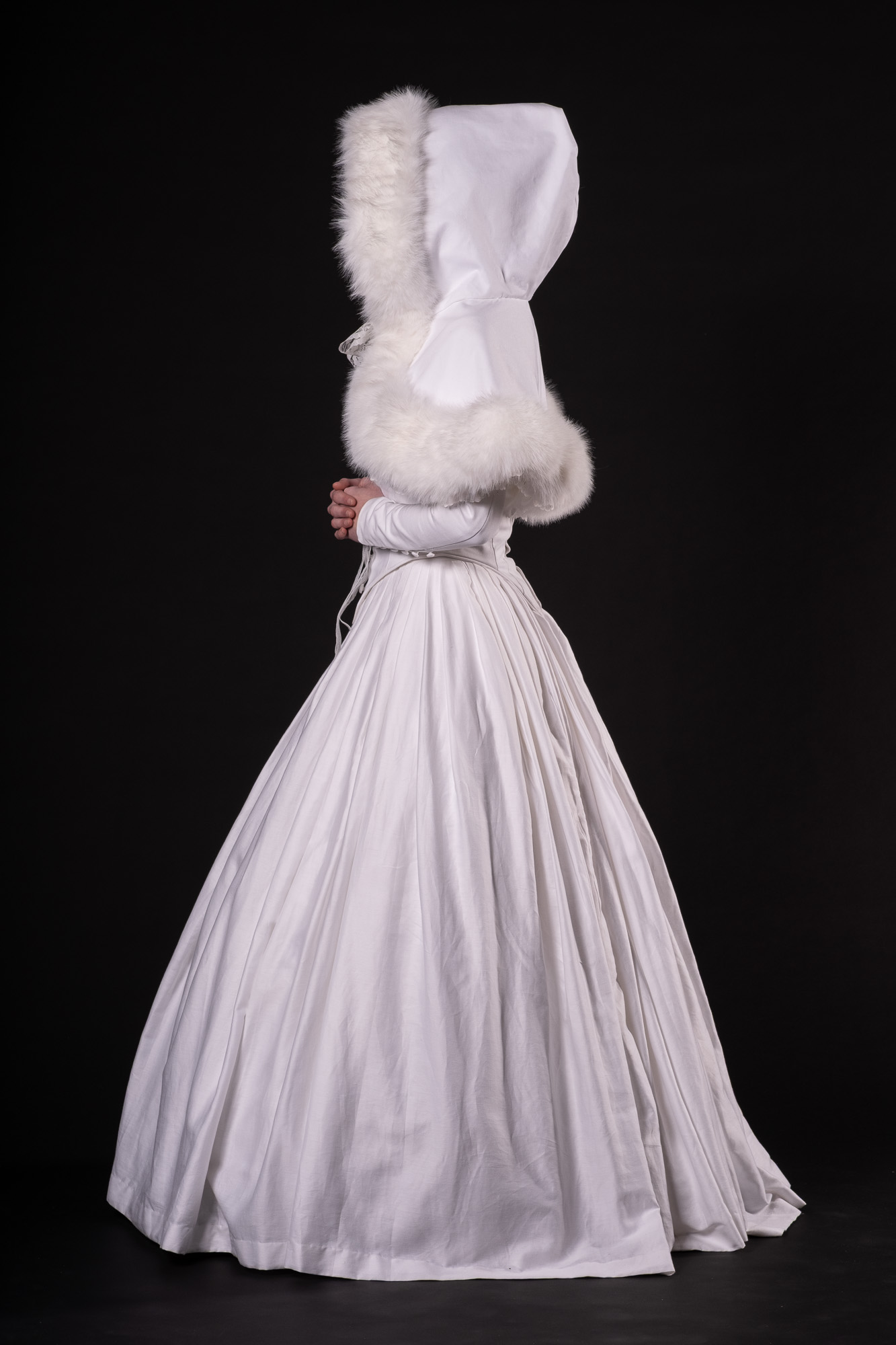
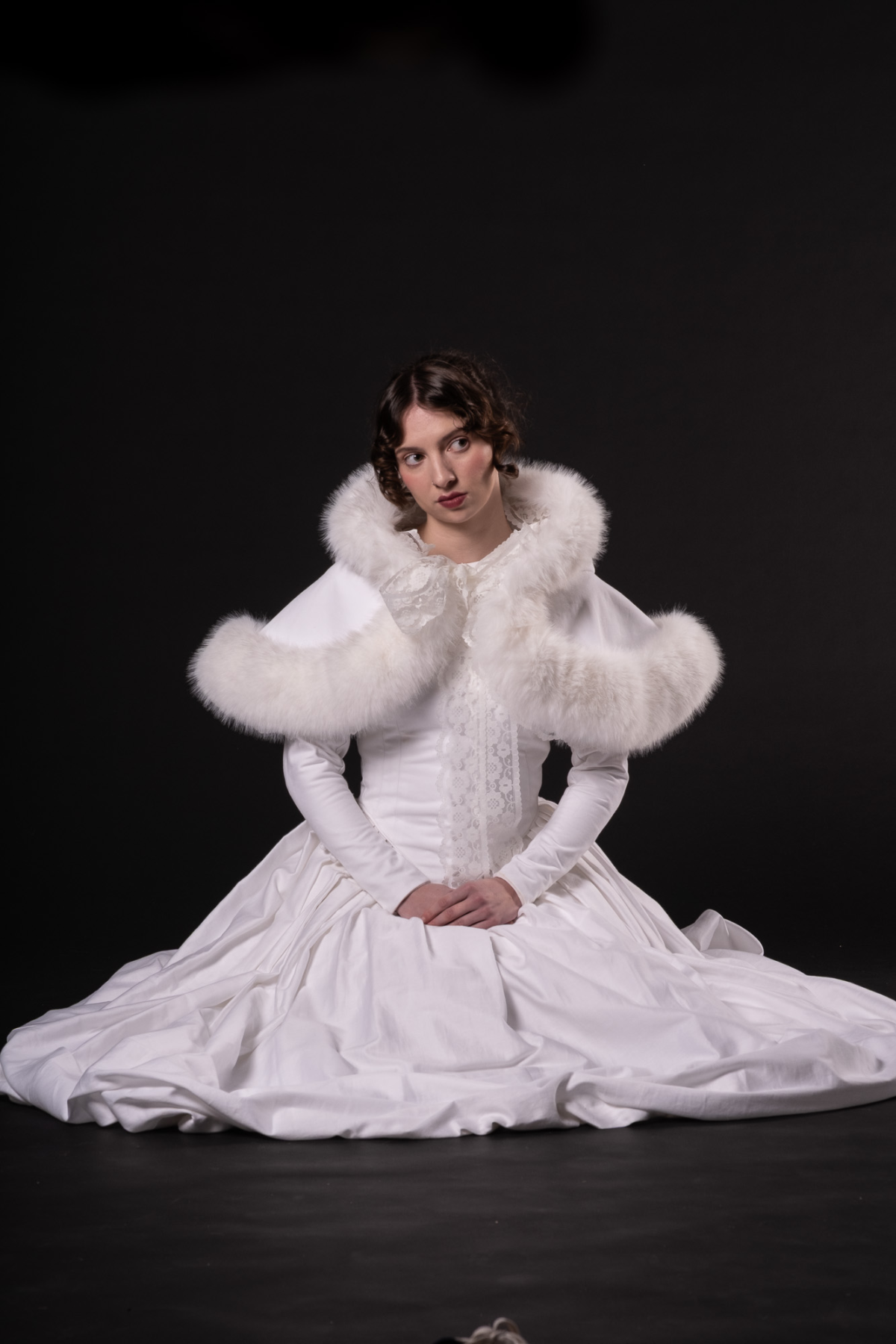
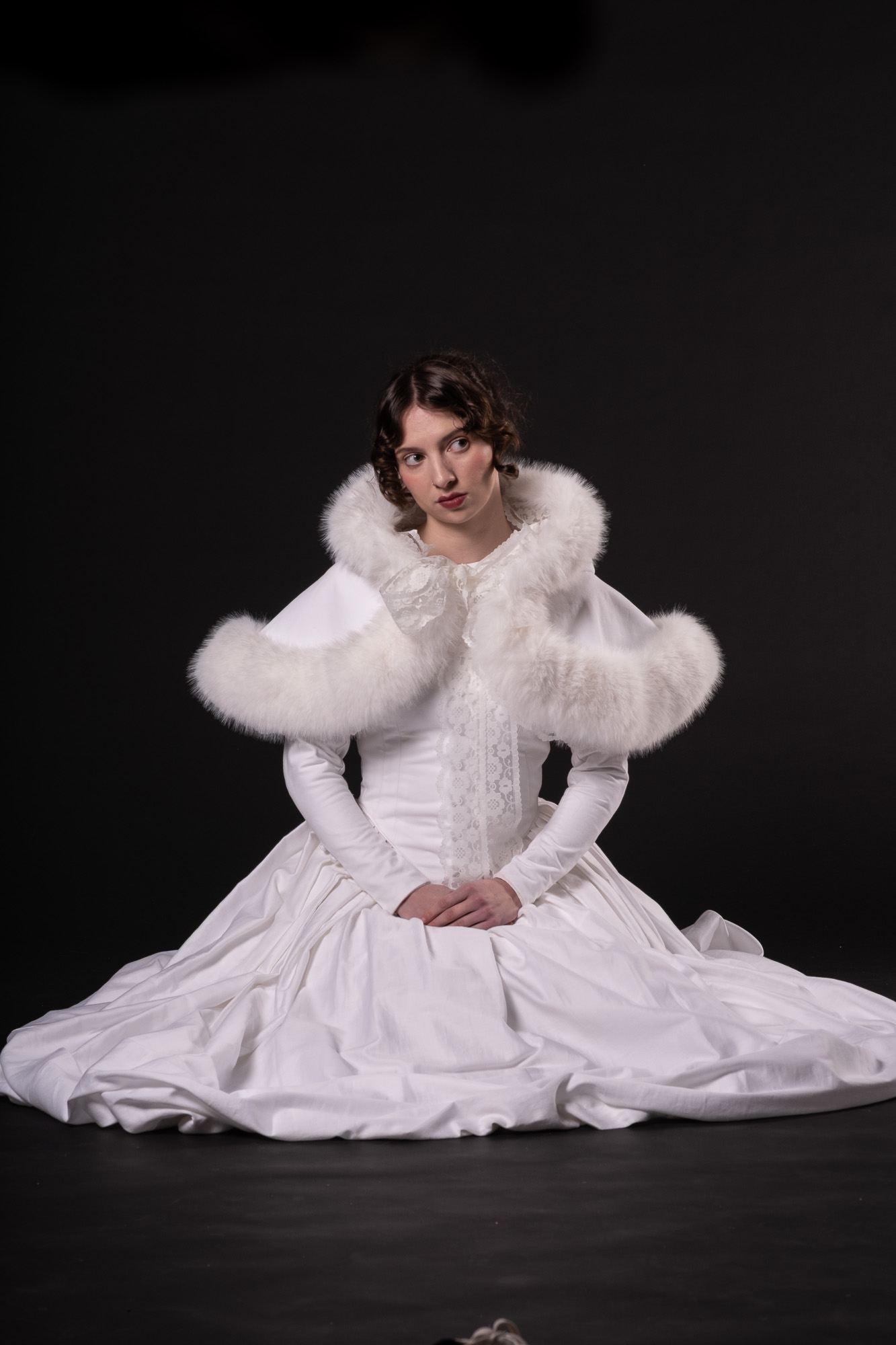
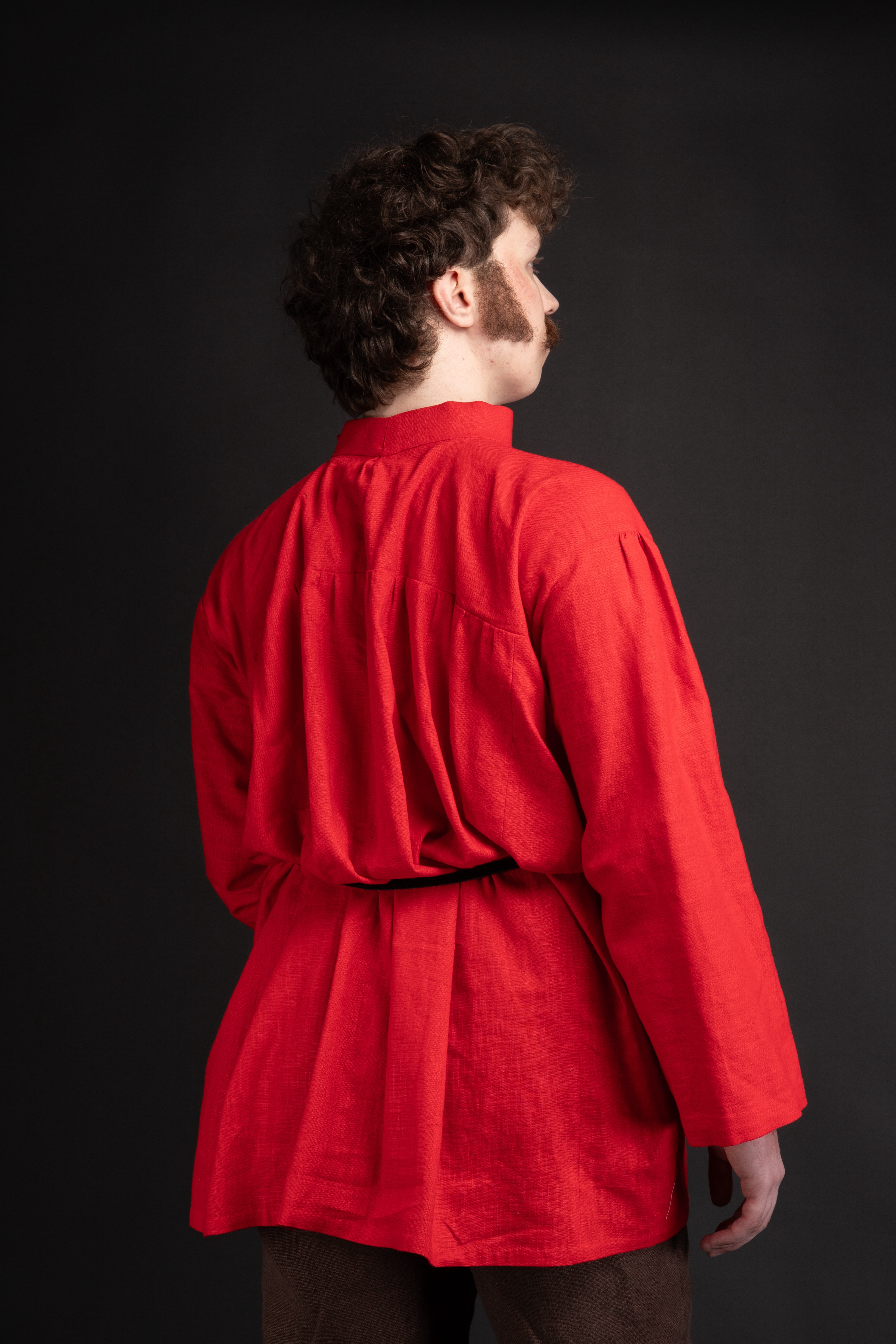
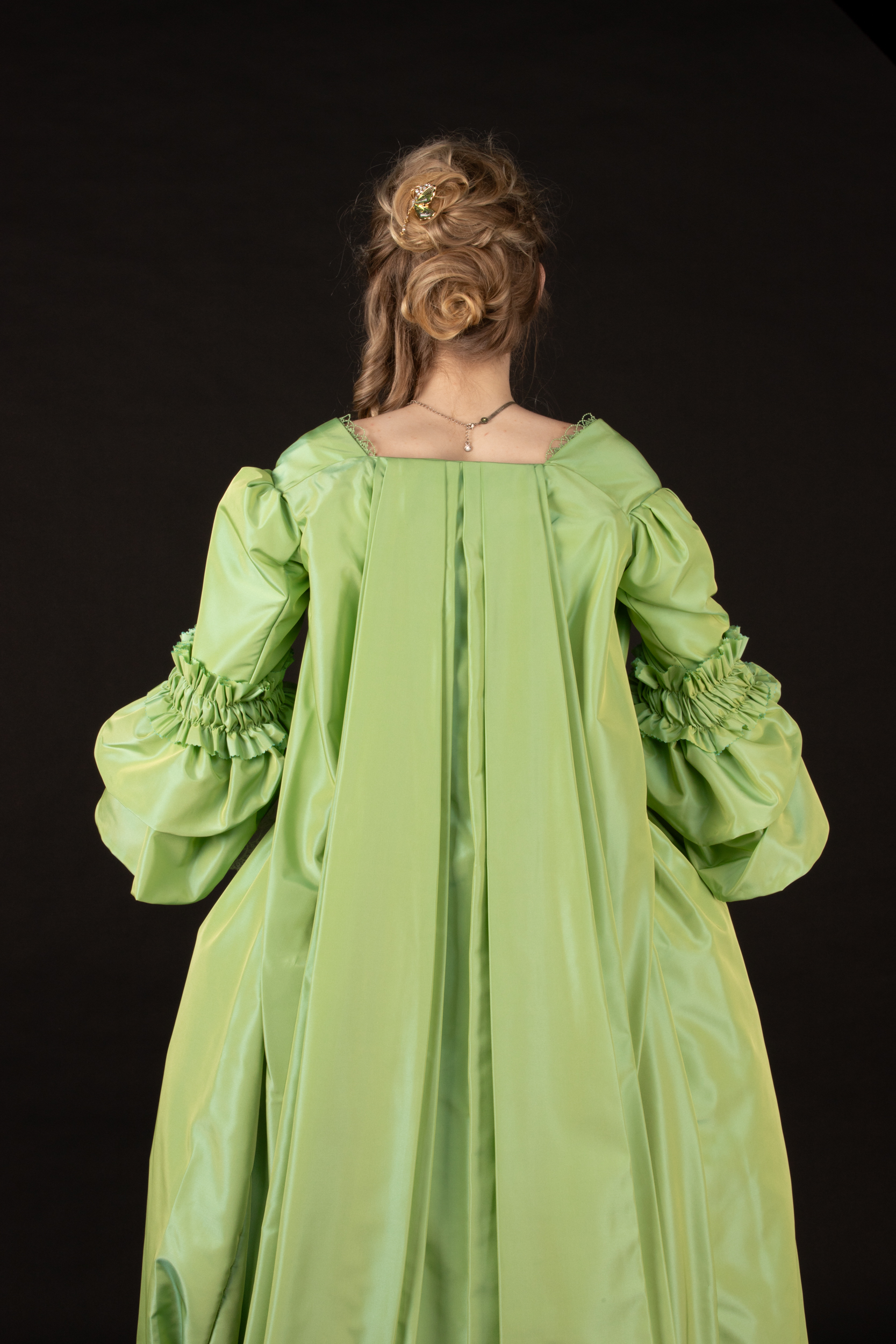
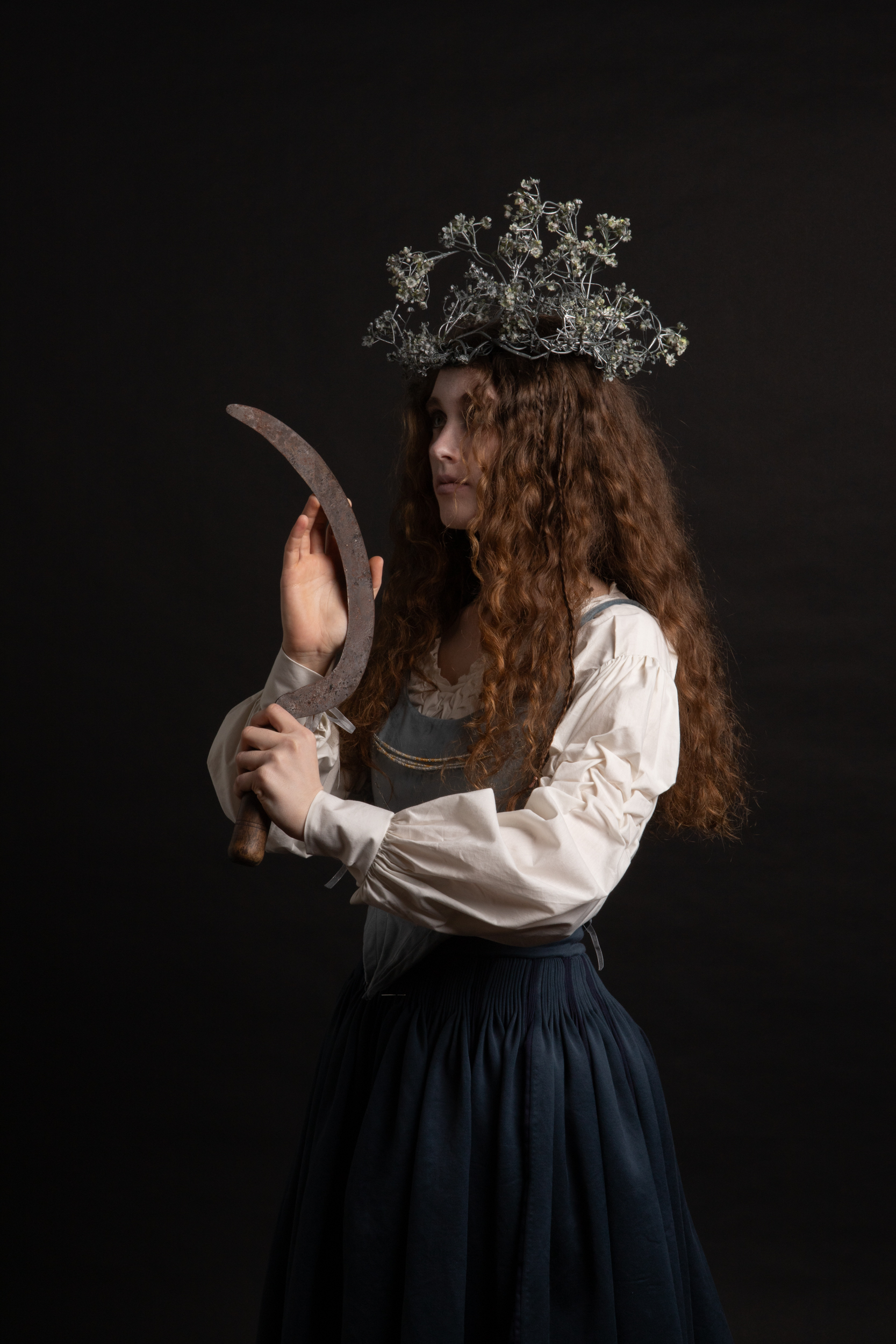
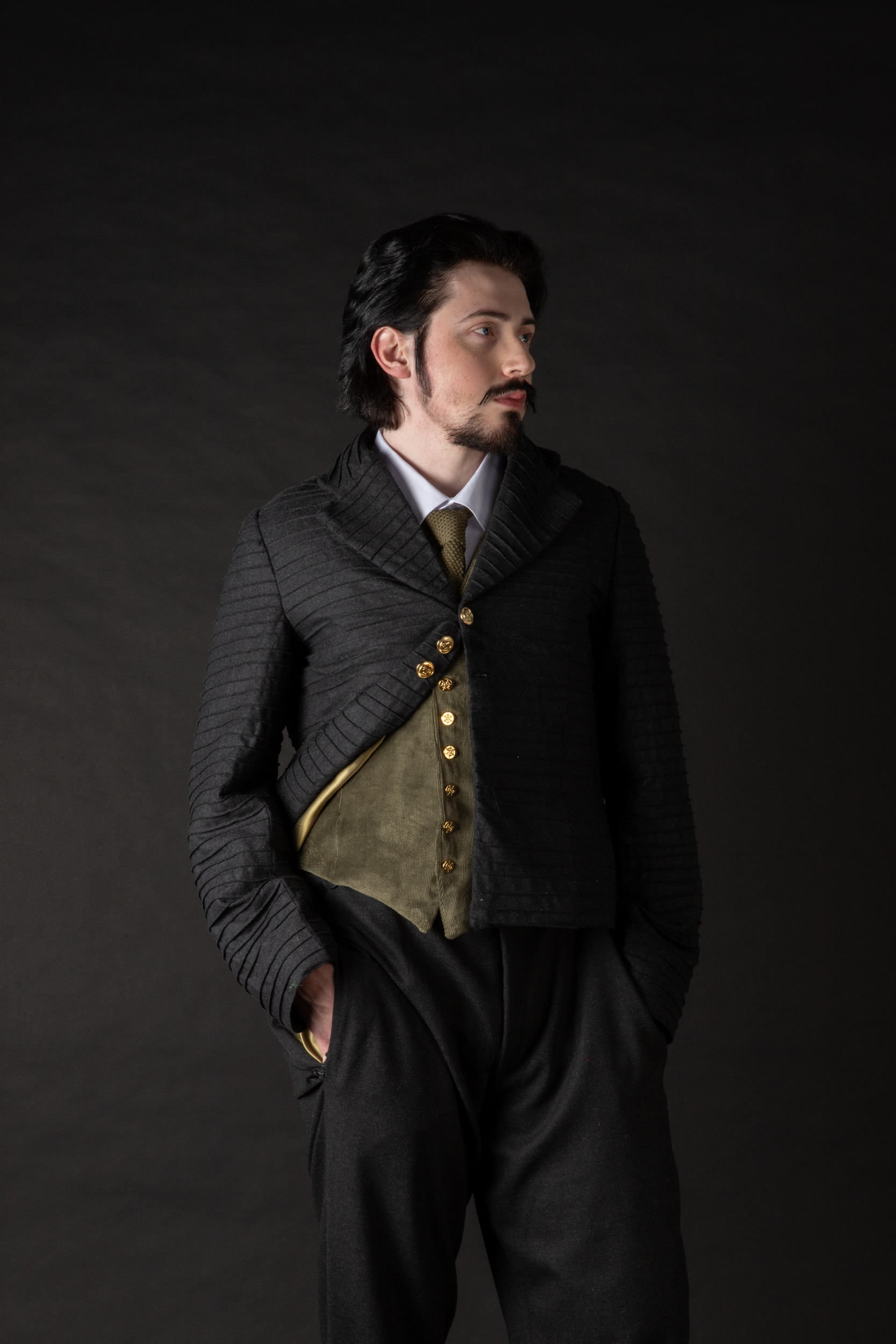
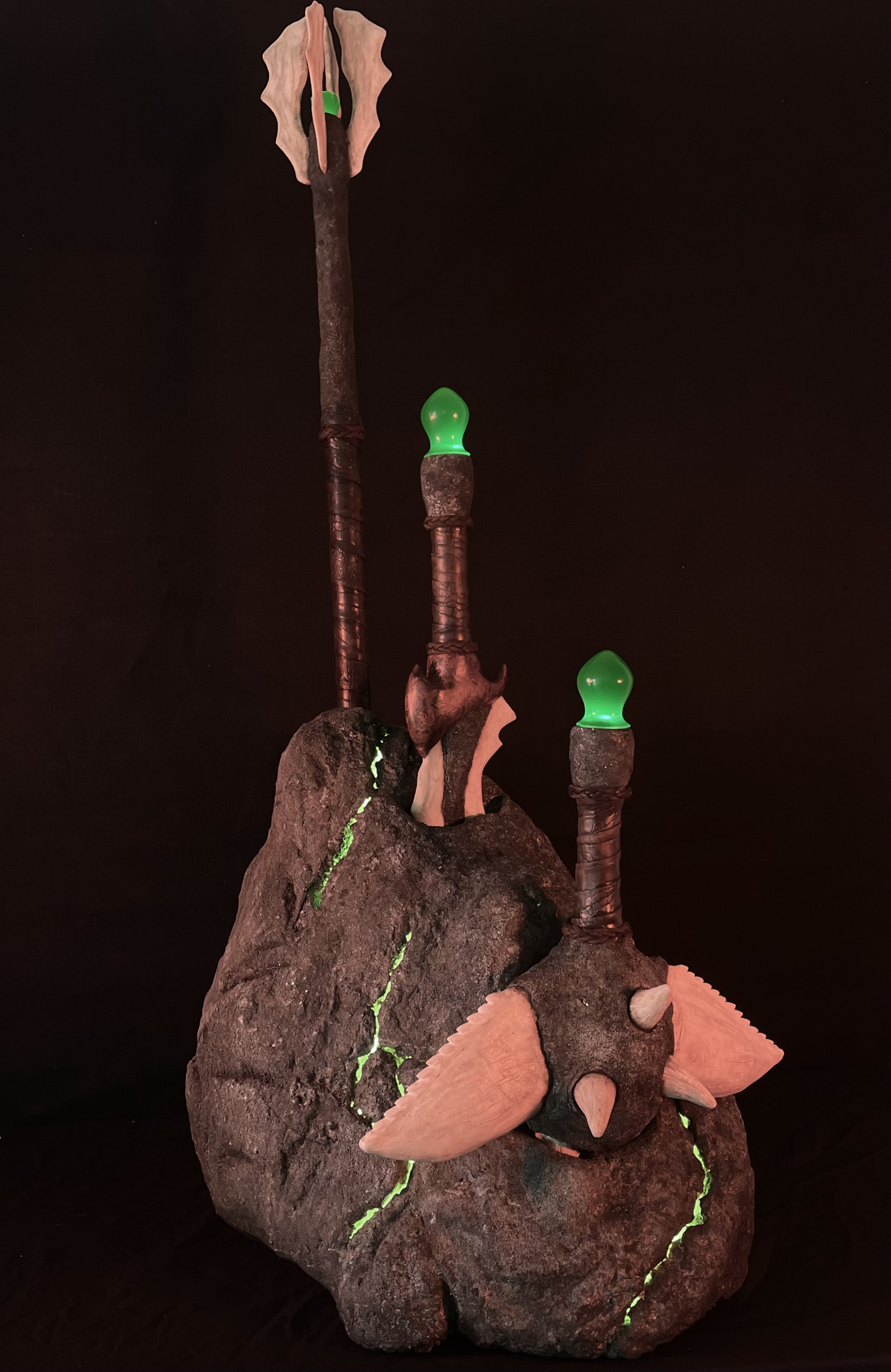
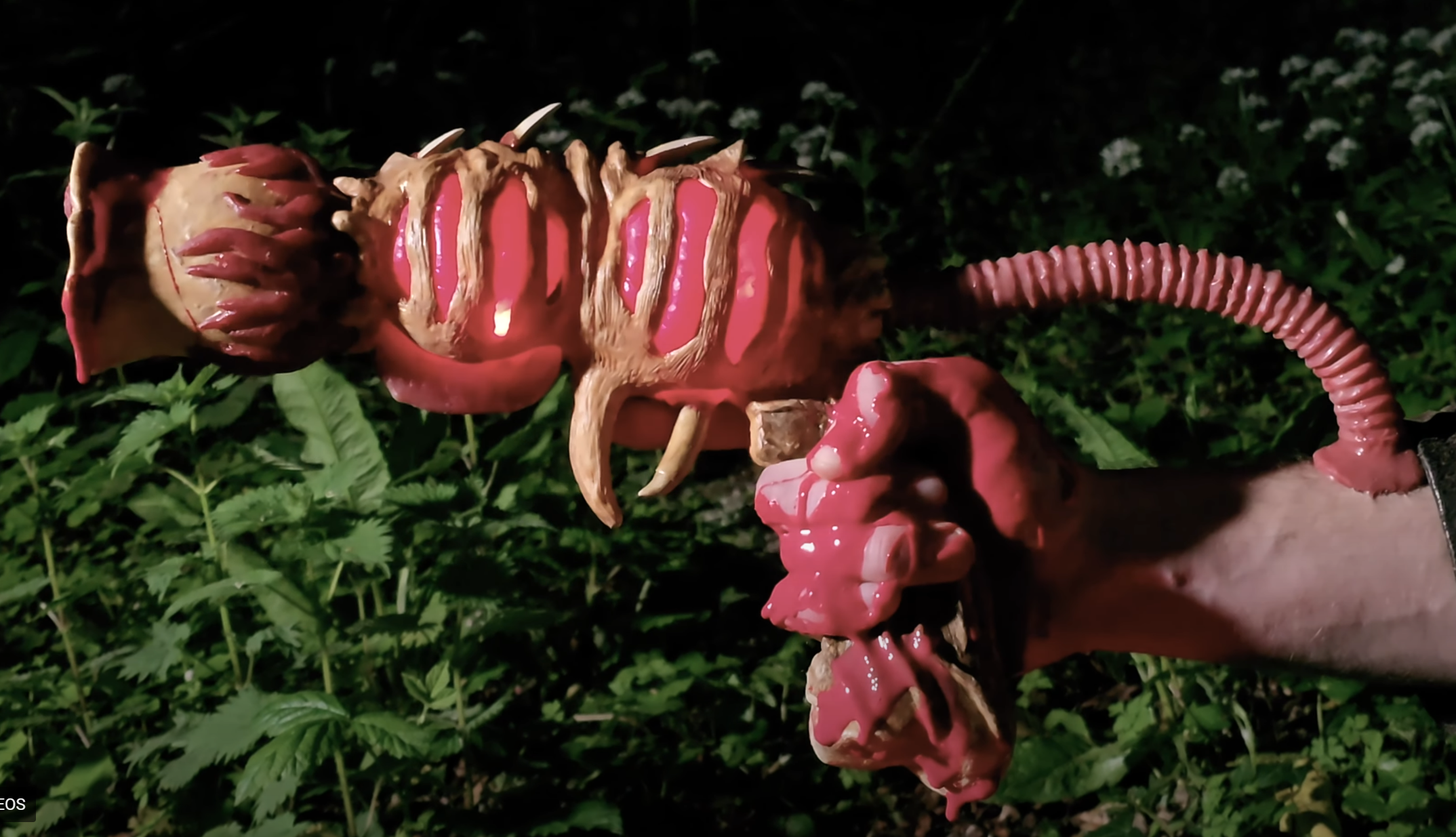
The objective of this project is to showcase the skills I have developed over the last four years—primarily my ability to dissect a text, research its historical context, and translate that inspiration into original designs. Furthermore, it demonstrates the application of technical skills and practical problem-solving through the construction of a self-designed garment.
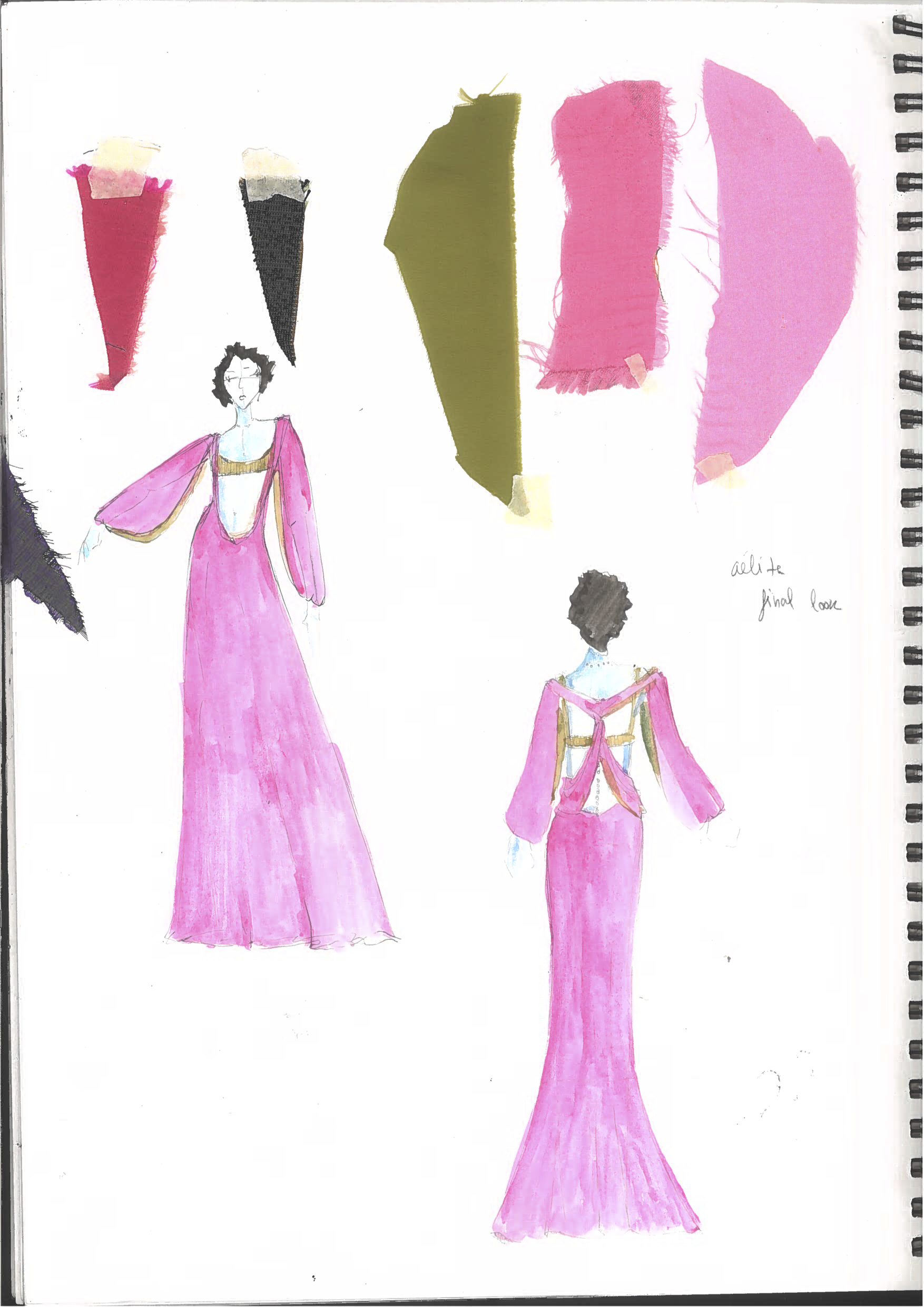
To develop the visual language for this project, I used the art movements of the era as a starting point, specifically researching the Avant-Garde and Russian Constructivism. I identified a distinct relationship between the geometric abstraction of Cubism and the fluidity of fashion. Much of the inspiration for the Martian gowns was drawn from the work of Madeleine Vionnet, the "fashion architect" renowned for inventing the bias cut. Her technical mastery, combined with Constructivist art, classic sci-fi illustration, and documentary imagery of the USSR, formed the research foundation for these character designs.
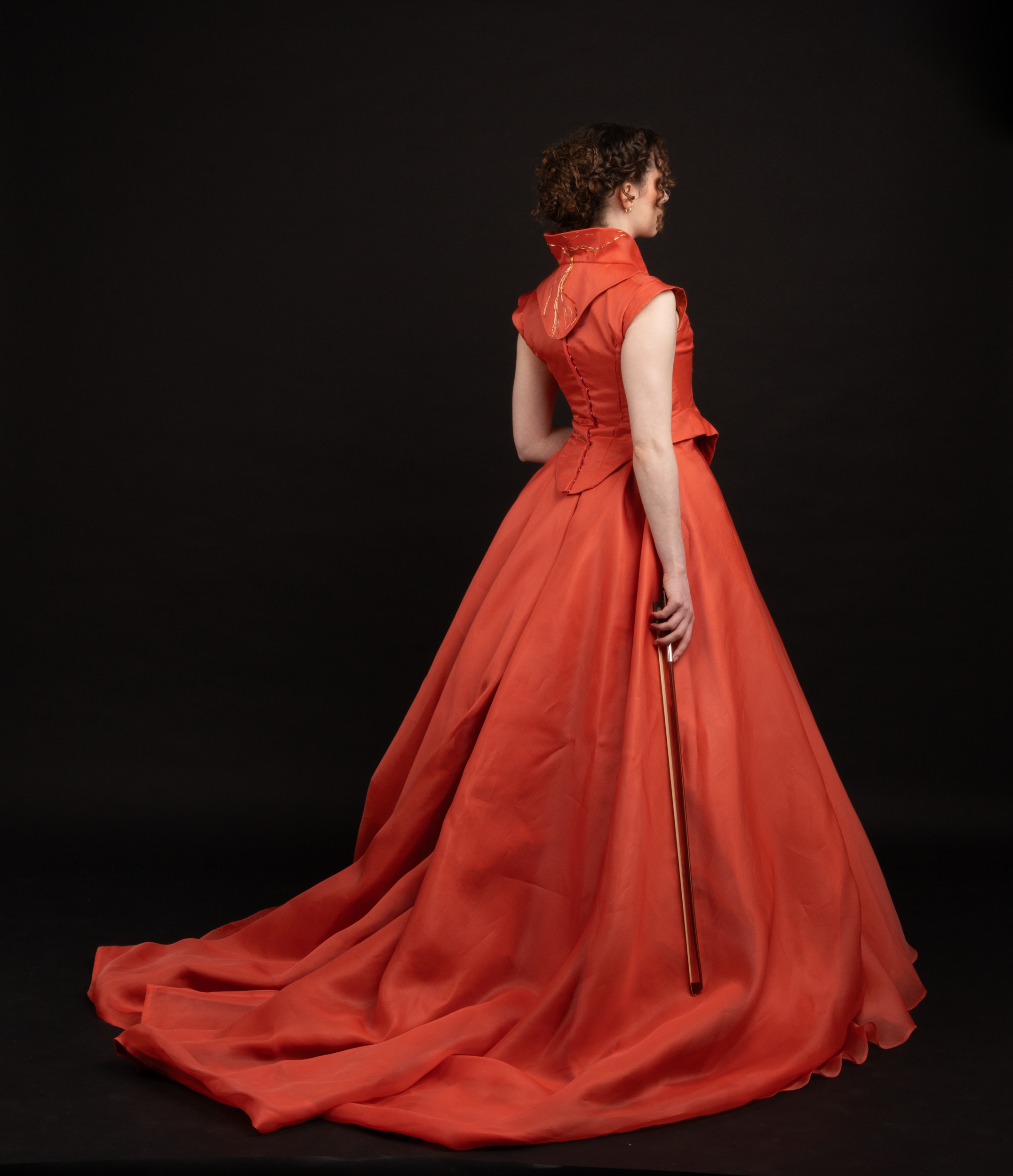
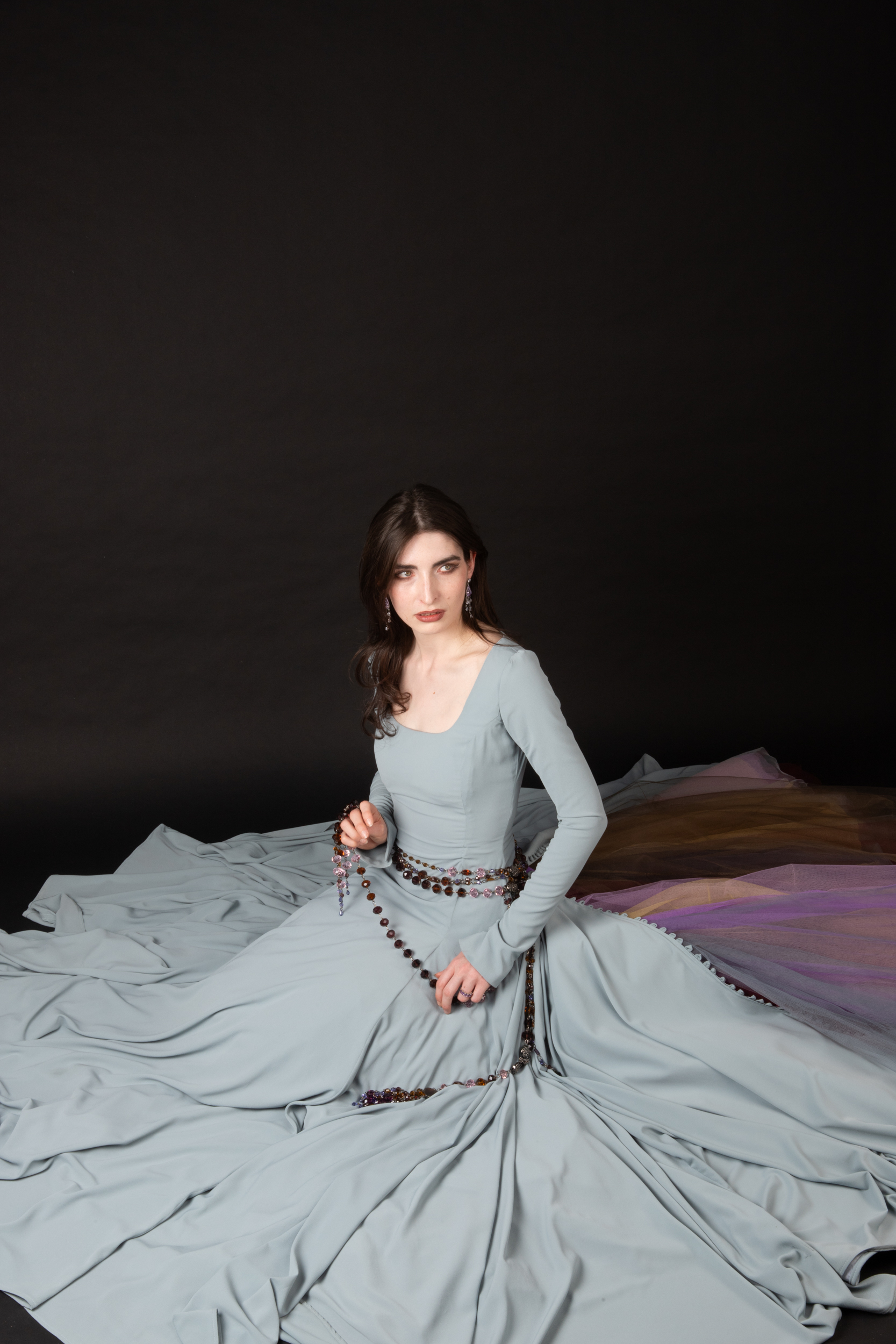
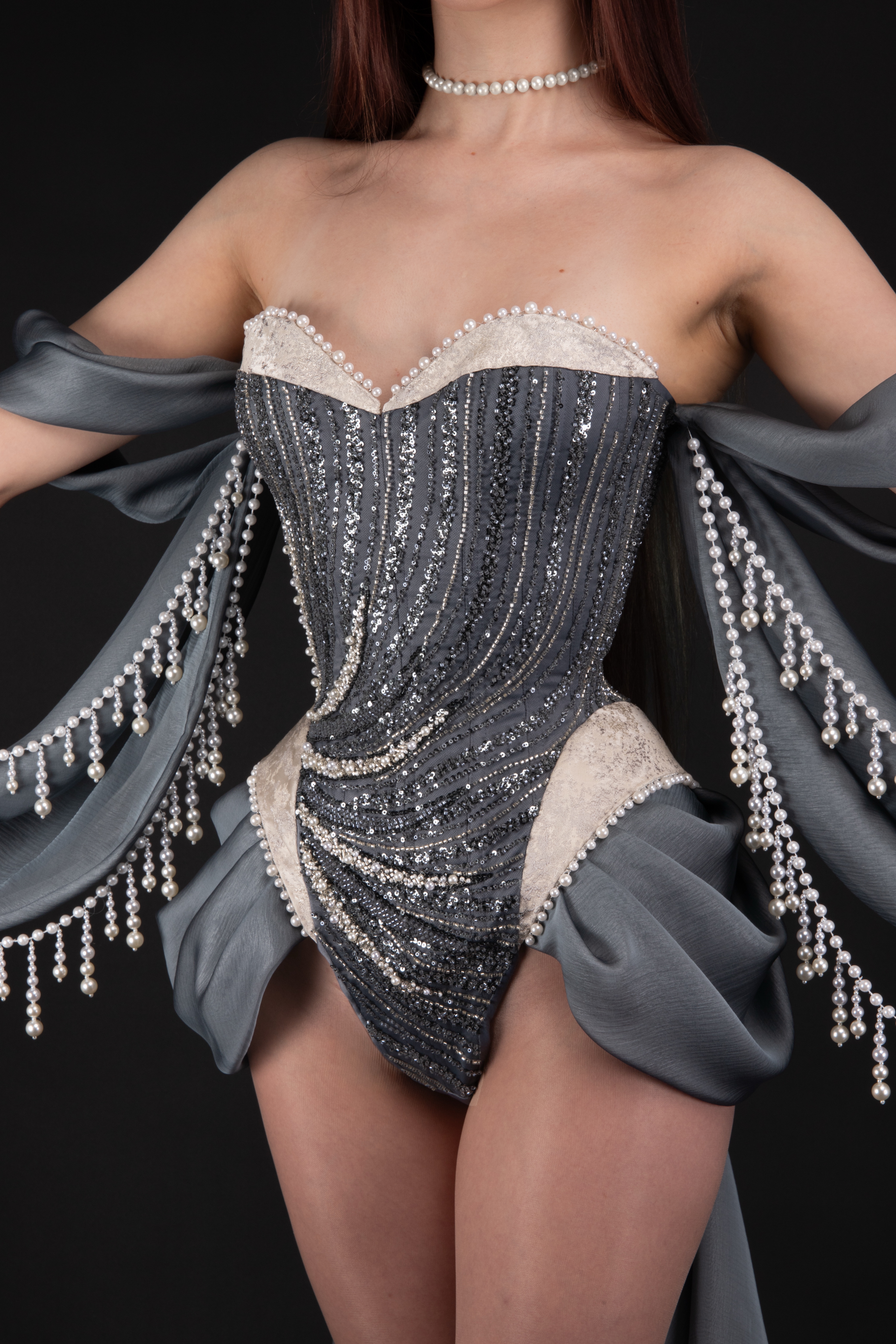
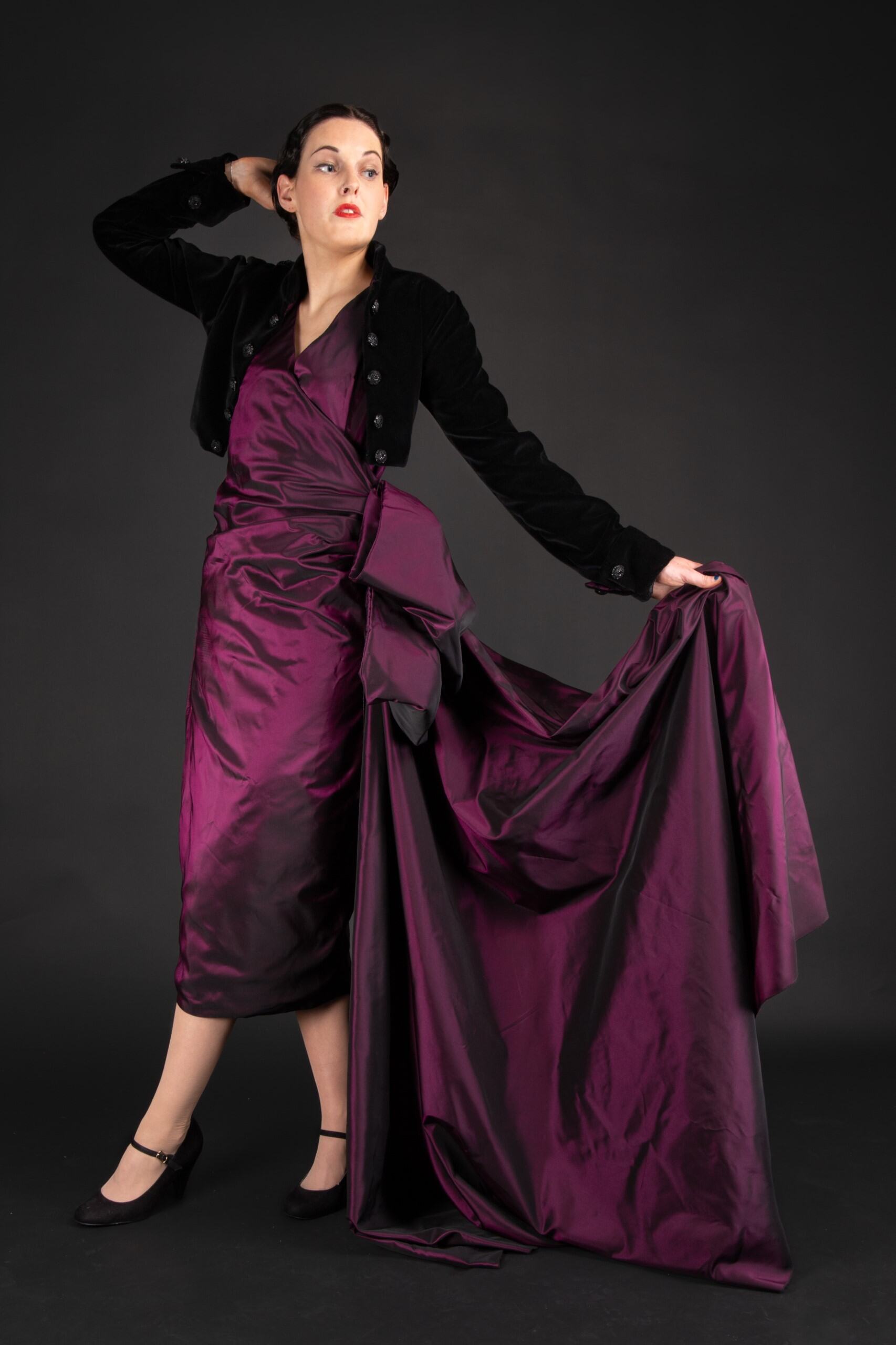
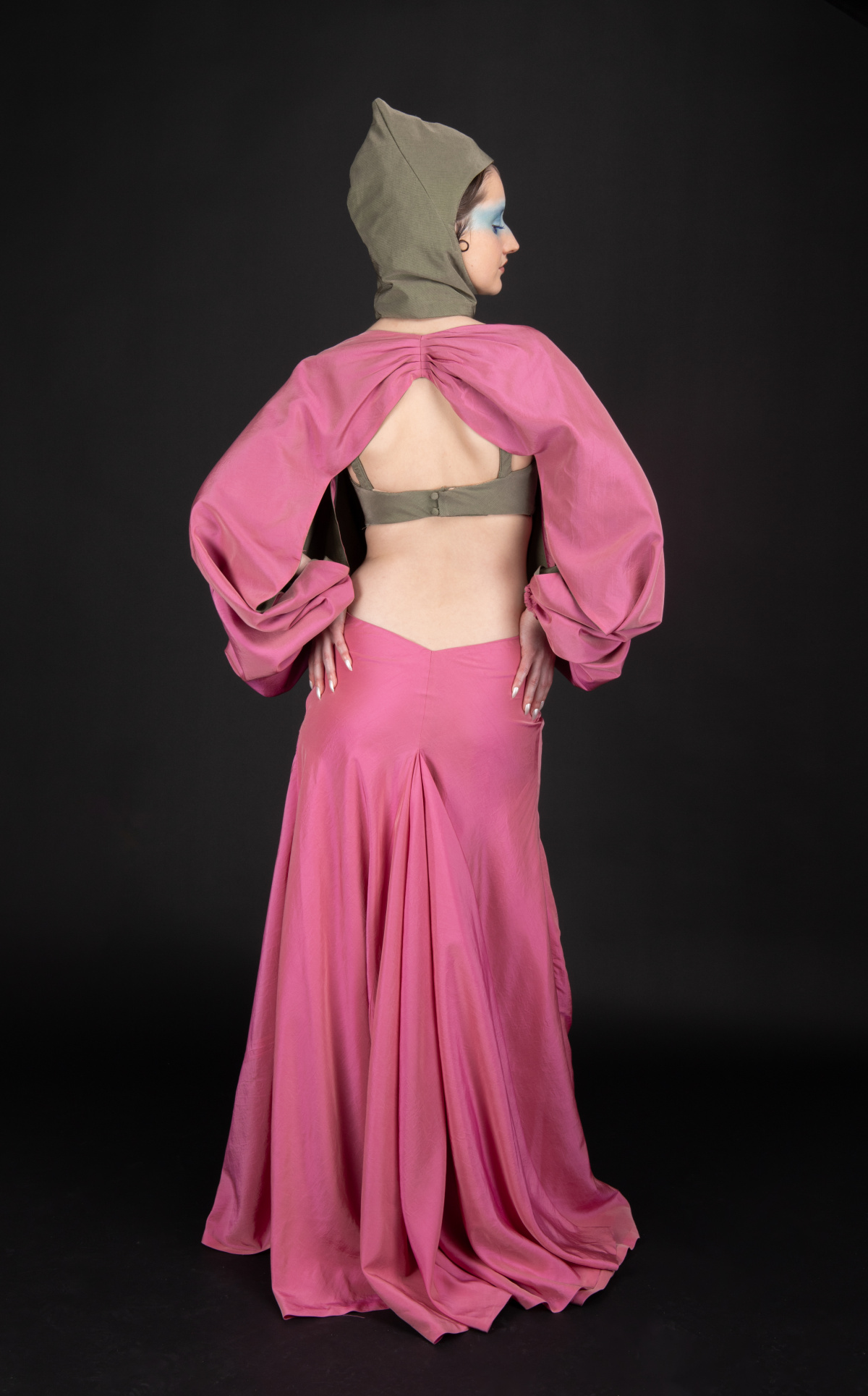
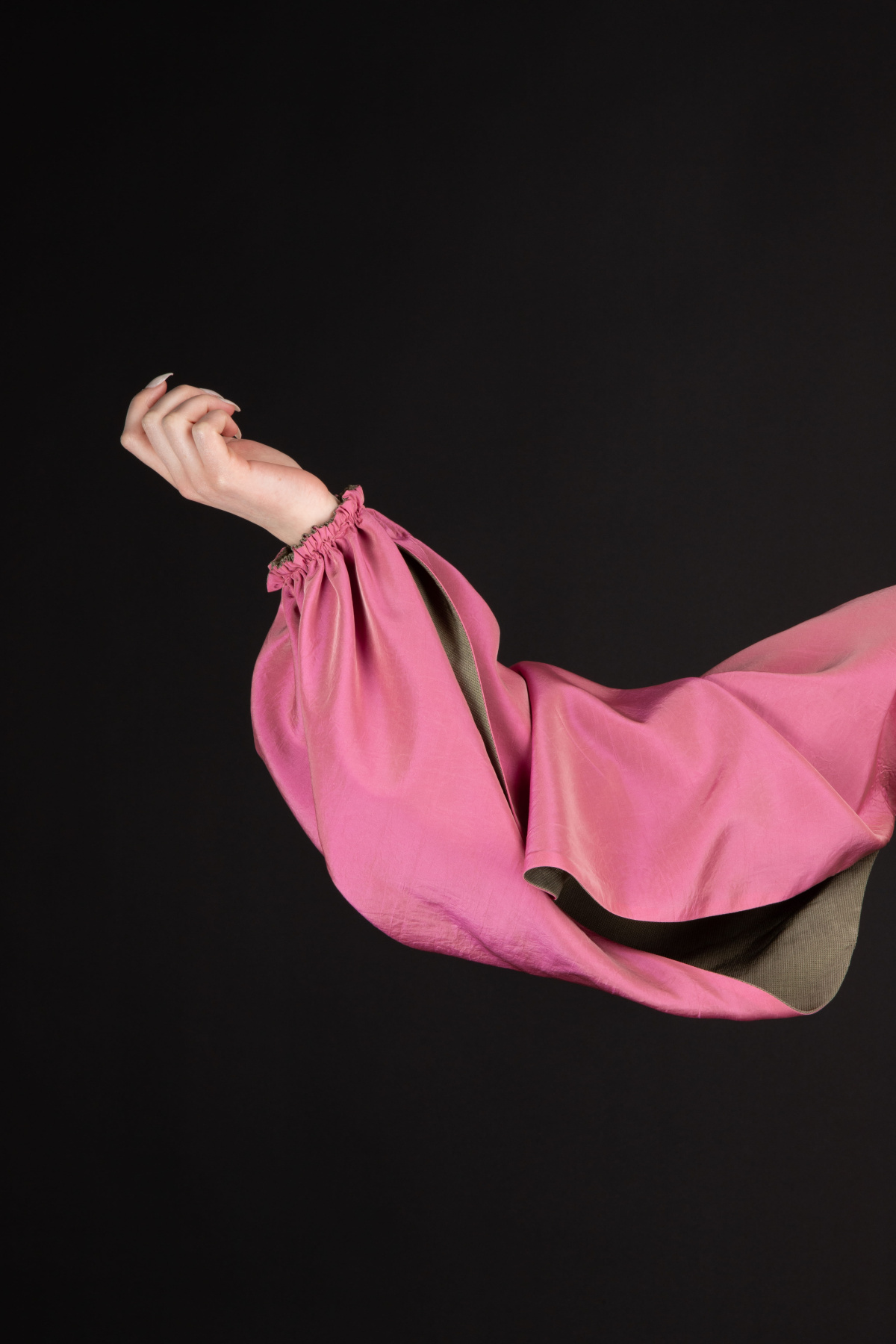
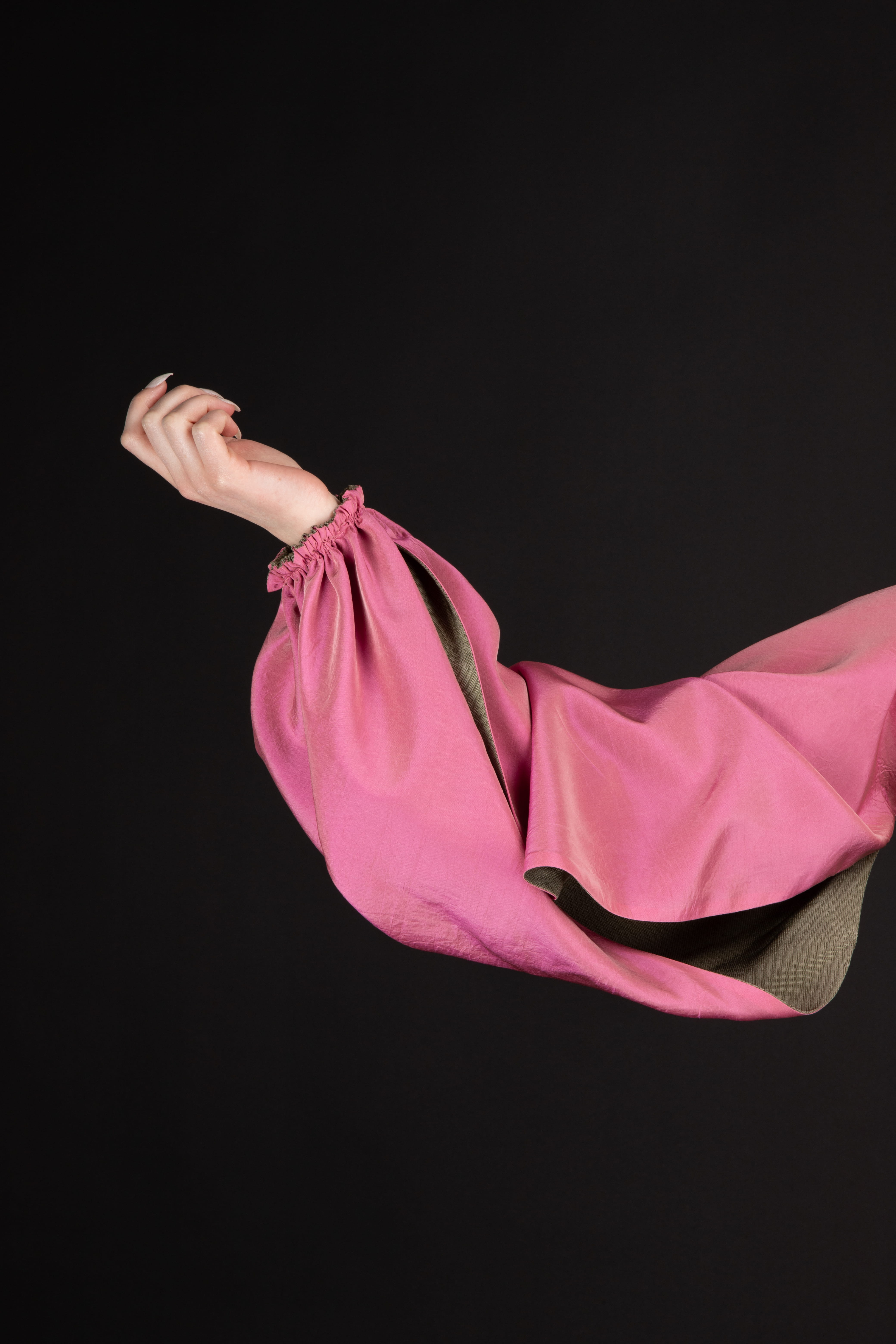
The final gown belongs to the character Aelita, Princess of Mars. Executed in lightweight taffeta, the design features a long, bias-cut silhouette with a two-layer cowl neckline that dips toward the waist, supported by a bra made from the same fabric. The ensemble also includes a bolero and a headpiece based on the traditional Russian "Budenovka." As the first garment the character wears in the story, the design is intended to convey the femininity, elegance, and high status that Aelita represents.
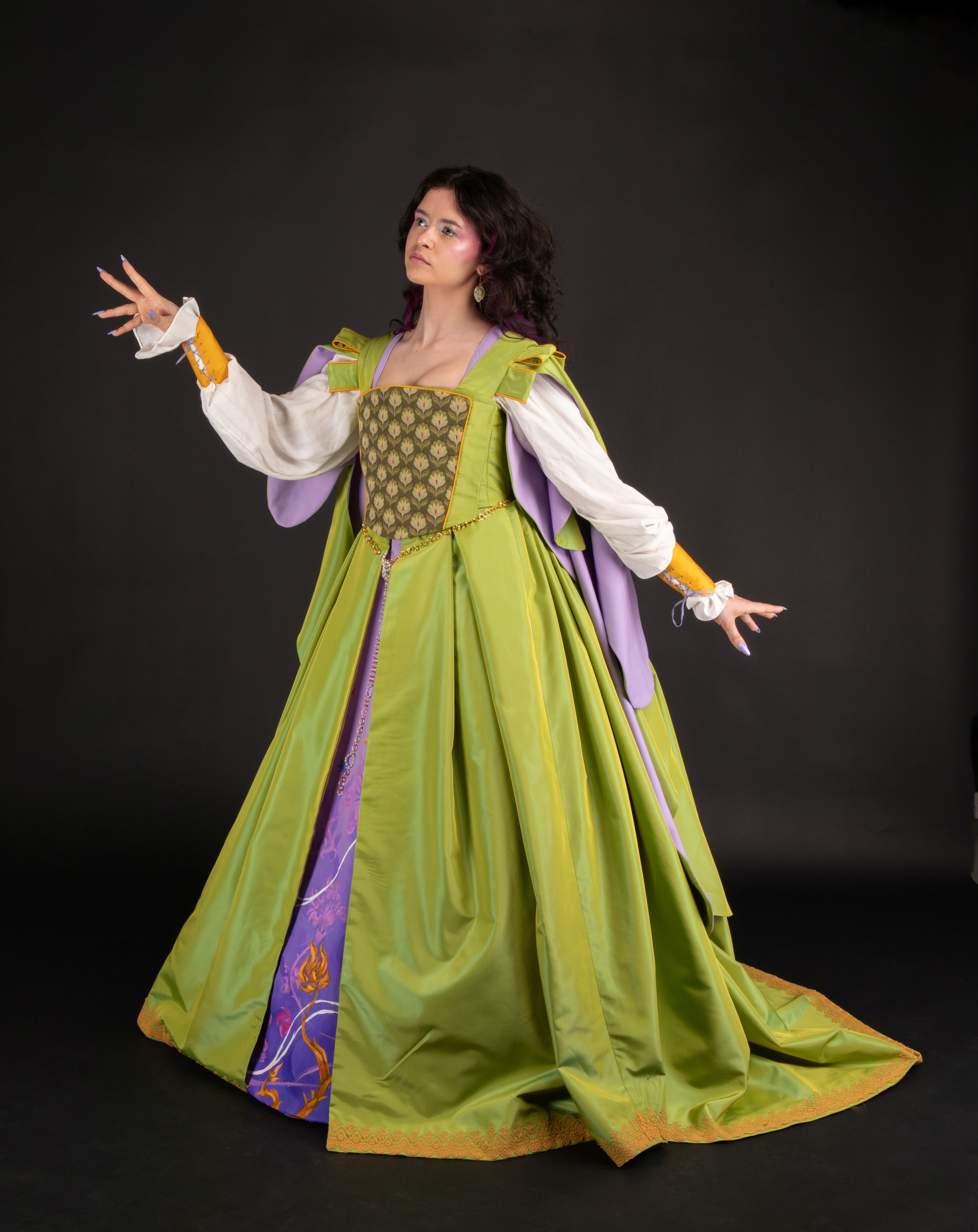
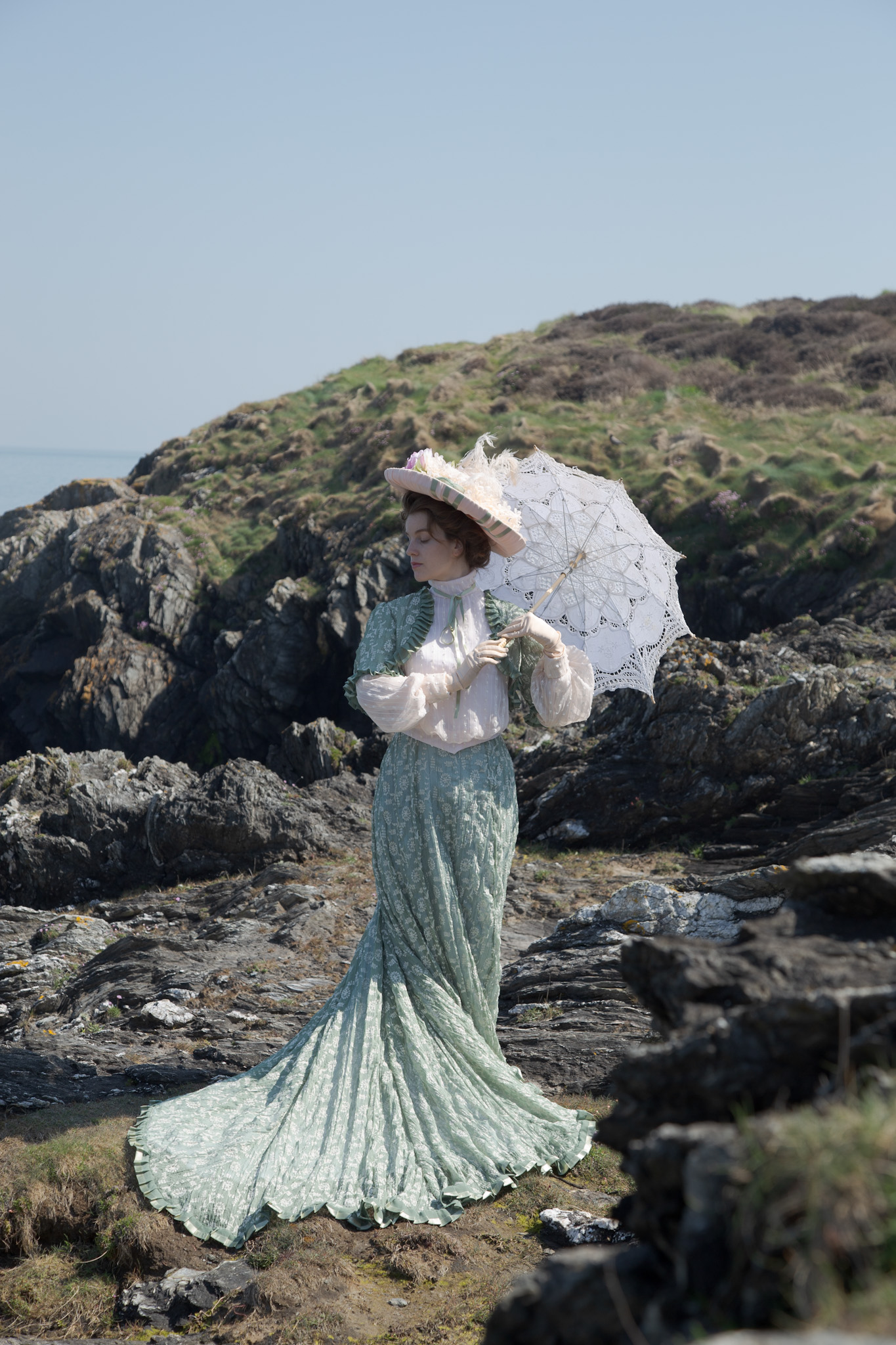
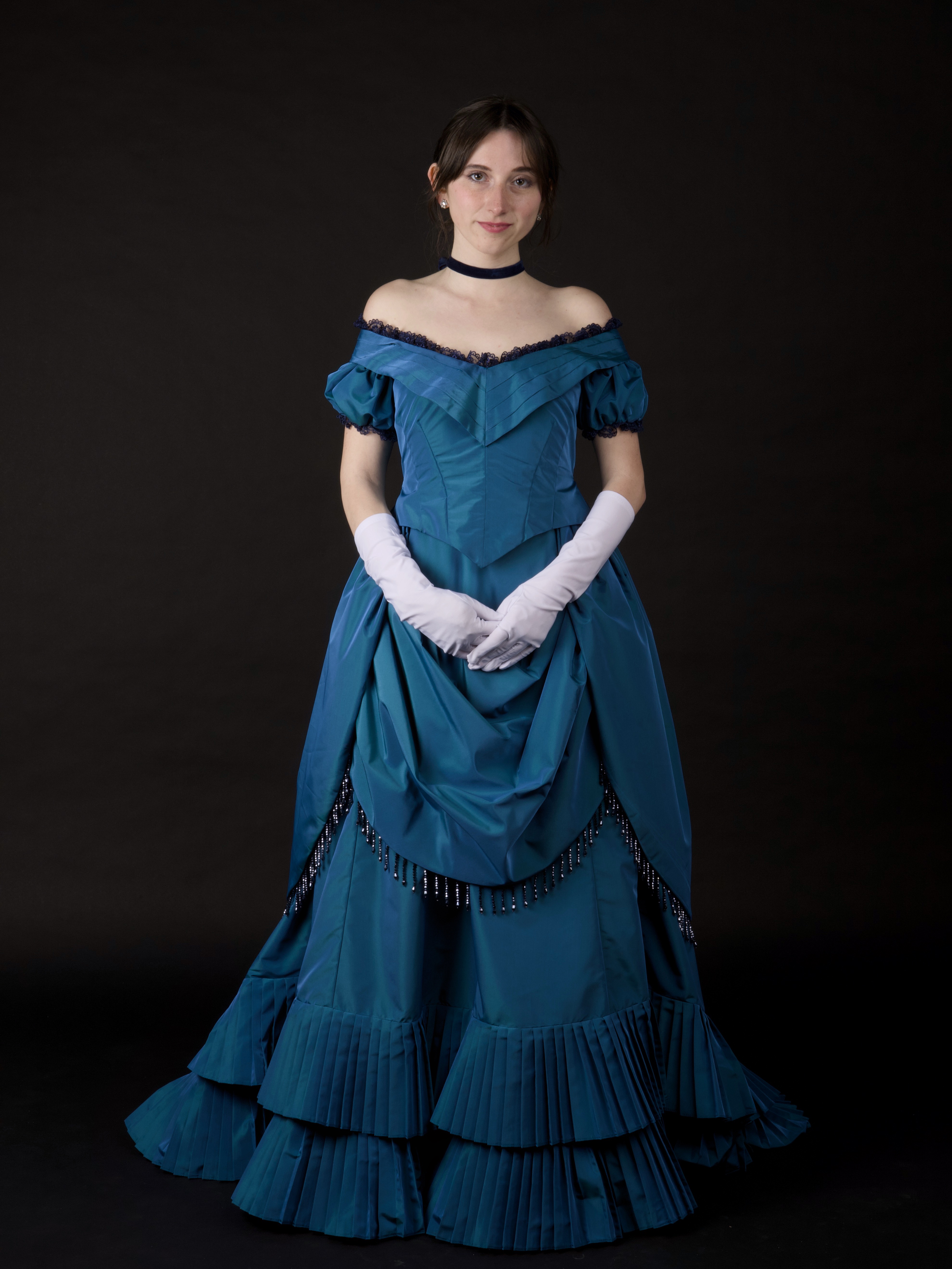
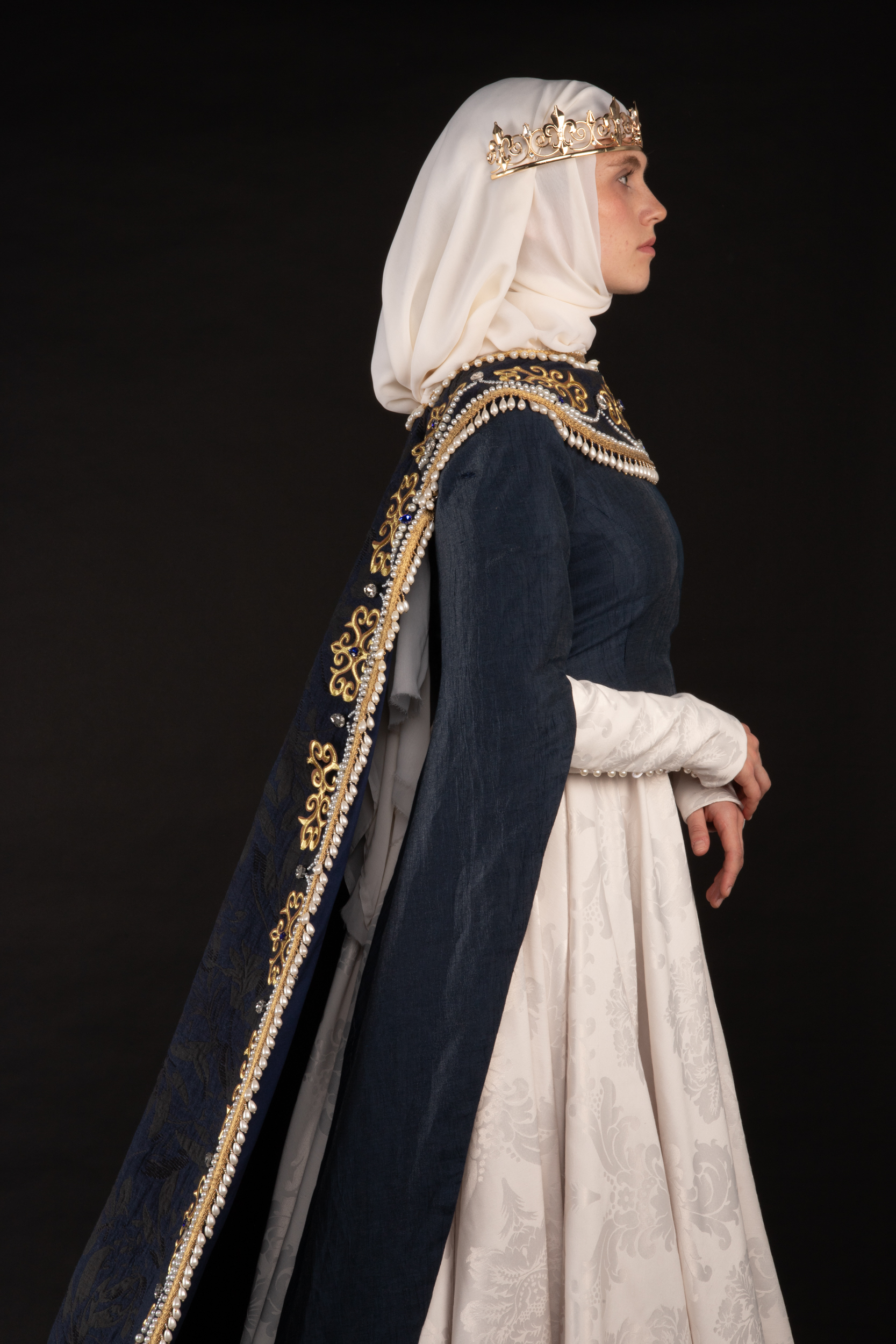
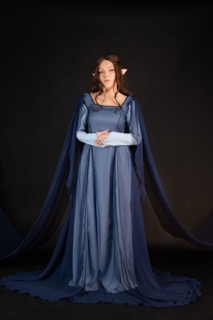
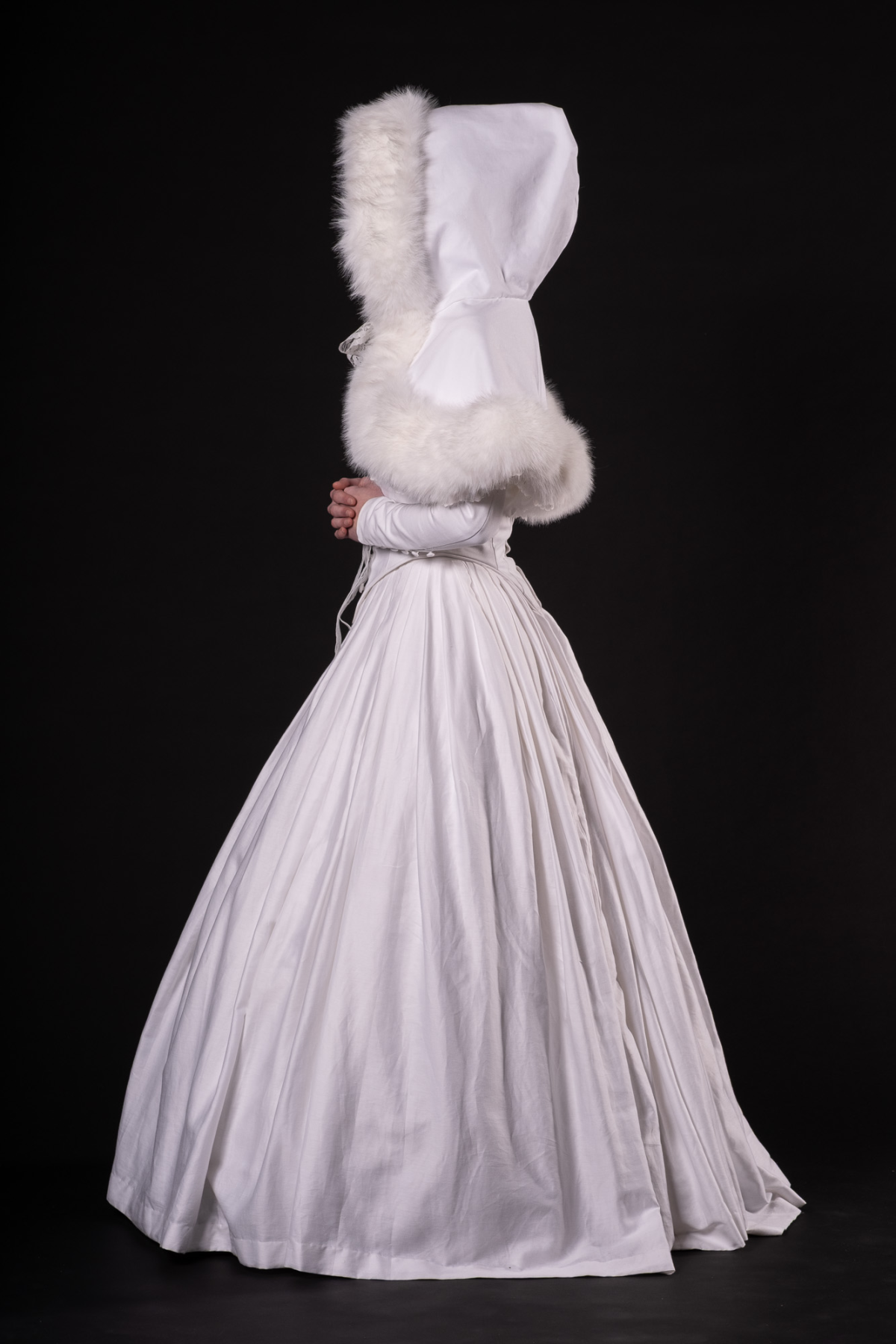
This project is a remake of a 19th-century gown. The design is a gown from the 1939 version of Wuthering Heights, directed by William Wyler. Worn by Merle Oberon, who plays Cathy.
This thesis explores how sportswear has become a uniform for rave culture and a symbol of rebellion and masculinity, transcending its utilitarian function. Clothing and style are a crucial part of subculture and club culture. By carrying out a case study of the Adidas brand and analysing documented images it was found that sportswear has played a pivotal role in youth culture since it first emerged. Documenting the incorporation of sportswear into subculture and rave culture allows us to conclude that sportswear has slowly gained a rich cultural background, which is closely tied to an expression of masculinity.
Noa Bernal Whelan is a Design for Film graduate with a focus on costume design. Throughout her time at IADT, she has developed a practice that balances research and design with technical sewing skills. Her graduate project, "Aelita: Queen of Mars," is a showcase of her skills as both a costume designer and maker. Driven by a desire to merge her two main interests, fashion and film, the course offered by IADT was the perfect opportunity to expand her skillset in many regards.
Noa is eager to bring her technical skills in sewing and design to the professional industry.