Fiona Murray
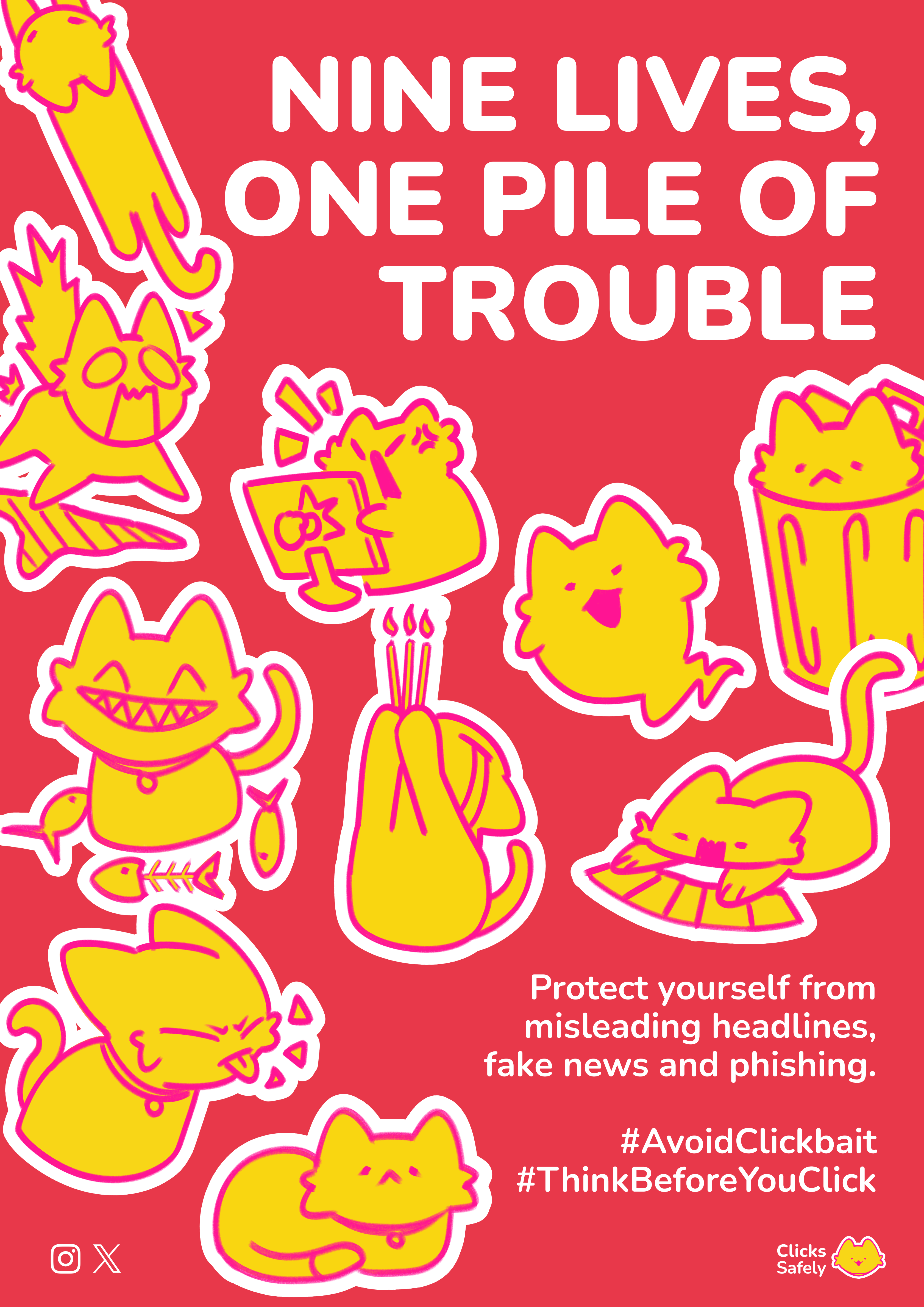
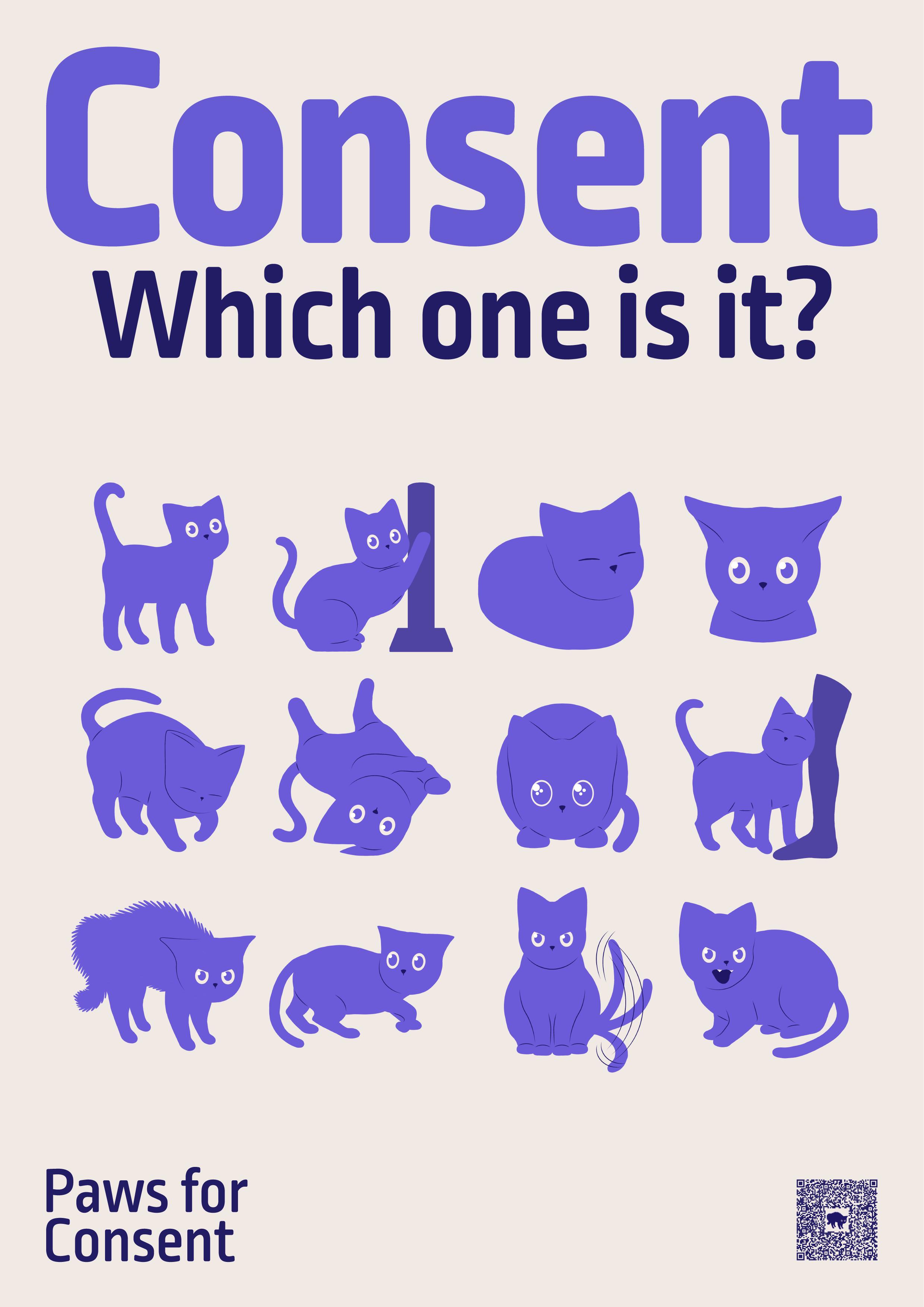
I came across a discussion online detailing how some people consider it a red flag when a person hates cats. Not those who merely dislike them or just prefer dogs – but those who HATE them. Why? Because cats express boundaries and are not unconditionally loyal. Their respect needs to be earned, just like people. So when someone hates cats for that reason, it can raise the red flag that they will not respect your boundaries either. This got me thinking – why not use cats to teach people consent? This project is primarily a mobile website that details cats’ body language and how it can be applied in real-life situations, made to educate young people who may not have access to education on consent and bodily autonomy.
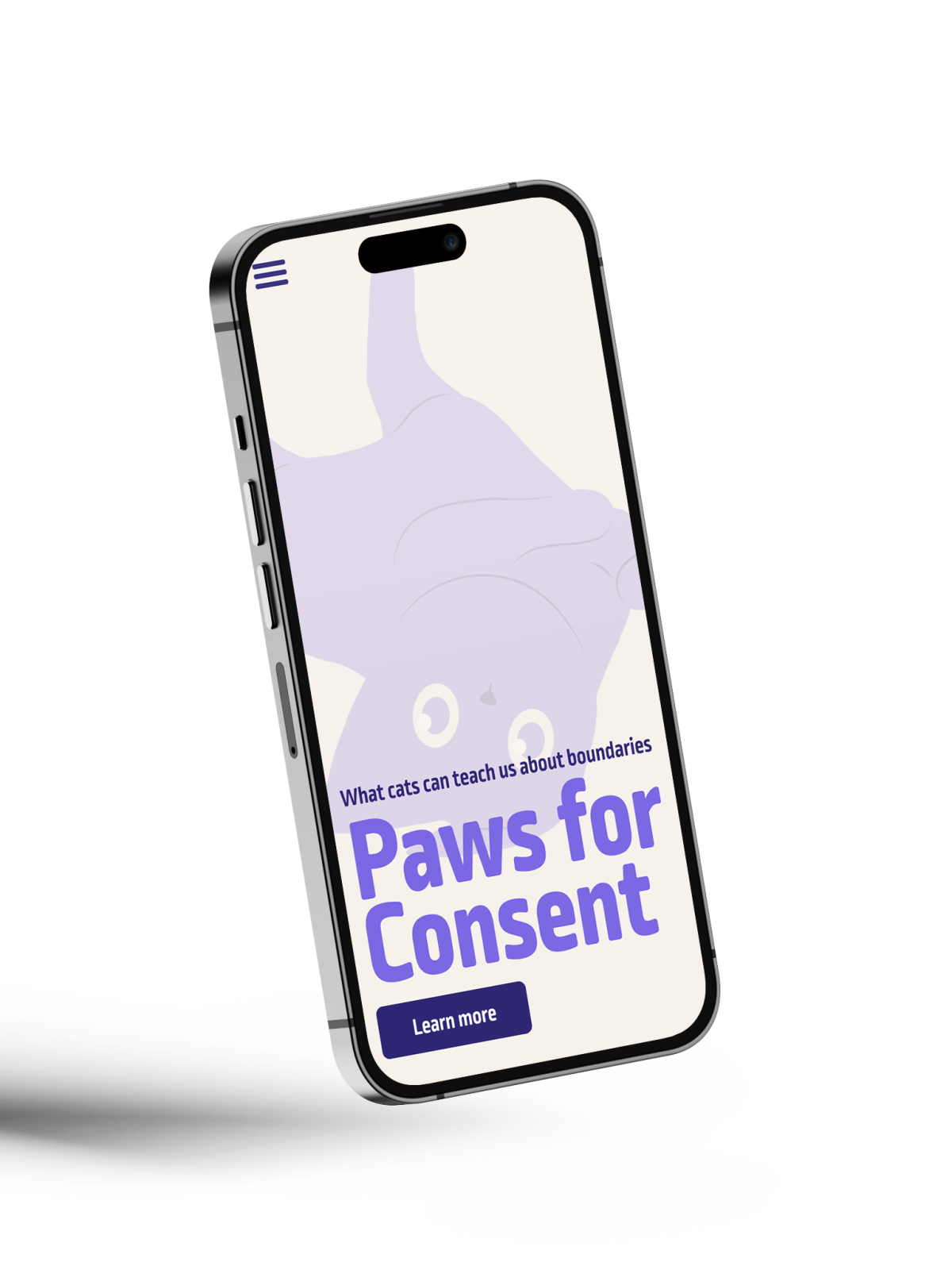
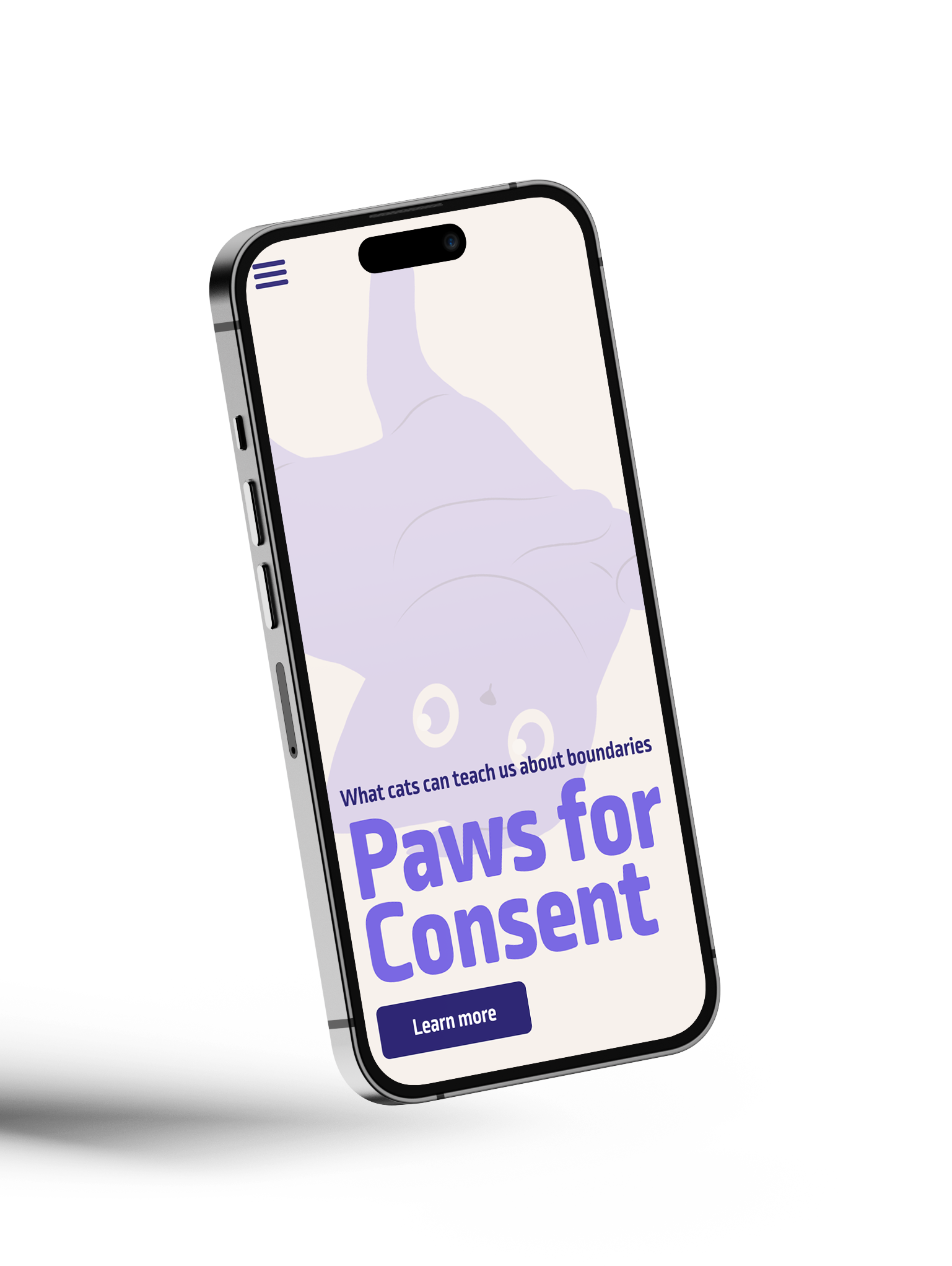
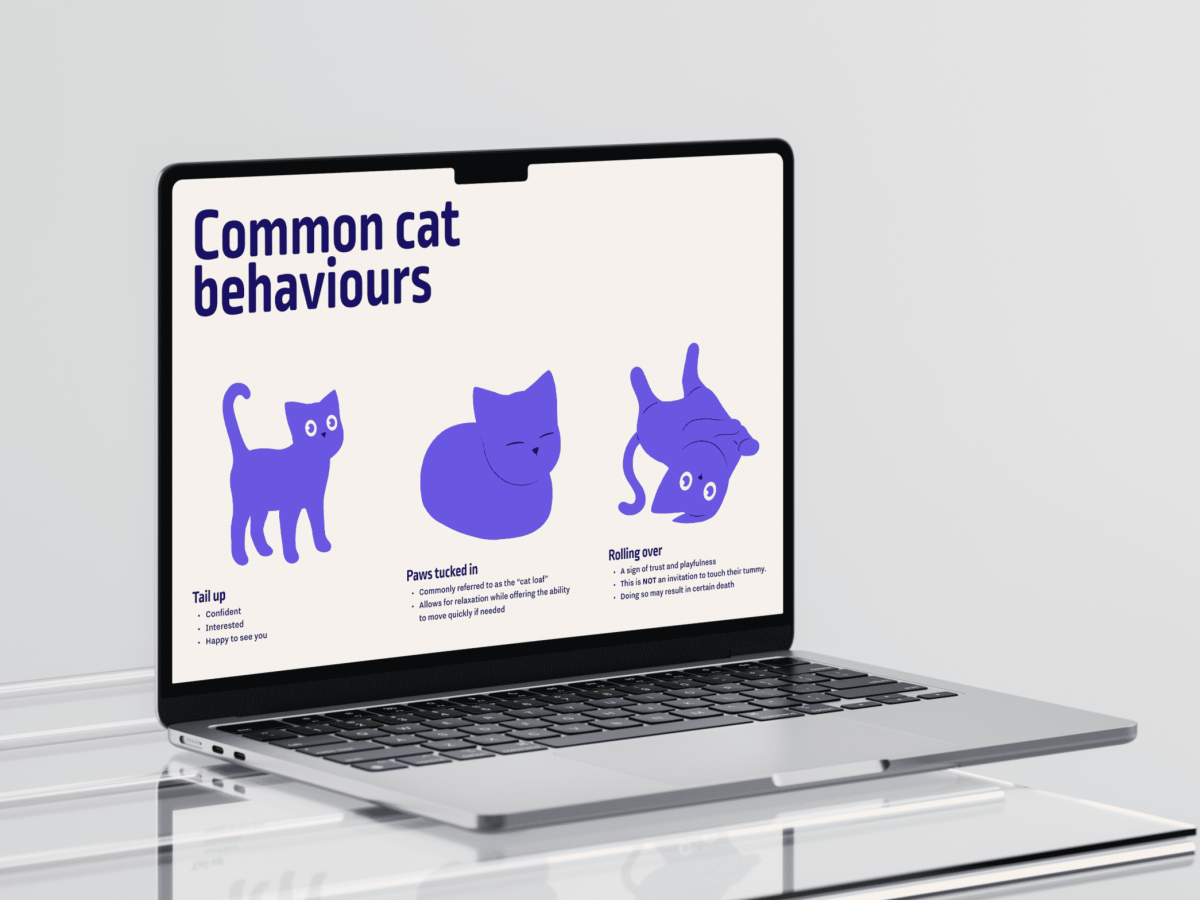
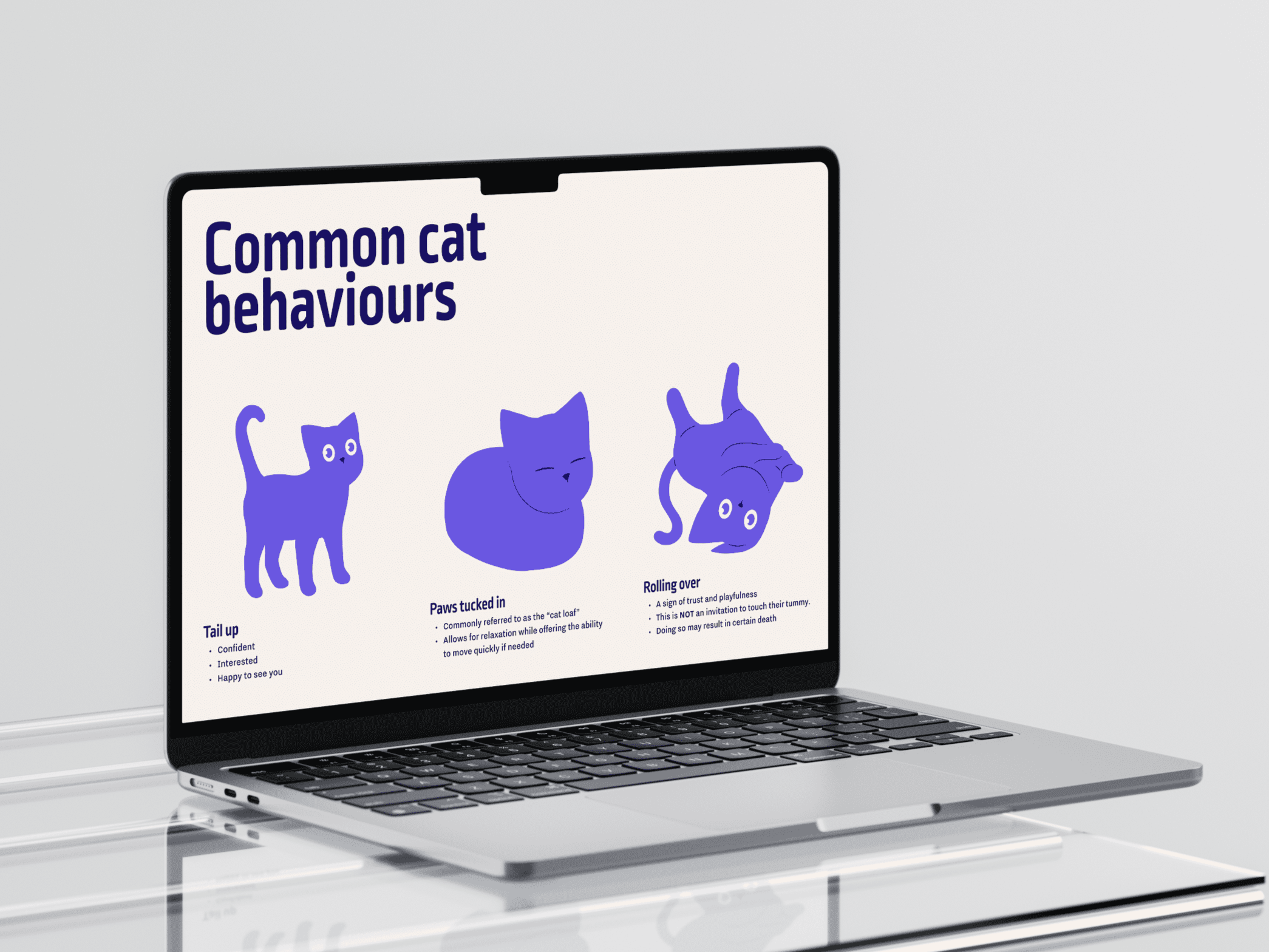
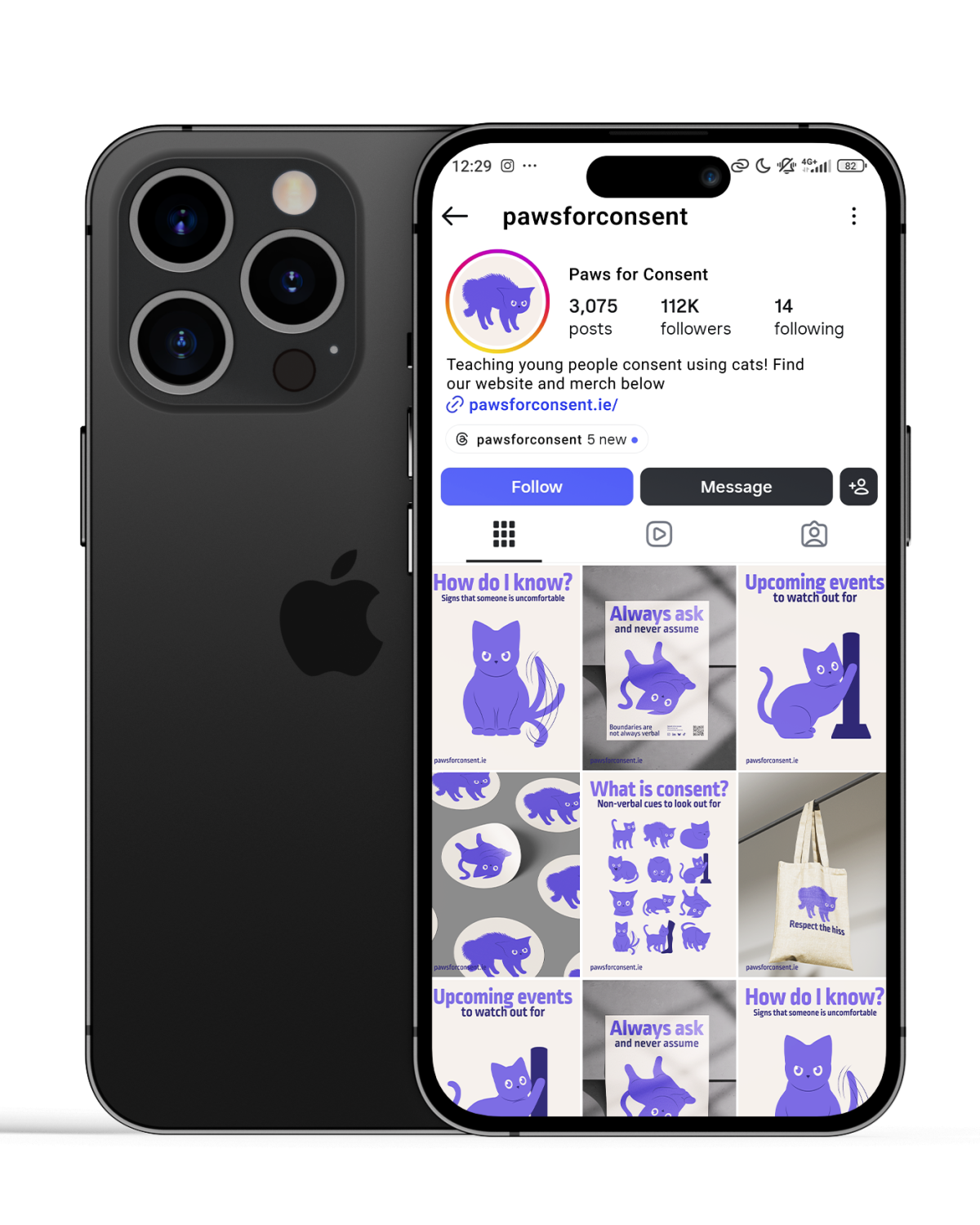
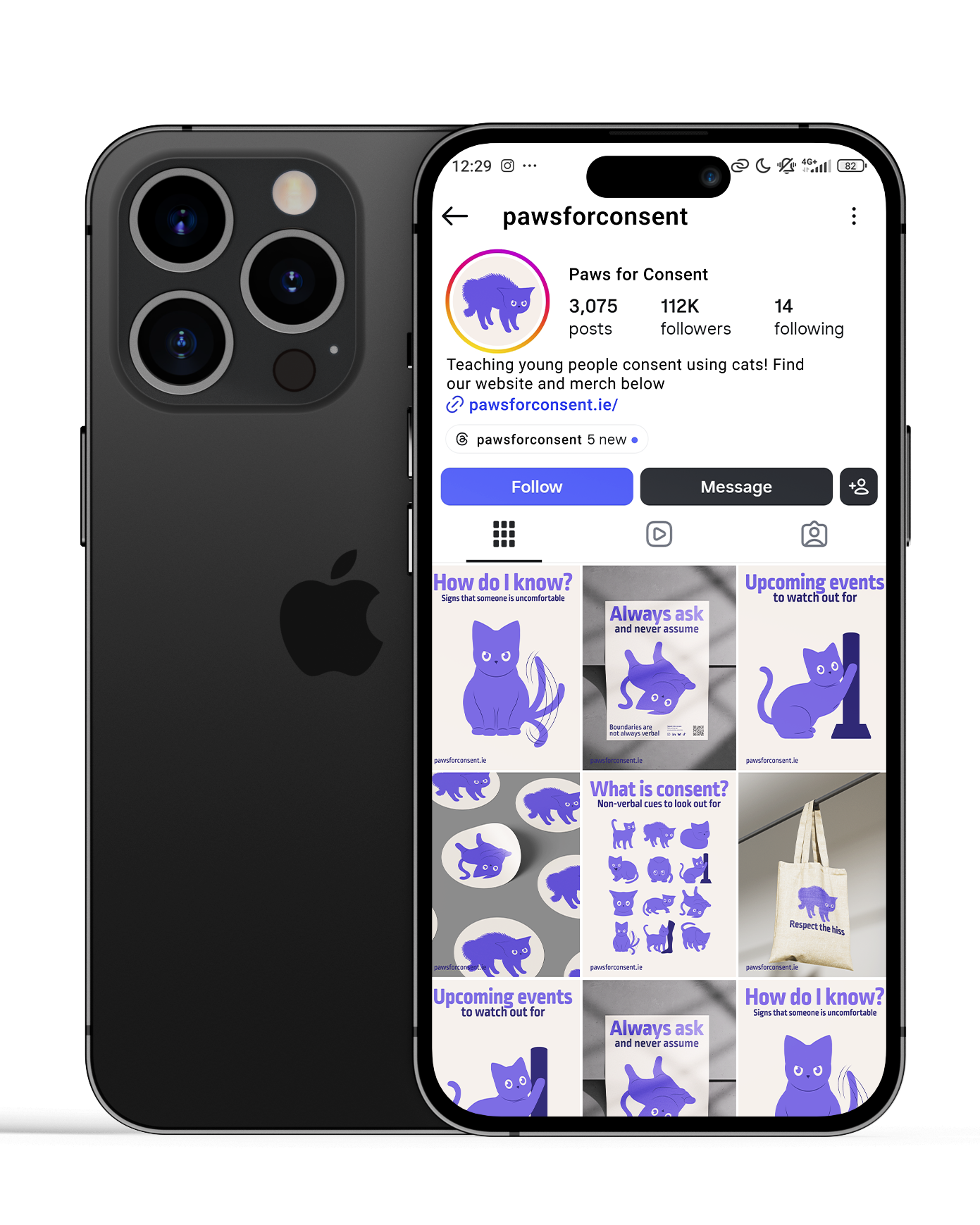
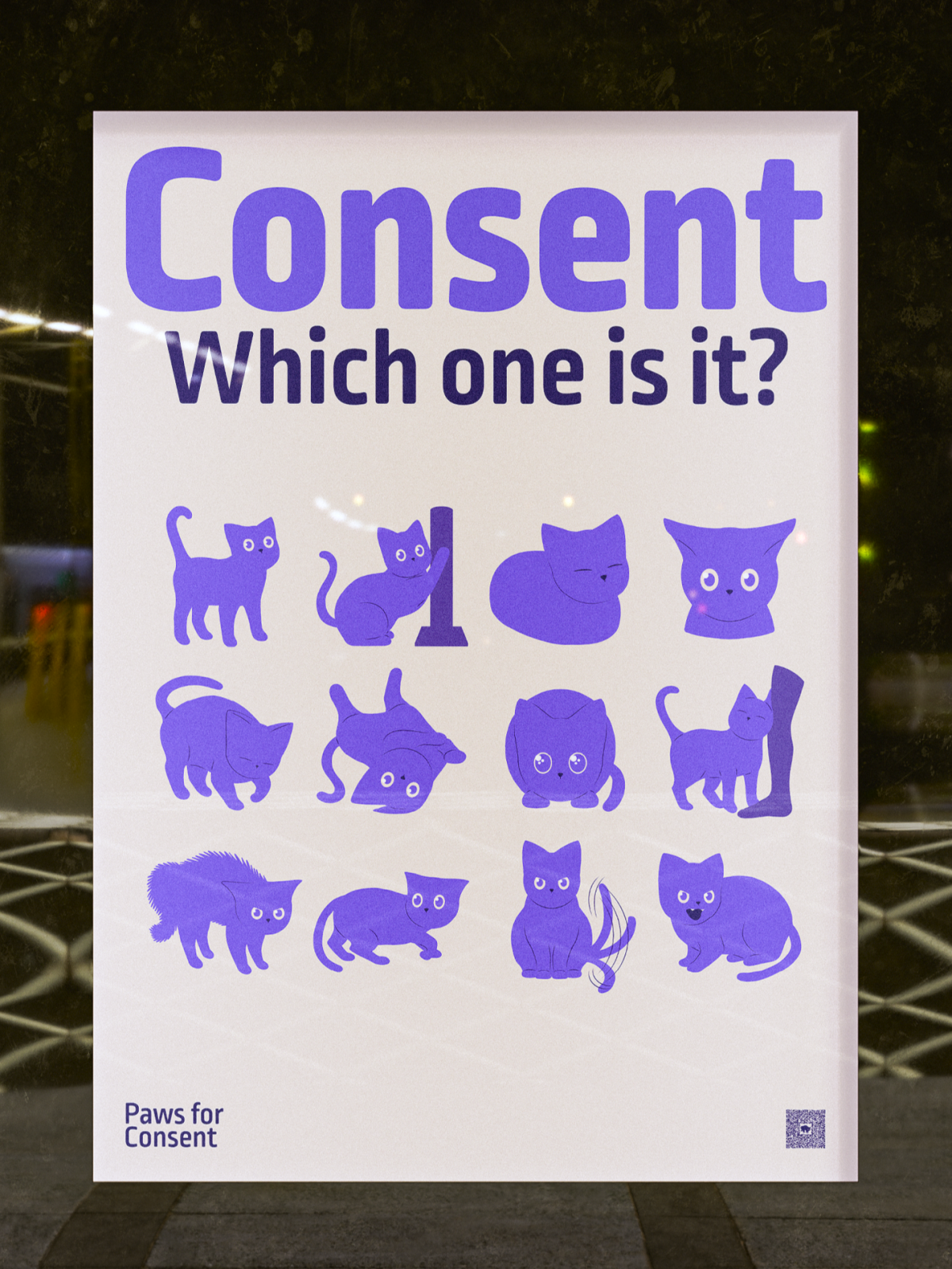
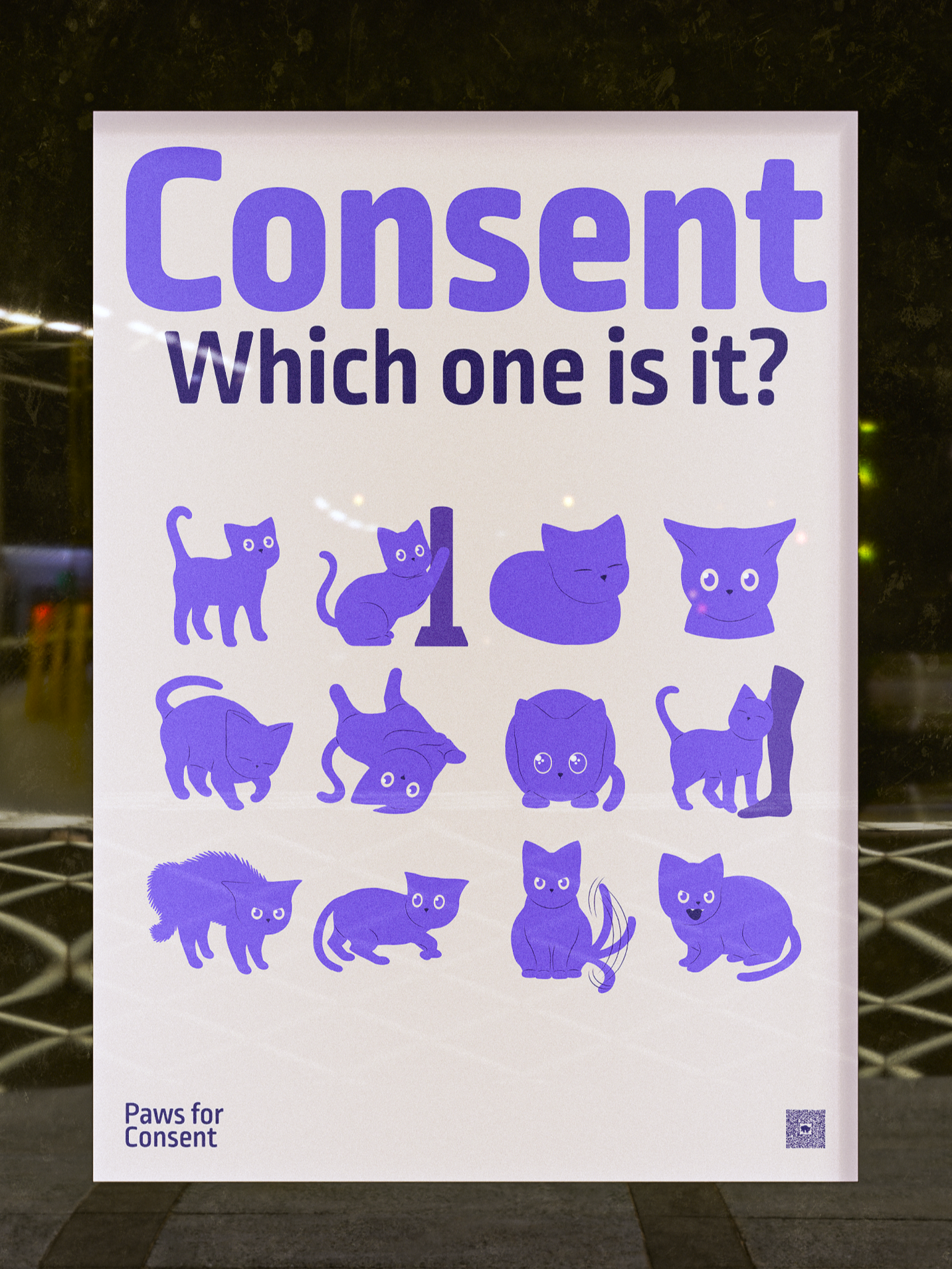
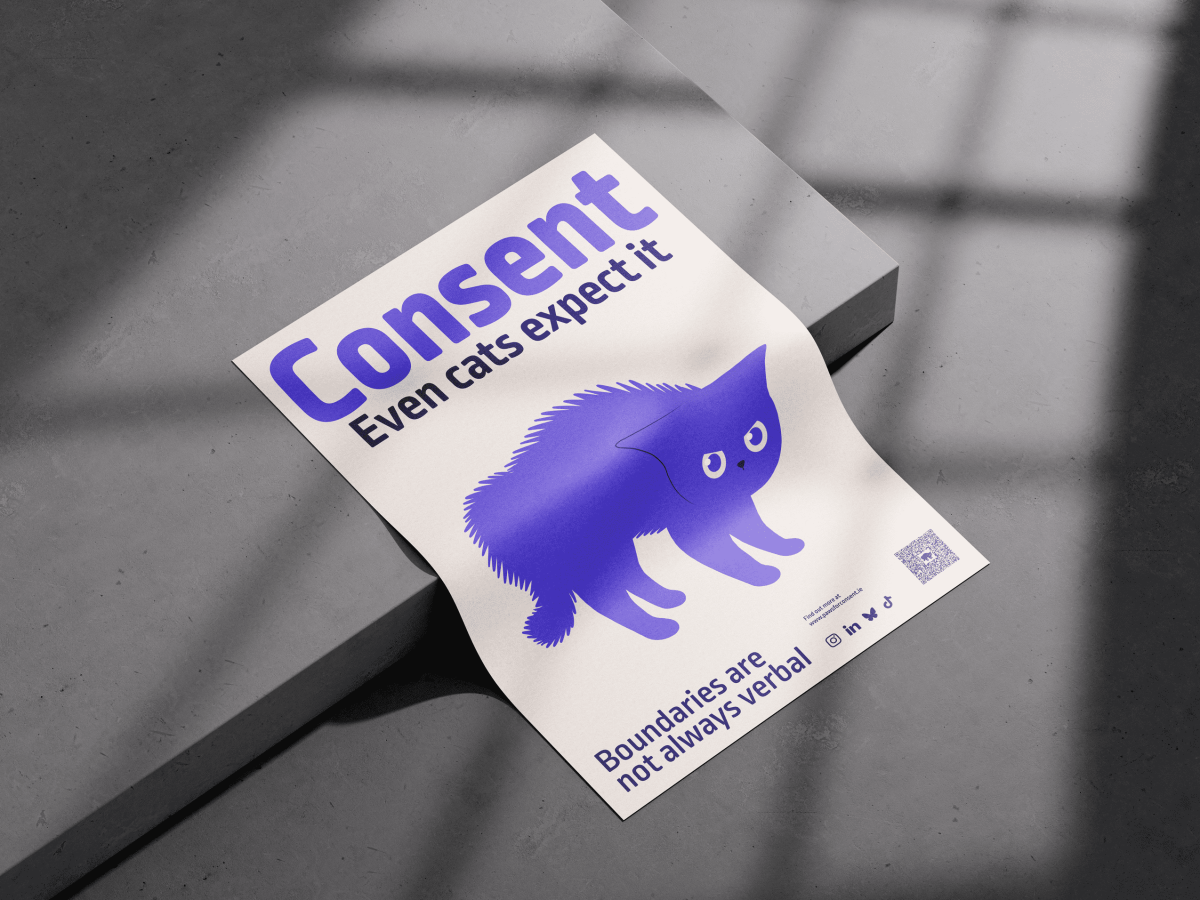
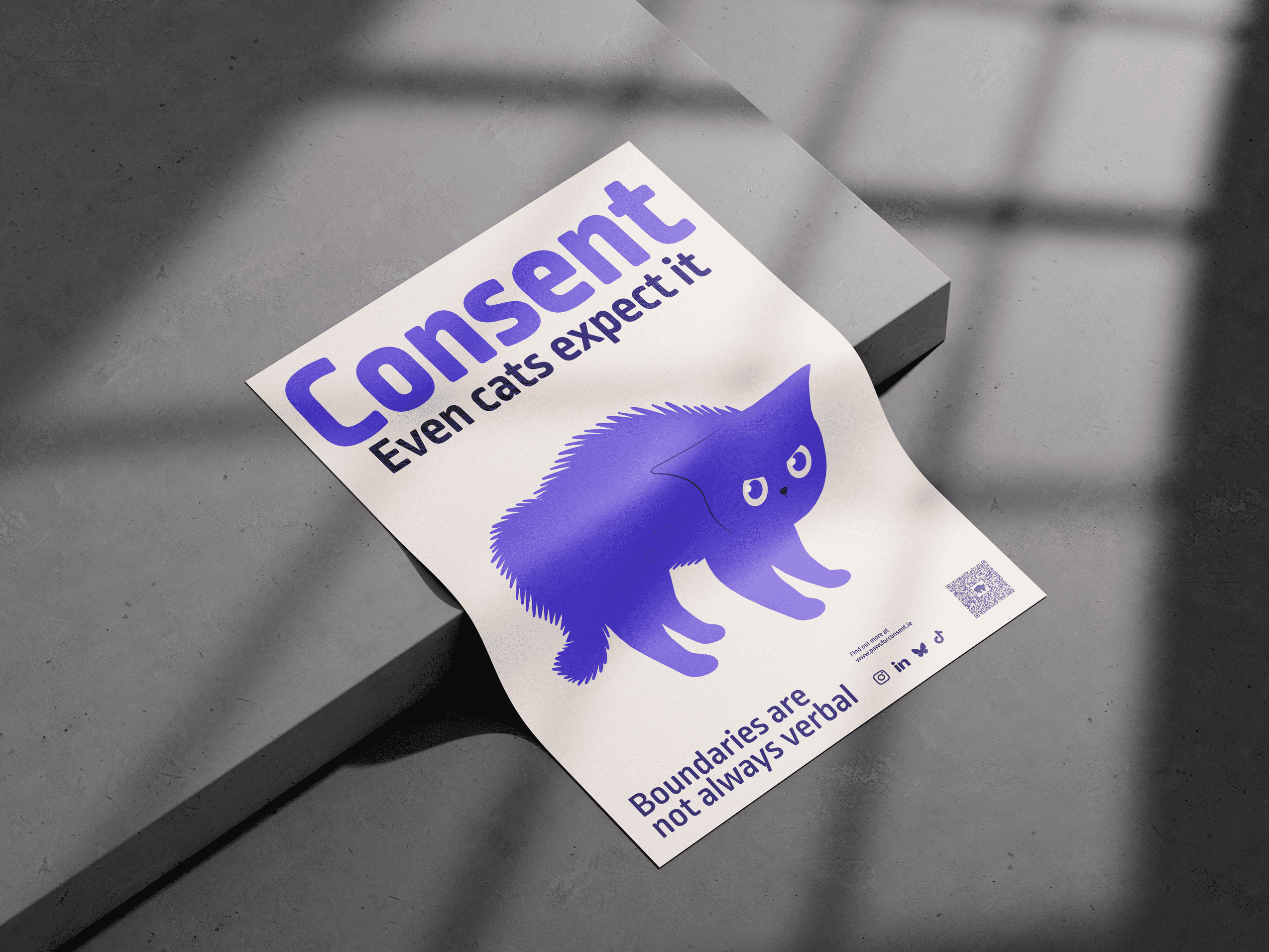
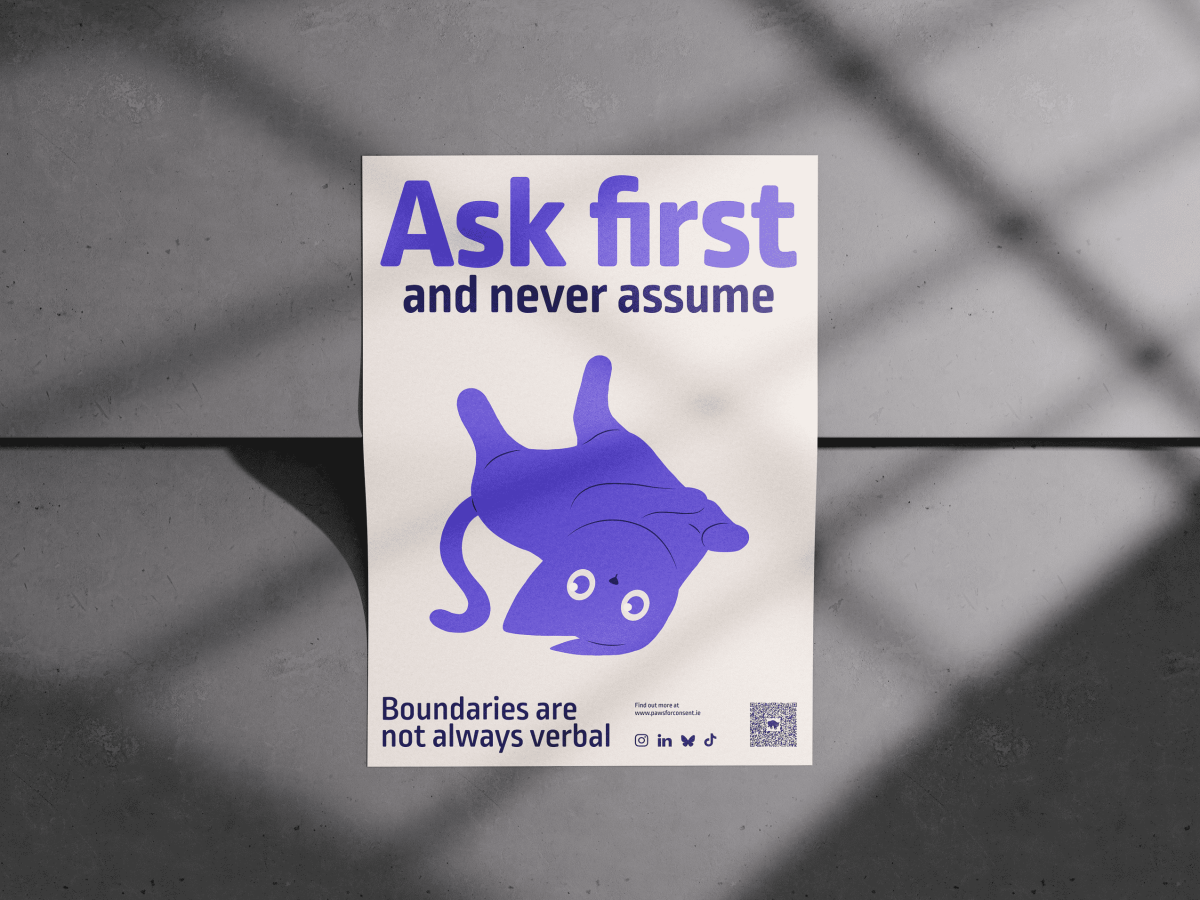
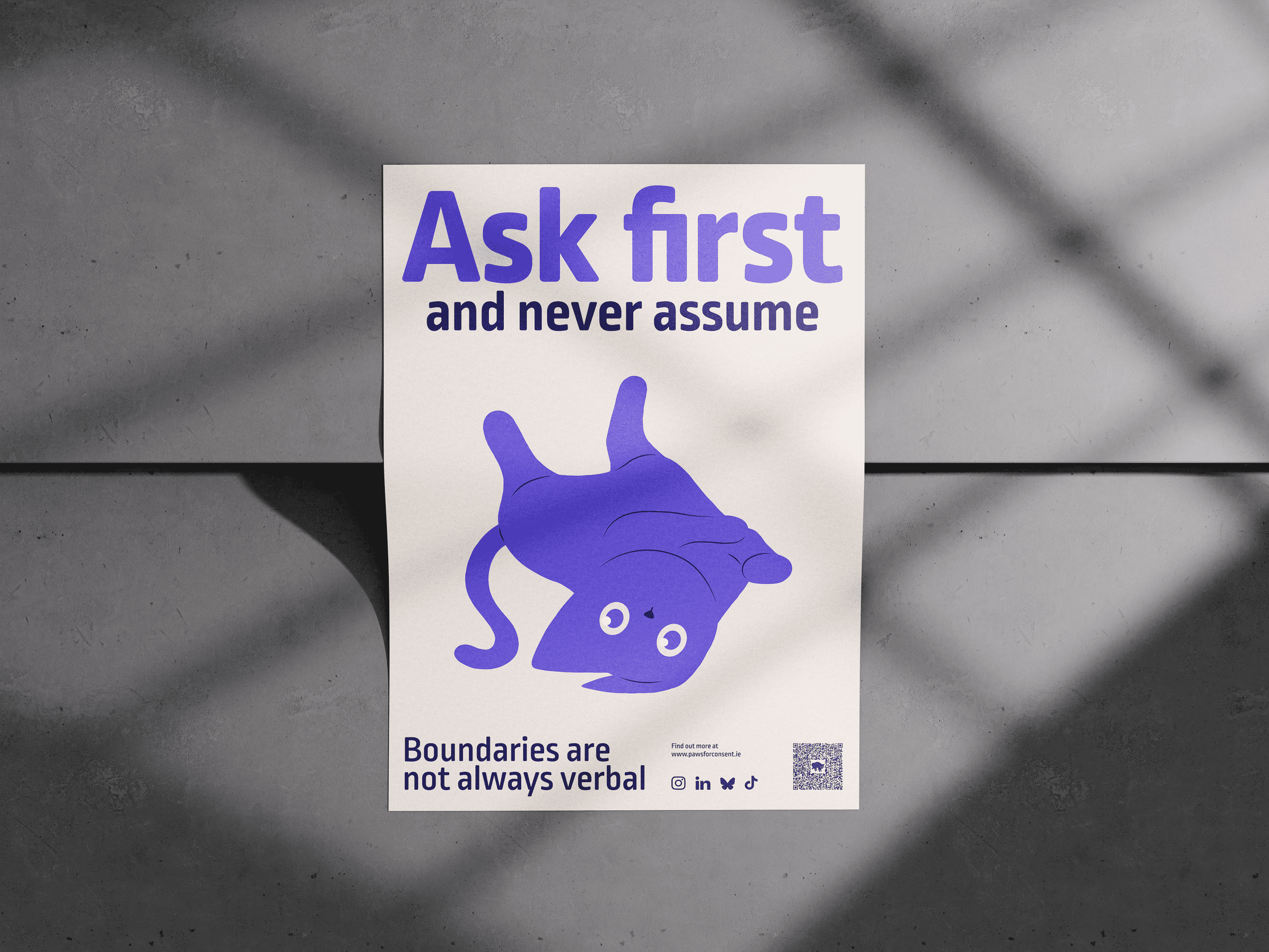
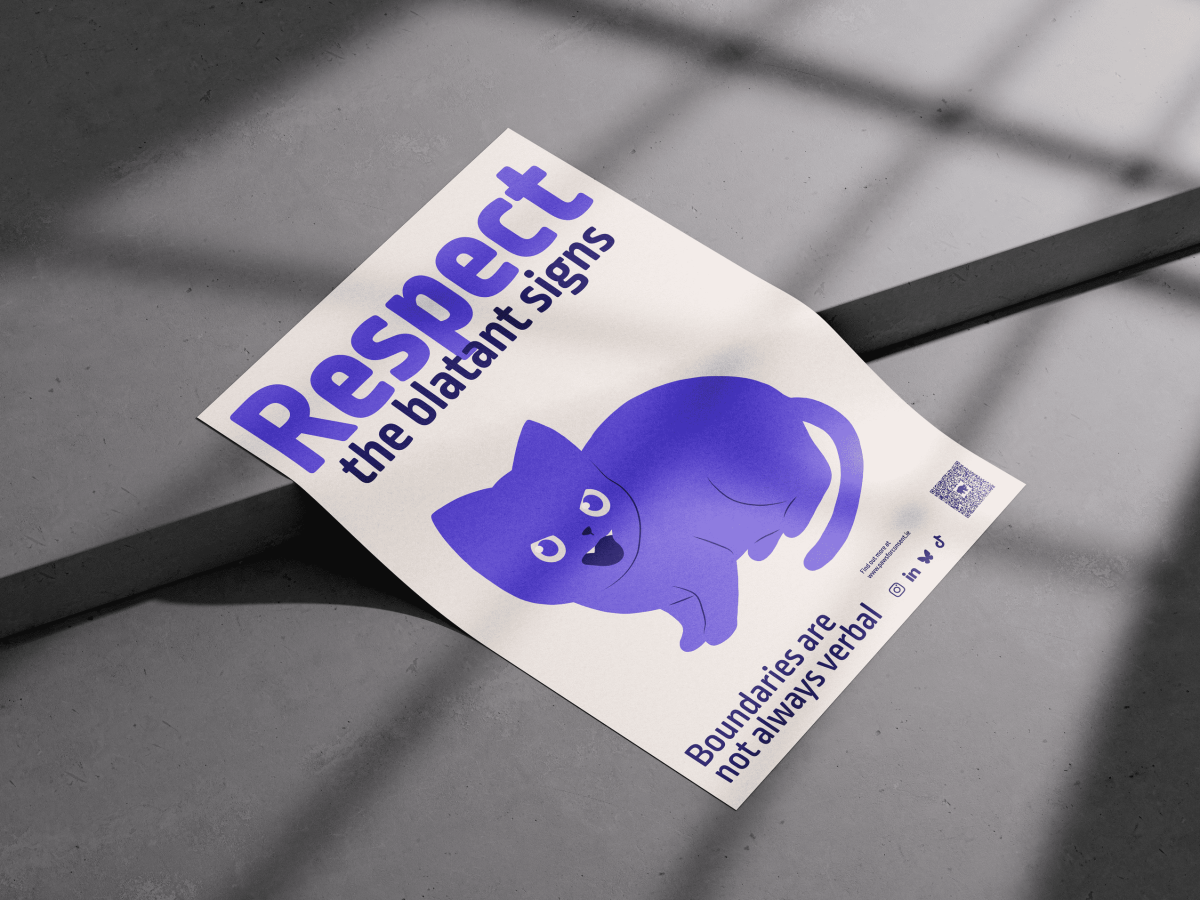
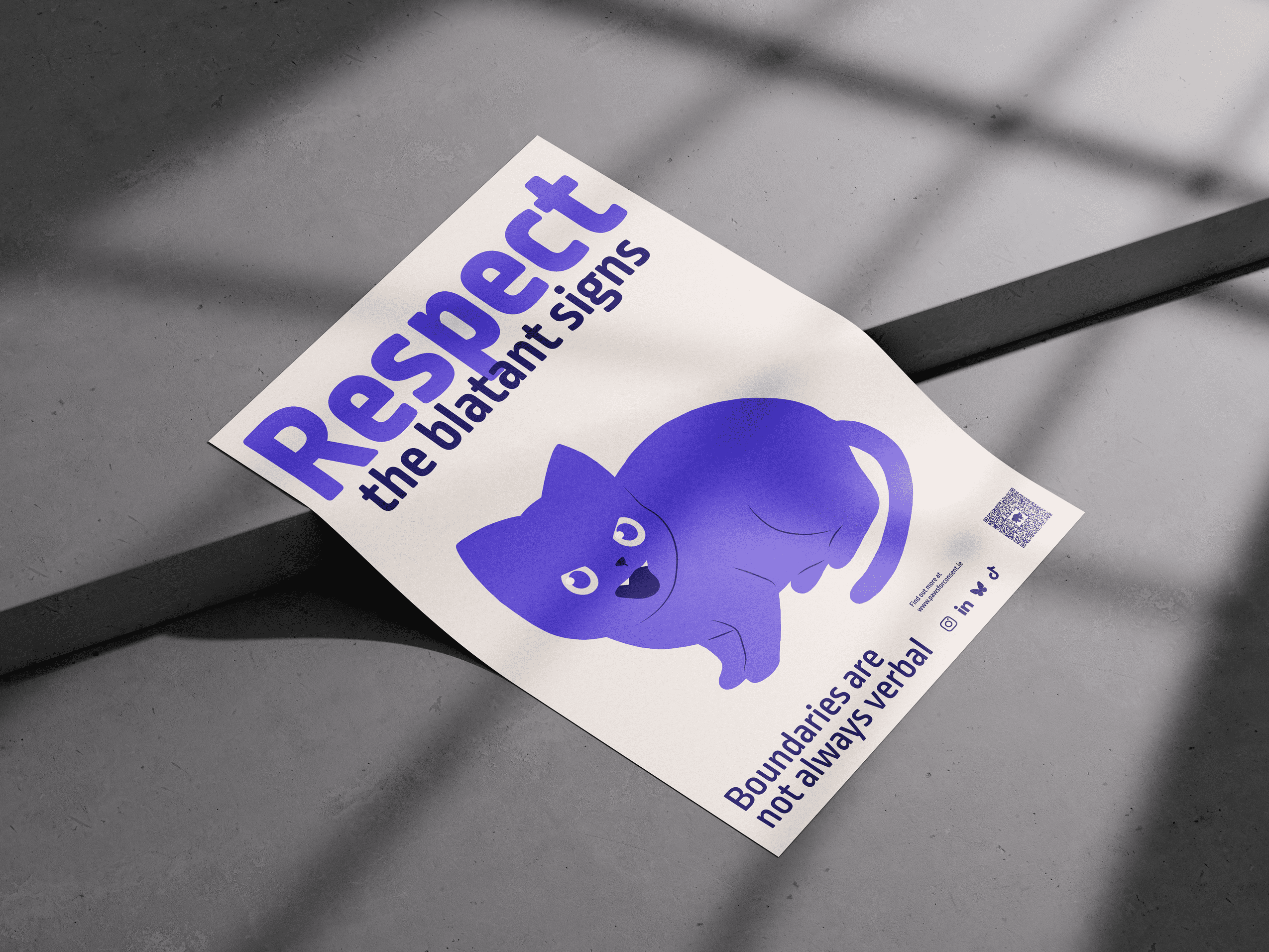
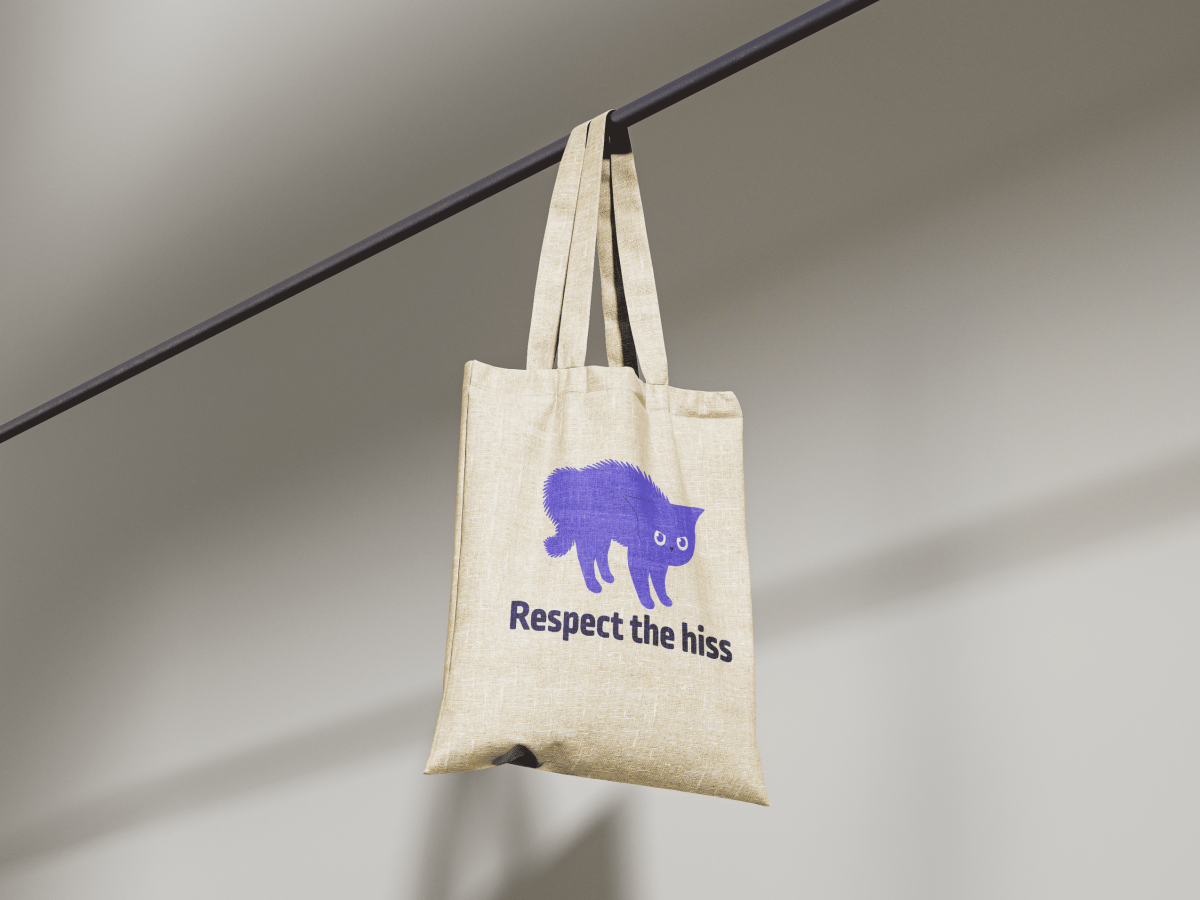
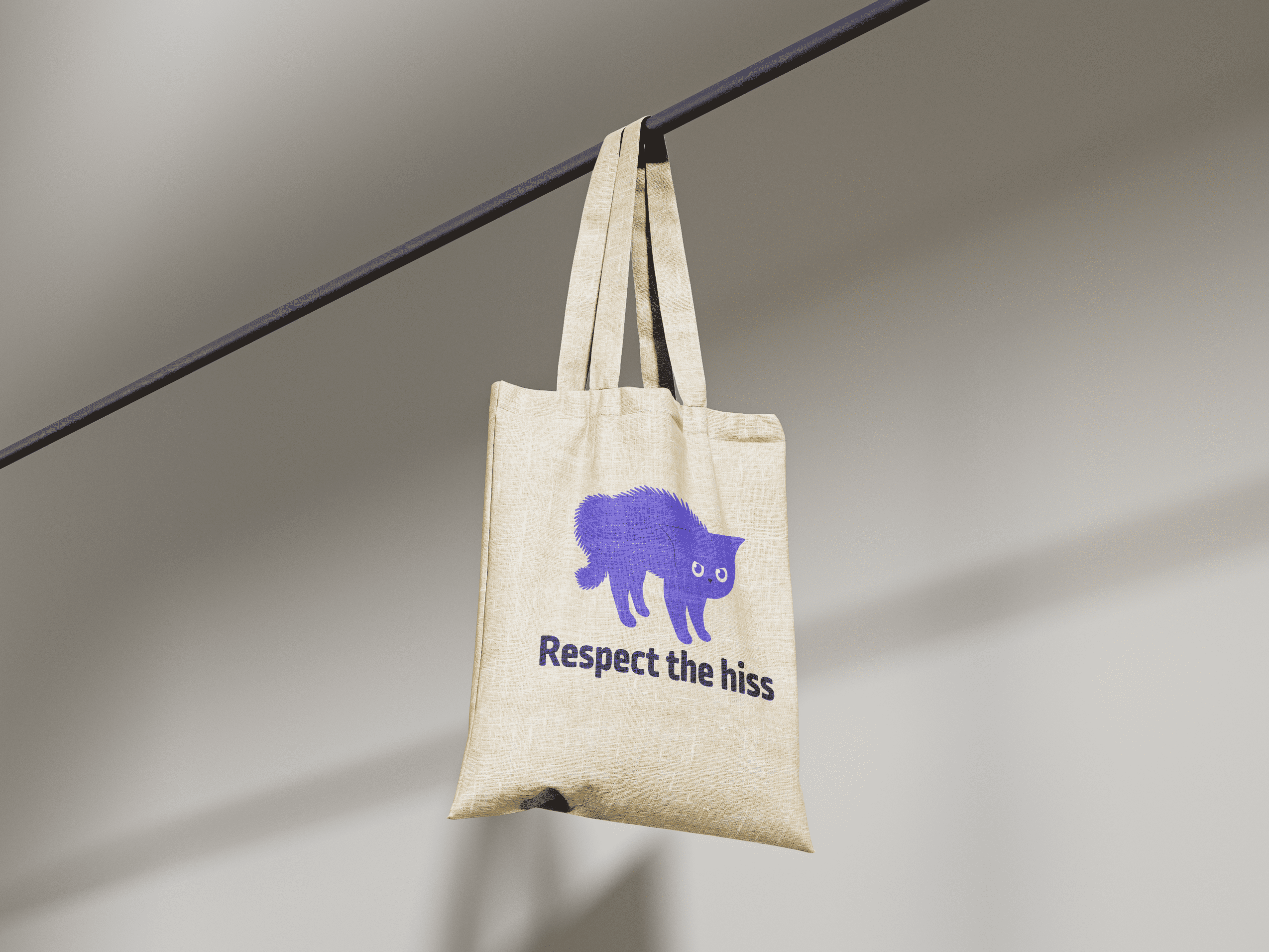
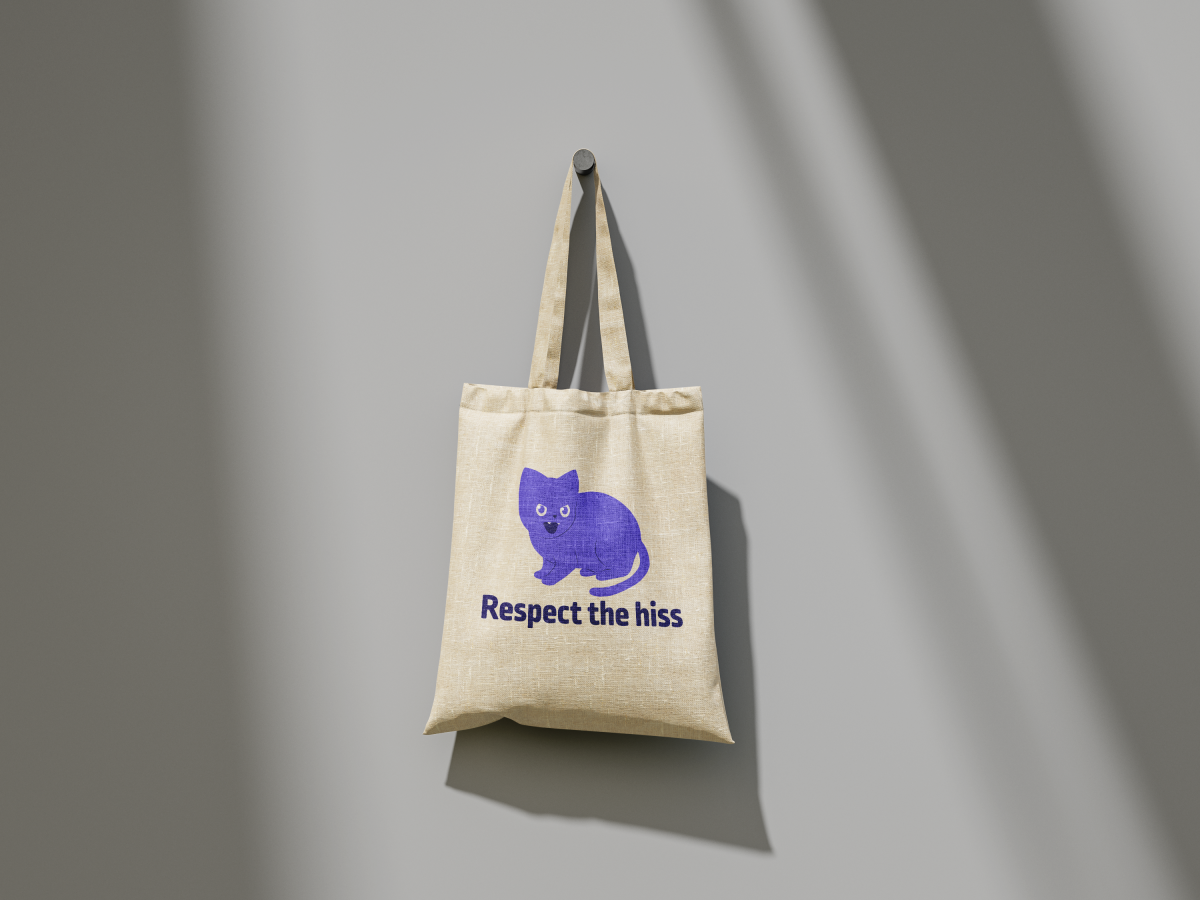
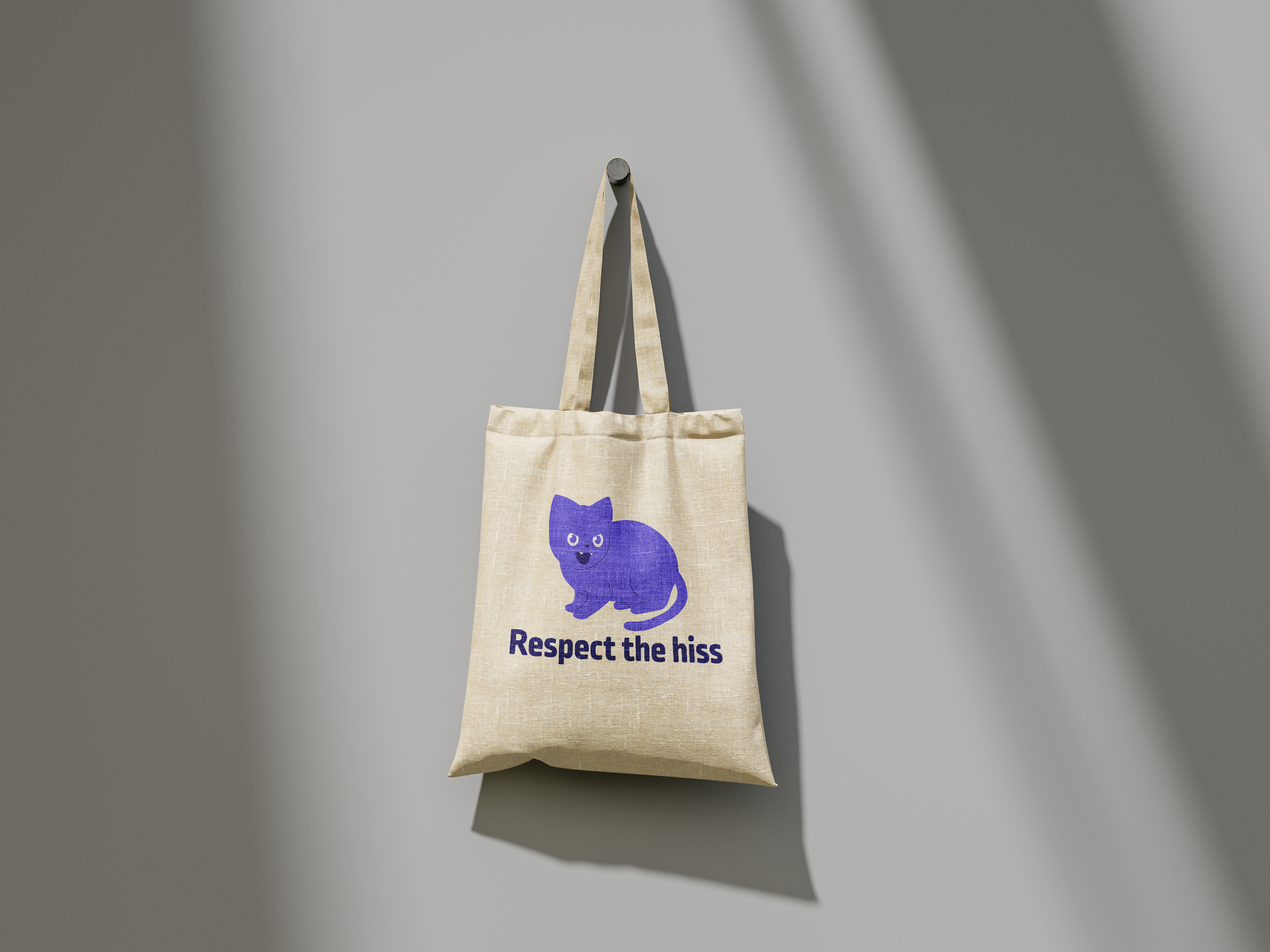
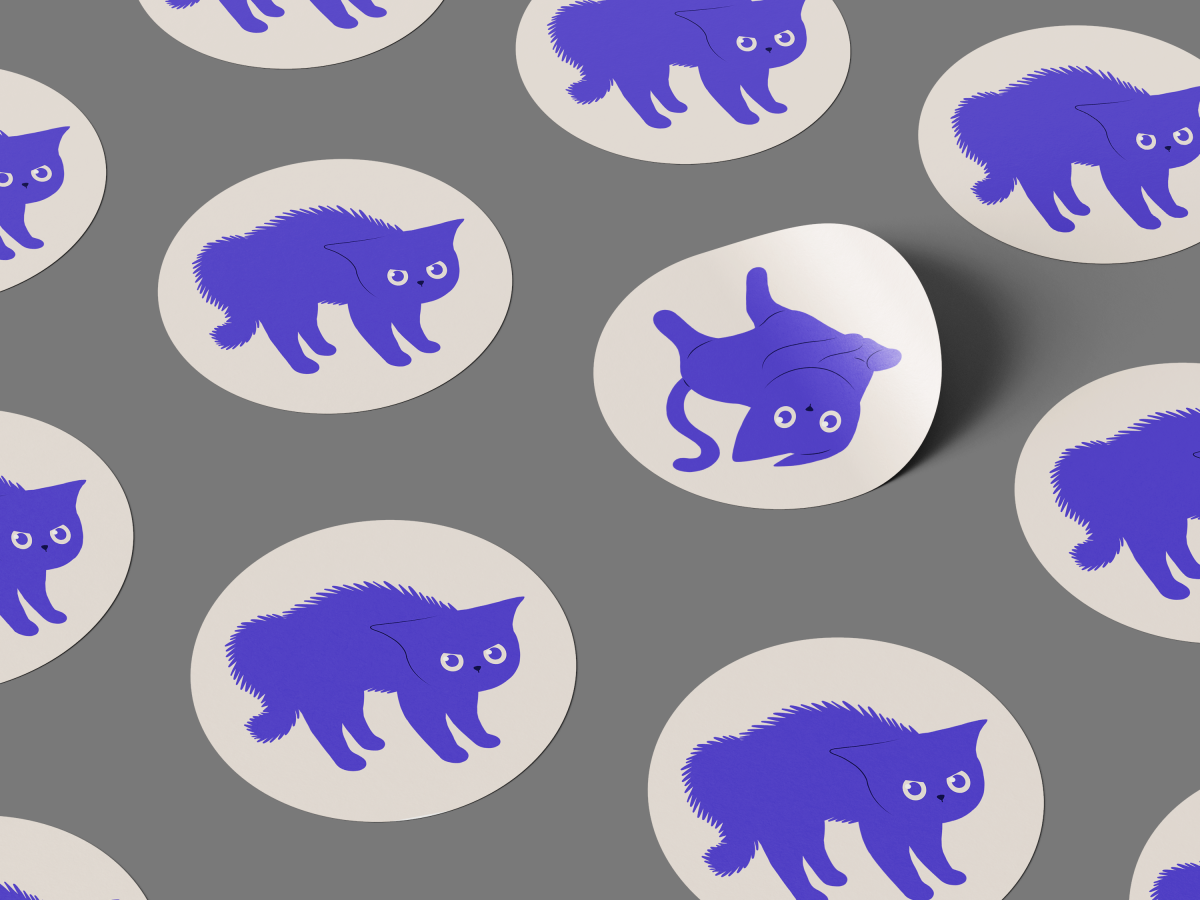
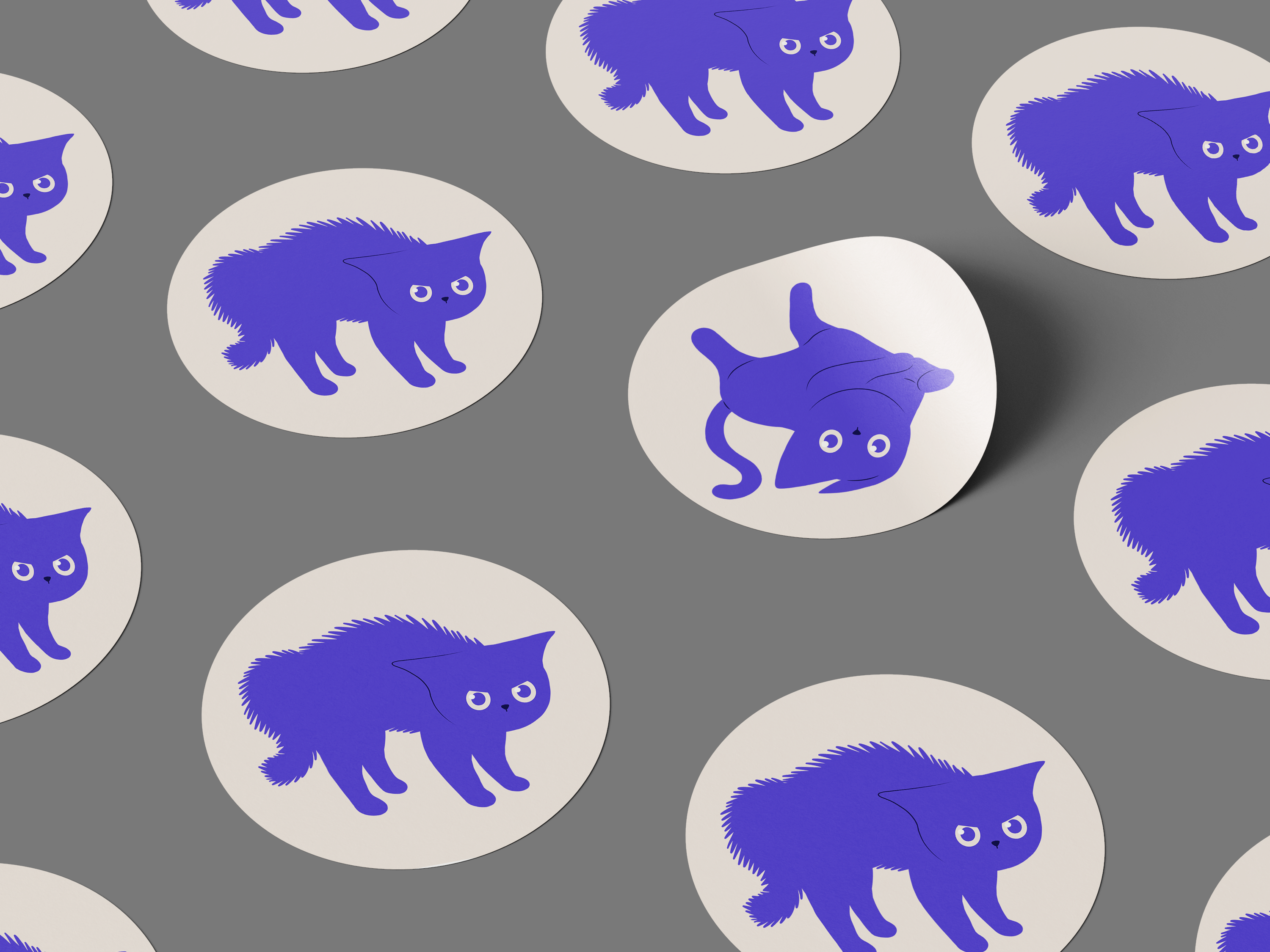
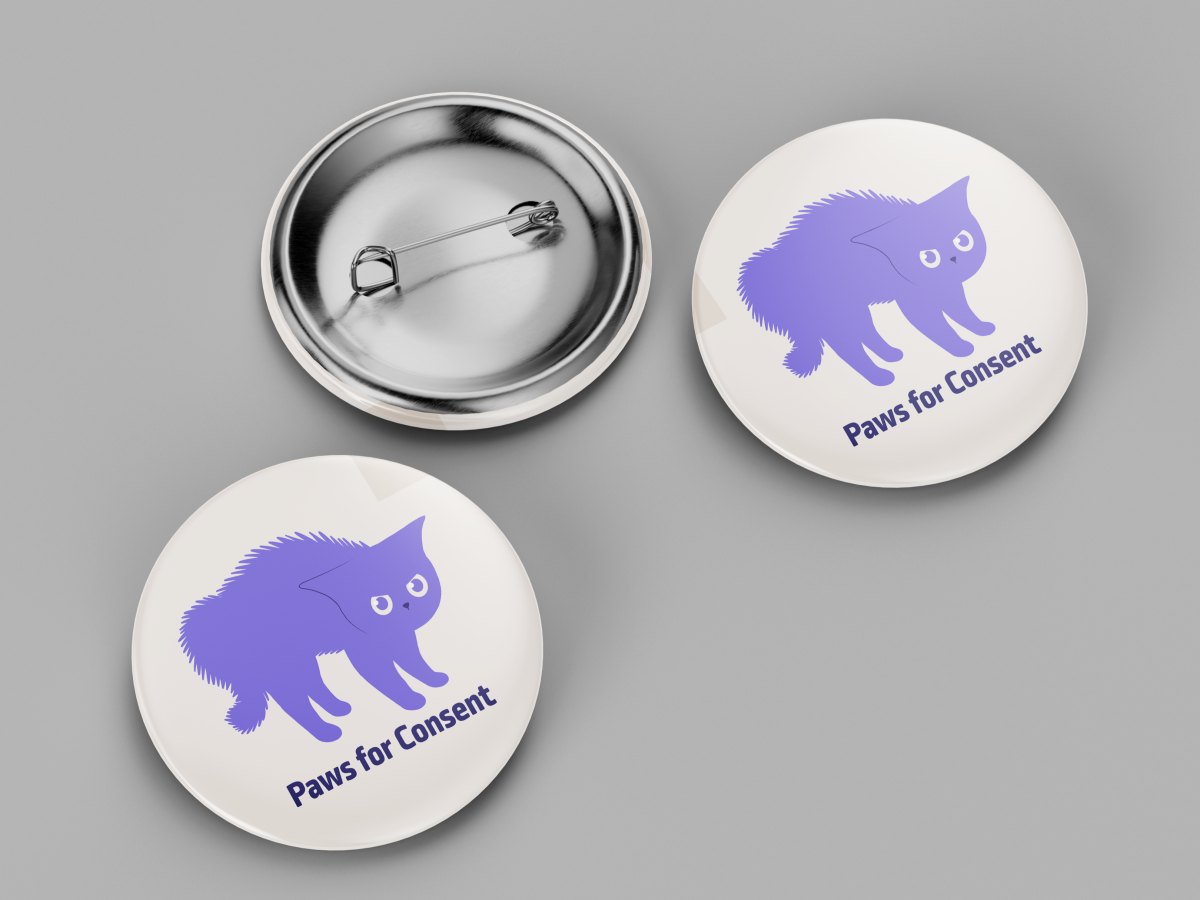
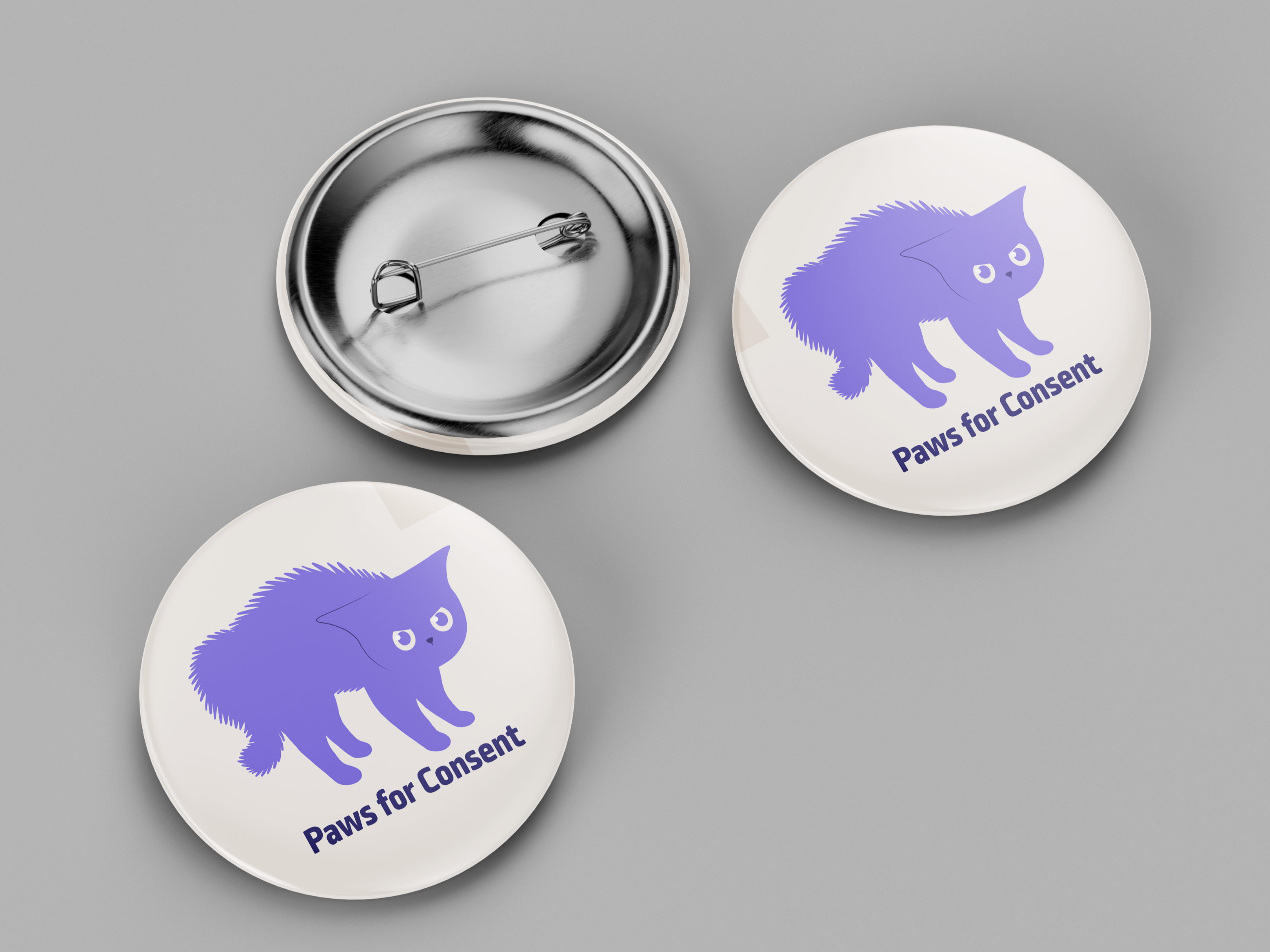


This project is a mobile and desktop website, aimed at young people ages 15–18, with the goal of teaching consent to those who may not have access to that type of education. The website contains various illustrations of cats and their body language and gives detailed overviews as to how this may apply in real-life situations. The Resources page also includes downloadable content for teachers or youth group leaders who are looking for new strategies to teach consent. This project was created to educate, provoke and start conversations, hopefully teaching young people how to respect each other’s boundaries and express them themselves. One is most likely to encounter this website in the classroom, however, it can also be discovered on social media and in various public spaces, such as libraries, universities and youth groups.
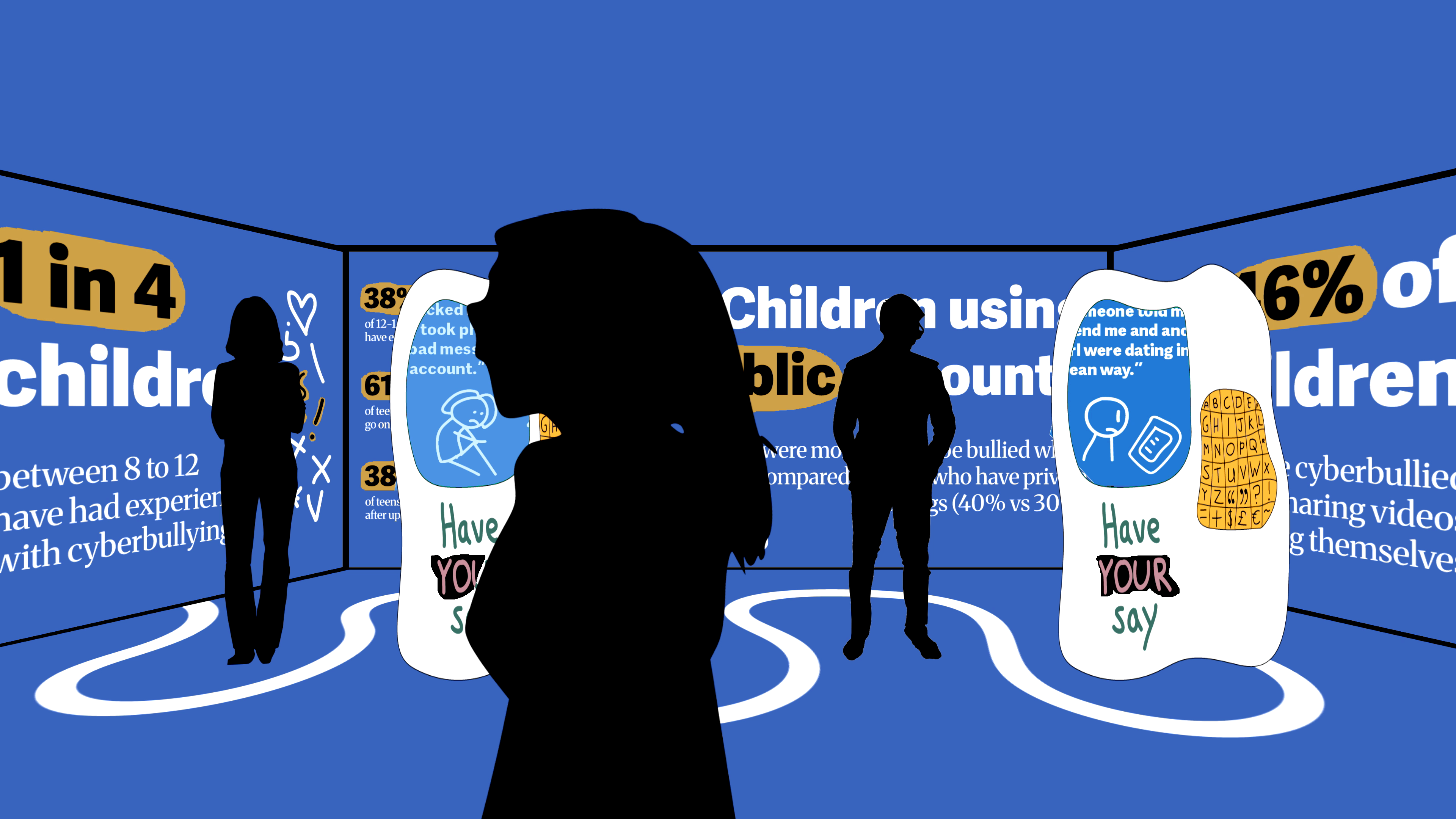
Video games have been around for decades, technologically conditioning players’ expectations by following the conventional formula of clarity, predictability and empowerment. This thesis examines how independently-developed, contemporary video games strategically break user interface (UI) conventions to disrupt player expectations and challenge assumptions of user agency and control, as opposed to merely acting as the predictable gateway to gameplay. The introduction discusses the origins of video games and UI. Chapter 1 analyses the Cognitive Dissonance and Uncanny Valley Effect these games may trigger. Chapter 2 observes the effects of Parasocial Intimacy and the discomfort triggered by these games’ invasive methods. Finally, Chapter 3 is an overall discussion on the anxiety one may feel when experiencing these games due to the lack of player agency and control provided. This research investigates how unconventional UI behaviour functions as a rhetorical device that blurs the boundaries between game and player, contributing to the broader discussions on the ethics of game design, user interface and user agency and interactivity.
Hi, I’m Fiona and I am a designer with a love for bold and thought-provoking design that sparks conversation and leaves a lasting impression. I’m especially drawn to branding, where I enjoy building identities that feel distinctive, thoughtful, and full of personality. One of my strongest creative outlets is illustration, and I am always looking for ways to incorporate it into my work to make it more lively and personal. When I am not sitting in front of a screen, I am sitting in front of another screen as I do not like going outside. Dedicated creative, gamer, redditor and cat-enthusiast.