Erika Stratila
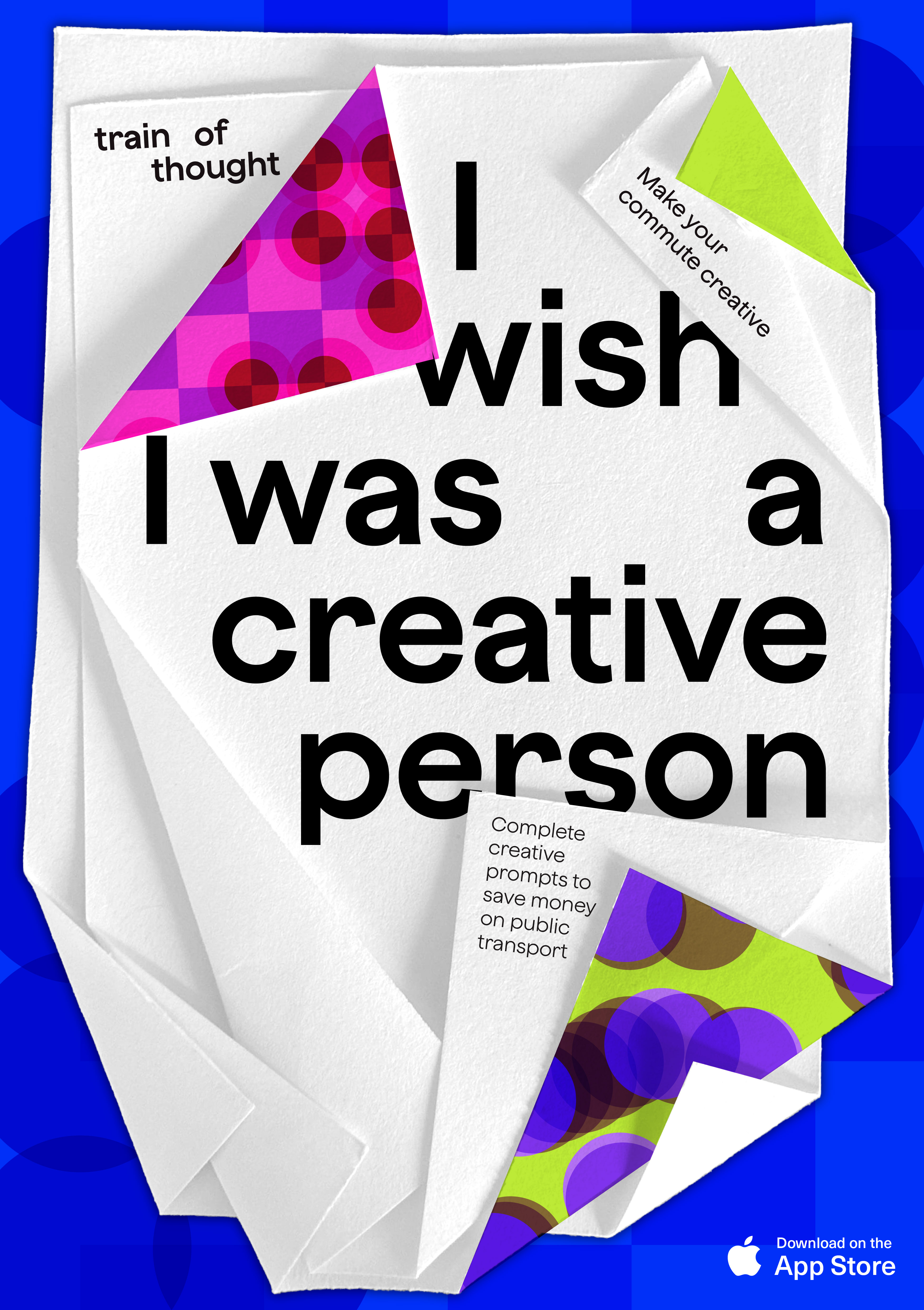
In Passing is a participatory communication system designed to transform passive waiting environments into more collectively experienced public spaces. Through a combination of physical and digital interactions, the project encourages people to contribute anonymous thoughts, observations, and opinions during moments of downtime. Rather than encouraging direct social interaction, In Passing explores how design can create lightweight, low-pressure participation through humour, relatability, and shared observation. Using prompts displayed across posters, public screens, and printed touchpoints, users are invited to contribute responses either physically or digitally through a companion mobile interface.


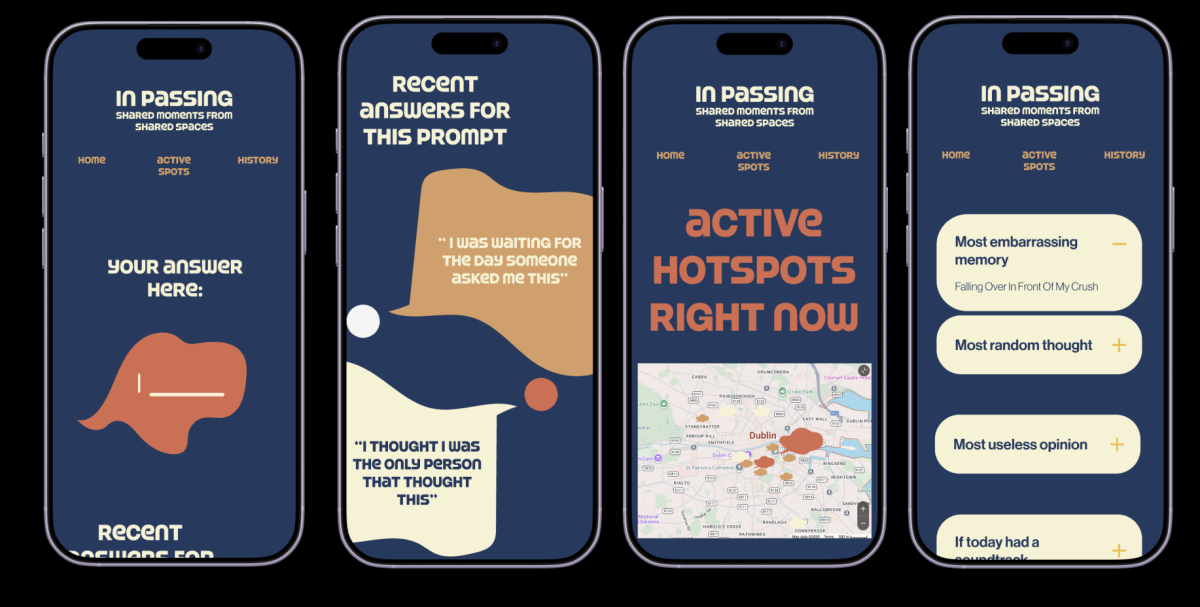
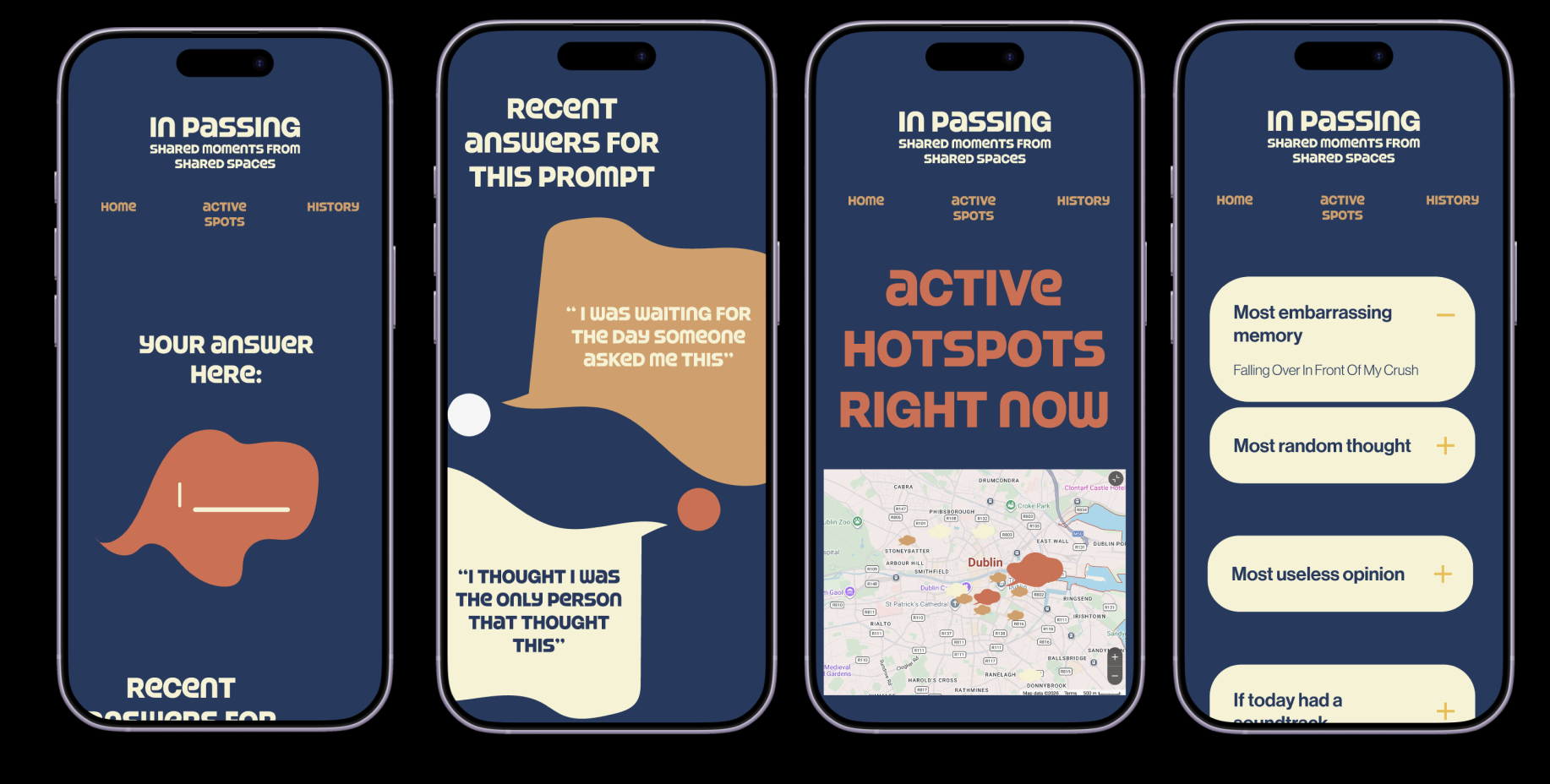
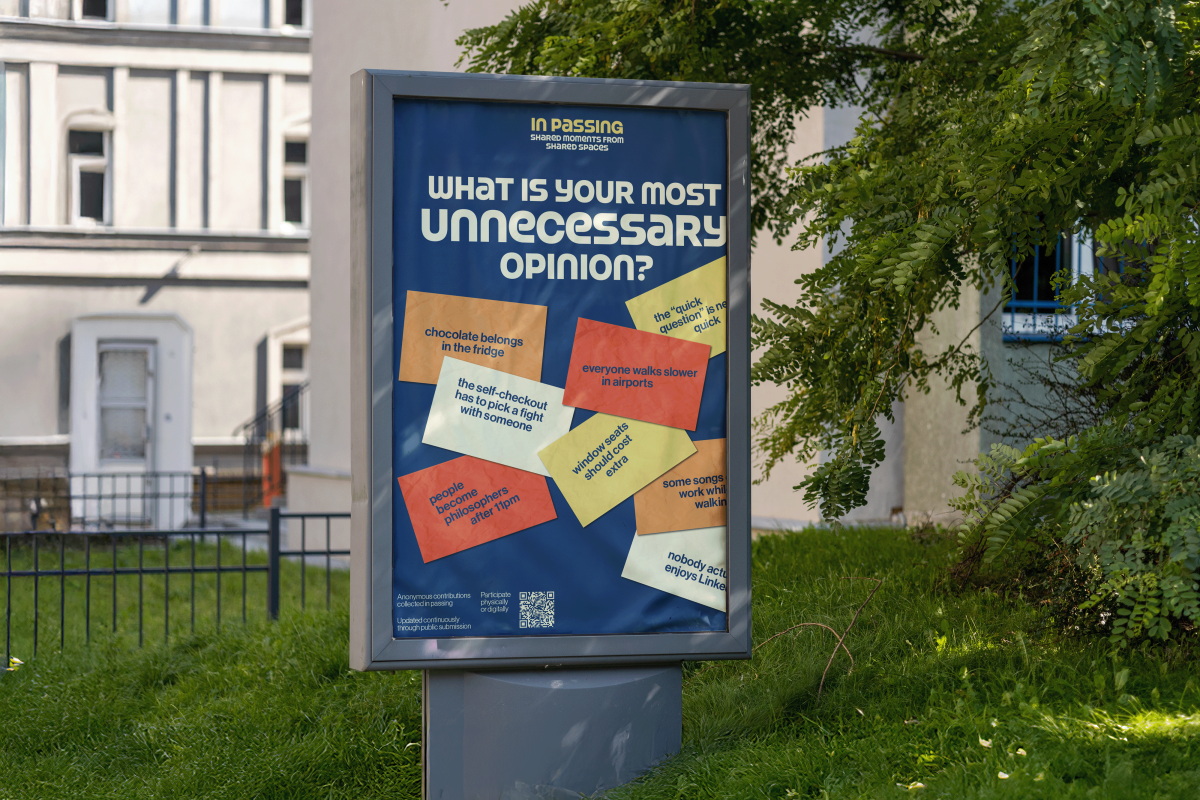
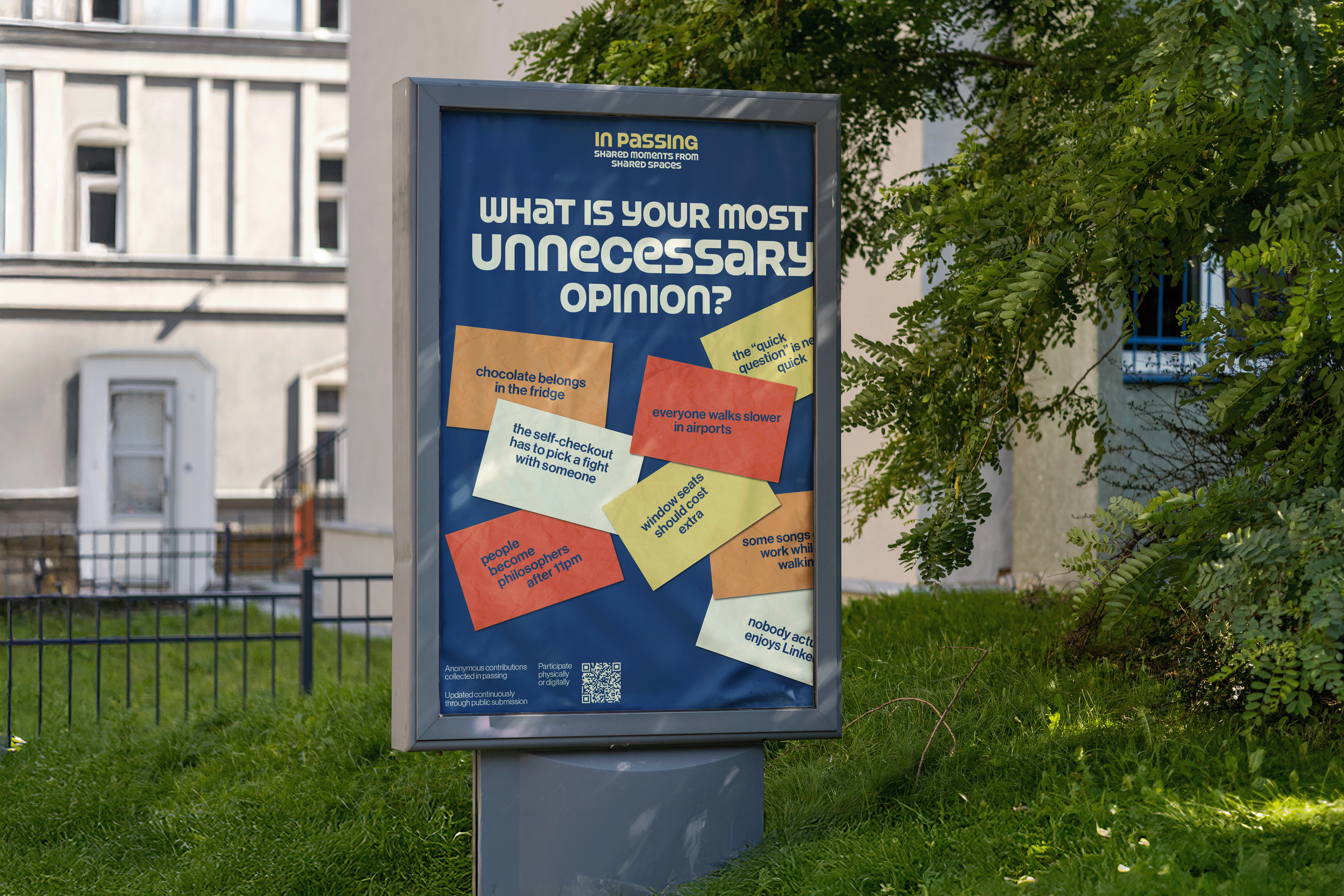
In Passing aims to explore how graphic design and participatory communication can improve the experience of waiting within shared public environments. The project investigates how low-pressure interactions, humour, and anonymous contribution can encourage people to feel more present and connected within spaces that are often passive or isolating. Rather than focusing on direct social interaction, the project aims to create moments of collective participation through prompts, public responses, and shared observation. A key objective was to design a system that could exist across both physical and digital touchpoints while remaining simple, accessible, and engaging. The project also explores how public messaging and interaction design can work together to create a cohesive experience across different environments.
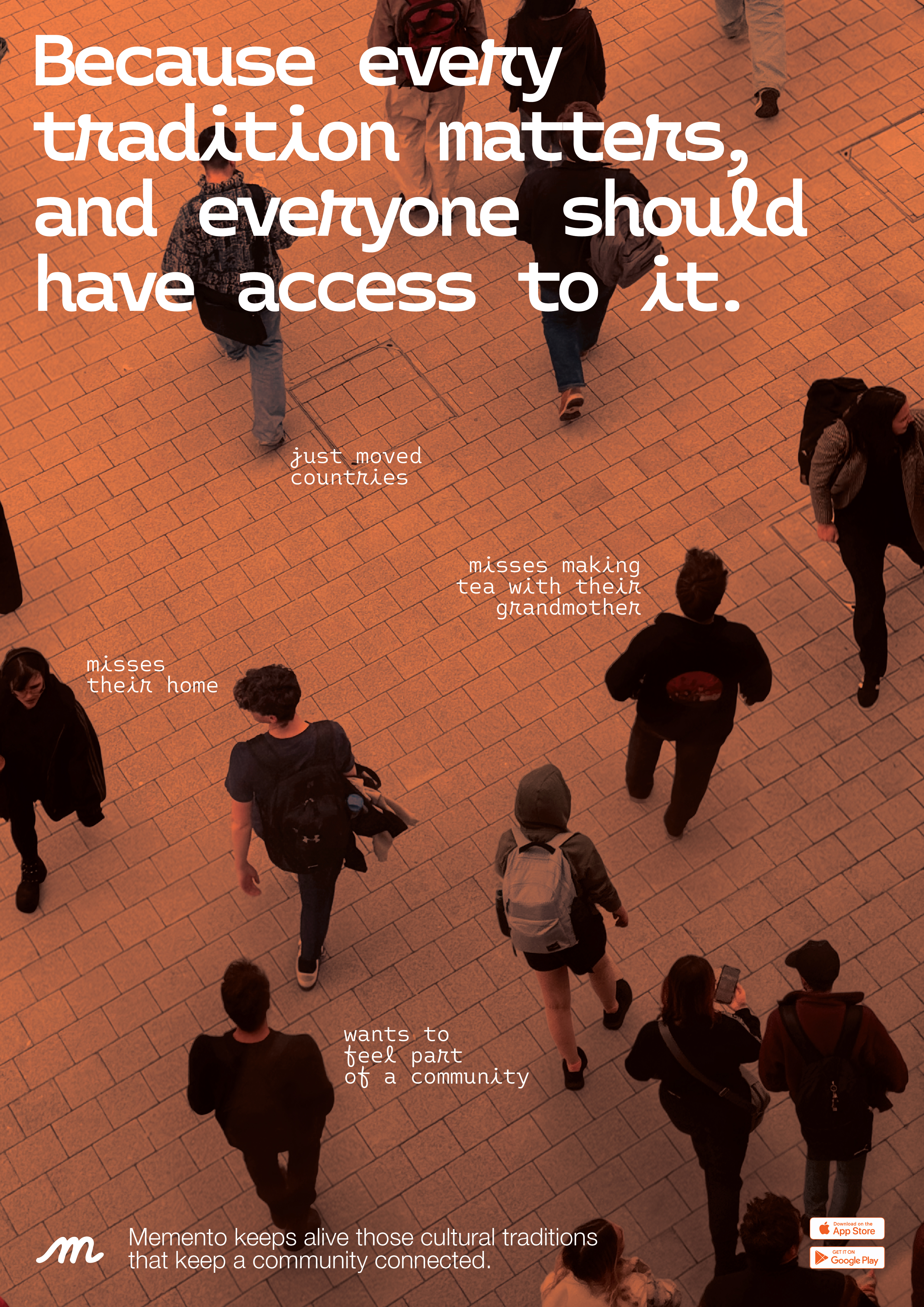
The final outcomes for In Passing include a large-scale campaign poster, a series of prompt-based printed touchpoints, and a companion mobile interface designed for public participation. The poster system uses observational humour and anonymous public responses to encourage interaction within waiting environments such as cafés and transport spaces. The digital component allows users to scan prompts, contribute responses, and explore a live archive of public submissions. Together, the physical and digital outcomes create a participatory communication system that transforms moments of waiting into shared experiences. The project combines spatial communication and interaction design to create an accessible and contemporary public-facing design system.
This thesis explores how the Marlboro Man became one of the most influential masculine icons in advertising history and how tobacco branding used graphic design to construct and sell identity. Through visual analysis of Marlboro advertisements, the research examines how ideas of freedom, masculinity and aspiration were communicated through imagery, typography and narrative.
The study also investigates the decline of the Marlboro Man as anti-smoking movements, advertising regulations and public health campaigns began to challenge the ethics of tobacco advertising. Particular focus is placed on parody campaigns and Ireland’s anti-smoking character “Nico”, which reworked the visual language of tobacco advertising to expose themes of addiction, manipulation and mortality.
Ultimately, the thesis argues that graphic design plays a powerful role in shaping cultural values and public perception, demonstrating how advertising imagery can both construct and dismantle social myths.
My name is Erika Stratila and I am a fourth year graphic design student at IADT with a strong interest in brand identity and communication design. My work focuses on creating visually engaging and meaningful design solutions that connect with people through both aesthetics and interaction. I am particularly interested in how design can shape experiences, encourage engagement, and create a sense of connection between people and brands. Throughout my studies, I have explored a range of disciplines including branding, editorial design, digital media, and user experience, allowing me to develop a versatile and thoughtful approach to design.