Ilinca Mogos
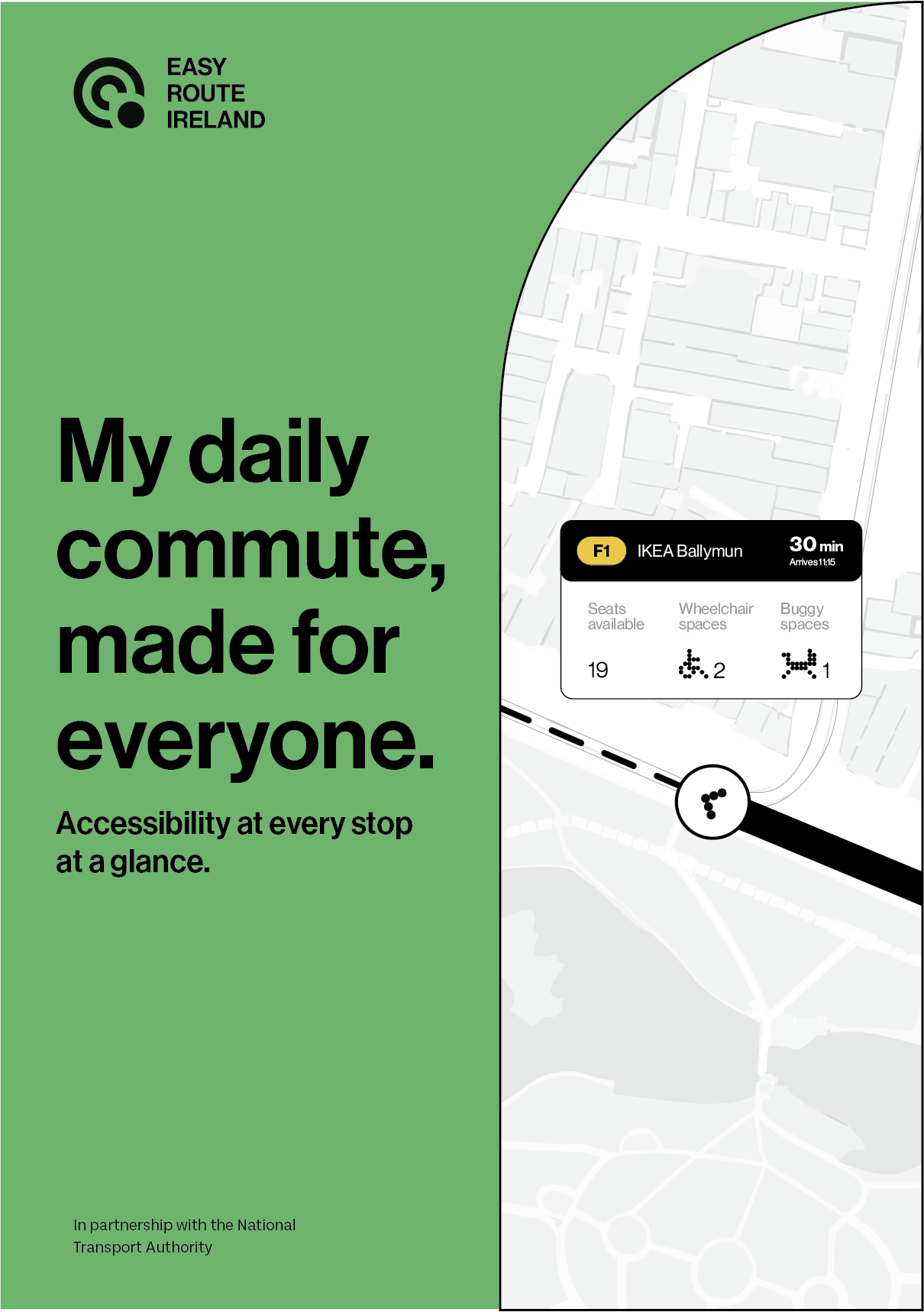
As more everyday services become digital, many older adults are excluded from websites and products that are difficult to read, navigate, and understand. Older users are often expected to adapt independently to fast-changing technologies, despite many digital experiences being designed without their needs in mind.
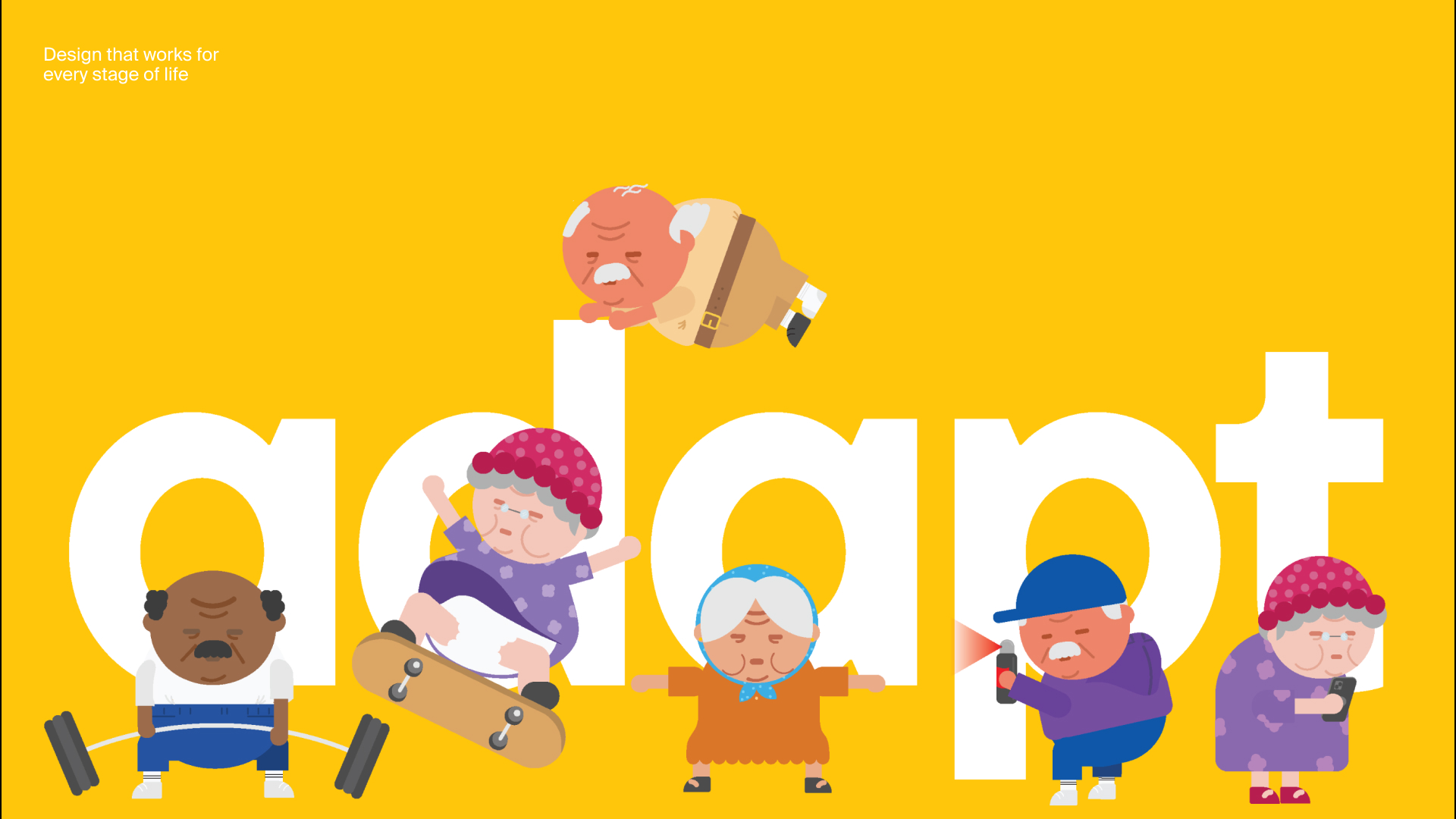
Adapt is an accessibility platform that helps designers and companies create more age-inclusive digital experiences through practical guidelines, accessibility evaluations, and certification. The project encourages companies to improve usability for older adults while raising awareness of how design decisions affect independence, confidence, and access to online resources.
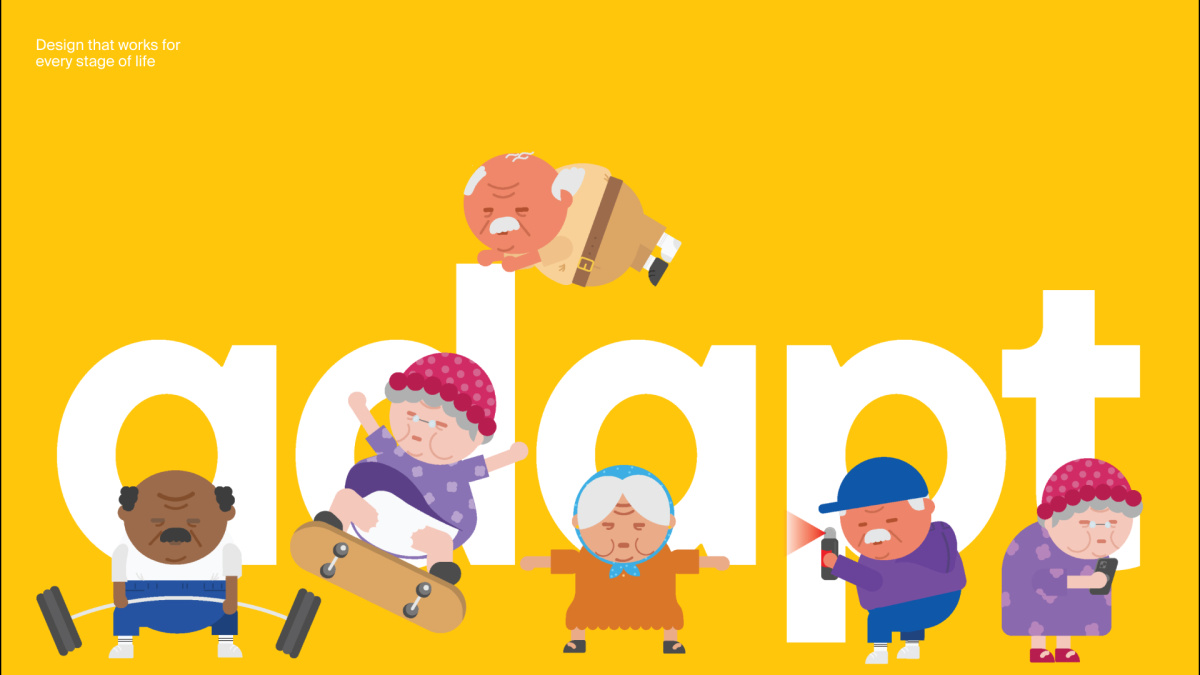
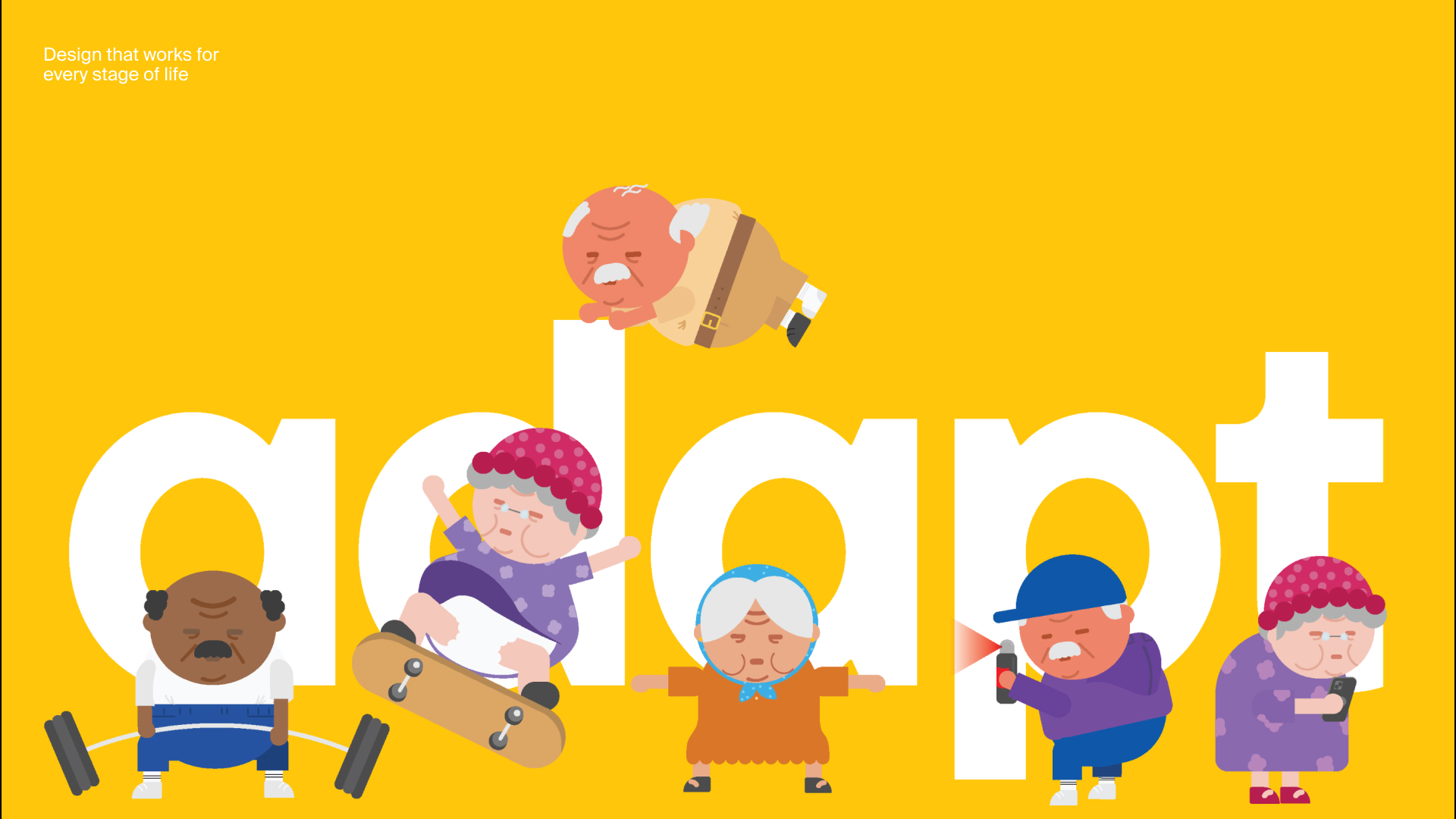
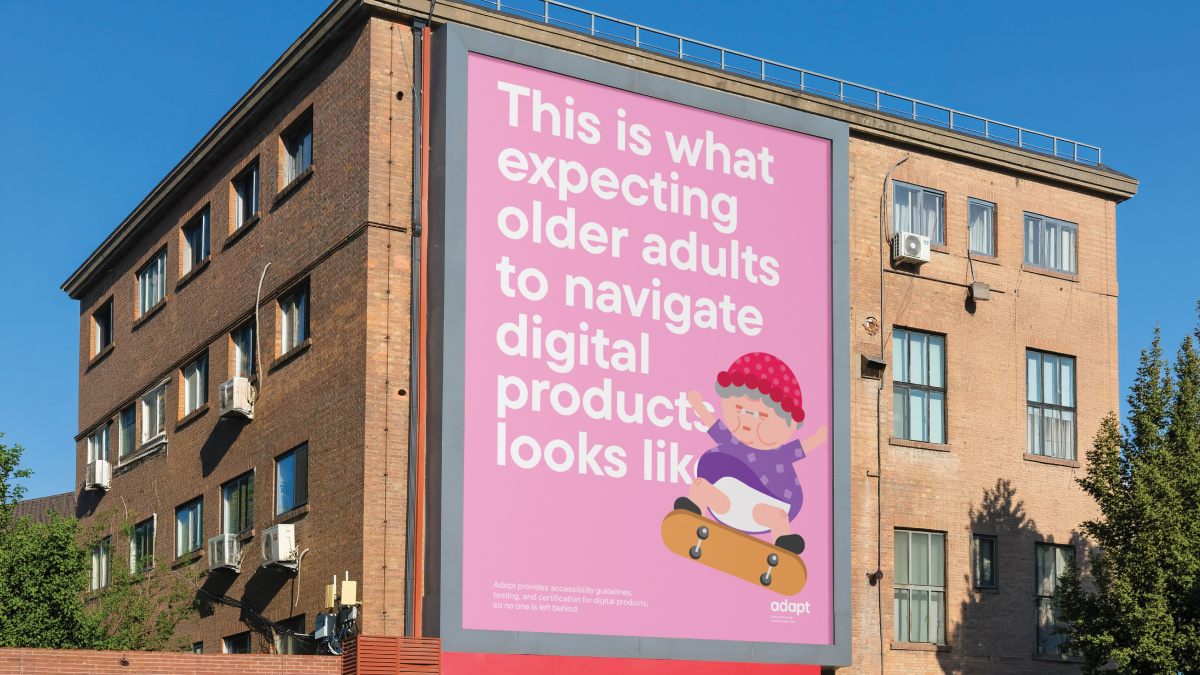
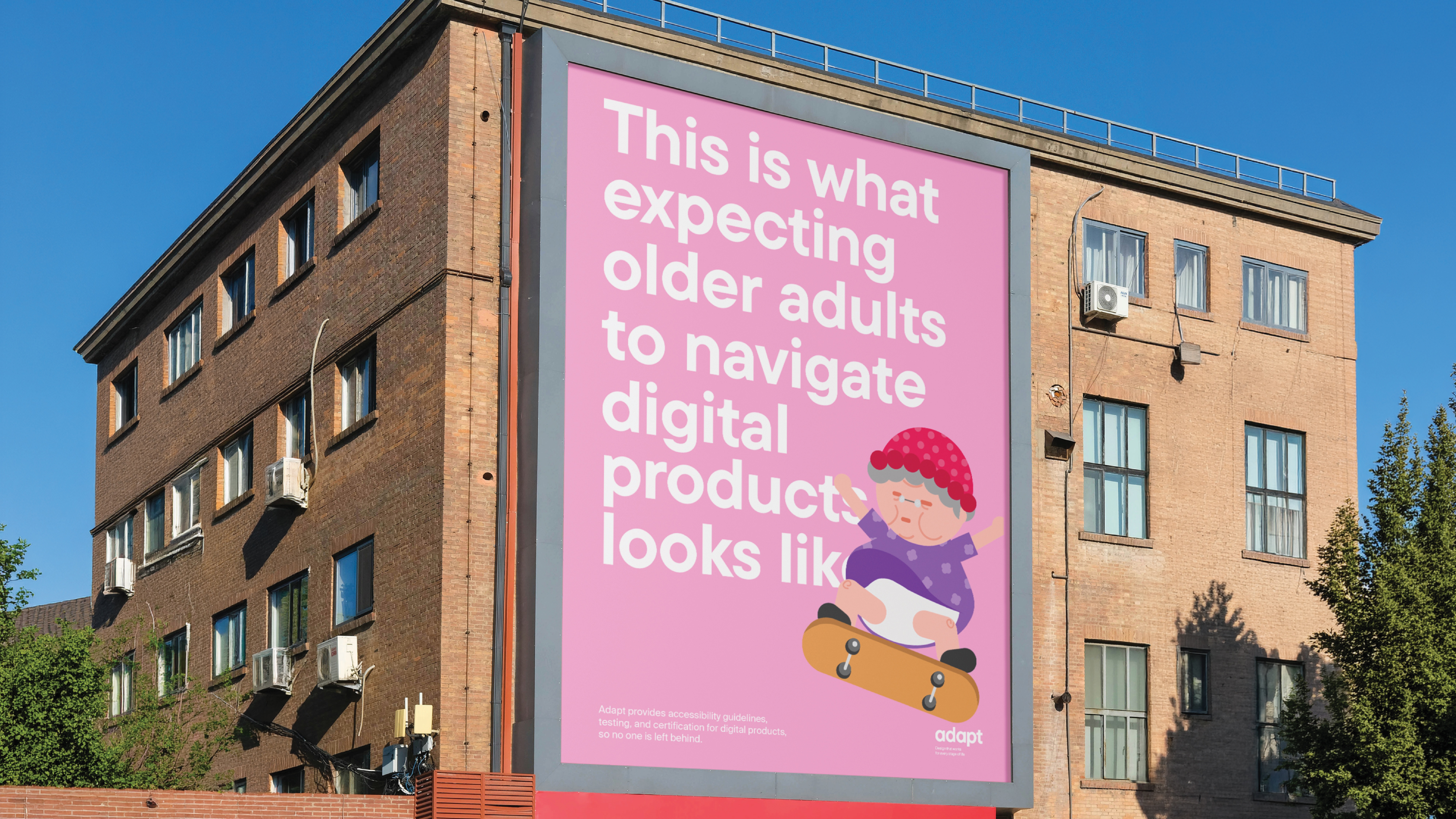
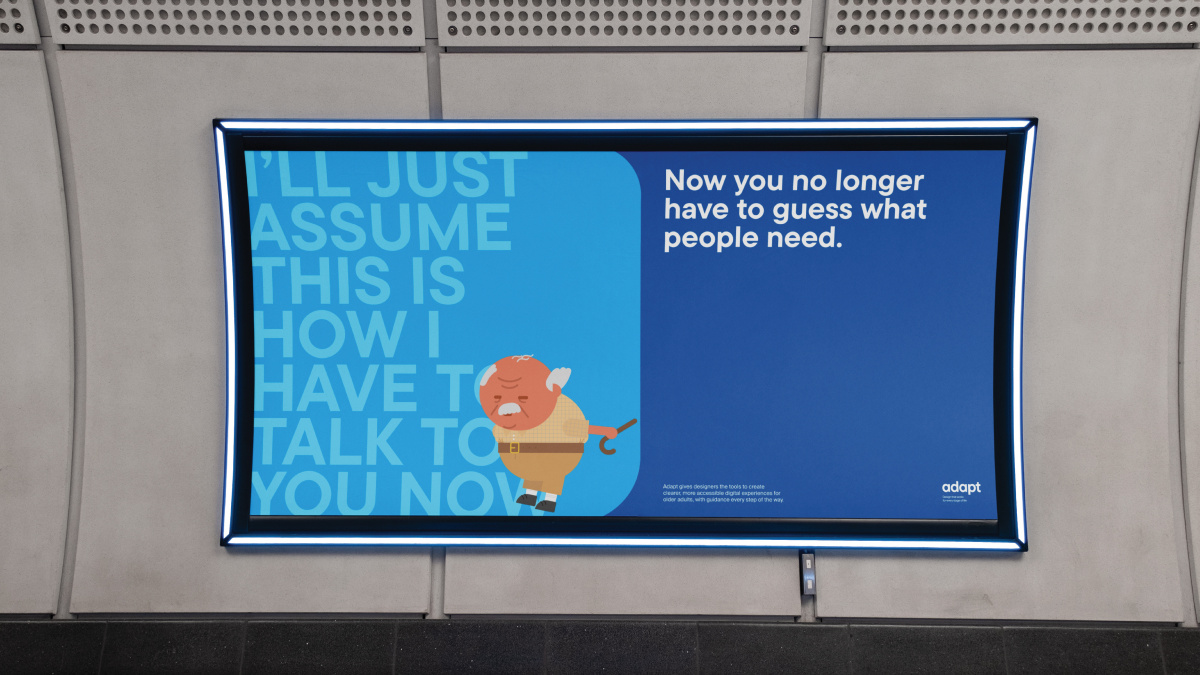
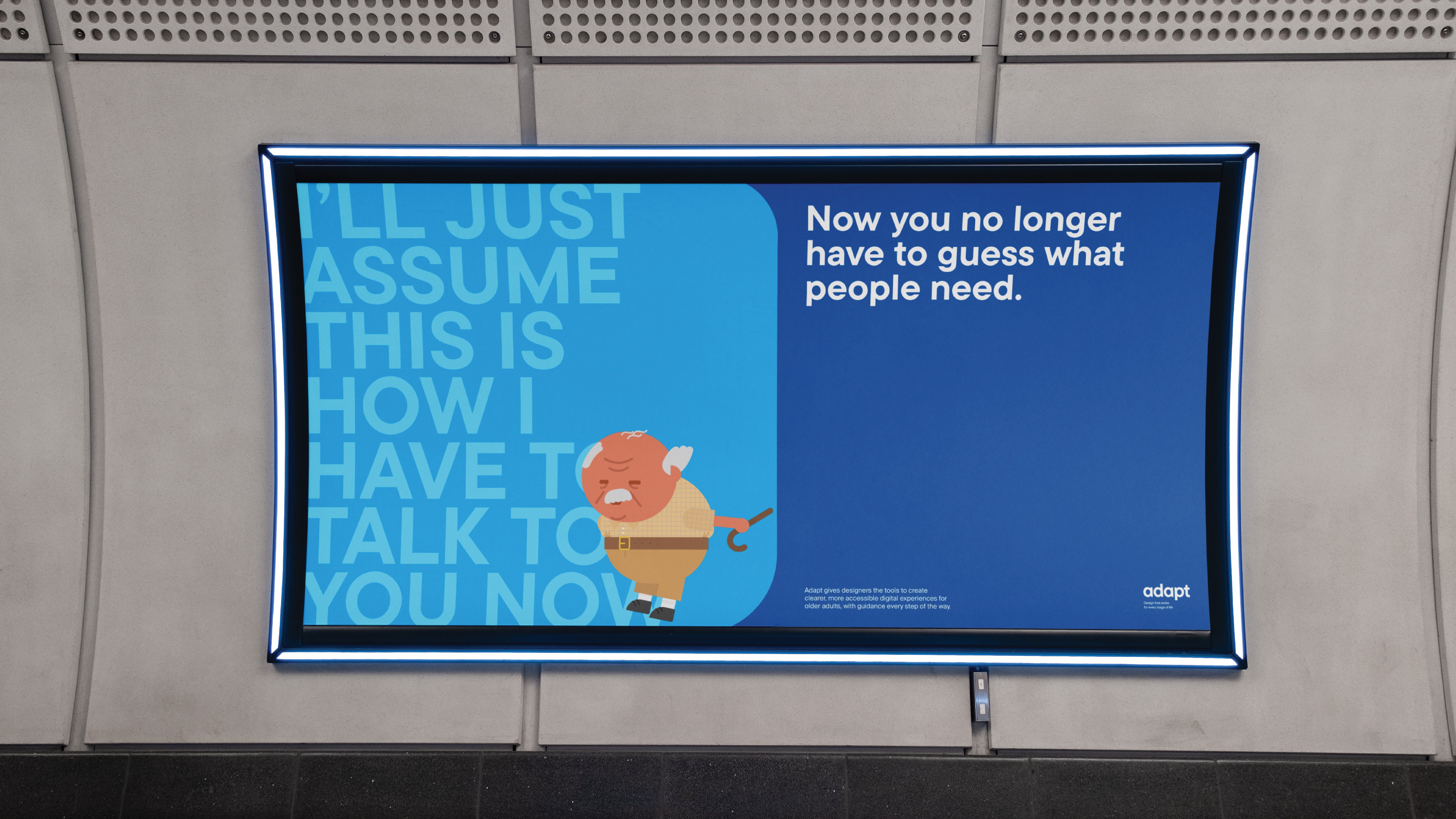
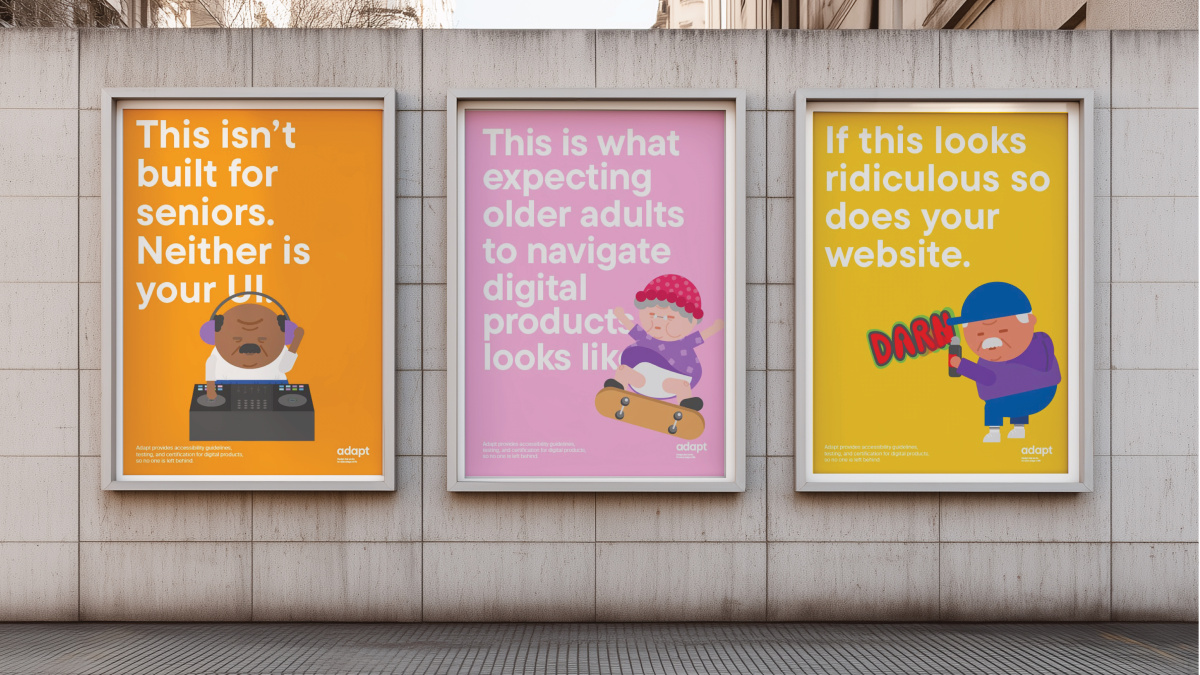
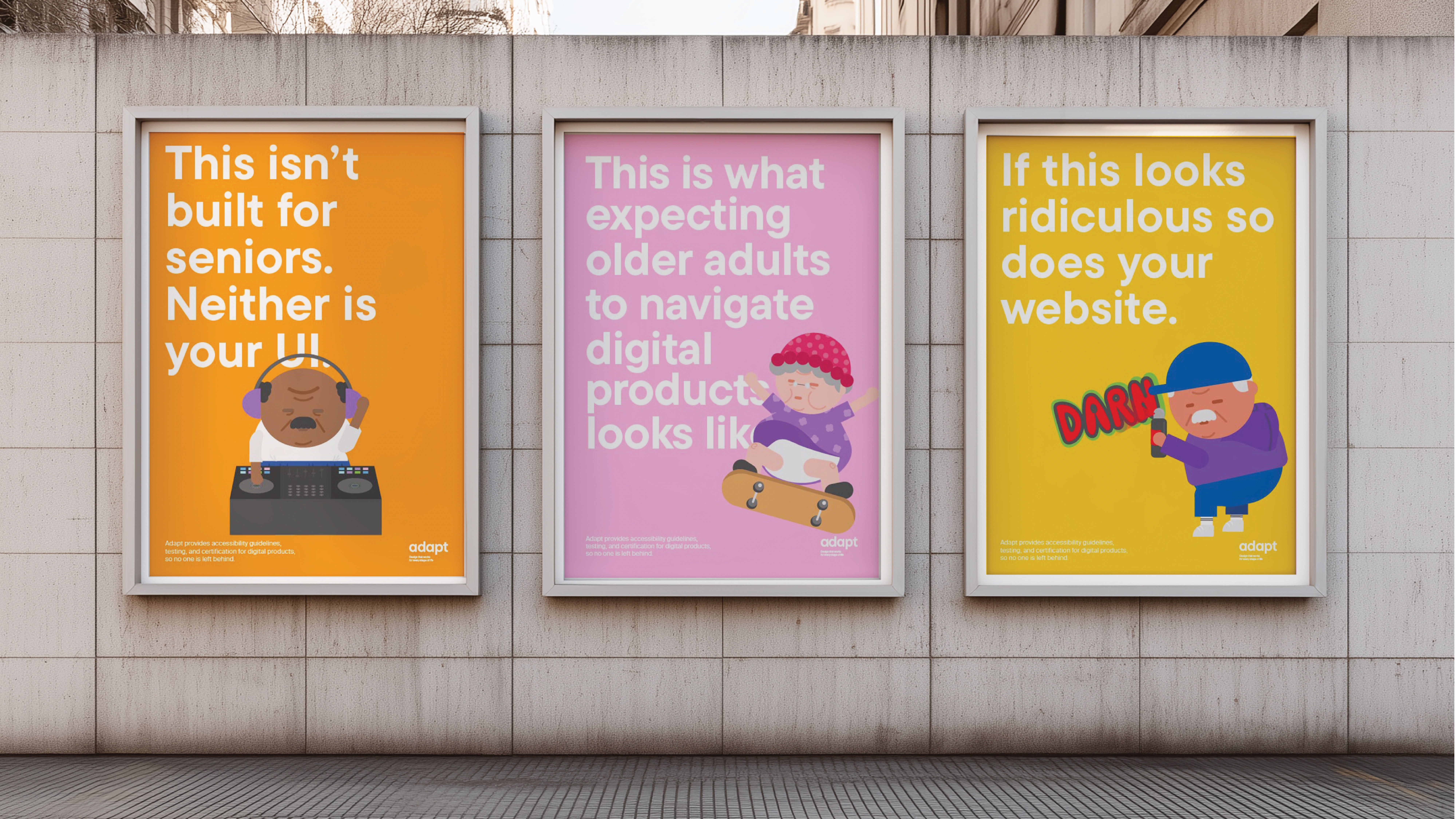
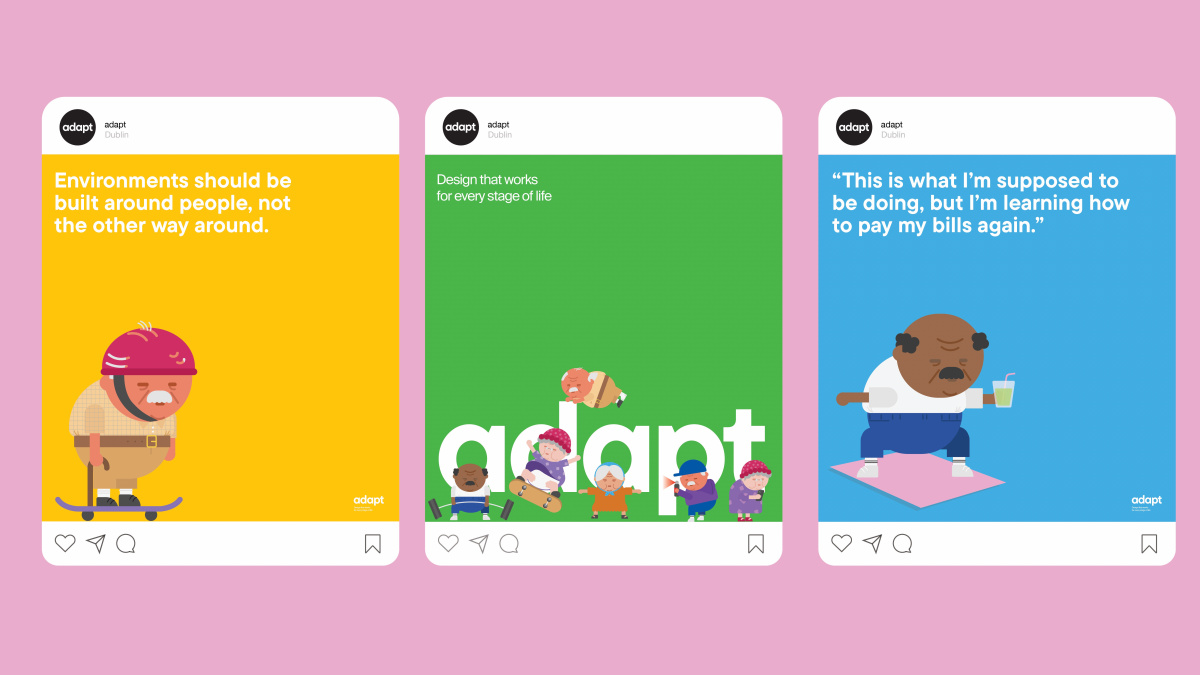
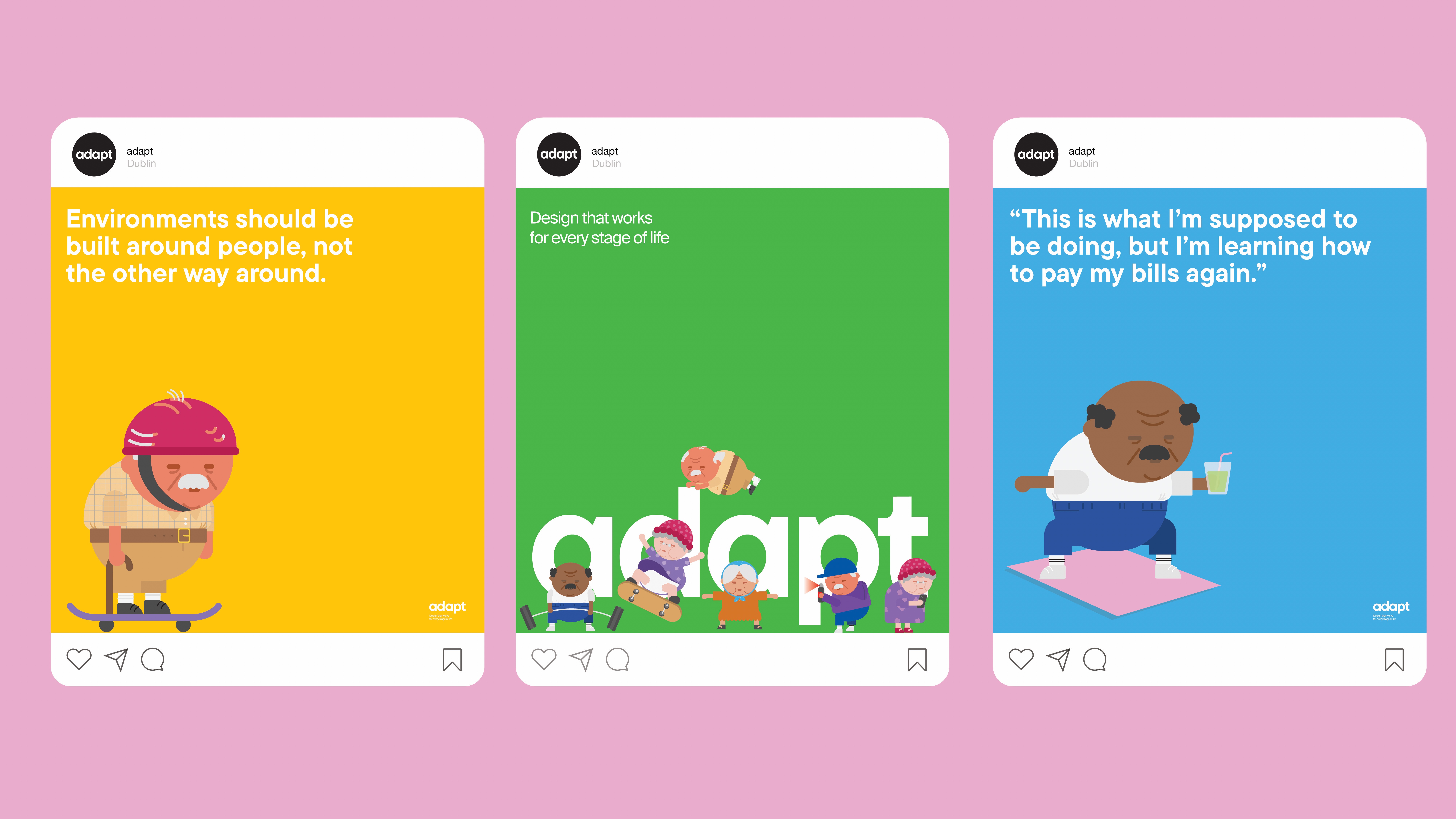


Adapt aims to improve the accessibility of digital products for older adults by encouraging designers and companies to create clearer, more usable experiences. The project focuses on identifying common usability barriers, such as unclear navigation, complex language, and poor visual hierarchy, and providing practical ways to improve them.
Through guidelines, accessibility evaluations, and certification, Adapt supports a process of awareness, improvement, and recognition. The objective is to shift responsibility away from older adults having to adapt to technology, and instead encourage more inclusive design that makes digital products easier to read, understand, and use for everyone.
Adapt aims to produce clearer, more accessible digital experiences for older adults by helping companies identify and improve usability issues in their products. As a result, designers gain practical feedback through accessibility evaluations, allowing them to make targeted improvements to type, structure, navigation, media, and language.
A key outcome of the project is the introduction of a certification system that recognises accessible design and encourages ongoing improvement. This also provides companies with increased credibility and improved visibility online, including potential SEO benefits. Overall, the project promotes more inclusive digital environments where older adults can use services with greater confidence and independence.
Hi, I’m Ilinca Mogos, a graphic designer from Bucharest, Romania, currently based in Dublin. My practice is driven by research and curiosity, with a focus on how design can improve the way people understand and interact with information. During my time at IADT, I explored branding, editorial, UI/UX, motion, and web design, alongside freelance work in branding and editorial projects. I also gained industry experience at Rubio y del Amo, working across branding, UI/UX, packaging, and social media, including the visual identity for EITIB. I’m interested in thoughtful, accessible design that responds to real-world issues.