Brandon Conway
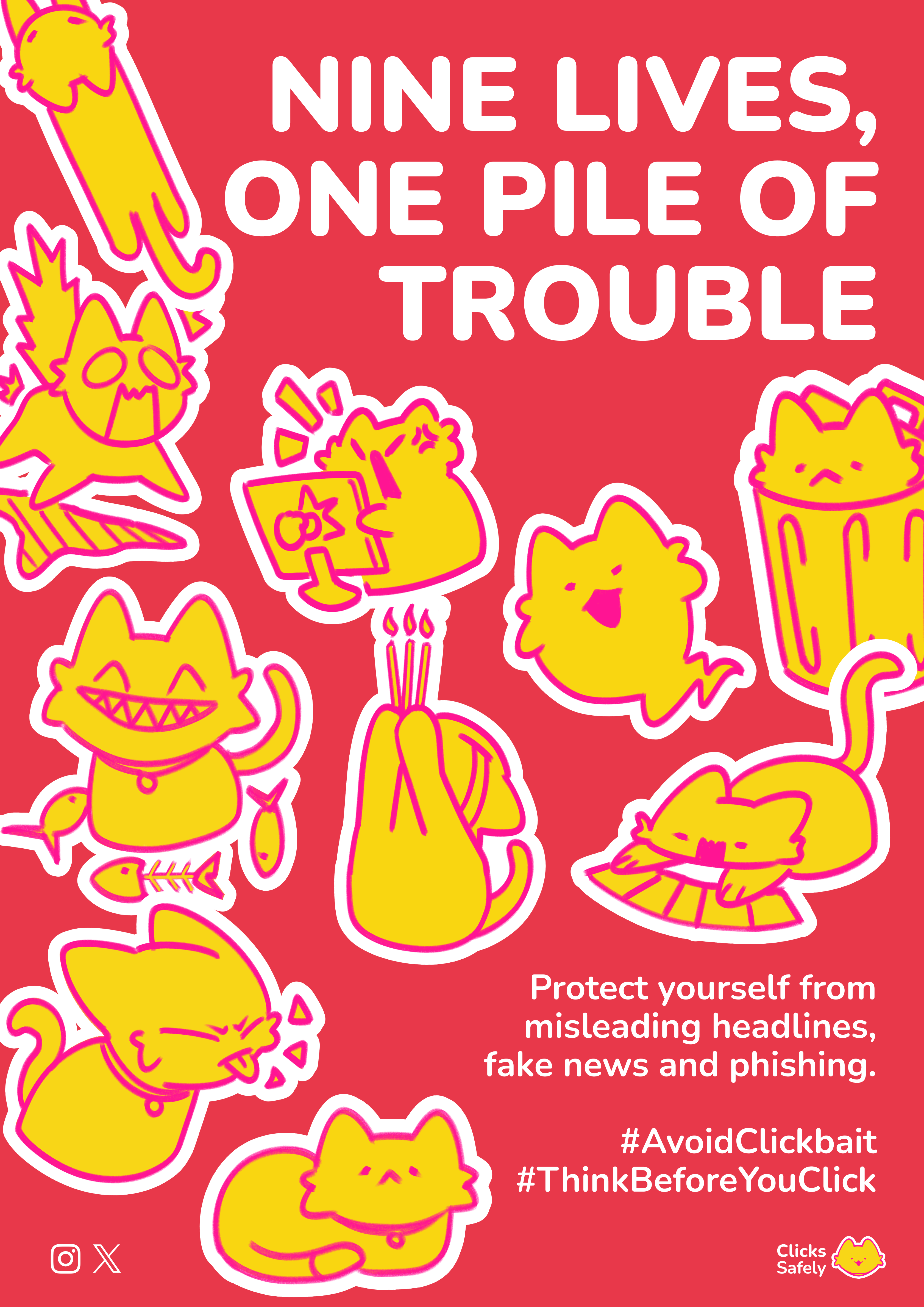
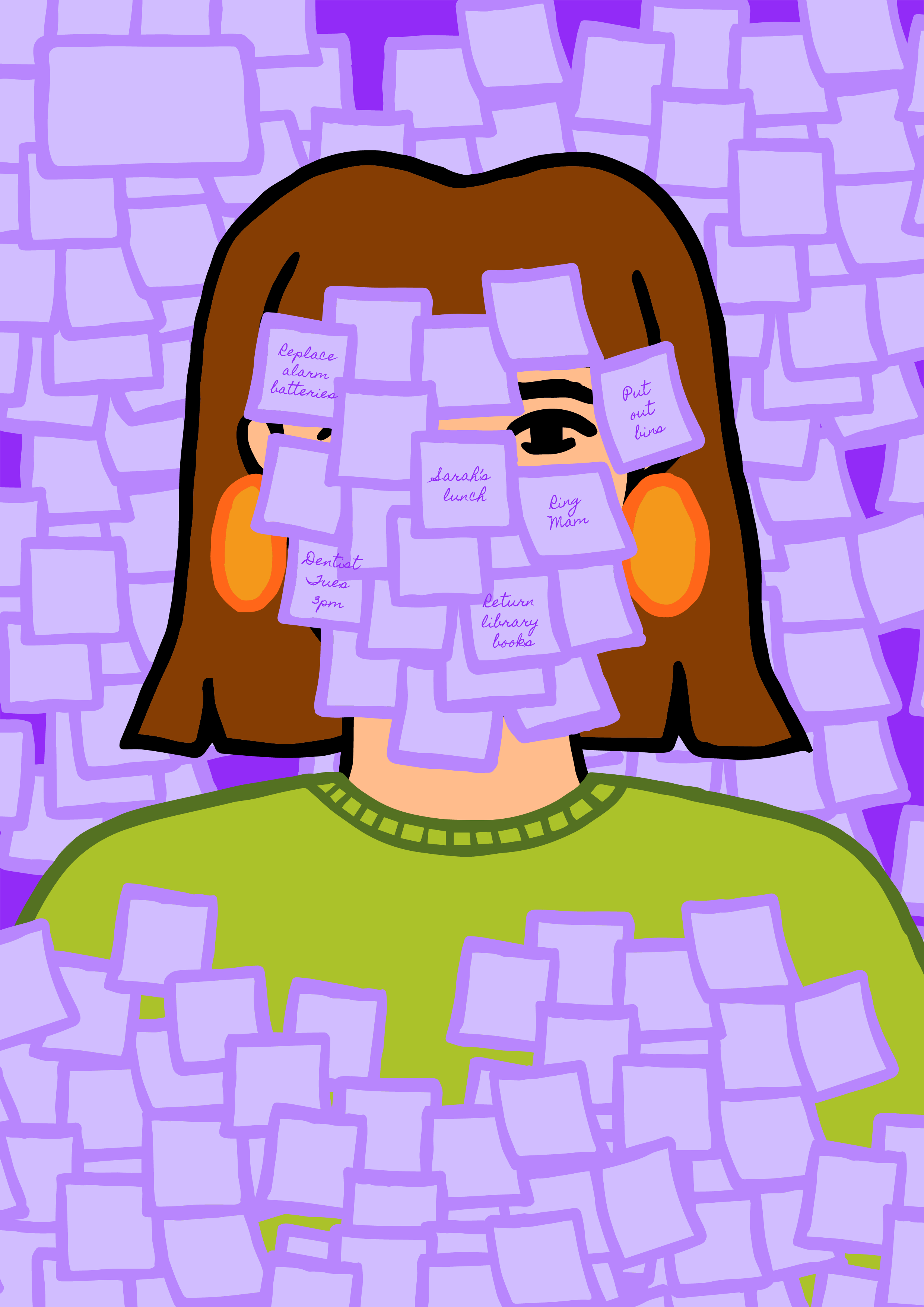
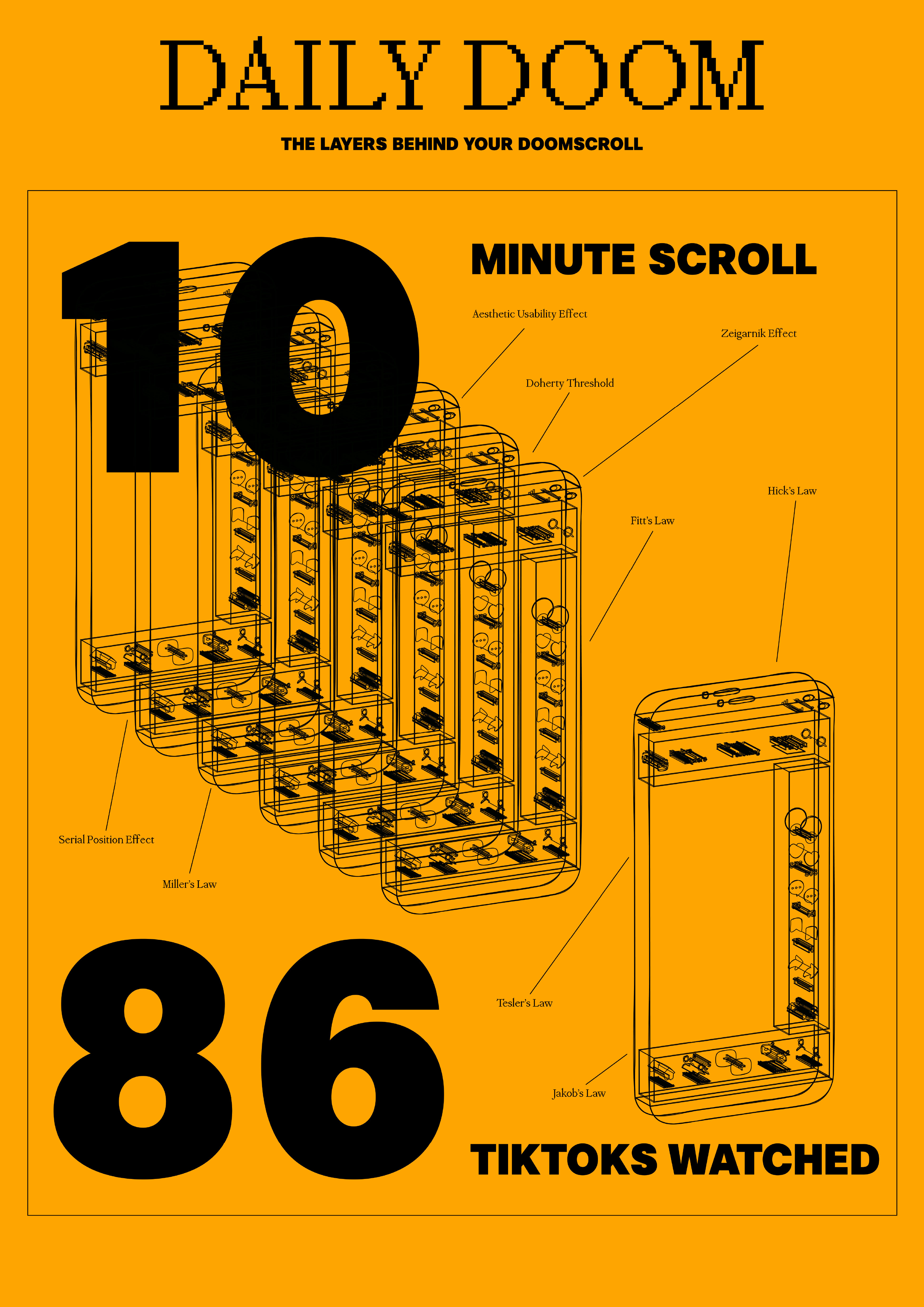
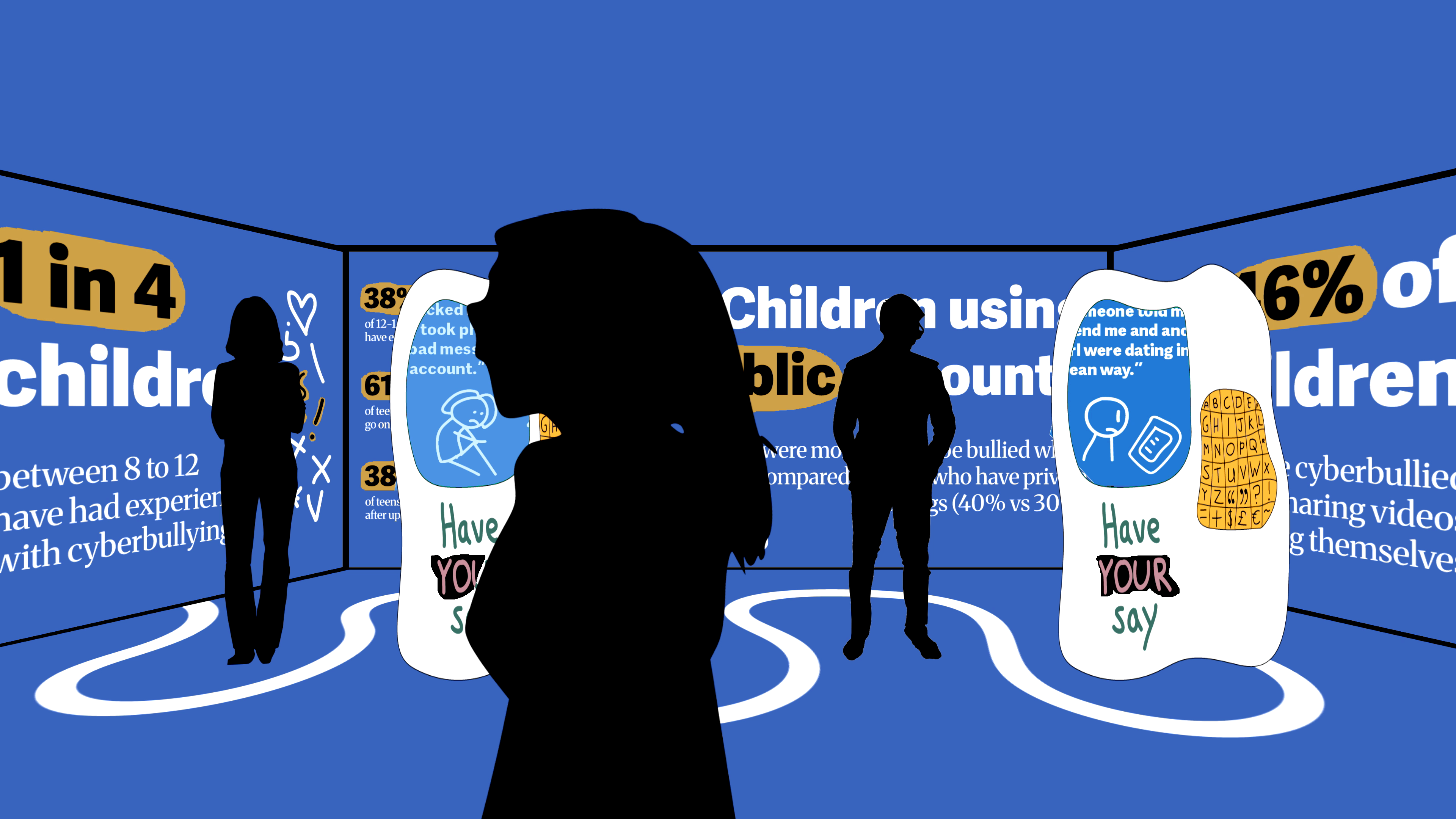
'The Unseen Feed: Understanding childhood in the digital age' is an immersive event aiming to showcase how people, especially the young, use online spaces as tools of interaction and its potential impact on family bonds. By blending statistics with aspects of gamification throughout the exhibit, the issues around digital safety become more tangible and visually clear.
Designed with modern families in mind, this event allows them to reflect on their actions while not shifting the blame onto the adults or children. Instead the aim is to create an environment where both can share their experiences and increase overall awareness around the facts of growing up with online technologies.
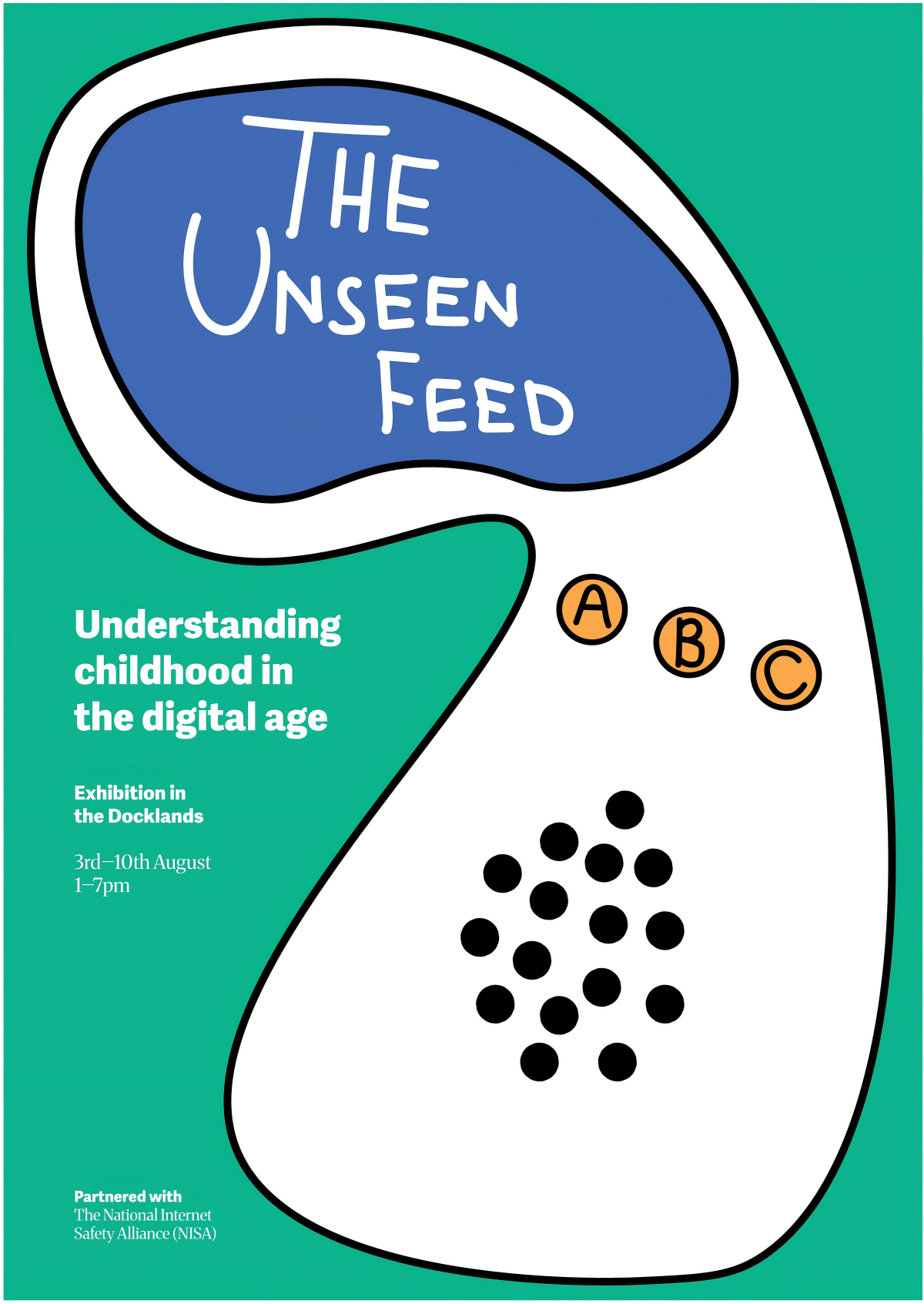
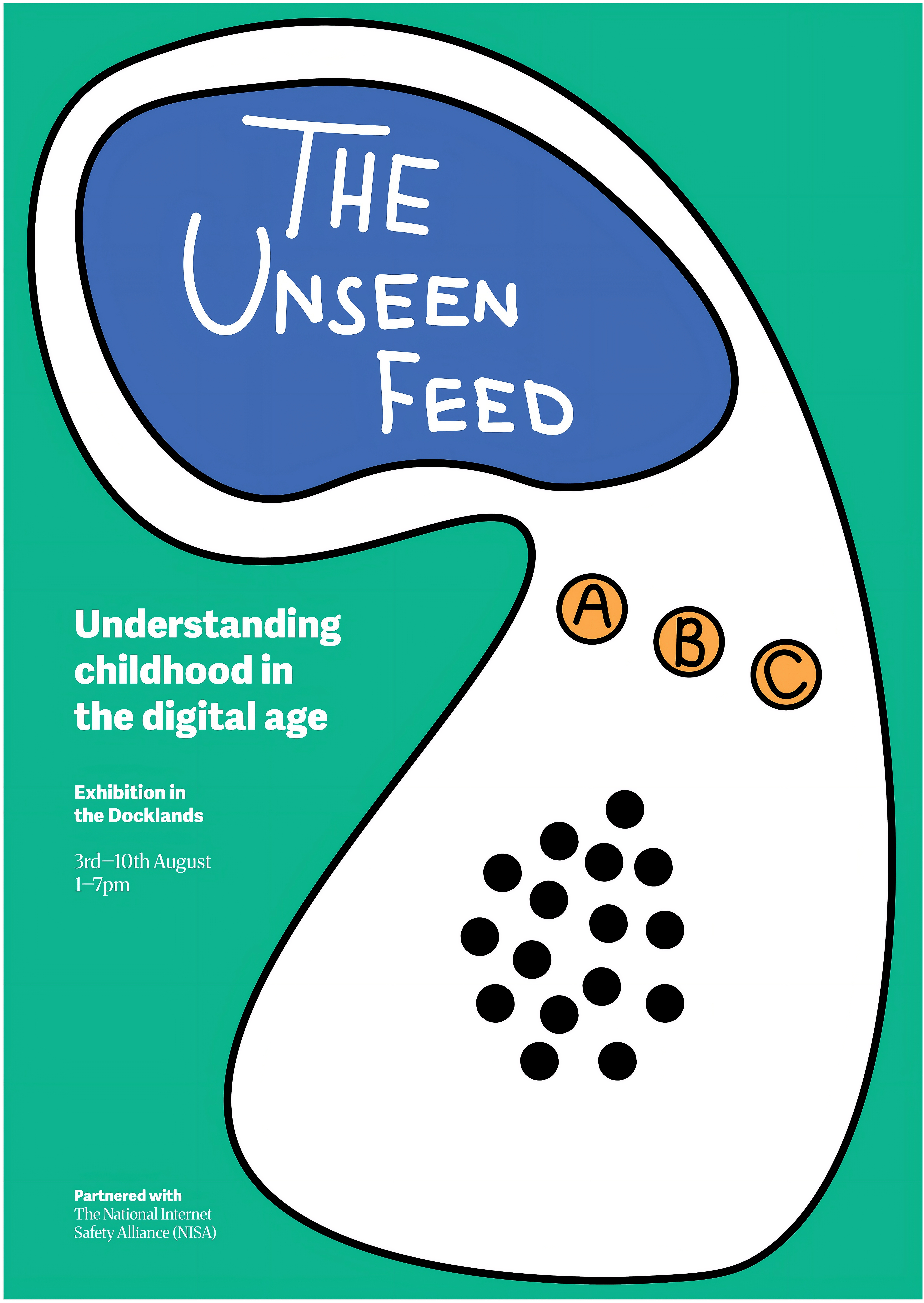
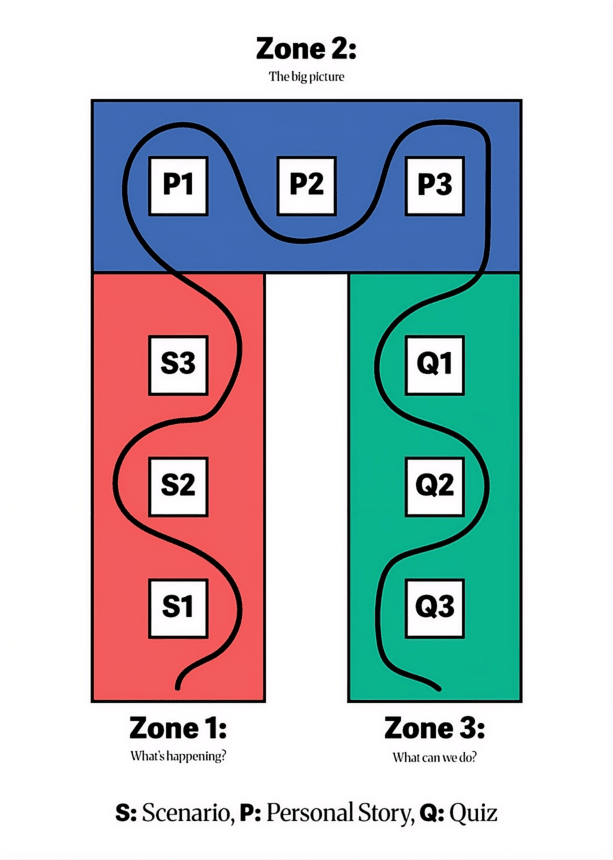
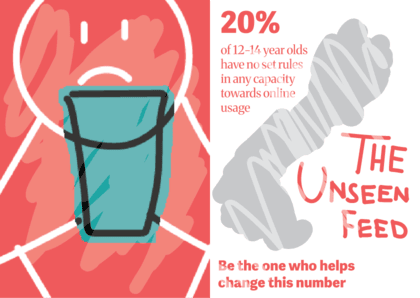
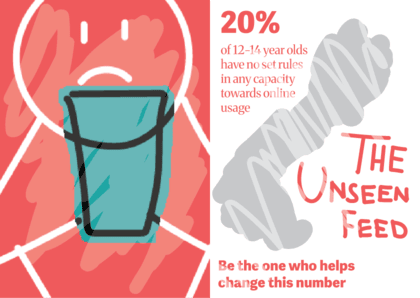
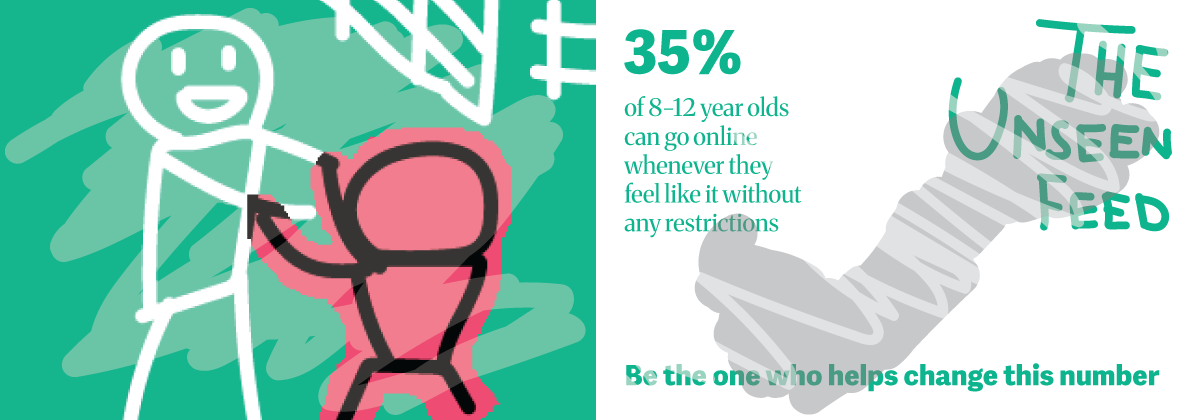
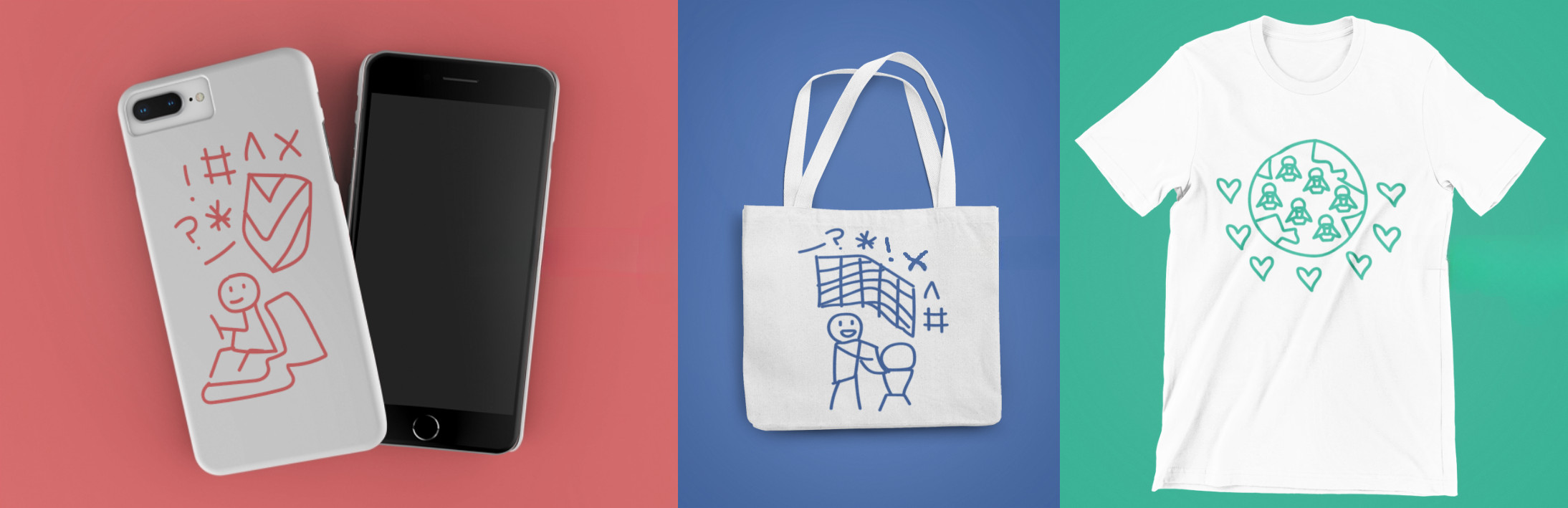
This project aims to decrease the gap between accessing public guidelines around digital safety (which up until now have been restricted to an online-only affair) and our own everyday lives through the use of multiple touchpoints. These give visitors the chance to react as they would in the real world in such situations alongside sections dedicated to reflect on personal encounters and tests to see if the advice given has stayed in their memories.
Another core aim, as briefly mentioned in the overview, is to demystify the online space and how it is perceived from both parties where the balance between knowing too little and too much is rather uneven. In this case a lot of adults are unaware about what messaging apps their offspring use while they themselves are more often afraid to talk about their negative experiences in fear of being labelled as responsible.
Finally, I wanted to tackle this topical theme with a balanced viewpoint due in part to my own childhood taking place at a time when the internet was starting to develop into how we see it today (or you can argue how the tactics used nowadays were less blatant back then) and why my own perspective is different between those who are either in areas of power around legislation and the current generation who are being intentionally targeted by online partners.
Throughout this project, the idea has shifted from a display of my own interests to a more approachable concept while retaining features such as the evolution of online communication and adapting our language for social media. This meant the final output was less a reflection of myself mentally and instead a genuine way to break down barriers around a common area in everyday life.
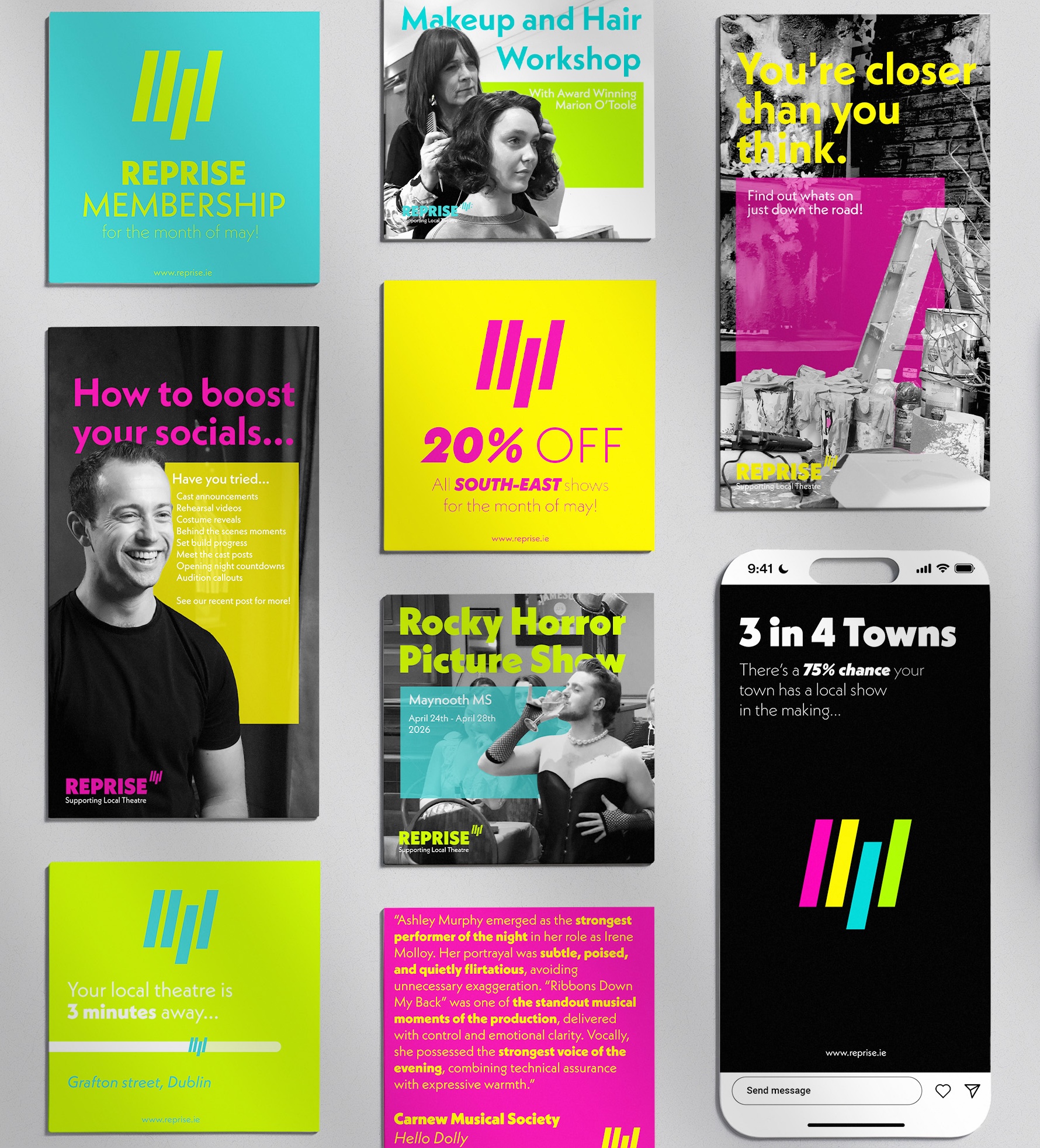
The research process became one of the strongest parts of my proposal as gathering information from both primary and secondary sources allowed me to build a picture of how both the opposites approach technology while using my own perspective as a divider to analyse this 'timeline' of awareness. Another strong part is the visual aesthetic applied onto each of my potential outputs and how it blends imagery associated with children and adults seamlessly.
My thesis aims to carefully analyse the online persona of MaxDesignPro from his early animated content to the present-day material and how his presence grew as a result of various forces, some being within his control (such as the tactics used to further expand his reach including hashtags and trending media) and others which were both unexpected and ended up developing multiple forms of participtory culture within his own fanbase. It is told in a mostly chronological order with each chapter being distinct from one another while also sharing connections through cited images and discussions had in between sub sections with linguistics and interactivity being some examples.
Works and concepts from a wide range of theories are drawn upon throughout this thesis including those of Howard Becker, Henry Jenkins and Sonia Livingstone. By exploring their ideas and applying them onto a niche section of such a vast topic as the online space, we can have a better understanding as to how this kind of entertainment can become rather popular and what amount of power a fanbase can have in challenging the perceptions of content which at first appears ‘low effort’ and of no benefit.
A soon to be Graphic Design graduate with skills in experiential, speculative, and digital-based design seeking an opportunity within the creative industry. My style focuses on developing visual identities that combine physical materials with digital tools such as Photoshop and After Effects. I also have a strong interest in historical research (particularly the Renaissance) alongside a curiosity for the outsider art scene and visual aesthetic associated with late 90s to early 2000s media.